

6 Days in Nicaragua With Kids: Managua, León, Cerro Negro, Ometepe & Granada
We spent 6 days in Nicaragua with our 9-year-old son. It wasn’t a standalone six-day holiday, though. Nicaragua was one part of a much longer Central America trip, which also included Honduras and El Salvador. We flew into Managua from San Salvador and continued through the country from there. This guide to 6 days in Nicaragua with kids covers our exact route, what each stop was like with a 9-year-old, where we stayed and ate, and what the trip actually cost.
Our route was:
Managua → León → Cerro Negro → Ometepe → Granada → Managua
It was a fairly packed six days. We travelled with a private driver and guide, who dealt with the driving and logistics. That let us cover far more ground than we would have attempted on public transport.
The trip gave us a good mix of what makes Nicaragua so interesting: colonial cities, volcanoes, Lake Nicaragua, island life, coffee, cacao and wildlife. A few activities were also far more adventurous than our average family sightseeing day.
Cerro Negro was probably the experience that stayed with us most, while Ometepe was where the pace slowed down a little. Managua gave us something just as interesting: an introduction to Nicaragua’s recent history.
Planning a trip to Nicaragua with kids?
🏨 Booking hotels: Booking.com
- Hotel El Convento (León | Historic Centre)
- Xalli Beach Hotel (Ometepe | Playa Santo Domingo)
- Hotel Plaza Colón (Granada | Parque Central) 👑 Top Pick
✈️ Flights: Kayak.com
We flew San Salvador → Managua, then Managua → San Salvador → Guatemala City. Avianca connects Managua with most of Central America through its San Salvador hub.
🚗 Car rental: Discover Cars
Compare rental companies at Managua Airport. We used a private driver instead, which made the long transfers much easier with a child.
🎟️ Booking tours & attractions: GetYourGuide and Viator
- Cerro Negro Volcano Boarding from León (Half day) 🌋 Top Pick
- Masaya Volcano Sunset & Night Tour
- Las Isletas Boat Tour from Granada
- Granada Walking Tour
- Ometepe Island Tour (Full day)
Holafly is a good option if you want unlimited data. Nomad is better if you only need a set amount of data. Our eSIM for Nicaragua cost about $12 for the 6 days.
Our 6-Day Nicaragua Itinerary With Kids
Here is roughly how our six days worked:
Day 1: Fly from San Salvador → Managua city tour → León
Day 2: Cerro Negro volcano boarding → León
Day 3: Ometepe Island, cooking class, coffee farm and Chocolate Paradise
Day 4: Ometepe → Granada, stopping at Masaya Volcano
Day 5: Granada walking tour and Las Isletas
Day 6: Granada → Managua and onward travel
The exact split between days matters less than the overall route. We were moving quickly, and the private driver and guide made the transfers much easier.
If you’re planning Nicaragua with kids independently, I’d allow more time rather than copying this itinerary day for day.
Day 1: Managua
We flew into Managua from San Salvador at the beginning of our Nicaragua trip.
Nicaragua was part of a much longer Central America itinerary, so we didn’t plan to spend several days in the capital. We did take a tour of central Managua before continuing to León.
I’m glad we did.
Managua doesn’t have a beautifully preserved old town. Its history is much more complicated than that. Much of what you see in the historic centre makes more sense once you know what happened to the city.
Loma de Tiscapa
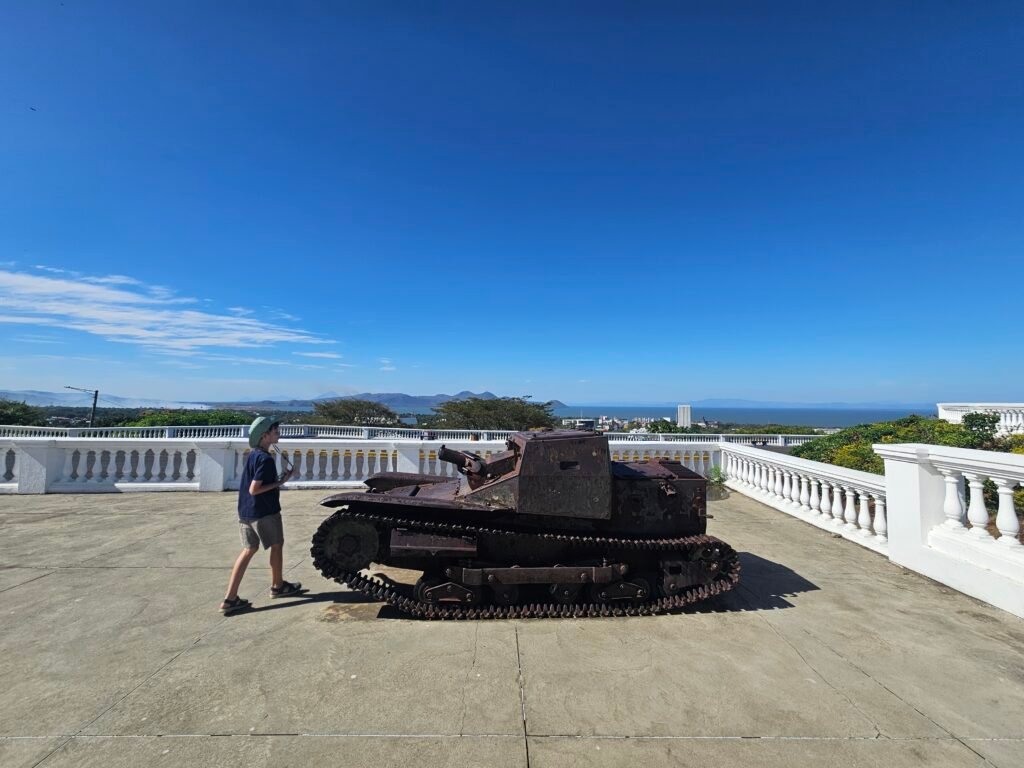
At first we stopped at Loma de Tiscapa, a hilltop park above the city. From the top, you look out over Managua, the Tiscapa crater lagoon and volcanoes on the horizon.
The hill was once the heart of the Somoza dictatorship, home to the presidential palace and a notorious prison. Today a giant black silhouette of Augusto Sandino, the revolutionary the Sandinistas are named after, looks out over the city.
Near the lookout is an old tank that Mussolini reportedly gave to Somoza. It is a striking reminder of how recent this history is.
Exploring the Historic Centre of Managua
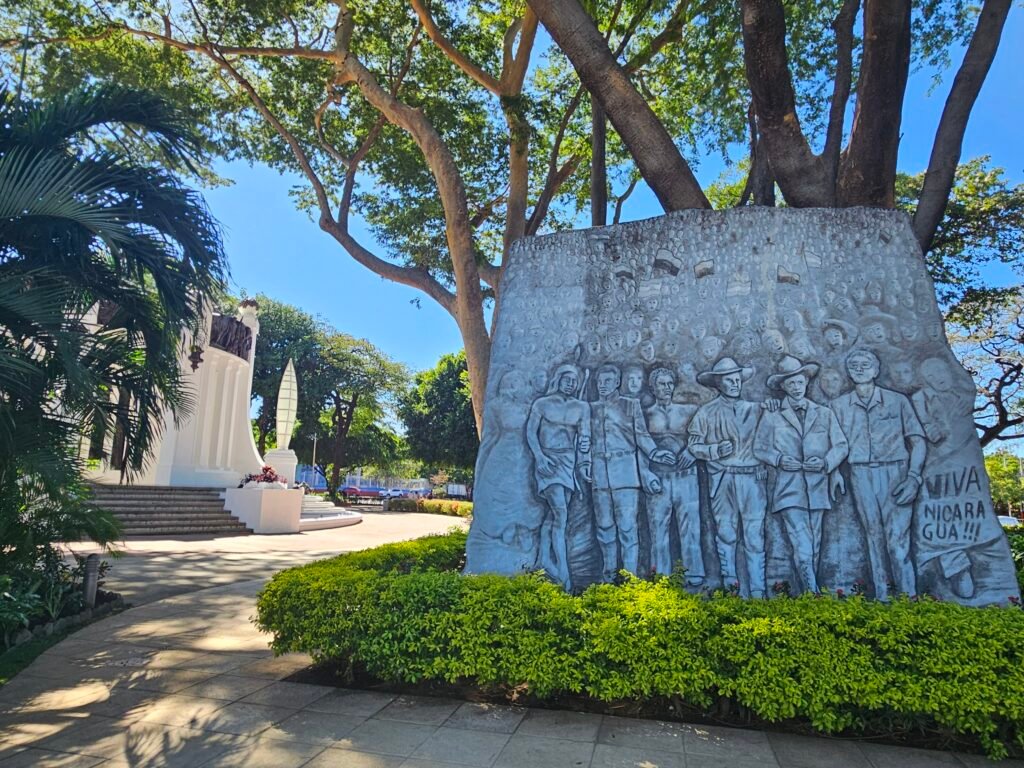
Our guide took us around the central area and explained Nicaragua’s political history, including the Sandinista Revolution and the civil war that followed.
Several important buildings and monuments sit close together around Plaza de la Revolución. These include the Old Cathedral and the National Palace of Culture.
The Old Cathedral of Managua, officially the Catedral de Santiago, was inaugurated in the early twentieth century. The devastating 1972 earthquake left it severely damaged. Today the ruins are one of the most recognisable reminders of the old city, and Nicaragua’s tourism authority lists it among the country’s emblematic historic sites.
How the 1972 Earthquake Changed Managua
The 1972 earthquake fundamentally changed Managua. The central area suffered widespread destruction, which the US Geological Survey has documented in detail. Rather than rebuilding its old downtown, the city spread outwards in a much more dispersed way.
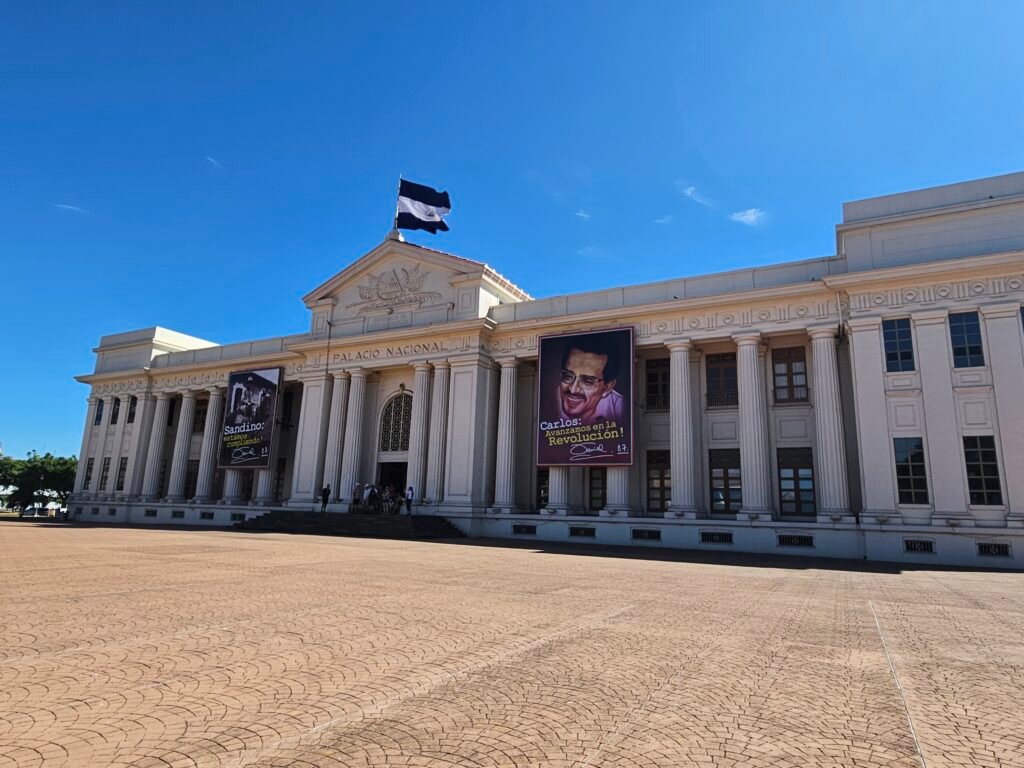
Nearby is the National Palace of Culture, another important survivor of the old city. Built in 1935, it was the seat of Nicaragua’s National Congress for much of the twentieth century. It now houses museums and cultural collections, including the National Museum of Nicaragua.
The building also has a direct link to the revolution. In August 1978, Sandinista guerrillas seized the palace while Congress was in session. They took hostages and demanded the release of political prisoners. The episode became one of the major events leading to the collapse of the Somoza regime.

Day 1: Managua to León
After exploring Managua, we drove on to León, where we stayed for two nights at Hotel El Convento.
León is one of the most interesting cities to explore on foot in Nicaragua with kids. It has a distinctly colonial feel, with brightly coloured buildings, old churches and leafy plazas. The streets are easy to wander without a packed sightseeing schedule. León also has strong links to Nicaragua’s political and literary history, so there is plenty to discover beyond the architecture.
León Cathedral and Its Rooftop
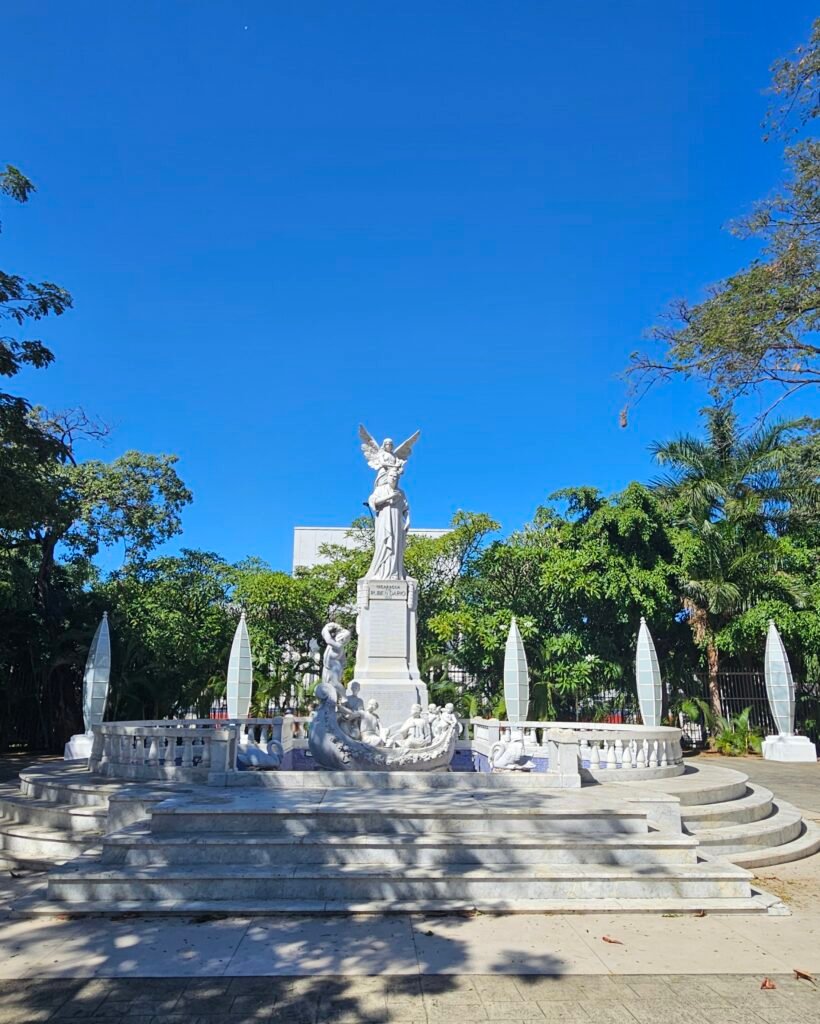
The Cathedral of León, or Basílica Catedral de la Asunción, is the obvious starting point. It dominates the main square and is one of the largest churches in Central America. It’s impressive from the outside, but it’s worth going inside as well. Rubén Darío, Nicaragua’s most famous poet, is buried beneath one of the statues inside. He was one of the major figures of Spanish-language modernism.
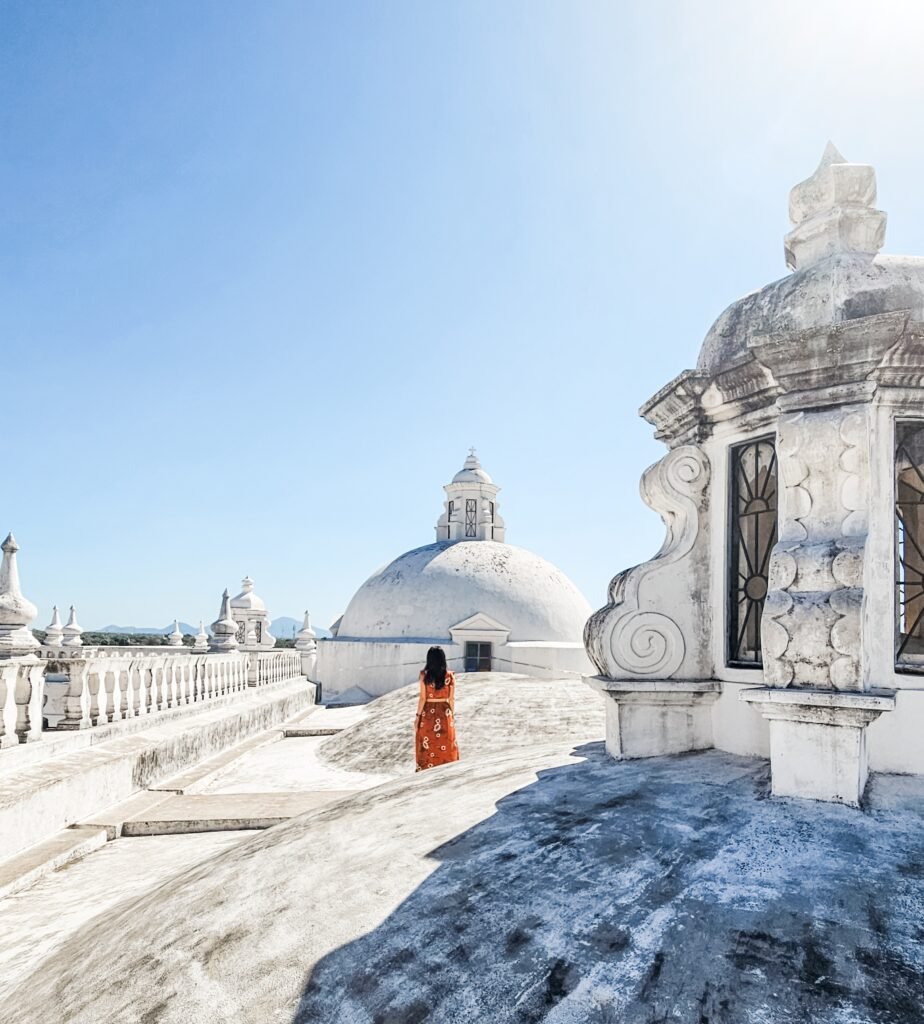
A popular thing to do in León is climb onto the cathedral roof. From up there, you look across the city towards the surrounding volcanoes, with the white domes and towers in the foreground. You need to remove your shoes before going onto the roof, so bear that in mind.


Churches, Museums and Revolutionary History in León
León also has a remarkable collection of historic churches. Iglesia de La Recolección, with its yellow-and-white Baroque façade, is particularly distinctive. Iglesia de El Calvario is another recognisable landmark. The churches are scattered around the historic centre, so they’re easy to see on a walking tour.
For art, the Museo de Arte Fundación Ortiz-Gurdián is one of the city’s highlights. The collection covers Latin American and European art across several beautifully restored colonial buildings. It makes a nice contrast to the churches outside.
León’s revolutionary history is still visible around the city. The Museum of the Revolution sits in the old telecommunications building and gives a local perspective on the Sandinista Revolution. It isn’t a polished, modern museum. Former revolutionaries have traditionally guided visitors through the photographs, objects and personal stories.
The Rubén Darío Museum and Archive is in the house where the poet spent part of his childhood. Even if poetry isn’t your thing, it explains why Darío’s name appears so often around León.
What I liked about León for a short visit is that you don’t need to rush between attractions. The historic centre is compact, so you can combine the cathedral, churches, museums and plazas with simply wandering the streets.


León Viejo: The Original León
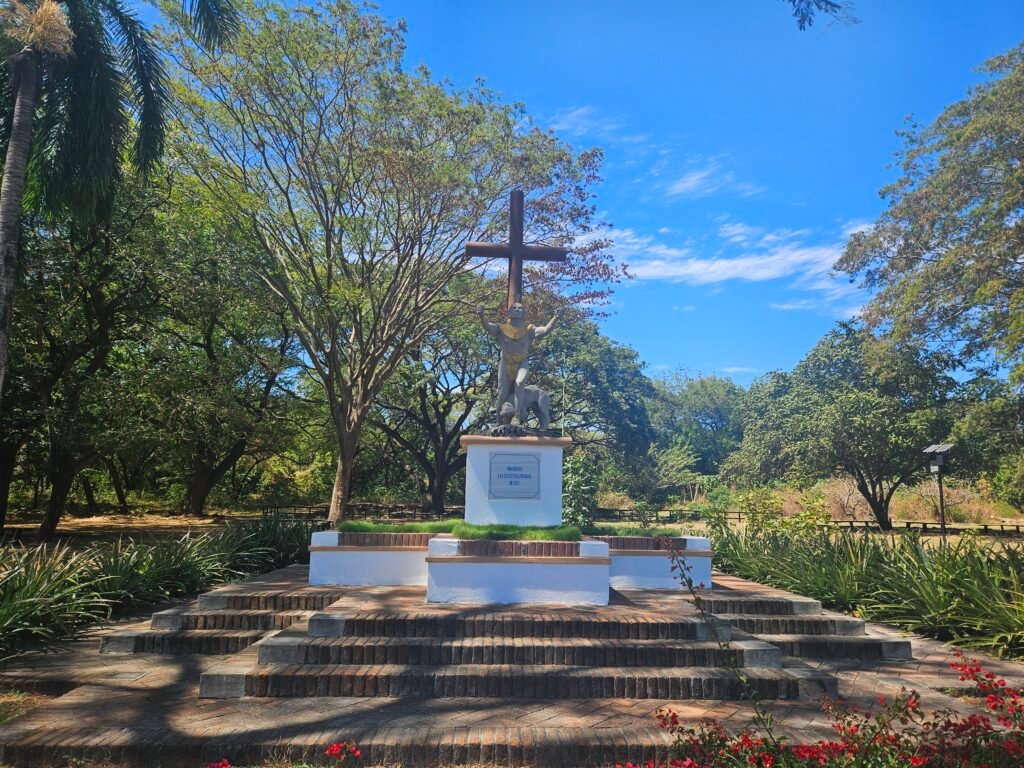
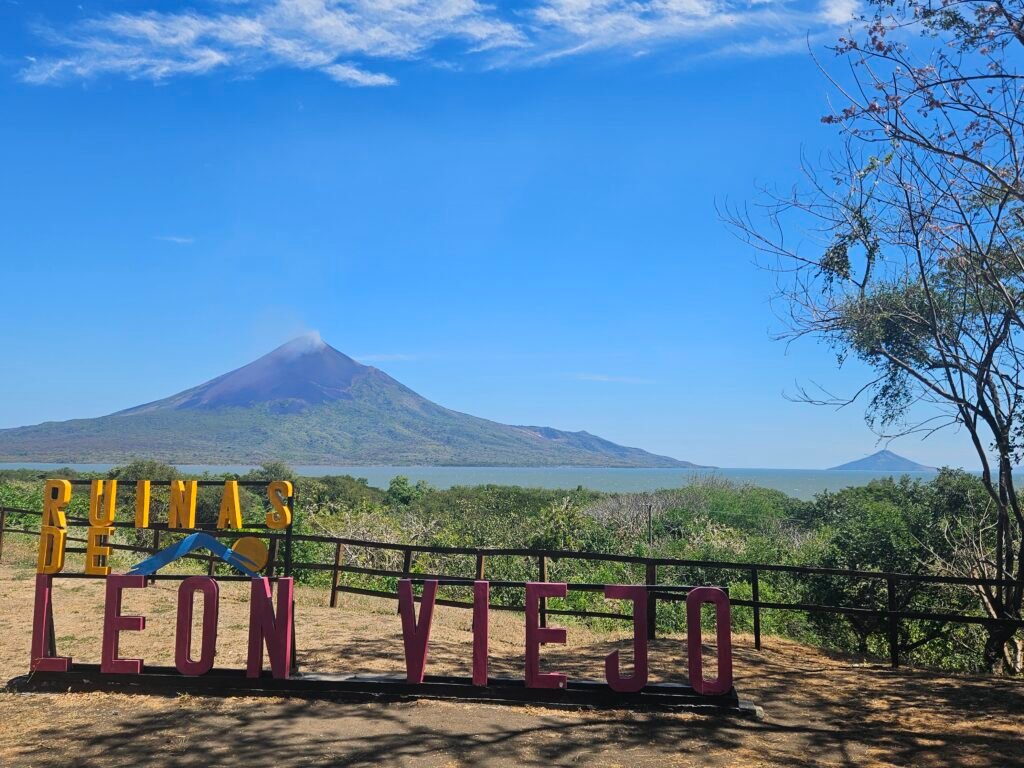
Between León and Managua, we stopped at León Viejo, the ruins of the original city of León.
The Spanish founded it in 1524 on the shore of Lake Managua, just south of Momotombo volcano. Earthquakes and volcanic activity eventually drove the settlers out. In 1610 they moved the city about 30 km (20 miles) west, to where León stands today.
León Viejo is now a UNESCO World Heritage Site. It is one of the few 16th-century Spanish colonial towns in the Americas whose original layout survives. The ruins are mostly low foundations, but Momotombo rises right behind the site.
Where We Stayed: Hotel El Convento, León
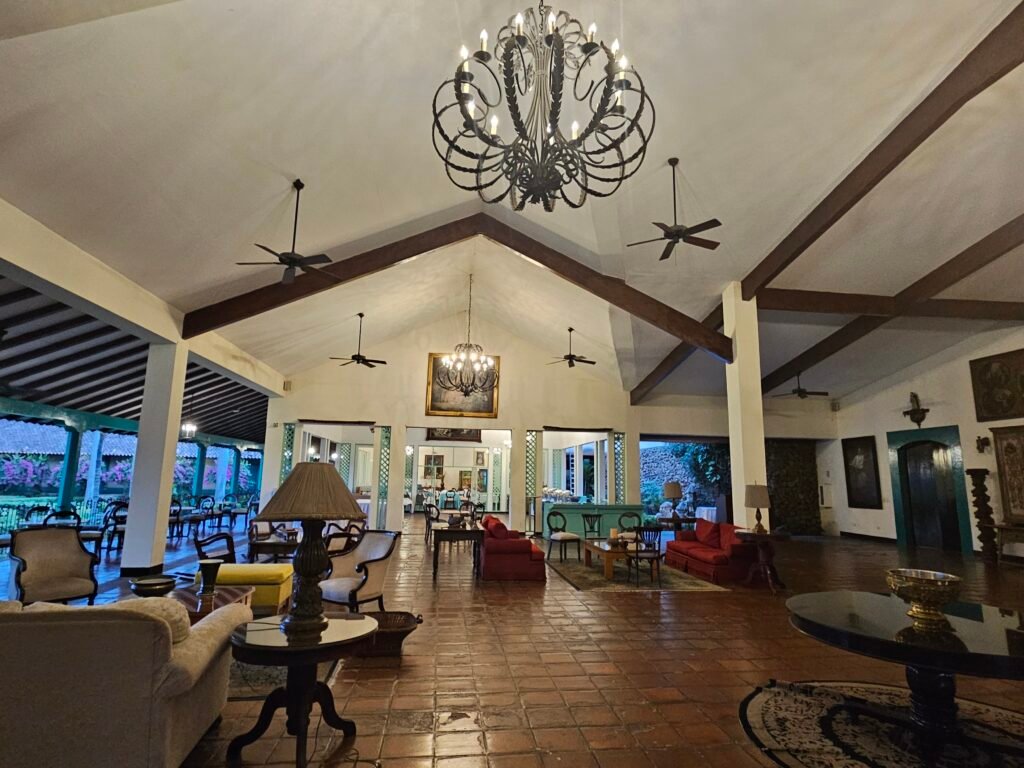
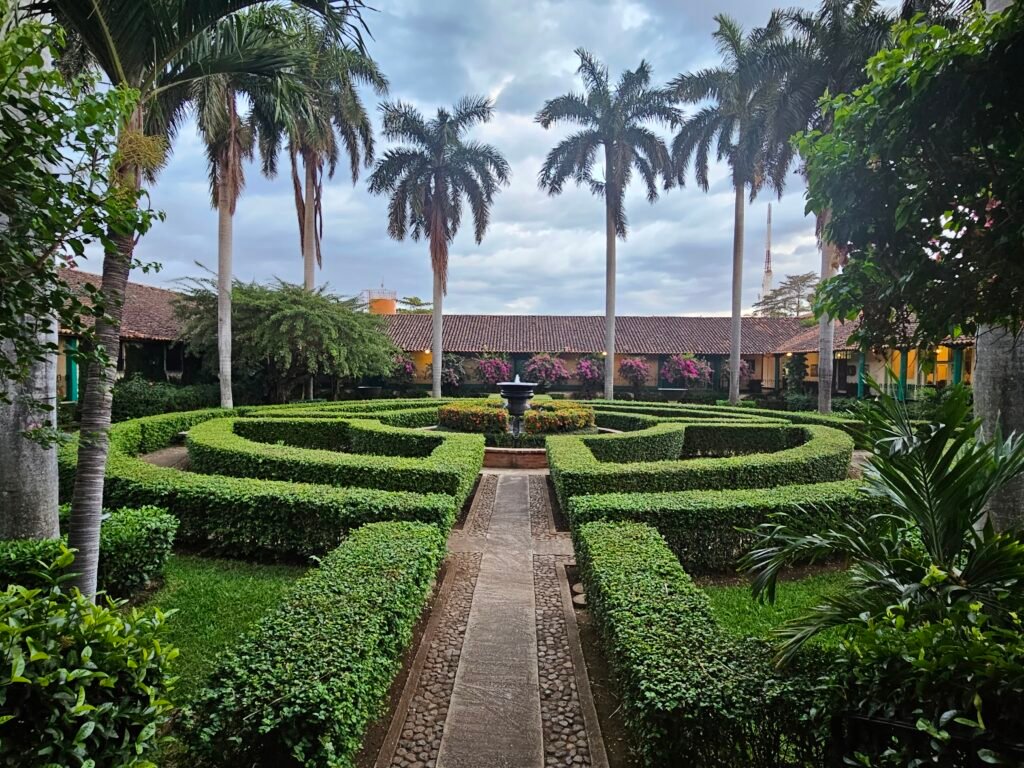
For our two nights in León, we stayed at Hotel El Convento, right in the centre of the city.
The hotel occupies the site of a former convent and is built in a Spanish-colonial style. It’s a beautiful property with courtyard gardens, an outdoor pool, a restaurant and air-conditioned rooms. Breakfast was excellent and even satisfied our 9-year-old picky eater.
Its location is particularly convenient for exploring central León on foot.

Day 2: Cerro Negro Volcano Boarding
Cerro Negro was the part of the Nicaragua trip that looked slightly terrifying before we actually did it.
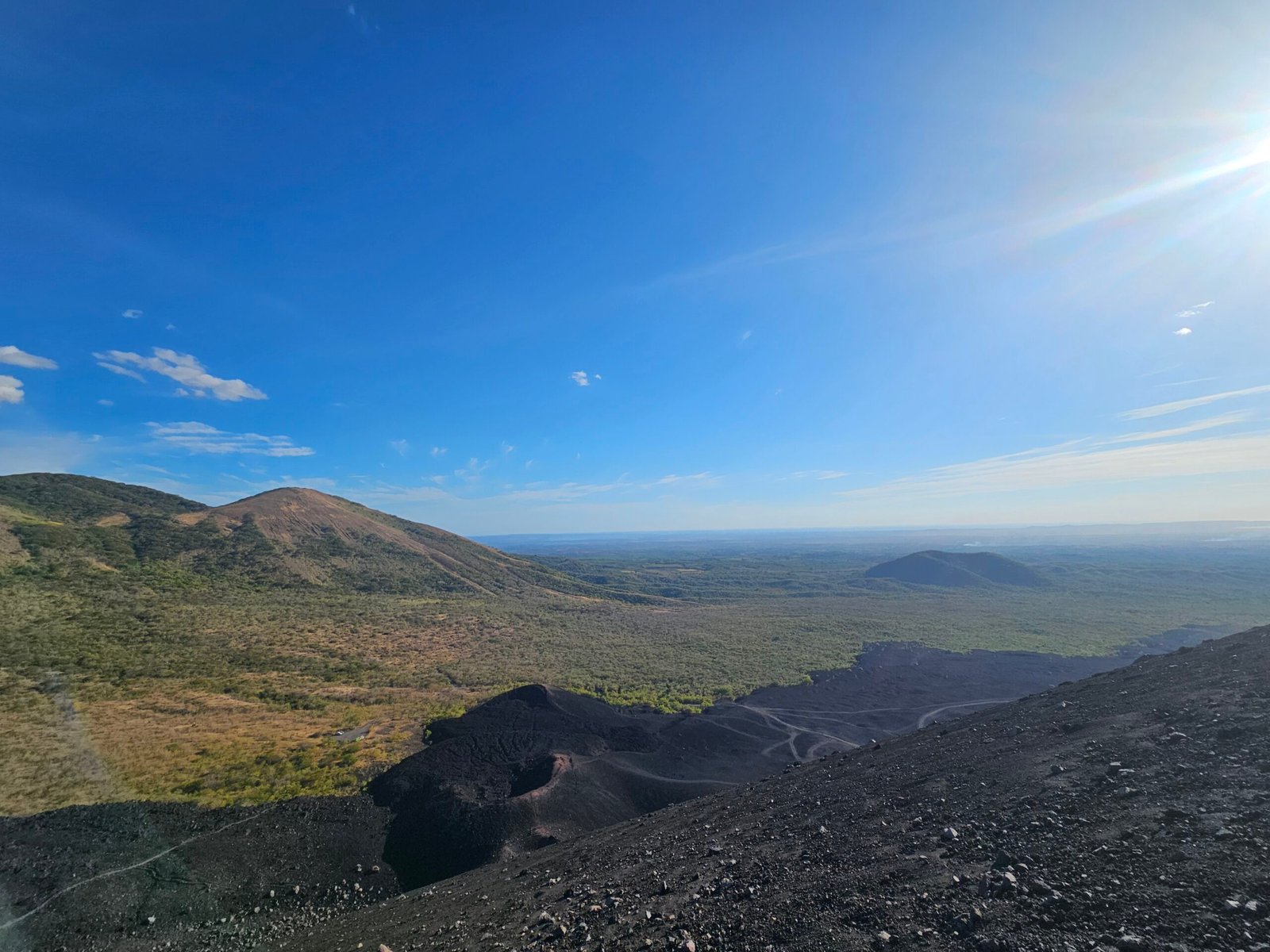
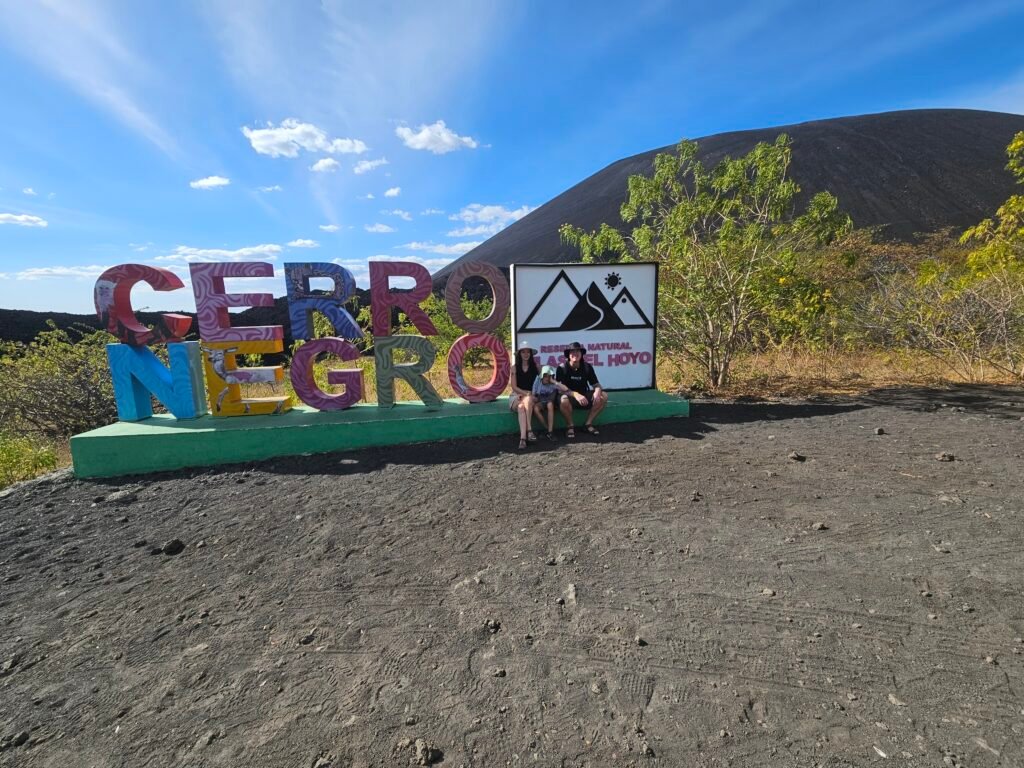
Volcano boarding involves hiking up the black slopes of Cerro Negro and then sliding back down on a board. Cerro Negro is an active volcano. Its dark, almost bare slopes look very different from the green volcanoes you might imagine.
First, though, you have to get to the top.
Hiking Up Cerro Negro
The hike took us about an hour and was all uphill.
It wasn’t extremely difficult, but it wasn’t effortless either. The slope isn’t particularly steep, but there’s very little flat ground, so the continuous climb is a proper workout.
A guide accompanies you and shows you the best path. The boards are large and heavy, so you can pay someone to carry yours for about $10 USD. You still carry a backpack with your jumpsuit, mask and water.
And take plenty of water. The hike is exposed and hot, with very little shade.


What Volcano Boarding Is Actually Like
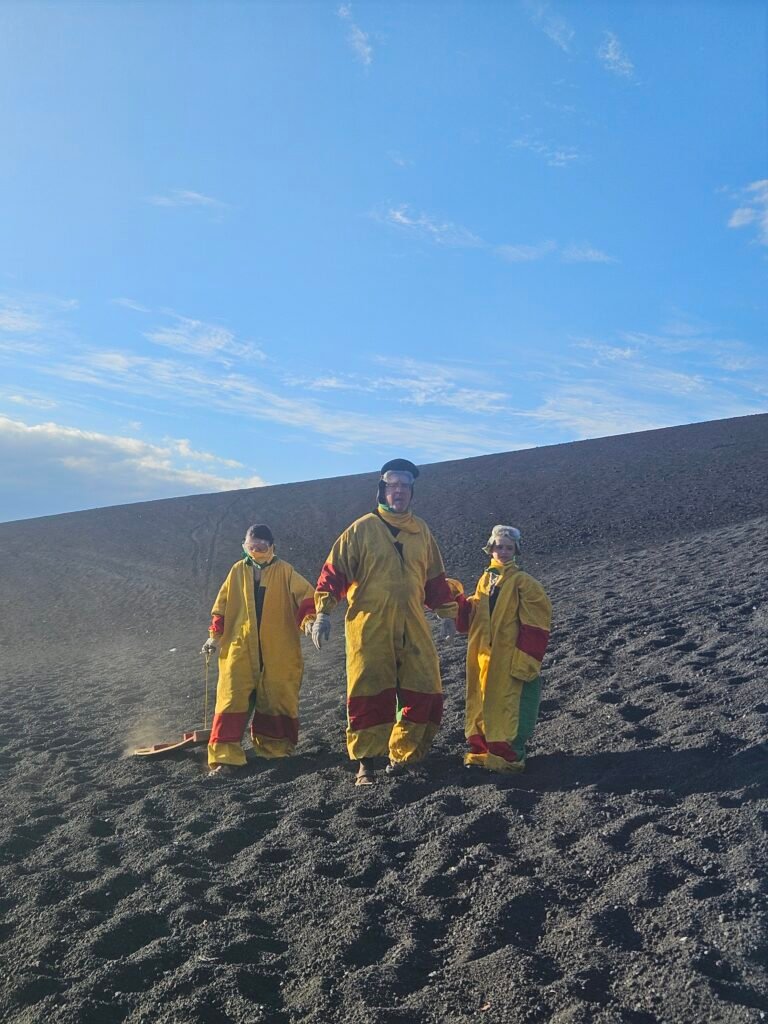
Once we reached the top, we put on our jumpsuits and masks and looked down the slope.
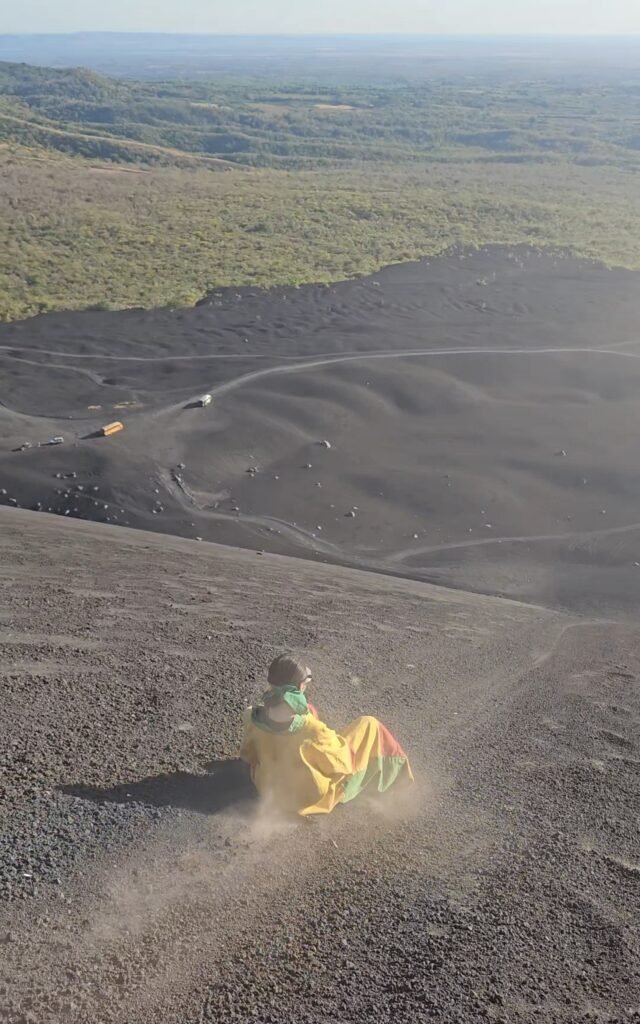
From up there, the descent looked quite scary.
The guides explain how to control your speed, including using your heels to slow down. That made a big difference. You’re not simply sent flying down the volcano with no control.
Our 9-year-old was too scared to slide down by himself, so our guide carried him all the way down.
We ended up sliding fairly slowly ourselves. Once we started, it was much less scary than it looked from the top, but still exhilarating. We also got very dirty.
The whole experience is more physical than photos suggest. You hike uphill in the heat, carry equipment, put on protective gear and then slide down volcanic ash and gravel.
The volcano-boarding excursions usually take several hours including transport. The climb itself takes roughly 45 minutes to an hour, and the board, protective suit and goggles are generally supplied.
If you’re considering volcano boarding in Nicaragua with kids, check the age rules first. Operators have different policies, and at least one limits boarding to children aged 12 and over. Our son was younger and was carried down by our guide, though he could have slid down himself. Confirm the rules directly with whichever operator you book.

What to Wear and Bring for Cerro Negro
Wear closed-toe shoes.
I made the mistake of wearing sandals, and I regretted it. The ground is hot underneath and small rocks kept getting inside my shoes.
Bring:
- Closed-toe walking or hiking shoes
- Plenty of water
- Sunscreen
- A hat and sunglasses
- Clothes you don’t mind getting dirty
- A change of clothes if you have space
- Anything else your specific operator recommends
You should expect volcanic dust to get everywhere.
Day 3: Ometepe Island
From León we continued to Ometepe Island.
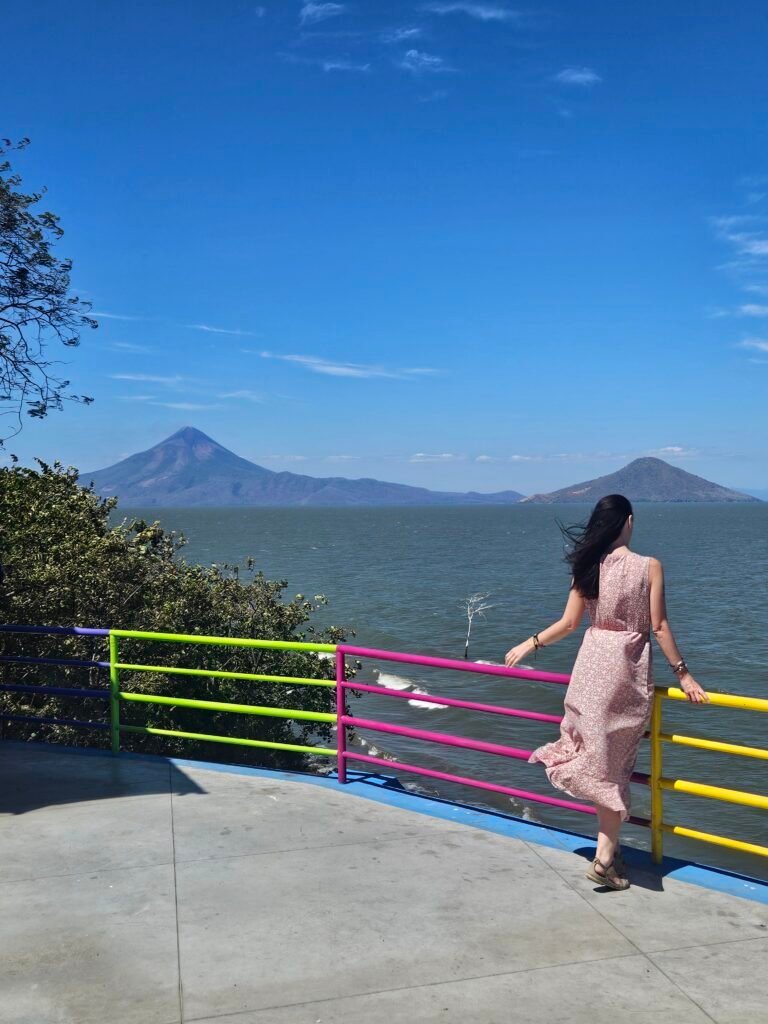
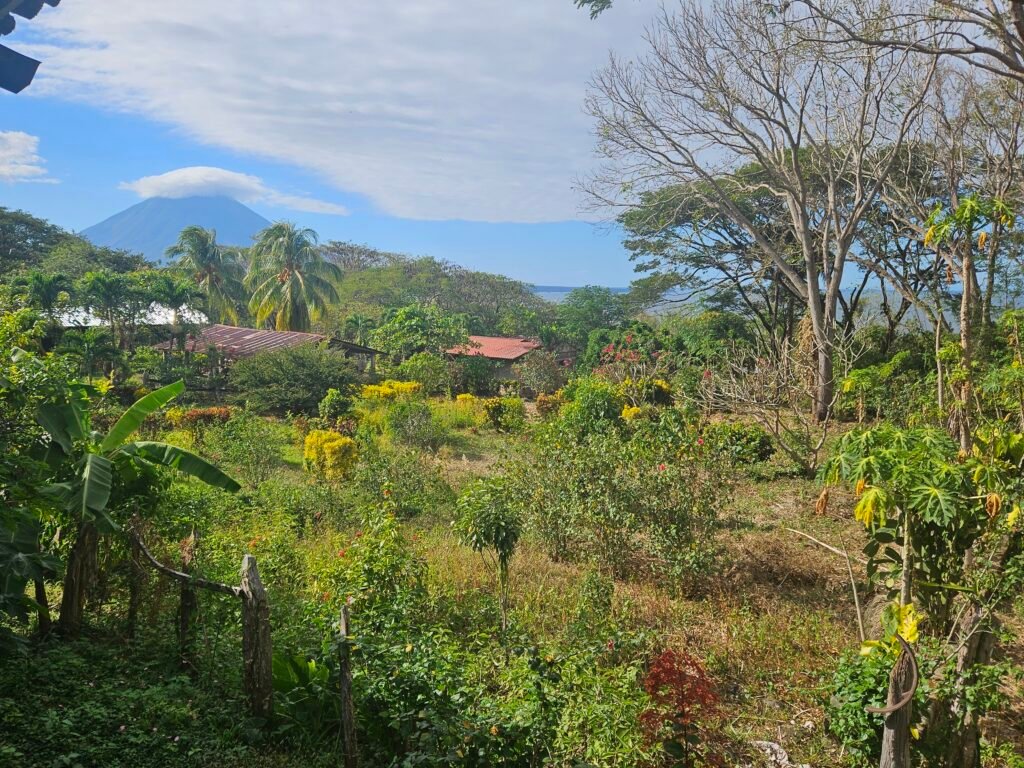
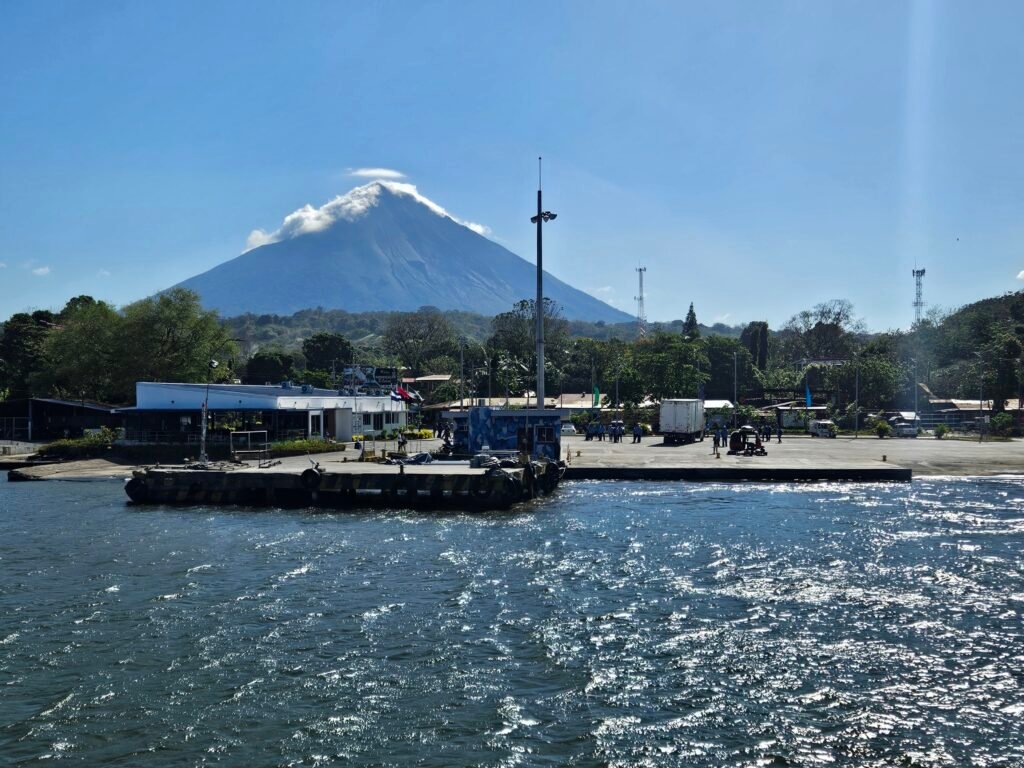
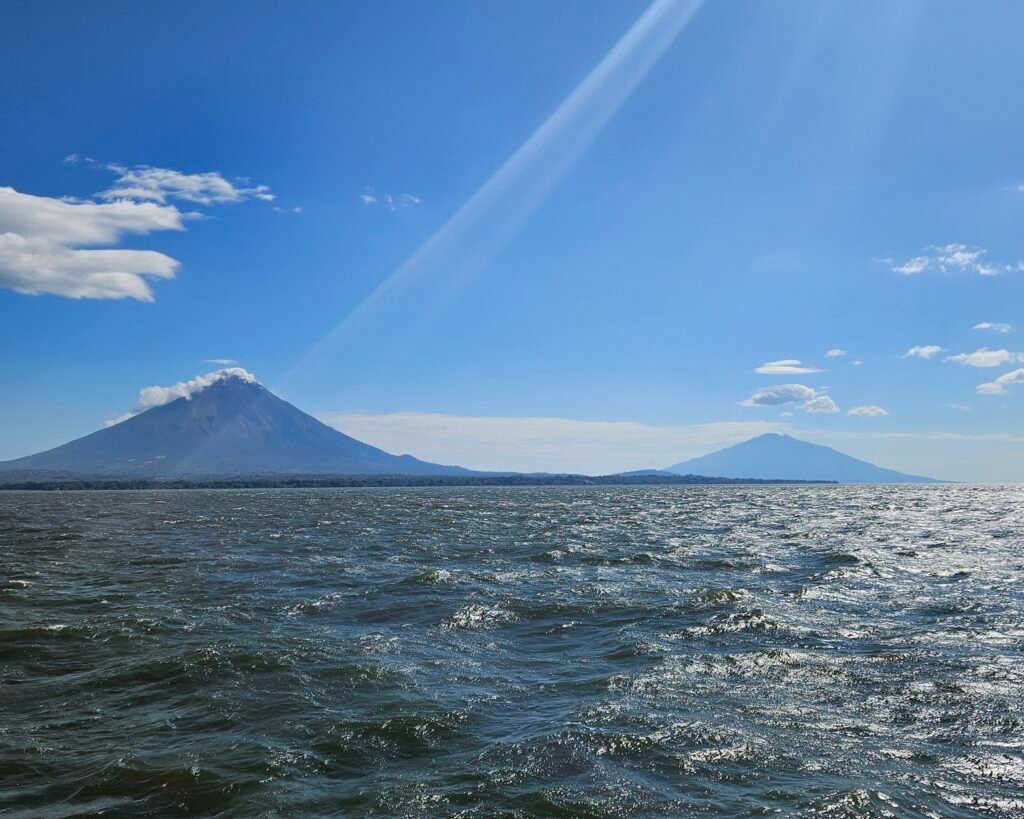
Ometepe sits in Lake Nicaragua and is formed by two volcanoes, Concepción and Maderas. To get there, we took the public ferry from San Jorge.
The crossing takes roughly an hour. The ferry can get quite packed, so arrive early, especially with luggage.
There are several departures a day on the San Jorge–Moyogalpa route (see Getting to Ometepe below for tickets).
Once we arrived, we packed several very different experiences into our time on Ometepe.
We did a cooking class with a women’s cooperative, visited a coffee farm and spent time at Chocolate Paradise.
A Cooking Class With a Women’s Cooperative
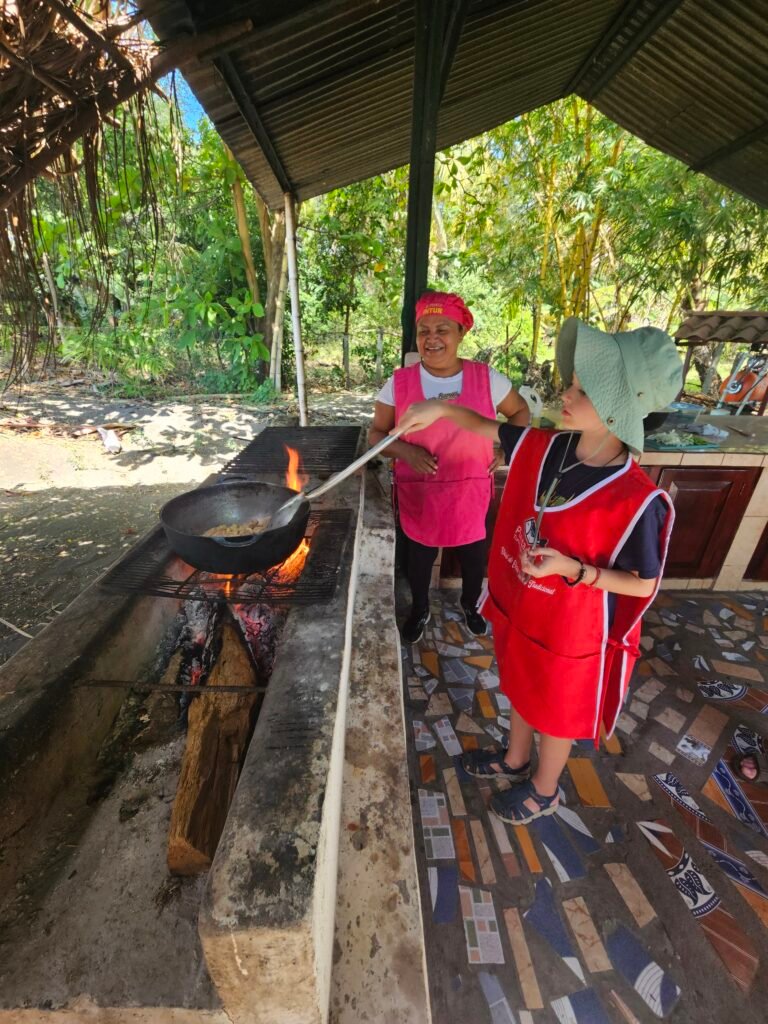
One of our favourite experiences on Ometepe was a cooking class run by a local women’s cooperative in a lovely spot right by the beach.
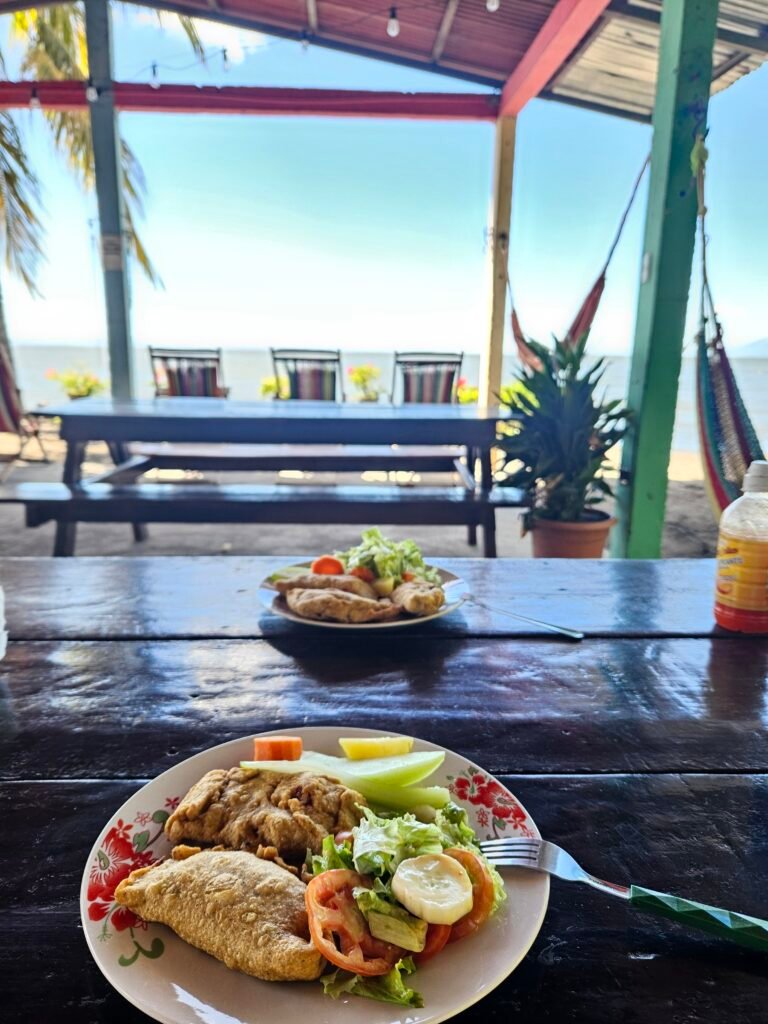
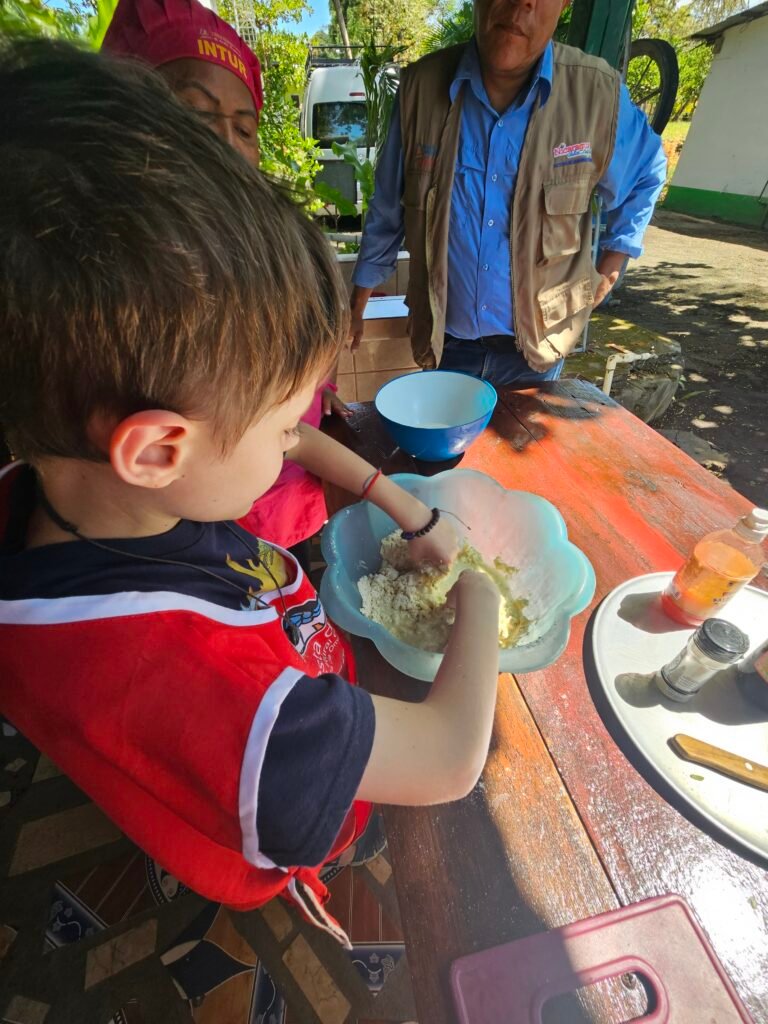
We learnt how to make traditional chicken empanadas, from the dough and filling to assembling and frying them. It was very hands-on rather than a demonstration, which made it ideal for our 9-year-old. He loved getting involved and making the food himself. It was one of the best things we did in Nicaragua with kids.
The cooperative does more than run cooking experiences. It supports women in the local community and also produces a range of products using jamaica (hibiscus), including their own jamaica wine.
It felt very different from ordering a local dish in a restaurant. We learnt how the food was made, took part in the process and spent time in a beautiful setting beside the lake.
Visiting Finca Magdalena
We also visited Finca Magdalena, a coffee farm and cooperative on the slopes of Volcán Maderas. The setting alone makes it worth a stop. The farm sits high on the volcano, surrounded by lush vegetation, with views across Ometepe and Lake Nicaragua. You can also see Volcán Concepción from here, which makes it a memorable place for a coffee.
Finca Magdalena is a community-run agricultural project as well as a tourist attraction. Visitors can learn how the coffee is grown and processed. Forest trails run through the property, and some pass pre-Columbian petroglyphs.
Coffee is an important part of Ometepe’s agricultural landscape. The volcanic soil, elevation and climate suit coffee well, particularly on the slopes of Maderas. At Finca Magdalena you can see that production up close, from the plants through to processing.
The farm has a long history as a cooperative, with local families working the land collectively. Coffee remains at the heart of the farm today, alongside tourism and other farming.
Chocolate Paradise on Ometepe
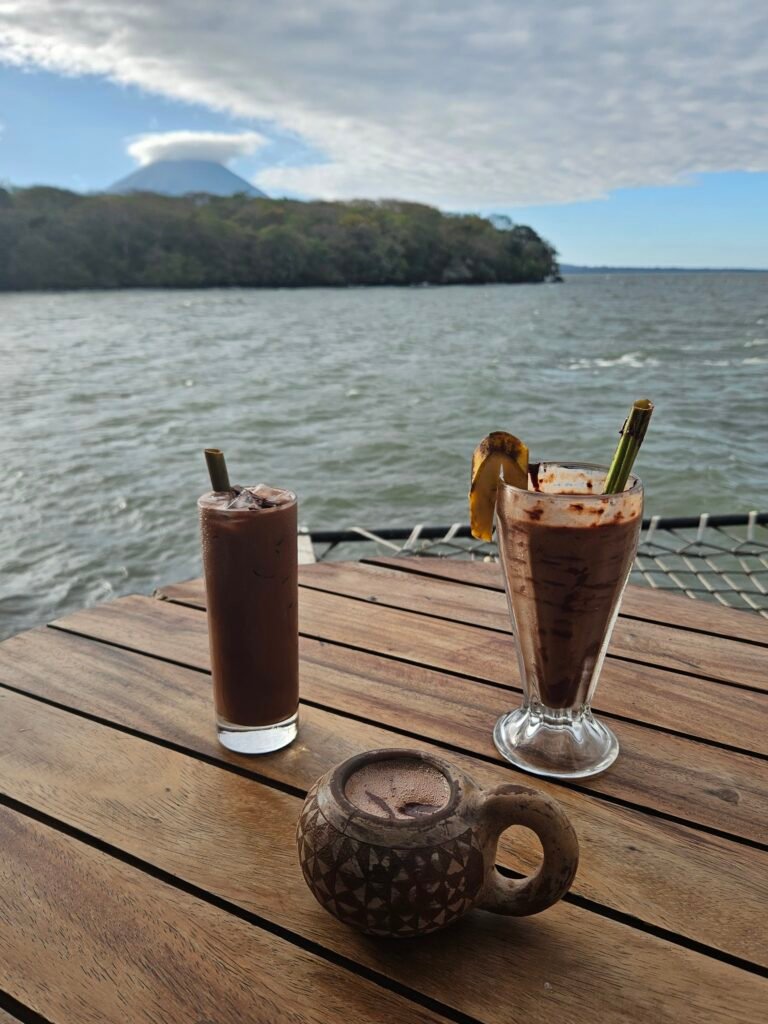
As our last stop on Ometepe we visited Chocolate Paradise, now known as El Pital Chocolate Paradise.
This cacao-focused project on Ometepe also runs accommodation and a yoga and wellness space.
We found it a beautiful place to relax and enjoy proper cacao by the lake. You can also buy artisanal chocolate, raw cacao and coffee to take home.
El Pital Chocolate Paradise also offers cacao and chocolate experiences, including tours that cover cacao production and chocolate making, as well as accommodation, yoga and food.
Where We Stayed: Xalli Beach Hotel
On Ometepe we stayed at Xalli Beach Hotel, directly on the beach.
The accommodation is a set of separate little cottages, which suits the setting well. The property sits on beautiful Playa Santo Domingo, with individually designed air-conditioned rooms and a restaurant.
Our favourite part was the setting. Being right on the beach made it a lovely place to come back to after exploring the island.
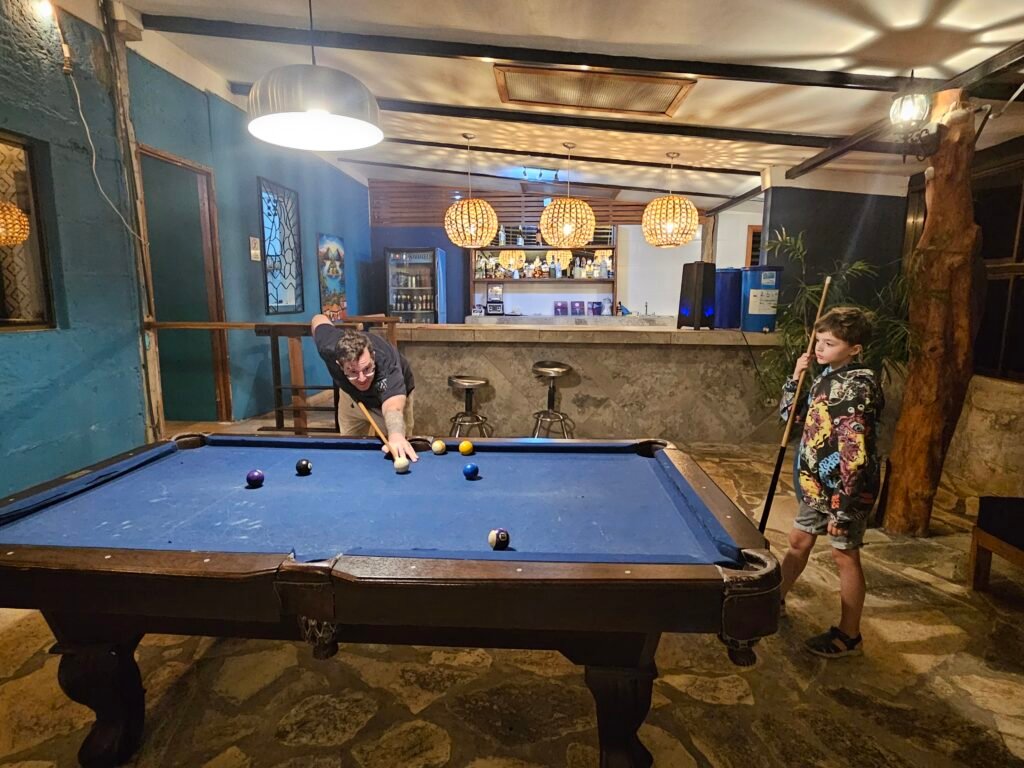
The one downside we noticed was that breakfast and dinner were a little slow. The food itself was good, though, and we enjoyed staying there.
Day 4: Ometepe to Granada via Masaya Volcano
We took the ferry back from Ometepe and continued towards Granada, stopping at Masaya Volcano along the way.
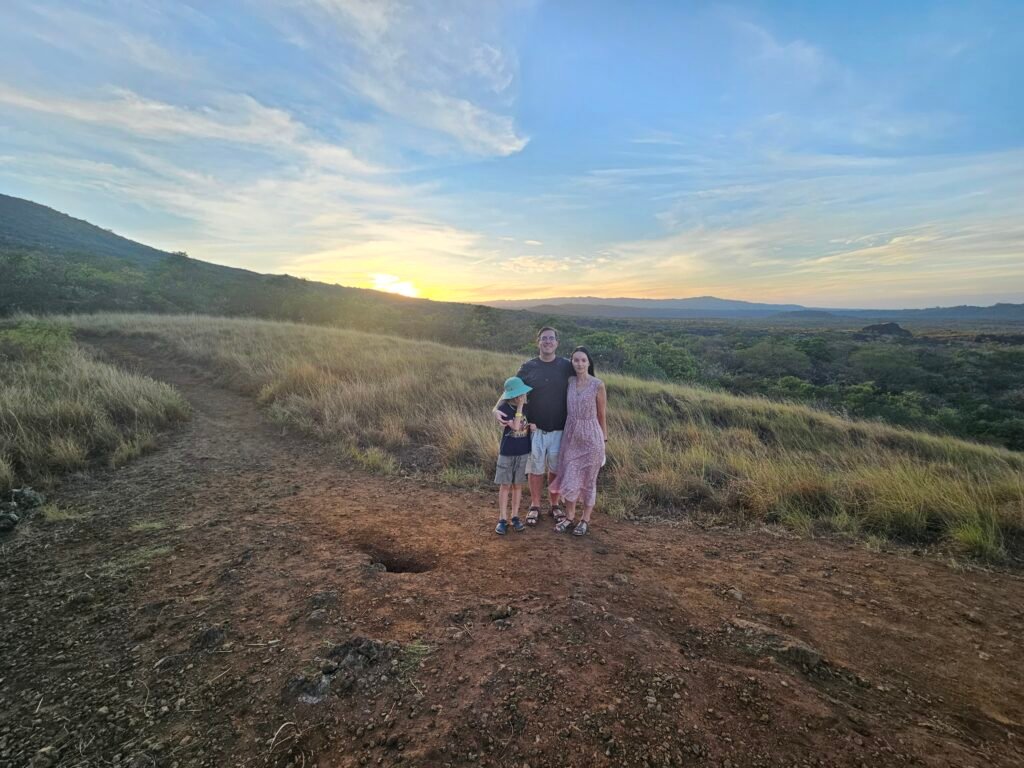
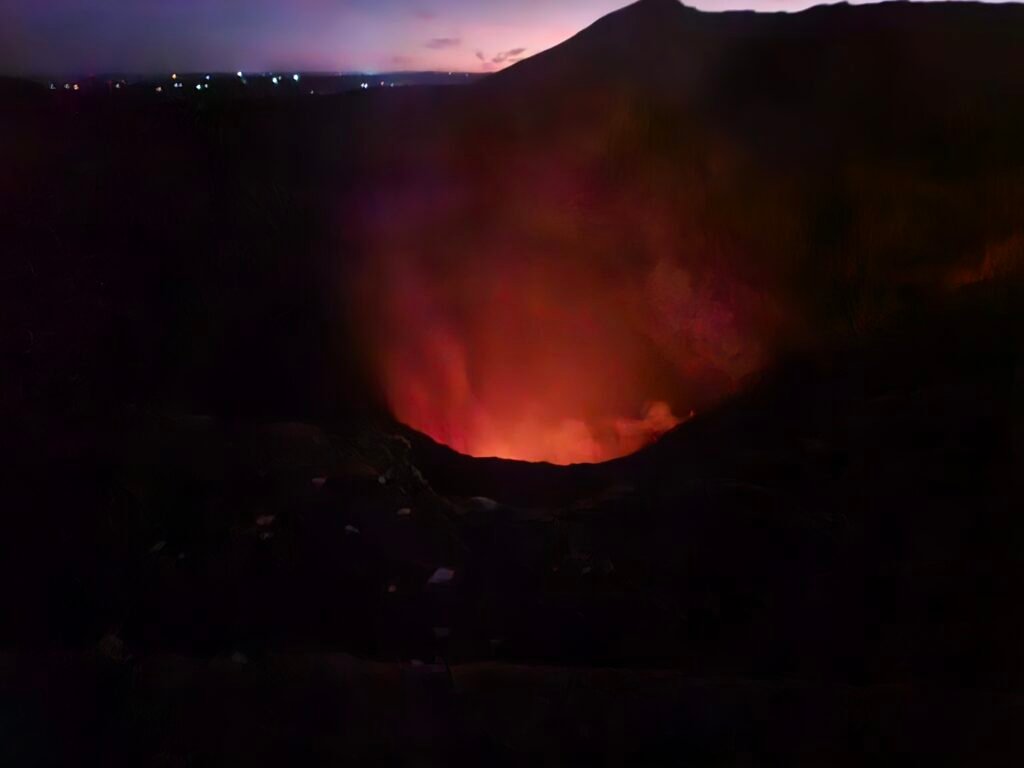
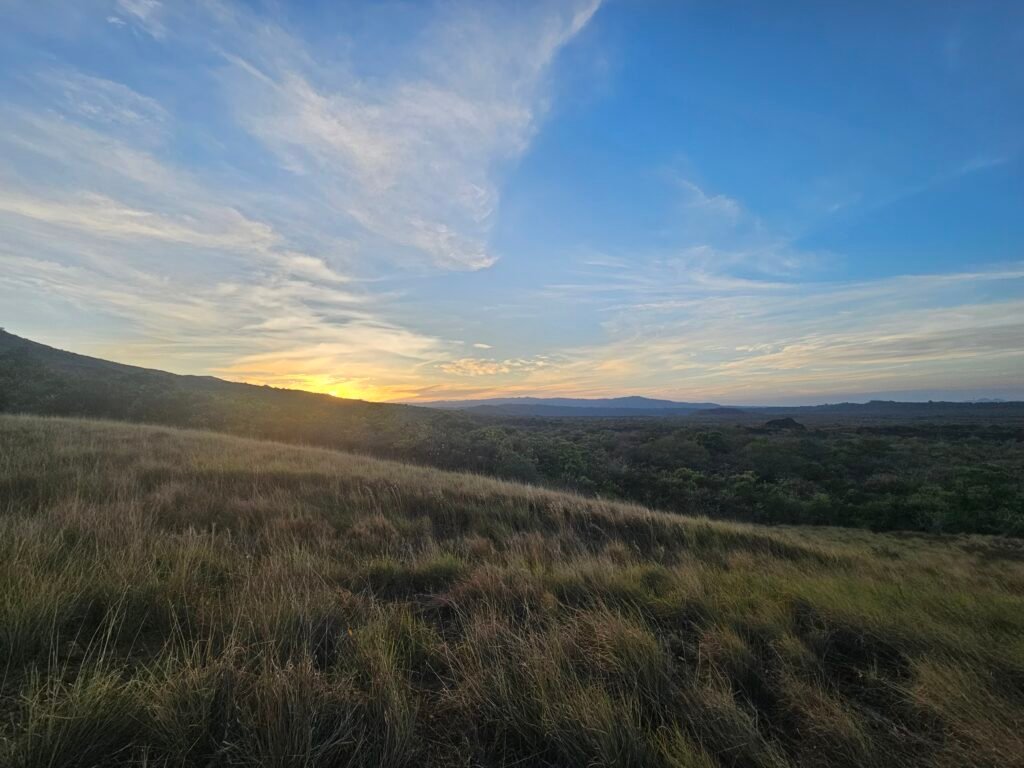
This was a completely different volcanic experience from Cerro Negro. Here, you can see the red glow of lava inside the crater. Don’t expect to stand right next to it, though. You look down into the crater from a viewing platform at a safe distance.
It was still fascinating. We had already seen plenty of Nicaragua’s volcanic landscape on Cerro Negro and Ometepe. Looking into a crater at the red glow below was something else entirely.
From Masaya, we continued on to Granada.
Day 5: Granada
Granada was the final major stop on our route, and we spent the day exploring the city on foot with a walking tour.
Like León, Granada is one of Nicaragua’s historic colonial cities, but the atmosphere feels quite different. The centre is built around Parque Central, with colourful buildings, churches and streets spreading out from the square. It’s a very easy city to explore on foot.
Granada Cathedral and Rooftop Views
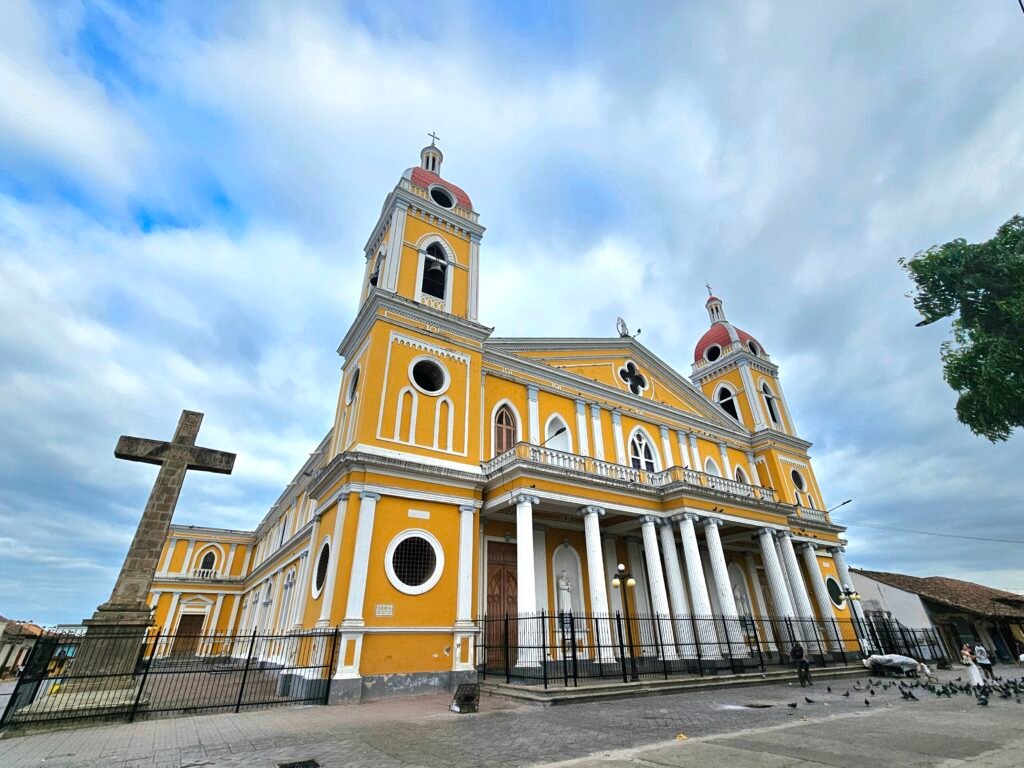
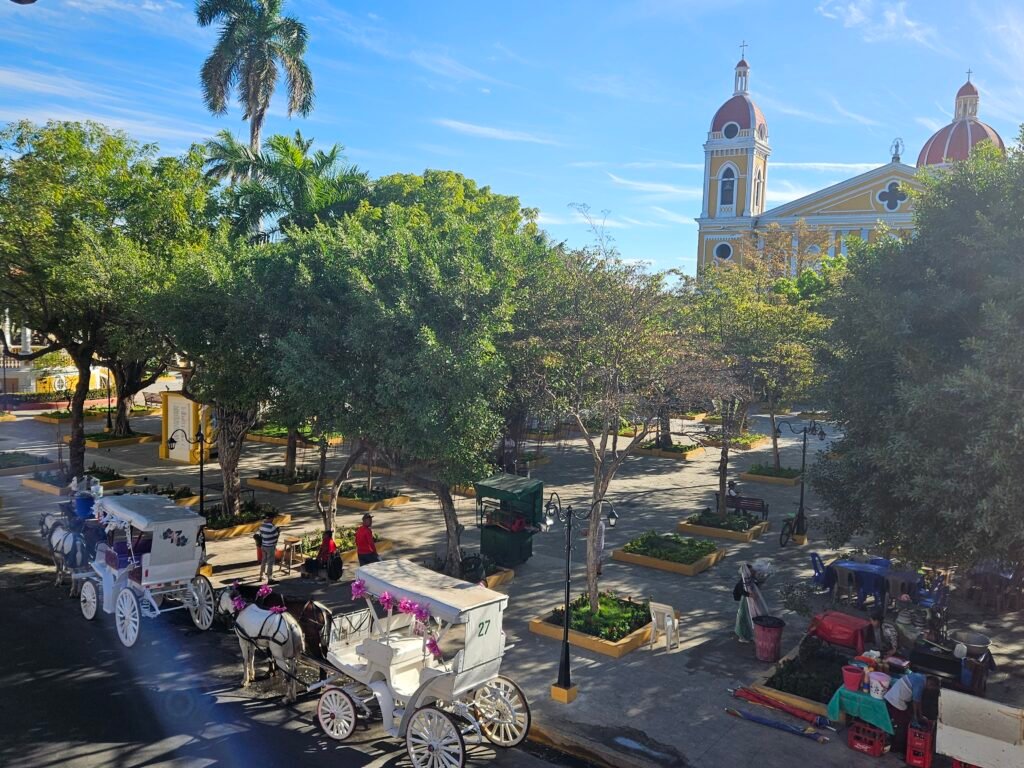
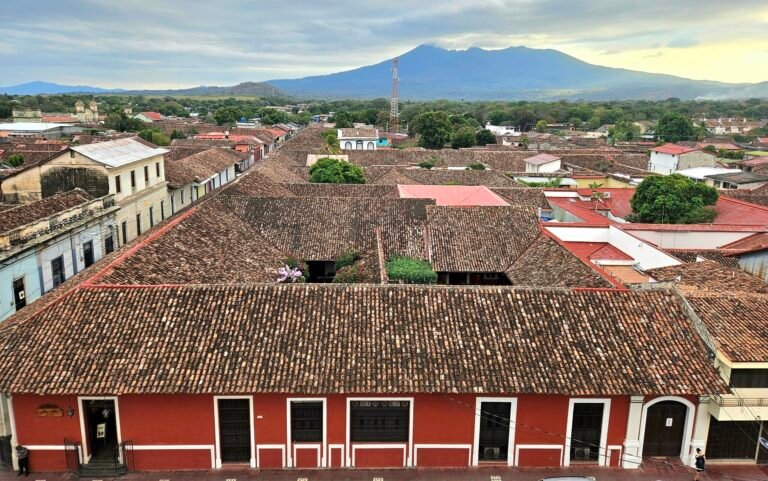
The most obvious place to start is Granada Cathedral, which sits directly on Parque Central. Its yellow-and-white façade is one of the city’s most recognisable sights. One of the best things to do is head up onto the roof. From there, you look across a sea of terracotta rooftops, with volcanoes in the distance. It was one of the highlights of our walking tour.
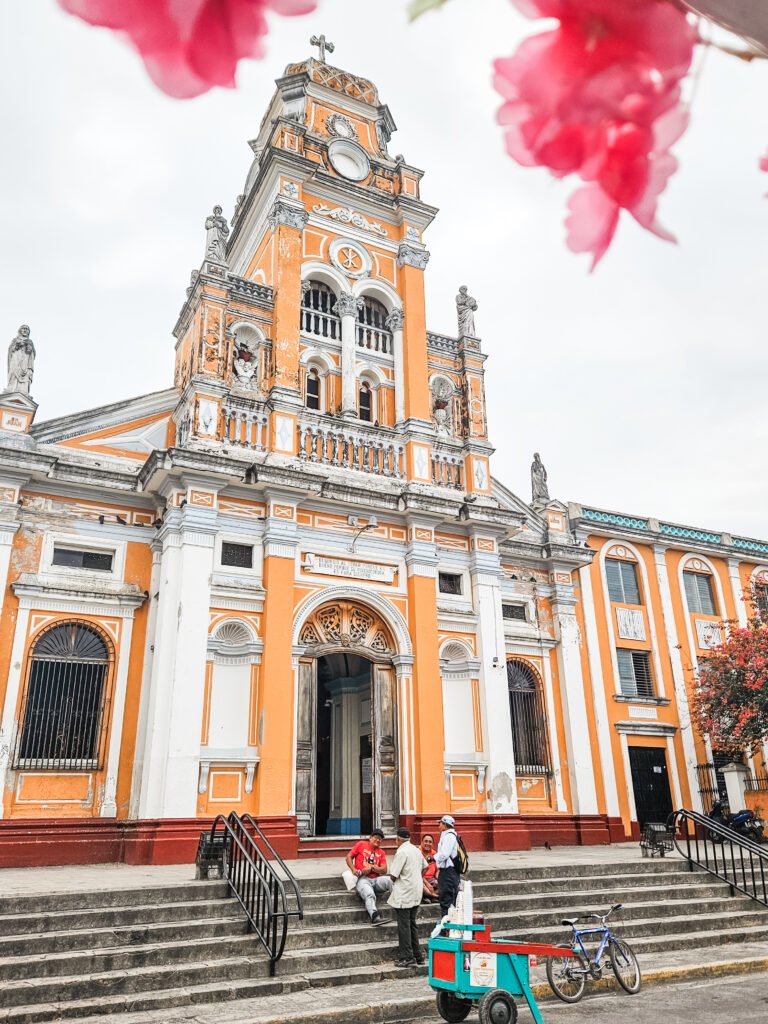
Iglesia de La Merced, one of Granada’s oldest churches, is also worth seeking out. Its white façade and yellow detailing make it easy to spot. You can climb its bell tower for another excellent view across the city.
Calle La Calzada and Horse-Drawn Carriages
We also wandered along Calle La Calzada, the long pedestrian street that runs from the historic centre towards Lake Nicaragua. Lined with restaurants, cafés, shops and colourful buildings, it’s one of the liveliest parts of Granada.
Other historic churches worth seeing include Iglesia de Xalteva and Iglesia de Guadalupe. If little legs are tired, a horse-drawn carriage ride is a good alternative to walking. The traditional carriages loop around the historic centre and past most of the main landmarks.

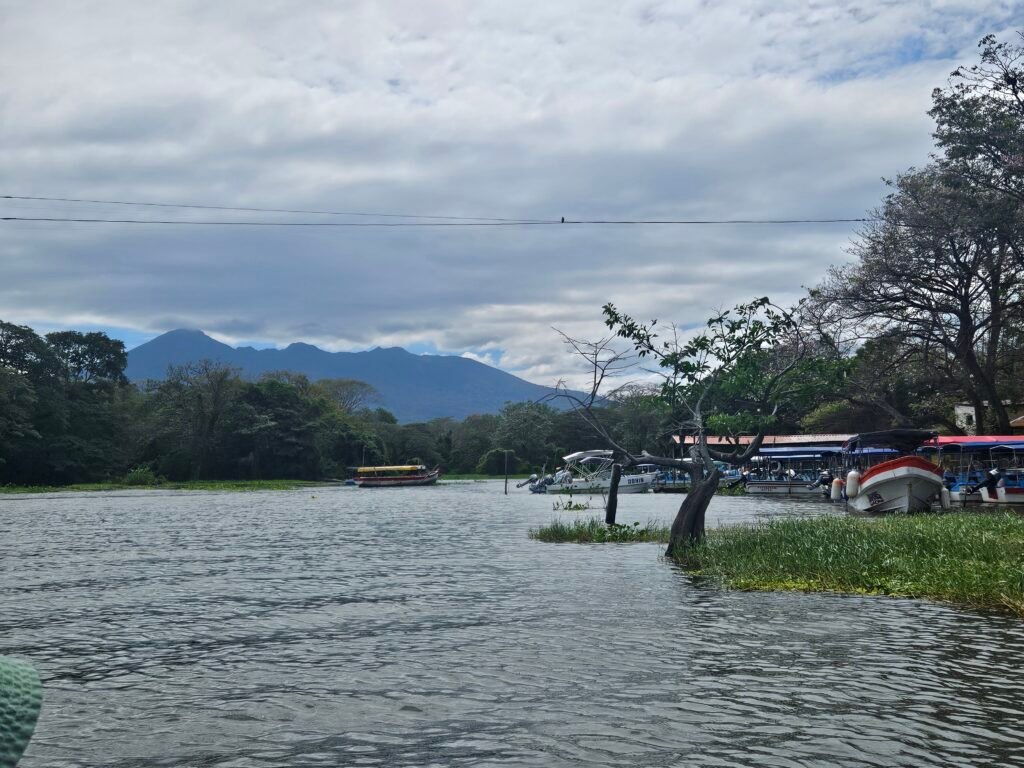
Las Isletas
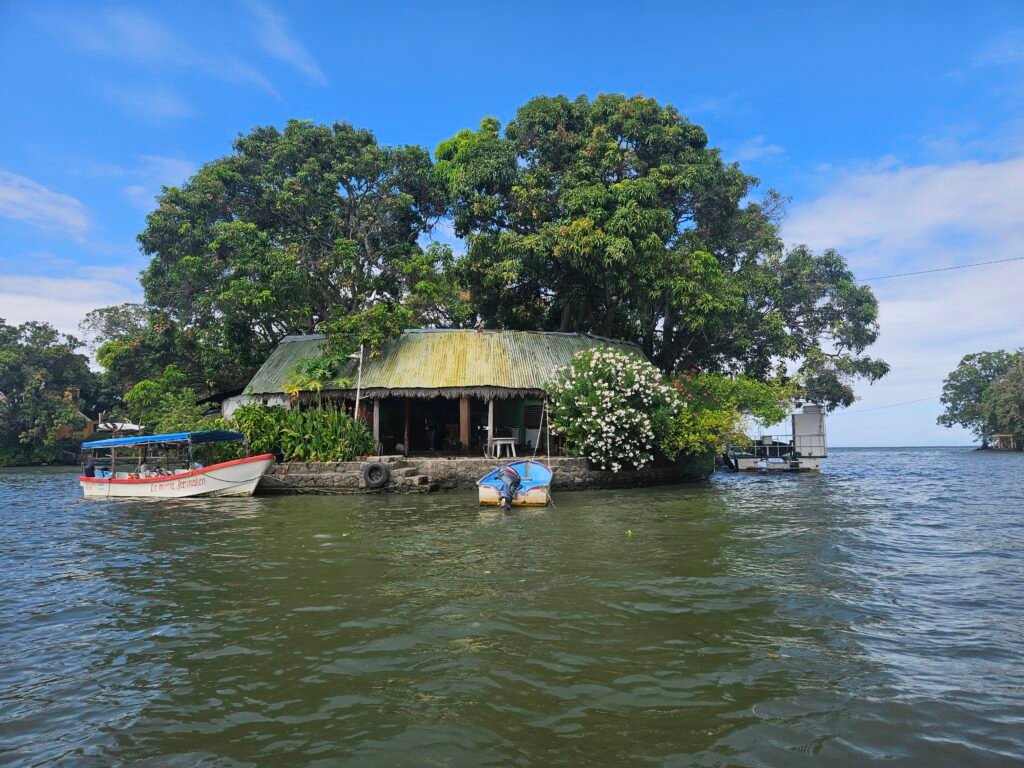
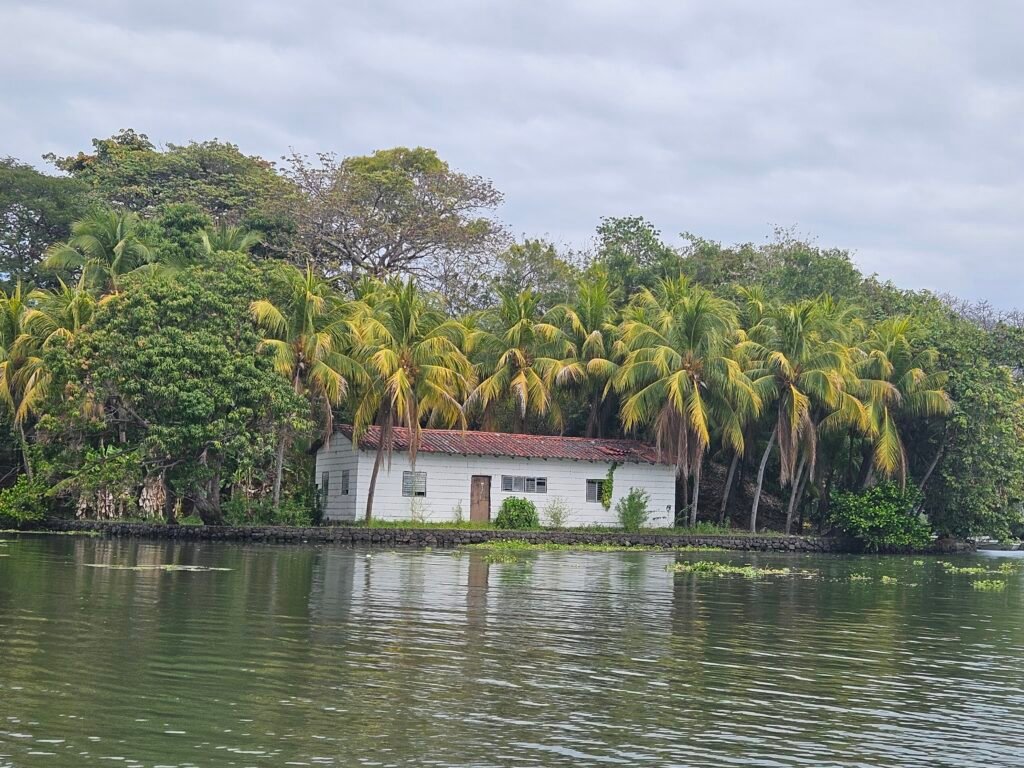
Another beautiful site we visited was Las Isletas, the group of small islands just outside Granada in Lake Nicaragua.
The islands formed from volcanic material thrown out when Mombacho partially collapsed, leaving a large cluster of small islands close to the shore.
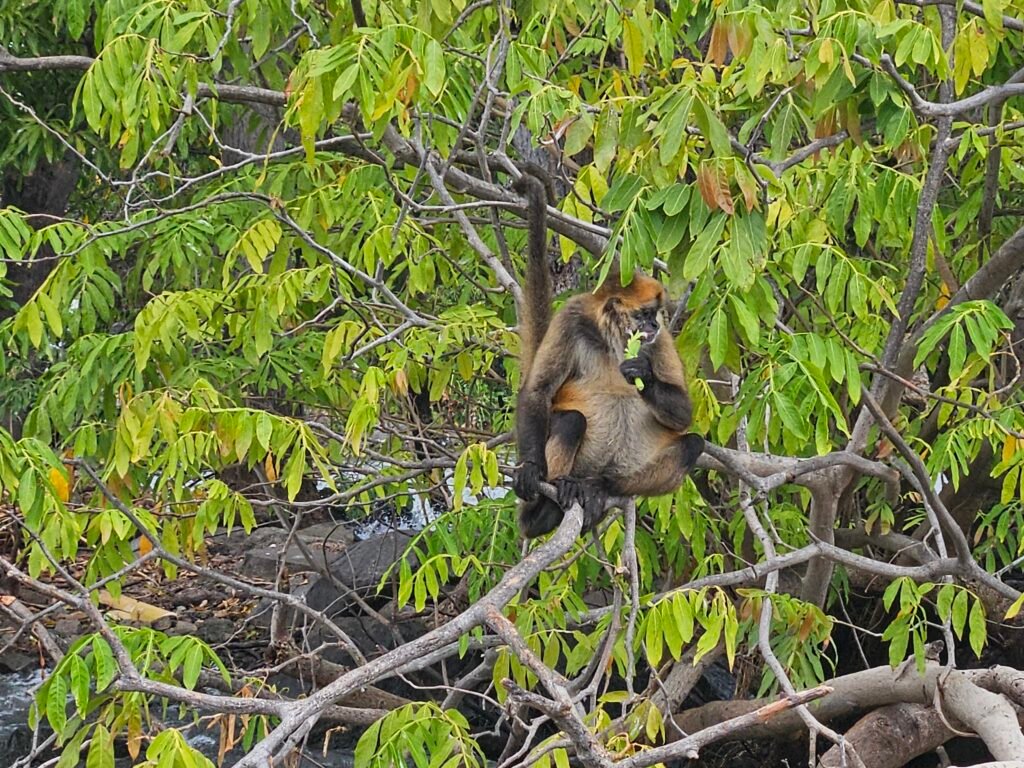
Most people explore them by boat. The scenery changes quickly as you move between little islands, houses and open stretches of lake. You can usually spot a few monkeys swinging in the trees. Our guide brought some wild flowers to feed them so that they would come closer, which is an easy win in Nicaragua with kids.
It was a good way to finish the trip. It gave us another perspective on the volcanic geography we’d seen throughout Nicaragua.
Where We Stayed: Hotel Plaza Colón
In Granada, we stayed at Hotel Plaza Colón, and the location was exceptional. The hotel is right on Parque Central, so you step outside straight into the city’s main sights.
Our room had a terrace overlooking the square, which we loved. We could sit outside and watch life below, including the horse-drawn carriages passing through. After a day of sightseeing, it was a lovely place to relax.
The hotel has a colonial feel, with rooms arranged around an interior courtyard. Breakfast was really good too, a nice bonus before busy days of sightseeing.
Where We Ate in Nicaragua With Kids
Finding food a picky eater enjoys isn’t always easy when travelling in Nicaragua with kids. Two places stood out for us.
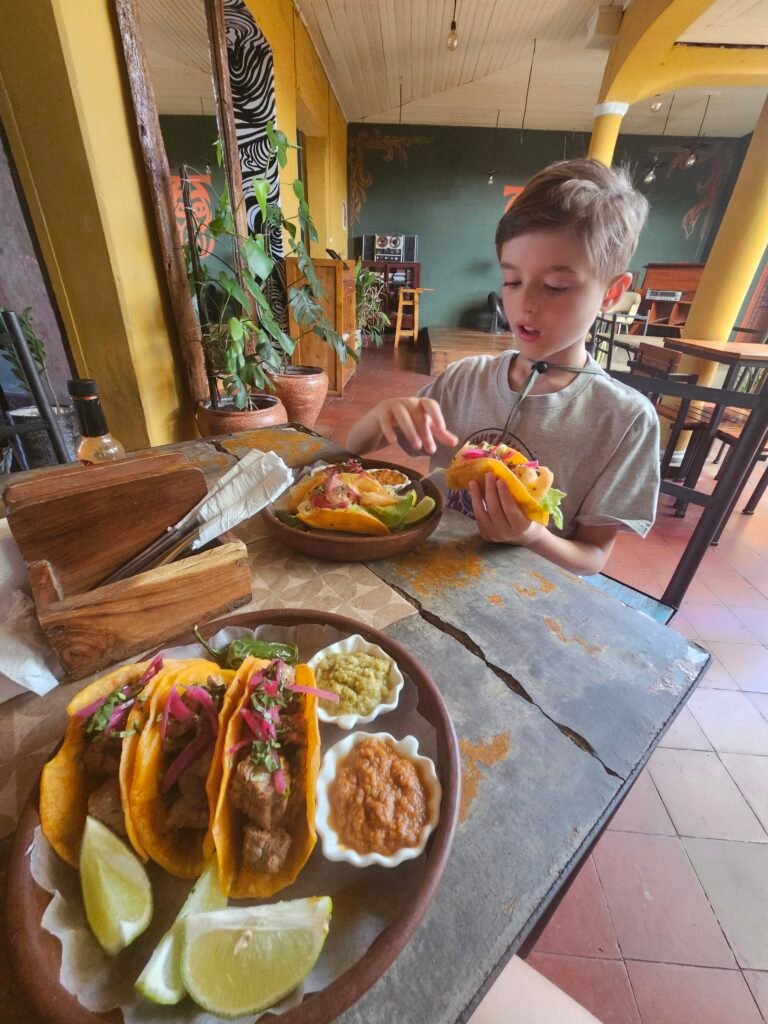
In Granada, we loved The Garden Café. Our son enjoyed it so much that we had dinner there both nights in Granada. He’s normally a bit of a picky eater, but he loved the food. The café serves breakfast, lunch and dinner, with a focus on fresh, locally sourced ingredients and specialty coffee.
In León, we ate at El Bodegón, and we went back a second time because we loved the food so much. The tacos are amazing, and the raspado was delicious and absolutely massive!

How Much Did 6 Days in Nicaragua With Kids Cost?
Here’s roughly what our 6 days in Nicaragua with kids cost for the three of us. We travelled with a private driver and guide, so this is a comfortable, fully guided trip rather than a backpacker budget. All figures are approximate and in US dollars.
| What | Approx. cost (USD) |
|---|---|
| Hotels, private driver and guide for all tours, entrance fees, breakfasts and lunches | $4,700 |
| Dinners | $270 |
| eSIM (6 days) | $12 |
| Flights with Avianca for three people, one checked bag (San Salvador → Managua, Managua → San Salvador → Guatemala City) | $1,900 |
| Extras: tips, coffees, chocolate and jamaica wine on Ometepe | $100 |
| Total | ≈ $6,980 |
That works out to about $1,160 per day for our family of three including flights. Without flights, it was roughly $850 per day.
The biggest cost by far was the private driver and guide package. Dinners added relatively little, at about $45 per night for the three of us.
How to Do Nicaragua for Less
If you’re travelling on a tighter budget, the biggest savings come from dropping the private driver. Shuttles and public buses connect León, Granada and the San Jorge ferry, though the journeys take longer. Mid-range guesthouses and booking tours individually will also cut costs considerably.
Nicaragua With Kids: Private Driver vs Public Transport
We had a private driver and guide for all six days. With a 9-year-old and a lot of ground to cover, that made the route possible without juggling buses and connections.
The trade-off is cost, as our budget breakdown shows. If you would rather travel independently, you can follow the same route by public bus or tourist shuttle for a fraction of the price.
Public Buses and Shuttles in Nicaragua
There are three main ways to get between towns without a private driver:
- Microbuses (interlocales): minivans that leave when full. They are the fastest public option between Managua, León, Granada and Masaya.
- Chicken buses: old school buses that stop everywhere. They are the cheapest option, but crowded, hot and slow.
- Tourist shuttles: shared minivans with hotel pickup. They cost more but are far easier with kids and luggage.
Prices below are approximate and change often. Fares are in córdobas (C$), at roughly C$37 to US$1. Microbuses may charge extra for large bags.
Our Route by Public Transport
- Managua → León: microbus, about 2 hours, around C$89 (US$2.50). Note that Managua’s main microbus terminal for León and Granada, long known as the UCA, moved to a temporary site on Pista UNAN in July 2026. Confirm the pickup point locally.
- León → Cerro Negro: there is no public transport to the volcano. Book a volcano boarding tour from León, which includes transport and equipment.
- León → Ometepe: take a microbus back to Managua. From there, buses to Rivas leave Mercado Roberto Huembes roughly every 30 minutes and take 2 to 3 hours. A taxi or colectivo from Rivas to the San Jorge ferry port costs a dollar or two. Allow a full day.
- San Jorge → Ometepe: the ferry to Moyogalpa costs C$50 per person, plus a port tax of about US$1. The crossing takes around an hour.
- Ometepe → Granada: ferry back to San Jorge, taxi to Rivas, then bus to Granada. The bus takes about 1.5 hours and costs around C$100 (under US$3).
- Masaya Volcano: public buses pass the park entrance, but you need a vehicle to reach the crater. The evening visits to see the lava glow are easiest on a tour from Granada.
- Granada → Managua: microbuses leave from near Parque Central, take about 1.5 hours and cost roughly C$37 (about US$1).
If you want something in between, shared tourist shuttles run between the main stops. León to Granada, for example, costs about US$18 per person and takes around 3.5 hours with hotel pickup. That is much easier with children than changing microbuses in Managua.
Tips for Public Transport With Kids
- Travel in the morning. Buses are more frequent, and you avoid arriving somewhere new after dark.
- Keep bags small. Luggage often rides on the roof of chicken buses or is squeezed under seats in microbuses.
- Carry small córdoba notes for fares. Drivers rarely have change for large notes.
- Build in extra time around Ometepe, as ferry and bus connections do not always line up.
How Many Days Do You Need in Nicaragua With Kids?
So, is six days enough for Nicaragua?
It was enough for our particular route, but it definitely wasn’t enough to see Nicaragua as a whole.
In six days we managed to visit:
- Managua
- León
- Cerro Negro
- Ometepe Island
- Granada
- Las Isletas
That’s a lot of different places in a short period.
The reason it worked for us was that we had a private driver and guide, and Nicaragua was only one part of a much longer Central America trip.
I wouldn’t conclude from this itinerary that six days in Nicaragua with kids is ideal for everyone.
If you want a slower trip, you’ll need more time. Ometepe alone can easily justify several days, and Nicaragua has much more to offer beyond the places we visited.
Still, if you’re already travelling through Central America and have around six days for Nicaragua, this route shows what’s possible when you keep moving.

Is Nicaragua Good for Kids? Our Experience With a 9-Year-Old
Travelling in Nicaragua with kids was very manageable for us, but it was an adventurous trip rather than an easy family holiday. Some experiences challenged our son, and a few pushed us outside our own comfort zones too.
Cerro Negro is the best example. At the top of the volcano, our 9-year-old decided he was too scared to slide down by himself. Rather than forcing it, our guide carried him down.
That meant he could still experience the descent without being pushed into doing something he wasn’t comfortable with.
This itinerary also involves a lot of moving around. There’s a hike up Cerro Negro, a ferry to and from Ometepe, several road transfers and many activities in a short period. That also gave him a chance to learn about the country and the region. I would highly recommend Nicaragua as a worldschooling destination.
Our trip was less about attractions designed for children. It was more about travelling through Nicaragua as a family and adapting each experience to what worked for our son.
Where to Go With More Time in Nicaragua
Six days only scratched the surface. If you have longer, these are some of the places worth adding:
- Laguna de Apoyo: a volcanic crater lake between Masaya and Granada. The calm, clear water is good for swimming and kayaking.
- Mombacho Volcano: a cloud forest reserve just outside Granada, with walking trails and views over Las Isletas.
- Ojo de Agua on Ometepe: a spring-fed natural swimming pool among the trees, an easy addition with an extra day on the island.
- San Juan del Sur: Nicaragua’s best-known Pacific beach town, south of Granada, with beaches and surf lessons.
- The Corn Islands: Caribbean islands reached by a short flight from Managua, with white sand and snorkelling. Little Corn has no cars.
Practical Tips for Visiting Nicaragua With Kids
Best Time to Visit Nicaragua
Nicaragua has a tropical climate, and the Pacific side is generally drier than the Caribbean coast. The dry season runs roughly from November to April, and the rainy season from May to October.
For this itinerary, the drier months make city sightseeing, volcano activities, road travel and the Ometepe ferry easier to plan.
Currency
The official currency is the Nicaraguan córdoba (C$). US dollars are widely accepted in hotels, restaurants and tourist businesses.
I’d still carry some córdobas for smaller purchases.
Getting to Ometepe
The main ferry route for this itinerary is San Jorge → Moyogalpa.
Ferries run several times a day. Passenger tickets are currently advertised at C$50 per person each way, and online reservations are available.
The timetable can change, so check the current schedule immediately before travelling.
Entry Requirements
Nicaragua’s entry requirements can change and depend on your nationality. For example, US citizens currently buy a $10 tourist card on arrival and need a passport valid for six months beyond arrival, plus an onward ticket.
Check whether you need a visa in advance. Since 16 February 2026, citizens of around 128 countries need a visa approved by Nicaraguan immigration before they travel. About 69 countries are exempt, including the US, Canada, the UK, EU countries and Australia. Their citizens just buy the tourist card on arrival.
Nicaragua is part of the CA-4 agreement with Guatemala, Honduras and El Salvador. Your permitted stay usually covers all four countries combined, which matters on a longer Central America trip. Check the official requirements for your nationality before travelling, including any yellow-fever rules.
Internet and SIMs
For a short trip, a travel eSIM is the easiest way to get mobile data without buying a local SIM. Ours cost about $12 for the 6 days. Local operators also sell SIM cards if you prefer.
Is Nicaragua Safe for Kids and Families?
We’ve visited all of the countries in Central America, and Nicaragua was the one where I personally felt the most uncomfortable.
That said, we felt perfectly comfortable walking around León and Granada in the evening as a family. We weren’t worried about being robbed, and our experience of the cities was generally positive.
For me, the bigger issue was unwanted attention. Men stared at me quite a lot, which made me more conscious of my surroundings than elsewhere in Central America. I was with my husband and son, so I never had to deal with it alone. Still, I wouldn’t feel comfortable travelling around Nicaragua by myself as a woman.
We didn’t spend enough time in Managua to judge the city at night. If you’re staying there, I’d be more cautious about walking around after dark. Current UK travel advice recommends avoiding the old cathedral area of Managua on foot after dark, as well as public transport at night. It also recommends extra precautions for women travellers.
Nicaragua With Kids: Frequently Asked Questions
Yes, if your kids enjoy adventure. Nicaragua with kids is less about theme parks and more about volcanoes, boat trips, colonial cities and hands-on experiences like cooking classes. Our 9-year-old loved it, but it’s a more adventurous trip than a typical family holiday.
It depends on the operator. Some set a minimum age of 12 for boarding. Younger children can often still do the hike, and our guide carried our 9-year-old down. Always confirm the rules when you book.
Six days is enough for the main highlights of León, Ometepe and Granada if you have a private driver. On public transport or with younger children, give yourself more time, especially on Ometepe.
Our 6 days cost about $7,000 for three people, including flights and a private driver and guide. Independent travel with shuttles and guesthouses costs far less.
The dry season, roughly November to April, is the easiest time for volcano hikes, boat trips and the Ometepe ferry.
Final Thoughts on 6 Days in Nicaragua With Kids
Six days in Nicaragua with kids gave us a surprisingly broad introduction to the country.
Managua’s historic centre gave us context for the country’s complicated recent history. From there we moved on to the colonial streets of León, the black slopes of Cerro Negro and Ometepe. We finished among the colonial architecture of Granada and the islands just offshore.
It was not slow travel.
There were several long transfers, and we were moving almost every day. As part of a much bigger Central America trip, that suited us at the time.
Our private driver and guide made it possible to cover this much ground without spending the trip on logistics.
If you have more than six days, give yourself some breathing room. Ometepe alone deserves more time, and there’s plenty of Nicaragua we didn’t get to see.
But if you’re travelling through Central America with around six days to spare, our route shows what you can realistically fit in: Managua, León, Cerro Negro, Ometepe, Granada and Las Isletas.
And if you only remember one thing from our Cerro Negro experience, make it this:
Wear closed-toe shoes.
I learned that one the hard way.
2 Comments