

Chișinău with Kids: The Best Things to Do in Moldova with Your Family
Chișinău with Kids: Our Family Guide to Moldova
A trip to Chișinău with kids probably isn’t the first idea that comes to mind when you’re planning a family holiday.
It wasn’t the obvious choice for us either. But travelling with children has a funny way of making you look at places differently. A city doesn’t need a huge list of famous attractions to make a good family destination. You need a few interesting things to see, some genuinely fun activities for children, good food, and enough variety that nobody is complaining by lunchtime.
We spent 3 days exploring Chișinău with our 9-year-old son, combining museums and history with places where he could simply run around and have fun. As it was very hot for the two of the days that we were there (38 degrees C!) we opted to spend a lot of time inside hiding from the heat. Surprisingly, Chișinău had a lot of fun kids’ activities to offer. We also made time for some of the classic Moldova day trips, including Old Orhei and Cricova Winery.
One thing we particularly liked about visiting Moldova with a child was the opportunity to mix proper history and culture with activities that didn’t feel remotely educational. One day could involve learning about Moldova’s past in a museum, and the next could involve VR, immersive art or a giant water park.
That combination works very well for a worldschooling family.
Chișinău is also relatively compact, and many of the central sights can be combined into one day. You don’t need a week to see the city itself, although I’d recommend staying a little longer if you want to explore beyond the capital.
Here are the things we would put on a family itinerary.
Best Things to Do in Chișinău with Kids
1. Visit the National Museum of History of Moldova
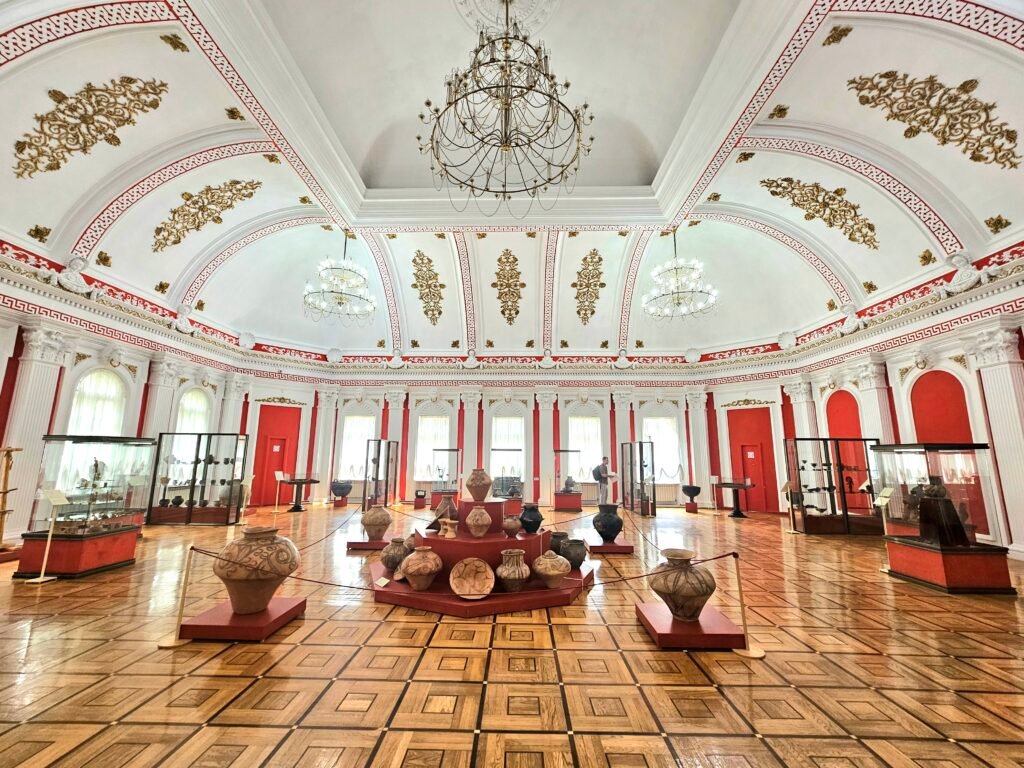
If you’re travelling to Moldova with children and want them to understand where they are, the National Museum of History of Moldova is a good place to start.
The museum covers Moldova’s history from prehistoric times through antiquity, the medieval period, the modern era, the Soviet period and the formation of the independent Republic of Moldova. Its permanent exhibition, History and Civilization, occupies six exhibition halls.
For a 9-year-old, this is much more useful than simply walking around looking at old buildings. You can actually put the places you’re going to visit into context.
Moldova’s history is complicated. The territory has been influenced by Romans, medieval Moldavia, the Ottoman Empire, the Russian Empire, Romania and the Soviet Union, among others. There are also important chapters involving Bessarabia, the Second World War and Soviet deportations.
The museum currently also has temporary exhibitions, so it’s worth checking what’s showing before you visit. The museum’s current summer schedule is 10am to 6pm, Tuesday through Sunday, with Mondays closed.
Why families will enjoy it
There is enough variety here to keep an older child interested, particularly if you turn it into a mini history lesson rather than trying to read every information panel.
It’s also an excellent starting point for a worldschooling trip because so much of what you see elsewhere in Moldova makes more sense afterwards.
Practical tip
Don’t try to see absolutely everything. Pick a few periods or objects that interest your child and use those as jumping-off points.
Recommended age: 7+
2. Explore the National Museum of Ethnography and Natural History
The National Museum of Ethnography and Natural History is another worthwhile stop, particularly for families interested in nature, traditional culture and how people actually lived.
It is the oldest museum in the Republic of Moldova, with its history going back to an agricultural and industrial exhibition held in 1889. Over time, its collections expanded to include natural history, traditional culture, the development of human society, flora and fauna and the natural environment of the region. The museum now has around 135,000 items in its collection.
That makes it a nice complement to the History Museum.
Instead of concentrating mainly on political history, this museum gives you more of a picture of Moldova itself, its landscapes, animals, traditional occupations, crafts and culture.
Why families will enjoy it
For children, the natural-history sections can provide a break from dates and historical figures, while the ethnographic exhibits give you plenty to talk about when you’re travelling around the country.
If you’re worldschooling, this is the sort of museum that can easily turn into a geography, science and cultural studies lesson without feeling like one.
Practical tip
The museum is on Mihail Kogălniceanu Street and is close enough to other central attractions that you can combine it with the History Museum and a walk around central Chișinău.
The current opening hours are 10am to 6pm from April to October and 10am to 5pm from November to March. It is closed Mondays, with a sanitary closure on the last Wednesday of each month.
Recommended age: 6+
3. Try Sensorica, Chișinău’s immersive art museum
If your child has reached the point where the words “museum” and “boring” are becoming dangerously close together, try Sensorica.
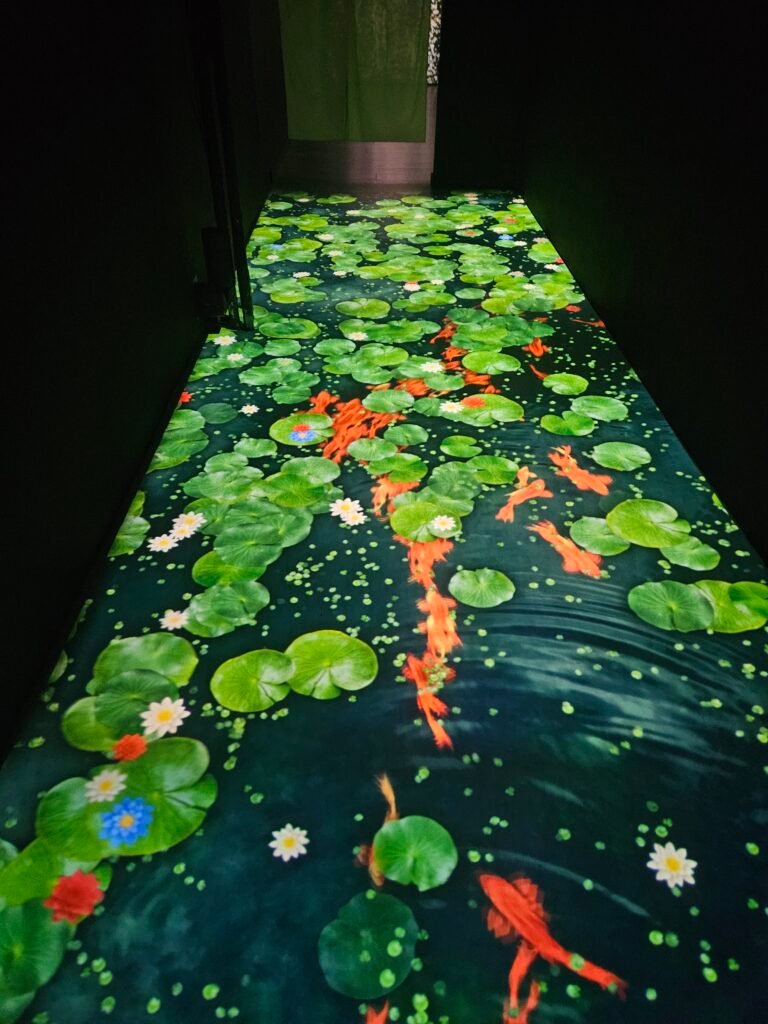
Sensorica describes itself as Moldova’s first immersive art museum. The space covers around 250 square metres and contains 17 interactive installations that respond to movement and touch.
The current exhibition is Japan Dreams, which uses immersive installations, light, movement and visual effects to create an imaginary journey through Japanese-inspired imagery, including ukiyo-e, sakura, yokai and traditional symbolism.
This is very different from the traditional museums in Chișinău, which is exactly why I’d include it in a family itinerary.
Why families will enjoy it
Children don’t have to stand quietly and look at things. They become part of the installation.
It also makes for a good rainy-day activity or a break from sightseeing.
Visits take up to about an hour, so it’s easy to fit into a busy day.
Recommended age: 5+, although older children will probably get more out of the interactive elements.
4. Let the kids burn off energy at Wonderland
Sometimes you just need to take a break form the learning and culture, and let the kids run around and play.
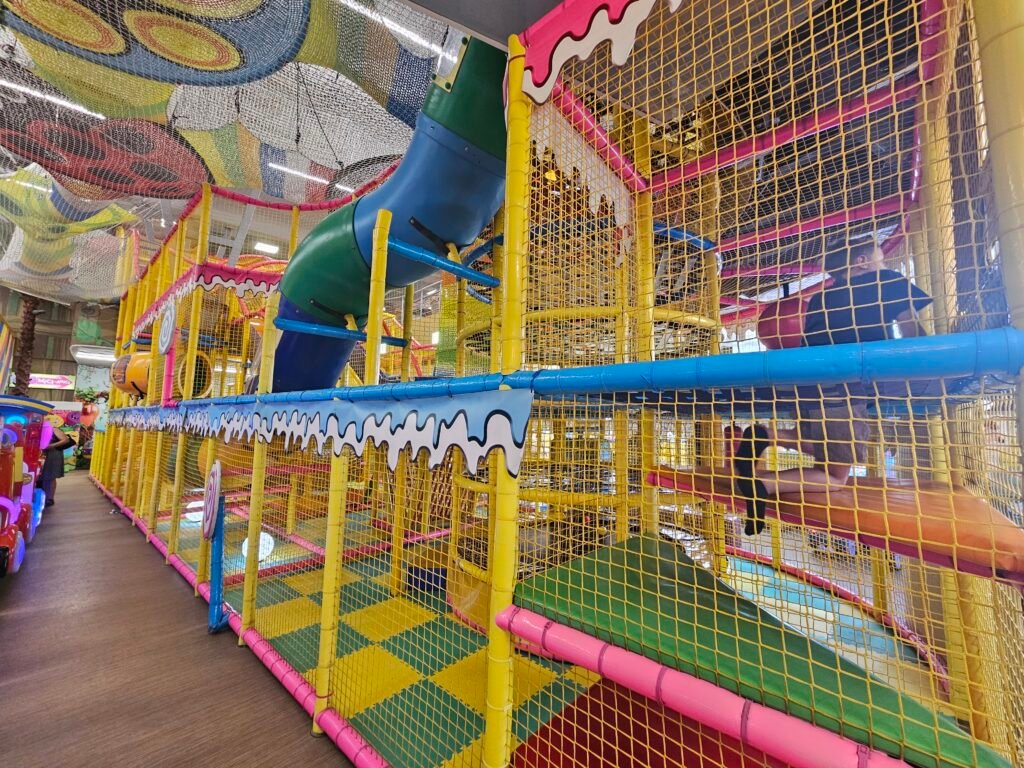
Wonderland Atrium is an indoor amusement and play space on the fourth floor of Atrium Shopping Center. It has interactive attractions and themed areas designed for both children and adults.
This is particularly useful if you’re travelling during very hot weather, rain or one of those days when your child has simply had enough of museums.
For us, this type of activity is important when travelling long-term. You can’t spend every day dragging a child from historical site to historical site and expect everyone to remain cheerful.
Why families will enjoy it
It’s a straightforward kids’ entertainment stop. No complicated sightseeing required.
And because Wonderland is in Atrium, you can combine it with other entertainment in the same building.
Recommended age: Depends on the individual attractions, but particularly useful for younger children.
5. Try Monster VR
For older kids, Monster VR is another fun option.
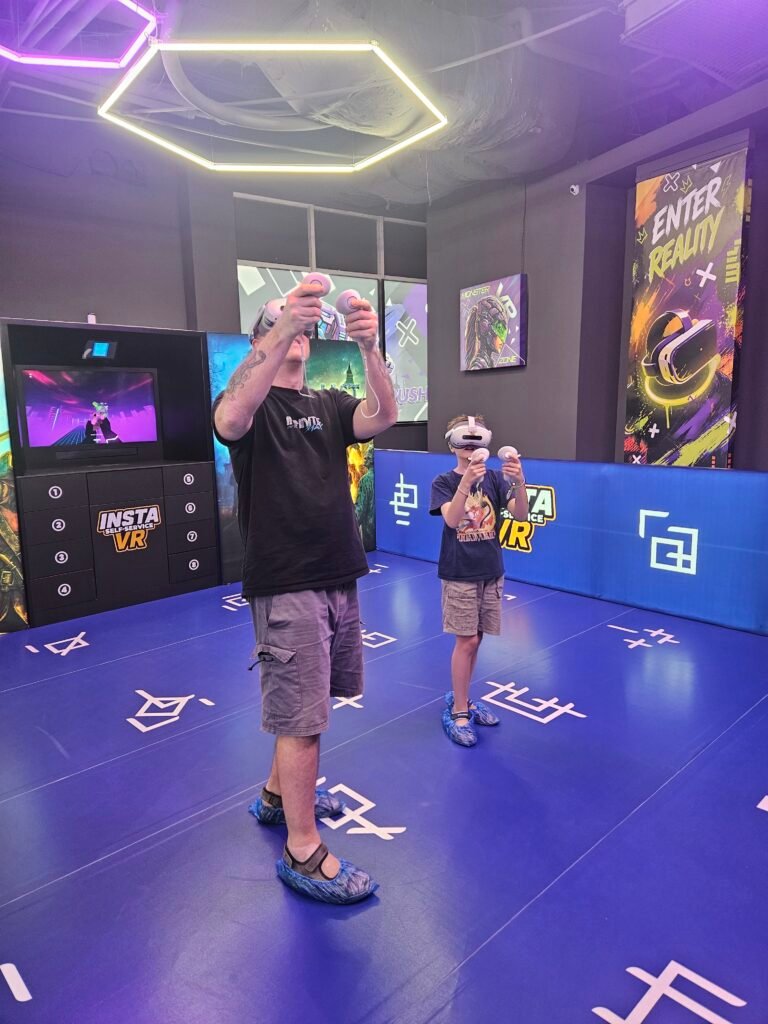
Located in Atrium Shopping Center, Monster VR has VR experiences, racing, motion attractions and other interactive entertainment. The current setup includes 16 VR headsets, a shooter zone, Crazy Drift, Moto GP and a 9D motion ride.
There are also multiplayer games, so this is one of those places where parents can potentially get involved rather than simply sitting on the sidelines.
Why families will enjoy it
Our son is 9, which is a great age for attractions like this. It gives children something completely different from the historical and cultural experiences elsewhere in the trip.
It’s also conveniently located at the same Atrium complex as Wonderland, so you can combine the two.
Practical tip
Check age and height requirements for the individual VR and motion attractions before paying, particularly if you have a younger child.
Recommended age: Around 8+, depending on the attraction.
6. Spend a Day at VARA VARA Aquacity
If you’re visiting Chișinău in summer, VARA VARA Aquacity is an easy addition to a family itinerary.
This is much more than a small children’s pool. The water park has a large wave pool with artificial waves reaching up to two metres, a sandy beach area, 11 slides and dedicated areas for younger children. There are also water cannons and a large tipping bucket.
For families, the important part is that there are attractions for different ages, so you don’t necessarily have to spend the whole day following one child around while everyone else waits.
Why families will enjoy it
After a few days of museums and sightseeing, a water park can be exactly what everybody needs.
It is also a particularly useful option if you’re visiting Chișinău during the hotter months.
Recommended age: All ages, with younger children sticking to the designated kids’ areas.
Practical tip
Make this a proper half-day or full-day activity rather than trying to squeeze it in between sightseeing stops.
7. Walk around central Chișinău
Not everything needs to be an attraction.
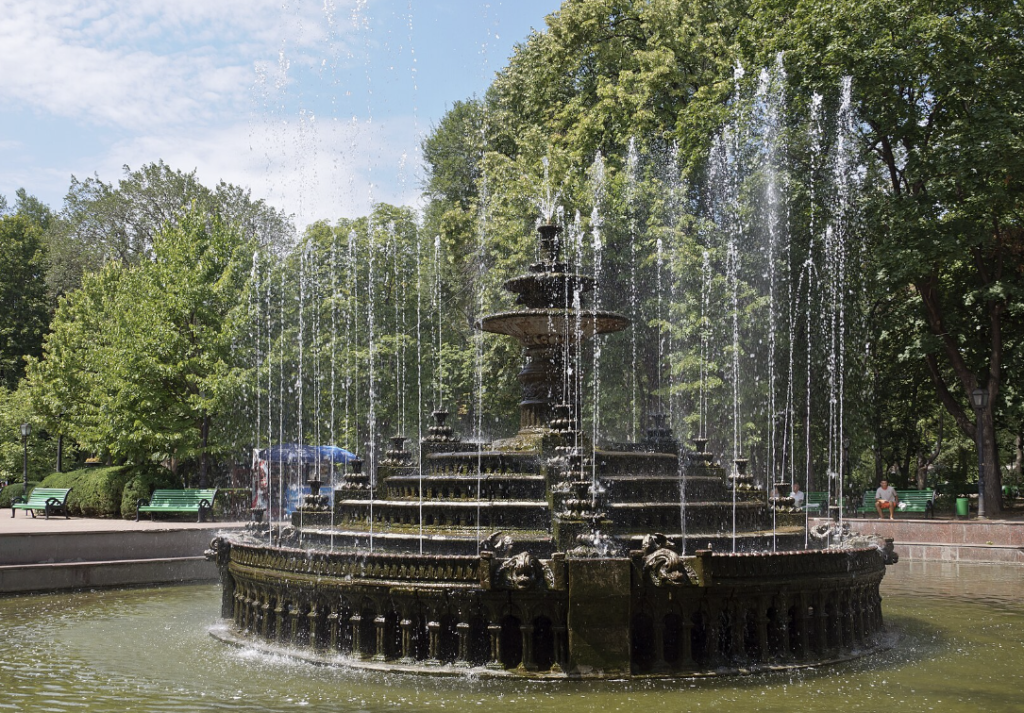
Chișinău’s centre is easy to explore on foot, and walking between the main sights gives children a chance to see the city rather than experiencing it entirely through museums and organised activities. This walking tour is a great way to see the city with a local, as well as visit several museums, so you can combine the two.
You’ll come across places such as the Nativity Cathedral, Cathedral Park, the Triumphal Arch and Stefan cel Mare Central Park.
It’s also worth paying attention to the architecture. Chișinău has layers of Romanian, Russian Imperial, Soviet and modern history, and some of the most interesting things are simply the details you notice while walking around.
For a child, you can turn this into a simple scavenger hunt. Find a statue, a Soviet-era building, a church, a monument, an unusual building and something written in Romanian.
It costs nothing and gives the walk a purpose.
8. Try an Escape Room at DoorDom
If your child enjoys puzzles, mysteries and figuring things out, DoorDom Escape Room is a great family activity in Chișinău.
We did their Mafia room, which is their hardest escape room, and it turned out to be one of the most fun activities we did in the city. It was challenging enough to keep the adults thinking, but our 9-year-old could still get involved and help solve the clues.
Despite the Mafia theme, there was nothing scary or inappropriate about the room, so we were comfortable doing it as a family. It felt more like solving a mystery together than anything frightening.

Why families will enjoy it
Escape rooms are particularly good for families because everyone can contribute in different ways. Kids often spot things adults miss, while adults can help with the more complicated puzzles.
Our son was able to take an active role rather than simply watching the grown-ups solve everything, which makes a big difference at this age.
And because the Mafia room is the most difficult option, it gives you a proper challenge. You actually have to work together rather than simply finding a couple of obvious clues and escaping.
Practical tip
If you’re visiting with children, check the age recommendations when booking and let the staff know you’re a family. The difficulty level of the room matters more than the theme, and the Mafia room is definitely one for families who enjoy a challenge. Always book in advance, and bring cash, as this particular escape room does not accept card as payment.
Recommended age: Around 8+, particularly for children who enjoy puzzles and problem-solving.
Our verdict: One of our favourite activities in Chișinău for a family with an older child. If your child loves escape rooms, puzzles or detective games, I’d definitely put DoorDom on the itinerary.
Best Day Trips from Chișinău with Kids
Chișinău itself is fairly compact. The real advantage of using it as your base is that some of Moldova’s most interesting experiences are within reach of the capital.
9. Visit Old Orhei
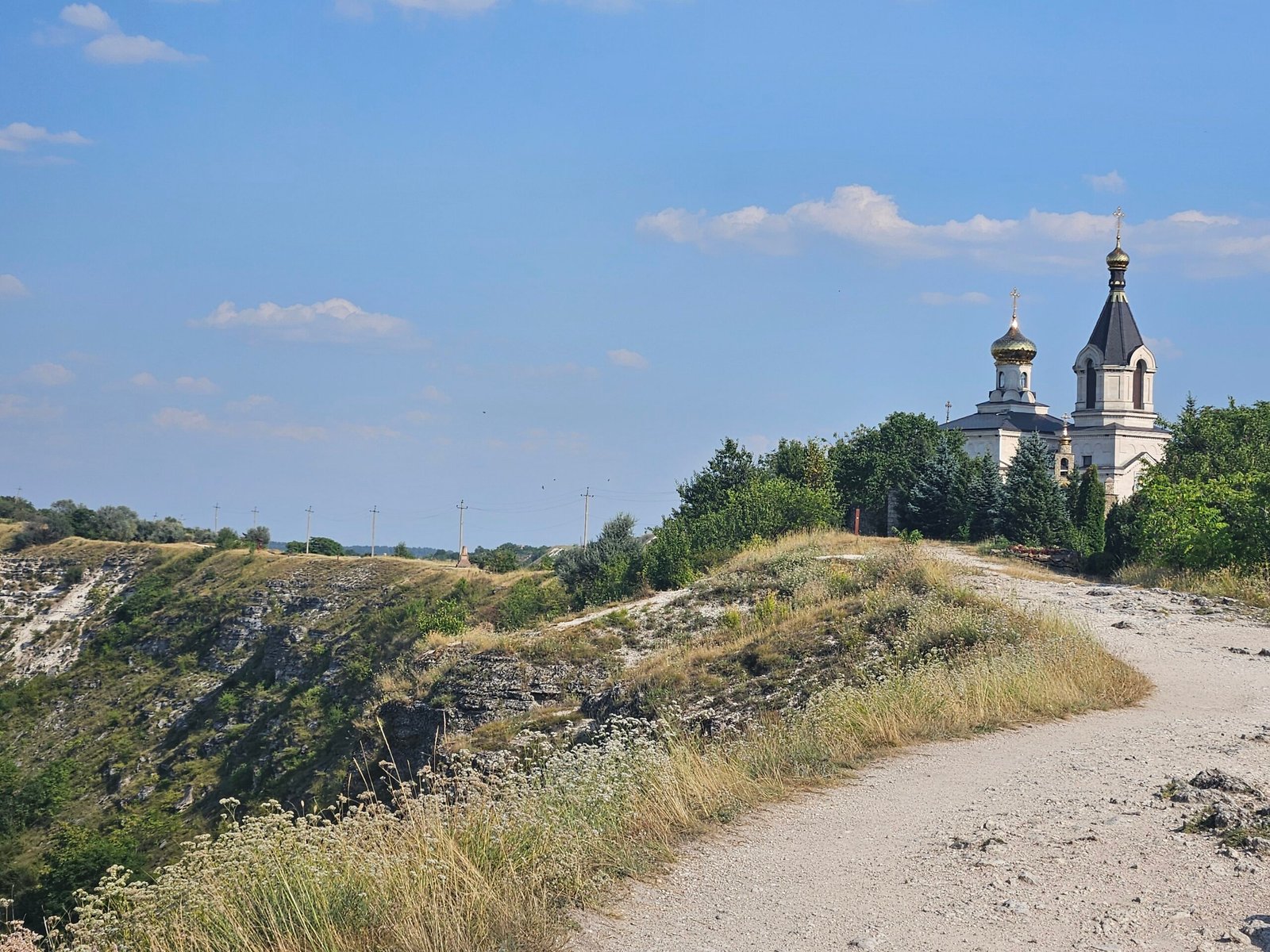
Old Orhei, or Orheiul Vechi, would be high on our list of places to visit with children.
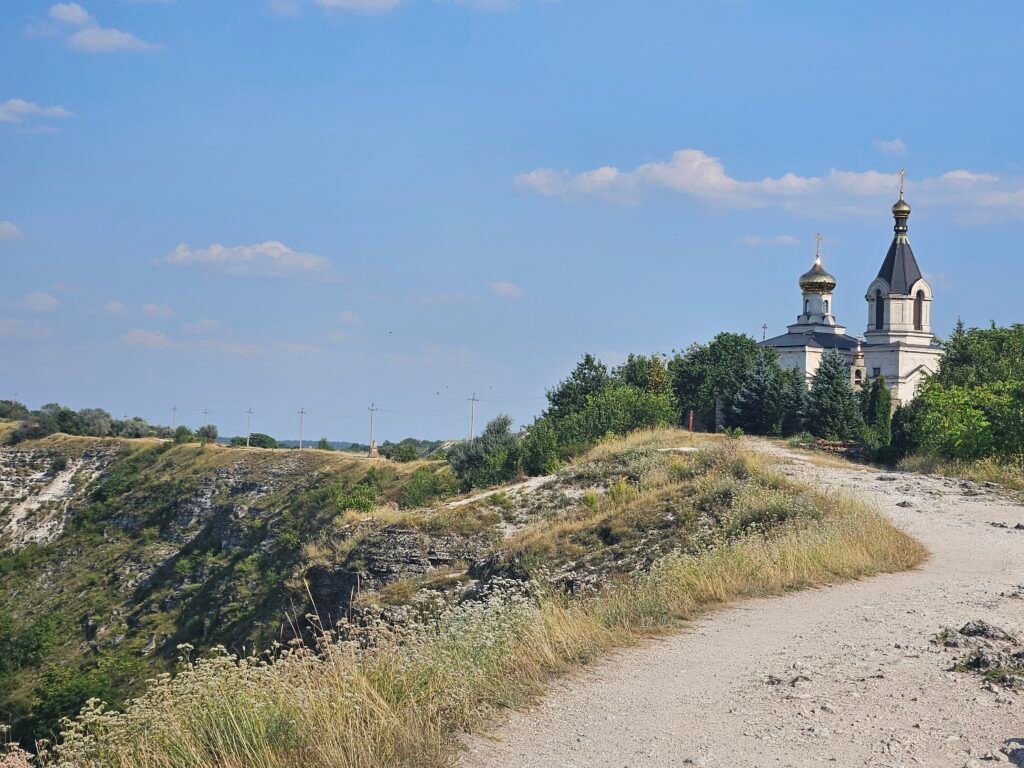
The cultural-natural reserve is about 45 minutes from Chișinău and is centred around a dramatic rocky landscape along the Răut River. The site combines archaeology, history, nature and religious heritage.
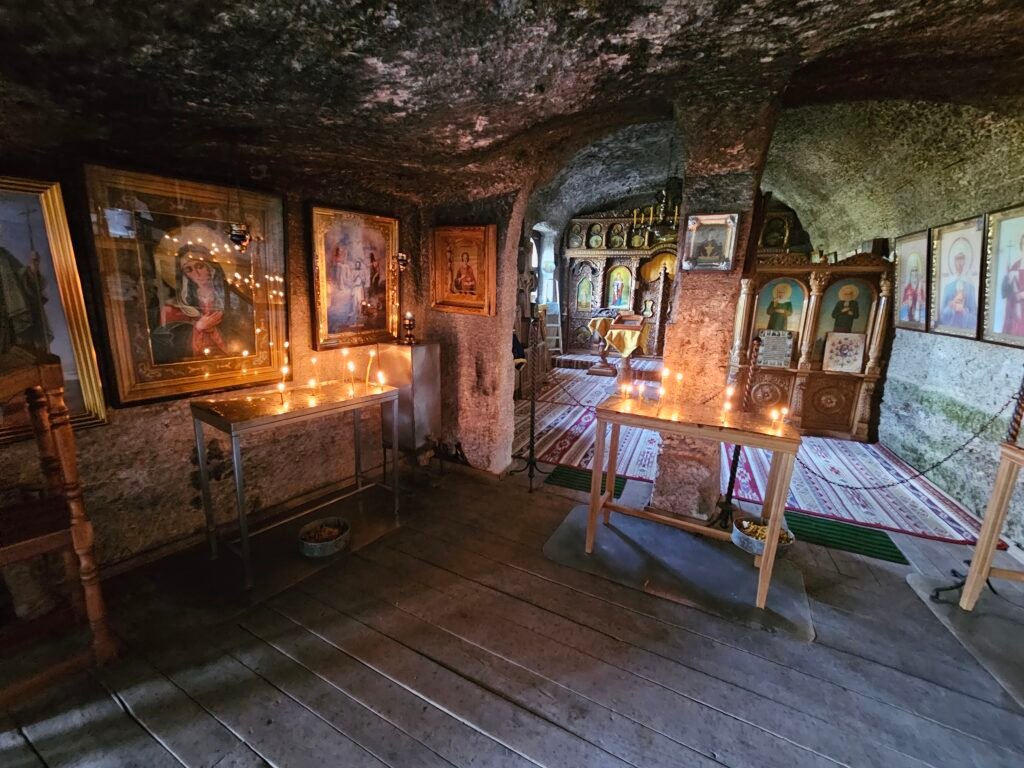
Among the things you can see are the rock-hewn monastery at Butuceni, caves and monastic cells, the Church of the Assumption of the Virgin Mary and the remains of medieval Tatar baths. The church on the hill dates from 1636.
This is one of those places where the history lesson happens naturally.
You can talk about medieval Moldova, monastic life, archaeology, geography and the different peoples who lived in the region, all while actually standing in the landscape you’re talking about.
Why families will enjoy it
There is much more space to move around than in a museum, and the landscape itself makes the visit interesting for children.
The combination of cliffs, caves, old ruins and the monastery also gives you plenty to explore.
Practical tip
Wear proper shoes. This isn’t the place for delicate city footwear.
Also take water, especially in summer. There isn’t the same convenience of shops and facilities you have in central Chișinău.
Recommended age: 6+, particularly for children who enjoy history and exploring outdoors.
10. Go Underground at Cricova Winery
You might be wondering what a winery is doing in a family travel guide.
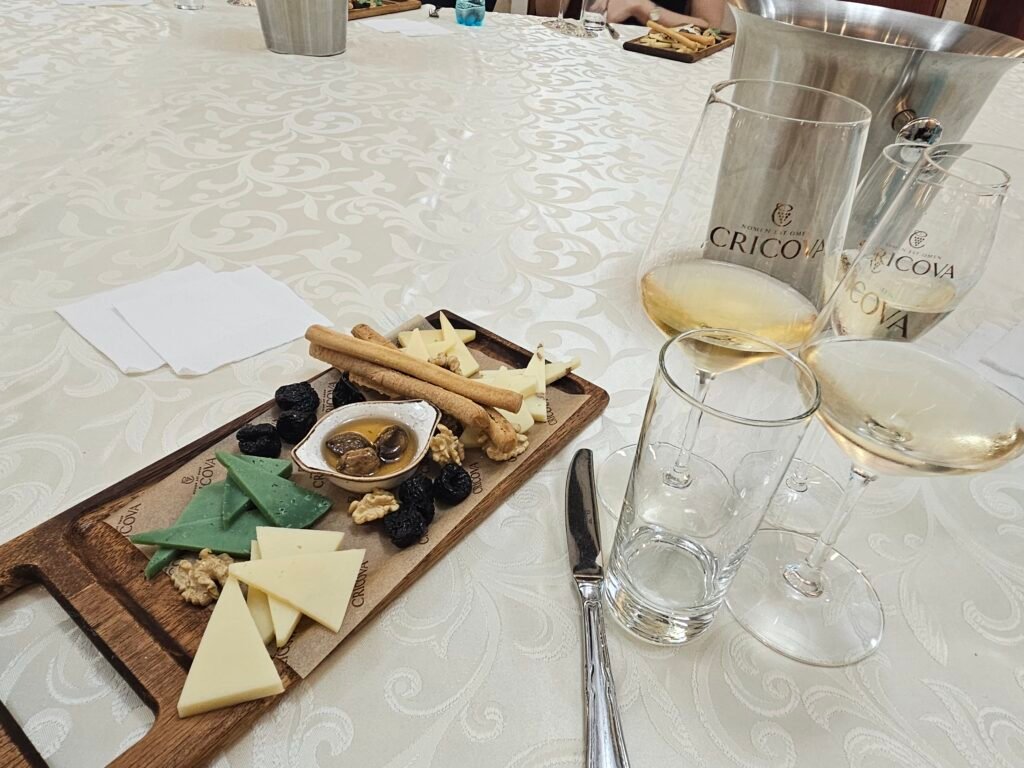
Well, Cricova is not simply about wine tasting.
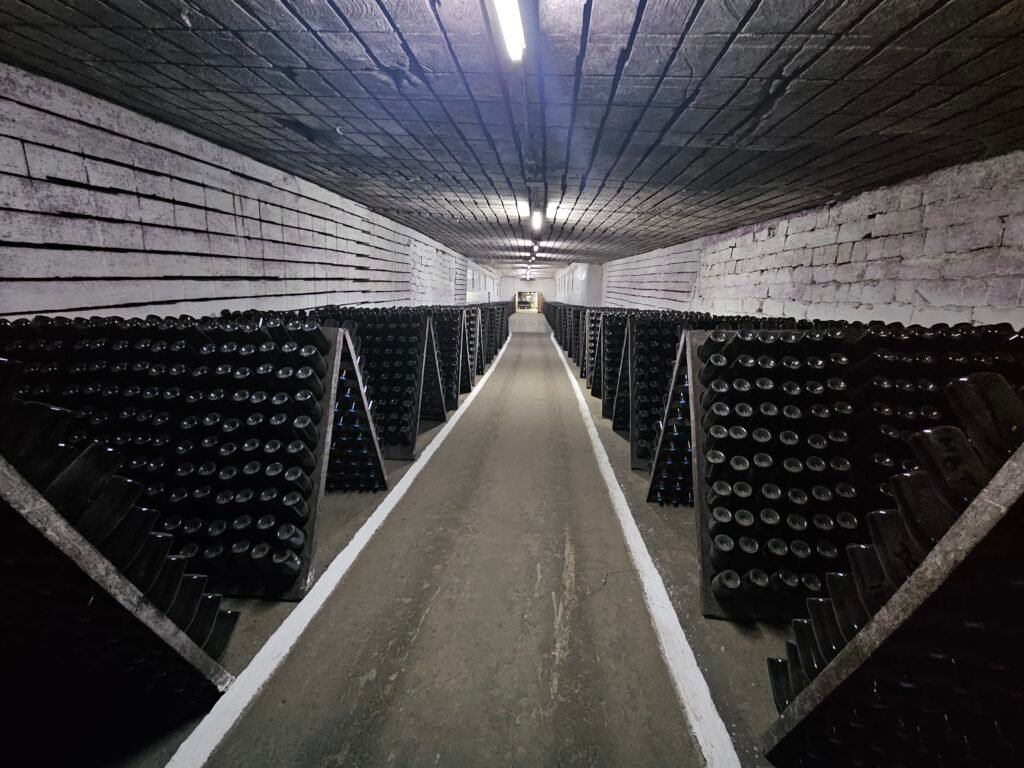
The winery is famous for its enormous underground network of galleries and cellars. It was founded in 1952 and is located around 15 kilometres north of Chișinău. Its underground galleries are so significant that Cricova is included on Moldova’s UNESCO Tentative List.
For children, the interesting part is the underground world itself.
The galleries form a huge network of tunnels where wine is stored, creating the feeling of an underground city. The temperature down there is also dramatically cooler than outside in summer. This tour is a great way to visit the winery and several other places in the area.
Why families will enjoy it
Even if your child isn’t remotely interested in wine, exploring an enormous underground cellar is a memorable experience.
It’s also a useful opportunity to talk about how geography and geology affect what people produce. Moldova has a long wine-making tradition, and Cricova is one of the best-known examples.
Practical tip
The underground cellars are cool, so bring a light layer even if it is very hot outside.
If you’re travelling with children, check the exact tour format before booking, as wine-focused tours and tastings aren’t necessarily designed around families.
Recommended age: 6+ for the underground experience, although the educational value depends on the child’s interests.
Where to Eat with Kids in Chișinău
One of the easiest ways to get children interested in a new country is through food.
Moldovan cuisine is particularly family-friendly because you’ll find plenty of familiar ingredients alongside dishes that are completely new to children.
Here are three restaurants we included in our Chișinău experience.
Epoca de Pietra
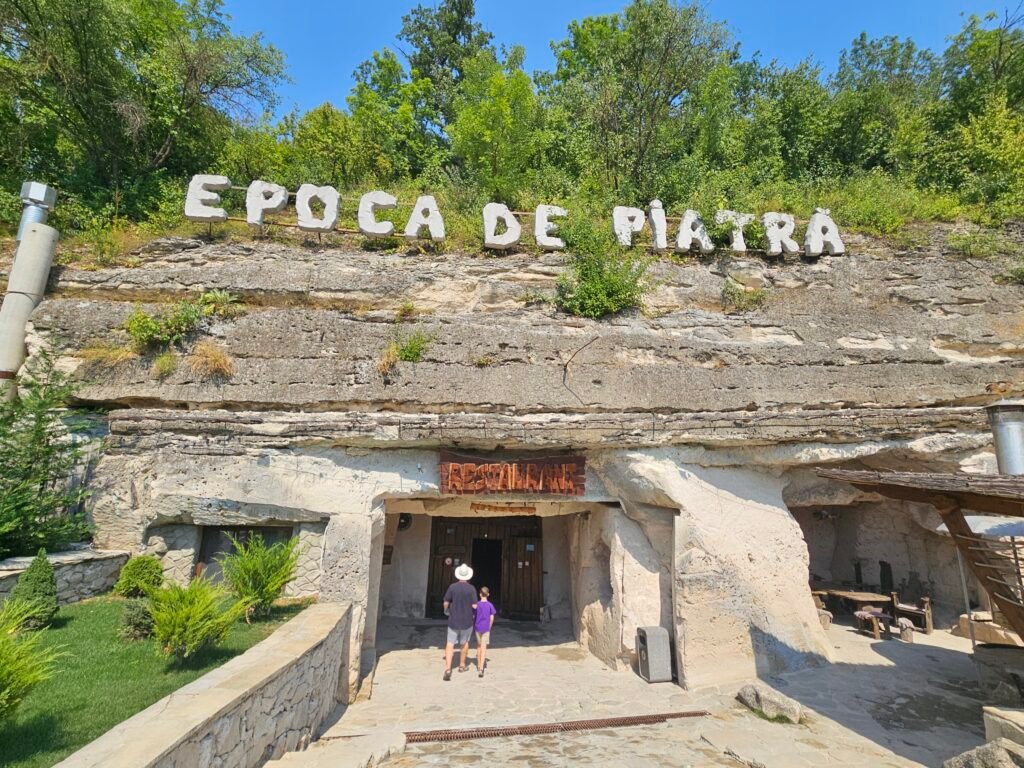
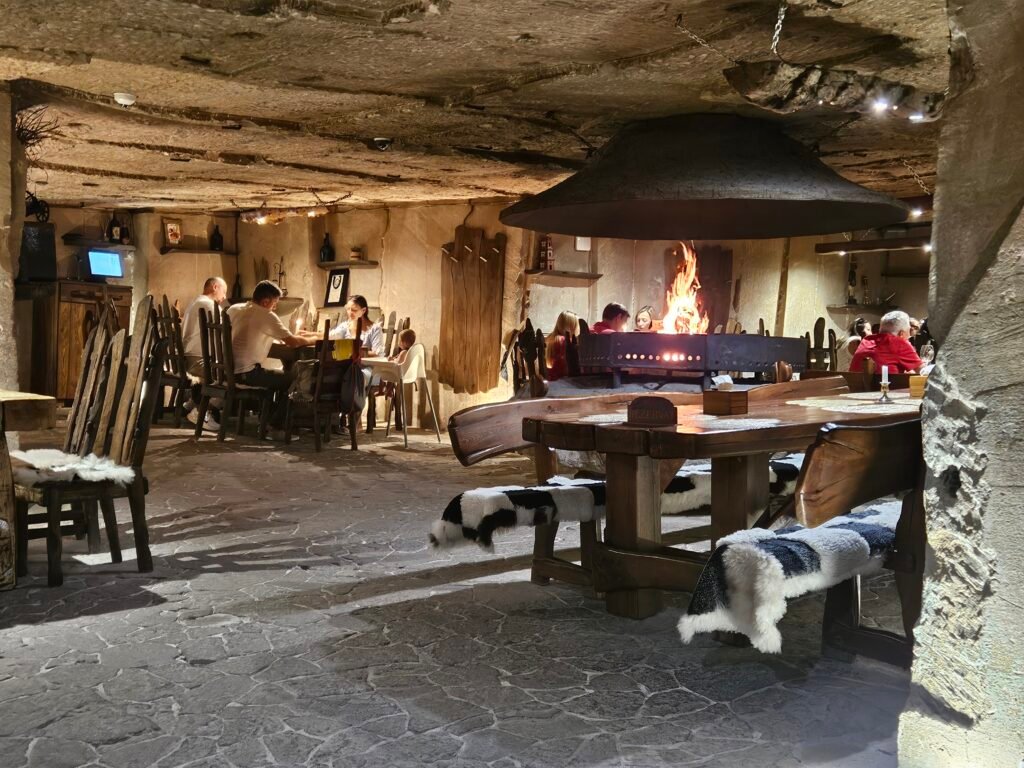
Epoca de Pietra is worth considering if you’re looking for somewhere with a more unusual atmosphere and hearty food. It’s out of the city and makes a great lunch stop on the way to Old Orhei. Our son absolutely loved eating in a cave setting!
It’s a good option to have on your list when you’re looking beyond the standard international restaurant choices.
For families, I would always check the current menu before going, particularly if your child is a picky eater.
Taifas
If you want a more traditional Moldovan experience, Taifas is one of the places we’d recommend putting on your list.
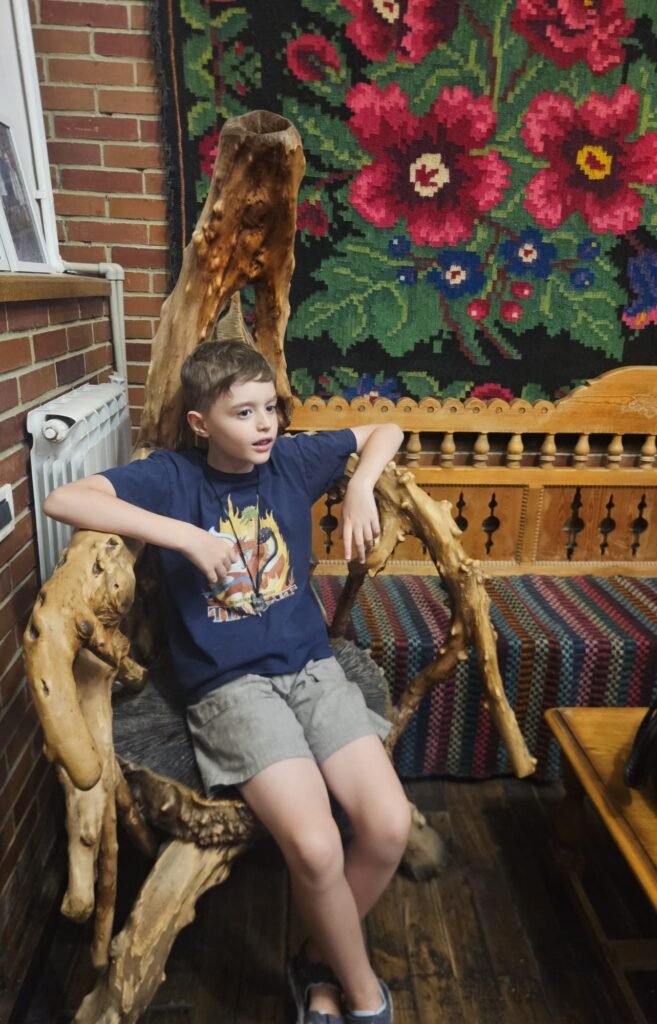
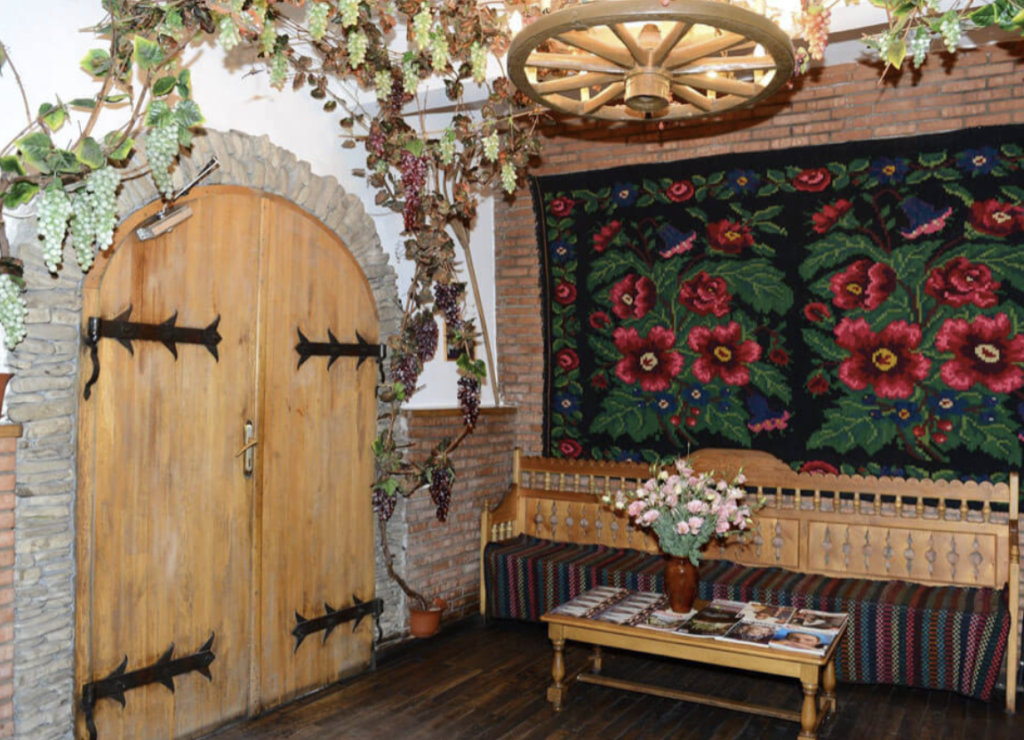
The restaurant is located in an old house in central Chișinău and is designed to recreate the atmosphere of a traditional Moldovan village home. The decor includes rustic furniture, pottery and traditional embroidery, and the restaurant features live folk music.
This is particularly good for families because you’re not just eating traditional food, you’re getting some context around the culture too.
And yes, there is traditional music and dancing, which makes the whole meal much more of an experience than simply sitting down for dinner.
What to try
Look out for traditional dishes such as:
- Mămăligă, a cornmeal dish similar to polenta
- Sarmale, stuffed cabbage or vine leaves
- Zeamă, a traditional chicken soup
- Local cheeses
- Plăcinte, traditional filled pastries
Taifas’s menu includes dishes such as vine-leaf sarmale, meat cooked in a cauldron, polenta with sheep’s cheese and homemade desserts.
Family tip: If your child is suspicious of anything unfamiliar, mămăligă, bread, cheese and some of the simpler meat dishes are good starting points.
Fuior
Fuior is another restaurant to put on your list if you want to try Moldovan food but prefer a more modern presentation.
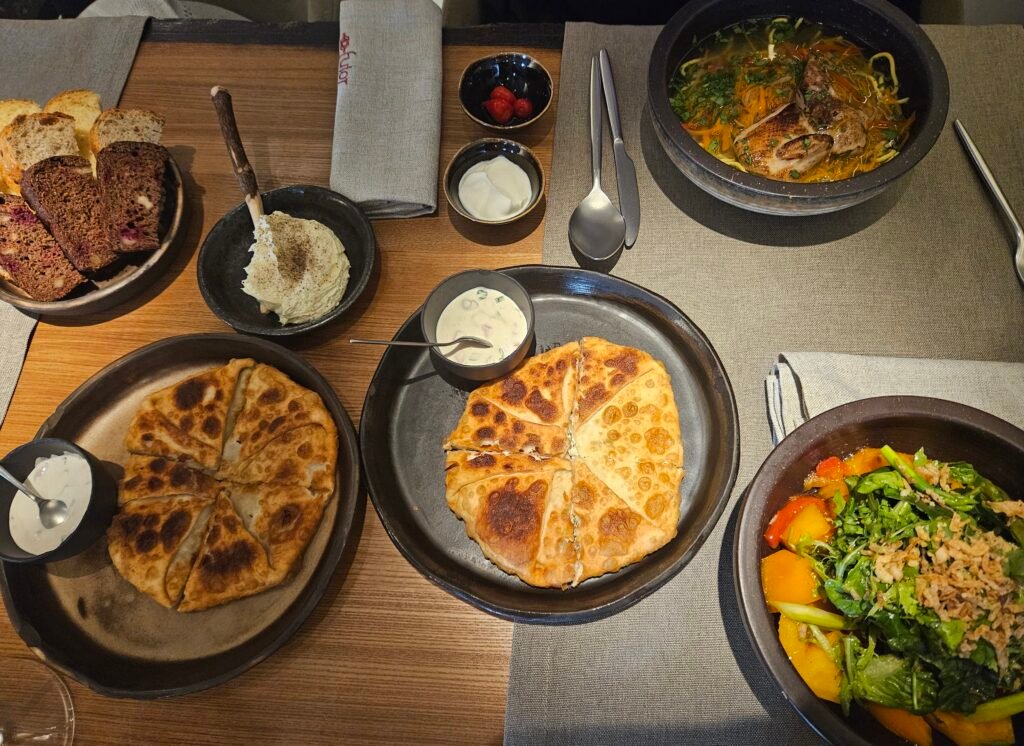
The restaurant is on Pushkin Street and takes traditional Moldovan dishes and gives them a more contemporary treatment. Current dishes include things such as quail soup, stuffed cabbage with truffle cream and polenta with pork cheeks.
It’s a useful contrast with Taifas. Both give you a chance to try Moldovan cuisine, but the experiences are quite different.
Moldovan Foods Worth Trying with Kids
Food is one of the easiest ways to add another layer to a worldschooling trip.
Some Moldovan dishes worth looking out for include:
Mămăligă
A staple made from cornmeal, traditionally served with cheese, sour cream or meat.
Sarmale
Stuffed cabbage or vine leaves filled with a mixture of meat and rice.
Plăcinte
Flat, filled pastries that can be savoury or sweet. Fillings vary and can include cheese, potatoes, cabbage, pumpkin or fruit.
Zeamă
A traditional Moldovan soup, often made with chicken and noodles.
Brânză
Local cheese, often served alongside traditional dishes.
Local fruit and wine
Moldova has a long agricultural and winemaking tradition. Obviously, wine is for the adults, but children can still learn about vineyards, grape growing and the importance of wine to Moldovan culture without needing to participate in the tasting.
Where to Stay in Chișinău with Kids
For a family visit, I would prioritise location over luxury.
Staying somewhere reasonably central makes it much easier to walk to restaurants, parks and museums, while also keeping taxi journeys short when you need them.
An apartment can work particularly well for families travelling with children because having a fridge, some kitchen facilities and a little extra space can make life easier.
If you’re only staying for two or three nights, however, a centrally located hotel may be more convenient.
When choosing family accommodation in Chișinău, look for:
- A central location
- Air conditioning in summer
- Family rooms or apartments
- A lift if you’re travelling with lots of luggage
- Breakfast if you prefer an easy start to the day
- Easy taxi access for day trips
I would also check the exact location rather than simply choosing a property because it says “central”. Chișinău is walkable in the centre, but the city spreads out quite a bit beyond it.
Getting Around Chișinău with Kids
Chișinău is relatively easy to get around.
For central sightseeing, walking is often the simplest option. Many of the museums and major sights are fairly close together.
Public transport is inexpensive, and trolleybuses are a distinctive part of getting around the city. Taxis and ride-hailing apps are also useful, particularly when travelling with children or returning after a long day.
For day trips such as Old Orhei and Cricova, a taxi, private driver, rental car or organised tour will generally be more convenient than trying to piece together several local buses.
Our advice
Don’t underestimate how much easier a car or driver makes the countryside.
Chișinău is one thing. Once you start trying to combine several attractions outside the city on the same day, having your own transport becomes much more useful.
Practical Tips for Visiting Chișinău with Kids
How many days do you need?
For Chișinău itself, 2 to 3 days is a good starting point.
Add another day if you want to visit Old Orhei and Cricova without rushing.
If you’re planning several countryside excursions, you could easily spend 4 to 5 days using Chișinău as your base.
What language is spoken?
Romanian is the official language, although Russian is also widely spoken.
English is more common among younger people and in tourist-oriented businesses, but don’t assume everyone will speak it.
Having Google Translate available is useful.
What currency is used?
Moldova uses the Moldovan leu (MDL).
Keep some cash available, particularly for smaller businesses and places outside central Chișinău.
Is Chișinău expensive?
Compared with many Western European capitals, Moldova can be relatively affordable for families.
Museums in particular can be inexpensive. For example, the current adult admission to the National History Museum is 50 MDL and pupils pay 10 MDL.
Prices can obviously vary considerably between restaurants, hotels and activities, so it’s worth checking current prices before you go.
What should you pack?
For summer, bring sunscreen, hats, comfortable walking shoes and plenty of water.
If you’re visiting Cricova, take a light jacket because the underground cellars are cool.
For Old Orhei, comfortable shoes are much more important than looking stylish.
Is Chișinău Safe for Families?
Overall, Chișinău is a straightforward city for a family visit, but Moldova’s location means it’s sensible to pay attention to current travel advice.
As of July 2026, the U.S. State Department advises travellers to exercise increased caution in Moldova because of the risk of unexploded ordnance, while advising against travel to Transnistria because of the risk of armed conflict.
For a normal family trip around Chișinău, this doesn’t mean you need to be frightened of the city. It does mean you should use common sense when travelling outside established tourist areas.
A few things we’d keep in mind
- Don’t wander into abandoned military or industrial areas.
- Stick to established paths in rural areas.
- Don’t touch unknown objects or anything that looks like old military equipment.
- Be particularly careful around former conflict areas.
- Keep an eye on children near roads and busy streets.
- Use normal precautions around ATMs and in crowded public transport.
- Carry your passports or appropriate identification.
- Check current travel advice before travelling to any region near Transnistria.
For families, I would simply plan your itinerary around the well-established tourist sites rather than trying to turn the trip into an adventure in places that aren’t intended for visitors.
Chișinău with Kids: A Sample 3-Day Itinerary
If you have three days, here’s how we’d structure it.
Day 1: History and central Chișinău
Morning
National Museum of History of Moldova
Lunch
Traditional Moldovan food
Afternoon
Walk through the centre, Cathedral Park and Stefan cel Mare Park.
Late afternoon
Sensorica
Evening
Dinner at Taifas or Fuior.
Day 2: Old Orhei and Cricova
Morning
Drive to Old Orhei.
Explore the archaeological complex, caves, monastery and surrounding landscape.
Lunch
Have lunch in or around the Old Orhei area.
Afternoon
Head towards Cricova.
Explore the underground wine cellars.
Evening
Return to Chișinău.
This is a fairly full day, so I wouldn’t add another major attraction.
Day 3: Kids’ day
Give the adults a break from museums.
Depending on the weather:
Summer: VARA VARA Aquacity
Rainy or very hot day: Wonderland and Monster VR at Atrium
Cultural option: National Museum of Ethnography and Natural History
You could also combine the Ethnography Museum with some time in central Chișinău.
Chișinău for Worldschooling Families
One of the things we liked about visiting Moldova as a worldschooling family is that you don’t have to manufacture educational experiences.
They’re everywhere.
A trip to the National History Museum becomes a lesson in European history, medieval Moldova, the Russian Empire, Romania and the Soviet Union.
The Ethnography Museum opens up conversations about traditional culture, geography, agriculture and biodiversity.
Old Orhei brings archaeology, geology, religion and medieval history together in one place.
Cricova gives you an opportunity to talk about geology, agriculture, fermentation, trade and the role of wine in Moldovan culture.
Even a restaurant such as Taifas can become a cultural lesson when you’re hearing traditional music and trying dishes that you wouldn’t normally eat at home.
And then there are the completely non-academic activities.
VR.
Immersive art.
Water slides.
Play centres.
Those count too.
One of the biggest lessons we’ve learned from travelling with our son is that education doesn’t have to look educational. Sometimes the thing that sticks with a child is the strange underground cellar, the interactive museum installation or the food they tried for the first time.
Final Thoughts: Is Chișinău Worth Visiting with Kids?
Yes, particularly if you’re looking for somewhere a little different.
Chișinău isn’t a city I’d recommend because it has an endless list of blockbuster attractions. It doesn’t.
That’s actually part of its appeal.
You can see the main historical sights without spending your entire holiday rushing from one attraction to another. Then you can use the extra time to experience Moldova itself, whether that’s visiting Old Orhei, going underground at Cricova, eating traditional food or simply letting your child have a few hours to play.
For families, I think the biggest advantage is the variety.
You can have a genuinely educational morning at the National History Museum, visit an immersive art museum in the afternoon and finish the day eating Moldovan food while listening to traditional music.
That’s a pretty good combination.
I’d especially recommend Chișinău to families with school-age children who enjoy history, unusual destinations and learning about places that aren’t necessarily on every European family travel itinerary.
And if your child needs a break from culture, don’t worry. Moldova has VR, amusement parks and a very large water park too.
Which, let’s be honest, may be the part of the trip they remember most.