Mongolia With Kids: The Ultimate Family Travel Guide
Mongolia is one of those countries even more interesting in real life than the picture you have in your head before you go.
We travelled to Mongolia with our then 7-year-old son, and what I liked most about travelling there as a family was how easy it was to turn ordinary sightseeing into something hands-on.
If you’re wondering whether Mongolia is a good destination for families, I’d say yes, with a few qualifications.
This isn’t an easy, resort-style family holiday. There are long journeys, rough roads, huge distances and plenty of places where facilities are basic. But if your family likes adventure, animals, history, geography and experiences that feel genuinely different from home, Mongolia is a fascinating place to travel with children.
Here’s what we would recommend seeing and doing, along with the practical things I’d want to know before planning a family trip to Mongolia.
Why travel to Mongolia with kids?
The obvious answer is that Mongolia is an extraordinary place to explore.
But for families, I think there is another reason to go. A lot of what makes Mongolia interesting is something you can actually see, touch and participate in. Instead of just learning about nomadic life in a museum, you can visit a nomad camp and see how people work with animals and make dairy products. Rather than only reading about the Mongol Empire, you can visit the enormous statue of Chinggis Khaan and dress up in traditional Mongolian clothing.
For a worldschooling family, that is pretty much ideal. And even if you aren’t travelling specifically for educational reasons, kids tend to remember things much better when they can actually experience them.
Ulaanbaatar with kids
Ulaanbaatar isn’t necessarily the reason most people dream about going to Mongolia.
However it actually pleasantly surprised us. It is a modern capital, and after the open landscapes of the countryside it can feel surprisingly urban. There are apartment blocks, traffic, restaurants, shopping centres and all the usual things you’d expect from a capital city.
Ulaanbaatar is where you can get some useful context before heading into the countryside, and there are plenty of things to do with kids. There are some great museums, temples, and the city centre is very walkable.
Sukhbaatar Square
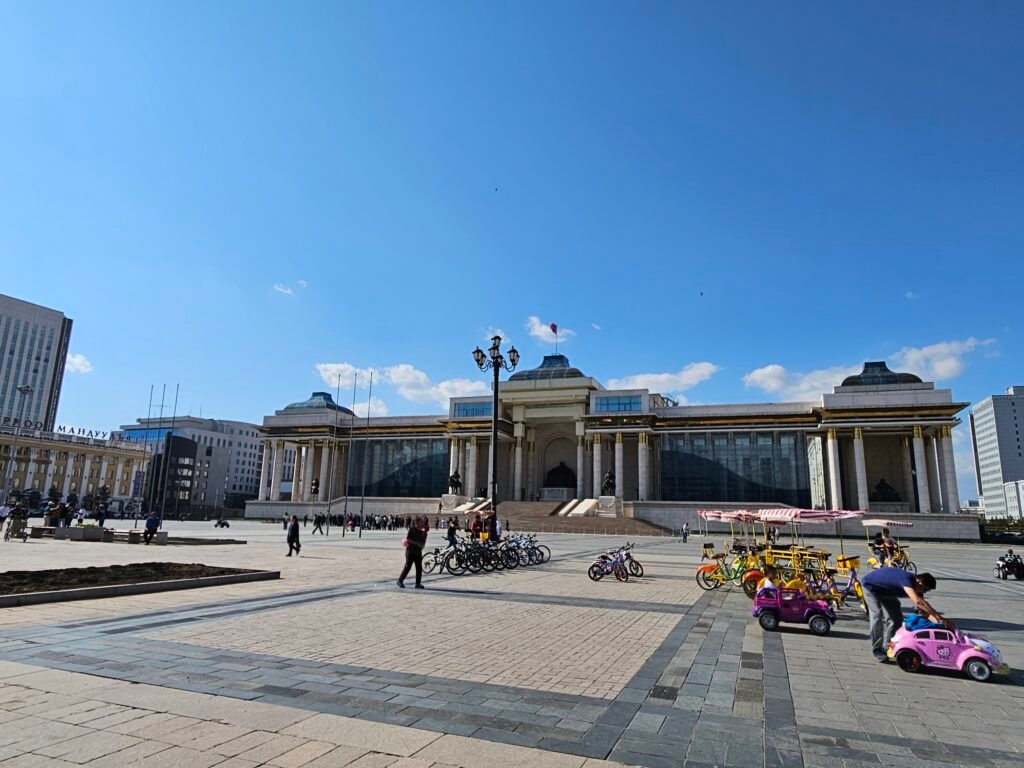
Sukhbaatar Square, officially known as Chinggis Khaan Square, is the obvious starting point for exploring central Ulaanbaatar.
The square is named after Damdin Sükhbaatar, one of the leaders of Mongolia’s 1921 revolution. His statue stands on horseback in the centre.
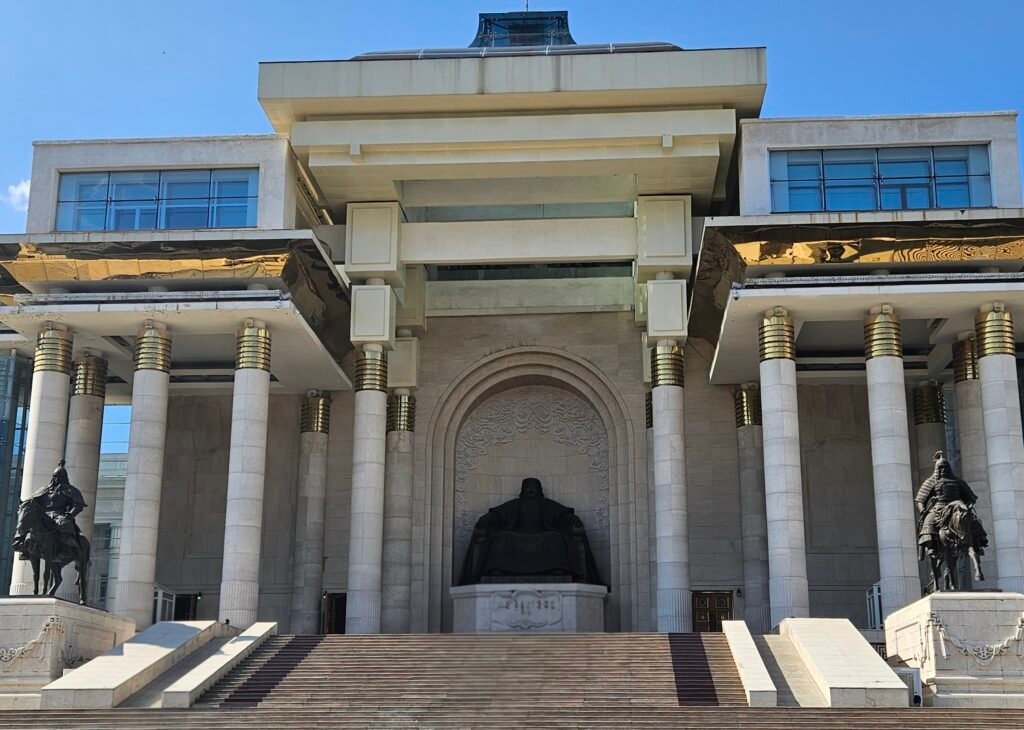
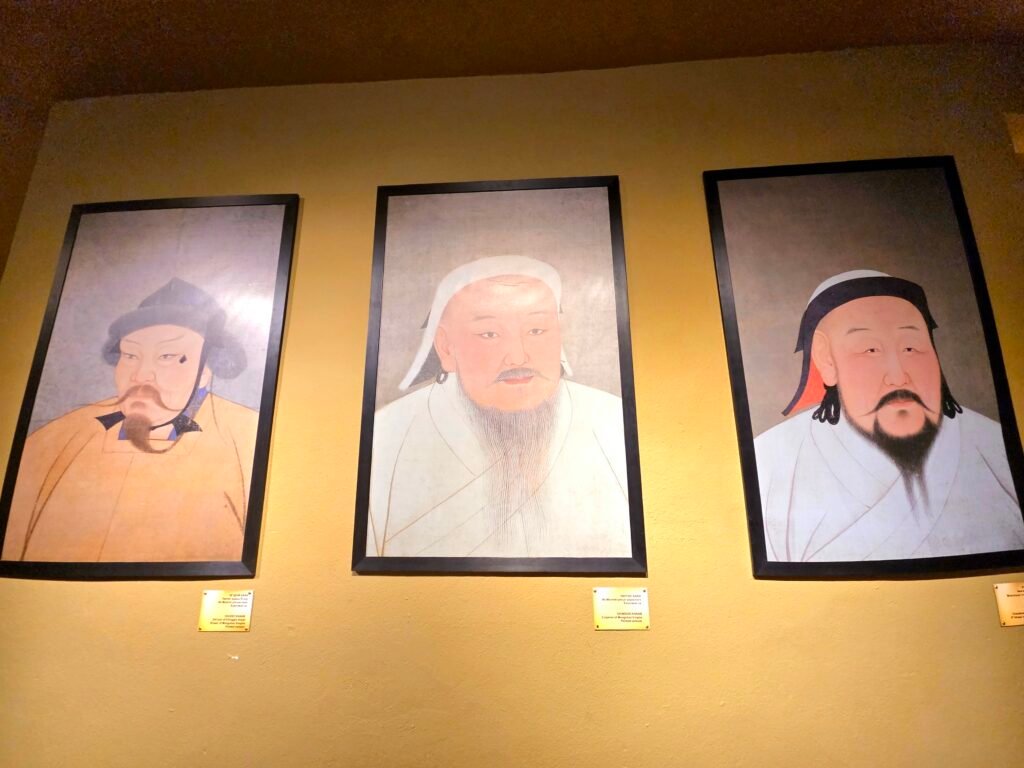
At the northern end is the enormous Chinggis Khaan statue, with statues of Ögedei and Kublai Khaan alongside him. For adults, there is plenty of history here.
For children, however, the most useful part may be considerably less grand.
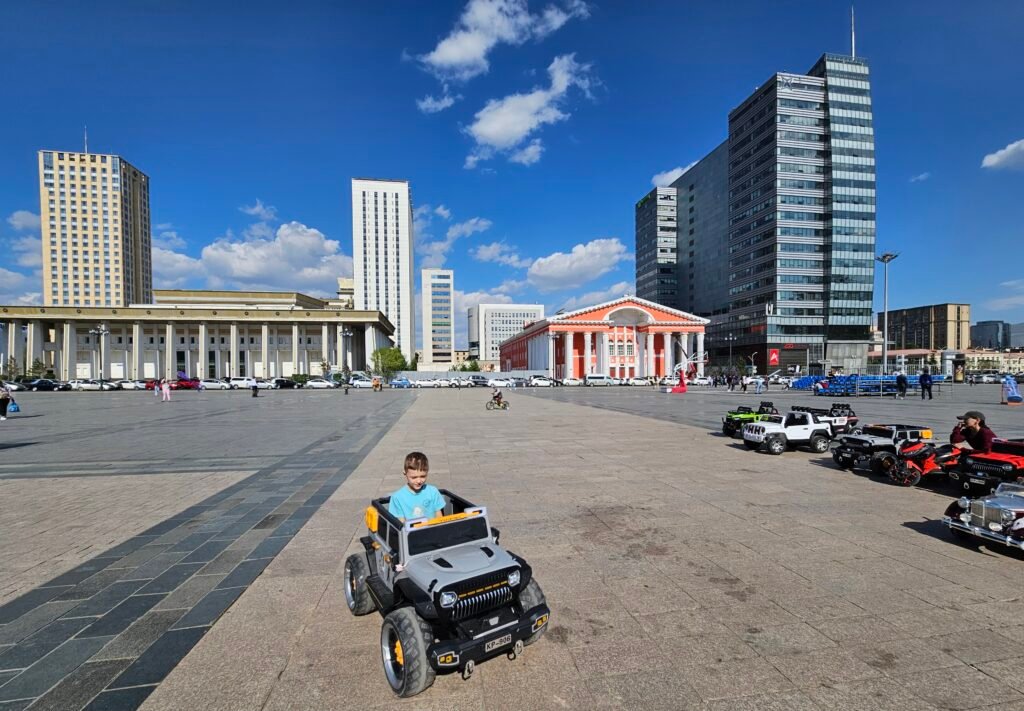
When we visited, there were rental bikes and little children’s cars around the square. Our son could ride around while we looked at the monuments and buildings. That made the square much easier to enjoy as a family.
Several of the city’s museums and other attractions surround it, so it makes a convenient starting point for a day exploring central Ulaanbaatar. You can look around the square, visit a museum, stop for lunch and continue on foot rather than making a separate journey for every attraction.
The National Museum of Mongolia
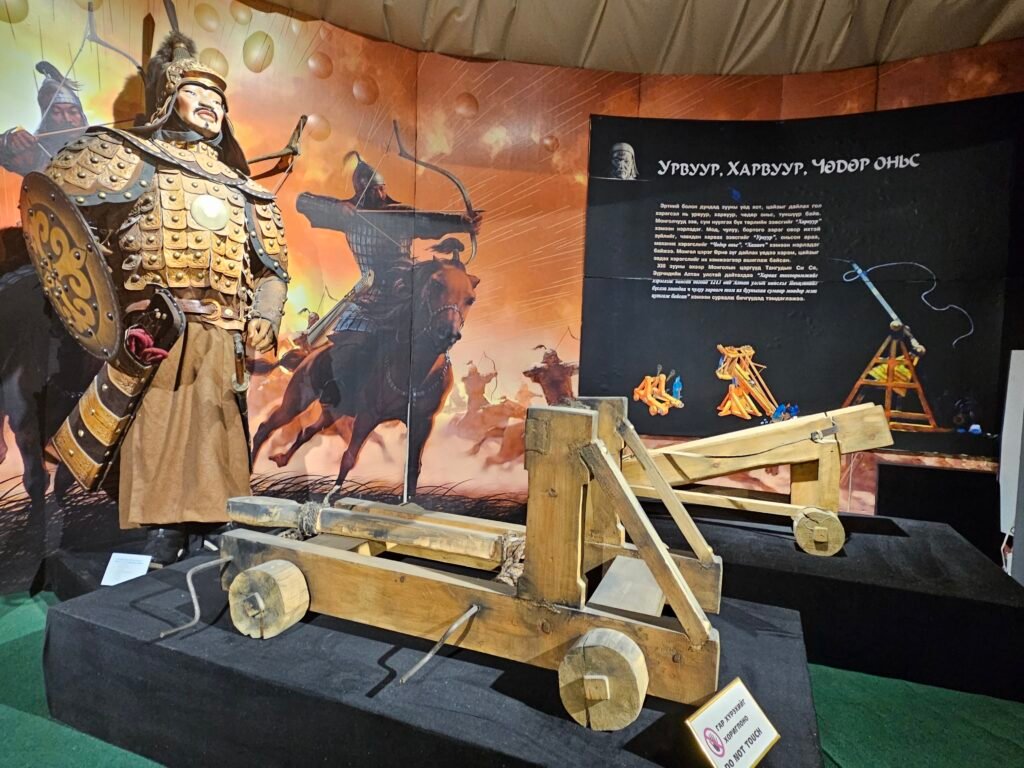
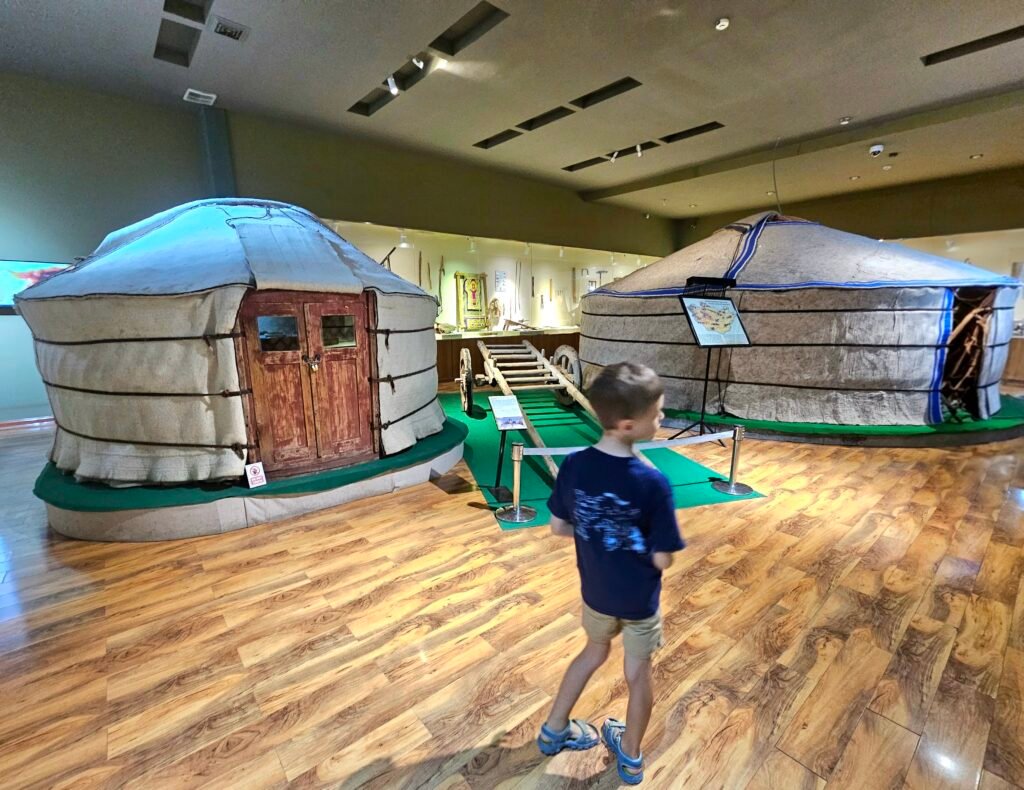
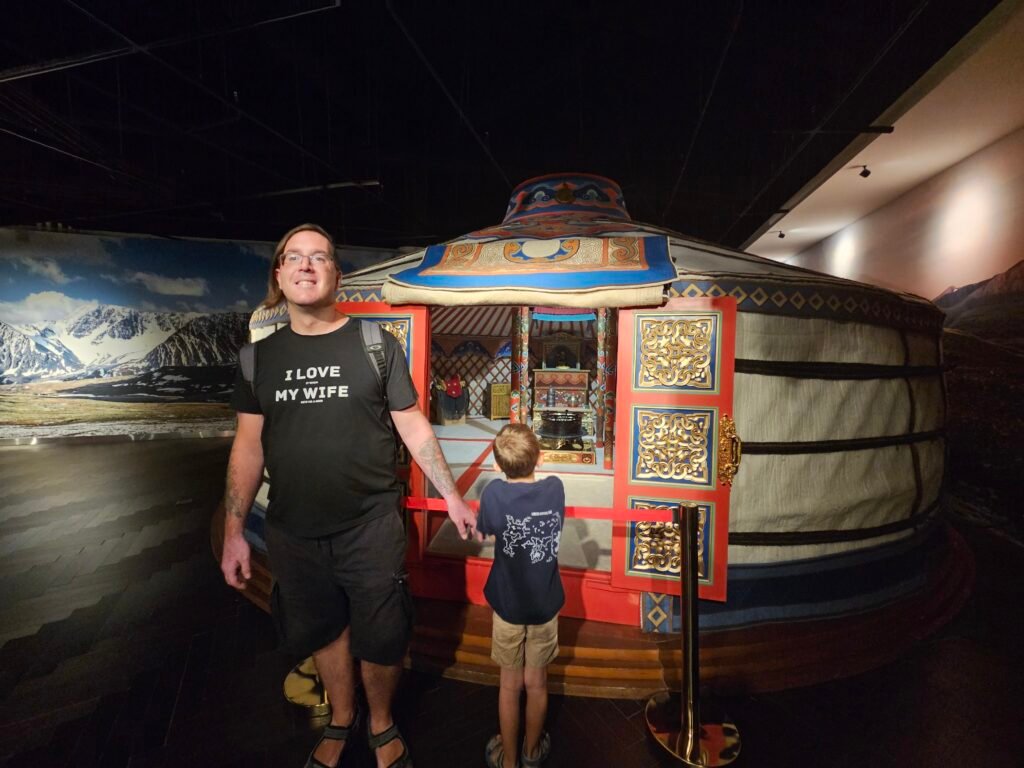
If you want to understand Mongolia beyond the stereotypical images of horses and gers, the National Museum of Mongolia is a good place to start.
The museum covers Mongolian history from prehistoric times through the Mongol Empire and later periods, with collections including archaeological finds, weapons, clothing, religious objects and examples of traditional life. The museum describes itself as Mongolia’s leading museum for the country’s history and traditional life.
This is one of those museums where the context becomes useful later.
Once you’ve seen traditional clothing and household objects in a museum, you start recognising elements of them when you travel around the countryside.
The museum also gives you some background on the rise of the Mongol Empire and the development of Mongolia as a country, which makes later visits to places connected with Chinggis Khaan much more meaningful.
Current information
The National Museum currently lists its summer hours, from May 15 to September 15, as 9am to 9pm every day, with the ticket office closing at 7:30pm. Adults are currently listed at 20,000 MNT (approx. $5.50 USD), students at 10,000 MNT (approx $2.80 USD), and children aged 0 to 16 are free.
It also offers English-language audio guides and guided tours.
These details can change, so check the museum’s official site before visiting.
See a traditional Mongolian music and dance performance
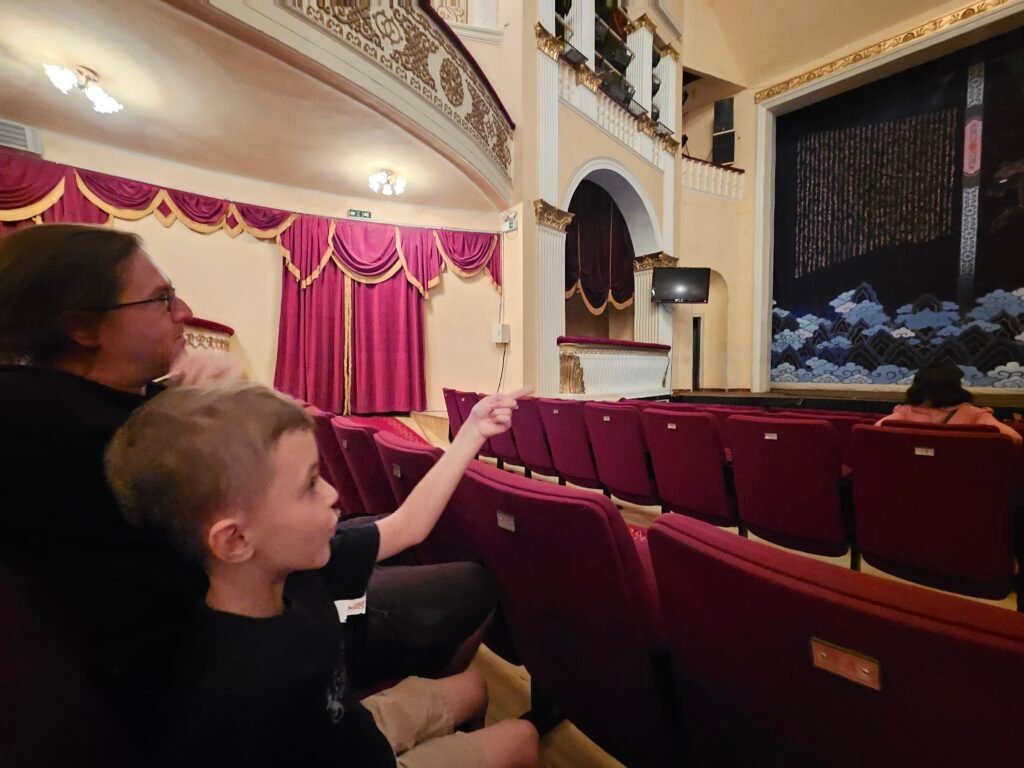
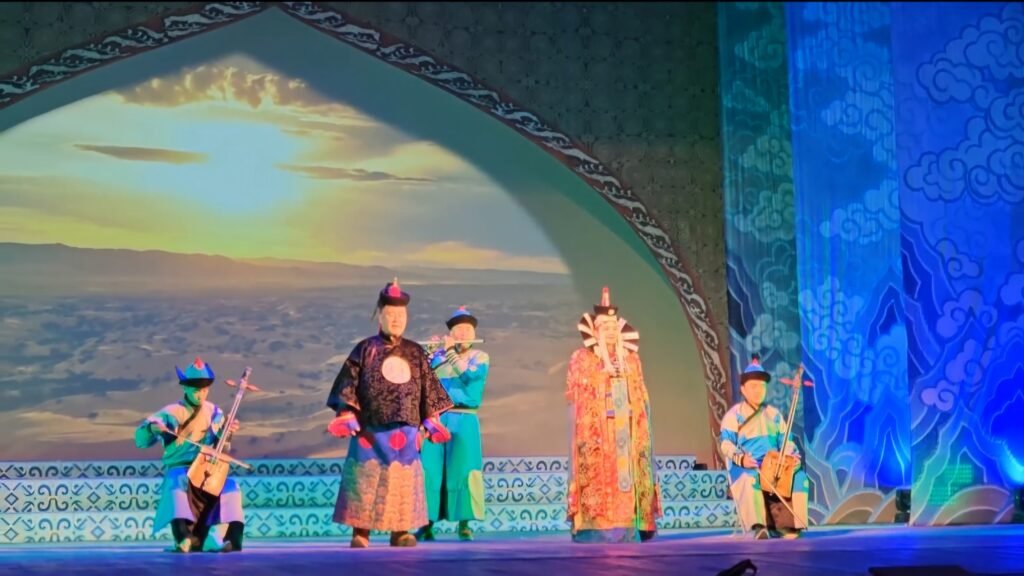
One of the things I’d definitely recommend doing in Ulaanbaatar with kids is going to see a traditional Mongolian music and dance performance.
The Mongolian Grand Theatre of National Arts is right near Sukhbaatar Square, on the southwestern side of the square, so it’s easy to combine with a day exploring the centre of the city. The theatre puts on performances of Mongolian folk arts as well as other productions, and during the summer it has traditionally offered folk art concerts aimed particularly at visitors.
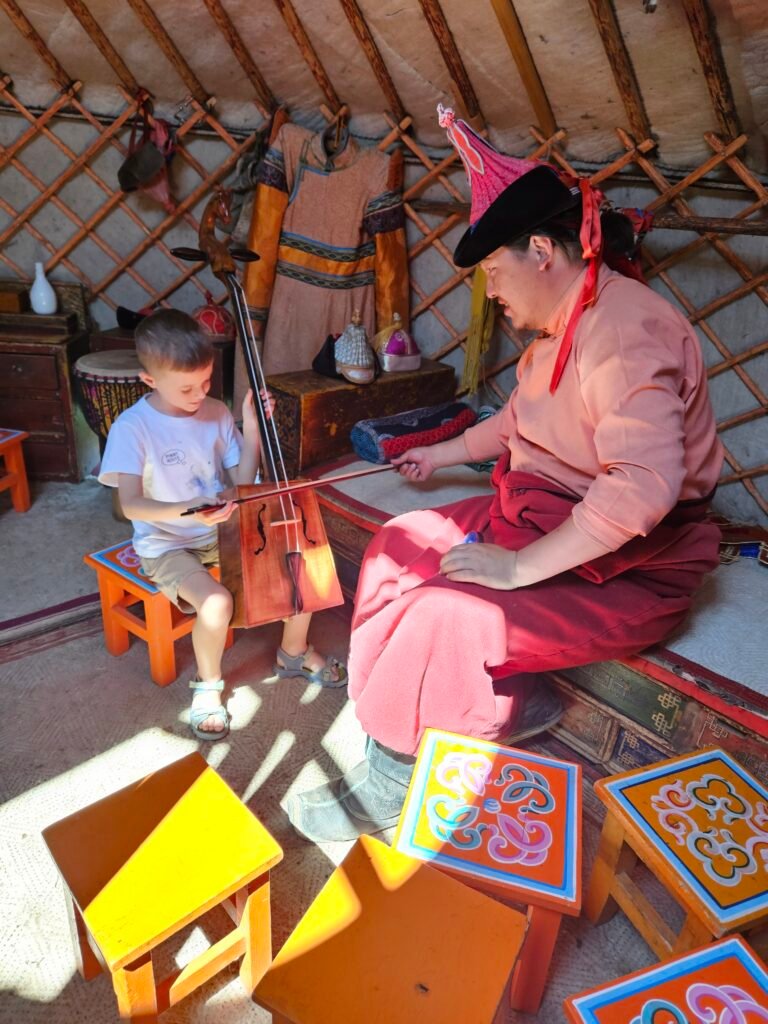
We all, including our seven year old, enjoyed the performance immensely. There is a lot happening on stage. Traditional Mongolian music, dancing and costumes are combined with performances that can include throat singing, contortion and traditional instruments such as the morin khuur, the distinctive horse-head fiddle.
It also gives you some context for things you’ll encounter elsewhere in the country. After hearing the morin khuur or seeing traditional costumes on stage, you start recognising them when you encounter them again in museums, at cultural camps or during festivals. For a worldschooling family, it is an easy way to bring together music, art, history and culture.
The programme changes, particularly depending on the season, so check what is being performed during your visit rather than assuming every show will be the same. The theatre is particularly convenient to visit if you’re already spending time around Sukhbaatar Square.
Gandan Monastery
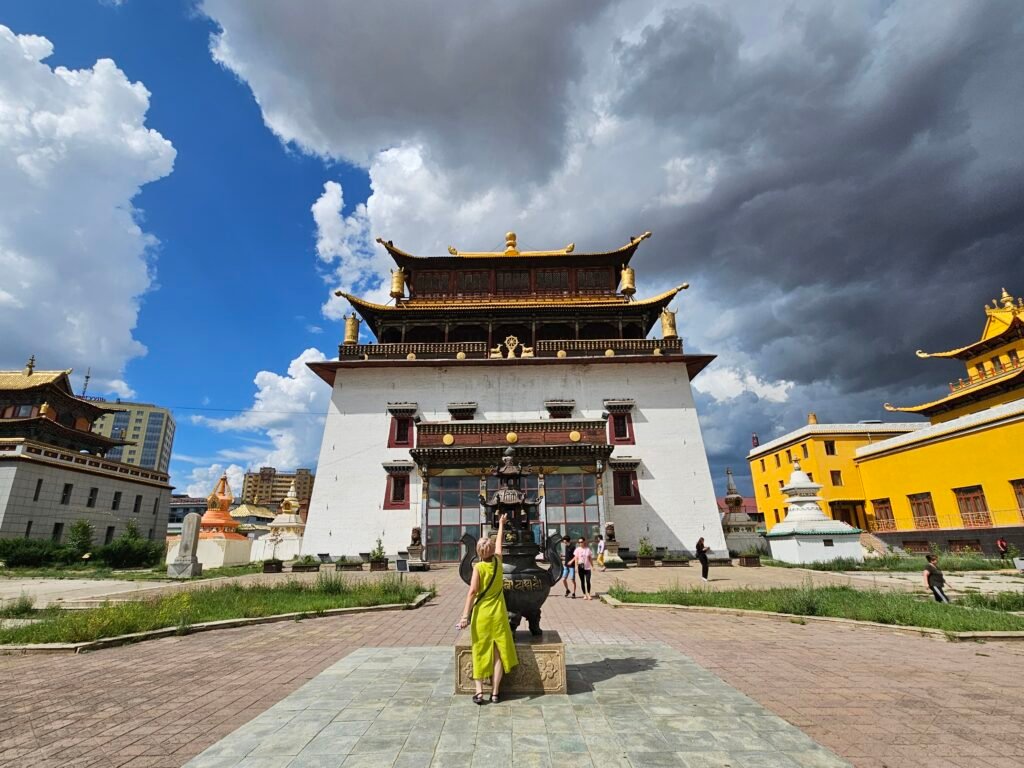
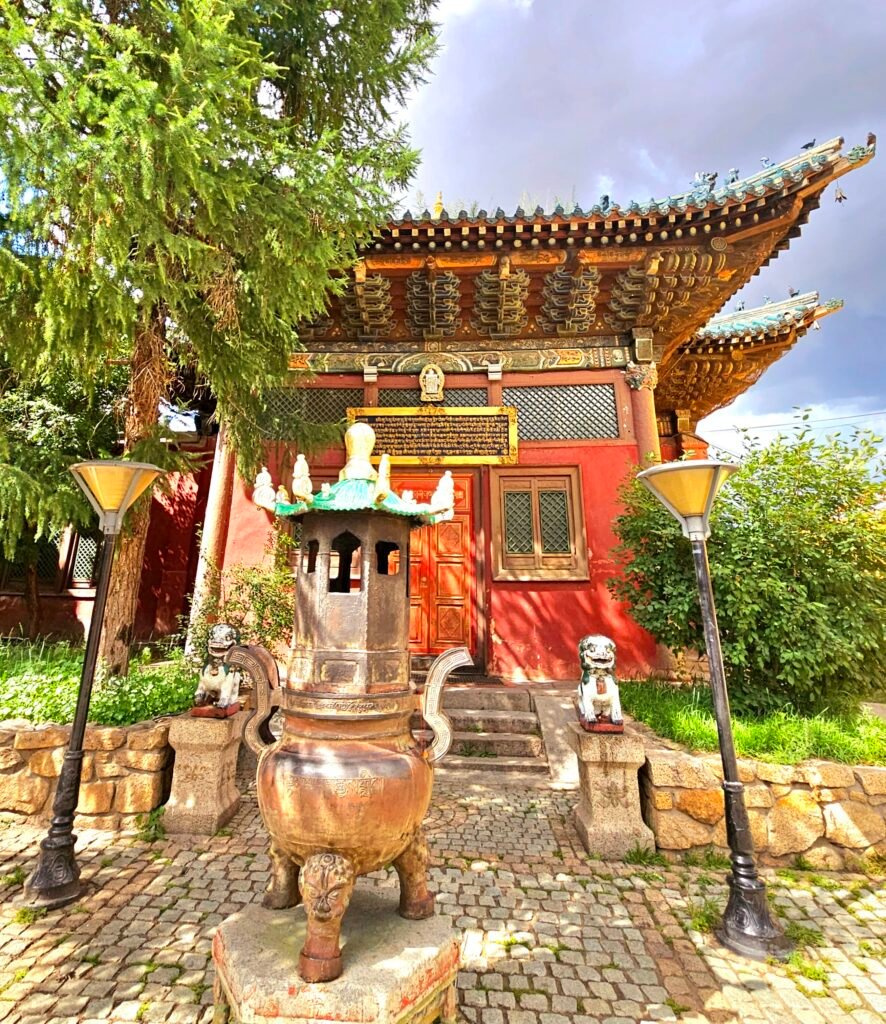
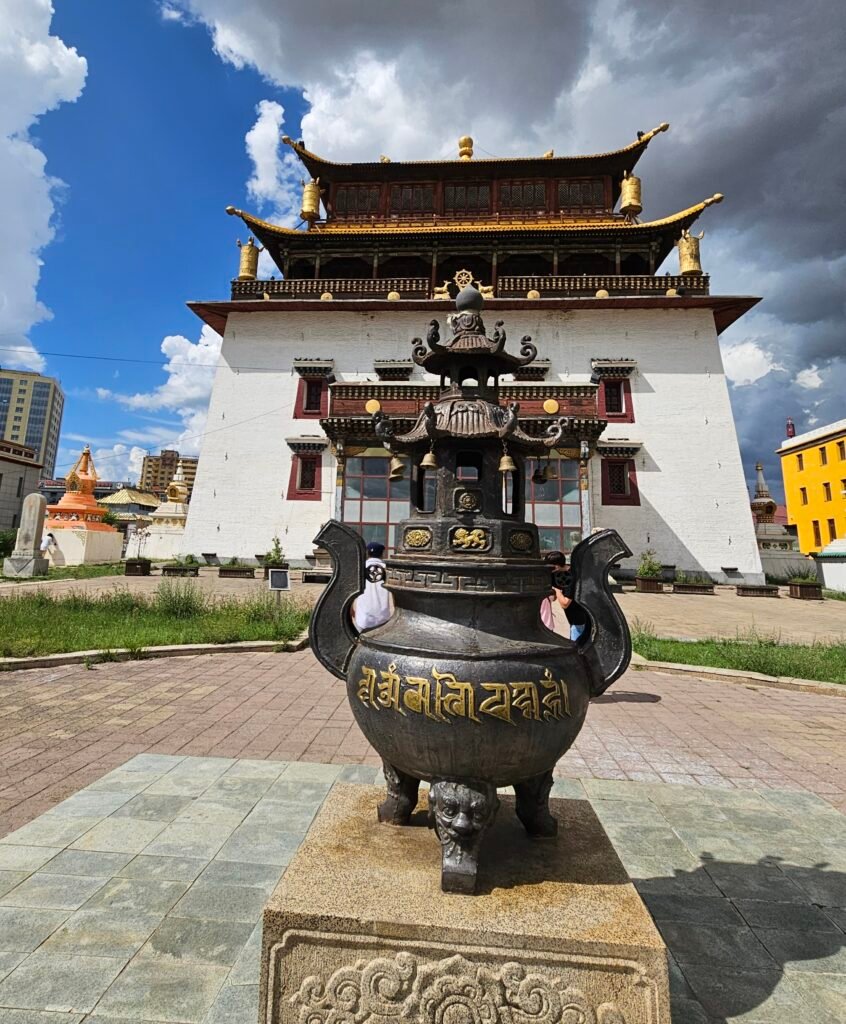
Gandan Monastery is one of the most important Buddhist sites in Ulaanbaatar.
Its full name is Gandantegchinlen Monastery, founded in 1838. It became a major centre of Mongolian Buddhism and survived the destruction and repression of the communist period, although the communist period severely affected much of Mongolia’s Buddhist religious heritage.
The most famous sight is the huge statue of Megjid Janraisig, a representation of Avalokiteshvara, the Bodhisattva of Compassion.
Craftsmen created the original statue in 1911, but the religious repression of the 1930s destroyed it. The monastery recreated and installed the current statue in 1996.
There are colourful temples, large religious statues and monks going about their daily activities. It is also a useful place to talk about Buddhism in Mongolia and how religion was affected by the country’s political history.
Remember that Gandan is a working religious complex, not simply a tourist attraction, so dress respectfully and follow the local rules about entering buildings and taking photographs.
Chinggis Khaan National Museum
If you’re interested in Mongolian history, the Chinggis Khaan National Museum is one of the places I’d make time for in Ulaanbaatar. And despite the name, it isn’t just a museum about Chinggis Khaan.
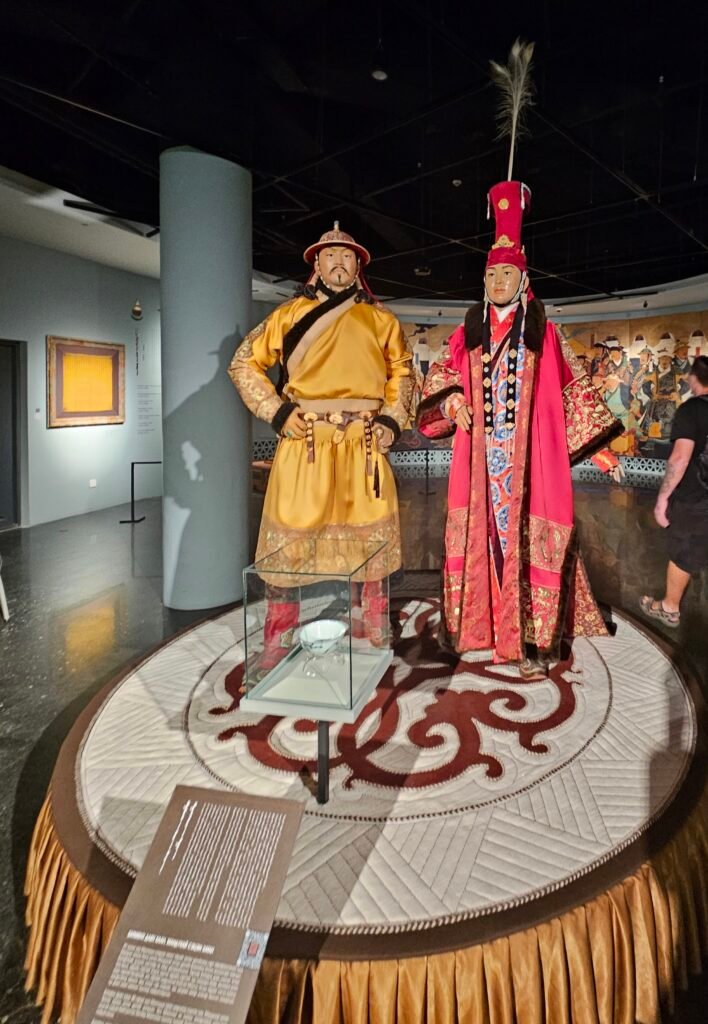
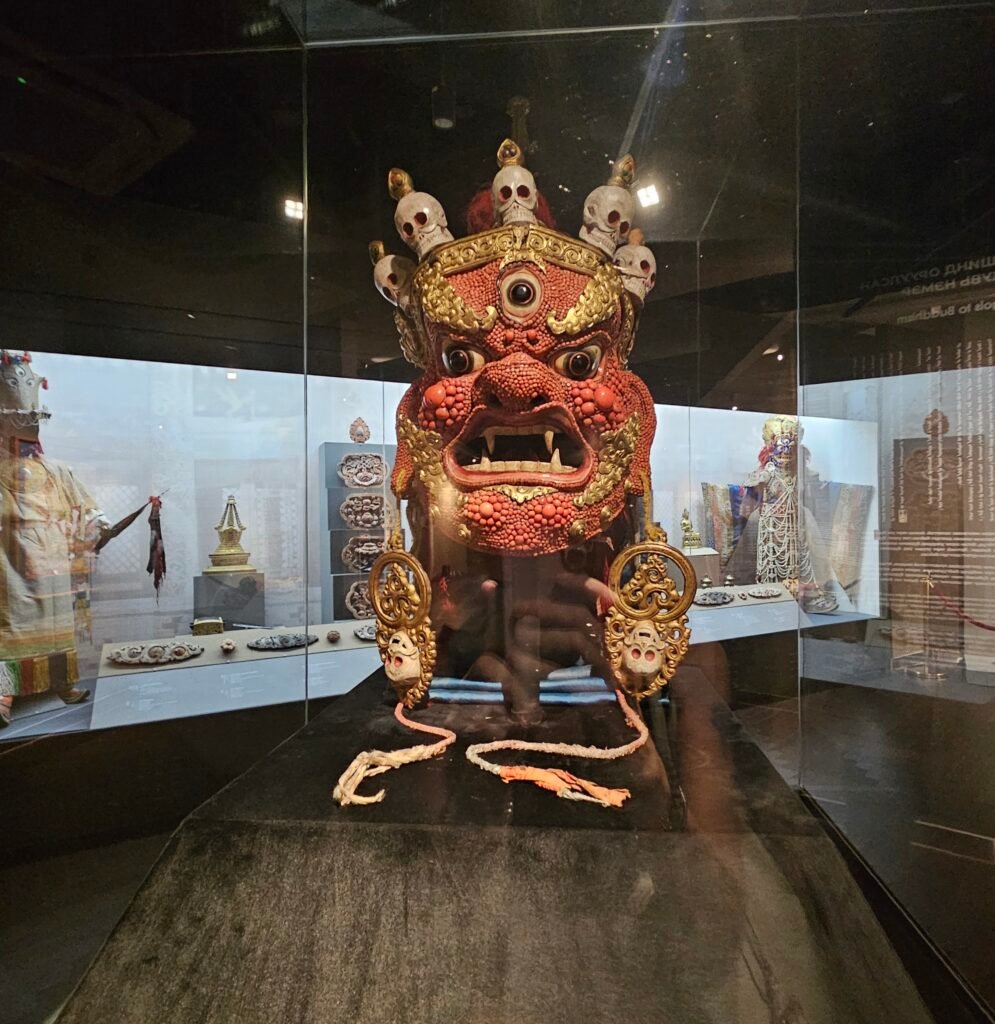
The museum takes you through the much longer history of the Mongolian steppe, beginning with the early nomadic states and continuing through the Mongol Empire, the later khanates and the descendants of Chinggis Khaan. The museum opened in 2019 and has more than 10,000 original objects in its collection.
The scale is impressive. The permanent exhibitions spread across several floors, covering everything from ancient archaeological finds and inscriptions to armour, weapons, royal clothing, saddles, religious objects and artefacts from the Mongol Empire and its successor states. A whole section also covers the empire’s expansion into places including China, Russia, Central Asia and Iran.
There are interactive and digital elements alongside the historical objects, and the museum has dedicated educational rooms where it runs programmes for children and families.
Current practical information
The museum is on J. Sambuu Street in central Ulaanbaatar. Its current summer opening hours are 9am to 8pm, with last admission at 7pm. From September 15 to May 14, it currently operates from 9am to 5pm and is closed on Tuesdays.
Current admission for foreign visitors is 30,000 MNT (approx. $8.30 USD) for the permanent exhibition, or 45,000 MNT (approx. $12.50 USD) including the Hall of the Great Khaan. Foreign children are currently listed at 10,000 MNT for the permanent exhibition and 20,000 MNT for the Hall of the Great Khaan. (chinggismuseum.com)
I’d allow at least two to three hours if you want to see the museum properly. The museum itself recommends allowing several hours for the full visit.
Getting out of Ulaanbaatar
One of the best things about travelling to Mongolia with children is getting out of the city.
You don’t have to travel thousands of kilometres before the landscape changes completely.
There are several interesting places around Ulaanbaatar that can be visited as day trips or short excursions.
The Chinggis Khaan Statue Complex
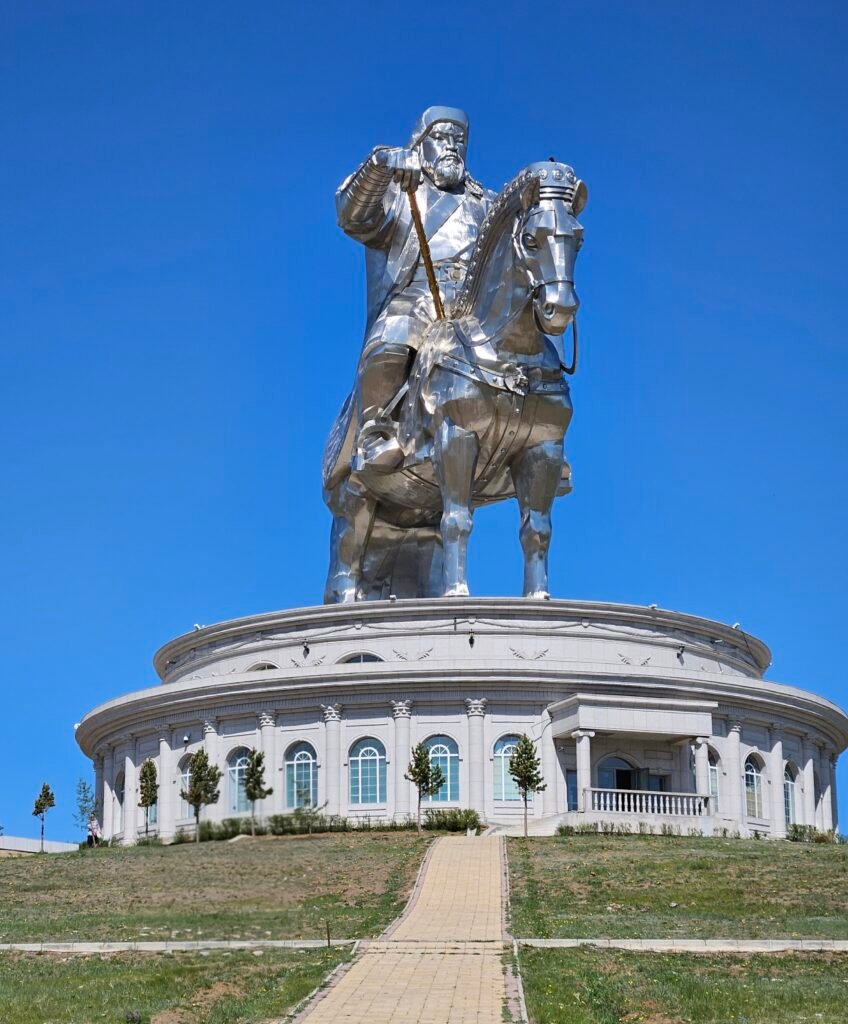
The enormous Chinggis Khaan statue is one of Mongolia’s most recognisable sights.
The stainless-steel statue stands about 40 metres high and forms part of a larger visitor complex outside Ulaanbaatar.
Chinggis Khaan, known as Genghis Khan in much of the English-speaking world, founded the Mongol Empire in the early 13th century. The empire expanded across a huge part of Asia and eventually became the largest contiguous land empire in history.
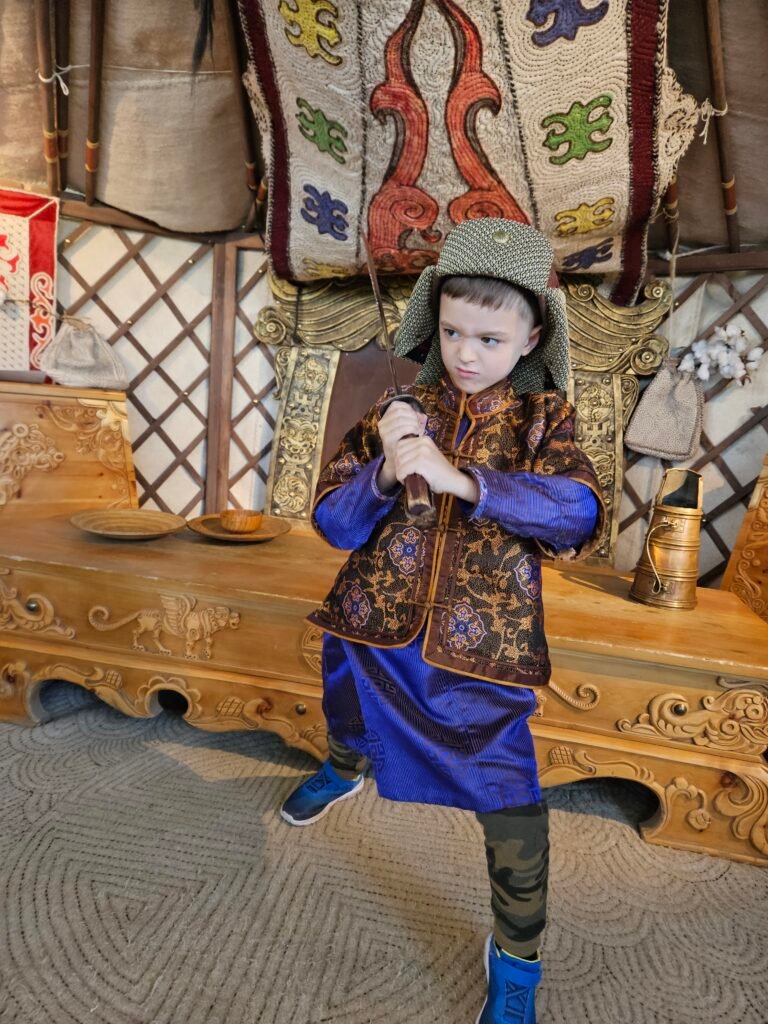
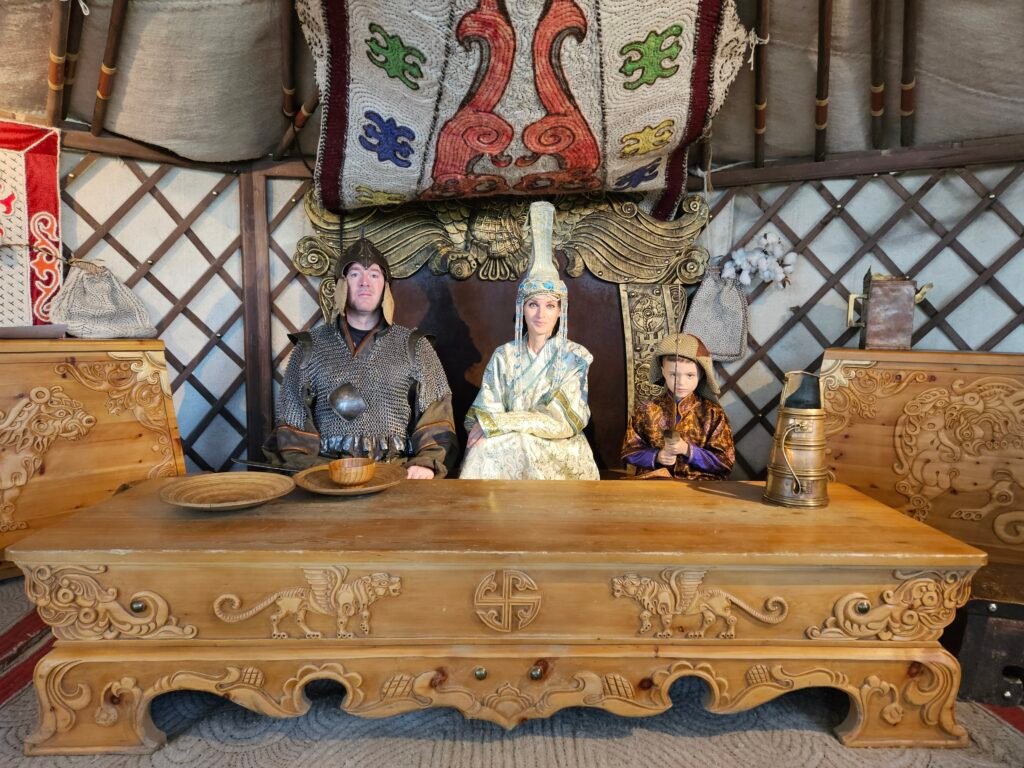
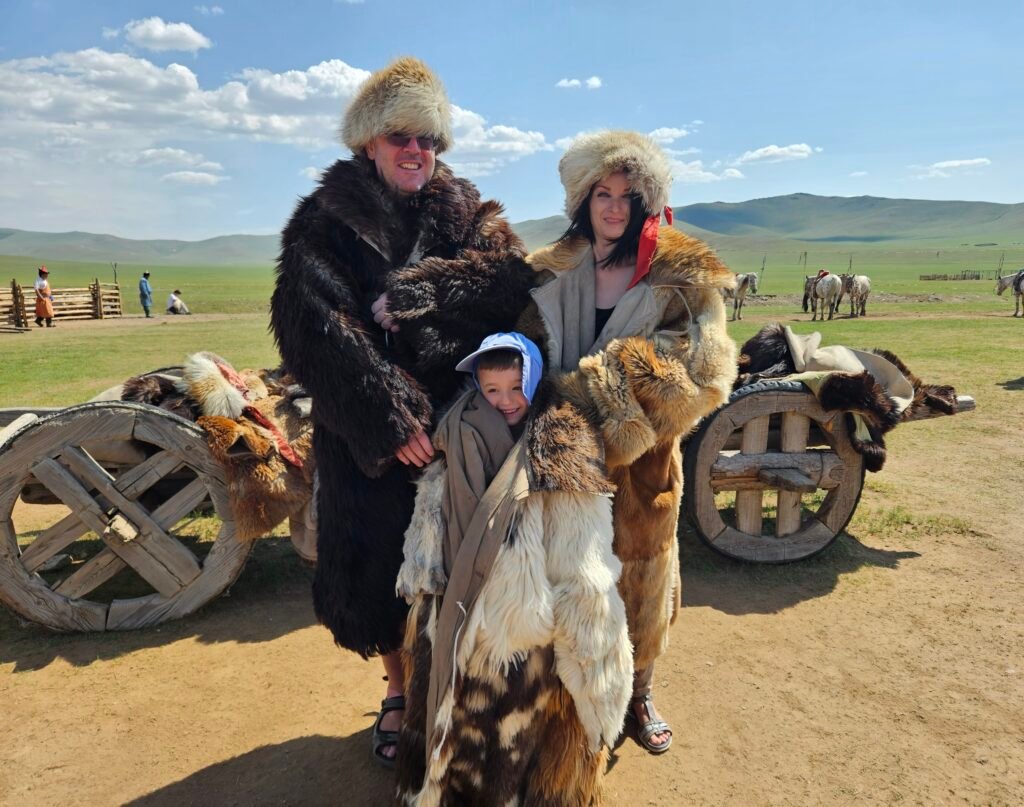
So yes, the statue is enormous and very photogenic. But our favourite part of the visit wasn’t actually the statue. It was dressing up in Mongolian costumes.
This made the whole thing much more interesting for our son. Instead of simply looking at a monument to a historical figure, he could actually engage with the clothing and culture associated with Mongolia.
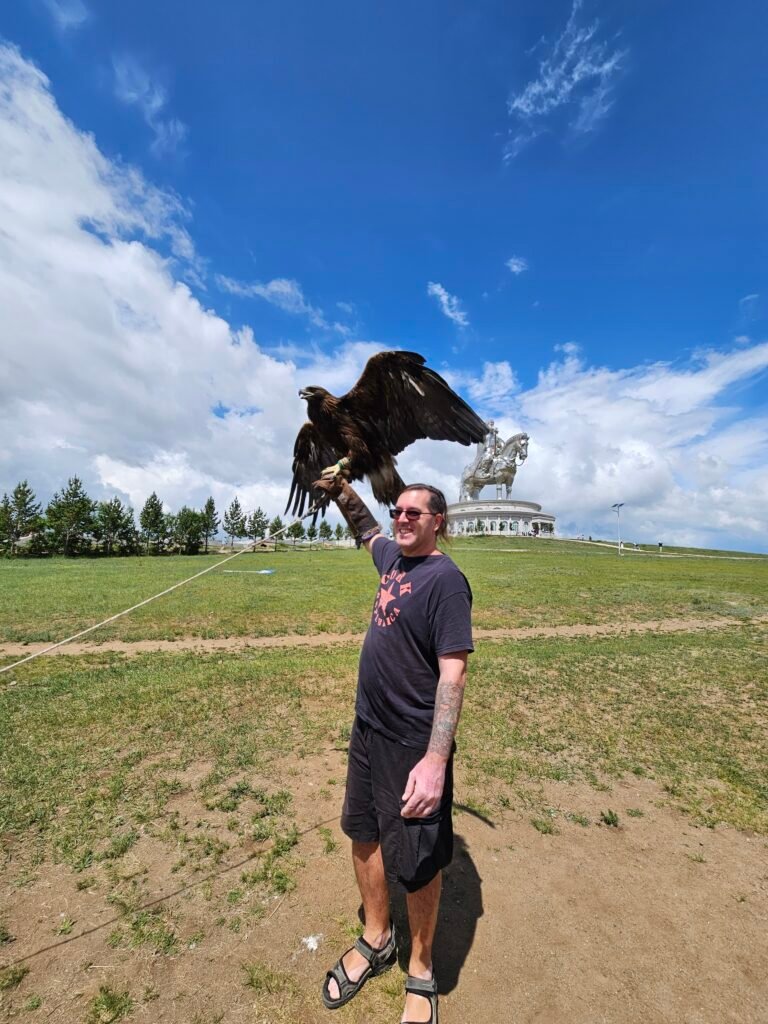
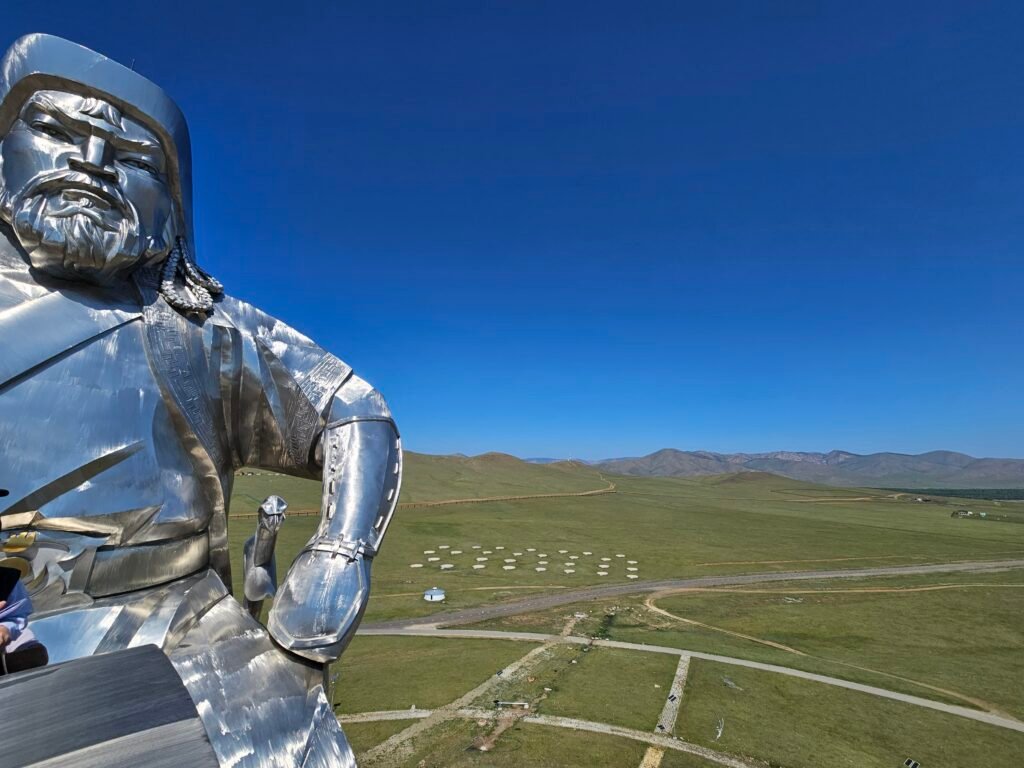
There’s more to the Chinggis Khaan Statue Complex than just admiring the enormous statue. There’s a small museum inside the base, and you can take an elevator up through the statue and climb to the viewing area inside Chinggis Khaan’s head, where you get beautiful views across the surrounding steppe. Just outside, you can also have your photo taken holding a golden eagle. They look impressive in photos, but be warned, they are very heavy!
The complex is an easy addition to a trip outside Ulaanbaatar and is particularly worth combining with other attractions in the area.
Turtle Rock and Gorkhi-Terelj National Park
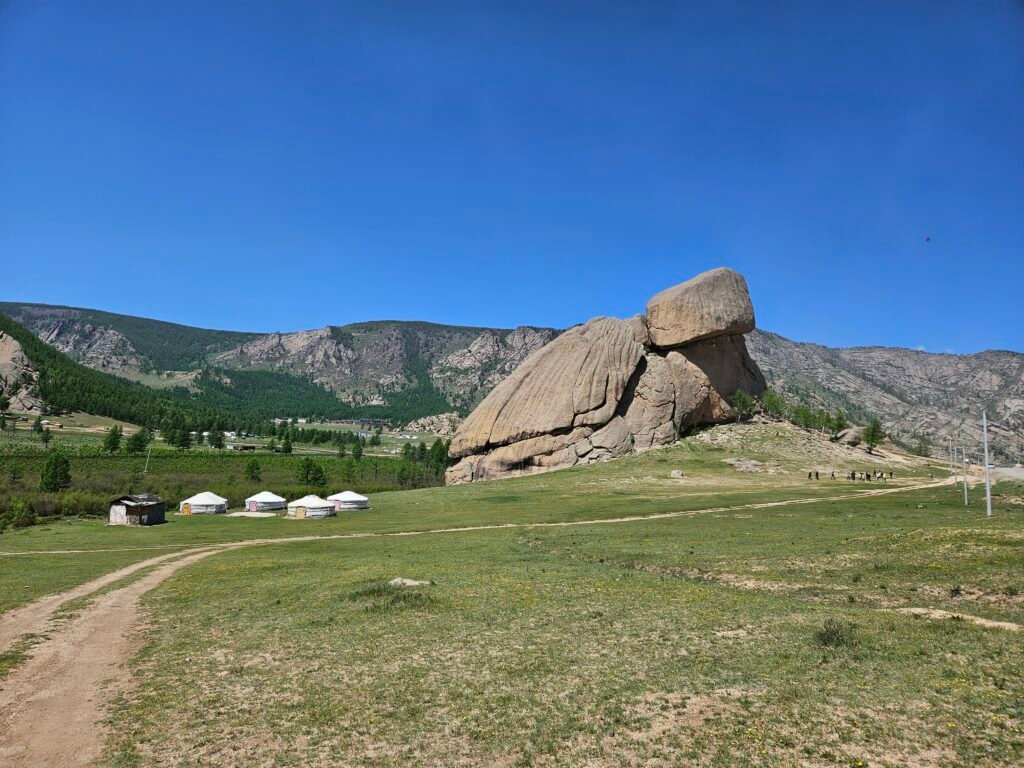
Turtle Rock is one of the best-known natural attractions near Ulaanbaatar.
The enormous rock formation gets its name from its shape, which looks vaguely like a turtle.
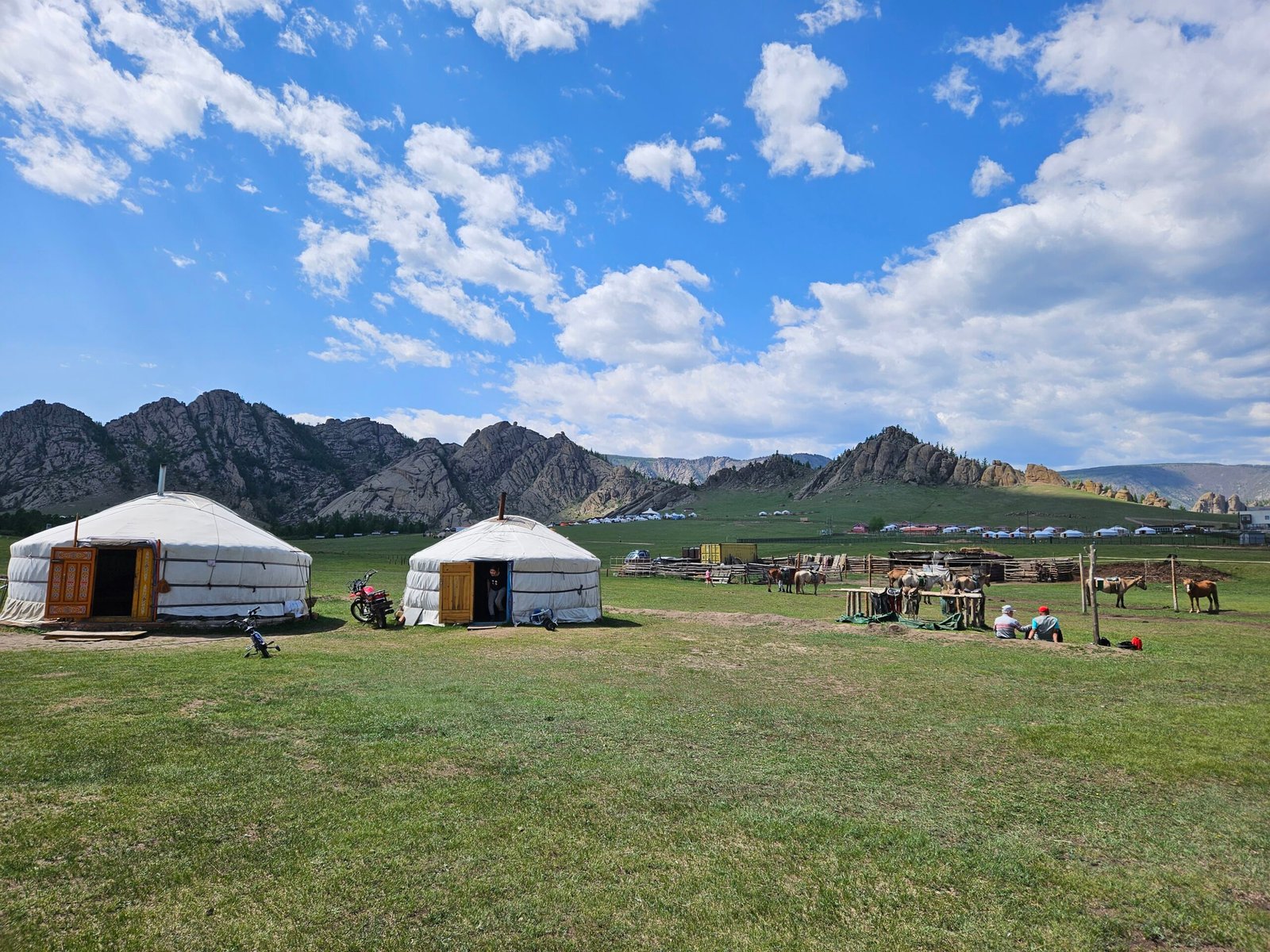
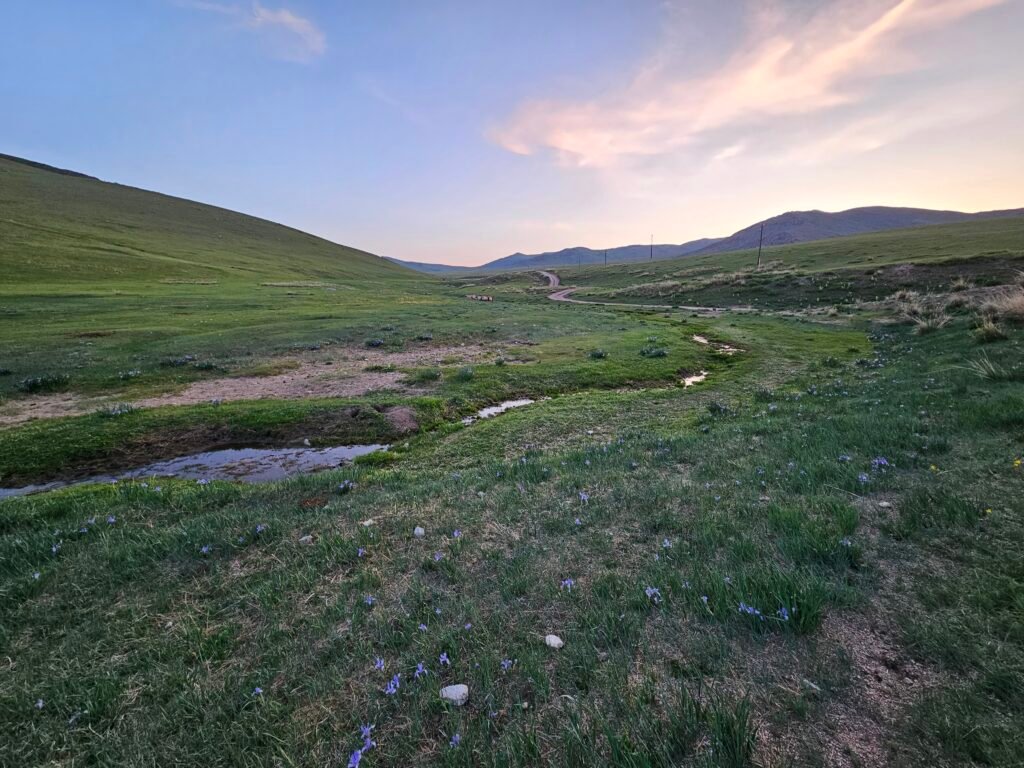
Whether you can see a turtle depends somewhat on your imagination. The rock itself isn’t an attraction that needs hours of your time, but the surrounding landscape is the real reason to visit. Gorkhi-Terelj National Park has the kind of scenery people tend to associate with Mongolia: open grassland, rocky hills and dramatic formations.
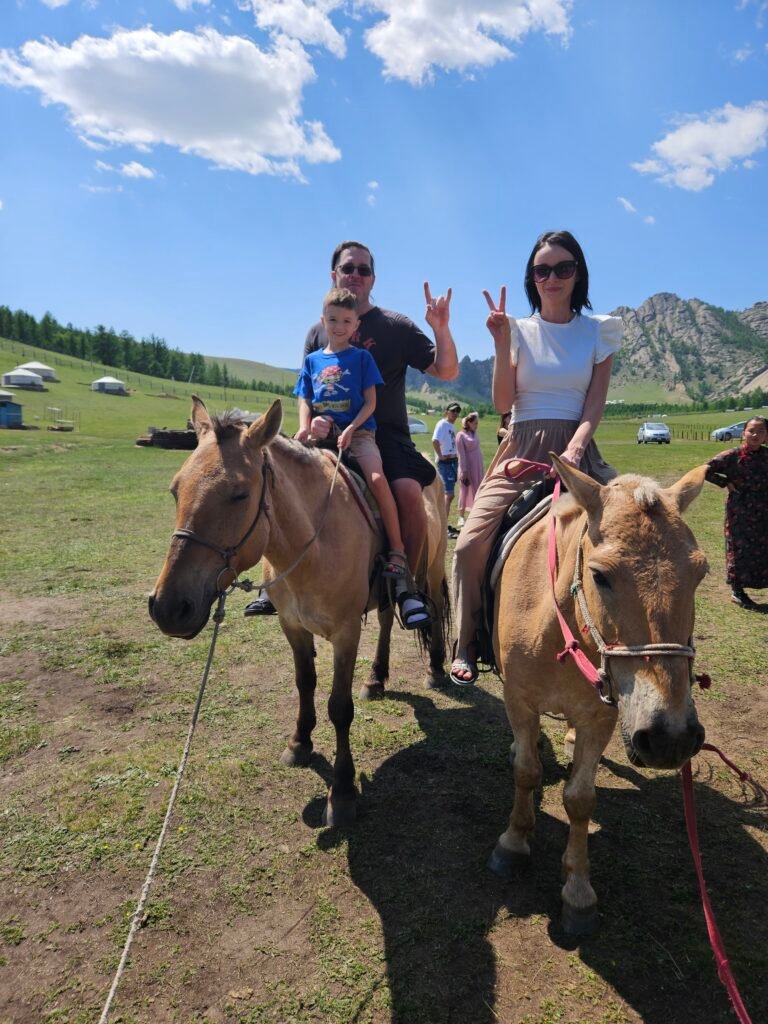
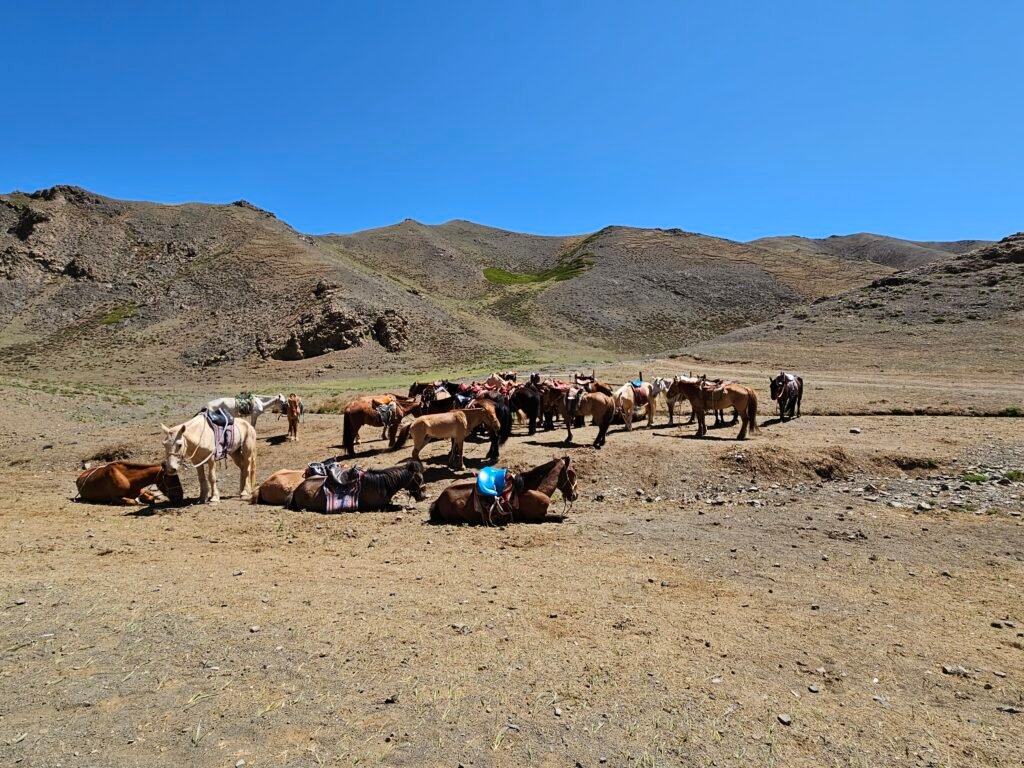
We also went horse riding here. For us, this was one of those experiences that felt particularly appropriate for Mongolia. Horses aren’t just a tourist symbol. They have played an important role in Mongolian life for centuries and remain central to traditional pastoral culture.
Horse riding is obviously dependent on the operator and your child’s experience, so make sure the guide knows your child’s age and riding ability. If your child is a complete beginner, ask about the type of horse, supervision and equipment before booking.
Aryabal Meditation Temple
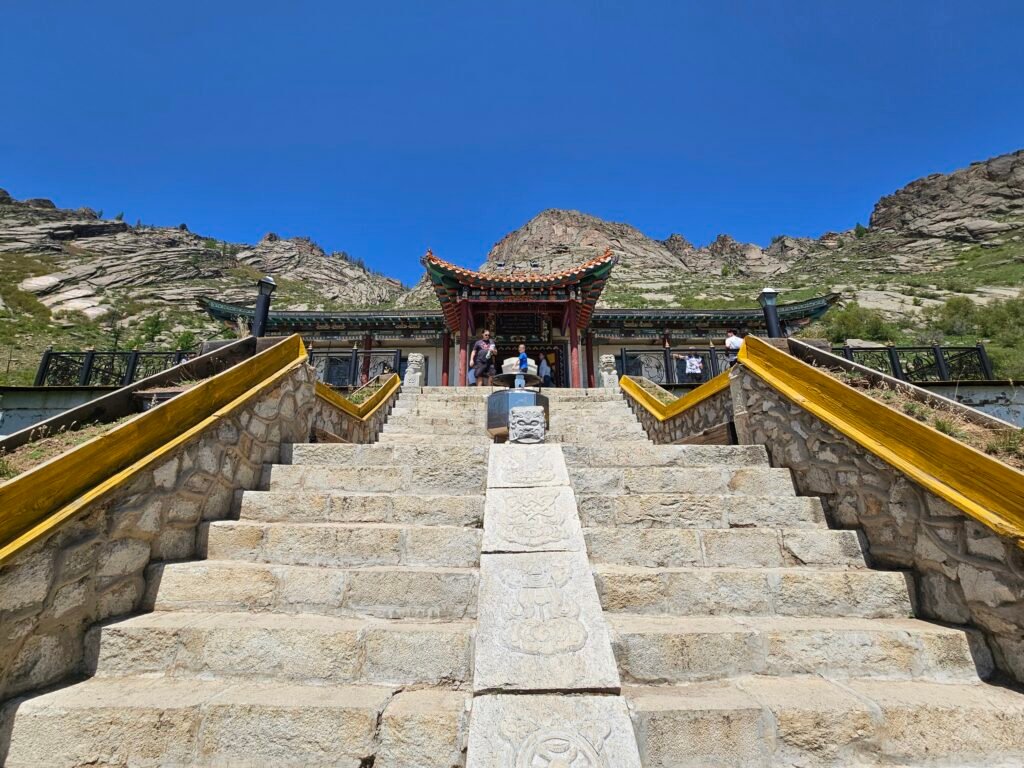
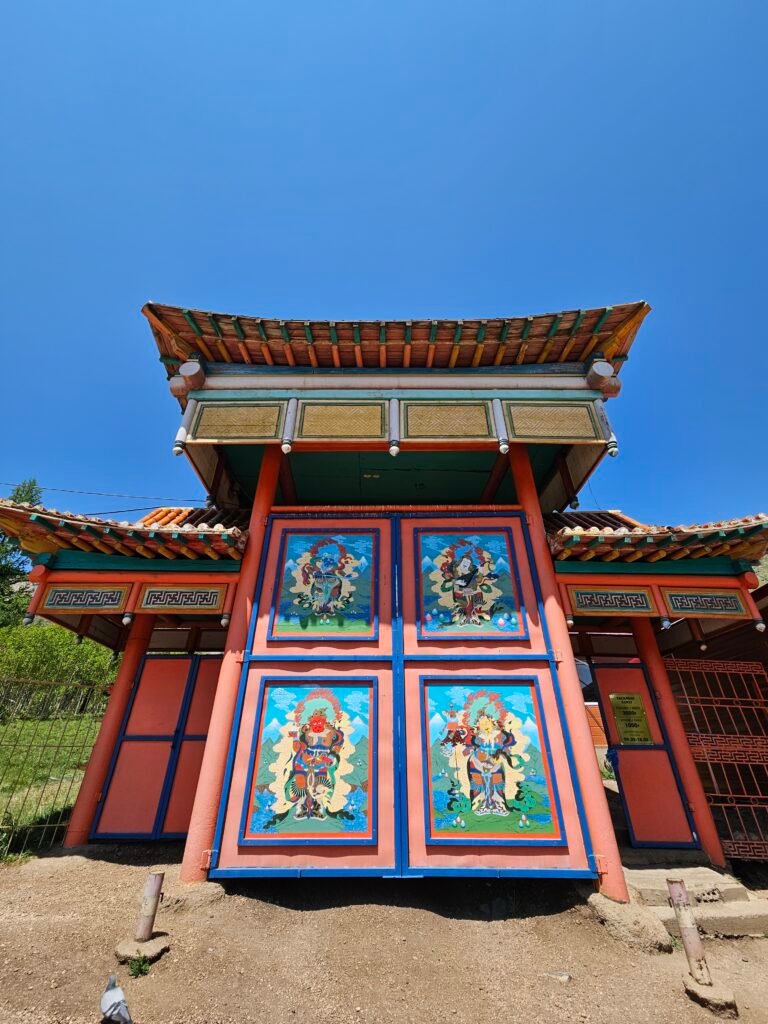
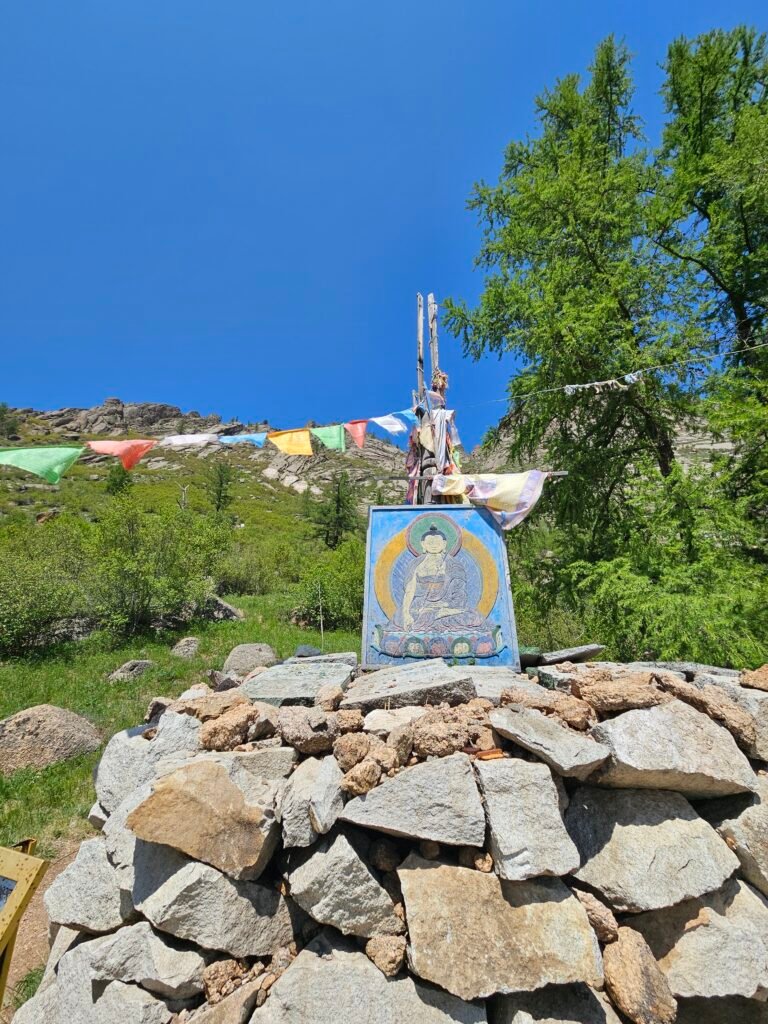
Near Turtle Rock is Aryabal Meditation Temple.
The temple is reached by walking up the hillside, so the walk is part of the experience.
It is a much smaller and quieter religious site than Gandan, but its setting makes it interesting. The temple is associated with meditation and is surrounded by the hills of Terelj.
Prepare to walk up a lot of stairs to reach the temple itself. But the views from the top are definitely worth it!
Hustai National Park and the wild horses
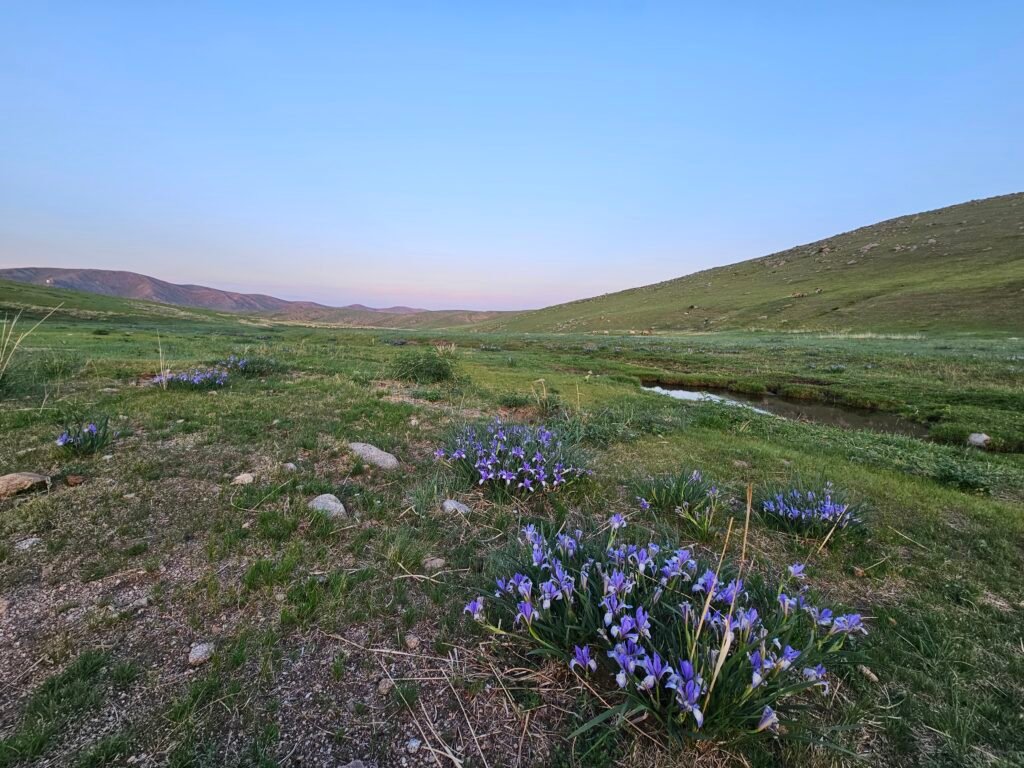
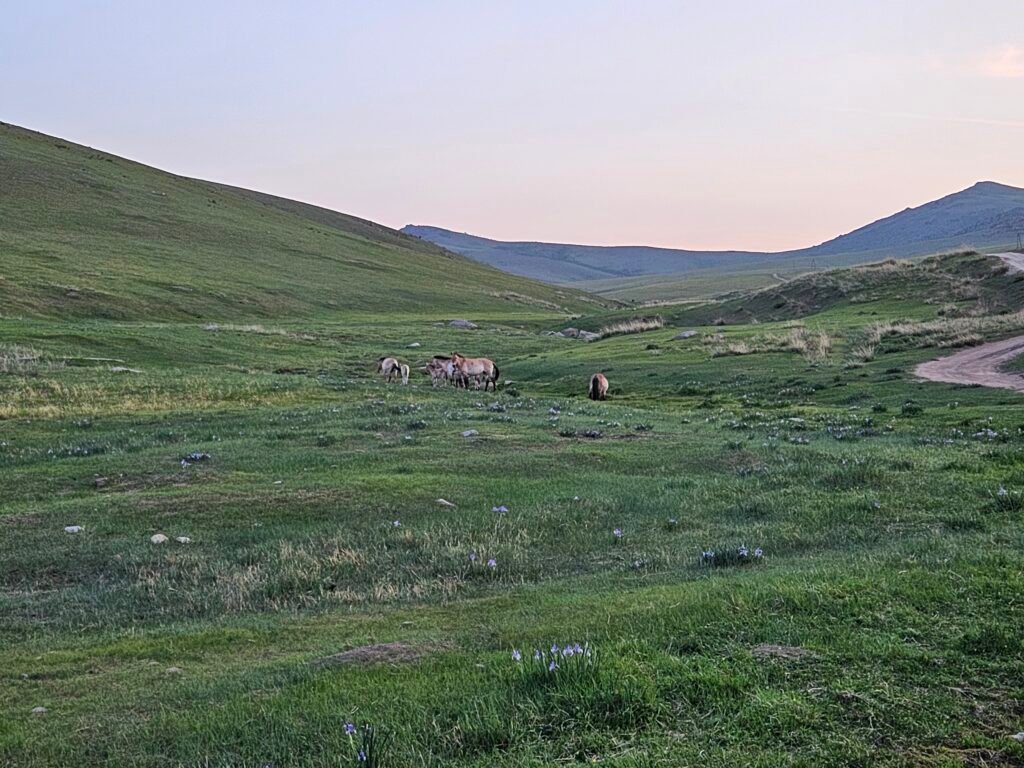
One of the things we really wanted to see in Mongolia was the Przewalski’s horse, or takhi, the world’s only surviving truly wild horse species.
Hustai National Park is home to one of the world’s most successful reintroduction projects. The horses disappeared from the wild in Mongolia in the 1960s, but conservationists successfully reintroduced them to the park in the 1990s, and they now roam freely across the grasslands.
We were lucky enough to see them during our visit. They’re smaller and stockier than most domestic horses, with a distinctive dark mane and sandy-coloured coat.
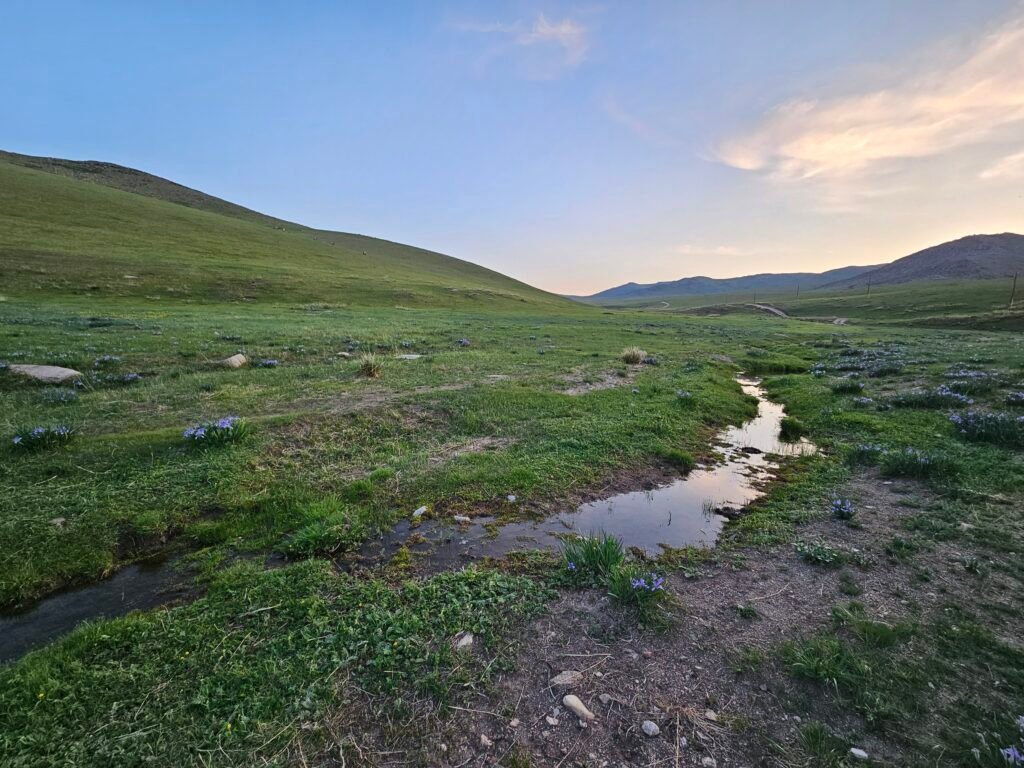
The park is about 100 km southwest of Ulaanbaatar and makes a good day trip or overnight excursion. You drive through the grasslands looking for the herds, so sightings aren’t guaranteed, but seeing wild horses moving across the Mongolian steppe is pretty special.
The best family experience in Mongolia: meeting nomads
If I had to choose one experience that I think families should prioritise, it would be spending time at a traditional nomadic cultural camp.
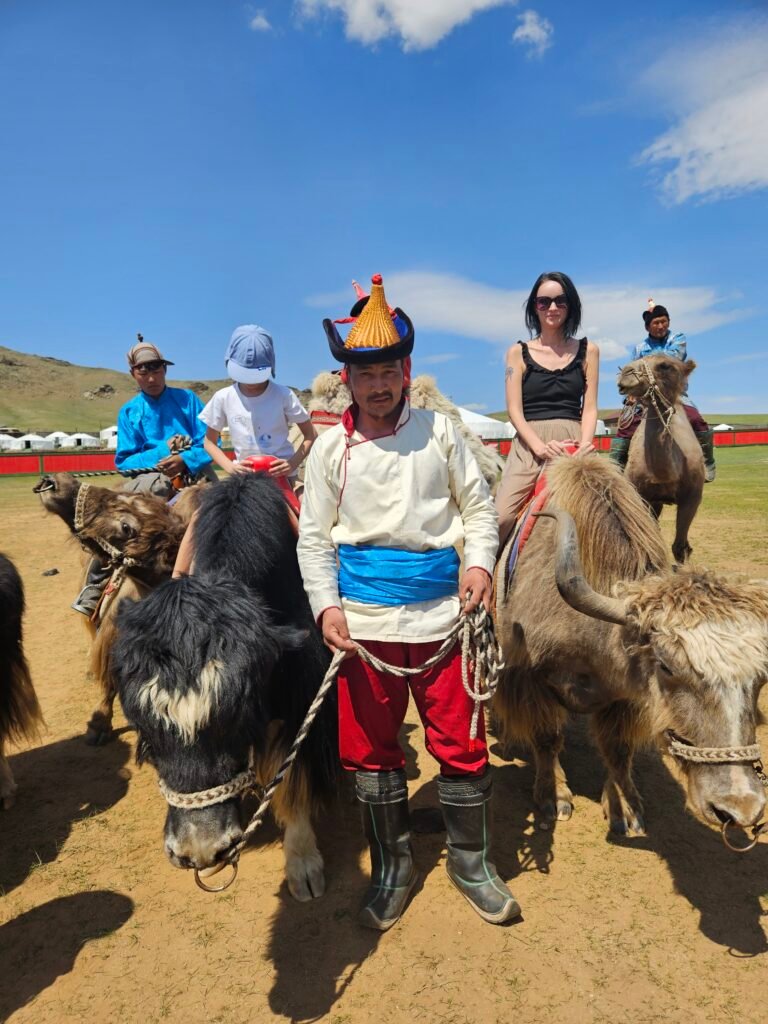
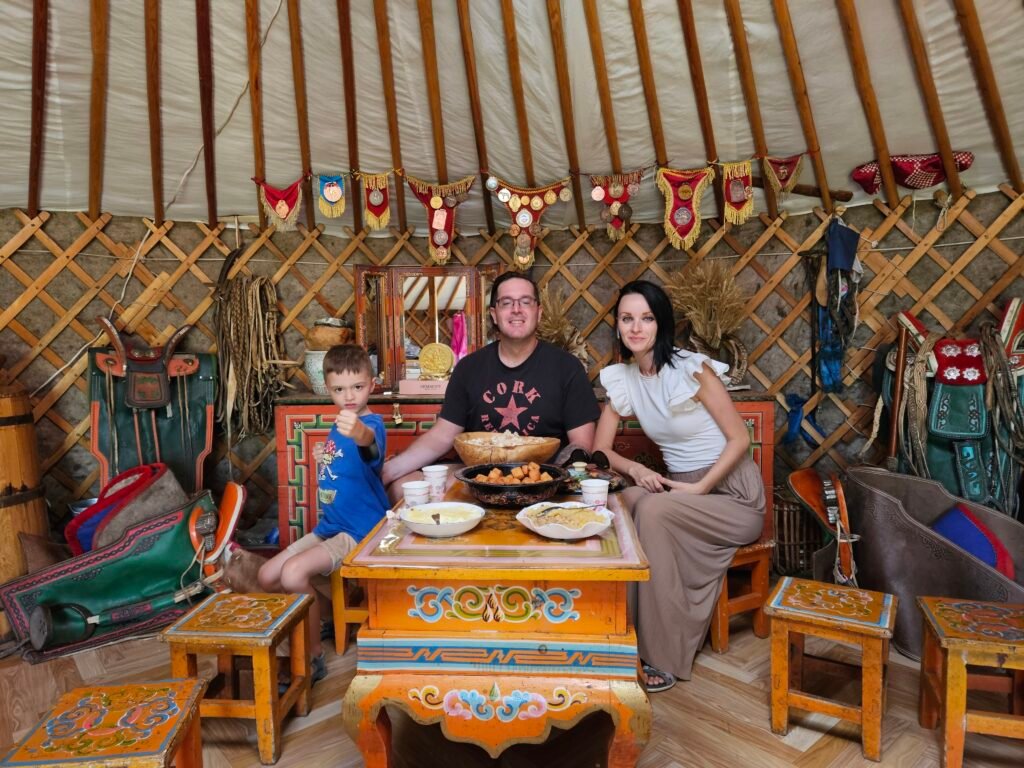
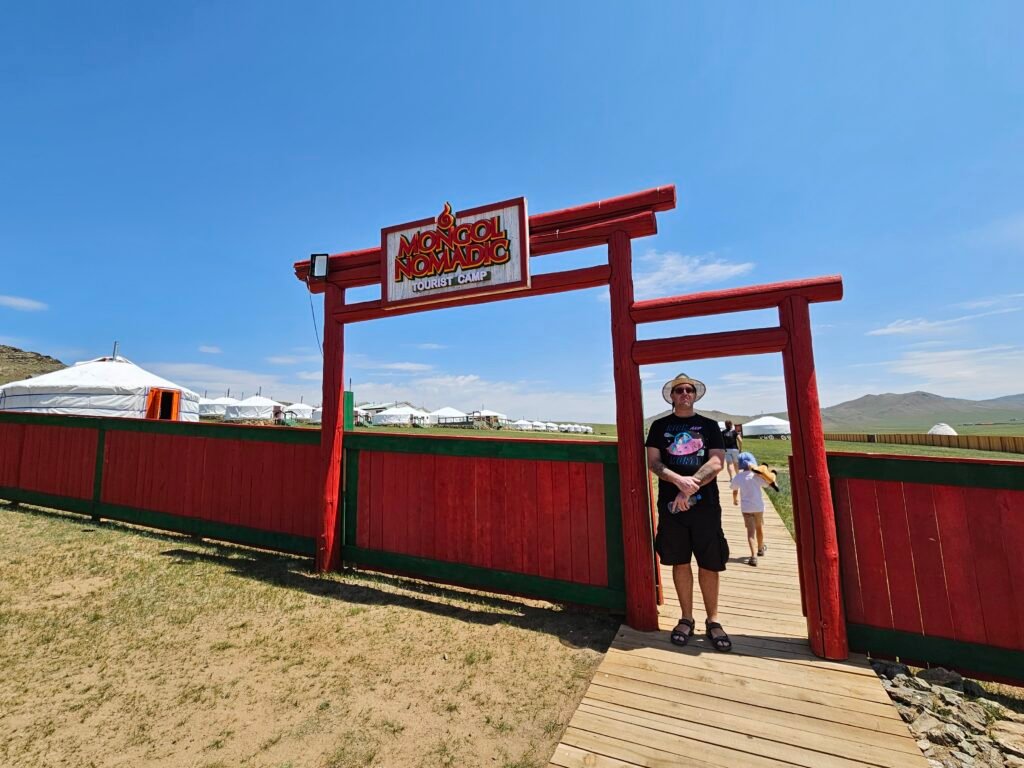
We visited Mongol Nomadic Tourist Camp, and this was one of the highlights of our trip.
The reason it worked so well for us was that it wasn’t simply a cultural performance that we sat and watched.
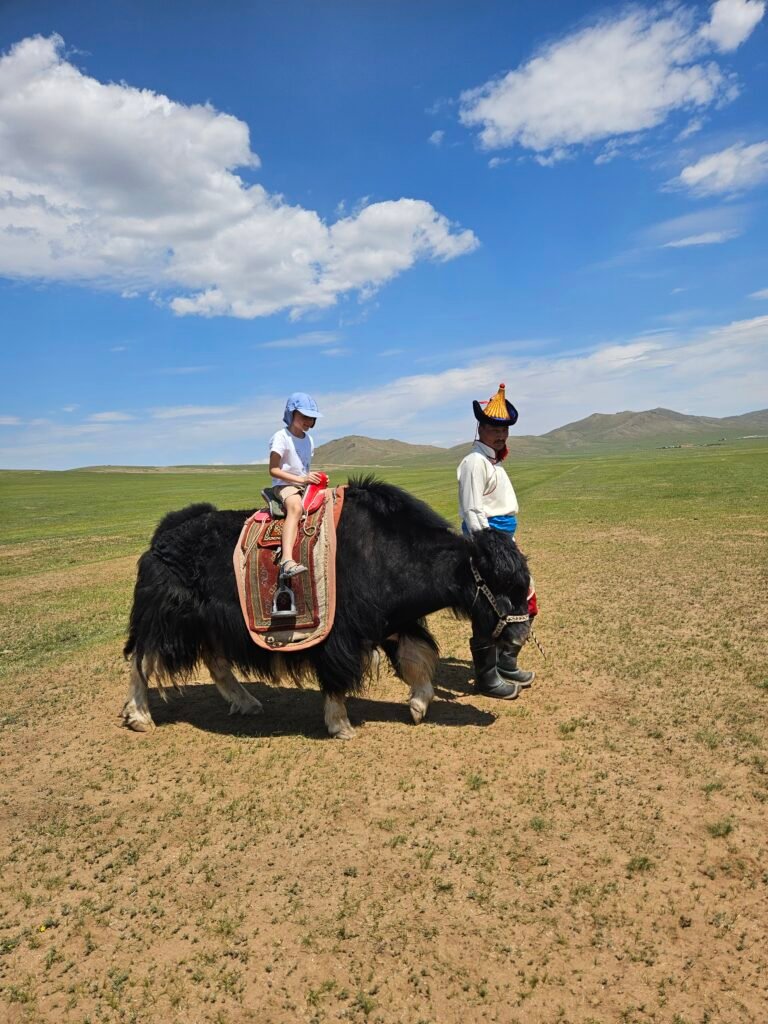
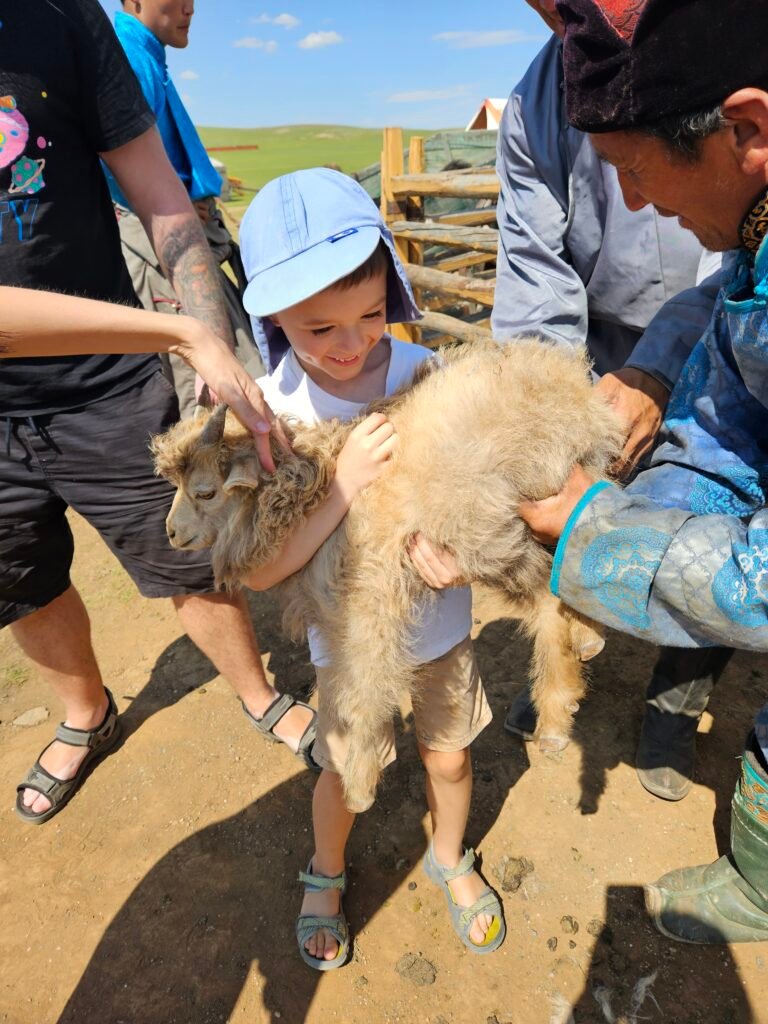
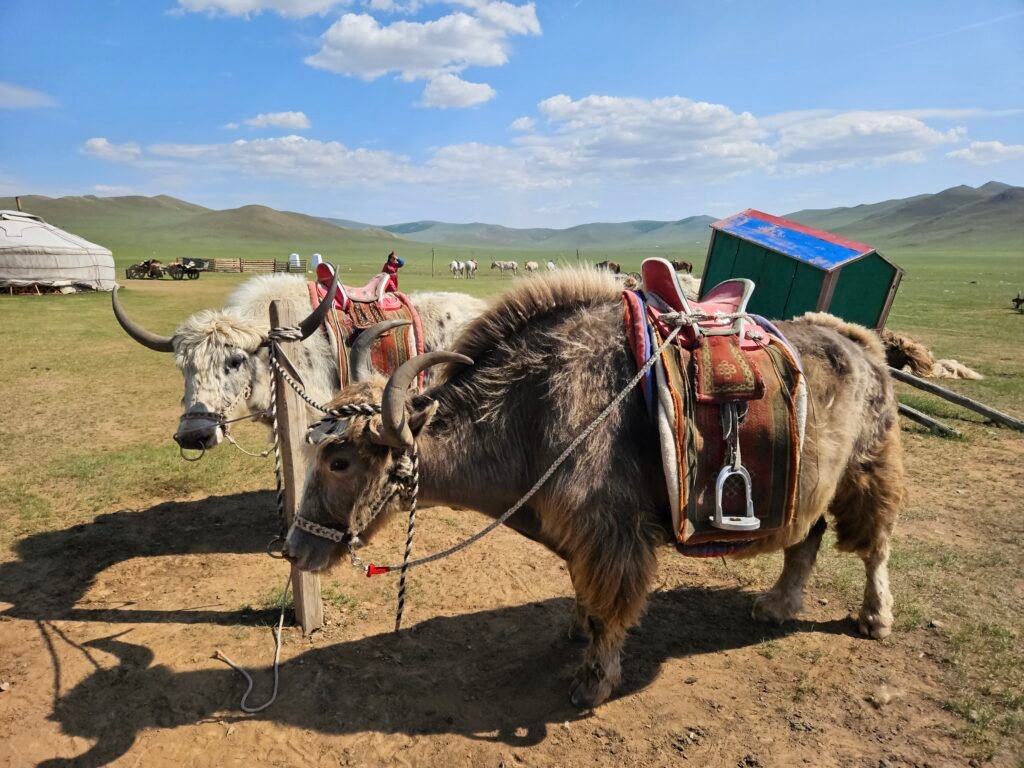
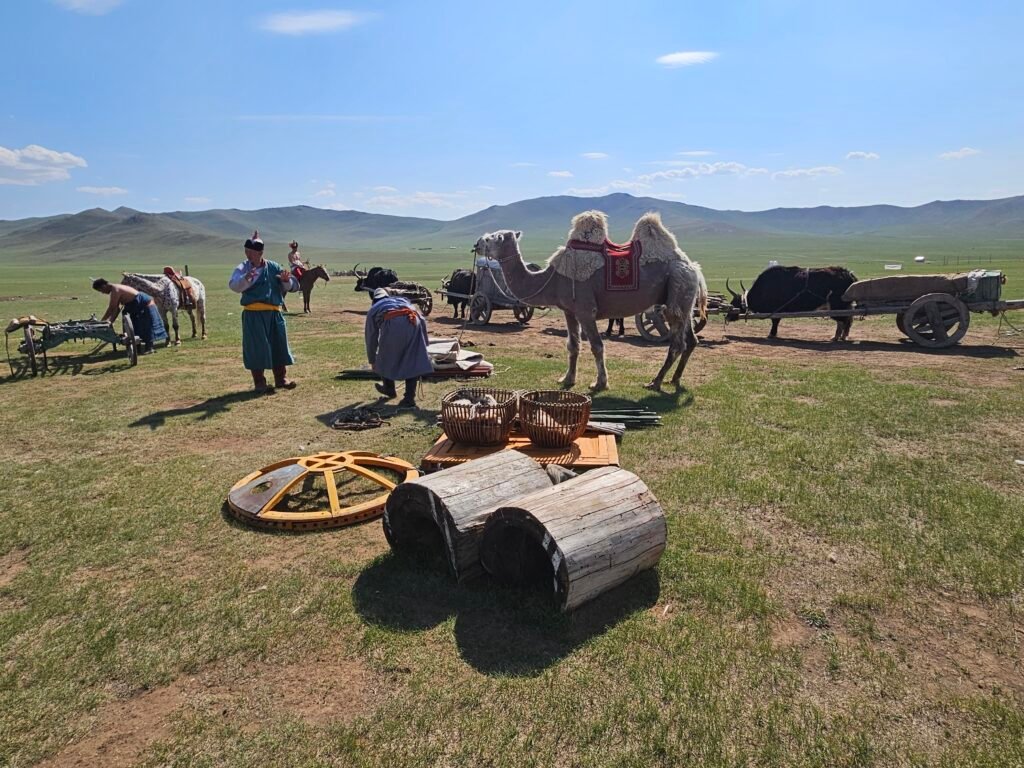
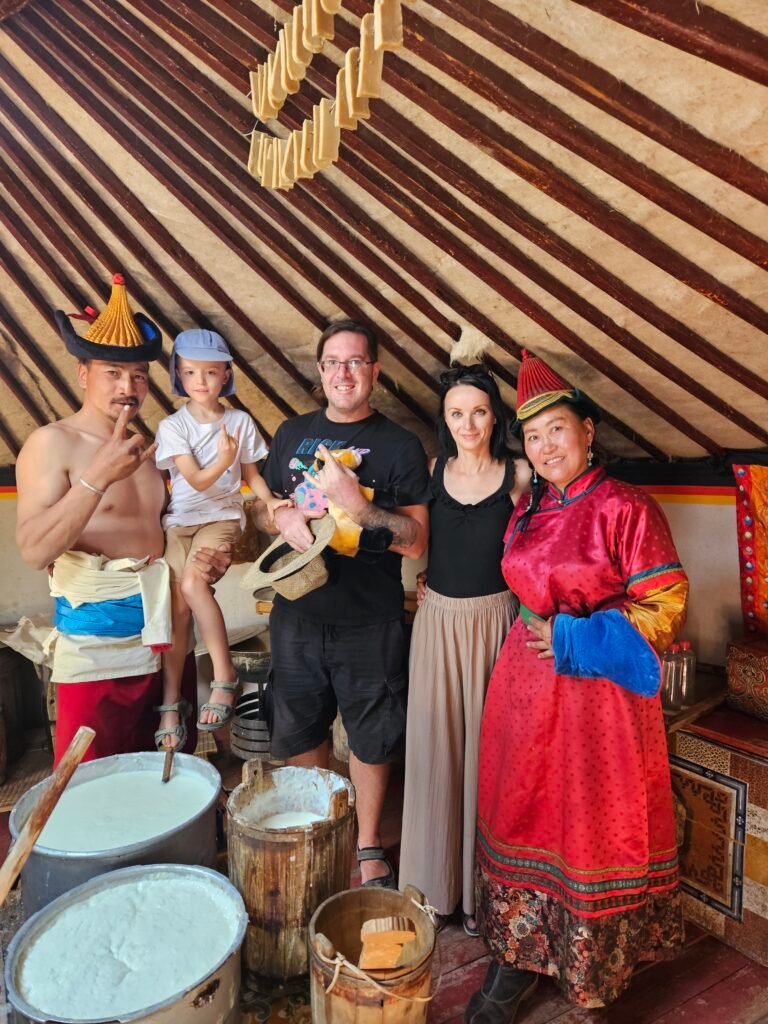
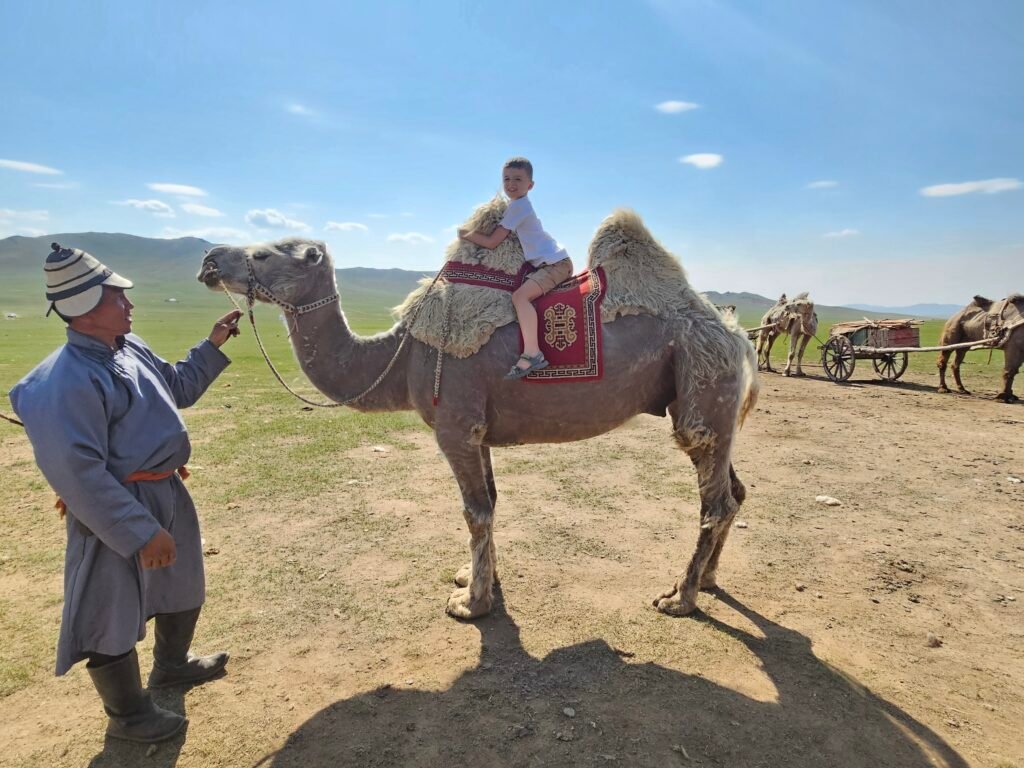
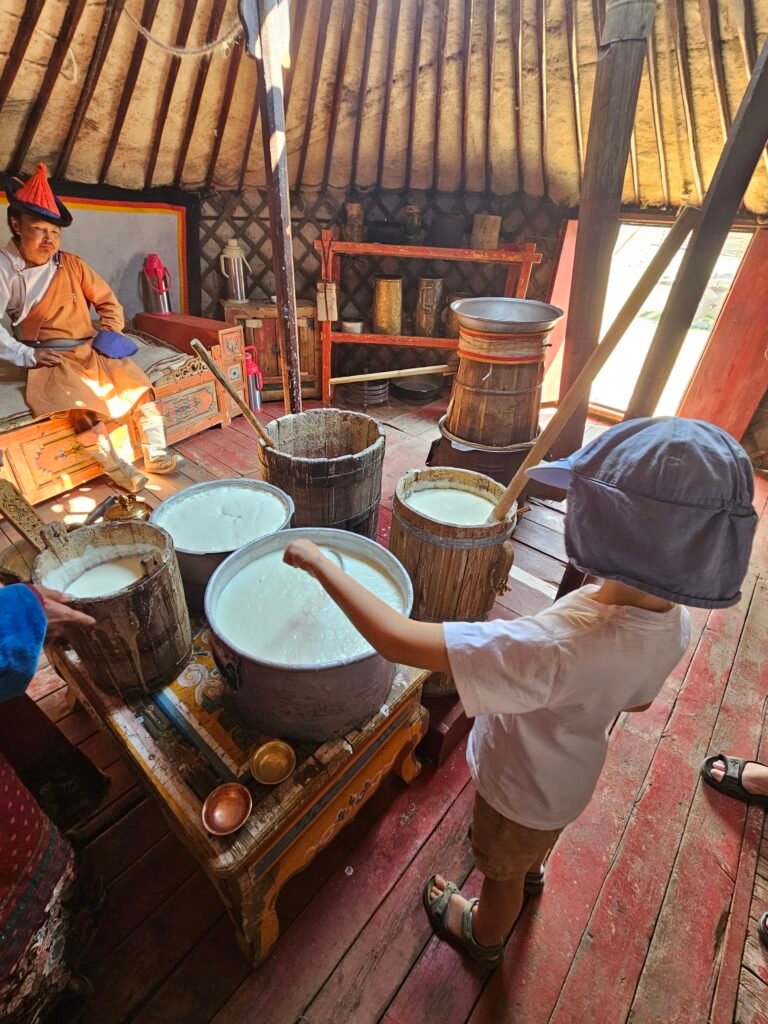
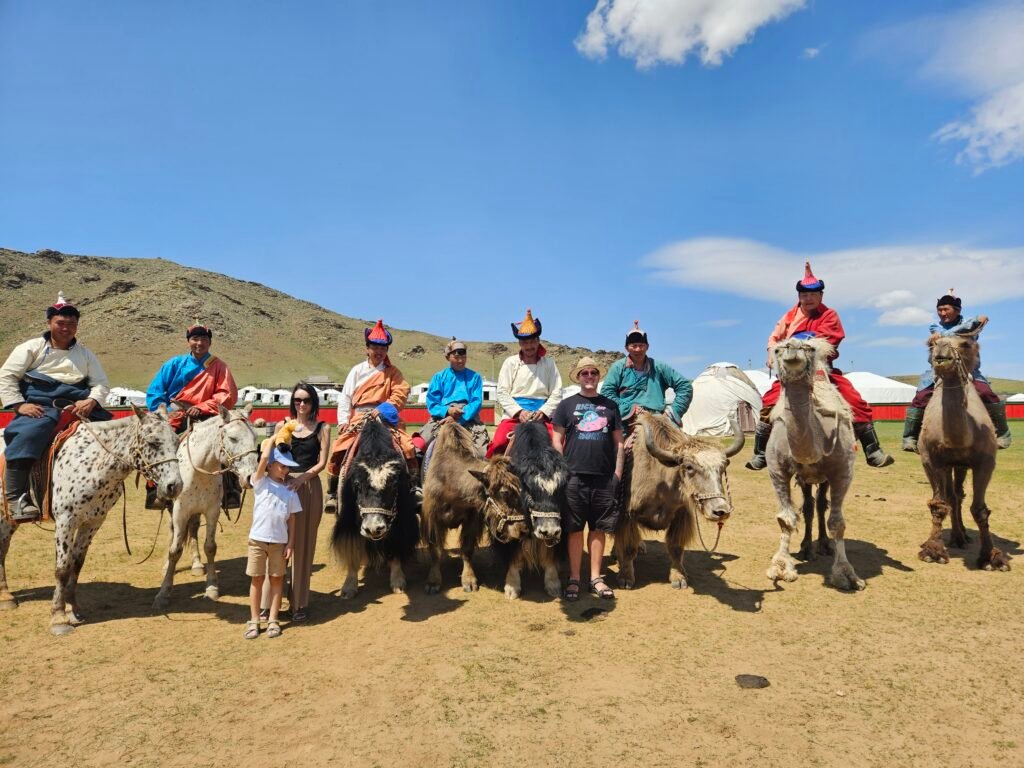
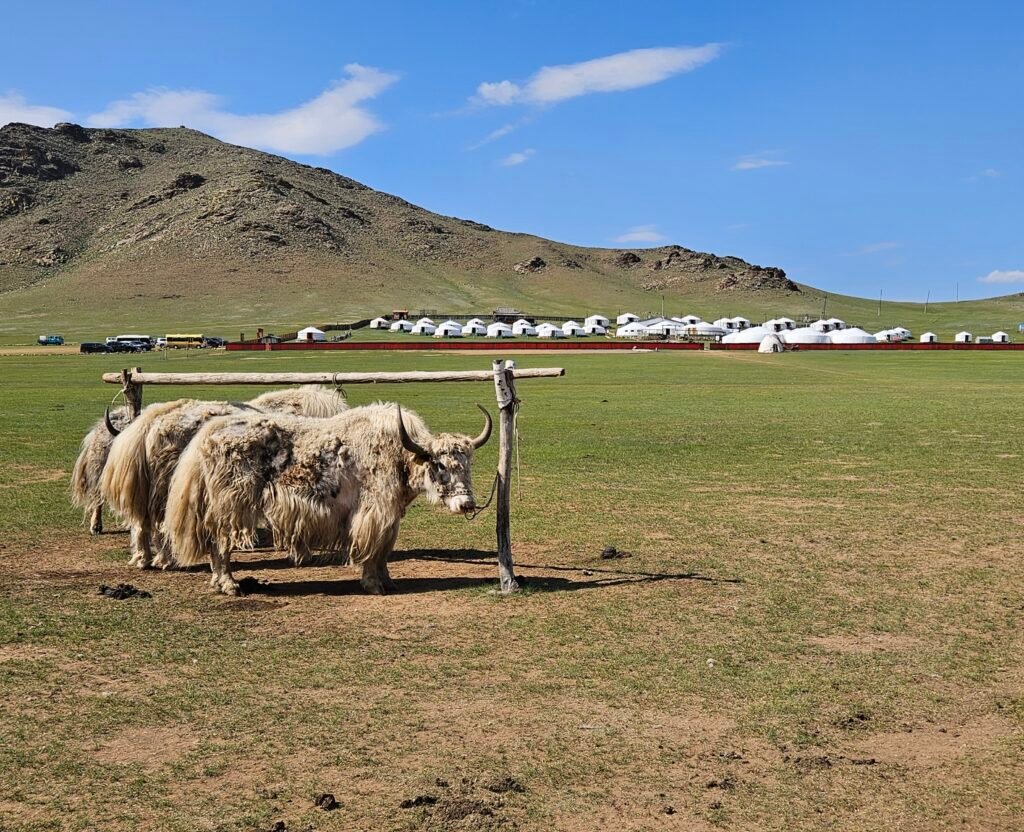
It was very hands-on. We learned about nomadic life, saw the animals, watched how curds are made, listened to traditional music and Mongolian throat singing, played traditional games and took part in different activities. The people there are not paid actors, they are actual nomads who just show a part of their life to the tourists.
Our son particularly enjoyed being able to participate. That makes a huge difference with children.
What is nomadic life in Mongolia really like?
Mongolian nomadic culture has developed around pastoralism and the need to live with livestock in a landscape where conditions can be harsh and resources vary considerably.
Traditionally, families move between seasonal pastures rather than remaining permanently in one location.
This is where the ger becomes particularly interesting. A ger is not simply a Mongolian version of a tent. It is a practical, portable home designed for a mobile way of life.
At the camp, one of the demonstrations showed how a ger and the belongings of a nomadic household can be packed up. Once you’ve seen that process, the whole idea of nomadic life makes much more sense. The home isn’t something that has to be abandoned when the family moves. It is designed to move with them.
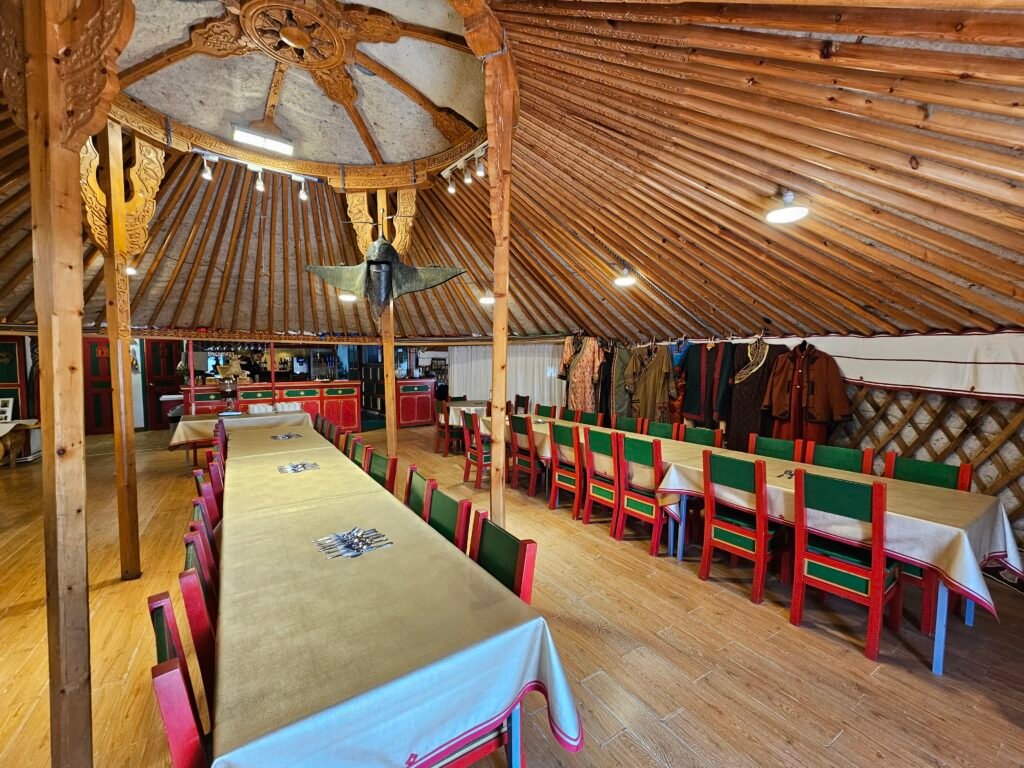
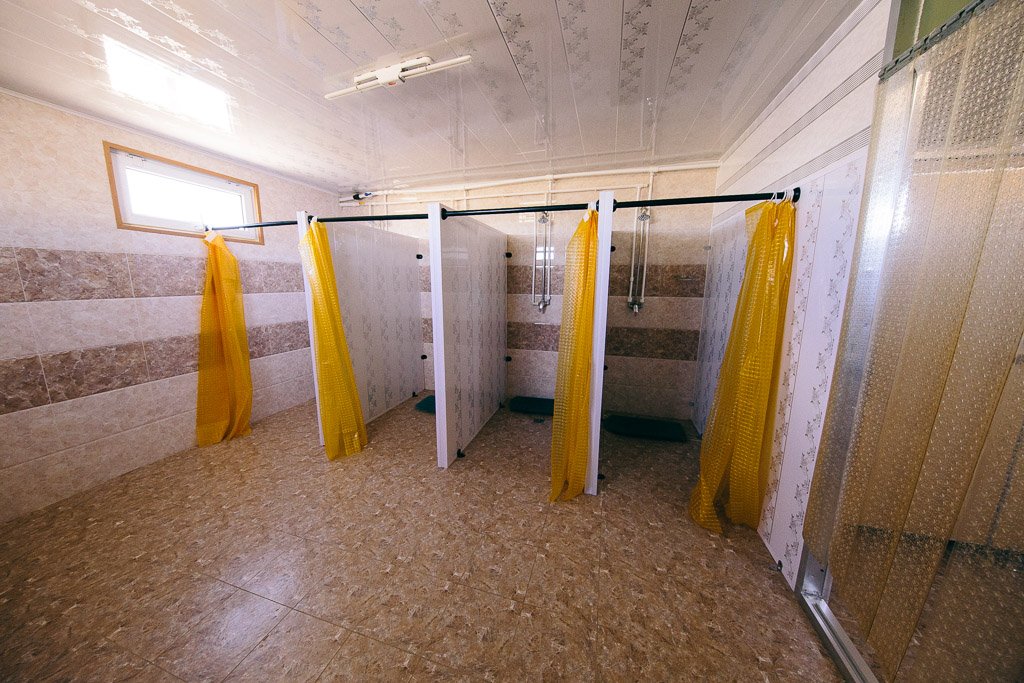
Mongol Nomadic Tourist Camp has been operating since 2011 and currently offers cultural programmes, accommodation, horse riding and other experiences. Its facilities include a restaurant, ger accommodation, an art gallery and shared shower and toilet facilities.
If you’re travelling with children, I would strongly recommend including an experience like this rather than simply seeing nomadic culture from a distance.
The Gobi Desert with kids
Eventually, every Mongolia itinerary seems to point south.
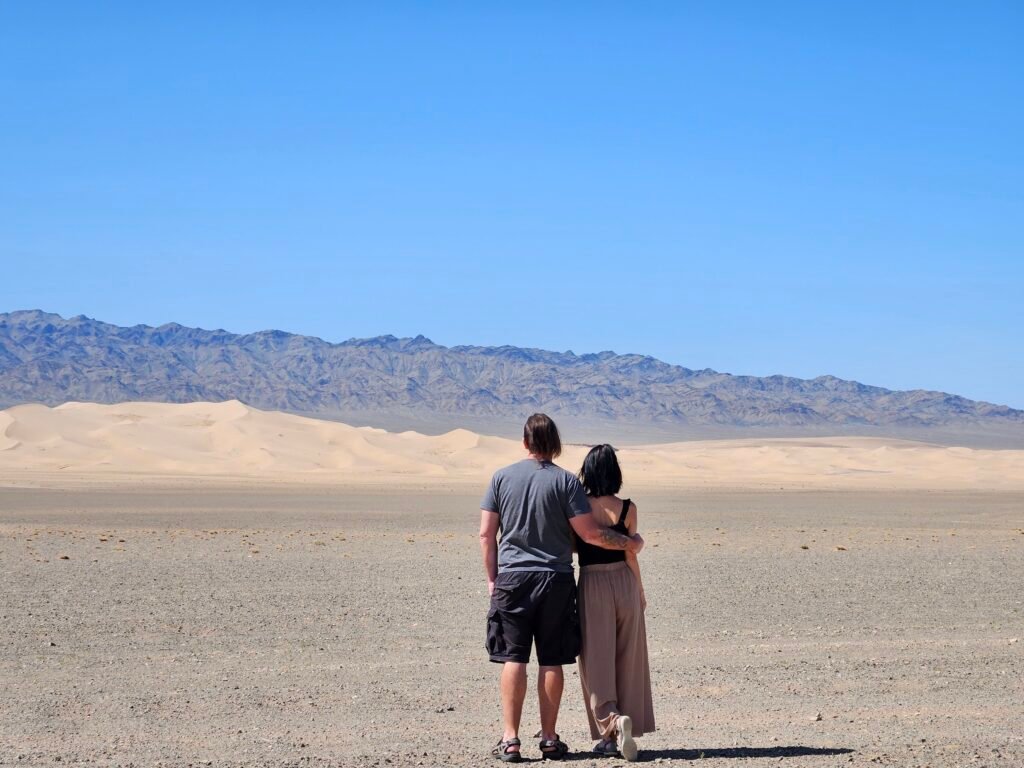
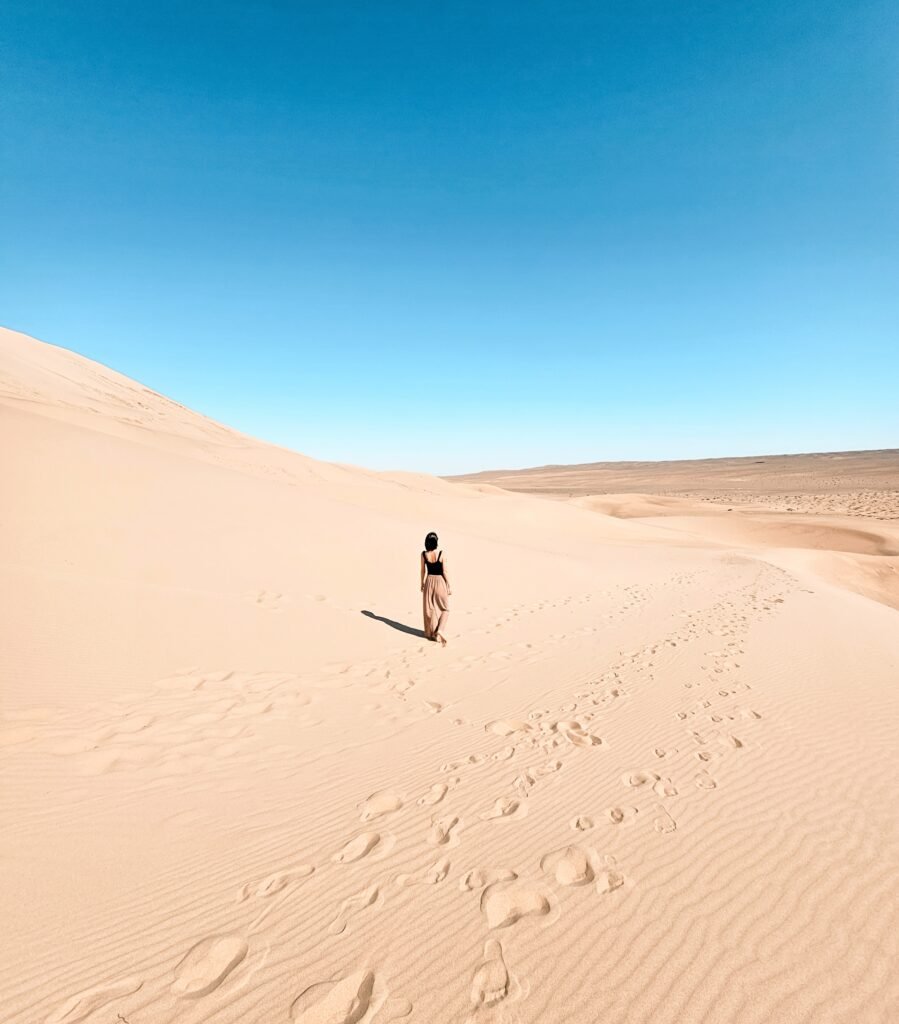
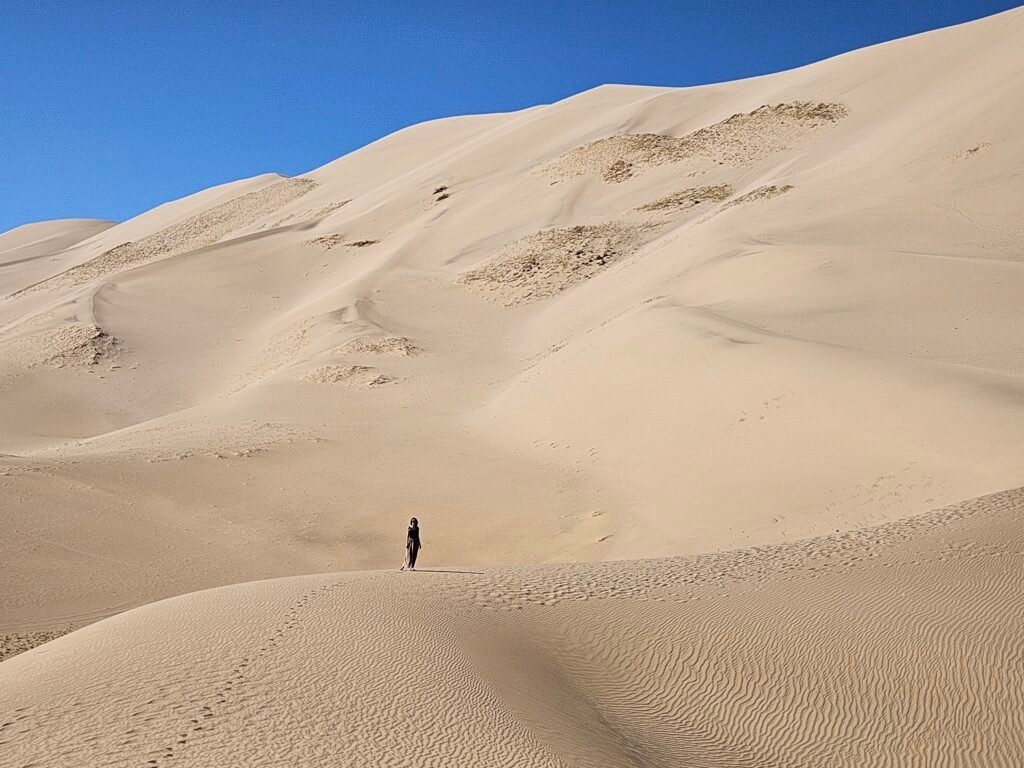
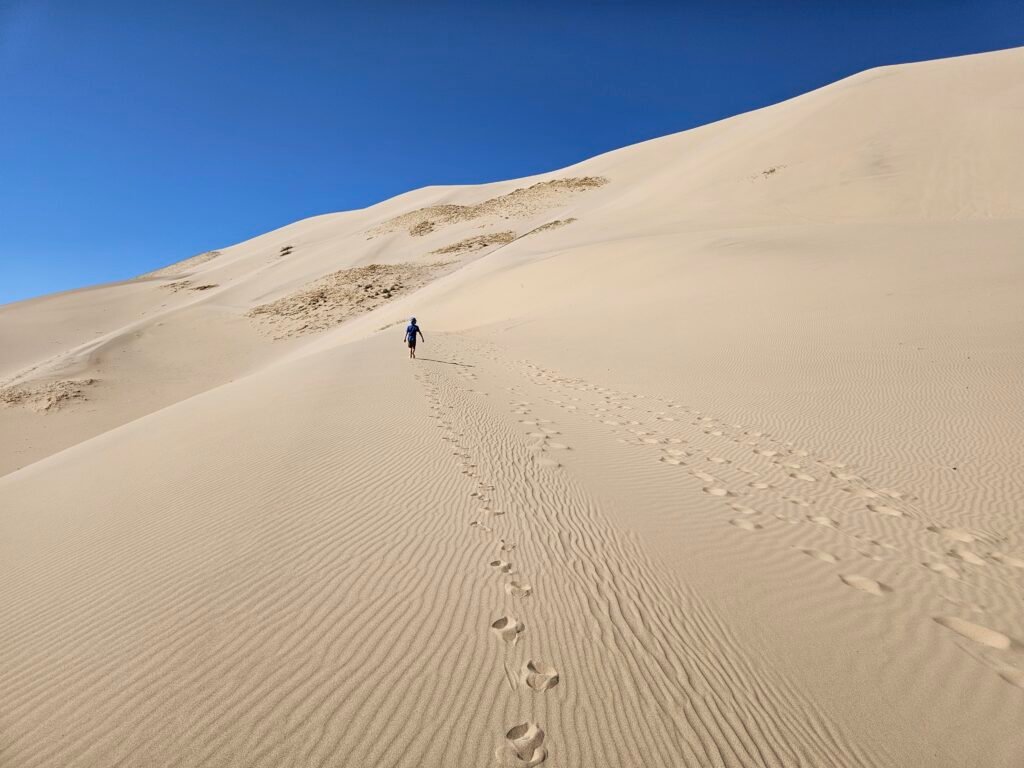
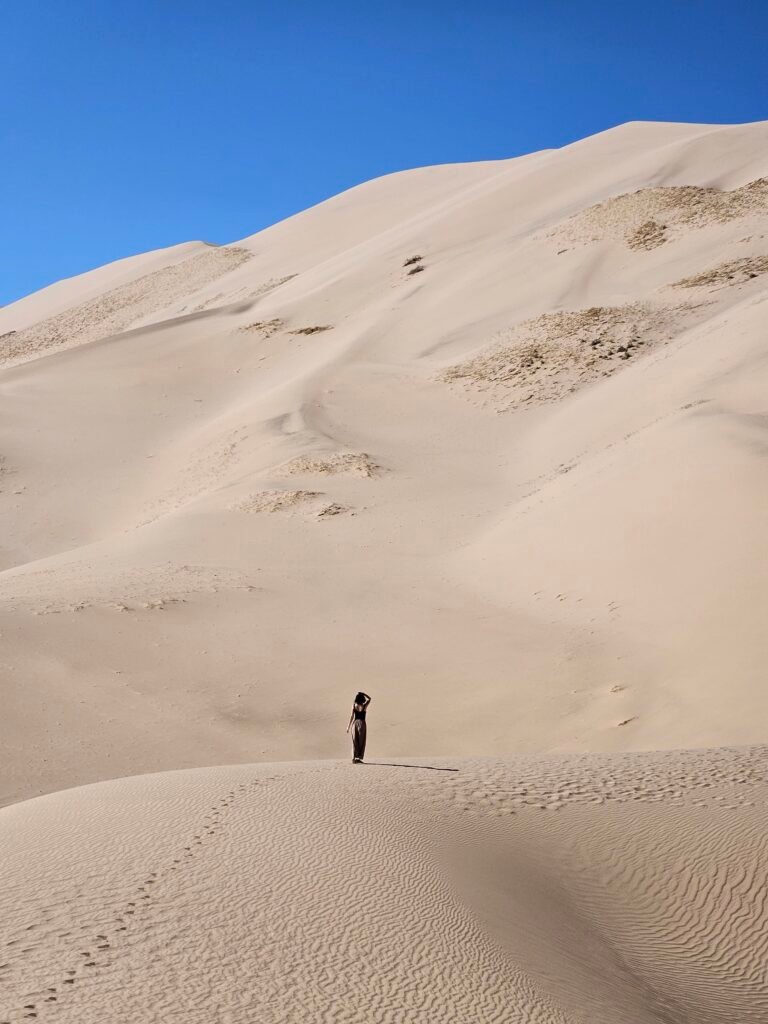
The Gobi is one of the country’s biggest attractions, but there is a common misconception that the Gobi is simply a huge sea of sand. It isn’t. The Gobi includes rocky plains, mountains, cliffs, gravel landscapes and sand dunes.
Some areas look almost like another planet. Others are surprisingly green. And then there are the places where you can find dinosaur fossils and even ice. We visited several of the classic Gobi sights, and they were all very different.
Gobi is quite far from Ulaanbaatar, so it is best to take a multi day tour in order to visit the beautiful sites this area has to offer.
Tsagaan Suvarga
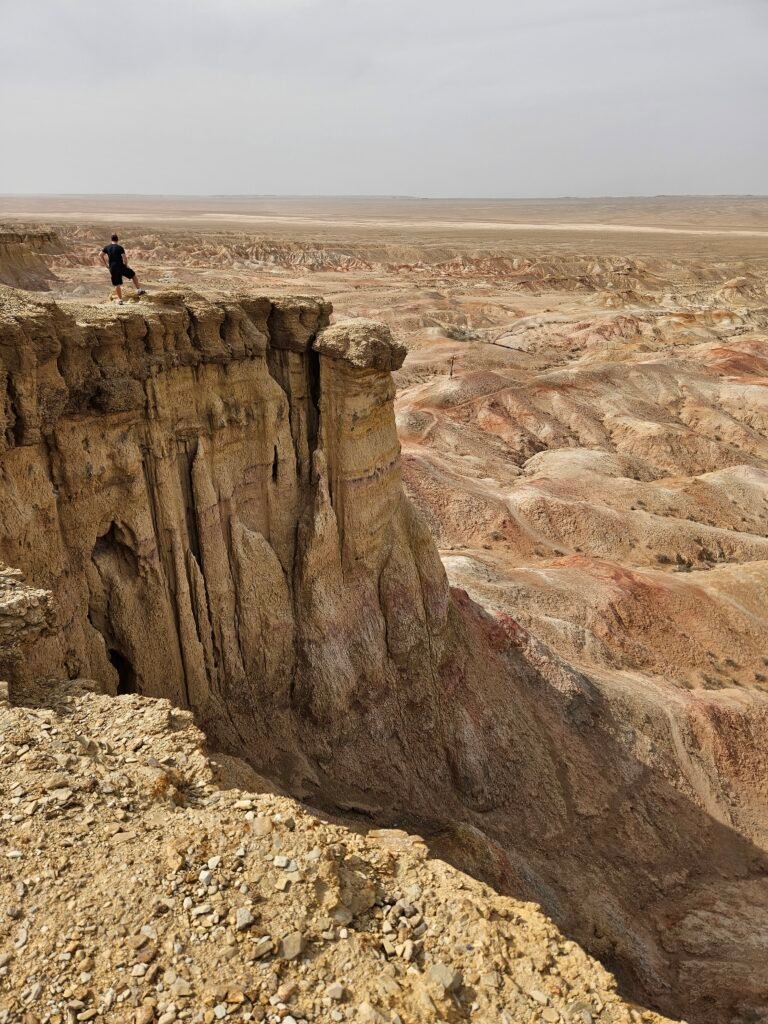
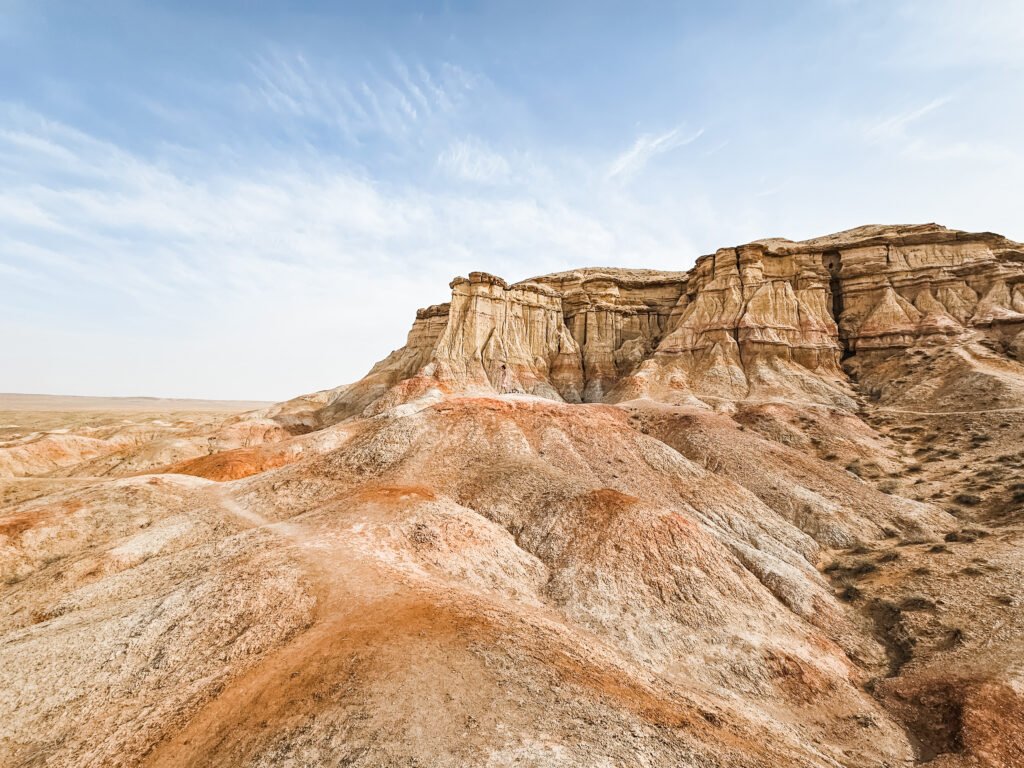
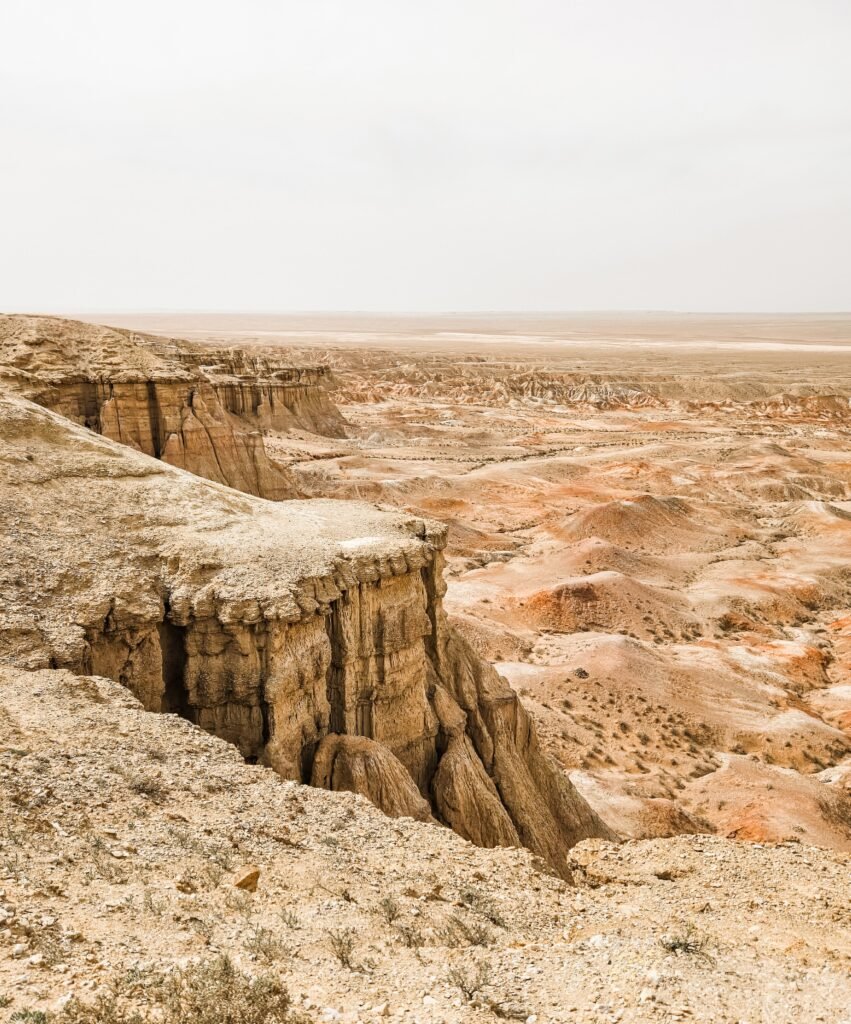
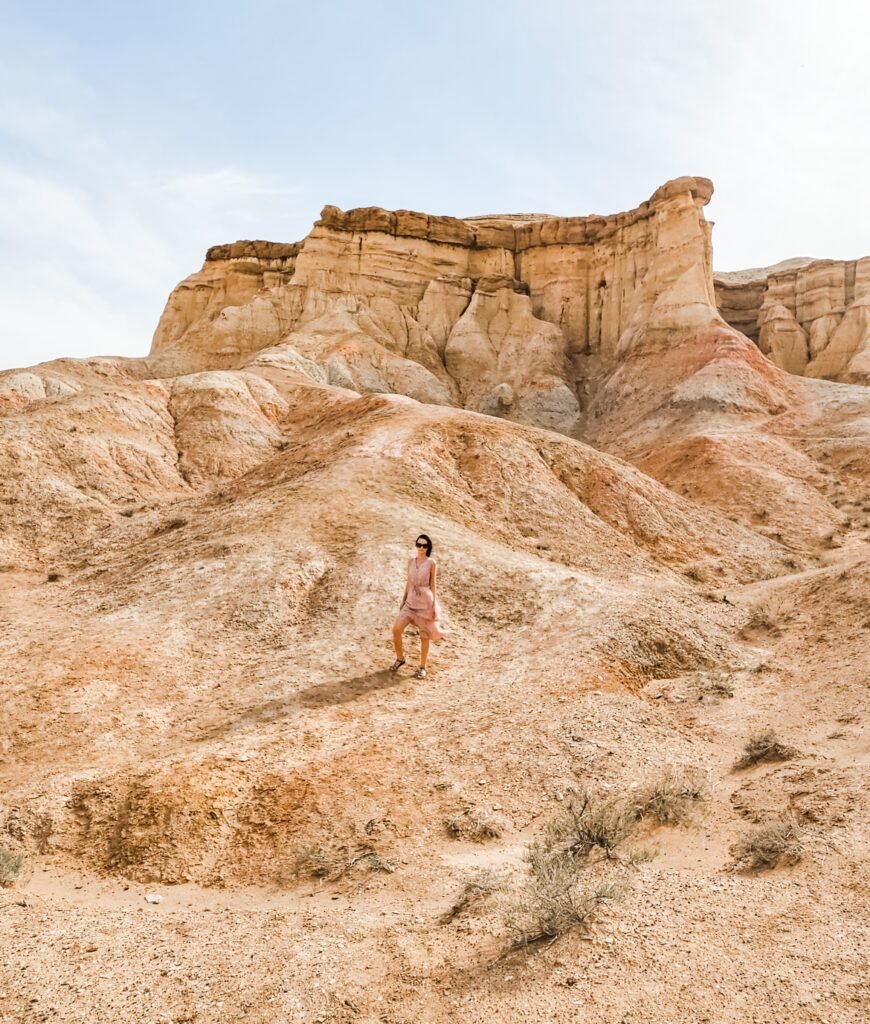
Tsagaan Suvarga, or the “White Stupa”, is a spectacular formation of layered cliffs in the Gobi Desert, shaped over millions of years by erosion. The exposed rock creates striking bands of colour, with the cliffs stretching across the otherwise barren landscape.
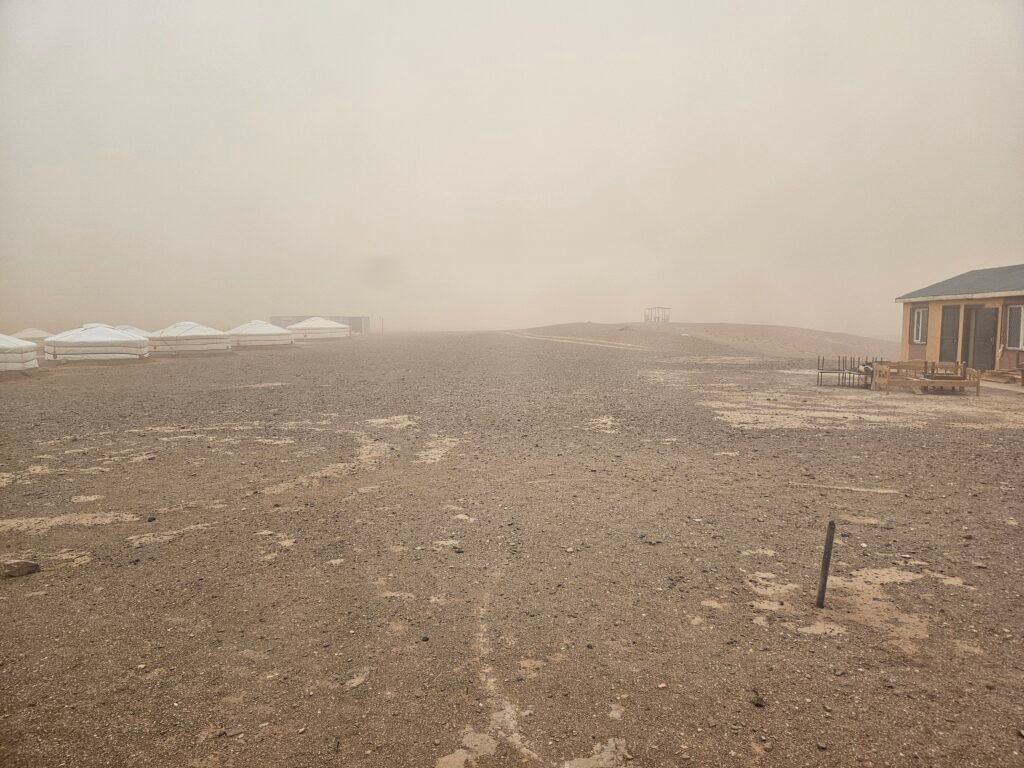
We found it absolutely stunning. The colours were incredible, and the whole landscape felt almost like another planet. It was also very windy when we visited, which somehow made the vastness of the place feel even more dramatic.
Tsagaan Suvarga was one of those places where we could have happily spent much longer just taking in the scenery. It also shows just how varied the Gobi can be, with landscapes that look nothing like the endless sand dunes you might imagine when you hear the word “desert”.
The Flaming Cliffs
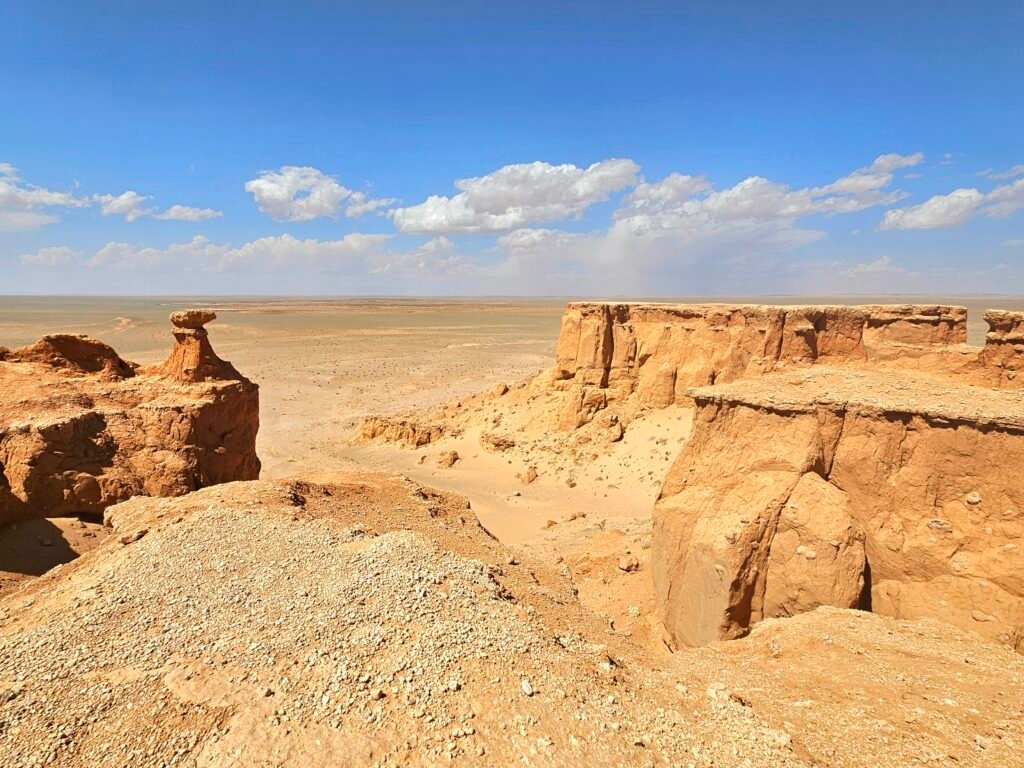
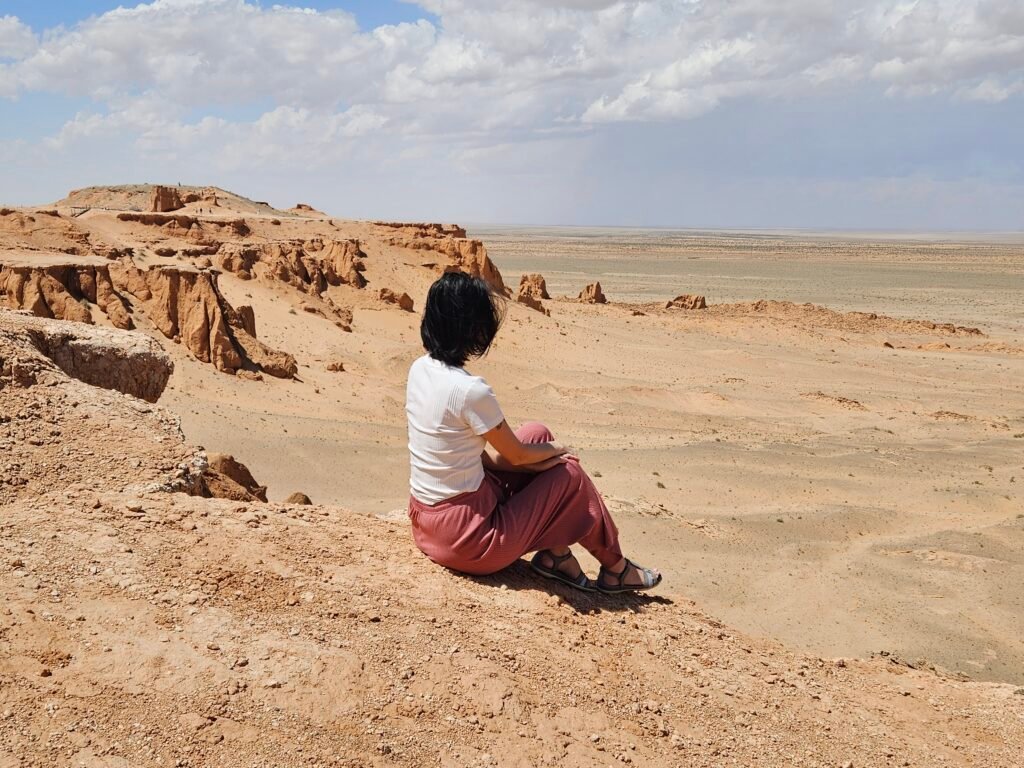
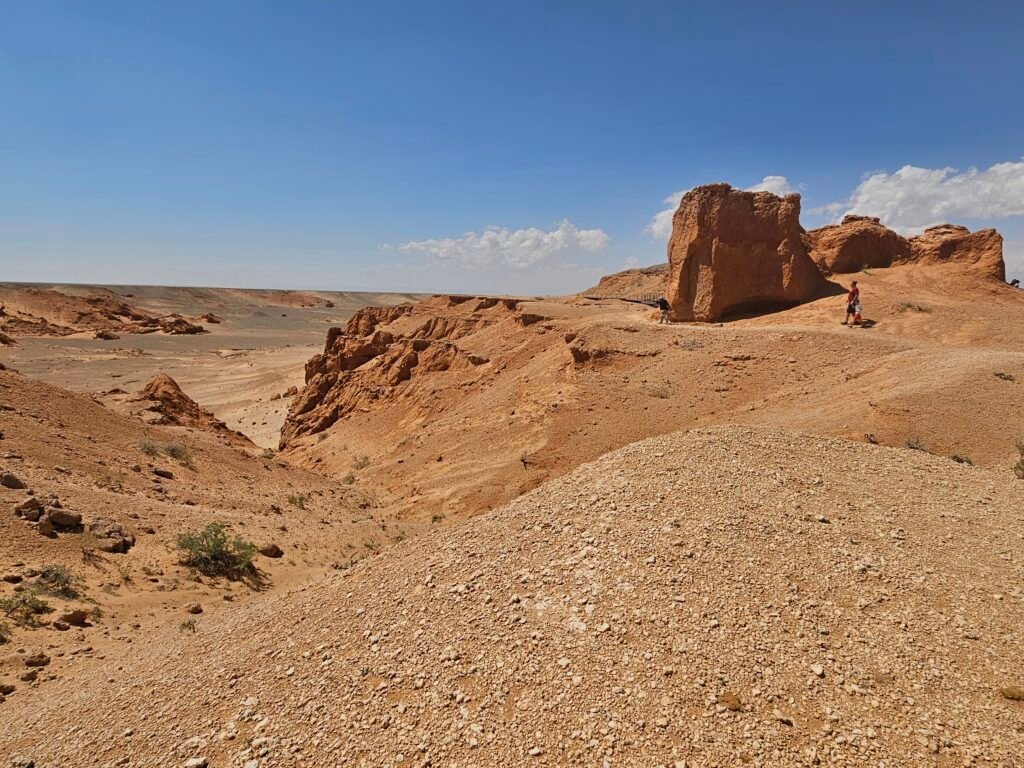
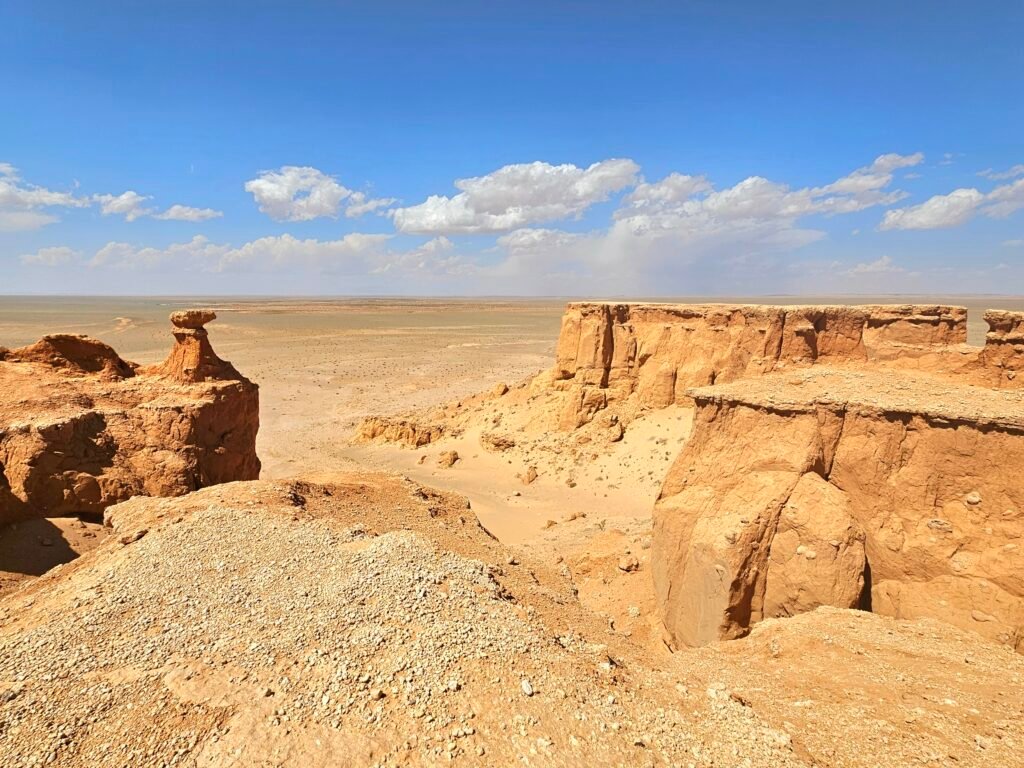
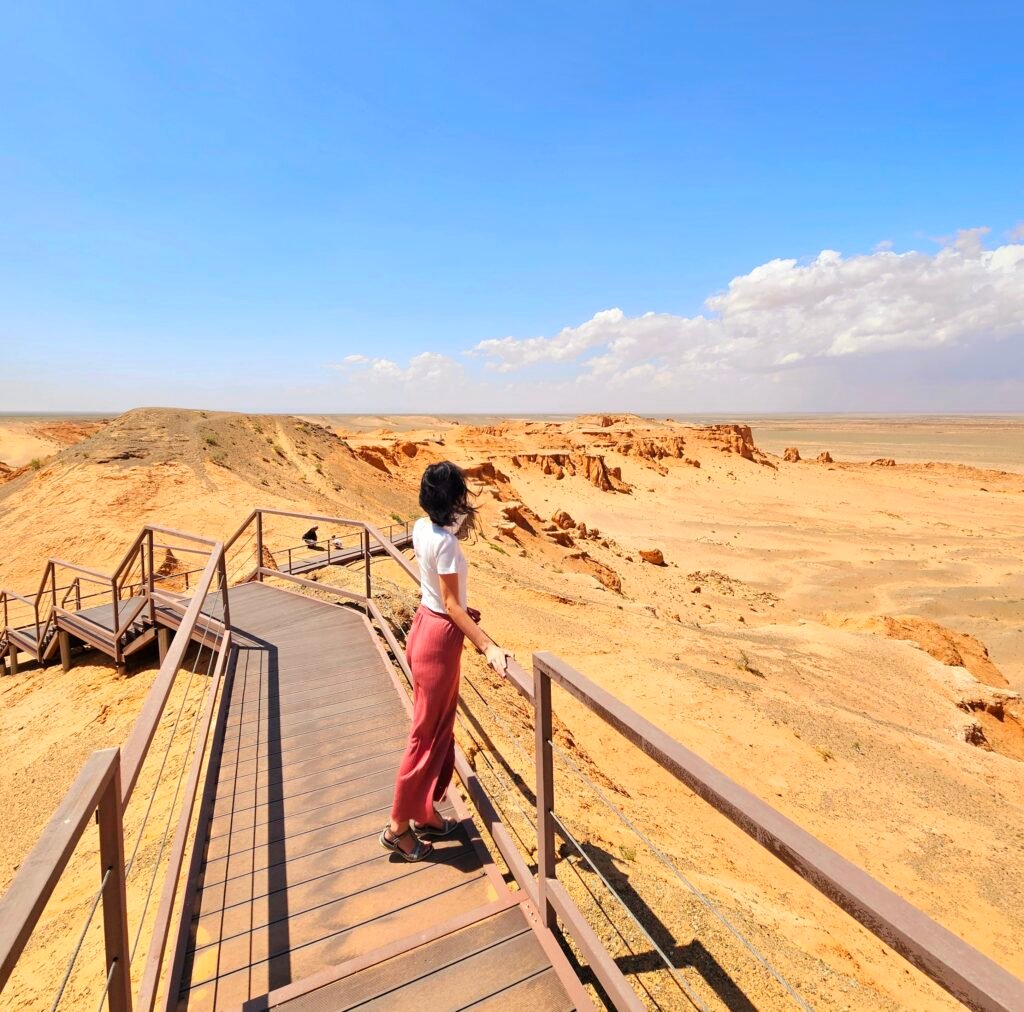
The Flaming Cliffs, or Bayanzag, are one of the most famous places in the Gobi Desert and one of Mongolia’s most important dinosaur sites. The red-orange cliffs get their name from the way they glow in the sunlight, particularly around sunset.
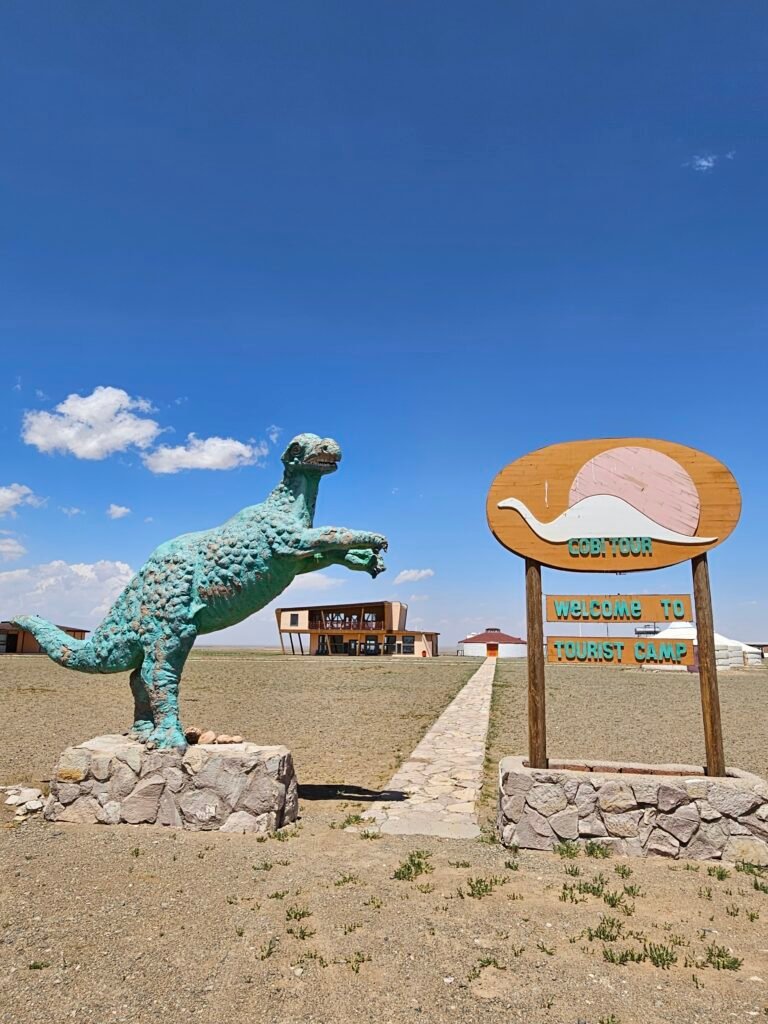
This is where American paleontologist Roy Chapman Andrews and his expeditions made some of the most important dinosaur discoveries of the early 20th century. In 1923, his team discovered dinosaur eggs here, helping to prove that dinosaurs laid eggs. Researchers have since found numerous dinosaur fossils in the area.
The landscape is beautiful in its own right, with the bright red cliffs contrasting against the surrounding desert. It feels remote and otherworldly, and it’s one of those places where the Gobi really doesn’t look quite like you expect a desert to look.
Yolyn Am: ice in the desert
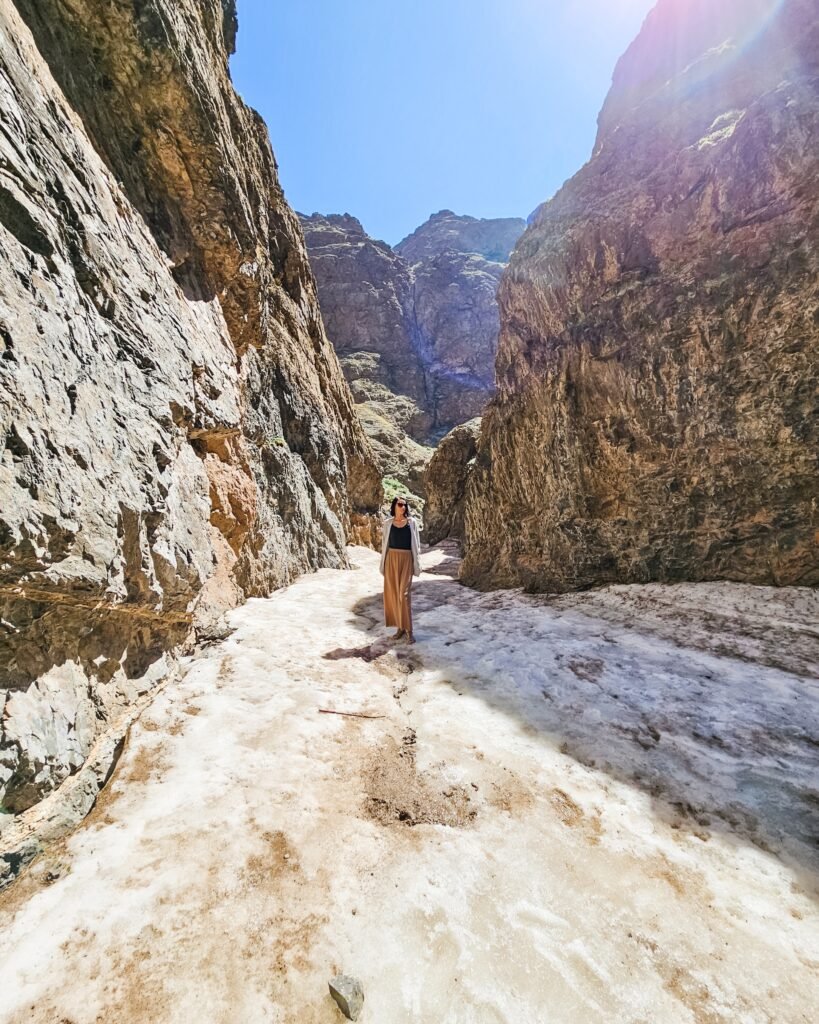
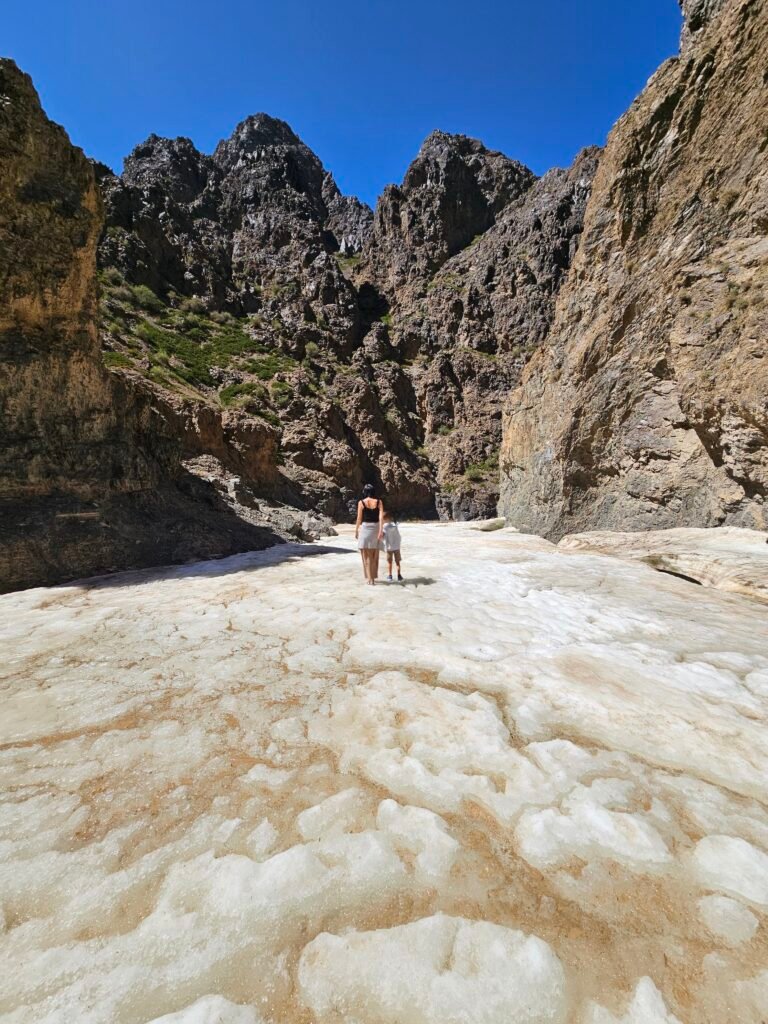
Yolyn Am, or Eagle Valley, is one of the most unusual places we visited in the Gobi.
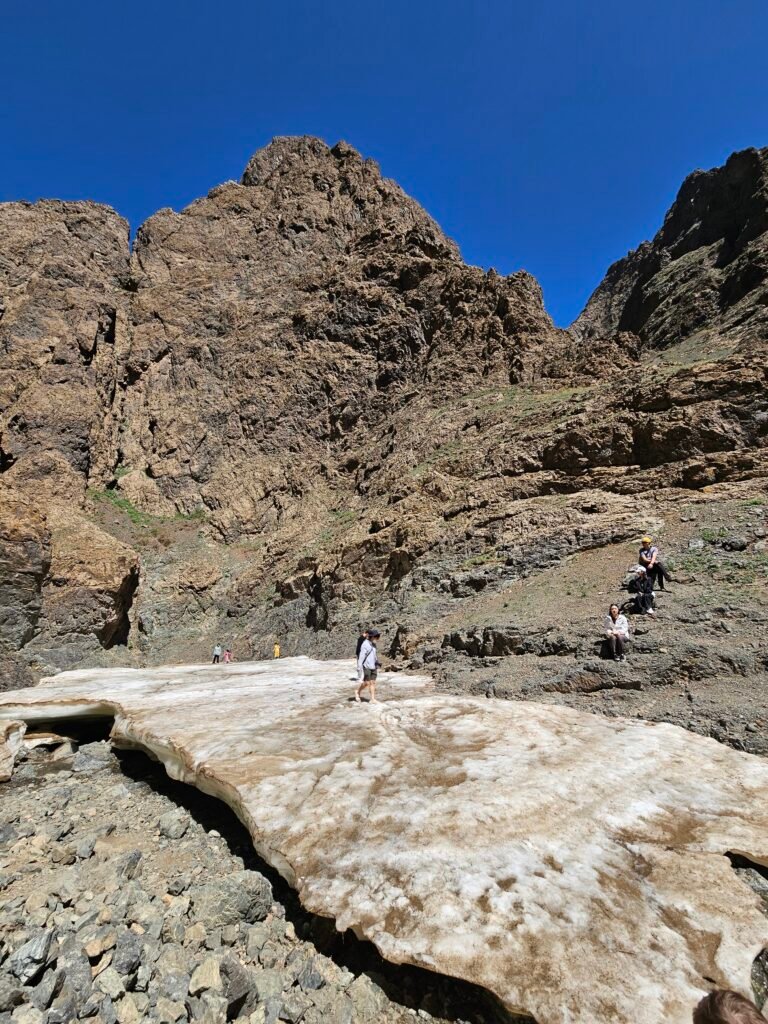
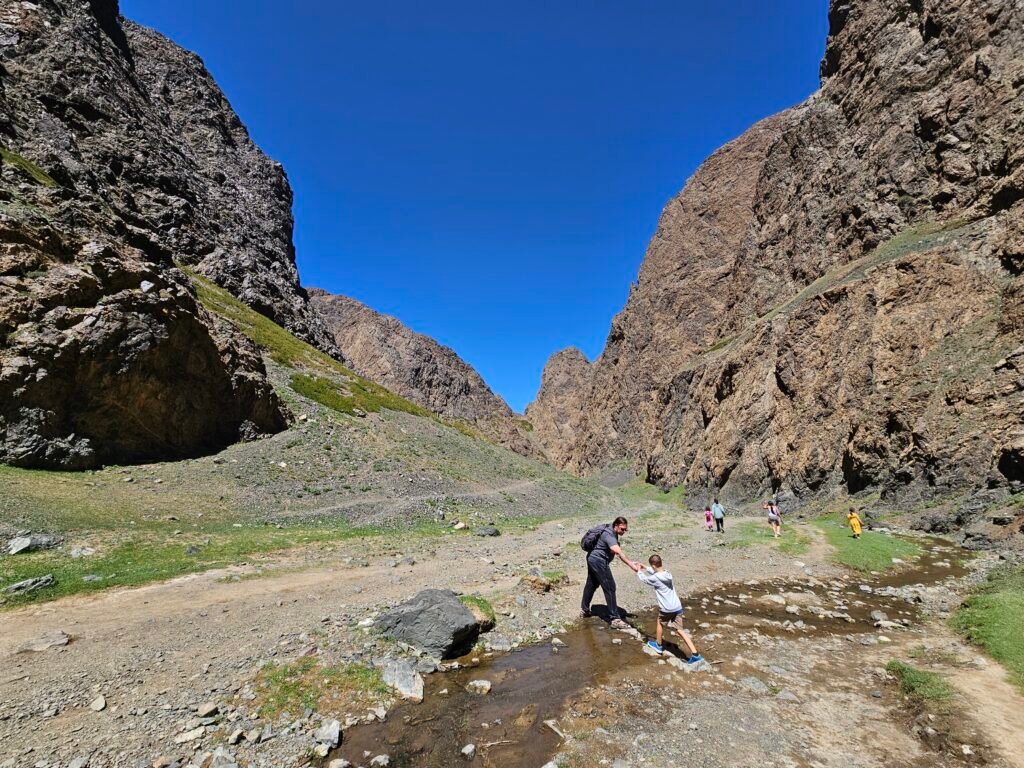
The valley cuts through the mountains of the Gobi Gurvansaikhan area, creating a much cooler environment than you might expect in the middle of the desert. Historically, the valley became famous for retaining ice for much of the year.
How much ice you’ll see depends on the season and weather conditions, so I wouldn’t travel there expecting a giant frozen river. When we were there in July it was mostly green, however there were still big sheets of ice on the ground deeper in the glacier.
The hike itself was fairly easy, however do wear comfortable waterproof shoes as terrain changes quickly. There are a few places where you have to cross a stream, and walk on ice.
Staying in a Mongolian ger
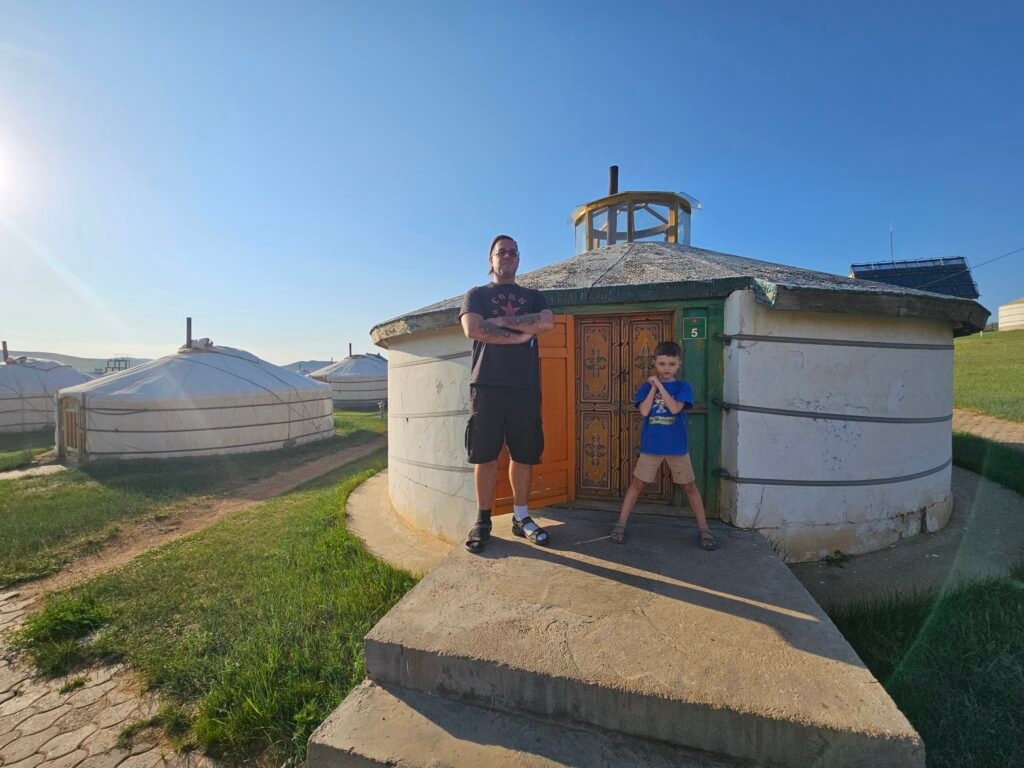
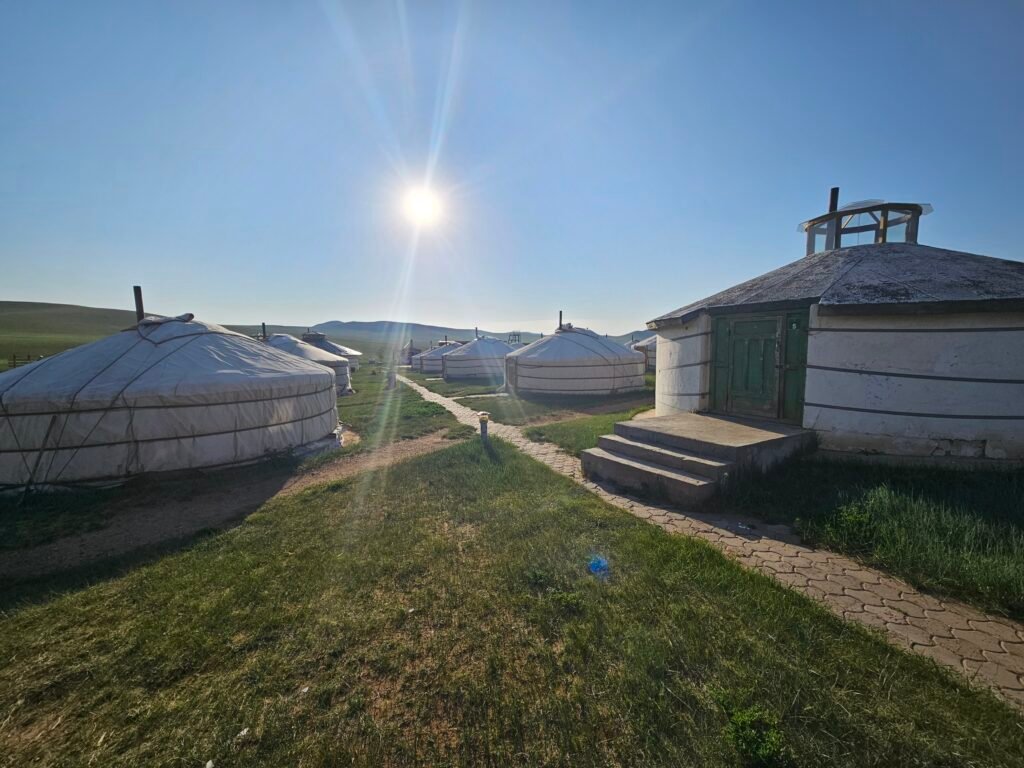
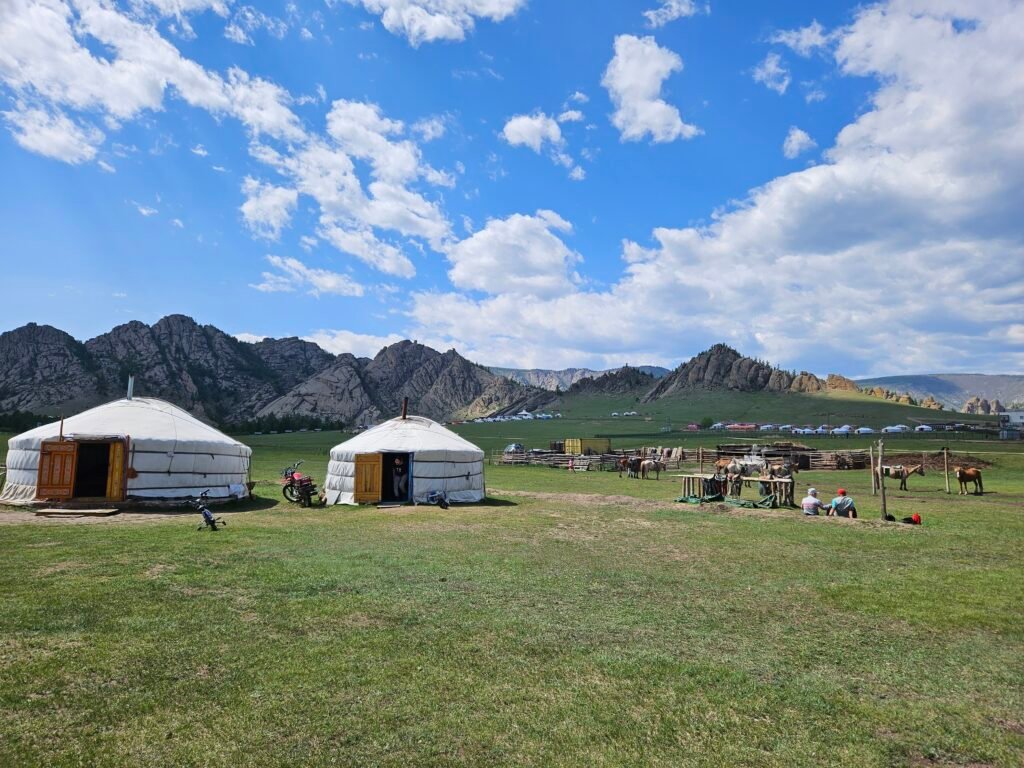
If you’re travelling around Mongolia, staying in a ger is one of the experiences I’d recommend. You may also see these referred to as yurts in English, but ger is the Mongolian word.
We have stayed in yurt camps in Turkmenistan, Kazakhstan and Kyrgyzstan, and the one we stayed in during our Mongolia trip was our favourite.
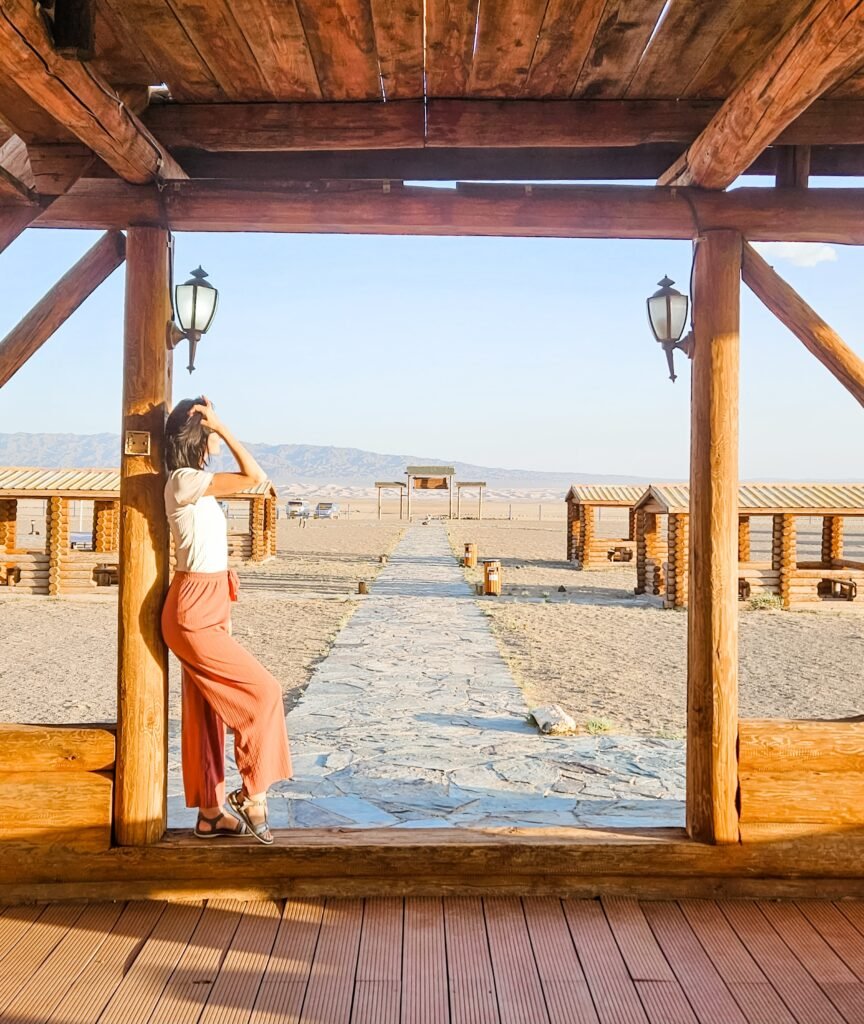
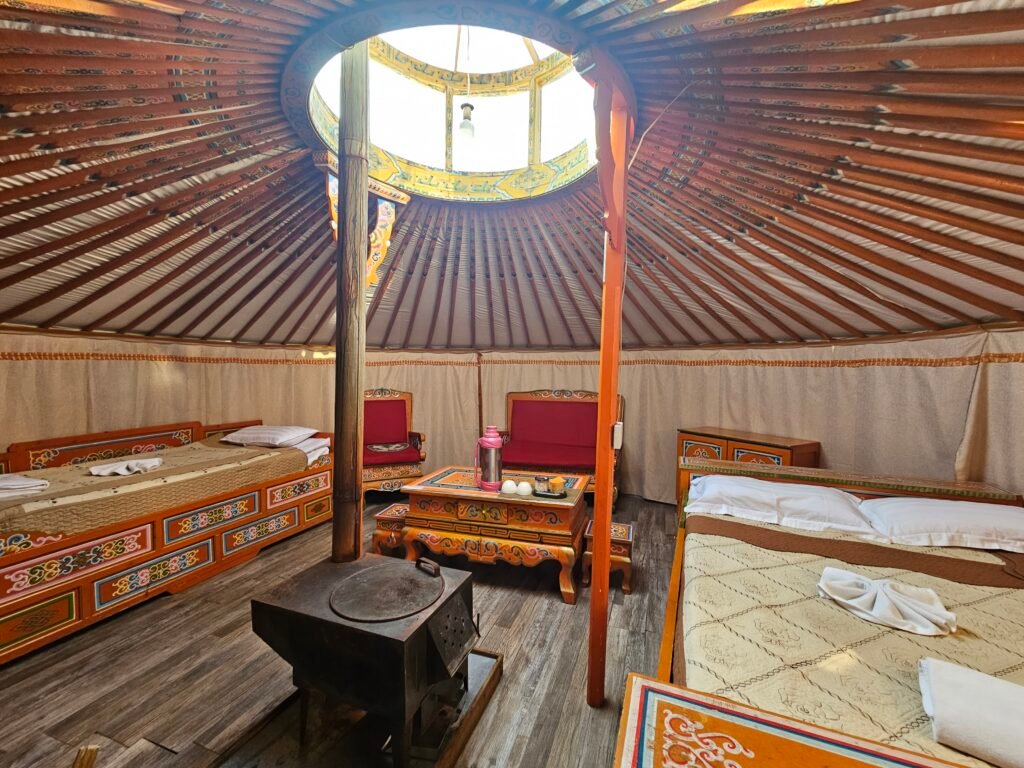
A tourist ger camp can vary enormously in comfort. Some are very basic, while others have comfortable beds, restaurants, electricity and modern bathroom facilities.
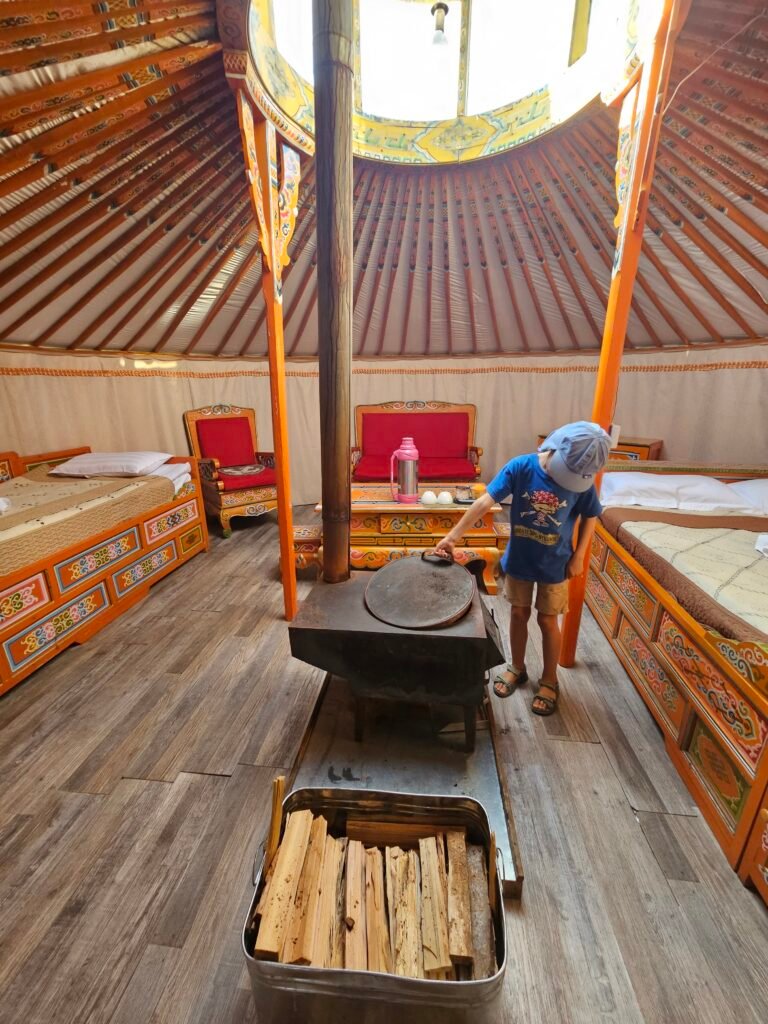
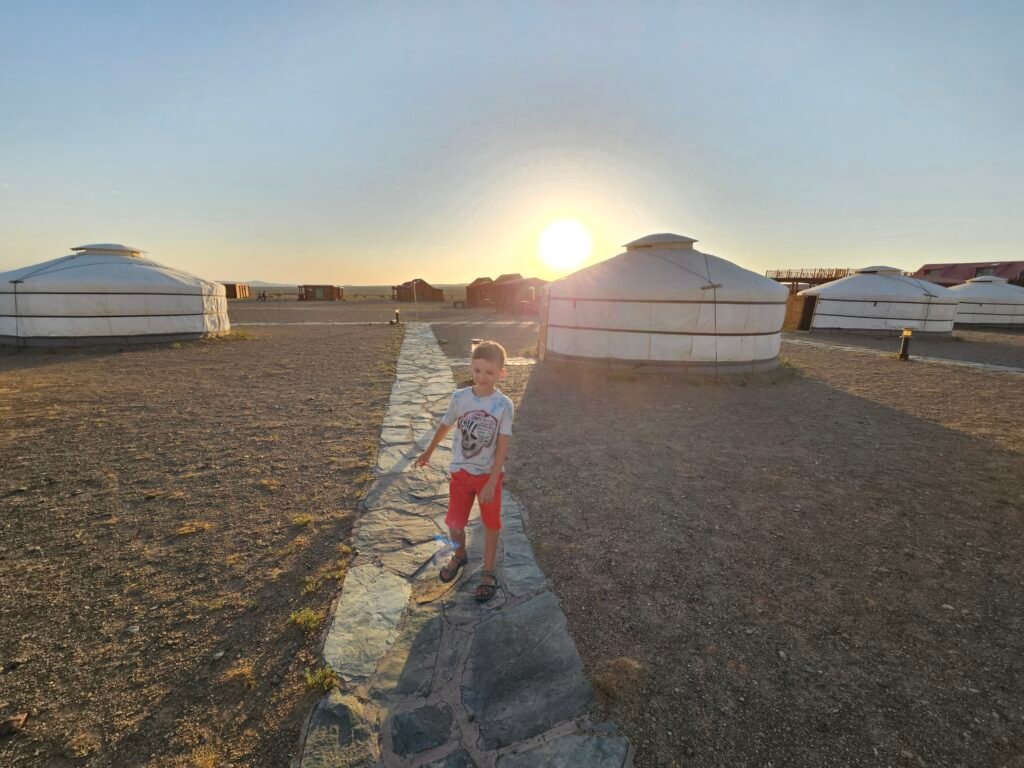
The camp we stayed in was particularly good, and I think it worked because it gave us the experience of sleeping in a traditional-style ger without making the experience unnecessarily uncomfortable.
We had a spacious ger with a wood burning stove inside to keep us warm at night. The beds were very comfortable, and the shower and toilet facilities were clean. The dinner and breakfast at the camp were really good. However, it is best to check what kind of facilities the camp provides before booking. If you have any specific dietary restrictions, also make sure to mention them before booking, as camps offer limited food options.
Naadam: travelling to Mongolia during the festival
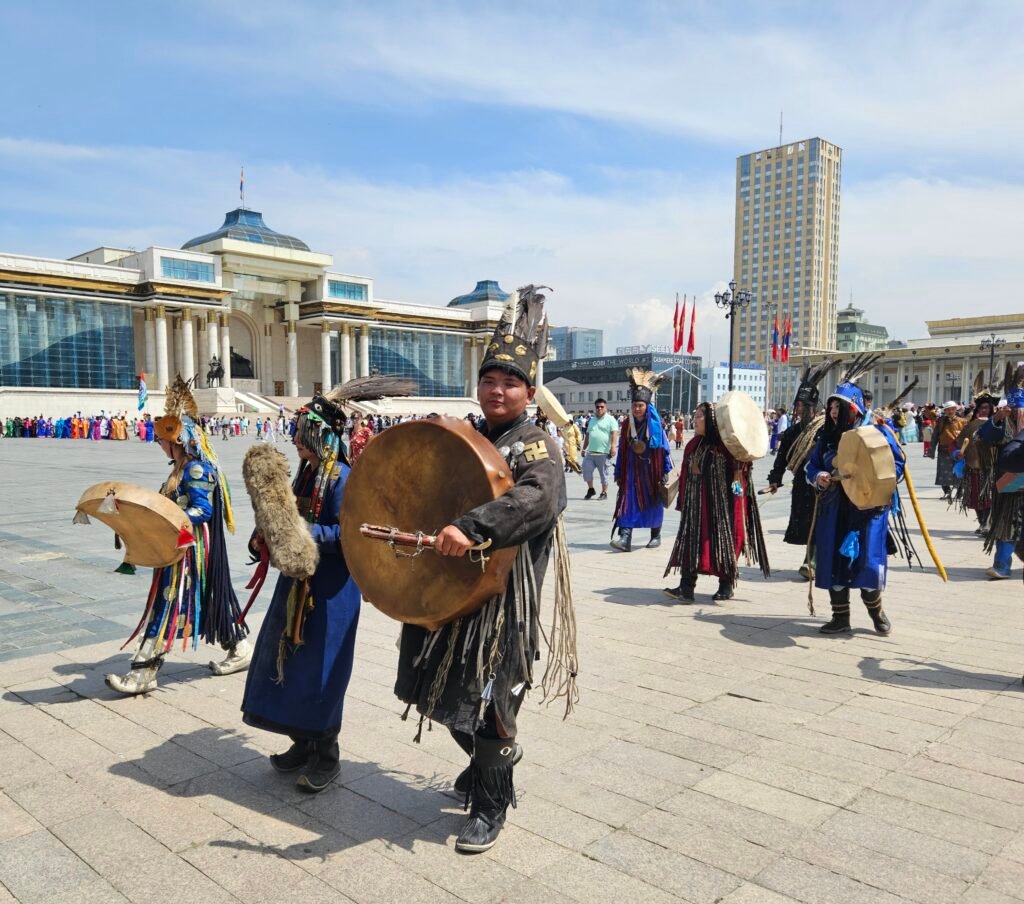
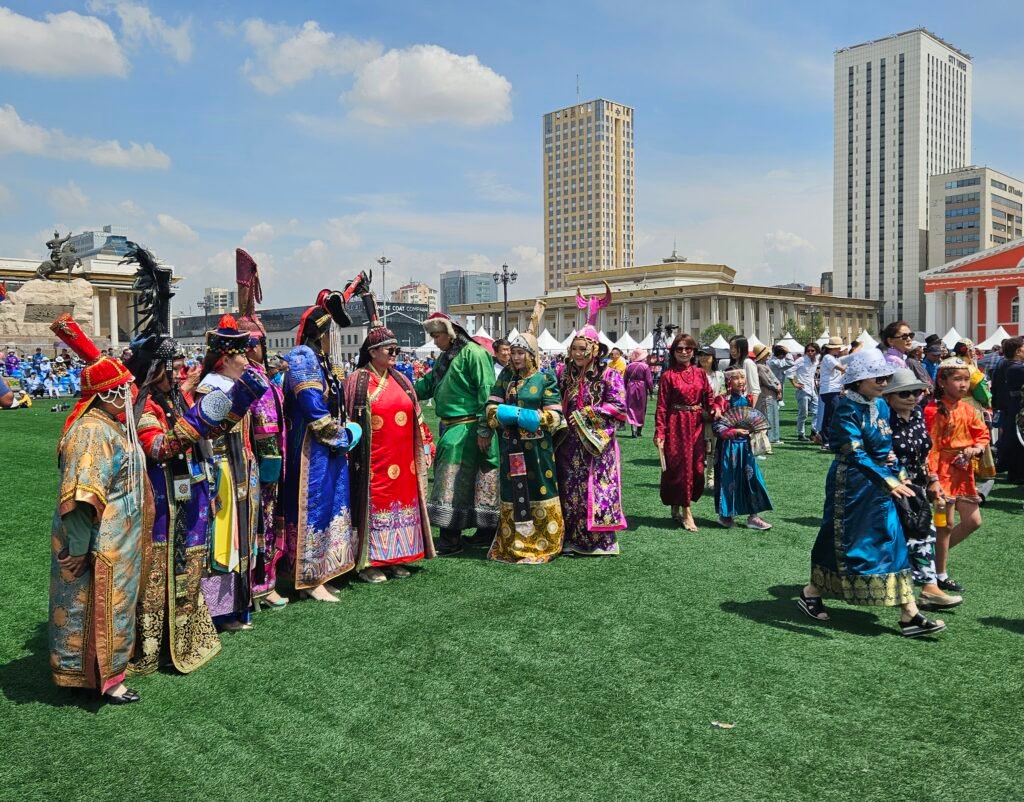
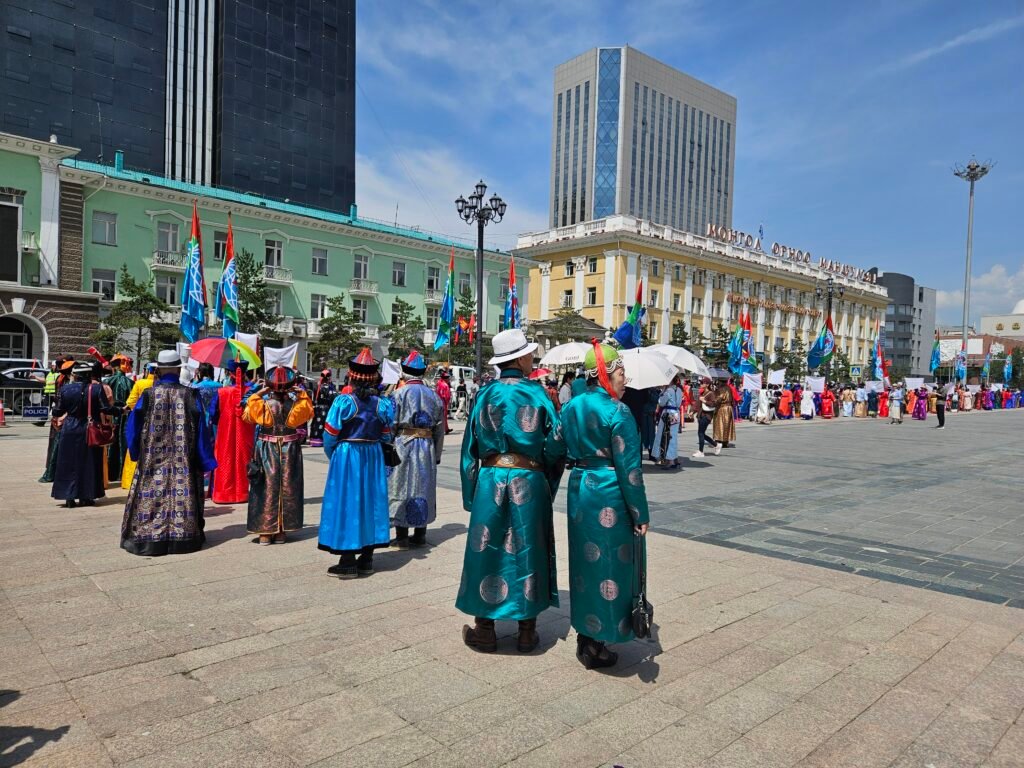
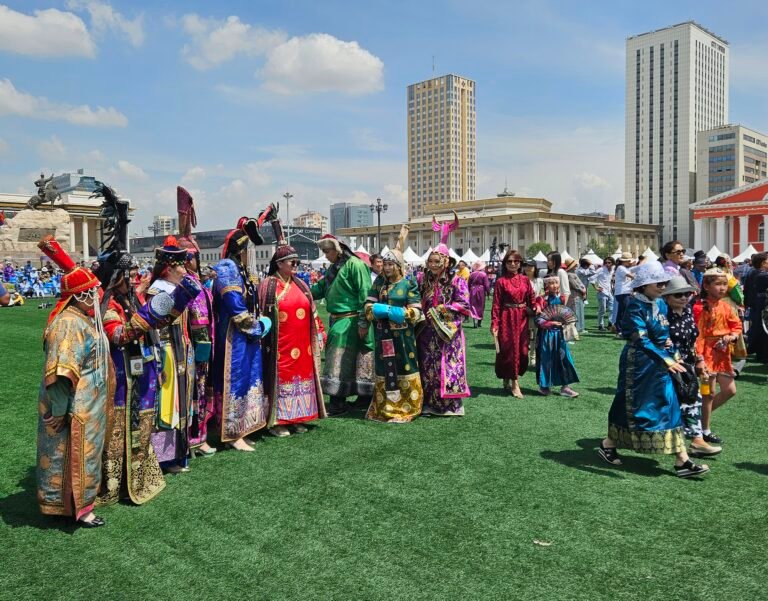
We were also in Mongolia during Naadam, the country’s most famous traditional festival.
If you’re travelling to Mongolia around July, it is definitely something worth to plan for, rather than simply treating it as a normal day in your itinerary.
The main Naadam festival takes place from July 11 to 13 and traditionally centres around three sports:
- Wrestling
- Horse racing
- Archery
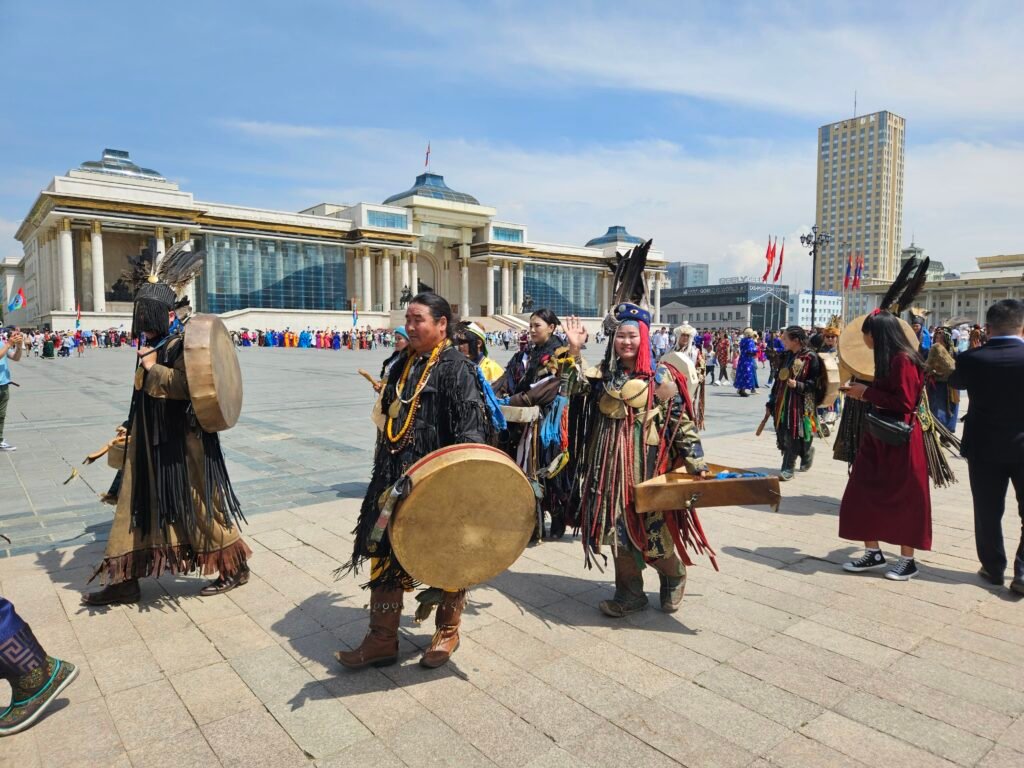
The festival is deeply connected to Mongolian history and nomadic culture, and UNESCO recognises it as part of Mongolia’s Intangible Cultural Heritage. There is much more to Naadam than the sporting events, though, including traditional clothing, music, food and celebrations.
We have a full honest guide to Naadam Festival with kids, including what we would and would not do again.
What to eat in Mongolia with kids
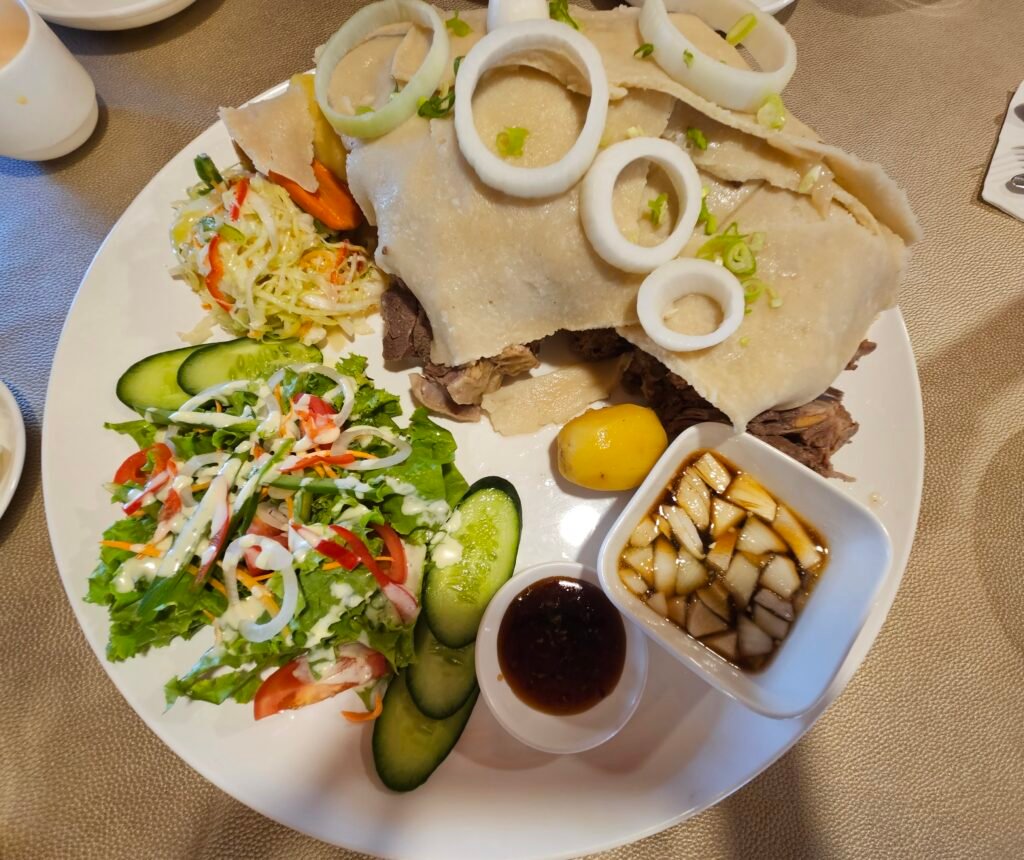
Mongolian food makes much more sense once you understand the traditional lifestyle.
Historically, the diet has been heavily influenced by what can be produced from livestock in a harsh climate, so meat and dairy feature prominently.
Some of the foods you are likely to encounter include:
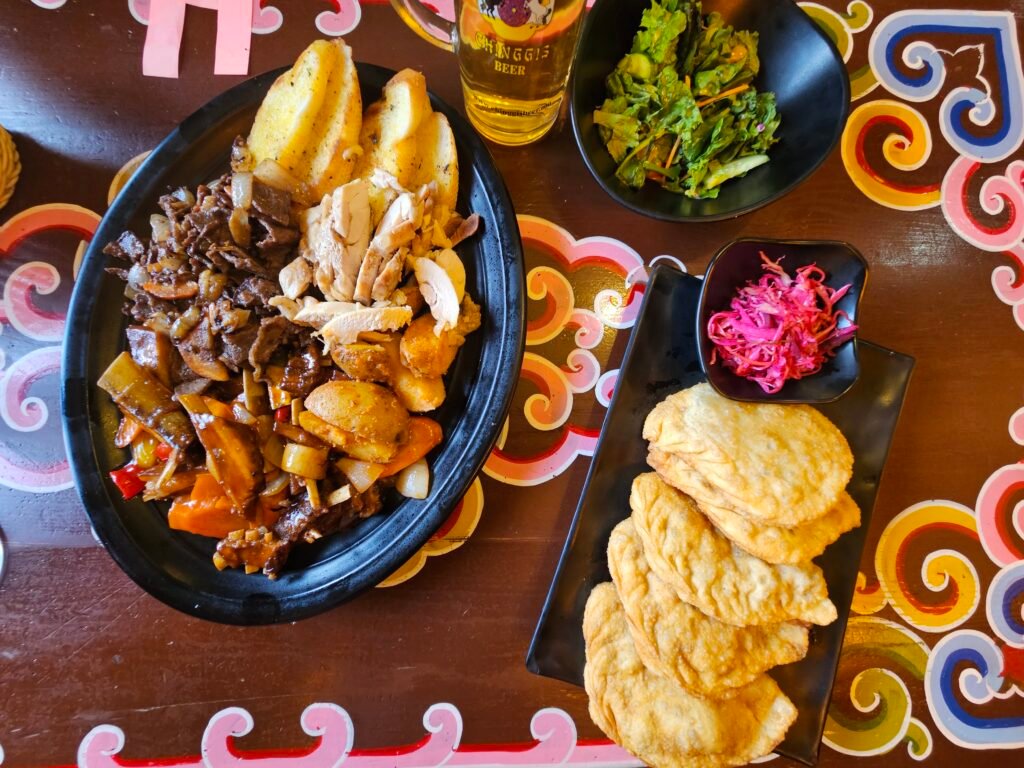
Buuz
These were my son’s favourite! Buuz are steamed Mongolian dumplings filled with meat.
They’re probably one of the easiest traditional foods to introduce to children because they aren’t particularly unfamiliar in appearance.
Khuushuur
Khuushuur are fried meat pastries or dumplings.
They’re crispier than buuz, and you’ll often see them served during Naadam.
Tsuivan
Tsuivan is a noodle dish cooked with meat and vegetables.
This is another relatively approachable option for children who aren’t keen on experimenting with unfamiliar foods.
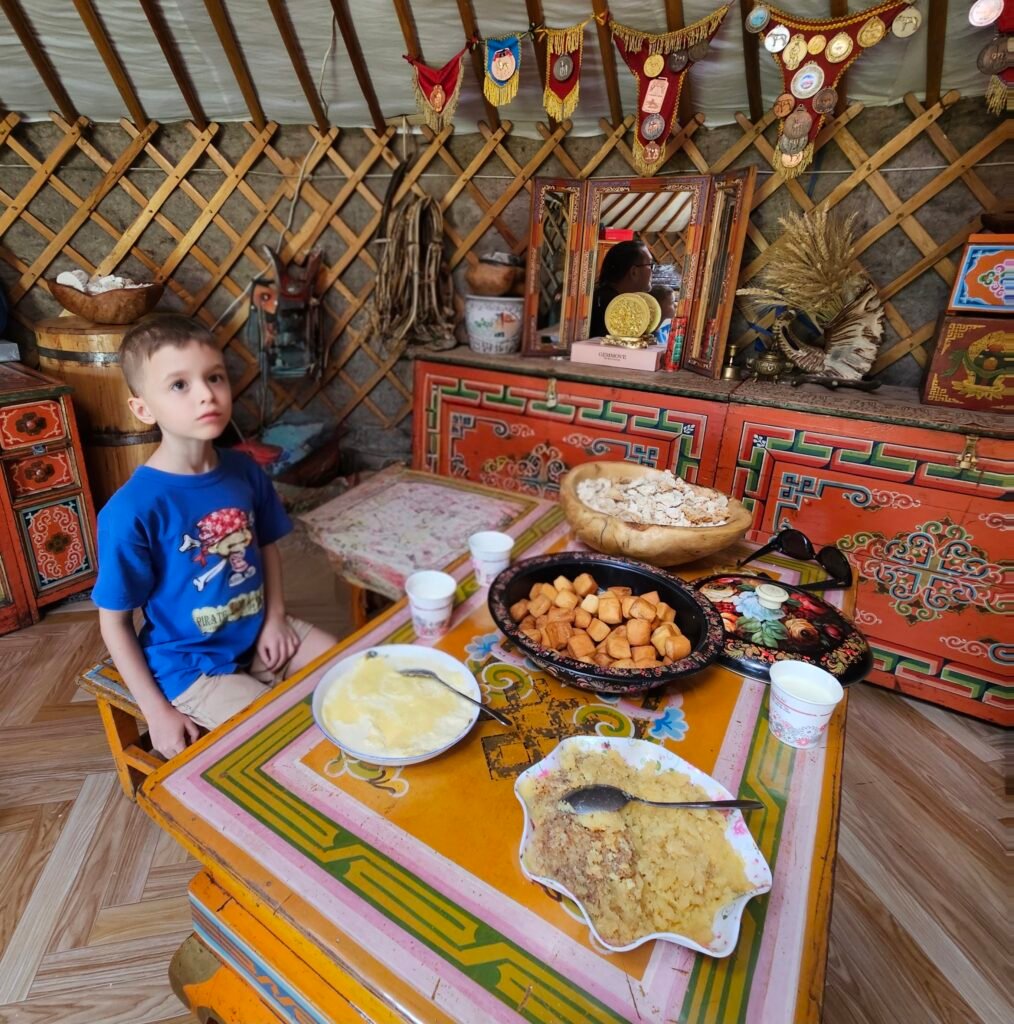
Aaruul
Aaruul is dried curd, made from dairy products.
We actually watched families make curds at Mongol Nomadic Tourist Camp, which made it much more interesting than simply being handed an unfamiliar piece of dried dairy.
Quite honestly we didn’t like it that much as it was very hard, and lacked flavour, but it’s just one of these things that you gotta try when in Mongolia!
Airag
Airag is fermented mare’s milk and is one of Mongolia’s most famous traditional drinks.
It’s an interesting part of Mongolian food culture, although I wouldn’t assume your kids will be desperate to try it.
How to get around Mongolia with kids
This is where planning a Mongolia trip becomes very different from planning a trip around Europe.
Mongolia is huge.
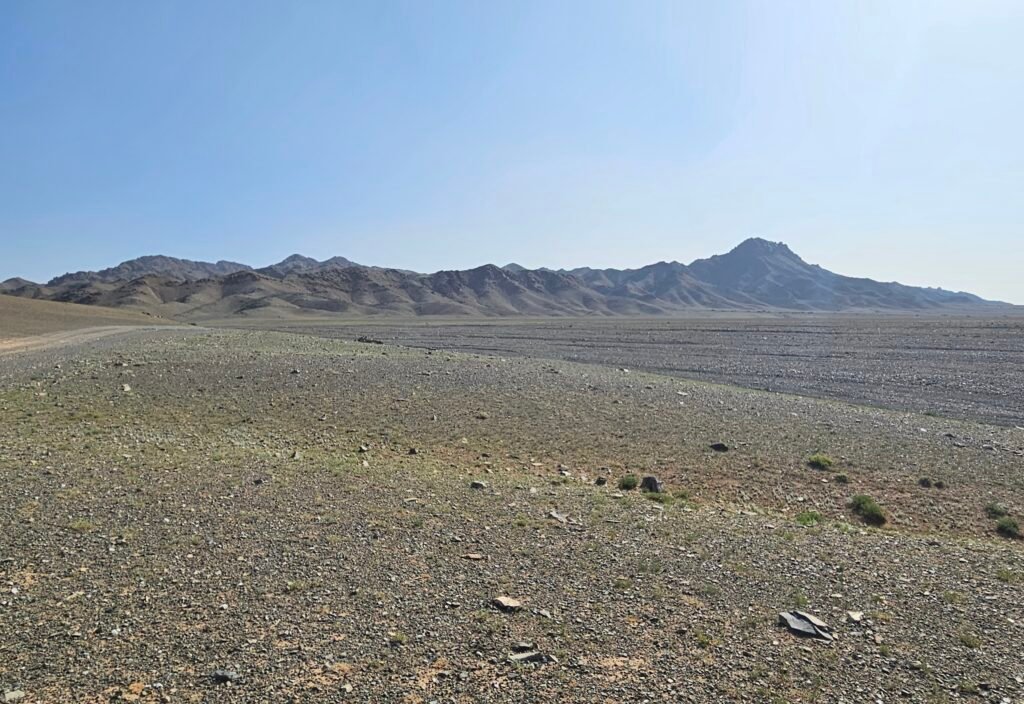
And once you leave Ulaanbaatar, the distances between attractions can be considerable. Convenient public transport doesn’t connect many of the most interesting places, so road travel is a major part of exploring the country.
We based ourselves in Ulaanbaatar, and took tours from there. We booked with Dream Mongolia and had a fantastic experience.
Travelling by road
For destinations such as the Gobi, a private vehicle with a driver or an organised tour is usually the most practical option for families.
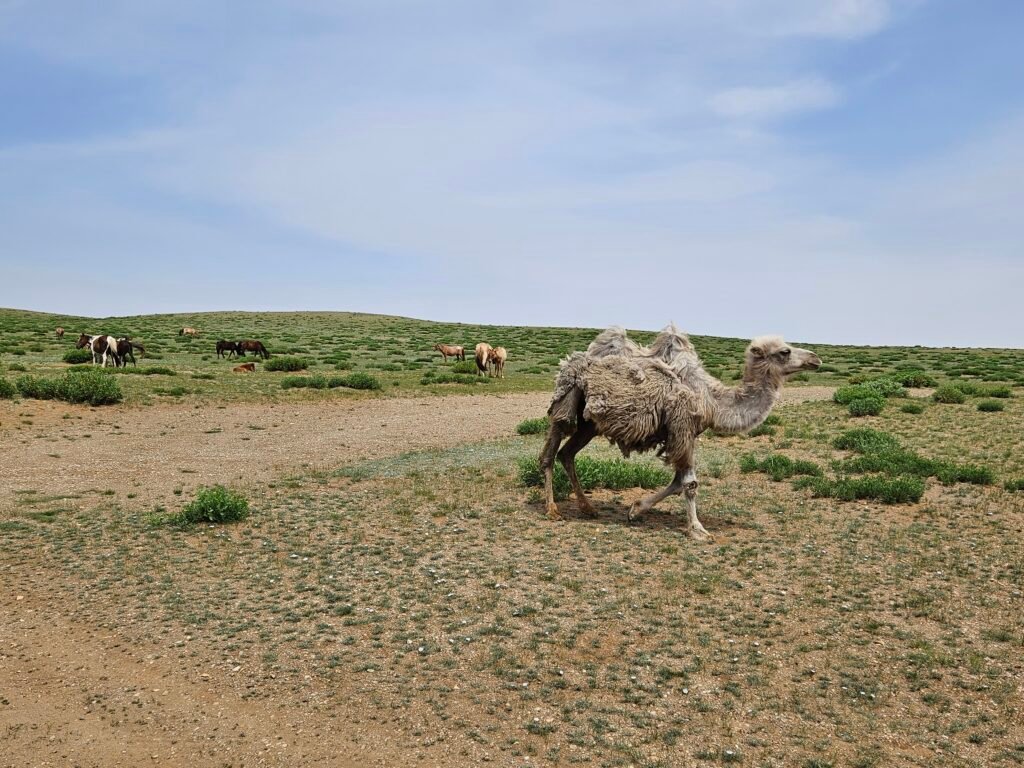
You don’t need to spend every minute staring at a map and wondering whether the road you’re on is actually a road. To get to most of the places you need to drive through the steppes, with no actual roads or signs. For that reason I would not recommend driving through Mongolia yourself.
The condition of rural roads can vary considerably, and travel times can be much longer than the distance on a map suggests.
How long do you need in Mongolia?
This is one of the hardest questions because Mongolia can be visited in a week, but you can also spend much longer exploring it.
For a first family trip, I would rather see fewer places properly than attempt to cover the entire country.
A shorter trip could focus on:
Around one week
- Ulaanbaatar
- Chinggis Khaan Statue Complex
- Gorkhi-Terelj
- A nomadic cultural experience
- A ger camp
Around 10 to 14 days
You could add:
- Hustai National Park
- A longer countryside trip
- The Gobi
- Flaming Cliffs
- Tsagaan Suvarga
- Yolyn Am
The best time to visit Mongolia with kids
For most families, June to August is the easiest time to travel around Mongolia.
Summer is the main travel season, with warmer temperatures, greener landscapes in some regions and better access to tourist camps and outdoor activities. July is particularly interesting because of Naadam, which takes place from July 11 to 13. The downside is that July and August are also the busiest months, and popular ger camps and tours can be in higher demand.
The weather can also change quickly. Even in summer, don’t pack as though you’re going to spend two weeks somewhere permanently hot. Bring layers. You can have a warm sunny afternoon followed by a surprisingly cold evening, especially when you’re staying in a ger or travelling at higher elevations.
When we arrived to Mongolia in the middle of June, it was still 11 degrees C, dropping to almost 0 overnight. It stayed that way for the first week that we were there. It eventually got warmer closer to July and was almost 30 degrees C some of the days). But there were days when the weather would change and become cool and rainy again.
Winter is a completely different proposition. Mongolia has brutally cold winters, and Ulaanbaatar is one of the coldest capital cities in the world. Winter travel can be fascinating if that’s specifically what you’re looking for, but for a first family trip I’d choose the warmer months.
Visa requirements for Mongolia
This is one area where you should check the rules shortly before travelling because visa policies can change.
For 2026, Mongolia has exempted citizens of 34 countries from tourist visa requirements for stays of up to 30 days. The current list includes Ireland, the UK, Australia, New Zealand and a number of European countries.
Citizens of many other countries can apply for a Mongolian e-visa. Mongolia’s Immigration Agency currently lists 99 countries as eligible for e-visas. The important thing is to check based on your passport, not where you are travelling from.
The current visa exemption for the 34 listed countries is for tourism for up to 30 days. The Immigration Agency also states that travellers need the appropriate visa arrangements once their stay goes beyond what a visa exemption allows. We stayed in Mongolia for two months, and were able to extend the 30 day visa stay for another month easily.
If you’re planning a longer stay, check the Mongolian Immigration Agency before booking anything non-refundable.
Official Mongolia Immigration Agency
Practical tips for travelling to Mongolia with kids
These are the details that made the biggest practical difference for us. For more on what we always pack, see our family travel gear guide.
Don’t underestimate the distances
Mongolia is enormous, and the journey between two interesting places can take most of a day.
We did a lot of driving (between 4 and 6 hours in a single day), and some places required a flight.
Bring layers
Summer doesn’t mean consistently hot weather.
A warm jacket or fleece, comfortable trousers and something to protect against wind are useful.
If you’re staying in a ger, you’ll also appreciate having warm clothes for the evening and early morning (especially because you will have to go outside to get to the bathroom).
Bring sun protection
There isn’t much shade in many parts of the countryside.
A hat, sunscreen and sunglasses are useful, especially when you’re spending long periods outside.
Carry water
For long road journeys, keep water with you.
Outside Ulaanbaatar, you can’t assume there will be a shop conveniently located every time someone decides they’re thirsty.
This is particularly important with children.
Download things before leaving the city
Internet access is generally fine in Ulaanbaatar, but connectivity becomes much less reliable once you’re in remote areas.
Download:
- Offline maps
- Hotel and ger camp information
- Important travel documents
- Entertainment for children (our worldschooling apps guide has ideas by age)
- Any films, audiobooks or podcasts you might want during long drives
Carry some cash
Cards are increasingly useful in Ulaanbaatar, but cash is still handy outside the capital.
Small shops, rural businesses and some camps may not have the same card facilities you would expect in a major European city.
Prepare for dusty roads
Mongolia is not the place to pack your child’s best white clothes.
There can be plenty of dust and dirt once you’re travelling through the countryside.
Comfortable clothes and shoes are much more useful.
Respect religious sites
Mongolia has a long Buddhist tradition, although that tradition was heavily suppressed during the communist period.
When visiting monasteries, dress respectfully, follow local instructions and remember that these are still functioning religious sites.
Don’t assume every horse is a beginner’s horse
Horse riding is one of the most appealing things to do in Mongolia with kids, but make sure the operator knows your child’s age and riding experience.
Ask about supervision, helmets and the temperament of the horses.
Mongolian horses are generally smaller and stockier than many horses you may be familiar with, but they’re still horses, and children should be supervised appropriately.
Is Mongolia safe for families?
We felt comfortable travelling around Mongolia with our son. I also felt very safe walking around Ulaanbaatar, and generally people were very welcoming and friendly.
As with any destination, normal precautions make sense, but the main things I’d think about on a family trip aren’t necessarily crime-related.
They are more practical.
The biggest considerations are:
- Long journeys
- Rural road conditions
- Rapid weather changes
- Strong sun
- Remote locations
- Limited medical facilities outside major towns
- Access to food and water during long drives
- Horse riding and other outdoor activities
Travel insurance is important, particularly if you’re planning horse riding, hiking or remote travel.
Check the policy carefully rather than assuming that all adventure activities are automatically covered.
Where to stay in Mongolia with kids
The obvious choice is a combination of hotels in Ulaanbaatar and ger camps in the countryside. In Ulaanbaatar, staying centrally makes sightseeing considerably easier, particularly if you want to walk to museums and Sukhbaatar Square.
Ulaanbaatar has a huge variety of hotels, from luxurious ones to more basic. Here are some of the great options to choose from in the capital:
Novotel Ulaanbaatar
This modern 4-star hotel is in the Sukhbaatar District, around a 10 to 15-minute walk from Sukhbaatar Square. It’s a particularly good option for families because it has an indoor swimming pool, fitness centre, sauna and spa, as well as restaurants, bars and free Wi-Fi. The hotel has 192 rooms, including rooms with a king bed and sofa or twin beds and a sofa, which can work well for families. It’s also within walking distance of the Government House and many of the central museums and attractions. The hotel is part of the Accor group, so it’s a good choice if you prefer the predictability of an international hotel chain when travelling with children. Check rates and availability.
Ulaanbaatar Hotel
This 5-star hotel is one of the city’s historic hotels. The building dates back to 1959 and has been renovated, so it combines a more traditional feel with modern facilities. It’s right in the heart of downtown Ulaanbaatar, making it particularly convenient for sightseeing and exploring the city on foot. Facilities include a fitness room, conference facilities, lounge and restaurant, along with Wi-Fi and air-conditioned rooms. It’s around 15 minutes by car from the railway station and approximately 30 minutes from the airport, depending on traffic. Check rates and availability.
Bishrelt Hotel
This 4-star hotel is in central Ulaanbaatar, on Laagan Street in Chingeltei District. It’s around 800 metres from Sukhbaatar Square and the Government House, and Gandan Monastery is about 0.8 km away, making it a convenient base for sightseeing. The hotel has a restaurant, bar and karaoke lounge, along with free Wi-Fi, breakfast and free private parking. Rooms have air conditioning, minibars, tea and coffee facilities, and 24-hour room service is available. It is a slightly more traditional-feeling hotel than the Novotel and can be a good option if you want to stay centrally without going for a 5-star property. Check rates and availability.
Ger camps outside Ulaanbaatar
Outside the capital, ger camps range from very basic to surprisingly comfortable. Don’t assume that “ger camp” automatically means roughing it.
Some have proper beds, restaurants, electricity and modern bathroom facilities with hot showers and western toilets. Others are much more basic.
If you’re travelling with children, check exactly what is included before booking.
Look at:
- Private or shared bathroom
- Heating
- Electricity
- Bedding
- Restaurant facilities
- Distance from the nearest town
- Whether activities are available
- Whether transport is included
How much does a trip to Mongolia cost?
Our experience of Mongolia was that Ulaanbaatar itself was quite affordable, while travelling around the countryside was considerably more expensive.
We used Ulaanbaatar as our base and spent two months there, staying in a two-bedroom Airbnb right in the city centre. It wasn’t luxurious, but it was comfortable enough for the three of us and cost around $900 USD per month. We were there during the high season and Naadam, so prices were higher than they would be at other times of year.
We also found everyday expenses quite reasonable. Groceries were affordable, and eating out was generally good value, with a typical meal costing around $7 to $10 USD per person, depending on the restaurant.
Where the costs really started to add up was when we left the city.
Most of the countryside trips we did were private tours, with our own vehicle and English-speaking guide. This gave us a lot of flexibility, but private tours in Mongolia aren’t particularly cheap.
What did our Mongolia tours cost?
These are the prices we were quoted for private tours, including transportation, an English-speaking guide, entrance fees, meals and ger camp accommodation where applicable.
2-day National Parks and Nomadic Culture tour: $710 USD for three people.
This included Gorkhi-Terelj National Park, the Chinggis Khaan Statue Complex, Hustai National Park, an overnight stay in a ger camp, the Mongol Nomadic cultural show and a traditional Mongolian music performance in Ulaanbaatar.
The price included transportation, guide, entrance fees, breakfast, two lunches, dinner and the Mongol Nomadic show.
3-day Gobi Desert tour: $2,060 USD for three people
This option covered the Flaming Cliffs, Khongor Sand Dunes and Yolyn Am, with two nights in ger camps and flights included.
The price included transportation, domestic flights, an English-speaking guide, entrance fees and two breakfasts, lunches and dinners.
There was also a longer version of this tour, 5-day Gobi Desert tour at the price of $2,330 USD for three people.
This covered Tsagaan Suvarga, the Flaming Cliffs, Khongor Sand Dunes and Yolyn Am, with four nights in ger camps and a flight back to Ulaanbaatar.
Final thoughts: would we recommend Mongolia with kids?
Yes.
But I’d recommend it to the right kind of family.
If you’re looking for a very easy holiday with short transfers, predictable facilities and plenty of entertainment laid on for children, Mongolia probably isn’t the obvious choice.
If your family likes animals, history, unusual cultures, outdoor adventures and seeing how people actually live in different parts of the world, it’s a very different story. Mongolia gives children plenty to be curious about.
There are dinosaur fossils, wild horses, Buddhist temples, Genghis Khan, traditional games, throat singing, horses, deserts, mountains and the rather brilliant experience of sleeping in a ger.
For a family willing to embrace the long drives, the rougher roads and the occasional lack of convenience, it can be one of those trips your children remember for a very long time.
One Comment