


How We Pack for Long-Term Family Travel: What We Take, What We Leave Behind
There is a big difference between packing for a two-week holiday and packing for long-term travel, when your suitcase has to support a life that happens to be moving between countries.
When you’re going away for ten days, it’s easy to think in terms of contingencies.
What if it rains?
Do I need something nice for dinner?
What if it’s colder than expected?
Could my child get bored?
Before you know it, you’ve packed half your house.
What Packing for Long-Term Travel Actually Looks Like
We know because we’ve done it. We started travelling with our son when he was almost four years old. Since then, we’ve travelled through more than 90 countries as a family, while working, worldschooling and sometimes staying in one place for weeks or months at a time.
Over the years, our approach to packing has changed dramatically. Not because we suddenly discovered some magical suitcase that fits everything. Quite the opposite. We’ve gradually learned that we need far less than we think we do.
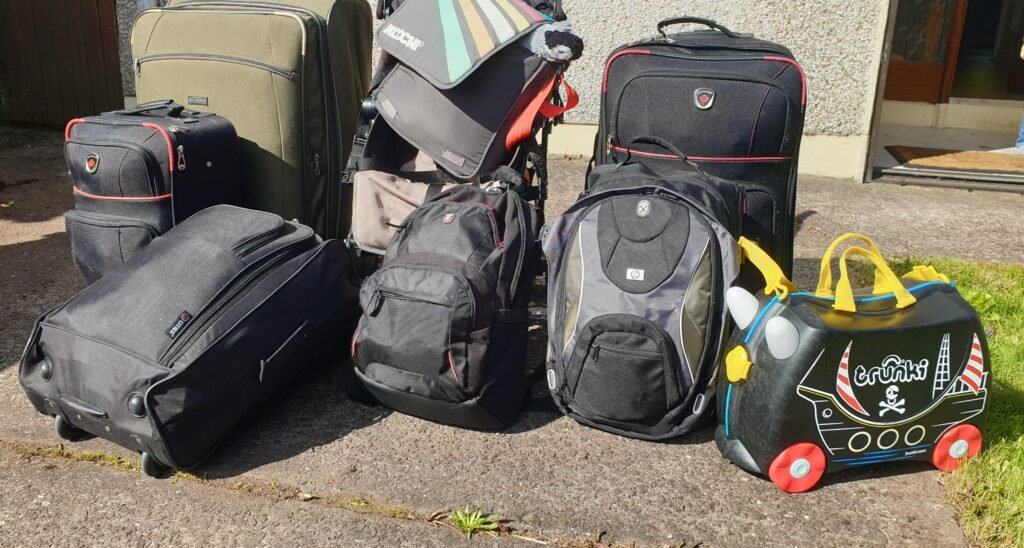
Our luggage even became a practical problem at one point. Too many bags meant that a standard taxi couldn’t necessarily fit all of us and our luggage, which meant taking two taxis or paying more for a larger vehicle. Eventually, we downsized to two large suitcases and two backpacks.
That change made a surprisingly big difference. Because when you’re travelling long-term, luggage isn’t something you deal with once at the airport. You carry it through airports, you put it into taxis, you drag it over pavements, you take it up stairs.
So these days, our packing philosophy is fairly simple: Everything has to earn its place. This isn’t a minimalist packing challenge. We aren’t trying to prove that a family of three can live out of one backpack.
We’re trying to make long-term travel comfortable without making our belongings a burden.
The Biggest Thing We Learned About Packing for Long-Term Travel
Almost everything feels essential when you’re packing at home.
You look at something and think, “We’ll probably need this.” And because you’re surrounded by everything you own, it’s very easy to keep adding things. A few extra clothes here, something for a hypothetical situation there, a gadget that might come in handy…
The problem is that you’re making the decision in the wrong environment.
At home, the question is:
Could this be useful?
After years of travelling, we’ve learned to ask a different question:
Is this useful enough to justify carrying it through the next several months?
That’s a much higher bar.
Before something goes into our luggage, we think about how often we’ll actually use it, whether something else can do the same job, whether we can buy it where we’re going, how difficult it would be to replace, and whether we’ll need it immediately.
And perhaps the most useful question of all:
Would we actually miss this if we left it behind?
The Real Cost of Carrying Too Much on Long-Term Travel
There are plenty of things that are nice to have. There are far fewer things that are genuinely worth transporting across countries.
We’ve also become much more comfortable with the idea that we don’t have to anticipate every possible situation.
If something gets dirty, we can wash it. A worn-out piece of clothing gets replaced. If we suddenly need something we didn’t bring, there’s a good chance we can buy it locally.
And if we discover that we brought something completely unnecessary? We’ve learned not to be too sentimental about getting rid of it.
That’s one of the biggest differences between packing for a holiday and packing for long-term travel. You’re not trying to prepare for every possible scenario. You’re deciding what is genuinely worth carrying with you.
The longer you travel, the more obvious the difference becomes.
A few extra kilograms might not seem like much when your suitcase is sitting in your bedroom. It feels very different when you’re dragging it through an airport, lifting it onto a train, getting it into a taxi, carrying it up stairs and then doing the whole thing again a few weeks later.
The freedom of having less stuff is often worth far more than the convenience of having every possible thing available.
What Packing for Long-Term Travel Includes
Our luggage isn’t empty. We still need clothes, electronics, toiletries, school materials and all the normal things required to function as a family.
The difference is that we try to pack for real life rather than hypothetical life.
Clothes: Pack for Laundry, Not for the Length of Your Trip
This is probably the biggest mental shift for anyone packing for long-term travel.
If you’re travelling for three months, you don’t need three months of clothes. You don’t even necessarily need a month’s worth. You need enough clothes to get through your normal laundry cycle. That’s a completely different calculation.
Current long-term and one-bag travel discussions repeatedly come back to exactly this problem: people worry about how they’ll manage laundry, then realise that avoiding laundry is what creates the enormous luggage problem in the first place.
When we’re choosing long-term accommodation, a washing machine is one of the practical things we pay attention to because normal life becomes much easier when you can wash clothes where you’re staying. We’ve written more about choosing accommodation that actually works for a family in How to Find Long-Term Accommodation That Actually Works for a Family.
We think about clothes in terms of:
- things we actually like wearing
- clothes that work in multiple situations
- layers rather than single-purpose outfits
- items that can be washed easily and don’t crease (unless you really love ironing)
- clothes appropriate for the destinations we’re actually visiting
We’re also much less interested in packing an outfit for every possible occasion. Long-term travel isn’t a three-week holiday where every dinner might be an event. Most days are just normal days.
Shoes deserve the same treatment
Shoes are particularly easy to overpack because they’re bulky and because it’s tempting to imagine every possible activity. But three or four pairs of shoes can occupy a ridiculous amount of luggage space. We think much more carefully about whether a pair can serve several purposes.
If we’re travelling somewhere hot, that’s different from spending several weeks somewhere cold. The key is to pack for the trip you’re actually taking — not every trip you might take in the future.
What we typically pack is one pair of high quality comfortable hiking sandals per person, one pair of close-toe shoes or runners, and one pair of flip flops. We love Ecco sandals because they are comfortable during a hike, a city walk and they actually look nice.
Electronics: What We Actually Need for Long-Term Travel
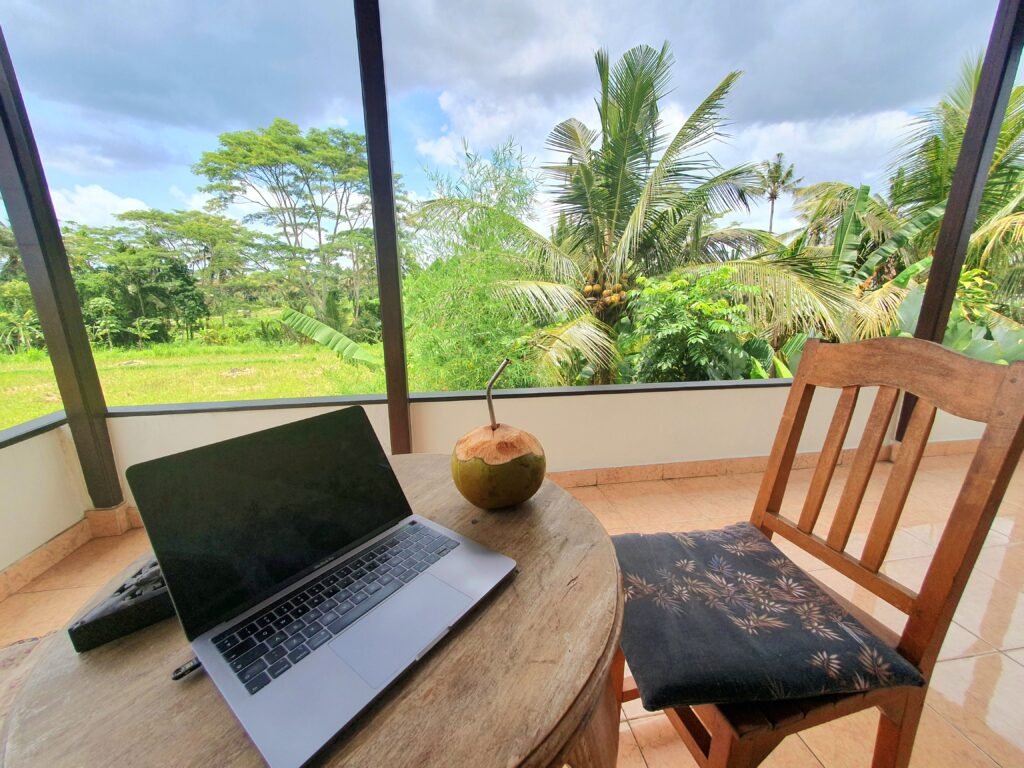
As digital nomads, electronics are one category where we can’t simply say, “We’ll buy it when we get there.”
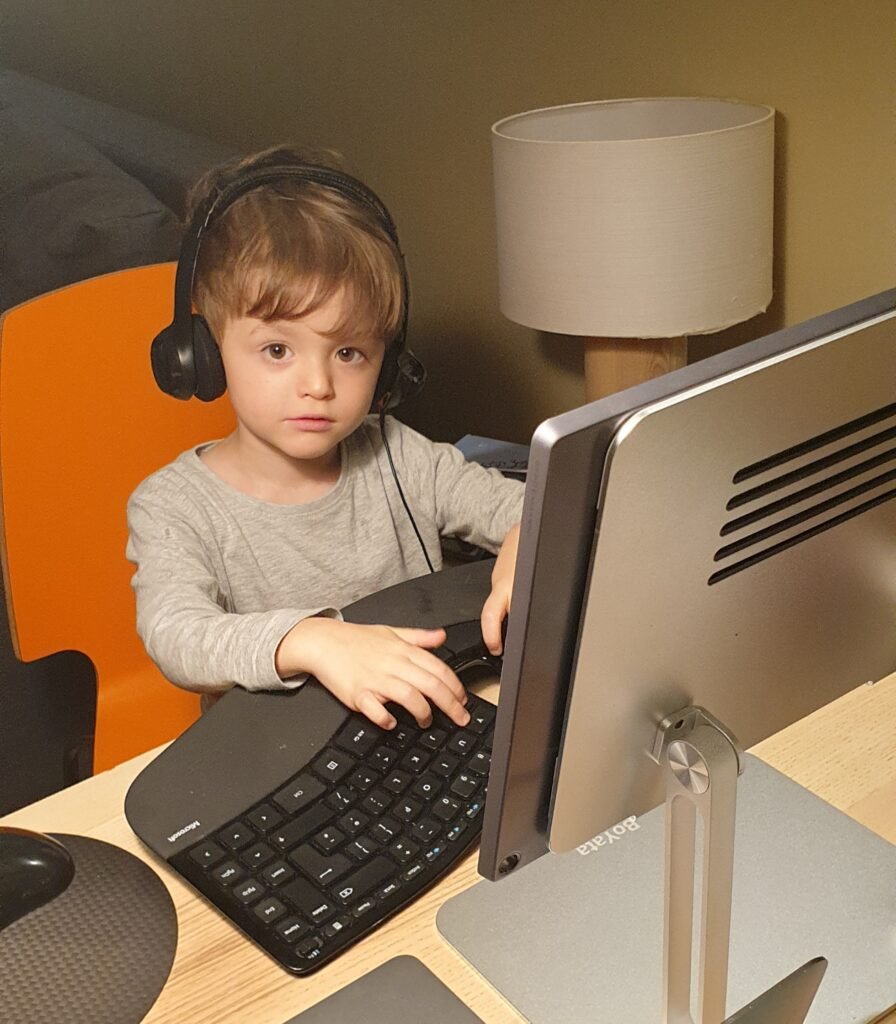
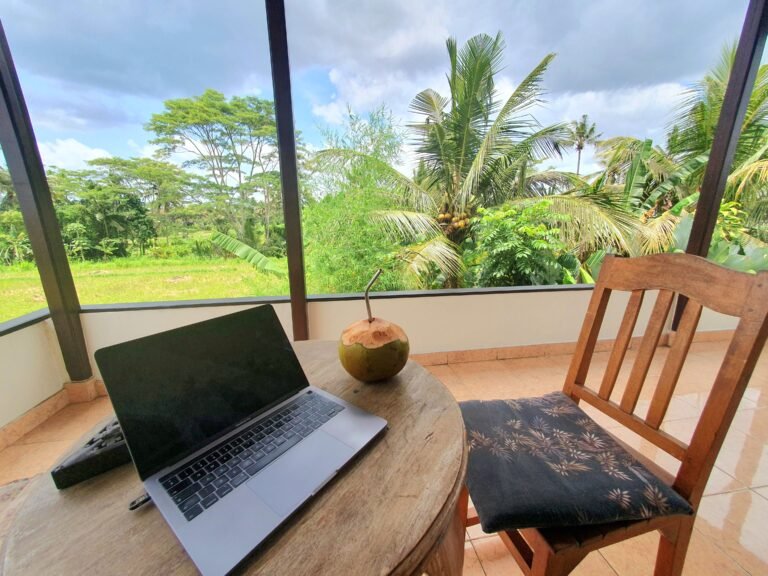
Our work depends on them. Our son’s worldschooling also uses digital resources. Phones alone act as maps, communication tools, cameras, booking tools and travel information, all in one. So electronics earn their space more easily than many other things.
But even here, there is a difference between necessary technology and technology that happens to be interesting. We don’t want to carry multiple versions of the same thing just because each one might occasionally be useful.
We carry two laptops, two phones and a tablet. As my husband and son love gaming, we also carry the Xbox and the controllers. Of course, this is a personal choice, and we could do without it, however we find that the Series S Xbox is fairly compact and doesn’t add too much weight to our overall luggage.
Chargers and cables also have a tendency to multiply when you’re not paying attention. Keeping electronics consolidated and organised makes moving much easier. We love this travel cable organiser, as it keeps cables neat, and stops them from getting tangled or breaking.
For the specific travel gear and equipment that has survived our years of travelling, see our guide to Family Travel Gear We Actually Use. That article is deliberately about the actual products and gear we use; this one is about deciding what deserves to come with us in the first place.
Staying Connected: Internet and Data on Long-Term Travel
Being online isn’t optional for us. Work, worldschooling and simply finding our way around a new city all depend on a working connection, so this is a category we treat as seriously as the electronics that carry it.
Our approach has shifted a lot over the years, and eSIMs now cover most of what we need country to country, especially if we are somewhere for a short amount of time. We use Airlo and Nomad eSIM, and both work great. But a physical backup still earns its place in the bag. A portable WiFi hotspot lets all three of us share one connection instead of buying three separate local SIMs every time we cross a border, which matters most in regions where eSIM coverage is patchy or a local SIM is genuinely cheaper. We’ve had good results with hotspots like the SIMO Solis Hero, which covers 140+ countries on one device and doubles as a power bank.
None of this works if the battery is dead, so a reliable portable power bank and a good universal travel adapter travel with the rest of our electronics, not as an afterthought.
Worldschooling Materials: Resist the Temptation to Pack a Classroom
This is one of the easiest traps when packing for long-term travel as a worldschooling family. You start thinking about education and suddenly you’re imagining: workbooks, notebooks, art supplies, educational games, reference books, flashcards, craft materials…
And before you know it, you’re carrying a classroom. We don’t think worldschooling requires that.
One of the advantages of learning while travelling is that the environment itself provides an enormous amount of material. Museums become classrooms. Markets become maths exercises. Historical sites become history lessons.
A new country creates opportunities for geography, culture, language and social studies. That doesn’t mean formal learning disappears. It means we don’t need to transport an entire schoolroom around the world.
Digital resources can replace a lot of physical material. Books can be bought or borrowed. Art materials can often be sourced locally. And many things that feel essential before departure turn out to be things you barely touch once you’re travelling.
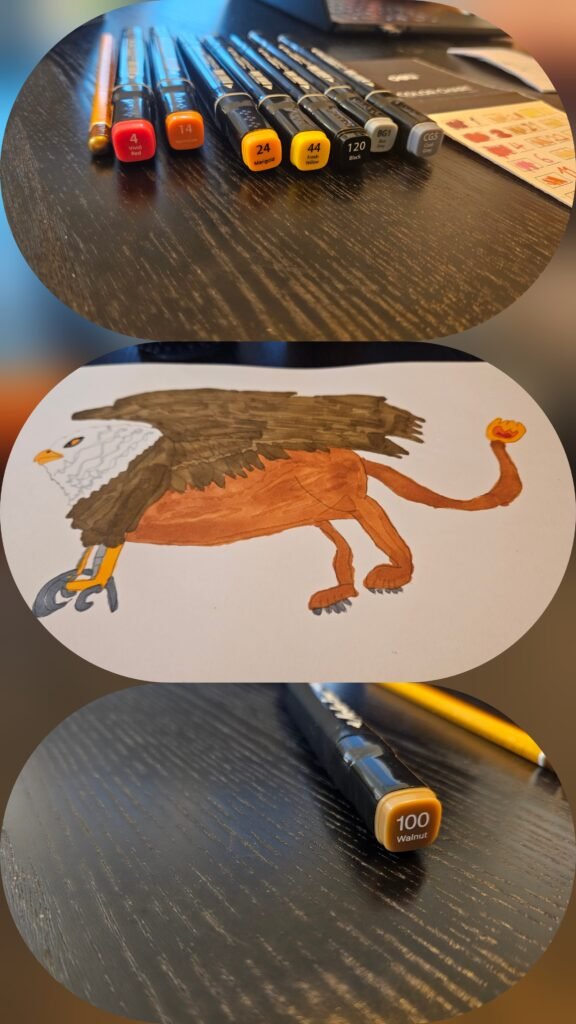
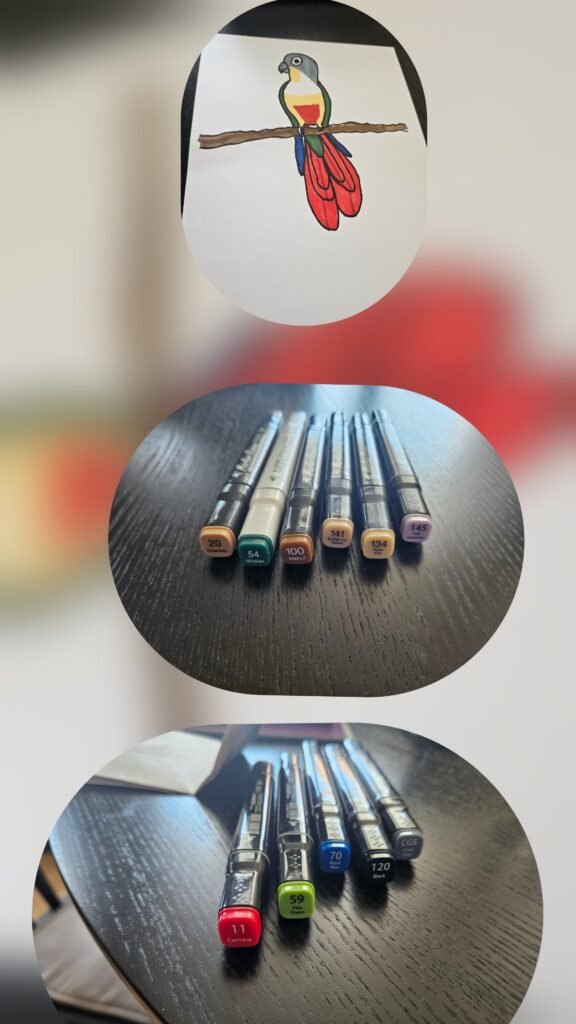
We do still carry some art supplies for our son: some paper, pencils and markers, like this set here. But we definitely don’t pack a whole art studio with us, only the things he genuinely uses almost daily.
The important distinction is between materials that genuinely support your child’s learning and materials you’re bringing because having them makes you feel more organised.
Those aren’t always the same thing.

Books: The Difficult One for a Child Who Loves Reading
Books are probably one of the harder decisions when packing for long-term travel.
Our son is an avid reader and, at nine, reads at approximately an eighth-grade level. So telling a child who loves books that they’re only allowed to bring one tiny paperback isn’t particularly realistic. But neither is carrying a personal library around the world.
This is where we’ve had to think about the difference between loving books and needing to physically own every book you’re reading.
There are several ways to solve the problem:
E-readers and digital books
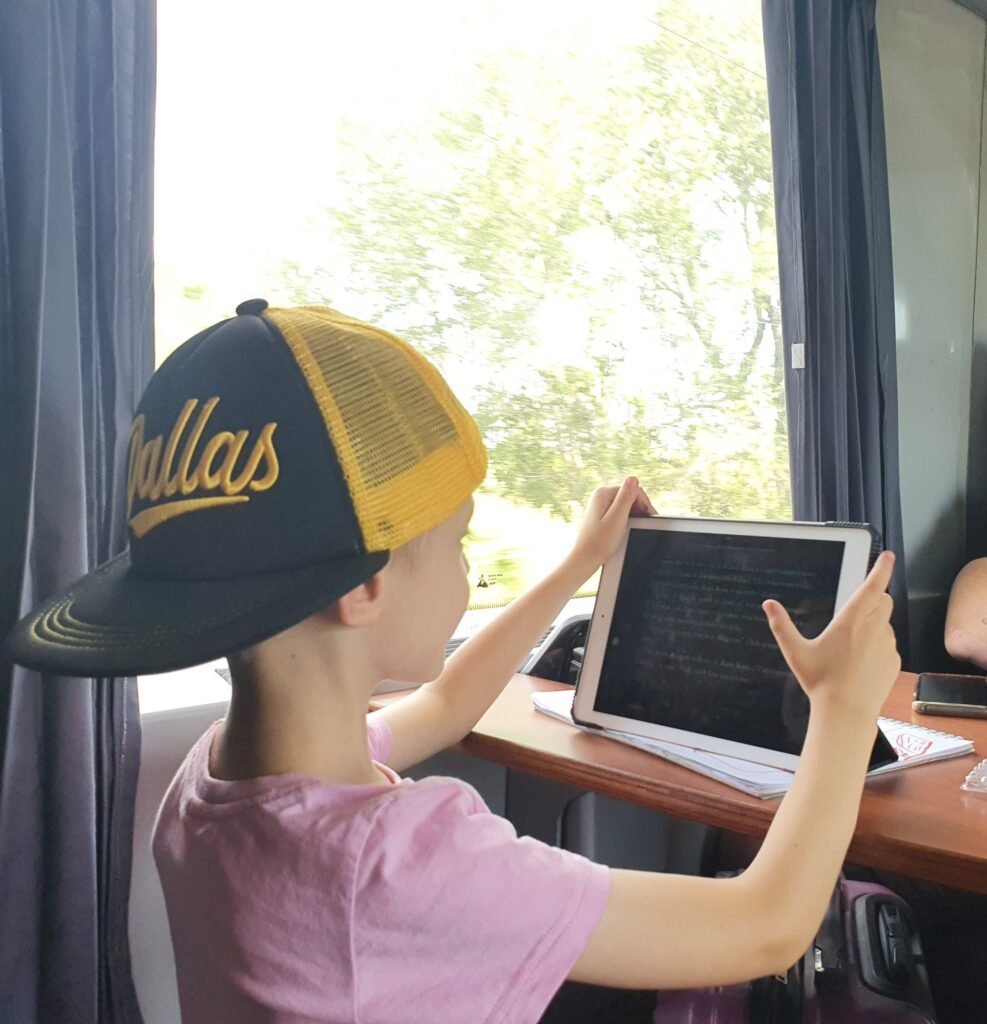
For a serious young reader, e readers and digital books can solve an enormous logistical problem.
An entire library can fit into something that weighs very little.
That doesn’t mean physical books disappear completely. It just means you don’t have to transport every book your child might want to read.
Buying books locally
This can actually become part of the travel experience.
Finding an English-language bookshop in another country can be surprisingly fun, and local bookstores sometimes become places we wouldn’t otherwise have discovered.
Libraries and book swaps
Depending on where you’re staying, local libraries, second-hand shops and book exchanges can also help. The point isn’t to eliminate physical books.
It’s to stop books becoming a luggage problem. For us, this is particularly important because our son isn’t going to suddenly stop reading because we’re travelling. His reading is one of the things we actively want to support.

Toys and Entertainment: Choose High Replay Value
Children don’t need an entire toy box to travel. In fact, bringing too many toys can create a strange problem: they take up loads of space but don’t necessarily provide much entertainment.
For us, replay value matters far more than quantity.
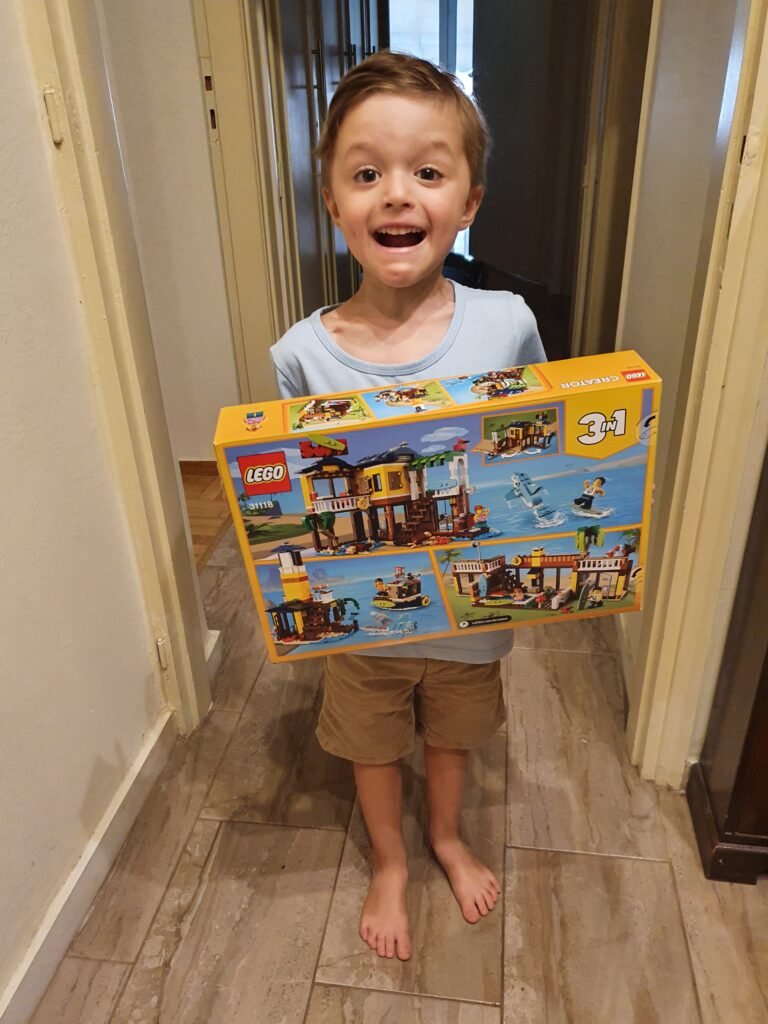
LEGO is a good example, especially 3-in-1 sets. It’s something our son can return to repeatedly, build in different ways and spend a significant amount of time with. That makes it very different from a toy that provides ten minutes of entertainment and then sits in the suitcase for six months.
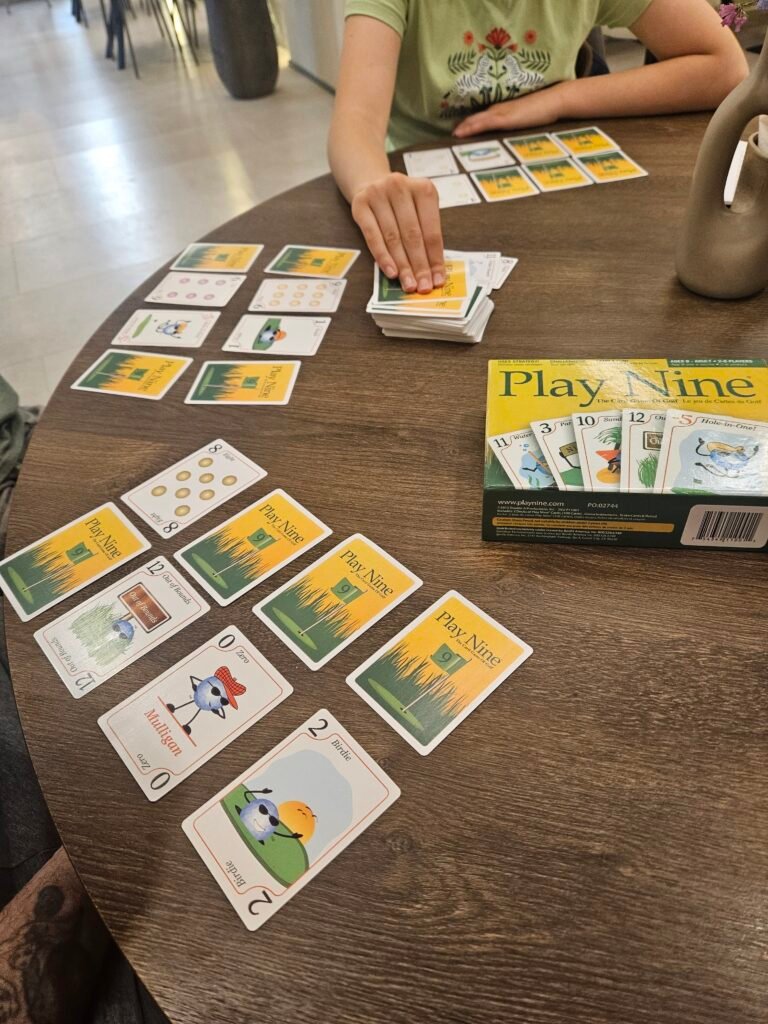
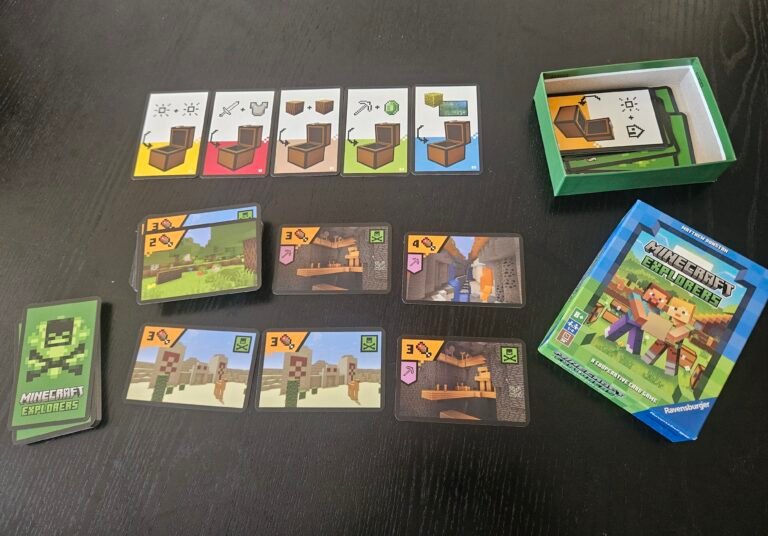
Another thing we think is worth the space in the suitcase is a couple of small board games. They can be replayed many times, fun for all family, and provide screen free entertainment. Our son is a bit board game obsessed, so it’s a win-win for all. I have written a detailed post about board games that we have played and enjoyed as a family, that are small and compact enough to carry around in the suitcase.
And there is another important consideration: the world is entertaining.
A new city, beach, market, museum, train journey, playground or strange-looking supermarket can occupy a child in ways you can’t replicate with another toy packed from home.
Toiletries: Don’t Pack Six Months’ Worth
Toiletries are another category where people packing for long-term travel can accidentally pack for the entire duration of the trip.
You don’t need six months of shampoo because you’re travelling for six months. In fact we rarely buy shampoo when travelling because most airbnb’s and hotels provide it. We only buy it when we arrive and there is none provided already. Most toiletries can be replaced on the spot.
We still carry the things that matter to us personally and anything we’d rather not have to search for immediately after arriving, such as sunscreen, make up, face wash, shaving accessories, etc. But we have learnt to be pretty minimalistic with it, and never carry more than what we actually use. I am not going to use three different sets of eye shadow or five types of lipstick so I don’t carry them around the world.
We like this large family toiletries travel bag as it fits everything we need nice and neatly, and is well organised so it’s easy to find what you are looking for.
Swimming and sunshine
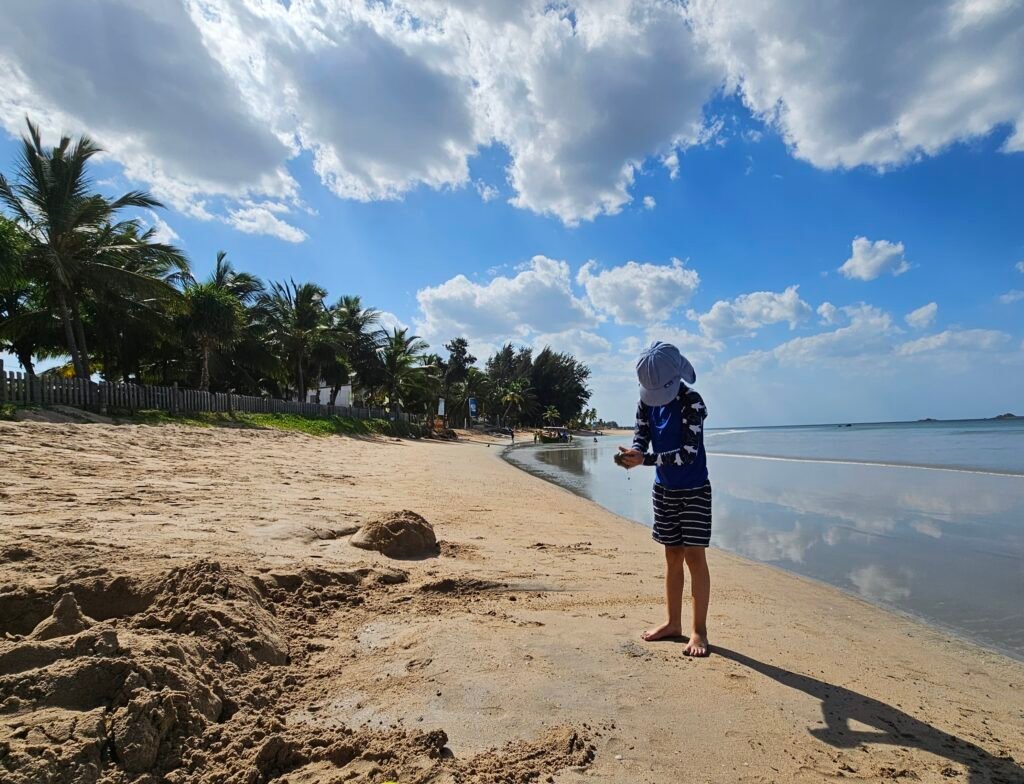
Swimwear for adults and kids
For long-term travel, we prioritise quick-drying swimwear with UPF rash guards, goggles and a good sun hat. A full UPF rash guard set for kids is particularly useful for long days at the beach, pool or snorkelling, while goggles take up almost no luggage space and get used constantly. A packable, wide-brimmed UPF hat is another travel essential — especially for children, where a chin strap can keep it securely in place on boats and windy beaches.
A Snorkel Mask That Actually Fits
Our son has never been a fan of the snorkel masks provided on tours. They’re often designed for adults, don’t fit his face properly, and can make what should be an exciting snorkeling trip pretty frustrating. We eventually got him his own properly sized snorkel mask, and it made a huge difference. It’s one of those pieces of gear that is worth carrying when you’re travelling with a child who loves the water — especially if you’re doing a lot of snorkeling.
Inflatable Swimming Vest
Before our son learned to swim confidently, an inflatable swimming vest was something we used constantly. It came with us to hotel pools, beaches and snorkeling trips and gave him a bit of extra buoyancy while he was still learning. We particularly liked having one that was easy to inflate and deflate, because it took up very little space in our luggage. Obviously, it was never a substitute for supervision, but it gave him more freedom to enjoy the water while he was developing his swimming skills.

Medicines and Health Essentials
This is one area where being minimalist shouldn’t mean being careless.
Anything that you or your child needs regularly is different from something you could easily buy in a supermarket.
For important medication and health essentials, think about what you actually need for the journey and the early part of the stay, rather than assuming you can always replace everything immediately.
It’s also worth keeping prescriptions and relevant medical information accessible and making sure important items aren’t buried at the bottom of a suitcase.
The broader packing principle still applies:
The harder something is to replace, the more valuable its luggage space becomes.
Important documents, essential medication and irreplaceable personal items don’t need to justify themselves in the same way as a third pair of sandals.
If you carry prescription medication, always check the rules and restrictions that apply in the countries you’re travelling to.
Keeping Our Family and Belongings Secure
After 90+ countries, we’ve learned that most places are safer than the headlines suggest, but a few simple habits mean we don’t have to think about it once we’ve packed.
Every checked bag gets a TSA-approved lock, and each suitcase travels with a Bluetooth luggage tracker tucked inside, so if a bag ever goes missing between flights, we know where it is before the airline does. An RFID-blocking travel wallet keeps our cards safe from contactless skimming in crowded stations and markets.
None of this is about travelling nervously. It’s the same principle as everything else in this article: a few small, reliable things are worth carrying so we don’t have to think about the rest.
A Few Kitchen Supplies Are Worth Carrying
One category where we’ve found it can actually make sense to carry a few things from home is basic kitchen equipment. If you cook regularly, Airbnb kitchens can be surprisingly inconsistent. Some have everything you could possibly need, while others seem to have been equipped with three plates, one blunt knife and a frying pan.
We’ve found a few lightweight items particularly useful, such as a whisk, cheese grater and food containers. We also tend to carry some of the spices we use regularly rather than buying the same basics every time we move somewhere new.
These aren’t things that take up much space or add significant weight, but they can make a big difference when you’re staying somewhere for several weeks or months and cooking regularly. Buying a new grater, whisk, containers and a collection of spices every time you move would quickly become both inconvenient and wasteful.
This is a good example of why packing for long-term travel isn’t simply about “taking as little as possible.” Some things are worth carrying precisely because they are small, useful and difficult to rely on finding in every Airbnb. The key is being selective and taking the kitchen items you know your family will actually use, rather than trying to recreate your entire kitchen in a suitcase.
The “Can We Buy It There?” Rule
This has probably saved us more luggage space than almost anything else.
Before packing something, ask:
If we need this, can we realistically buy it where we’re going?
If the answer is yes, the calculation changes.
There is little point carrying enormous quantities of ordinary toiletries, snacks, basic household supplies or everyday items across several countries if they’re readily available at the destination.
But this isn’t an excuse to leave everything behind.
The rule doesn’t apply equally to:
- important documents
- regular medication
- specialist equipment
- expensive electronics
- personal items that would be difficult to replace
- things you need immediately on arrival
- items that may be unavailable or difficult to find in your destination
It’s a judgement call.
The point is simply to stop treating “we might need it” as automatically meaning “we must carry it around the world.”
Packing for Long-Term Travel in Different Climates
This is where long-term travel can get genuinely complicated.
What do you do when you’re spending part of the year somewhere cold, then heading somewhere tropical for several months, and eventually coming back to cooler weather?
It may seem necessary to pack for everything.
We don’t.
If we know we’re going to be somewhere warm for a long stretch — Southeast Asia is a good example — we usually donate most of our warm-weather clothing before we go. Jackets, jeans, sweaters, boots and other bulky cold-weather clothes simply aren’t worth carrying around for months when we know we won’t need them.
We do keep a small amount of warm clothing: usually one light jacket or jumper per person. That’s enough for a cooler evening, an overly air-conditioned plane or the occasional trip into the mountains.
Buying What We Need When We Get There
Then, when we eventually return to a cooler region such as Europe, we buy what we need there. It might sound strange to get rid of clothes only to buy them again later, but for us it makes much more sense than carrying an entire cold-weather wardrobe around the world for a year just in case we need it.
This is one of the biggest mindset shifts we’ve made with long-term travel.
We don’t need to own everything we’ll need for the entire year at the same time.
Our belongings can change with our circumstances.
If we’re heading somewhere hot, we carry hot-weather clothes. If we’re returning to somewhere cold, we’ll get the appropriate clothes when we need them.
Of course, this approach doesn’t make sense for every family or every itinerary. If you’re moving between hot and cold destinations every few weeks, constantly replacing clothes would be impractical. But when you know you’ll be spending a significant amount of time in one climate, it can make a huge difference to the amount of luggage you’re carrying.



What We Don’t Pack
One of the biggest changes we’ve made over the years is becoming comfortable with leaving things behind.
That includes the obvious categories:
- excessive clothing (such as dresses, dressy shirts/pants, high heel shoes, etc.)
- too much clothing for our son as he grows out of it very quickly anyway
- duplicate items
- huge quantities of toiletries or make up (such as shampoos, shower gel, etc as these are usually provided in hotels and airbnb’s)
- bulky entertainment or too many toys
- unnecessary “just in case” equipment
- things that are easy to buy locally
- things that seemed useful but rarely get used
- souvenirs or nicknacks
- drying cord or pegs (usually these are provided in airbnb if there are laundry facilities)
How We Organise Our Luggage
We don’t want packing for long-term travel to become an elaborate military operation.
The system needs to survive real travel, so the basic idea is to keep things organised enough that we can find what we need without emptying an entire suitcase onto the floor.
Packing cubes can help because they turn one large chaotic space into smaller categories. We also try to keep things in roughly the same place. That matters more than it sounds. When you’re moving every few weeks, you don’t want to reinvent your packing system every time.
As we now travel with two suitcases, we normally have all (or most) of our clothes in one suitcases, and everything else (toys, school supplies, toiletries, medicines, any kind of kitchen items) are in the other one.
Electronics, important documents, small toys that we might need on the plane are in the hand luggage.
It makes moving your life faster.
What We’d Tell a Family Packing for Long-Term Travel for the First Time
If you’re preparing for your first long-term family trip, I’d start by forgetting everything you’ve learned about packing for holidays.
You’re not packing for six months. You’re packing for the next stage of your life. Start with the things that are difficult to replace, then the things you genuinely use every week, then the things that make your family’s everyday life work. After that, be ruthless.
Ask of everything else:
Can we buy it there?
Could we wash it?
Can something else do the same job?
Will we use it often enough to justify carrying it?
Would we actually miss it?
If the answer to all of those questions is no, it probably doesn’t need to come.
And don’t obsess over achieving some perfect minimalist luggage setup before you leave. Your packing will change. You’ll discover what your family actually uses. Some things you thought were essential will turn out not to be. You’ll find that other things are worth every gram. That’s part of the process.
Our own packing has evolved over years and more than 90 countries. We didn’t figure it all out before our first trip. We figured it out by carrying things, and then getting rid of them after we didn’t use them for six months or more.
Final Thoughts: Pack for the Life You’re Actually Living
Packing for long-term travel isn’t really about becoming minimalist for the sake of having less. For us, it’s about making life on the road easier. After years of travelling as a family, we’ve learned that the less unnecessary stuff we carry, the easier it is to move between countries, get into a normal taxi, navigate airports and train stations, and settle into a new place without feeling like we’re unpacking an entire household.
That doesn’t mean we try to strip our luggage down to the absolute minimum. There are plenty of things we consider worth carrying: our son’s books and the things that support his interests and education, the technology we need to work and worldschool, and the clothes and personal belongings that make everyday life comfortable. The point isn’t to own as little as possible; it’s to be selective about what we choose to transport.
Packing Is Never Really Finished
The biggest shift for us has been realising that we don’t have to pack for every possible version of our lives in advance. Our needs change depending on where we’re going, how long we’re staying and what we’re doing, and our belongings can change with them. We can buy something when we need it, replace something that wears out, donate something that is no longer useful or simply decide that we don’t need it after all.
After 90+ countries and years of travelling with a child, we’ve become much more comfortable with that flexibility. We no longer see packing as an exercise in trying to predict everything that might happen. Instead, we’re choosing the things that genuinely add value to our lives and trusting ourselves to figure out the rest along the way.
Ultimately, that’s what makes packing for long-term travel different from packing for a holiday. You’re not trying to fit everything you might possibly need into a suitcase; you’re deciding what is worth carrying with you as you live your life somewhere else.
One Comment