Is Worldschooling Legal? Homeschooling Laws for Travelling Families
Worldschooling lets families learn through travel, culture and real places. But before you take your child out of school or homeschool abroad, one question matters: is worldschooling legal?
We’ve homeschooled our son for about six years. We spent four of those years travelling full time, and we’ve lived in Georgia (the country) for the last two. This guide shares what we’ve learned, compares the rules in popular countries using official sources, and shows you how to check your own situation.
This article is general information, not legal advice. We’re parents, not lawyers.

Is worldschooling legal? The short answer
Yes, worldschooling is legal for most families. However, there’s no single worldwide rule. Whether it’s legal for you depends on where you live and how you educate your child.
- Most English-speaking countries allow homeschooling. This includes the US, Canada, the UK, Ireland, Australia and New Zealand. Many of them require registration or approval.
- A few countries restrict it heavily. Germany and the Netherlands require school attendance with very few exceptions. France requires prior authorisation.
- Residence usually matters more than your passport. In most countries, compulsory education rules apply to children who live there. A short holiday rarely triggers local rules, but a long stay or a move can.
- An online school doesn’t make everything legal. It gives your child structure, but the local rules still apply.
Worldschooling is a way of learning, not a legal category. (Here’s what worldschooling actually involves.) Governments look at the arrangement behind it: independent homeschooling, an online school, or a child still enrolled in a school back home.
Three common situations
- Travelling for a few weeks or months: You keep a home base. Check what your home country expects while you’re away.
- Travelling full time: You move between countries without a permanent home. Moving often doesn’t make education rules disappear, so check what still applies to you.
- Living abroad: You set up a longer-term home in another country. Check that country’s rules for foreign residents.
Remember that a visa and education law are separate. Permission to stay in a country doesn’t confirm that your homeschooling arrangement meets its rules.


Which country’s homeschooling laws apply when you travel?
Families often assume they only need to follow the rules of their passport country. Others assume local laws only start after a set number of months. Neither assumption holds everywhere. Citizenship, residence and length of stay all matter, depending on the countries involved.
Your home country’s rules
Before you leave, check what happens to your child’s education at home. If your child attends school, you may need to withdraw them formally. If you already homeschool, you may need to register, notify the authorities or complete assessments.
Rules can also vary within a country. In the US, Canada and Australia, states, provinces and territories set their own requirements. Leaving the country doesn’t always end an existing obligation, so ask your education authority how it treats families who go abroad.
Short visits as a tourist
If you’re visiting a country for a few days or weeks, nobody is likely to ask about your child’s schooling. You can keep reading, doing maths and joining online lessons without contacting the local system.
In six years of homeschooling across many countries, no official has ever asked us about our son’s education. That’s our experience, not a guarantee.
Longer stays are different. If you rent long term, register as a resident or enrol in a local school, local education rules may start to apply. Tourists and residents often face different rules, so check before a long stay.


Full-time travel with no home base
Families who travel full time often don’t fit the categories that education authorities use. You might keep a legal address in one country, spend months in another, then move on again.
Start by writing down your circumstances: your citizenship, your legal address, your previous school arrangements and where you plan to stay longest. Then check the rules for each of those places.
If you’re still choosing a base, research education rules alongside visas and healthcare. Our guide to choosing a home base as a travelling family covers the other factors we weigh up.
Homeschooling laws by country
This comparison covers countries that matter to many travelling families: English-speaking home countries, popular bases abroad and places where homeschooling is restricted. It isn’t a full list, and it isn’t a ranking.
We checked the rules on official government sources in October 2026. Laws change, so always confirm the current position before you rely on it.
| Country | General position | What to check |
|---|---|---|
| Georgia | Education is compulsory. The law mentions alternative routes but sets no clear homeschooling route for foreign families. | What applies to foreign residents |
| Ireland | Allowed, with registration | Tusla registration and assessment |
| England | Allowed | School withdrawal and local authority enquiries |
| Scotland | Allowed | Council consent to leave a state school |
| Wales | Allowed | New notification rules once they start |
| Northern Ireland | Allowed | Efficient, full-time, suitable education |
| United States | Allowed; rules vary by state | State notification, testing and records |
| Canada | Allowed; rules vary by province | Provincial notification and reporting |
| Australia | Allowed, with registration | State or territory registration |
| New Zealand | Allowed, with an exemption | Ministry of Education exemption |
| France | Restricted; prior authorisation needed | Eligible grounds and deadlines |
| Germany | Very restricted; school attendance is compulsory | State rules and narrow exceptions |
| Netherlands | Very restricted; limited exemptions | Whether an exemption fits your case |
| Portugal | Allowed, regulated | Enrolment, monitoring and certification |
| South Africa | Allowed, with registration | Provincial registration and records |
| Malaysia | Allowed only with approval | Ministry of Education approval |
Registration and prior authorisation are very different things. A simple tick or cross can’t capture that difference, so read the notes below for the countries that matter to you.
Georgia: where we live
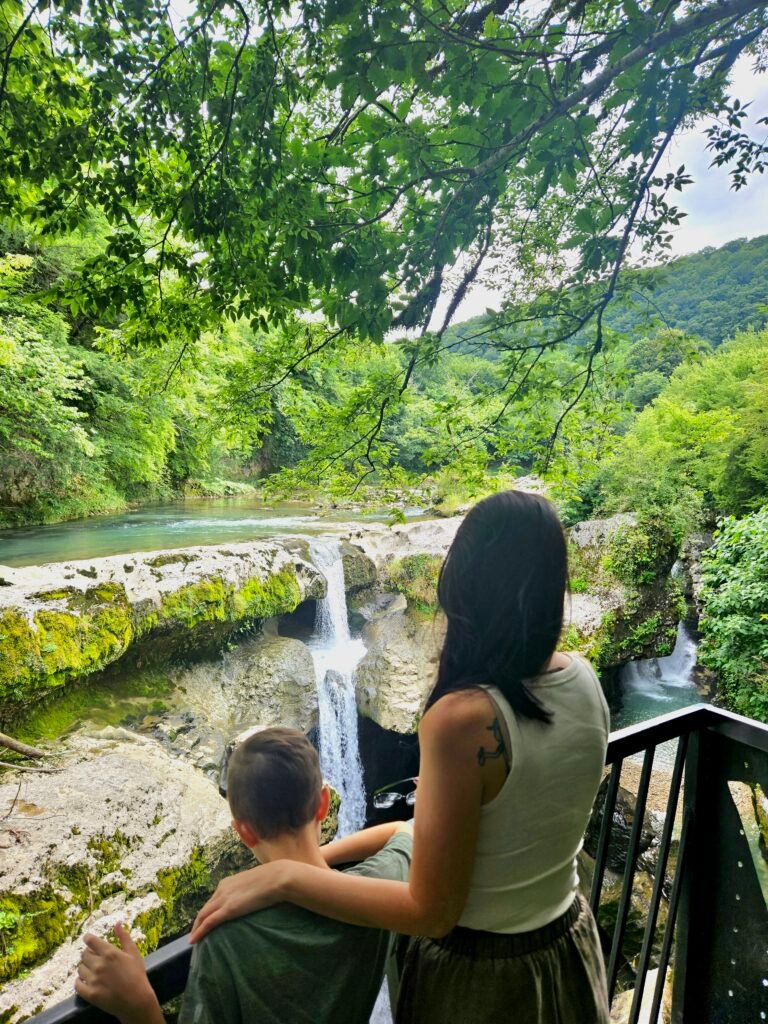
Georgia matters to us because we’ve spent the last two years based in Tbilisi. We’ve kept homeschooling our son here, combining independent learning, online classes and local activities.
The legal position isn’t simple. Georgia’s Law on General Education makes primary and basic education compulsory. It also mentions external studies and alternative methods, under procedures set by the Ministry. However, the law alone doesn’t give foreign families a clear right to homeschool independently.
If you plan to live in Georgia, ask the Ministry of Education three things. Is your arrangement recognised? Is it open to foreign residents? Does enrolment in a foreign online school change the answer? In two years here, no official has asked us about our son’s schooling. Still, that’s our experience, not official confirmation.
Official source: Law of Georgia on General Education.

Ireland: registration with Tusla
Ireland allows home education, but you can’t simply pick a curriculum and start. Tusla, the Child and Family Agency, runs the Alternative Education Assessment and Registration Service. It handles home education applications under Section 14 of the Education (Welfare) Act 2000.
Parents of children resident in Ireland need to apply. Tusla then checks that the education meets a minimum standard for the child’s age, aptitude and ability. You don’t have to follow the national curriculum, and online programmes are fine.
Ireland shows why curriculum and registration are separate questions. You can choose how to teach and still need to register. If you’re Irish and living abroad, check how residence affects your obligations.
We lived in Cork before we started travelling. Our son wasn’t yet four when we left, so he was under Ireland’s compulsory school age of six. He had never entered the school system, so there was nothing to deregister.
Official source: Tusla home education guidance.


United Kingdom: four different systems
The UK isn’t one homeschooling jurisdiction. England, Scotland, Wales and Northern Ireland each have their own rules, and recent changes mean older summaries may be out of date.
England
Parents can educate their child at home, and they don’t have to follow the national curriculum. If your child is at school, follow the formal withdrawal process. Your local authority can ask whether your child receives a suitable education.
Official source: GOV.UK home education.
Scotland
Home education is allowed. However, you usually need your council’s consent to withdraw a child from a state school, with some exceptions. Councils can step in if they think the education isn’t suitable.
Official source: Education Scotland home education guidance.
Wales
Home education is allowed, and parents must provide a suitable, efficient, full-time education. The Children’s Wellbeing and Schools Act 2026 will require parents to tell their council when a child isn’t on a school roll. Councils will also keep a register of children not in school.
According to Welsh Government guidance from June 2026, these measures haven’t started yet. Check the current position before you make plans.
Official source: Welsh Government guidance on the 2026 Act and home education.
Northern Ireland
Parents must make sure children of compulsory school age receive an efficient, full-time education suited to their age, ability and aptitude. That can happen at school or at home.
Official source: Department of Education Northern Ireland.
United States and Canada: start with your state or province
Neither country has one national homeschooling law. In the US, each state sets its own rules on notification, testing and record keeping. The US Department of Education publishes a state-by-state guide.
Official source: US Department of Education state regulation guide.
In Canada, check the province or territory where your child is resident. Find out whether you need to notify anyone, what reporting applies and how the province treats families who leave for long periods.
Don’t pick a state or province just because a blog calls it homeschool-friendly. Your actual legal residence decides which rules apply.



Australia and New Zealand: registration or exemption
Australia allows home education in every state and territory, but each one requires registration. In New South Wales, for example, you register with the state education authority before you start.
Official source: NSW home schooling registration requirements.
New Zealand allows home education, but you must apply for an exemption from school first. The Ministry of Education checks that your plan will teach your child at least as regularly and as well as a registered school. After that, you can choose your own approach.
Official source: New Zealand Ministry of Education home education guidance.
France: prior authorisation required
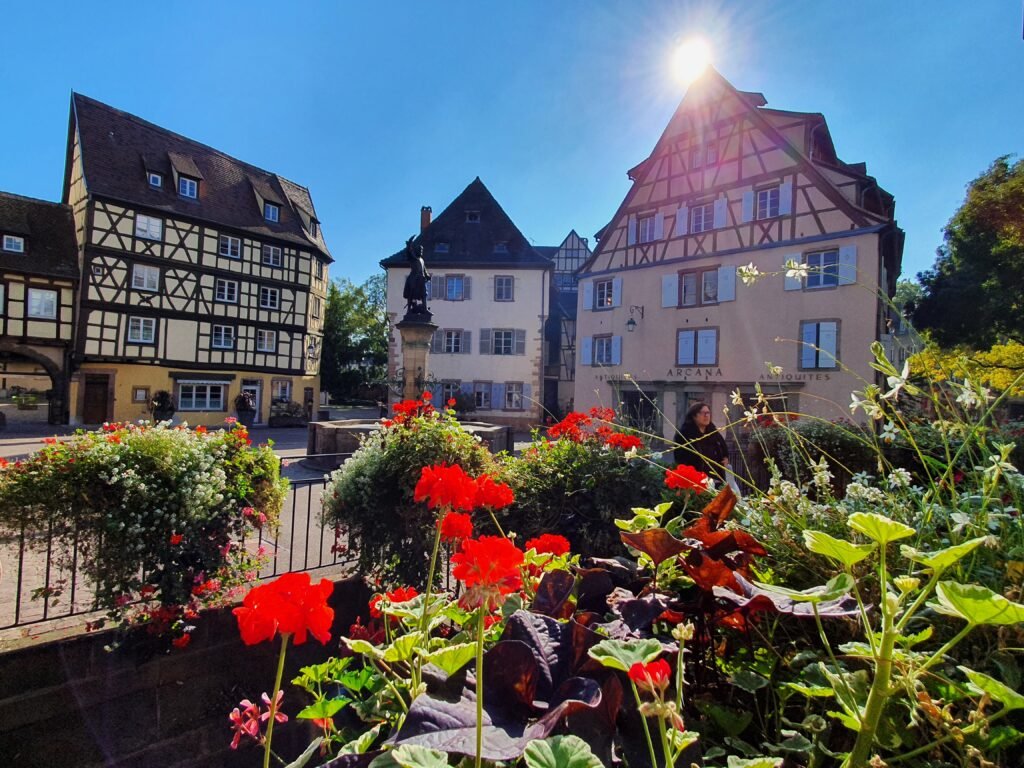
France is stricter than most. Since the 2022 school year, families need prior authorisation to educate at home, and the law only allows it on specific grounds.
Instruction is compulsory from age 3 to 16. Some distance-learning arrangements also need authorisation. If you plan a long stay in France, don’t rely on an overseas online school to exempt you.
Official source: French Ministry of Education: instruction in the family.
Germany and the Netherlands: school attendance comes first
Germany requires school attendance, which makes independent homeschooling very hard. Each German state sets its own rules, and exceptions are narrow. A foreign curriculum or online school is unlikely to replace attendance.
The Netherlands also requires school attendance. Exemptions exist only in specific cases, including some children registered in the Netherlands who attend school abroad.
Official starting points: KMK, the Standing Conference of German Education Ministers and Government of the Netherlands: exemptions from compulsory school attendance.
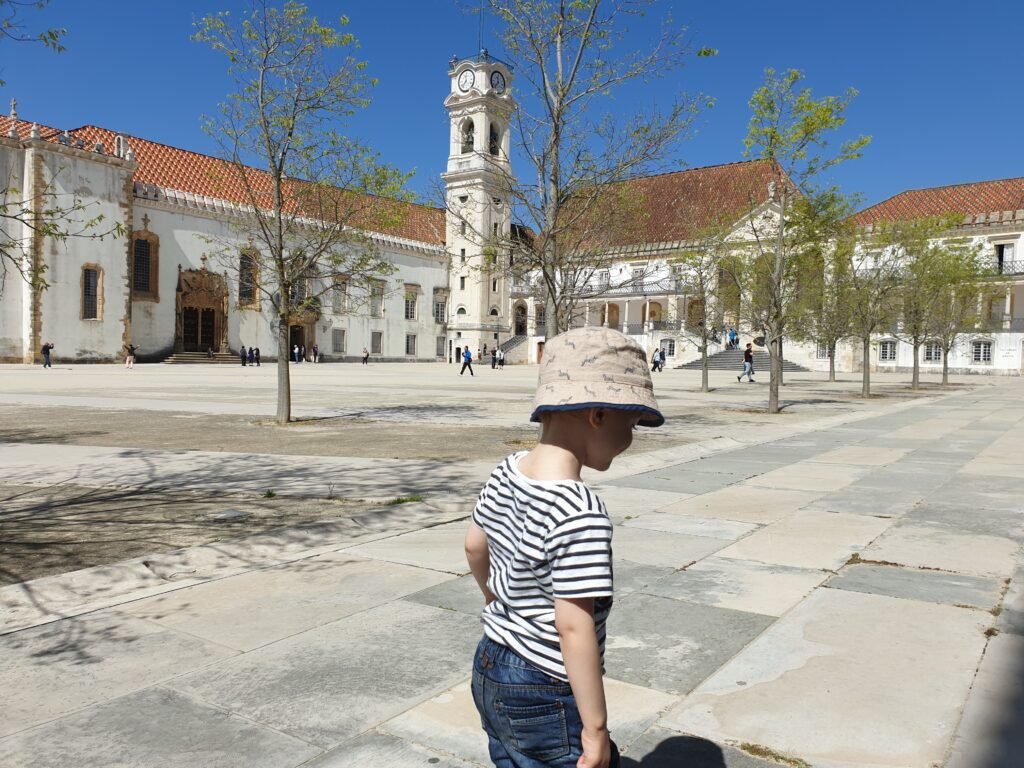
Portugal: a regulated route
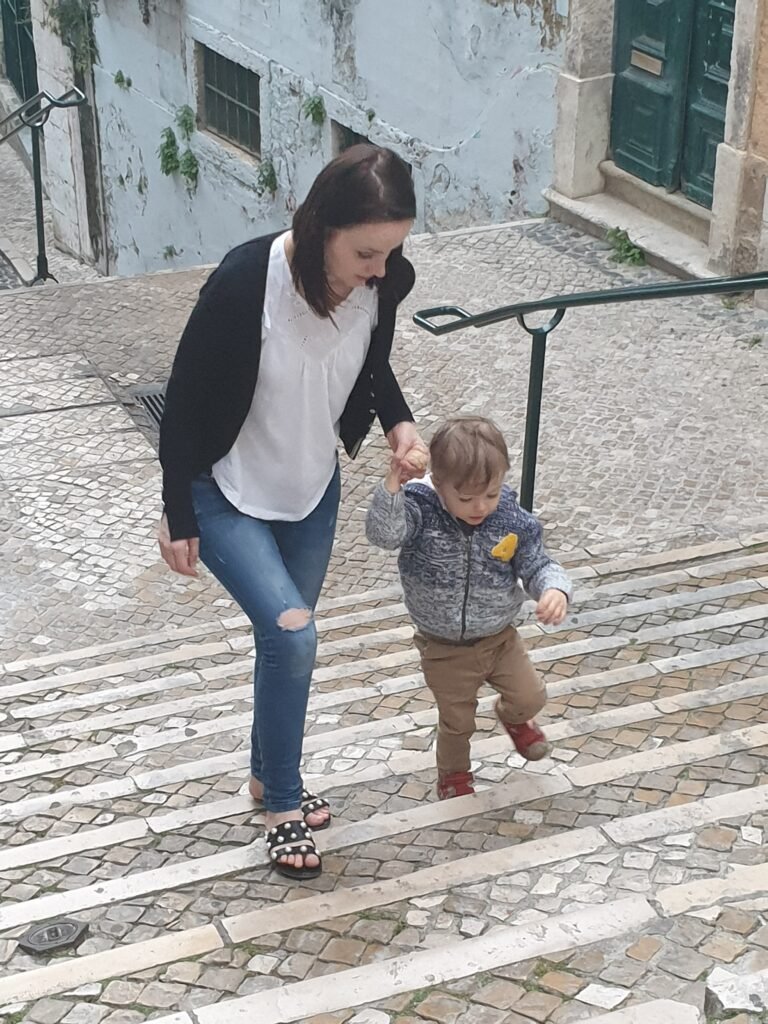
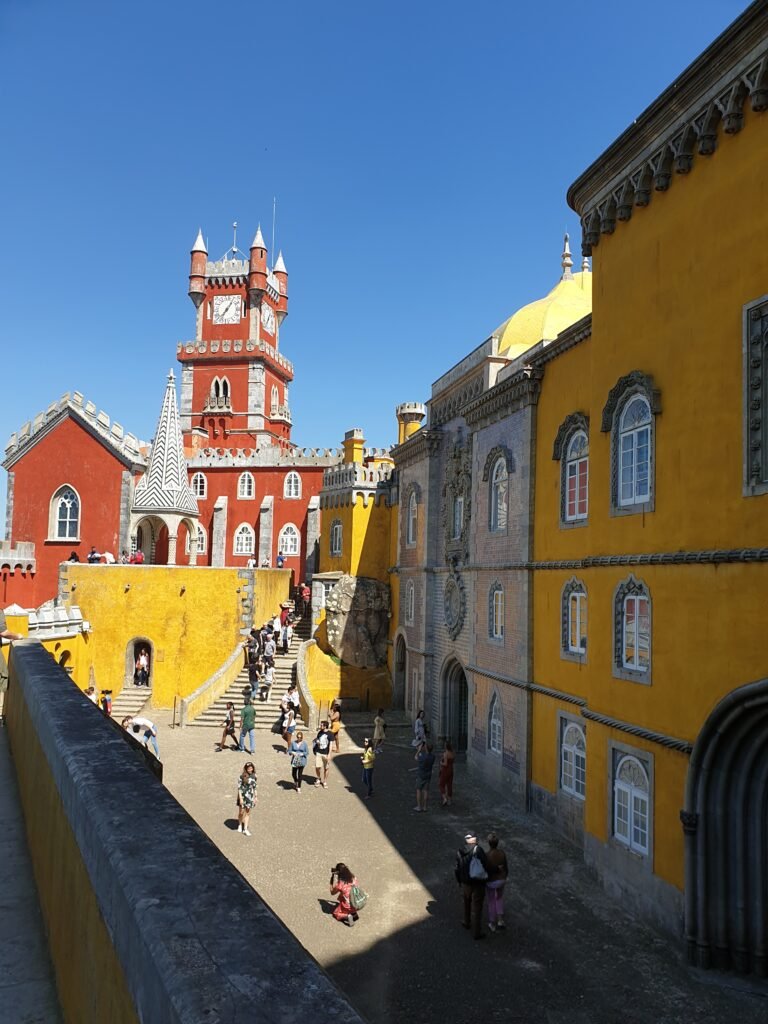
Portugal recognises individual and home education. Decree-Law No. 70/2021, amended by Decree-Law No. 8/2025, sets out how families enrol, how authorities monitor progress and how learning is certified.
In Portugal, the real question isn’t whether homeschooling is legal. It’s which registration and monitoring steps you must follow. Confirm them with the education authority before you rely on an online programme.
Official source: Portugal Directorate-General for Education.
South Africa: registration and records
South Africa recognises home education. Parents apply to their provincial education department to register their child. The Department of Basic Education also expects records of the child’s work, progress and programme.
Recent amendments to basic education law may change how this works, so check the current provincial rules.
Official source: South African Government home education guidance.



Thailand, Malaysia, Japan and other popular destinations
Many families spend months in Southeast Asia and Japan. The rules for foreign families there are often unclear, so we won’t give them a simple label.
- Malaysia: The Ministry of Education treats homeschooling as an arrangement that needs approval, with conditions.
- Japan: Japan’s Ministry of Education applies compulsory schooling differently to Japanese and foreign children. That doesn’t confirm that every type of homeschooling by foreign residents is recognised.
- Thailand and elsewhere: Look for current education ministry guidance for foreign residents. If it doesn’t answer your question, ask the authority directly.

Is online school different from homeschooling?
Yes, and the difference matters abroad. An online school can provide lessons, teachers and assessments. Still, signing up for one doesn’t prove that you meet a country’s education rules.
Independent homeschooling
Parents organise their child’s education themselves. They might use textbooks, tutors, apps, online lessons and real-world activities. Our list of the best worldschooling apps and websites shows what we use.
Online and distance schools
Your child enrols in a school that teaches remotely. Depending on the provider, they get teachers, assignments, assessments and records. The school’s accreditation is one question. Whether the local authority accepts it is another.
Unschooling
Learning follows the child’s interests instead of a set curriculum. It often forms part of worldschooling. Some places accept it, while others expect a more structured plan or regular assessments.
What we do
We combine independent homeschooling with online classes. That gives us flexibility, plus structure where we want it. Read more about how we handle academics while worldschooling.
Before you enrol in an online school, ask what it offers, whether its qualifications are recognised and what documents it can provide. Then check with the education authority that the arrangement works for your situation.
What if homeschooling isn’t allowed where you’re going?
The consequences depend on the country. They can include an order to enrol your child in school, attendance orders, fines or other legal action. They aren’t the same everywhere.
If your plan may not meet local rules, don’t hope nobody notices. Contact the education authority, explain your situation and ask about lawful options. An approved distance-learning school or a recognised alternative route may be available.
If the rules remain unclear, ask for an answer in writing and consider advice from a local lawyer. It’s much easier to sort this out before a long stay than after you’ve moved.
A practical checklist before you start worldschooling
Download this checklist when planning your family’s education arrangements, whether you’re travelling for a few months or preparing to live abroad.
This is a planning tool, not a guarantee of legal compliance. The correct steps depend on the countries involved and the rules that apply to your family.
Keep a record of your child’s learning
We’ll be honest: we haven’t kept formal records. We rely on memory and on the maths level he’s working at with his tutor. No one has asked us for proof so far. Still, records make it easier to register in a new country, answer an authority’s questions or move back into school. If we were starting again, we’d keep these:
- A simple log of what your child studied each week
- Samples of work, projects and reading lists
- Certificates or reports from online classes and tutors
- Photos and notes from trips, museums and activities
Common myths about worldschooling and the law
- “Worldschooling is legal everywhere.” It’s a way of learning, not a legal status. The arrangement behind it is what counts.
- “We only follow our home country’s laws.” Citizenship matters in some places, but residence often matters more.
- “Tourists never need to worry.” Short visits rarely raise questions. Long stays can.
- “An online school makes it legal.” It provides structure, but it doesn’t override local rules.
- “If we keep moving, no rules apply.” Moving often doesn’t remove your obligations. Check your previous arrangements and your longer stops.
Our experience after six years of homeschooling
Full-time travel let our son learn in ways that would be hard to copy at home. History felt real at ancient sites. Geography made sense as we crossed borders, and every country brought new languages and food.
Settling in Georgia gave us a steadier routine, but our approach didn’t become conventional. We still mix independent learning, online classes and local activities. Worldschooling can look very different from year to year.
We’ve talked to many families and researched the rules, but we aren’t lawyers. That’s why we keep our own experience separate from the legal information in this guide.
You don’t need to plan your child’s education years ahead. You do need to know the rules for your situation, where to check them and when to review them. For more on the bigger picture, read our guides to full-time family travel and long-term travel with kids, or browse our worldschooling resources.


Frequently asked questions
Is worldschooling legal in every country?
No. Most English-speaking countries allow homeschooling, often with registration or approval. Some countries, such as Germany, require school attendance. Always check the current rules for the places involved.
Can you homeschool while travelling full time?
Yes, in most cases, but check your obligations first. Look at your previous home or school arrangements and the rules in places where you’ll stay for a long time.
Do I need to register as a homeschooler before travelling?
It depends on where you live. Ireland and Australia require registration, New Zealand requires an exemption and many US states require notification. Check with your home education authority before you leave.
Can you homeschool while living abroad?
Many countries allow it, sometimes with registration, approval or assessments. Others restrict it heavily. Check the rules for foreign residents before you choose a long-term base.
Is online school enough for worldschooling?
Not automatically. It gives your child structure and records, but you still need to check that the arrangement meets local requirements.
Can foreign families homeschool in Georgia?
Georgian law makes primary and basic education compulsory and mentions alternative routes. However, it sets no clear homeschooling route for every foreign family. Ask the Ministry of Education for current guidance.
What should I do if I’m unsure which country’s laws apply?
Contact the education authority in your previous home and in your destination. Explain your residence and travel plans, describe how you educate your child and ask for the rules in writing. If it’s still unclear, get legal advice.
Final thoughts
Worldschooling gives families a flexible way to combine education and travel. Treat the educational choice and the legal question as two separate steps. A programme that works for your child, or for another family, doesn’t show what’s allowed in your situation.
Know the rules that apply to you, choose what suits your child and review it whenever you move. With good information and a little preparation, worldschooling can work well for your family.
Disclaimer: This article is general information, not legal advice. Education laws change, and how they apply depends on your circumstances. Check current requirements with the relevant education authority or a qualified lawyer before you decide.



One Comment