

Long Term Travel With Kids: How to Avoid Burning Out
Quick Takeaways
- Long term travel with kids works best slow: staying 2–3 months in one place beats moving every 3–4 weeks.
- Rest and ordinary days are part of the lifestyle, not a failure of it — kids (and parents) need downtime too.
- A home base gives everyone stability to return to between shorter trips.
- A loose daily routine helps kids feel secure amid constant change.
- You don’t need to see everything — depth in one place beats rushing through many.
- The goal isn’t maximum travel, it’s a pace the whole family can sustain without burning out.
Long term travel with kids can look incredibly appealing from the outside. You get to wake up in different countries and explore places most people only visit for a week or two. You also get to give your children the chance to learn about the world by actually experiencing it. There is a lot to love about that kind of life. For our family, travelling and worldschooling have given us experiences we could never have had by staying in one place.
Worldschooling has quietly gone mainstream over the past decade, as more remote-working families realise a life like this is genuinely possible.
But there is also a side of long term travel that doesn’t tend to make it into the photos.
There is a surprising amount of work and planning involved in long term travel with kids. You have to find accommodation, book flights and transportation, and deal with visas. You also have to keep up with work, do laundry, buy groceries, and figure out where everything is. On top of that, you still need to keep your child learning and find the energy to enjoy where you are. When you’re moving frequently, all of those little jobs start to add up.
We have learned over the years that long term travel with kids is very different from going on holiday for two weeks. You can’t stay in holiday mode indefinitely. Trying to treat every day like an adventure is a good way to exhaust everyone.
For us, the answer has been to slow down.
Long Term Travel With Kids Doesn’t Mean Doing Something Every Day
When we first started travelling, we had a completely different idea of what we were supposed to be doing in a new place. We wanted to go out and explore every day simply because we were somewhere new. It felt almost wrong to spend a day at home when there were things we hadn’t seen yet.
It took us a while to realise that this isn’t sustainable when you’re travelling continuously.
There is always something else you could be doing: another museum, another neighbourhood, another restaurant. Or another day trip, or another attraction you haven’t checked off the list yet. If you always feel like you should be making the most of your time, travel can start to feel like an endless list of chores.
Eventually, we realised that it is completely fine to have days where we don’t really do anything.
Even when we’re in a new country.
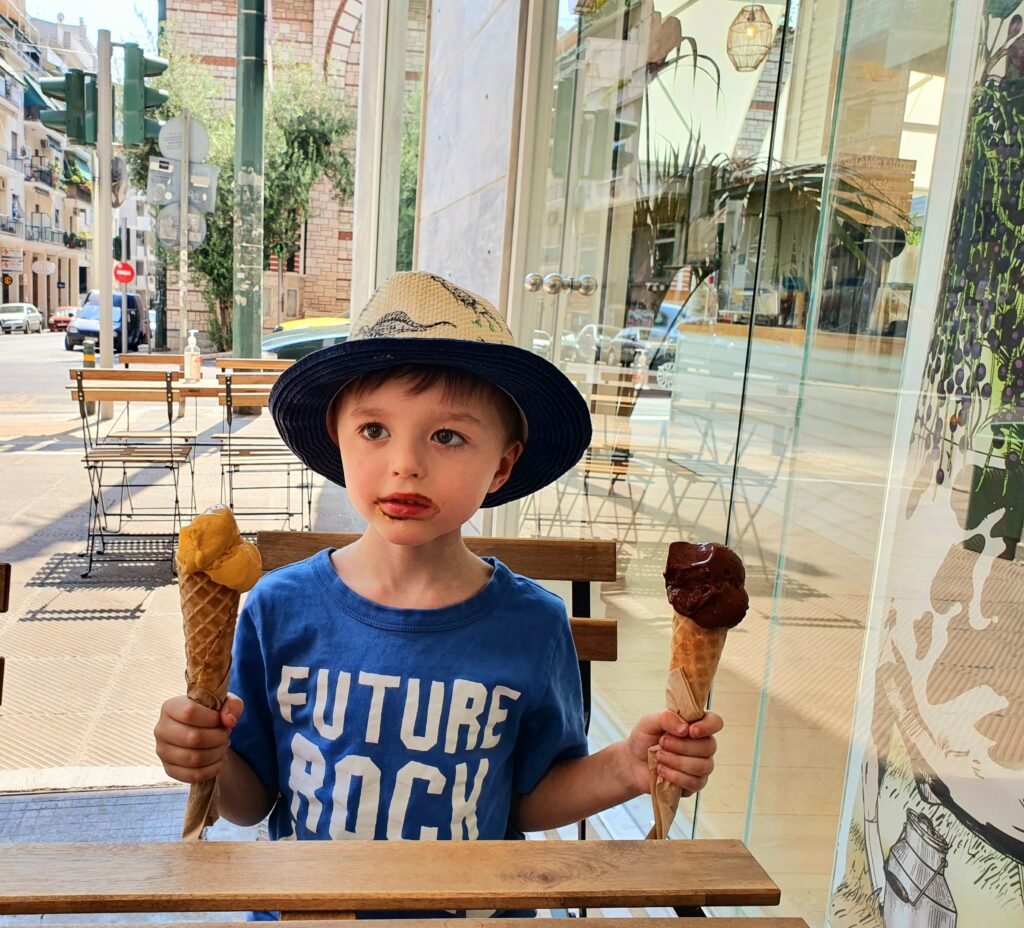
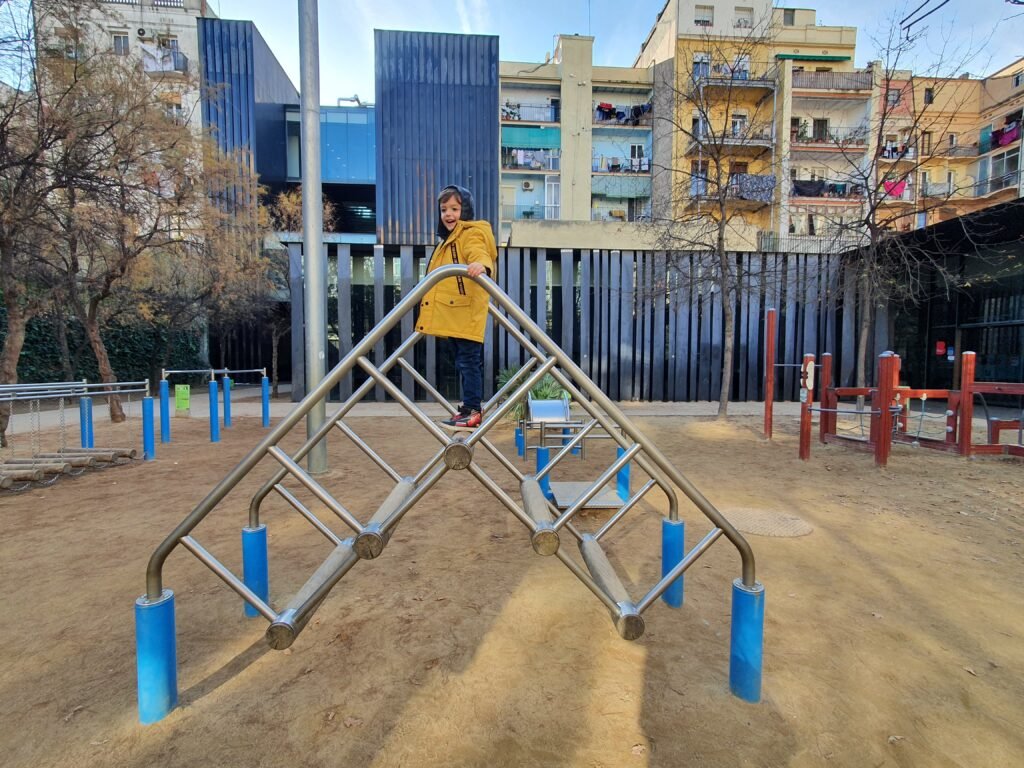
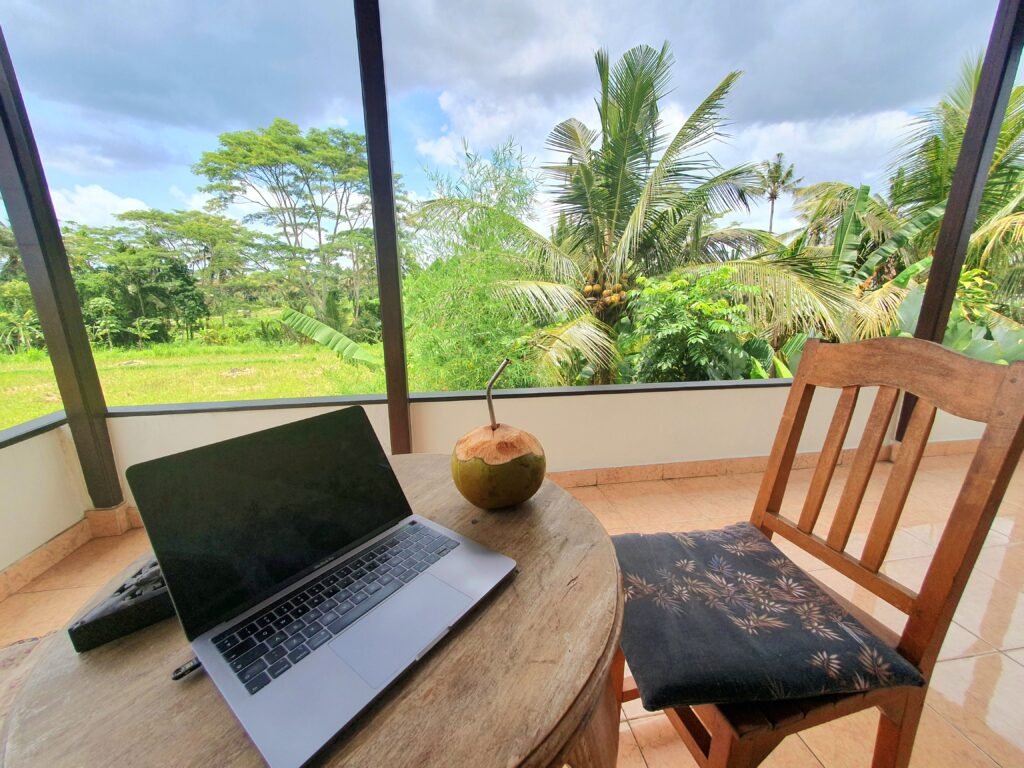
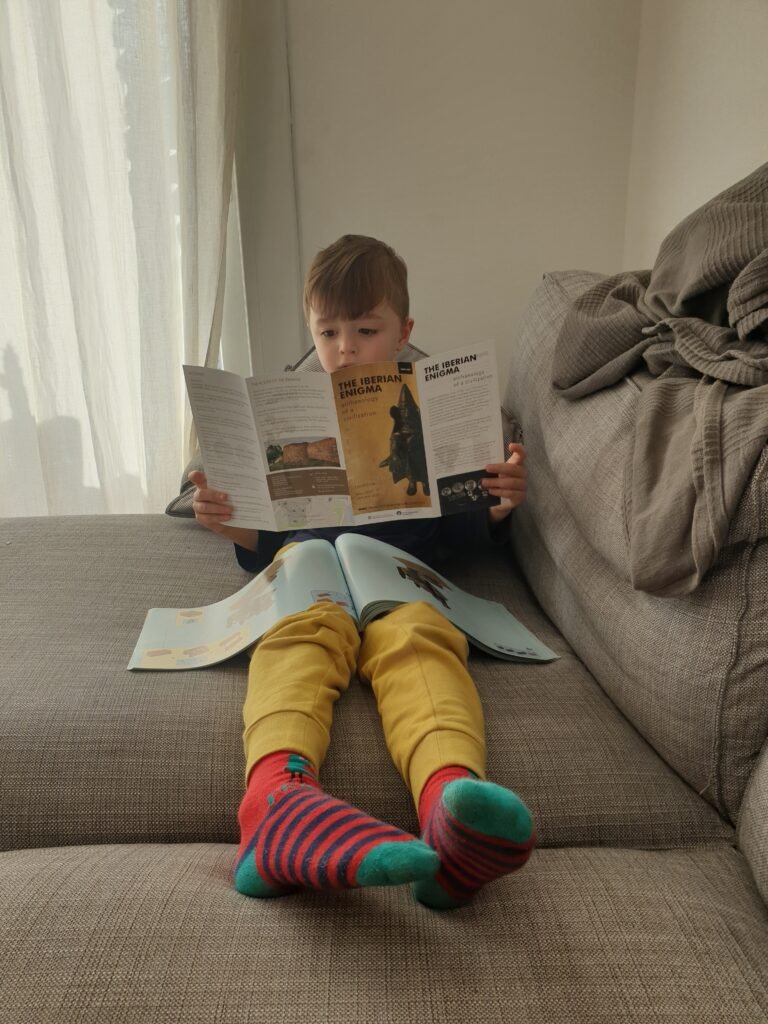
Some days we might stay home, catch up on work, read, do some schoolwork, watch something or play a board game. Other days we might go out for a coffee, visit a park or a playground, or just take a walk. There doesn’t have to be a major activity attached to every day.
This was actually quite a big mental shift for us. When you’ve chosen to live an unusual lifestyle, it’s easy to feel like you need to make the most of it all the time. But children still need ordinary days, even when they’re living somewhere exciting. They get tired, they need downtime, and sometimes they simply want to stay home.
So do we.
And honestly, having those ordinary days makes the exciting ones much more enjoyable.
We Used to Move Every Three or Four Weeks
When we first started travelling, we also moved around much faster than we do now. Staying somewhere for three or four weeks seemed like a reasonable amount of time, and on paper it sounds like plenty.
In reality, it started to feel far too fast.
If you work during the week, you’re not actually getting three or four full weeks to experience a place. You arrive, get settled, and work through the week, which leaves only the weekends to explore. By the time you’ve found the supermarkets and started to feel comfortable, you’re already thinking about packing again.
You might only get three weekends in a place before you’re dealing with the next move.
That constant cycle became exhausting. It isn’t just the journey itself. Every move means packing everything up, travelling, checking into somewhere new, and unpacking. Then you’re figuring out where to buy groceries, working out transportation, and learning how everything works again. None of that is particularly difficult, but doing it every few weeks turns it into a constant background task.
Our sweet spot eventually became two to three months in one place.
That made a much bigger difference than we expected.
When you stay somewhere for a few months, you have enough time to settle into a routine. You stop feeling like you’re constantly arriving or preparing to leave. You can find a supermarket you like, figure out the local transportation, and discover your favourite cafés and restaurants. Eventually you stop thinking about the logistics of everyday life altogether.
After a while, you aren’t really thinking about how to live in that place anymore. You’re just living.
Staying Longer Doesn’t Mean Your Kids Are Missing Out
One of the things that can be difficult about slow travel is the feeling that you’re somehow missing places by staying longer somewhere else. If you spend three months in one country, you naturally won’t see as many destinations as if you moved every two or three weeks.
But we’ve found that seeing more places isn’t necessarily the same thing as getting more out of travel. That’s one of the biggest lessons of long term travel with kids. Slower can mean richer, even with fewer stamps in the passport.
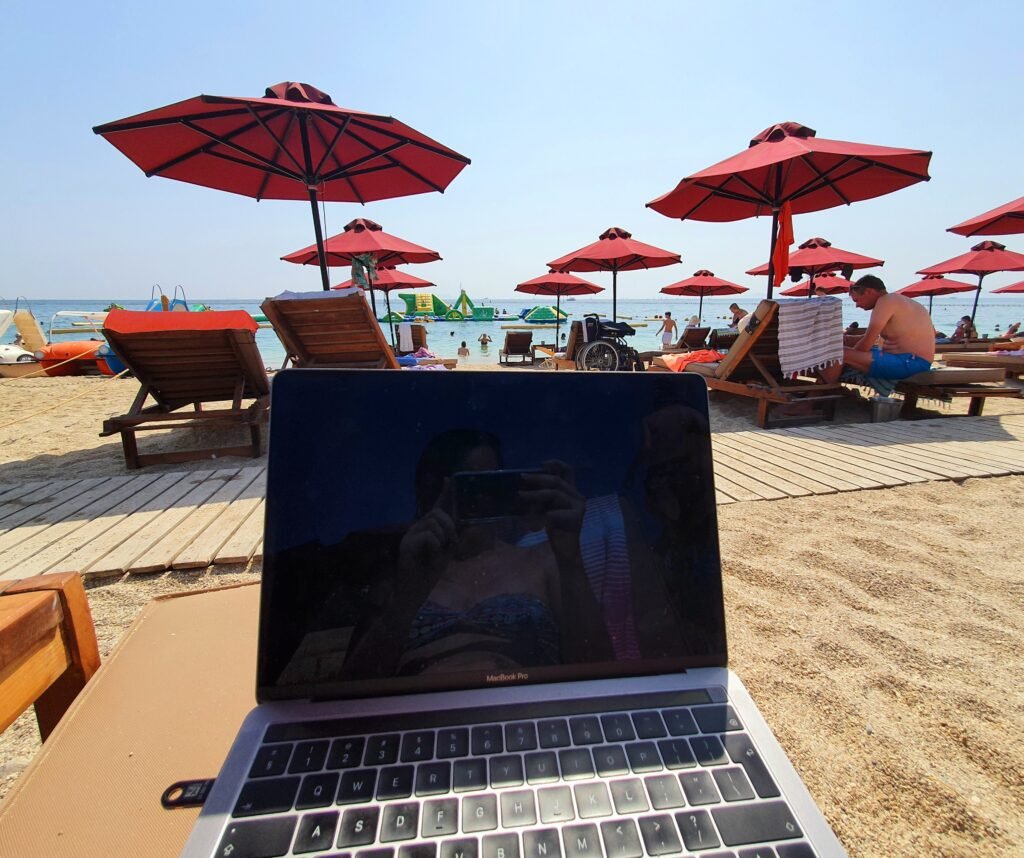
When we stay somewhere for a few months, we don’t have to rush. We can explore when we feel like exploring and have a quiet day when we don’t. Some weekends we visit somewhere famous; other weekends we do absolutely nothing. We can take a day trip without feeling like we’re sacrificing one of the only few days we have in a destination.
That slower pace also gives us the opportunity to experience a place more like residents than tourists.
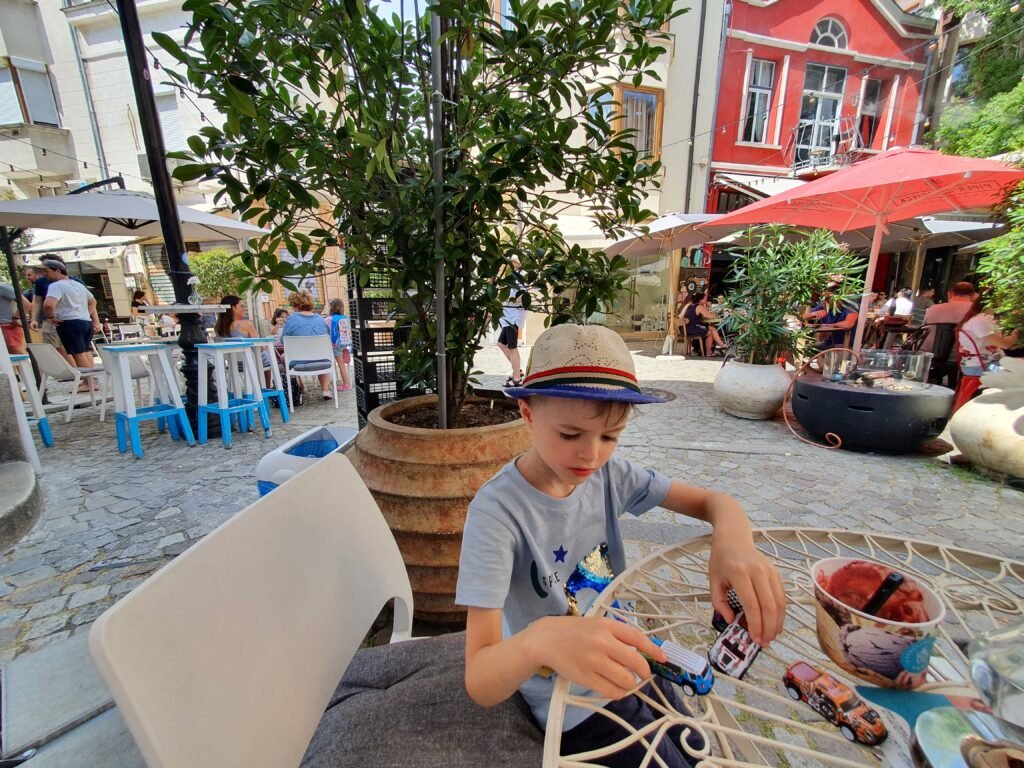
We return to the same café again and again. We visit the same park several times. Instead of trying to see an entire city in a few days, we discover a neighbourhood gradually. Our child gets to experience what everyday life feels like there, rather than being shuttled from one attraction to another.
For a worldschooling family, that is particularly valuable. Learning doesn’t have to come from constantly visiting educational attractions, because living somewhere for a while creates its own opportunities for learning. You start noticing how people live, what they eat, how the city works, and how the local culture differs from what you’re used to.
Sometimes those everyday moments teach far more than another museum visit.

Rest Is Part of Long Term Travel With Kids
Another thing we’ve learned is that you can’t treat every week like a holiday.
When you’re travelling long term, you still have work and responsibilities. You have to shop for food, clean, do laundry, and take the kids to doctors and dentist appointments. Add in all the other normal things that come with having a family, and if you also try to fill every afternoon and weekend with sightseeing, something has to give.
For us, that usually means building quieter periods into our travel.
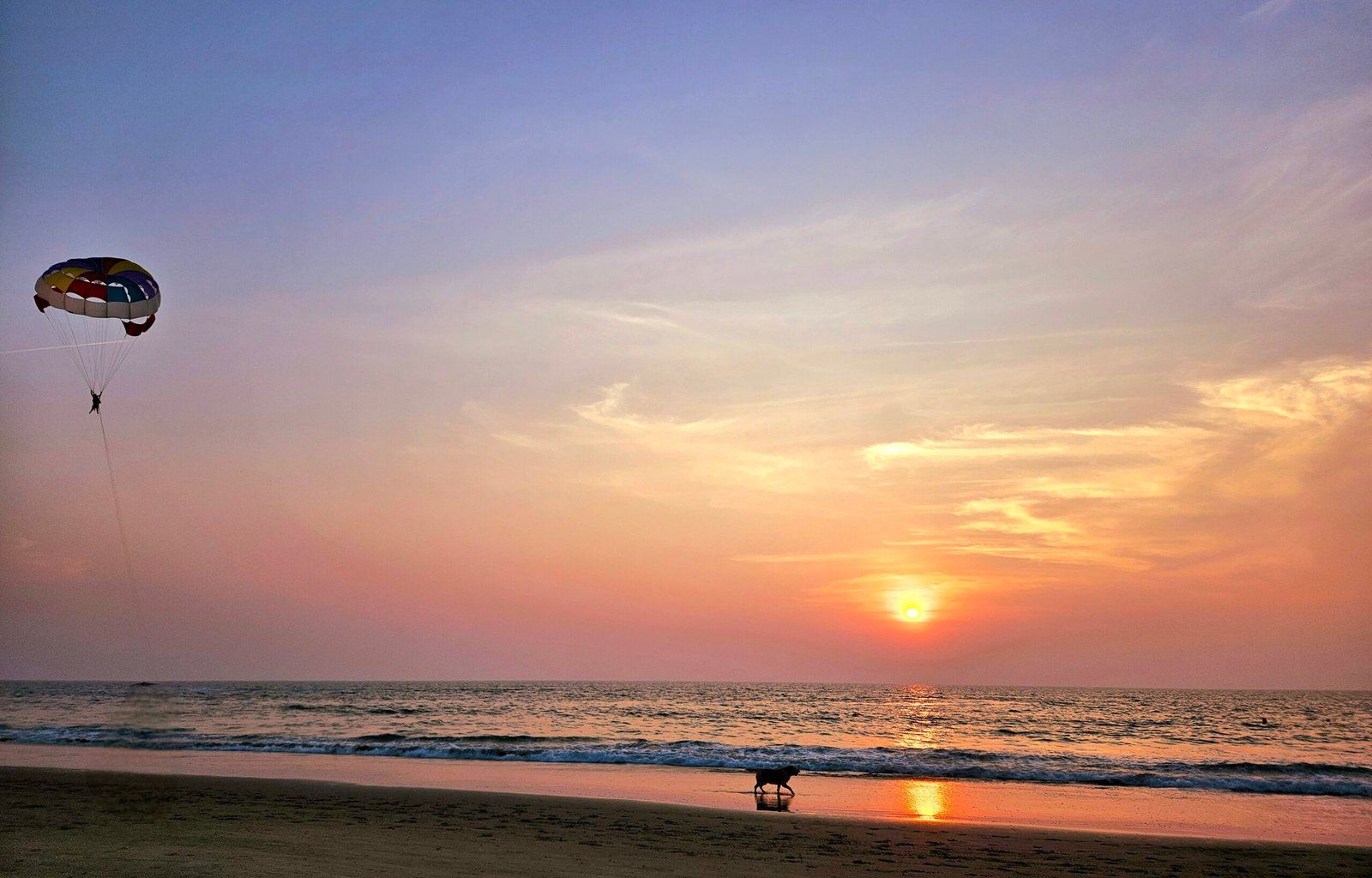
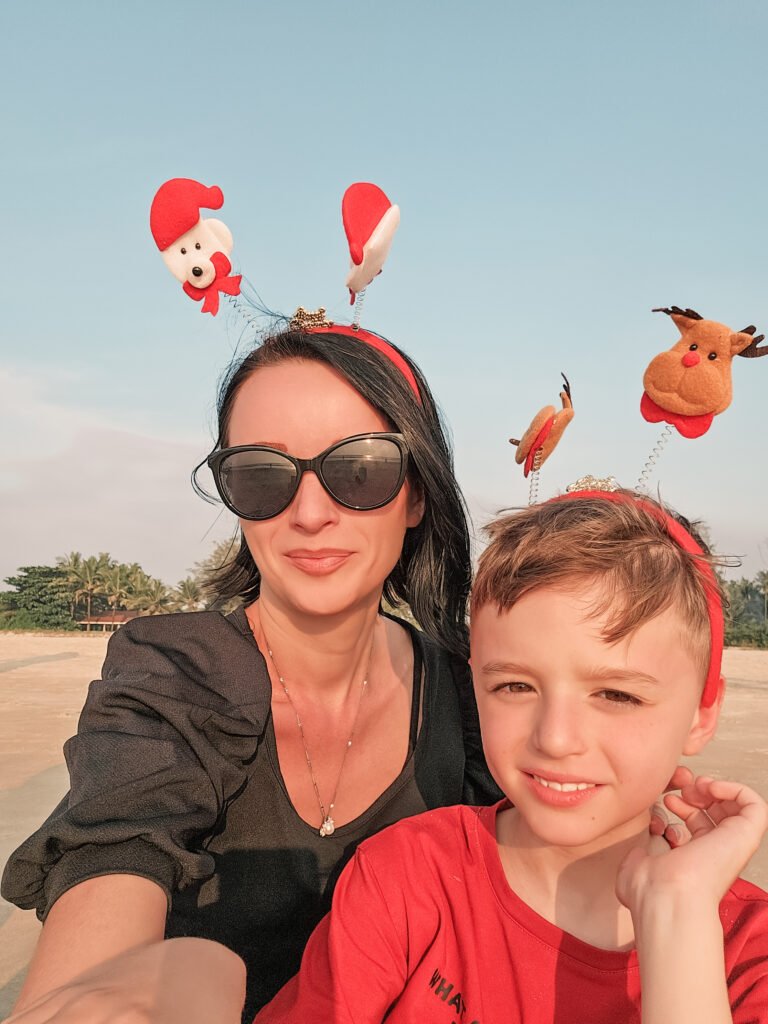
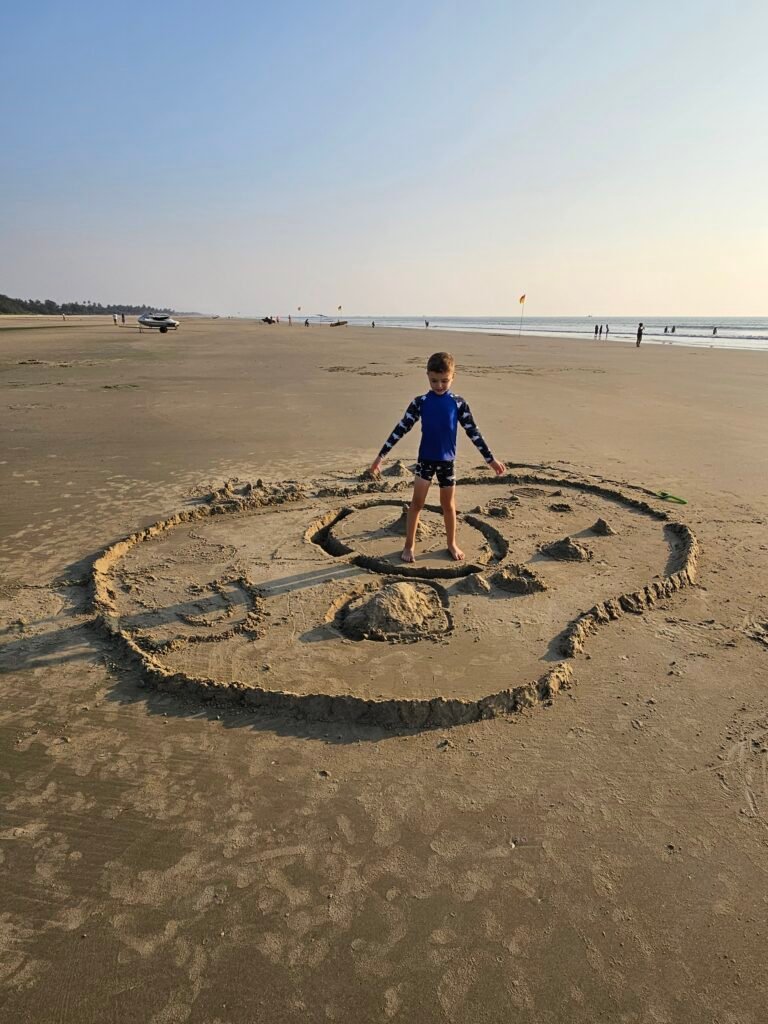
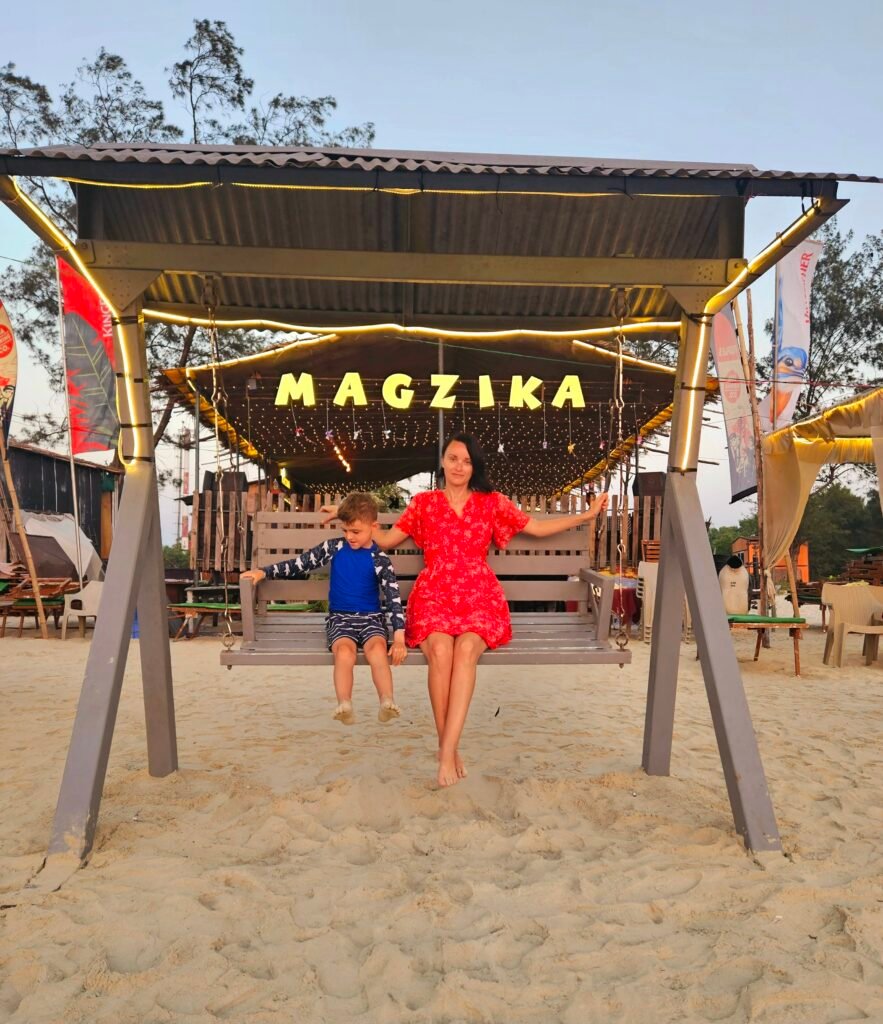
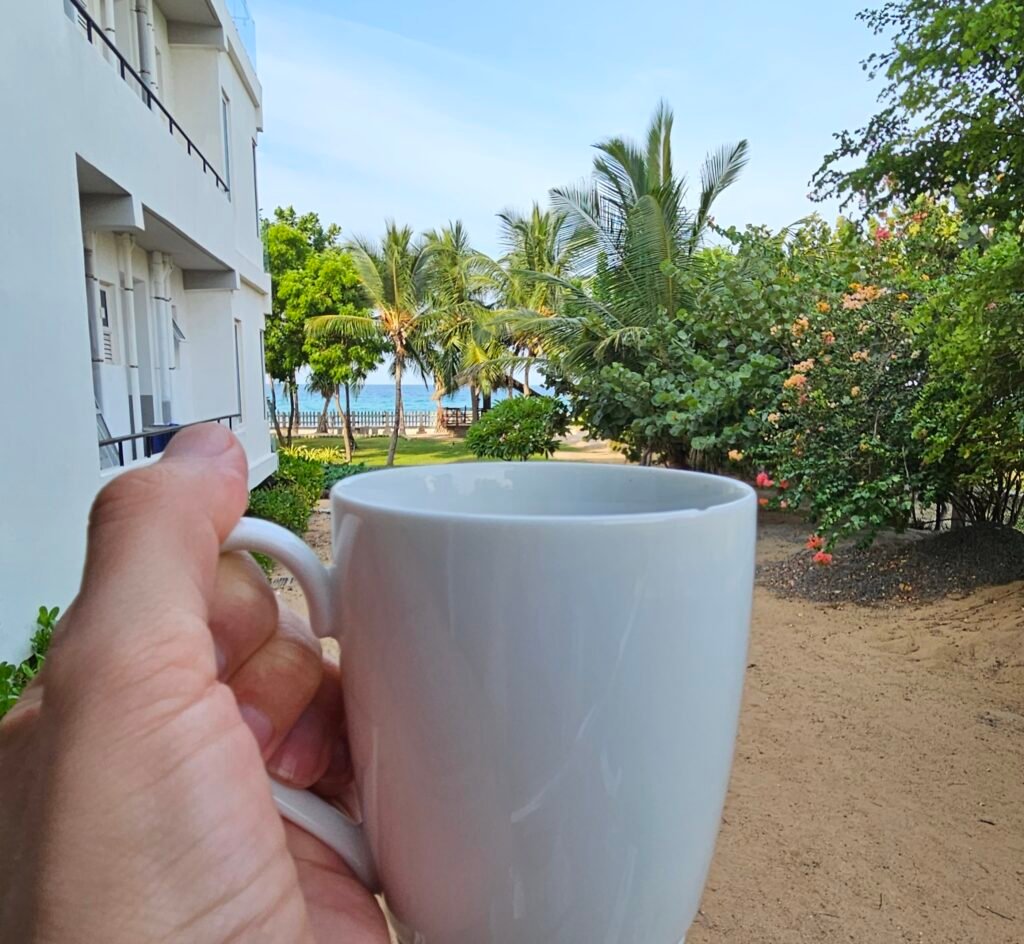
Sometimes we’ll have a week with no major plans at all. A couple of years ago we spent a month in Goa. Aside from a couple of day trips, we mostly just went to the beach almost every day, and there is nothing wrong with that. In fact, those quieter periods often make us more enthusiastic about exploring again afterwards.
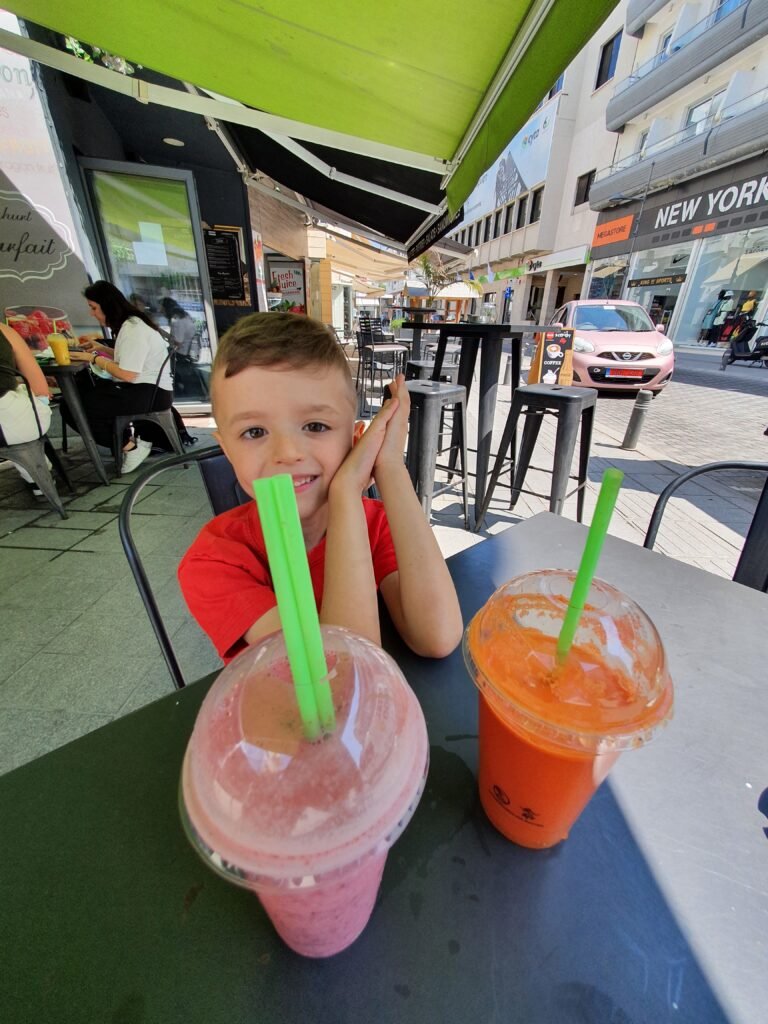
It’s also worth remembering that kids can become overwhelmed by constant novelty, even when they’re enjoying themselves. New places are exciting, but they’re also tiring: new food, new surroundings, different languages, unfamiliar beds, and constant changes in routine all take energy.
If your child suddenly doesn’t want to go anywhere, gets irritable, or seems uninterested in another exciting activity, the answer usually isn’t a better activity. Everyone might simply need a break. It’s one of the well documented benefits of slow travel: depth over distance, with rest built in along the way.
Don’t Forget to Have Fun Together
There is another big advantage to staying somewhere longer: you have time to do things just because they’re fun.
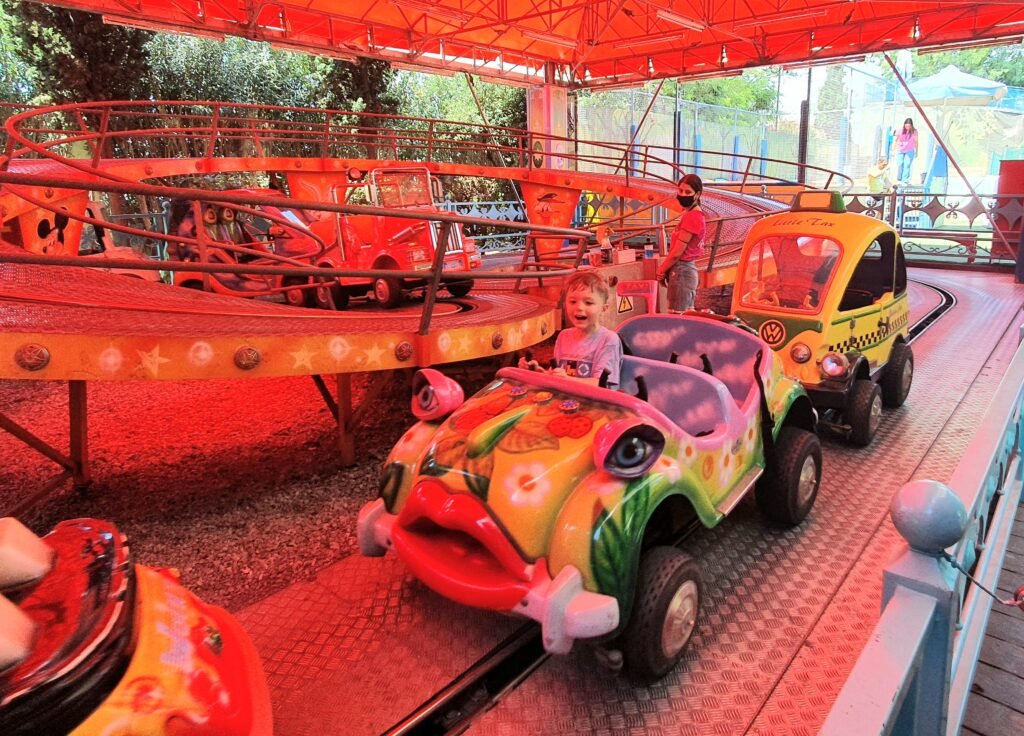
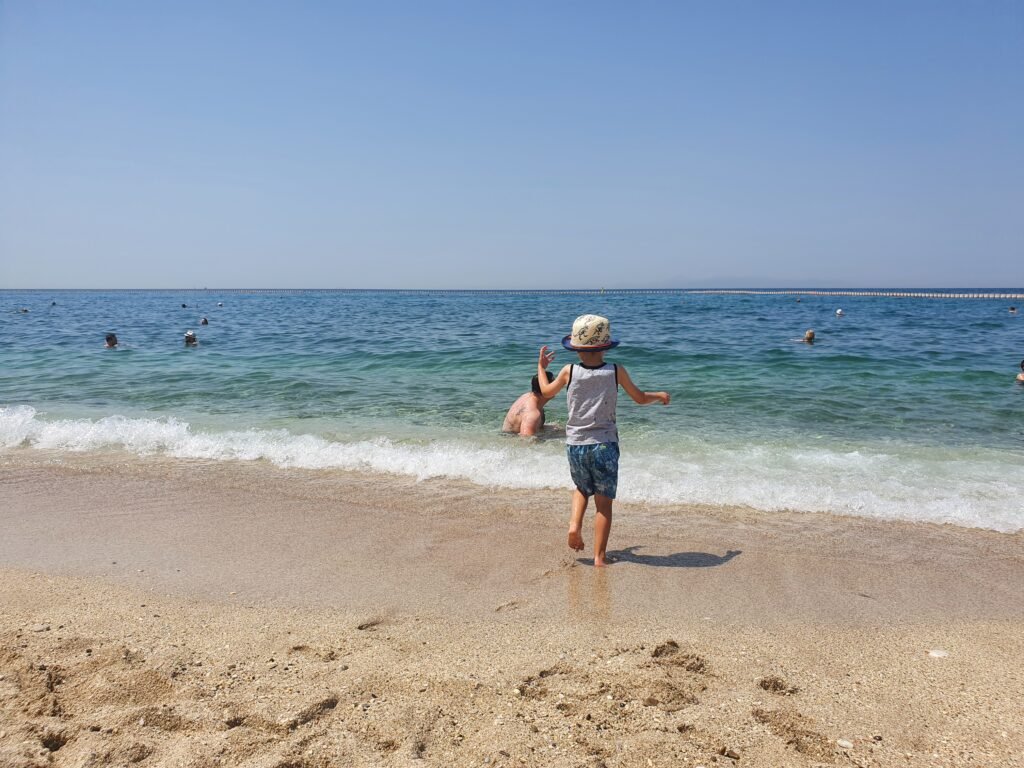
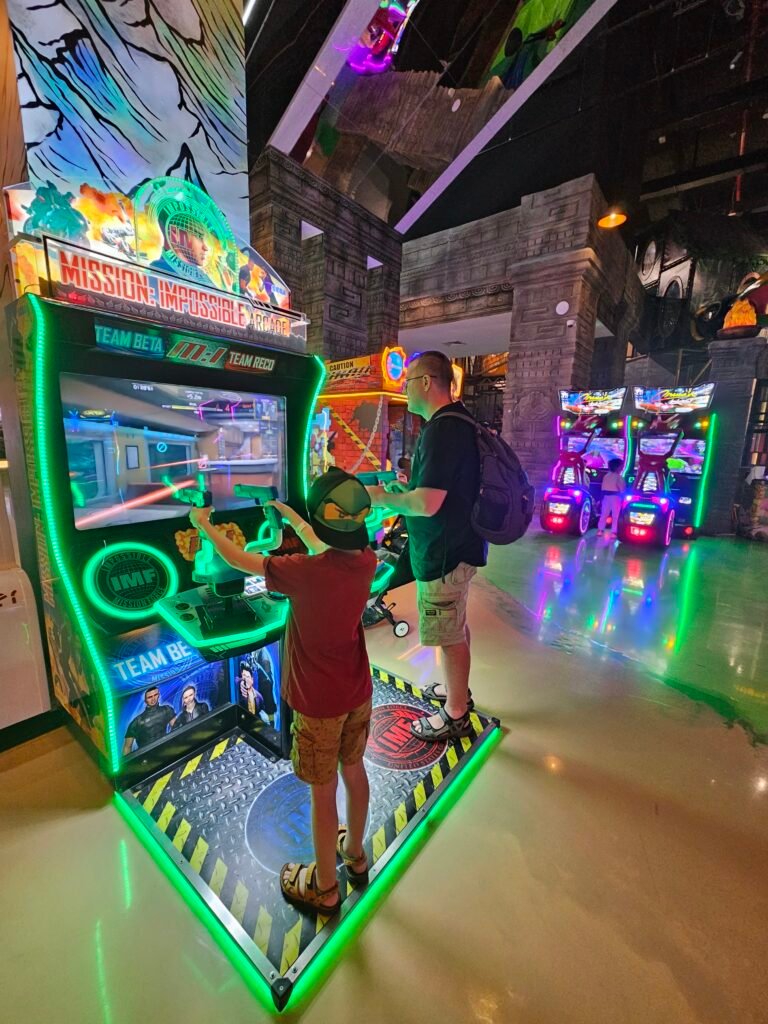
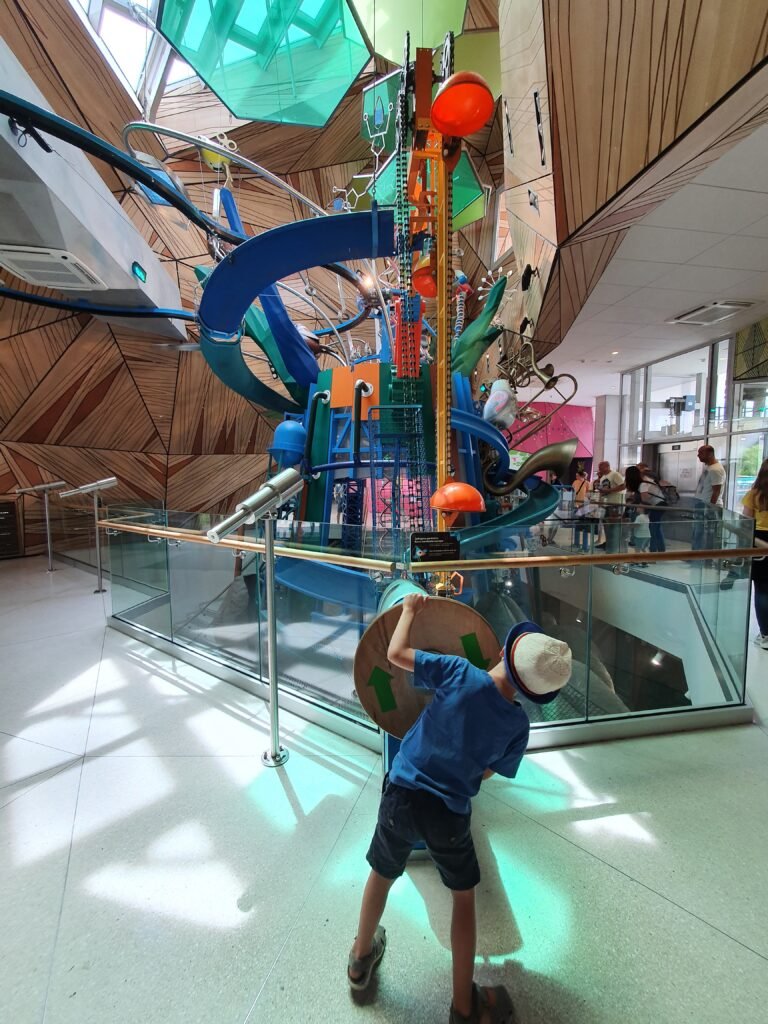
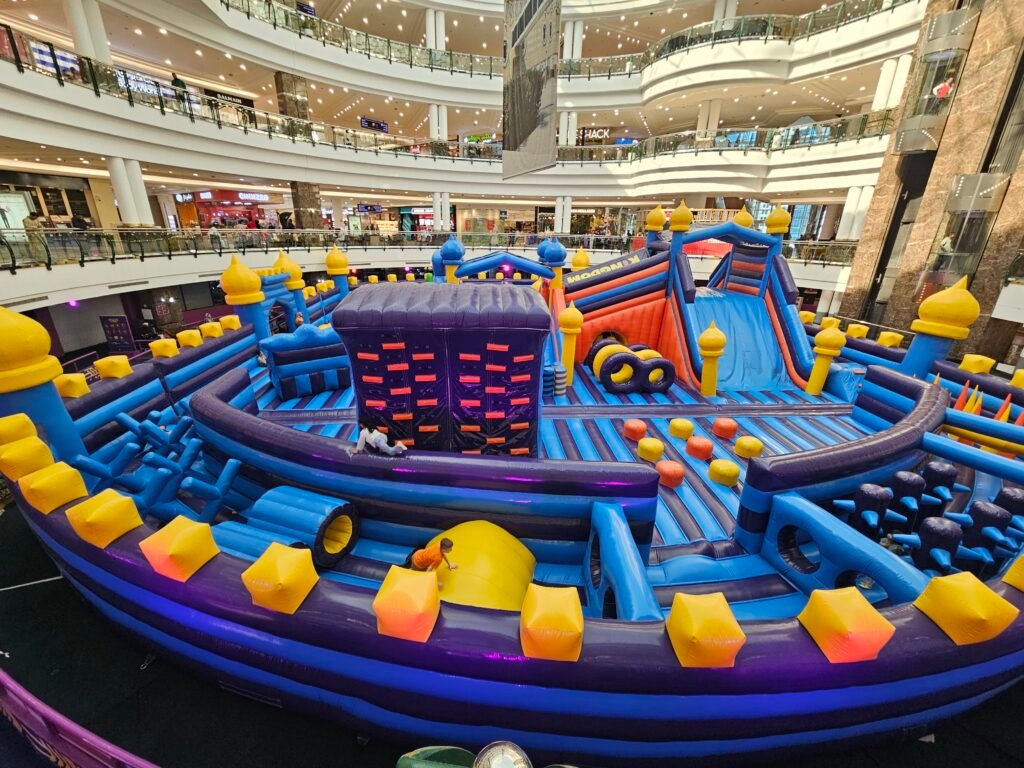
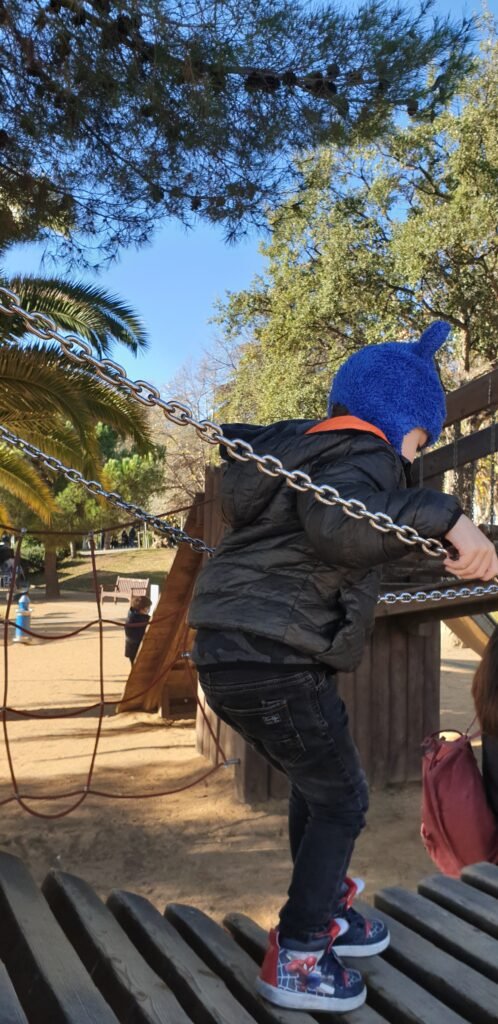
Of course, we love the museums, historic sites, cultural experiences and educational outings that come with worldschooling. But let’s face it, those things can get boring for kids sometimes. They also need amusement parks, water parks, playgrounds and cinemas. Bowling, go karting, trampoline parks, aquariums, beaches and bike rides all count too, along with whatever else makes them excited to get out of bed.
When you’re only somewhere for a few weeks, it’s tempting to fill your limited time with everything you feel you should see. When you have two or three months, you can mix it up instead. You might spend one weekend exploring an ancient city and the next at a water park, with plenty of lazy days in between.
I think that’s important, because if your child is having fun travelling, they’re much less likely to start seeing travel as something to escape from. This is their adventure too, and it should include plenty of things they genuinely enjoy.
A Routine Helps More Than You Might Think
Long term travel doesn’t mean every day has to be completely spontaneous.
In fact, having some sort of routine has made travelling much easier for us. The exact routine changes depending on where we are, but there are usually familiar parts of the day that give structure to everything else.
There is time for work, time for learning, time to eat and time to relax. We try to keep some familiar activities going even when we’re somewhere new, because having something predictable makes all the other changes feel easier. Researchers who study child development have found something similar: consistent routines help children feel secure, especially during periods of change.
This is one of the things people sometimes misunderstand about worldschooling. It doesn’t mean waking up every morning and deciding what educational adventure to have that day. We can have a normal morning of learning at home and then go out and explore later, or spend an entire day at home instead. We learn through travel when we’re travelling, and simply continue our normal routine when we’re not. The flexibility is the point.
A Home Base Makes Long Term Travel With Kids Easier
Whenever possible, we also prefer to have one place that acts as our base for a few months and travel to other places from there.
This has probably been one of the biggest changes we’ve made compared with how we travelled when we first started.
Instead of packing up the entire family every few weeks, we rent somewhere for a couple of months and actually settle into it. If we want to visit another city or country nearby, we take a shorter trip and come back to our base afterwards.
There is something really nice about coming back from a trip and knowing exactly where your things are.
You don’t have to unpack your entire life every time you arrive somewhere. There’s no need to immediately find a supermarket or work out how to get around, either. You already know the area, and you already have a home to return to.
Having a base also gives us more freedom to explore the surrounding region. We can take a few days somewhere without feeling like we have to relocate our whole lives there.
For us, this is a much more comfortable way to combine long term travel with kids and still have a genuine sense of home.
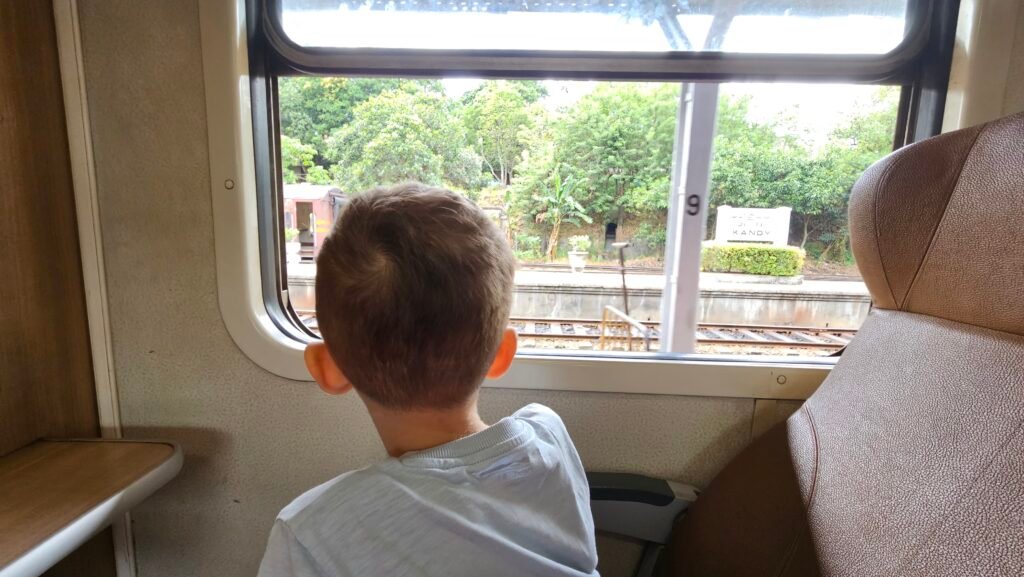
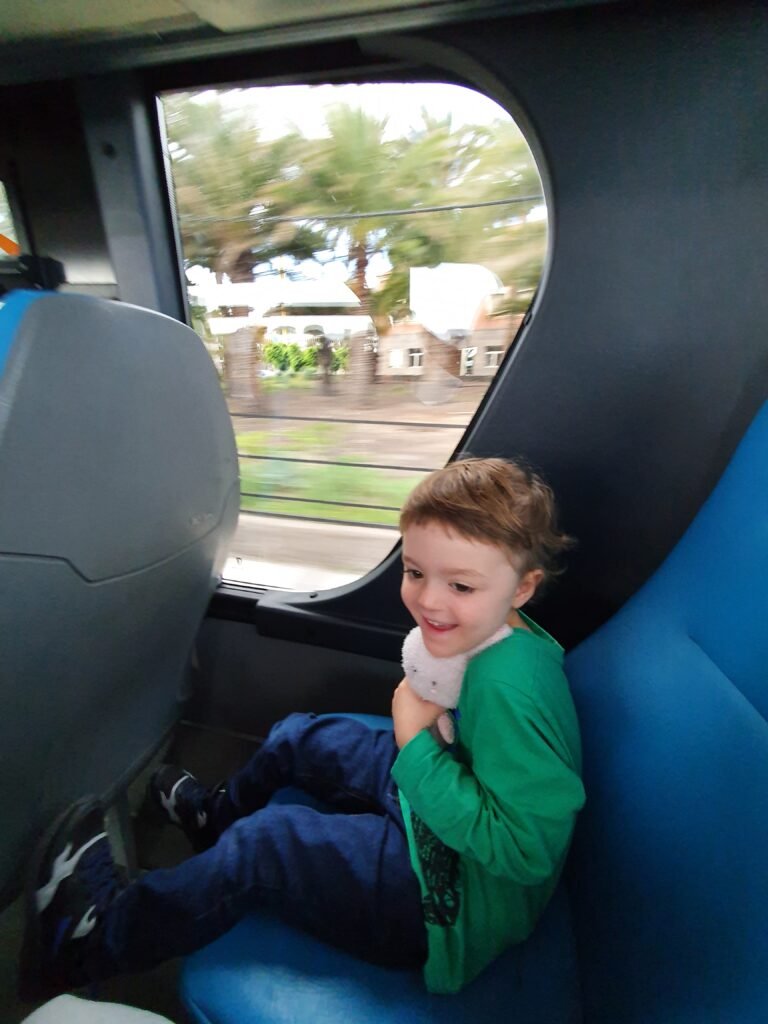
The Everyday Admin Is More Exhausting Than You Expect
I think this is one of the least glamorous parts of long term travel. But it’s worth talking about, because it can have a huge effect on how you feel.
Moving somewhere new means figuring out dozens of little things you never think about when you’re settled. Where do we buy groceries? Which supermarket has what we need? How does the public transport work? Where is the pharmacy, and which taxi app do people use? Where can we get laundry done if there’s no washing machine in the apartment? How do we get a local SIM card, and where is the nearest ATM?
Again, none of this is particularly difficult.
The problem is that you’re constantly doing it from scratch.
If you move every three or four weeks, you’re repeatedly using your mental energy to solve the same basic problems. By staying for two or three months, you only have to figure everything out once. Then you get to enjoy the benefits of knowing how things work.
This is something we didn’t appreciate enough at the beginning.
There is a huge difference between arriving somewhere already thinking about the next destination, and arriving knowing you’ll be there for months.
The second one gives you permission to relax.
Pay Attention to the Signs You’re Doing Too Much
Sometimes it’s difficult to know whether you’re actually tired of travelling, or simply tired from travelling too quickly.
We’ve definitely had periods where everyone was getting a little fed up. It would have been easy to think we needed a complete change of lifestyle. When we were in Mauritius after a few years of non stop travelling, I wasn’t even excited about going on a boat trip. That’s how I knew it was time to slow down.
Often, what we actually needed was to stop moving.
If everyone is tired, or you’re getting irritated by things that normally wouldn’t bother you, that’s worth noticing. If your child doesn’t want to go anywhere, or the thought of packing your bags again makes you want to scream, it might simply be time for a slower period.
You don’t have to push through just because you already made plans.
One of the best things about long term travel with kids is that, unlike a two week holiday, you have flexibility built in. If you don’t want to go somewhere today, you can go tomorrow. If you need a quiet week, you can have one, and if three weeks somewhere isn’t enough, you can often stay longer.
That freedom to change your plans is one of the biggest advantages of travelling long term.

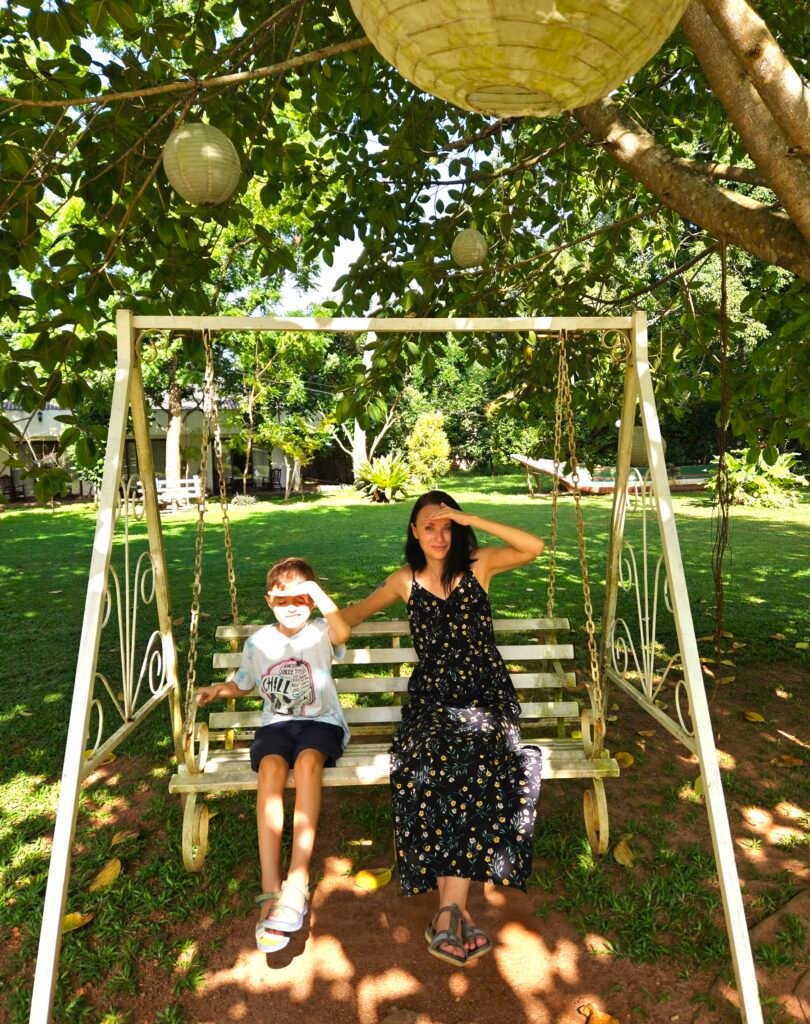

You Don’t Have to See Everything With Kids
There is always going to be somewhere else to go. That doesn’t change.
You can spend a month in a country and still have a long list of things you haven’t seen. You can live somewhere for six months and still have places nearby you’ve never visited.
At some point, you have to accept that you aren’t going to see everything.
We’ve become much more comfortable with that over the years. We’d rather spend two or three months somewhere and genuinely enjoy being there than spend three weeks rushing around, worried about missing something. We’d rather have a relaxed family day than force ourselves to visit another attraction just because we feel like we should.
Travel is supposed to be part of our life, not something that takes over every minute of it. That distinction becomes particularly important when you’re travelling with children.
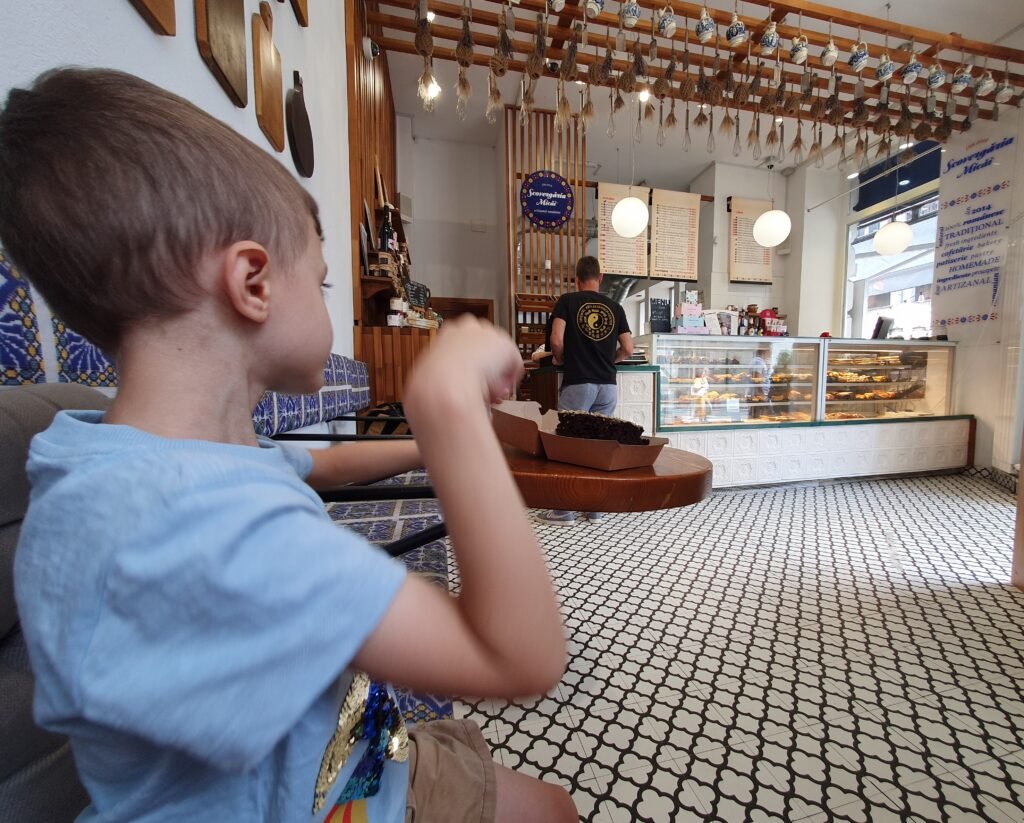
Long Term Travel With Kids Is Still Real Life
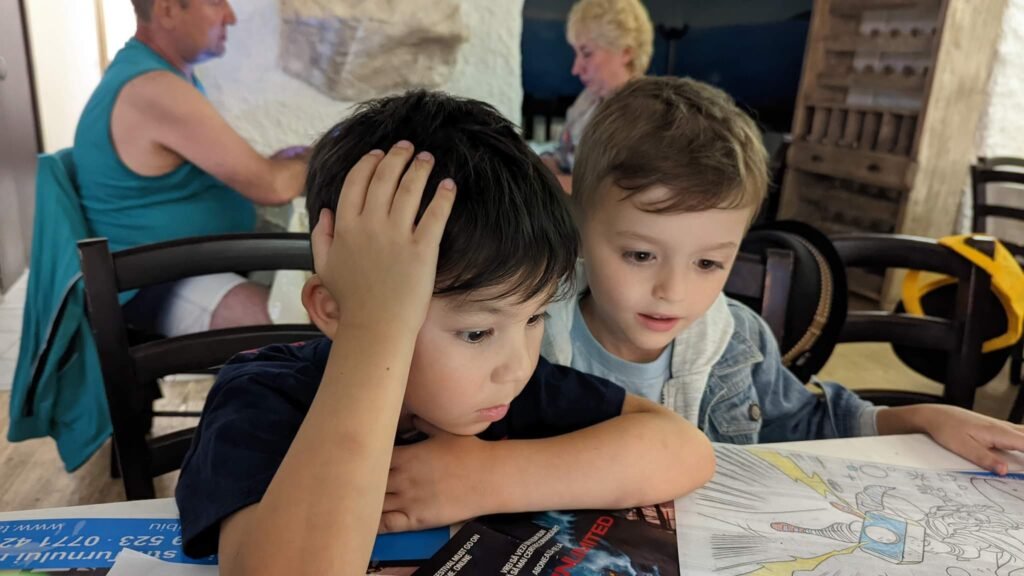
A few years ago my mom asked if we were tired from the endless holiday yet. I had to explain that we’re not really on holiday, unless we take an actual holiday. We work, just as we would if we lived somewhere permanently. Our son still has to do his learning, and we still do boring stuff like cleaning, cooking and laundry.
That means there are exciting days when we’re exploring somewhere completely new, but there are also boring Tuesdays. There are incredible meals in new countries, but there are also nights when we make something simple at home. There are amazing adventures too, like climbing mountains, flying in a hot air balloon, or riding camels through the Sahara desert. But there are also days when someone is tired, grumpy, and doesn’t want to go anywhere.
And that’s actually one of the things we love about this lifestyle.
The Bottom Line for Long Term Travel With Kids
We’re not trying to make every day extraordinary. We’re trying to build a life that works for our family, while giving ourselves the freedom to experience different places along the way.
For us, that has meant moving more slowly than we did when we started, and finding a home base to take trips from. It’s also meant keeping some kind of routine, and being much more comfortable with doing absolutely nothing sometimes.
We still love exploring, and we still want to see new places. We still get excited about arriving somewhere we’ve never been before. But we no longer feel like we have to squeeze every possible experience out of every destination.
Sometimes the best day in a new country is the day when you don’t do much at all.
If you’re thinking about doing this with your own family, don’t worry too much about how many countries you can fit into a year. Think instead about what pace lets everyone actually enjoy the life you’re creating.
Because the goal isn’t to travel as much as possible. It’s to build a version of long term travel with kids that no one needs a holiday from. It’s a version you can keep doing without burning out.