
Mauritius with Kids: Our Honest 2-Month Family Guide to Beaches, Wildlife & Island Life
Mauritius is the sort of place that seems to have been designed for honeymoon brochures. White-sand beaches, turquoise lagoons, luxury resorts, palm trees and sunsets over the Indian Ocean. It’s an easy place to picture as a week of lying beside a pool and doing very little.
But that wasn’t Mauritius for us.
We weren’t there for a honeymoon or even a typical holiday. We stayed for two months with our seven-year-old son, based in Flic-en-Flac on the west coast. We rented a place, settled into everyday life and explored the island at our own pace. We went to beaches, temples, wildlife parks and waterfalls, took a boat out to Île aux Bénitiers, and generally tried to see what Mauritius was like beyond the resort version of the island.
This is what this guide is about: what Mauritius was actually like for us as a digital nomad family, the places we visited, what we enjoyed most, and the practical things worth knowing if you’re considering travelling to Mauritius with children.
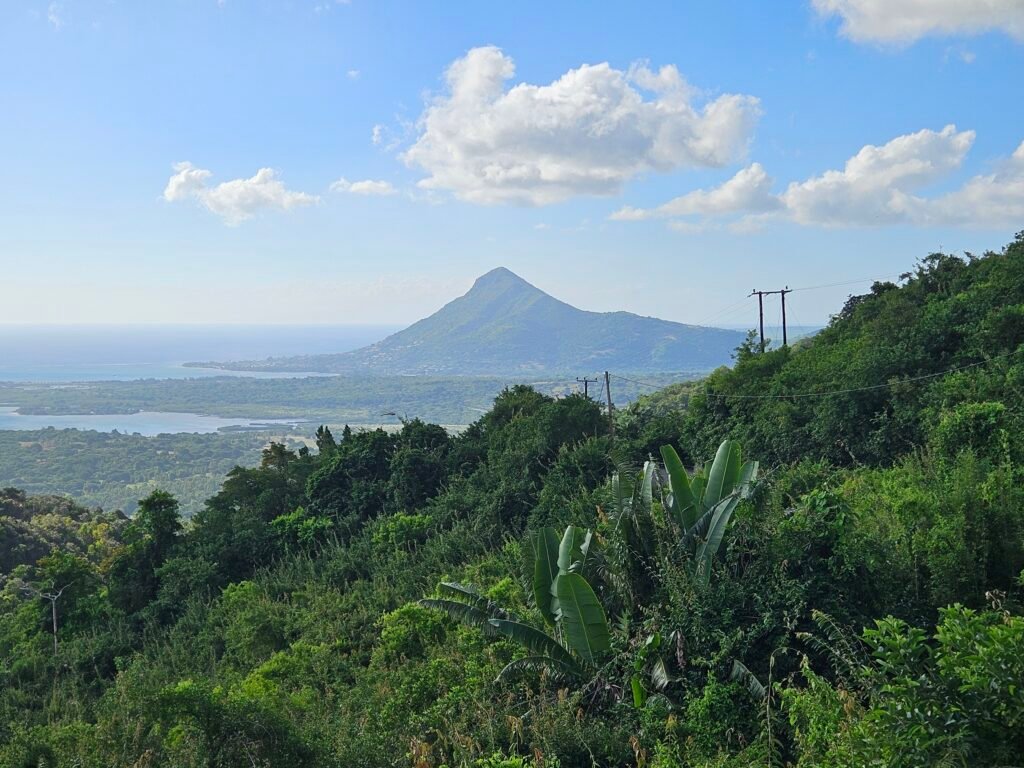
Our Mauritius itinerary
Although we stayed for two months, these are the places we’d prioritise if you have 7 to 10 days.
| Day | Experience |
| 1-2 | Relax at Flic en Flac Beach and settle in |
| 3 | Casela Nature Parks |
| 4 | Chamarel: Seven Coloured Earth, waterfall and tortoises Grand Bassin |
| 5 | Le Morne Beach |
| 6 | Boat trip to Île aux Bénitiers & Crystal Rock |
| 7 | Relax on one of your favourite beaches |
Having a longer stay meant we could spread these trips out over weekends instead of rushing around the island.
Why we chose Flic en Flac
When people think about Mauritius, they often imagine honeymoon resorts. We were looking for somewhere we’d actually enjoy living with a child.
Flic en Flac ended up being exactly that.
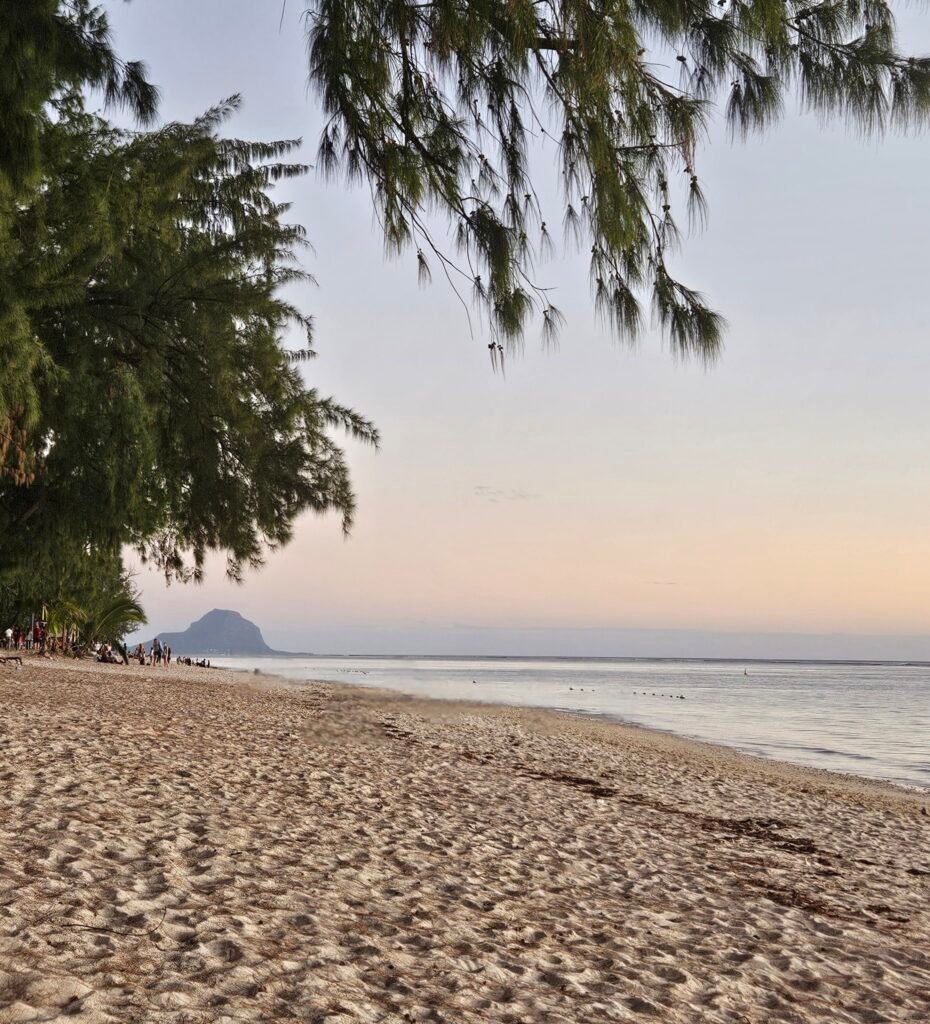
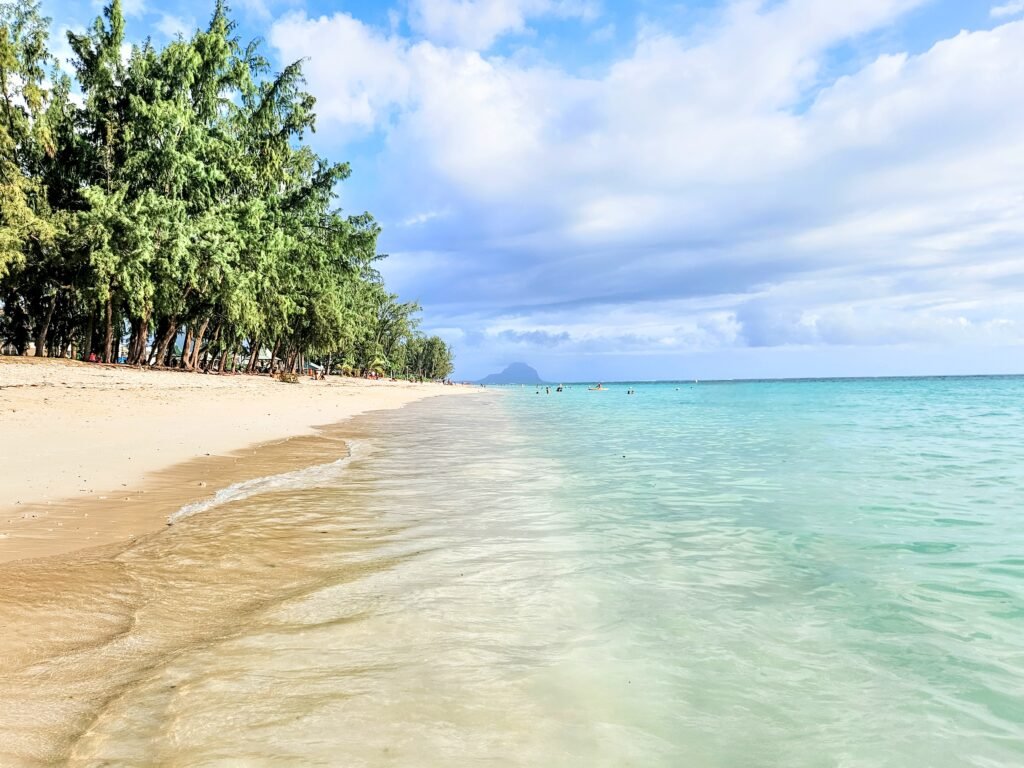
It’s on the west coast, about an hour from the airport, and has one of the island’s longest public beaches. Unlike some resort areas, it feels lived in. Locals picnic under the casuarina trees, kids play football on the sand after school, and there’s enough restaurants and supermarkets that you rarely need to drive for everyday life.
What we loved most was how calm it felt. Even during busier weekends, there was always enough space to spread out a towel.
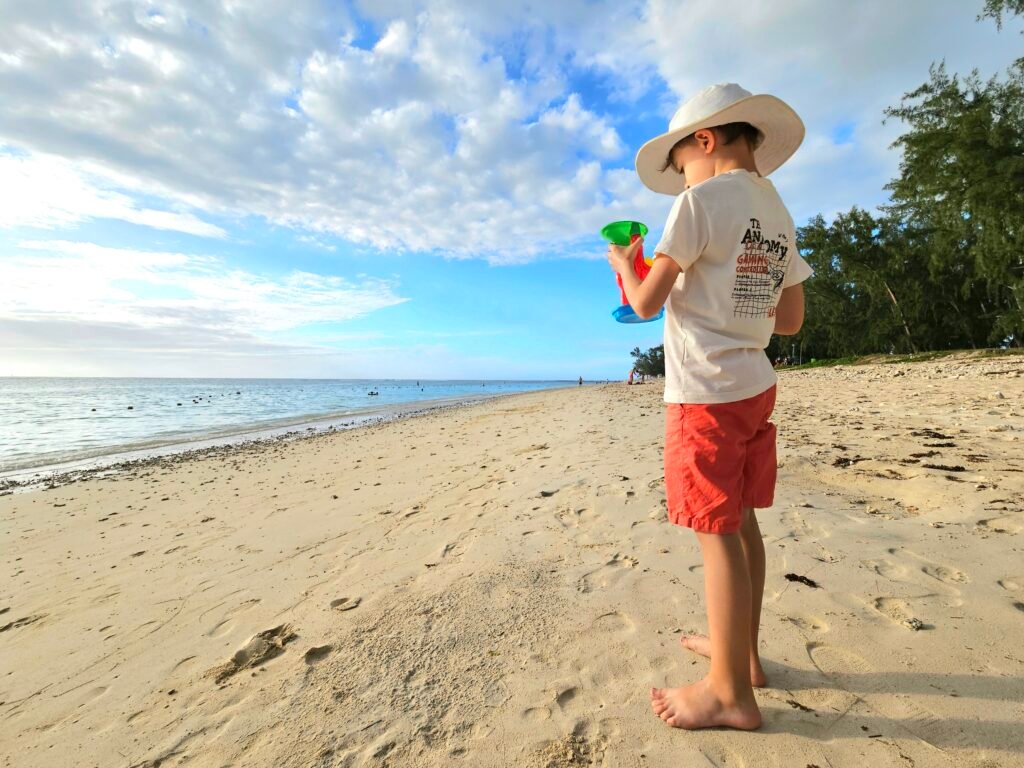
Flic en Flac Beach
This became our son’s backyard.
The lagoon is protected by a coral reef, which means the water is usually shallow and gentle. That’s a huge advantage if you’re travelling with younger children who want to spend hours in the sea.
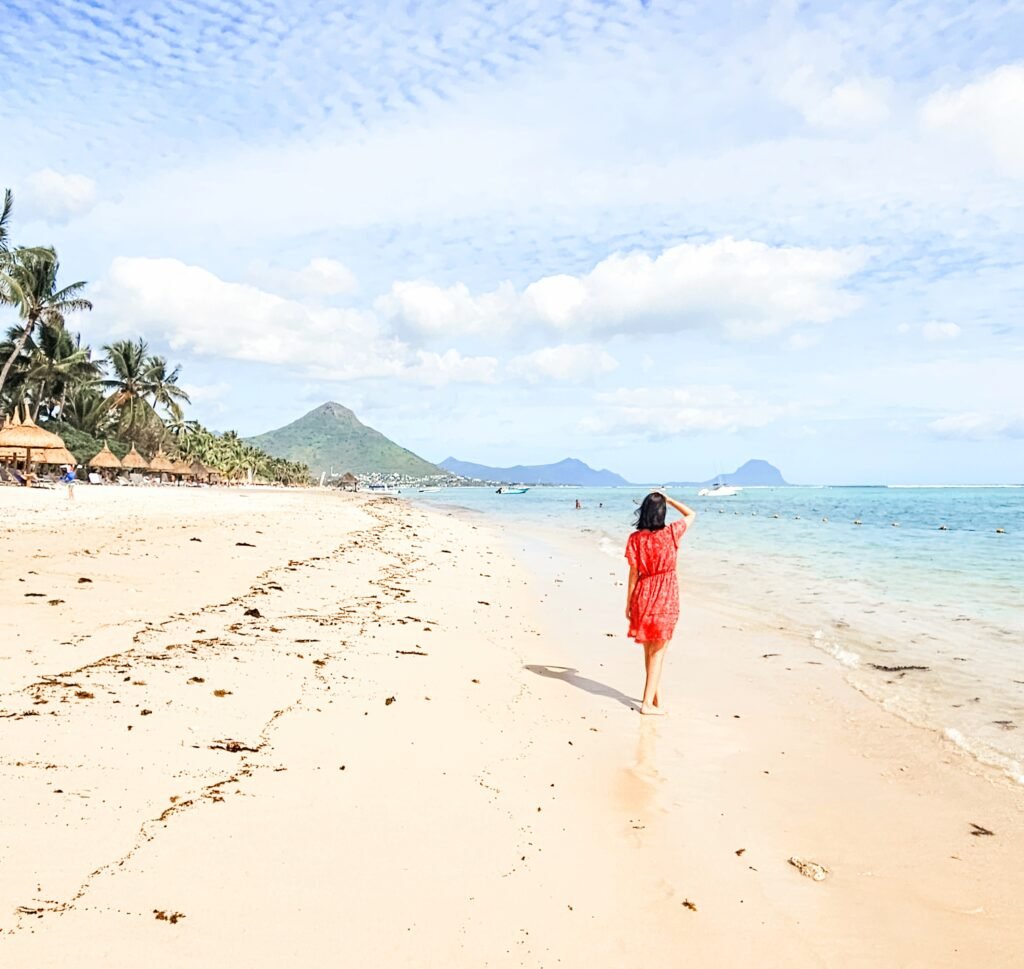
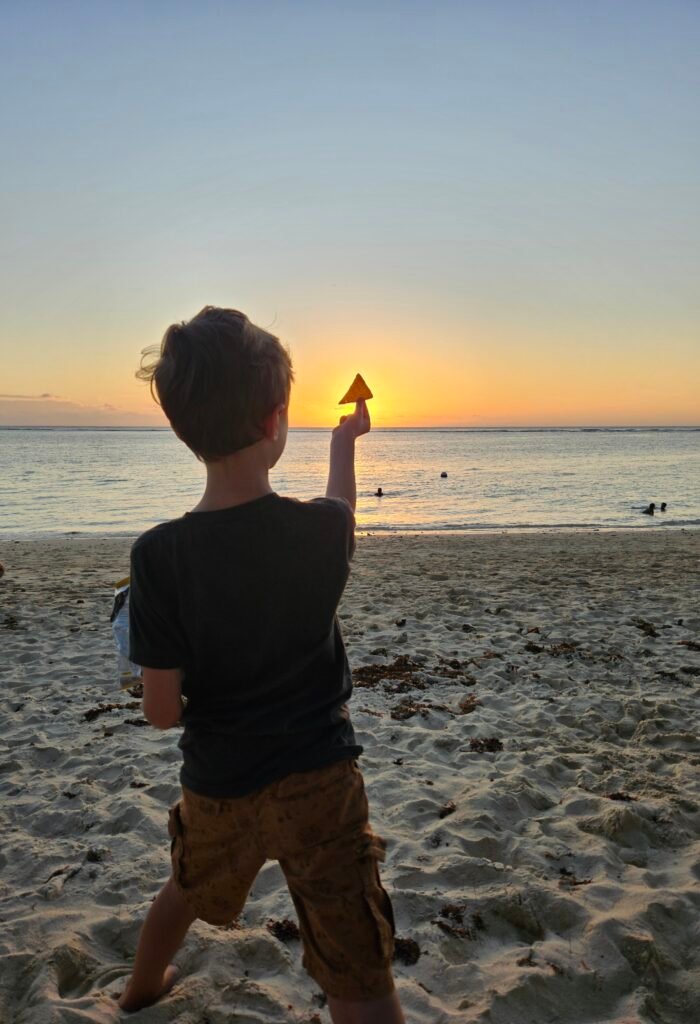
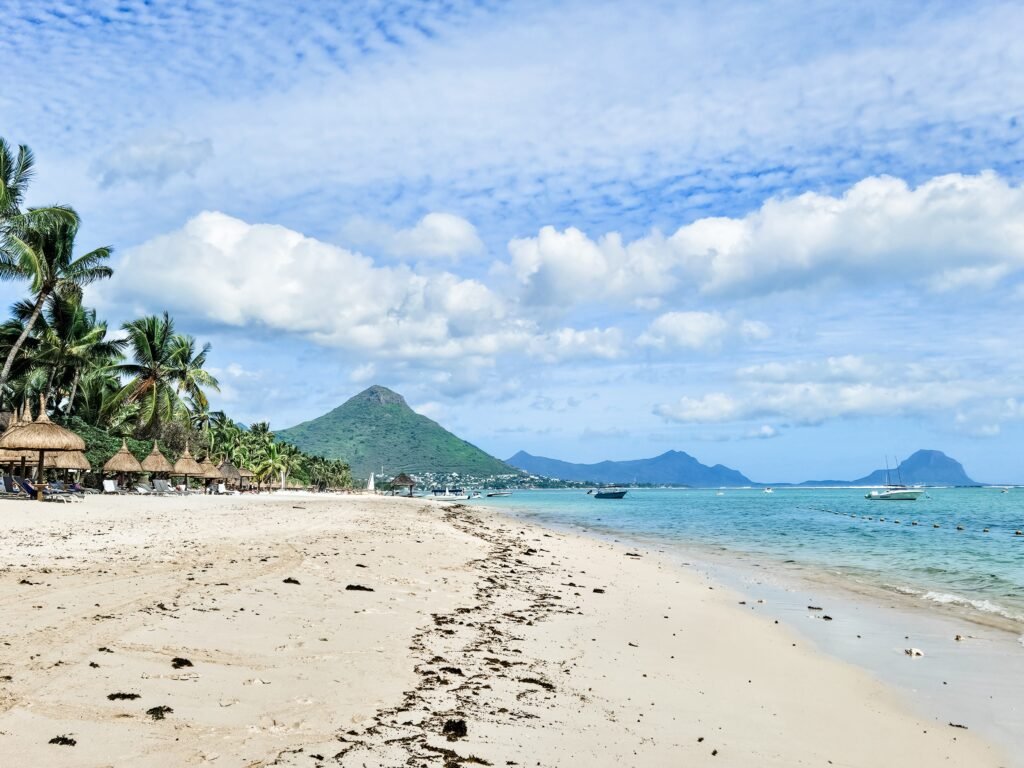
A few things that stood out after living here:
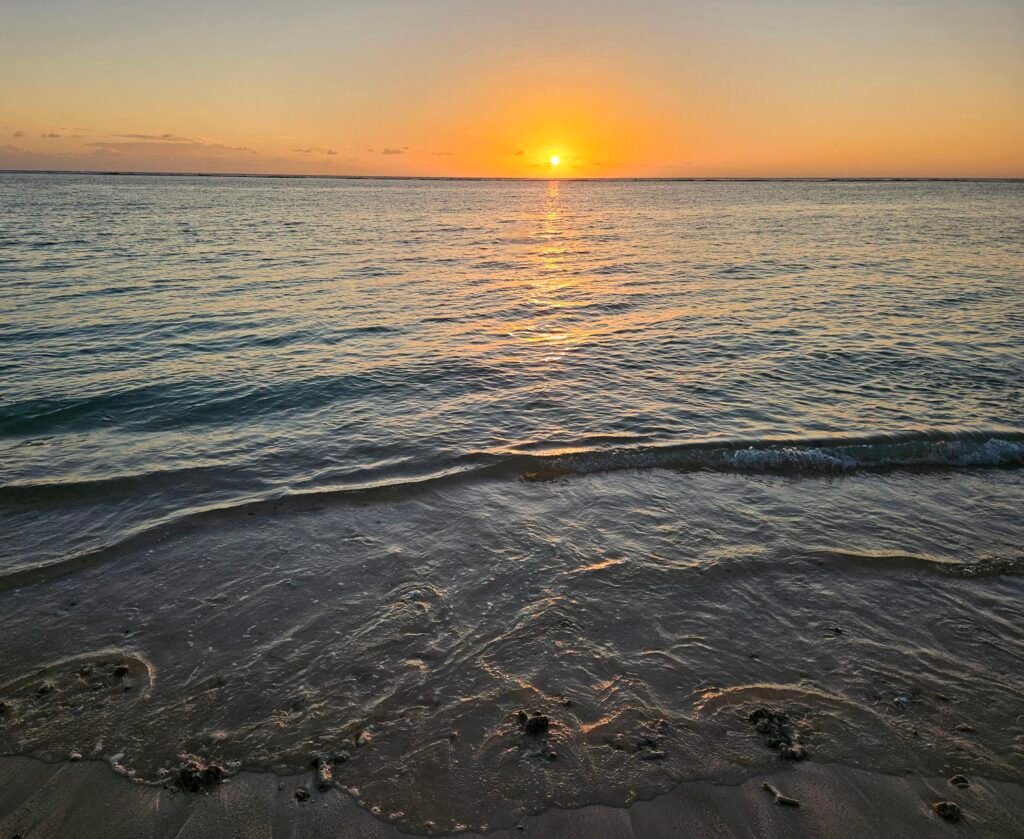
- The sunsets are genuinely spectacular, especially between May and September.
- There are plenty of shaded areas under the trees, so you don’t need to carry a beach umbrella.
- Street food vendors appear in the evenings selling snacks and fresh coconut.
- Weekends are much busier because local families come for picnics, but weekdays stay wonderfully quiet.
If you’re choosing between the north and west coast for a family stay, we’d happily choose Flic en Flac again.
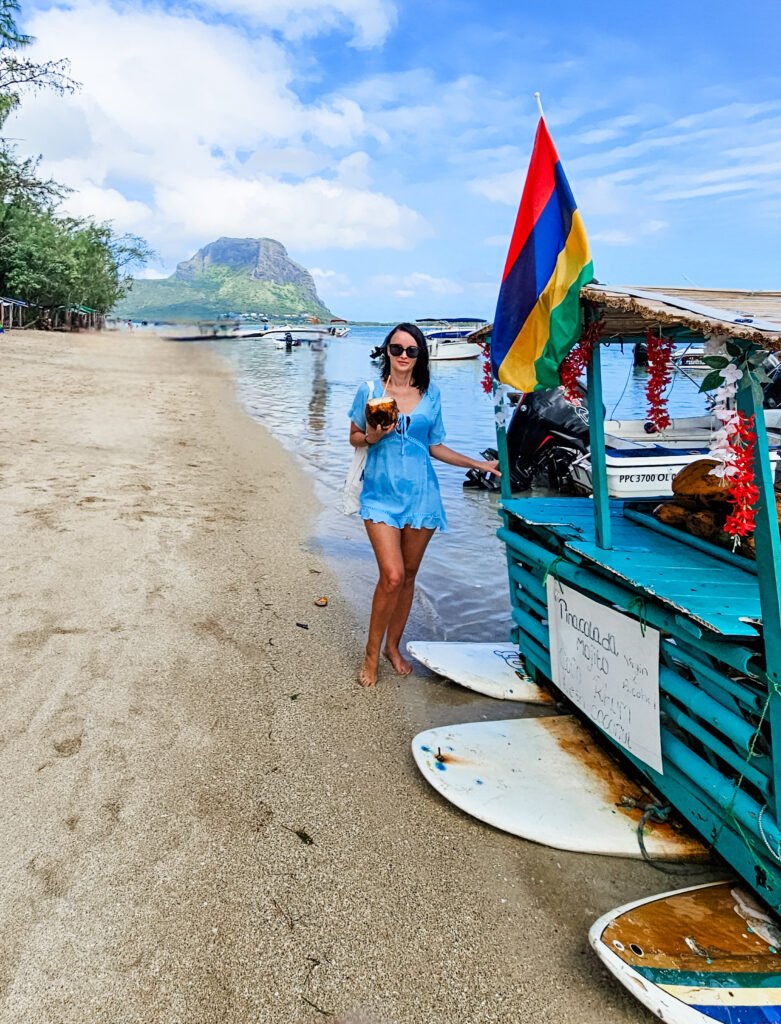
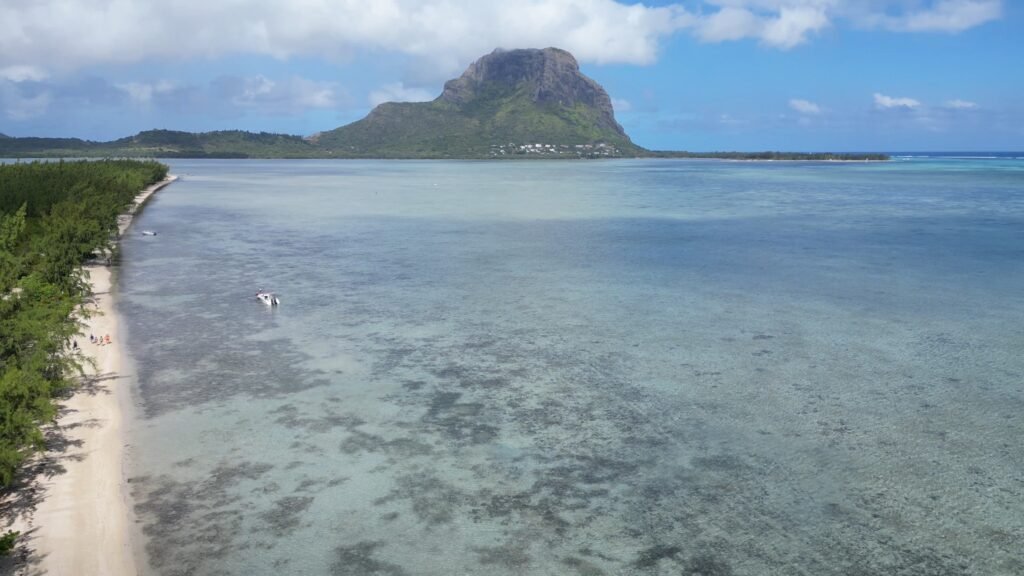
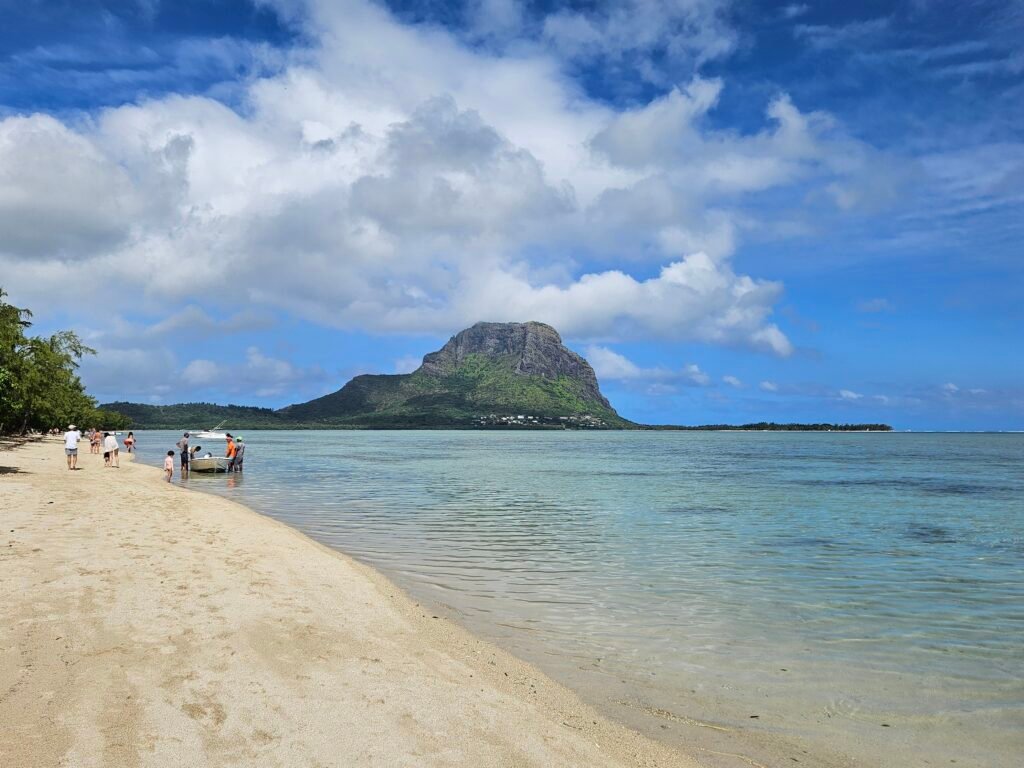
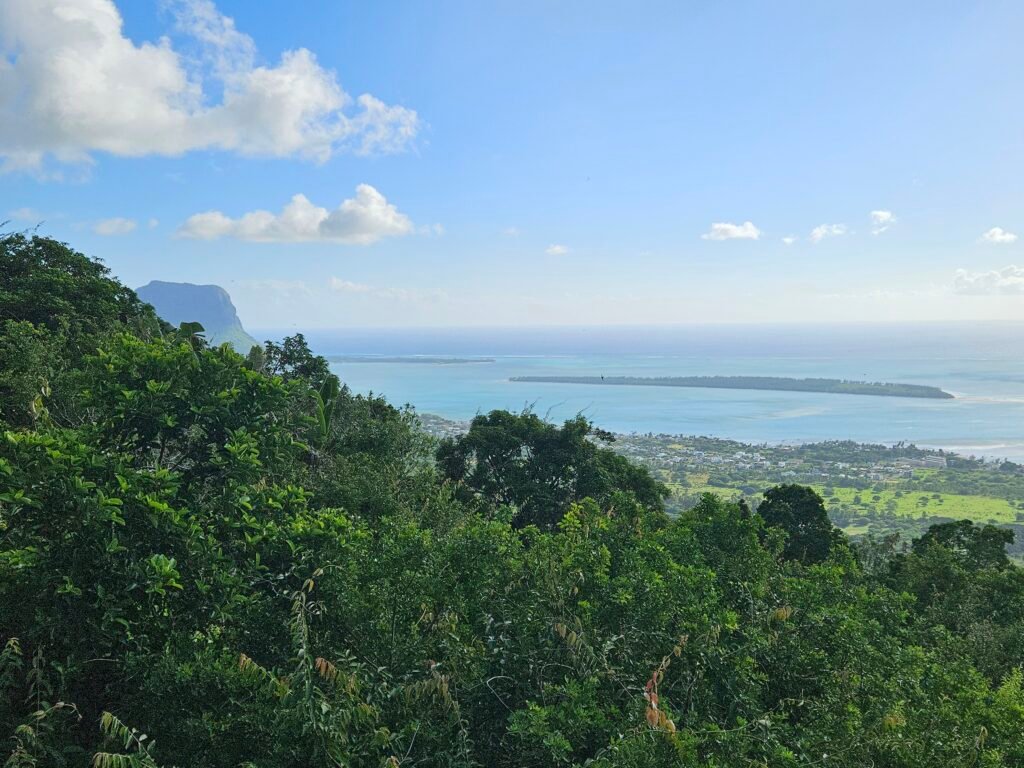
Le Morne Beach, our favourite beach in Mauritius
If someone asked us to recommend just one beach in Mauritius, this would be it.
Le Morne somehow feels completely different from Flic en Flac, even though it’s only about 40 minutes away.
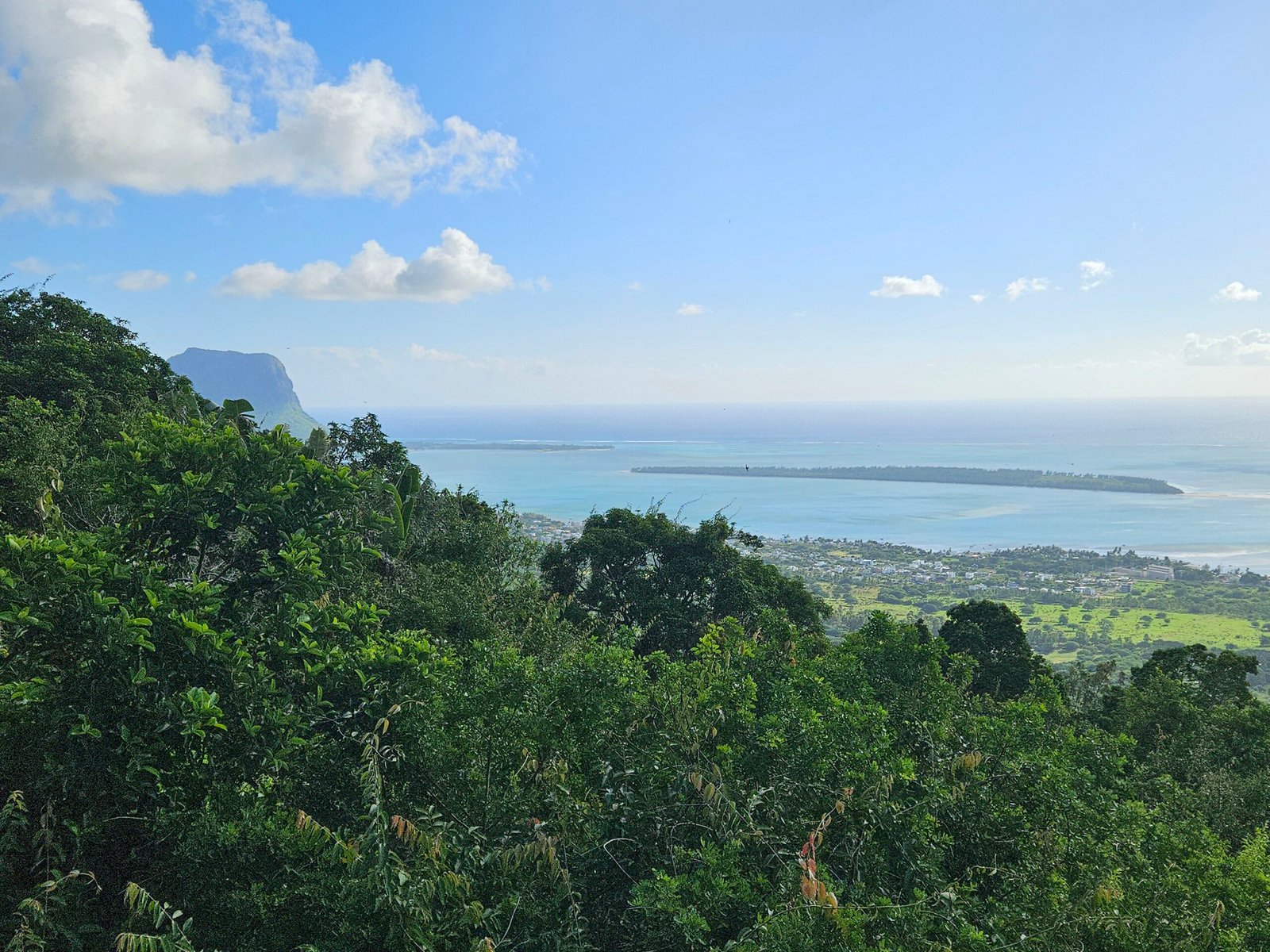
The enormous mountain rising behind the beach gives it an almost unreal backdrop. The lagoon is incredibly clear, and because the beach stretches for so long, it never felt crowded.
We spent almost an entire day here doing very little. Swimming, building sandcastles, and watching kite surfers fly across the lagoon.
Is Le Morne good for kids?
Yes, especially for children who love the beach.
The swimming area is shallow for quite a distance, although some sections become deeper more quickly than Flic en Flac. Water shoes are worth bringing because there are occasional coral patches.
If your children are older, they’ll probably be fascinated by the dozens of colourful kites filling the sky.
Grand Bassin, the spiritual heart of Mauritius
One of the things we appreciated most about Mauritius was how culturally diverse it is.
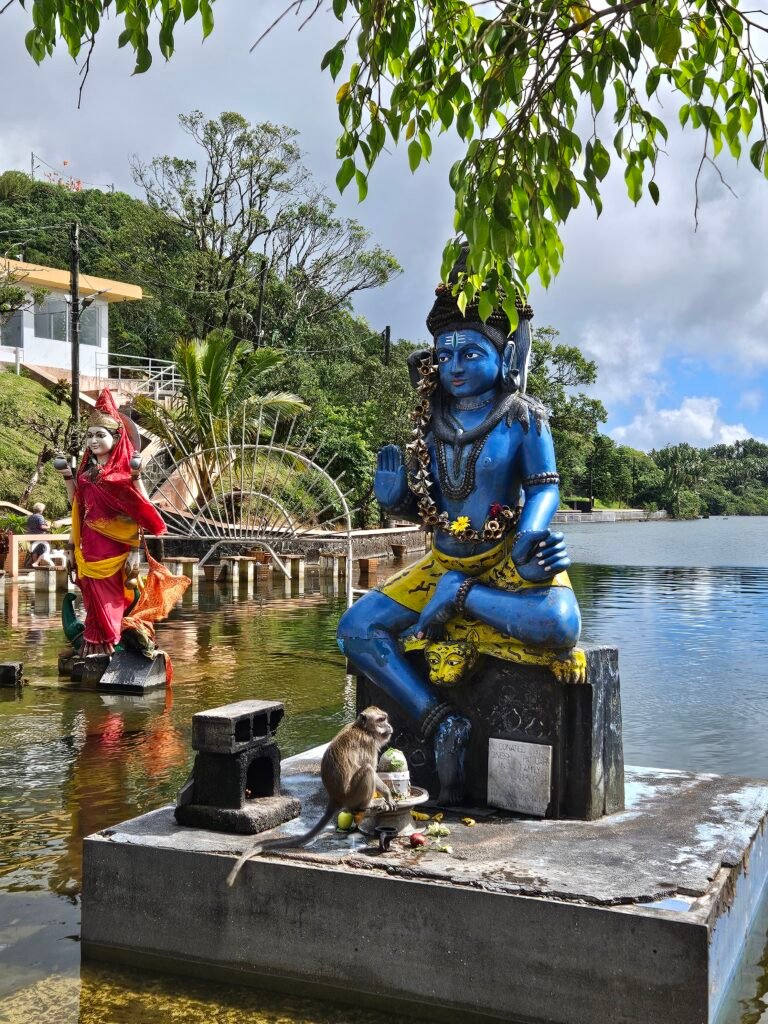
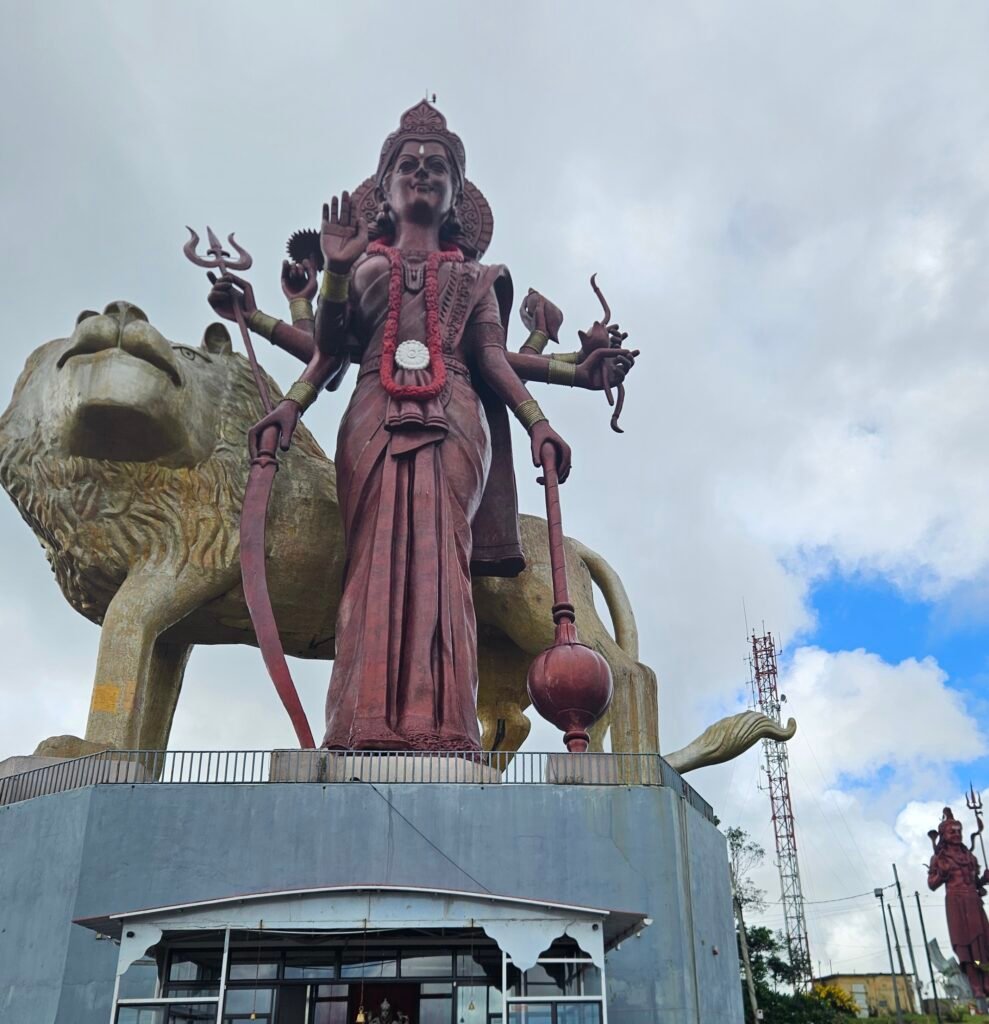
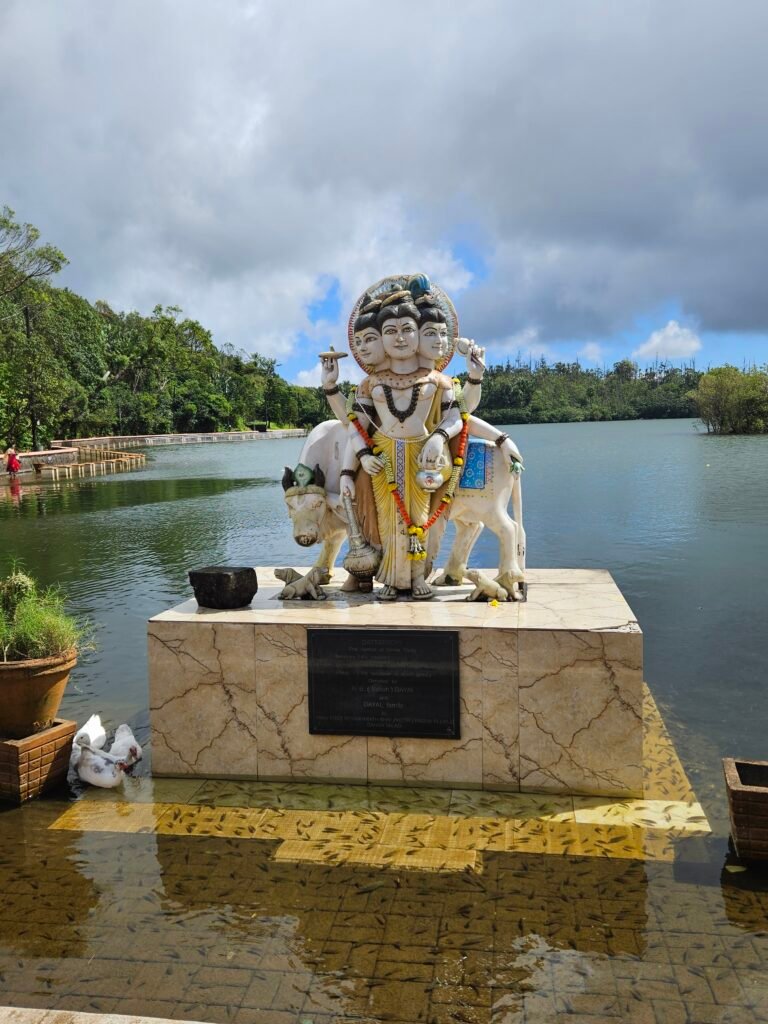
Grand Bassin, also called Ganga Talao, isn’t just another temple complex. It’s one of the most important Hindu pilgrimage sites outside India.
The giant 33-metre statue of Lord Shiva is impossible to miss as you arrive, but the peaceful lake is what makes the visit memorable.
We visited quietly, walked around the lake, watched worshippers leaving offerings and let our son ask questions about traditions he hadn’t encountered before. It felt much more meaningful than simply photographing another landmark.
Practical tips
- Dress modestly, shoulders and knees covered is appreciated.
- Entry is free.
- Allow around 60 to 90 minutes.
- Weekdays are noticeably quieter than weekends.
Chamarel, the best family day trip on the island
If you only have time for one inland excursion, make it Chamarel. We recommend this tour that takes you to all the sites around Chamarel, as well as Ganga Talao and a few other places.
Everything is close together, so it’s an easy full-day adventure without spending hours in the car.
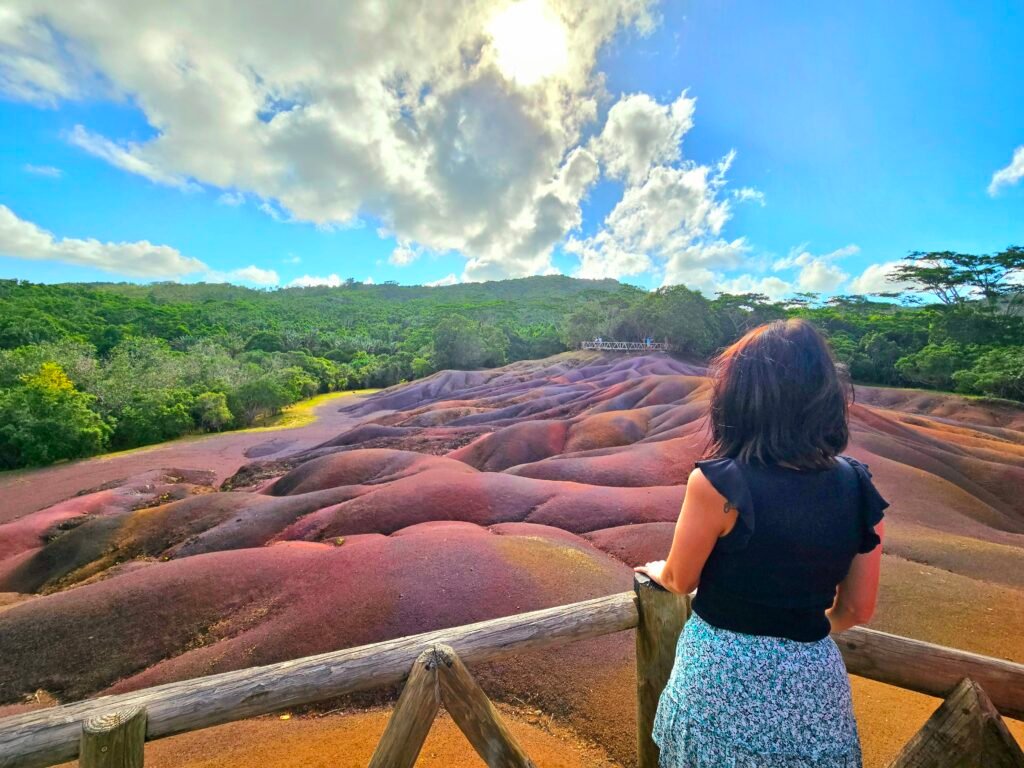
Seven Coloured Earth
I’ll admit I wondered whether colourful sand dunes would feel a little underwhelming.
They didn’t.
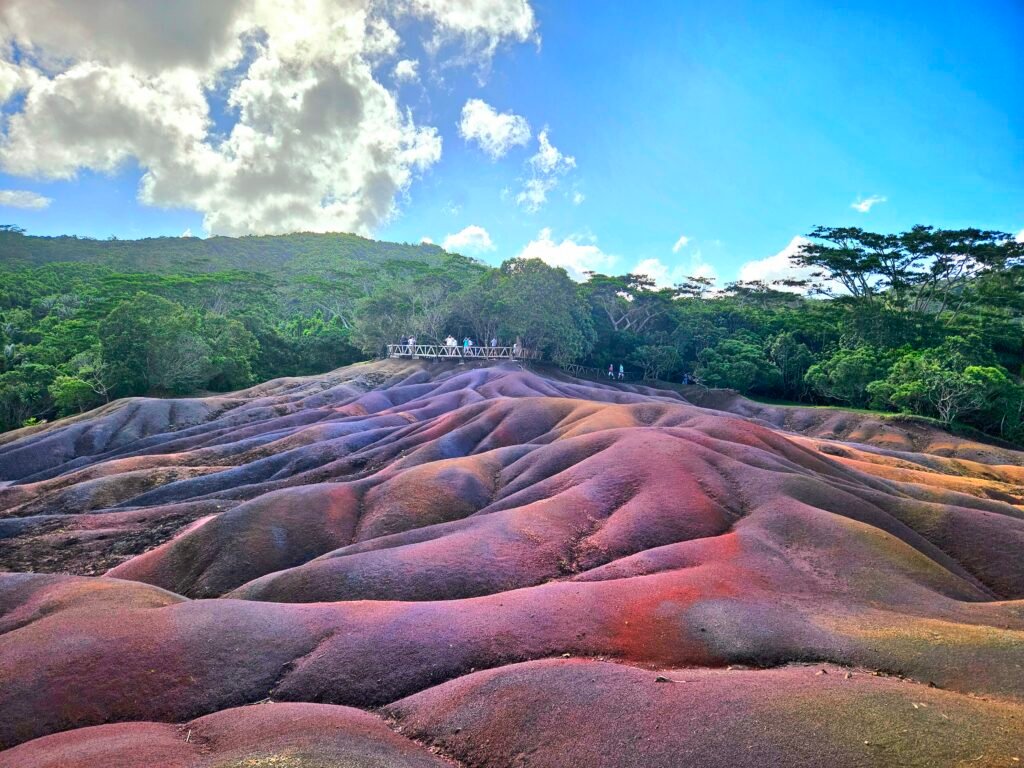
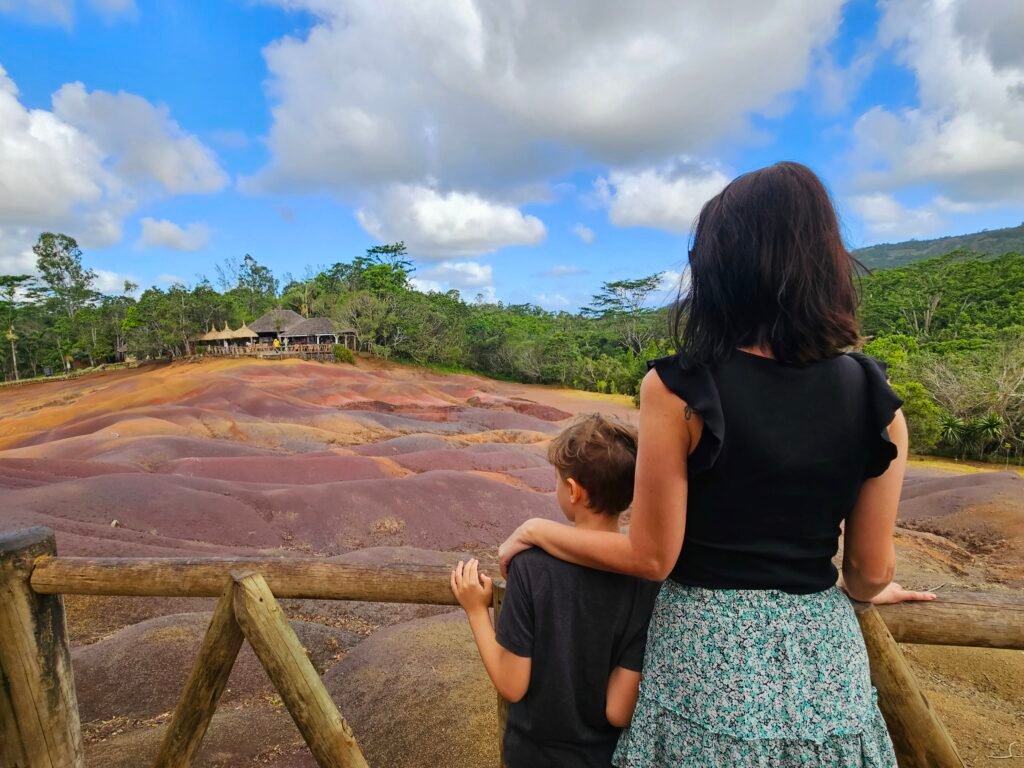
The volcanic landscape really does shift between reds, purples, oranges and browns depending on the light. It’s surprisingly photogenic, and because the viewing platforms are elevated, it’s easy to explore without long walks.
Our son was fascinated by the science behind it rather than the colours themselves, which turned into one of those unexpected worldschooling moments.
Giant tortoises
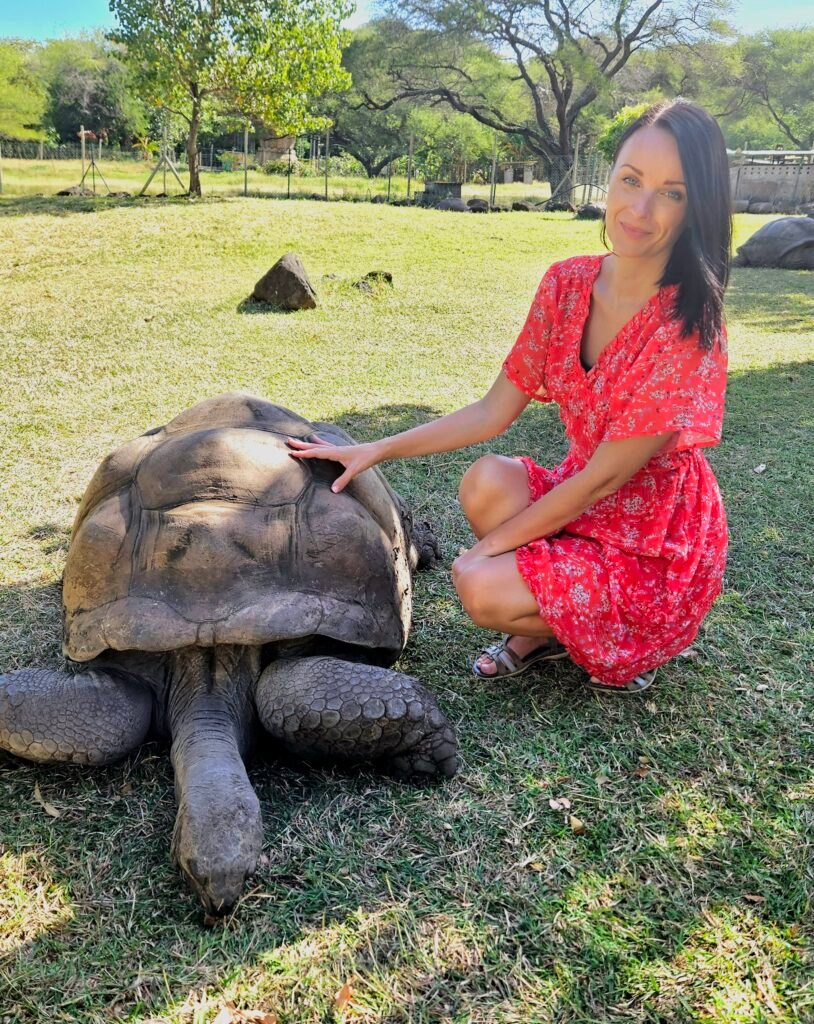
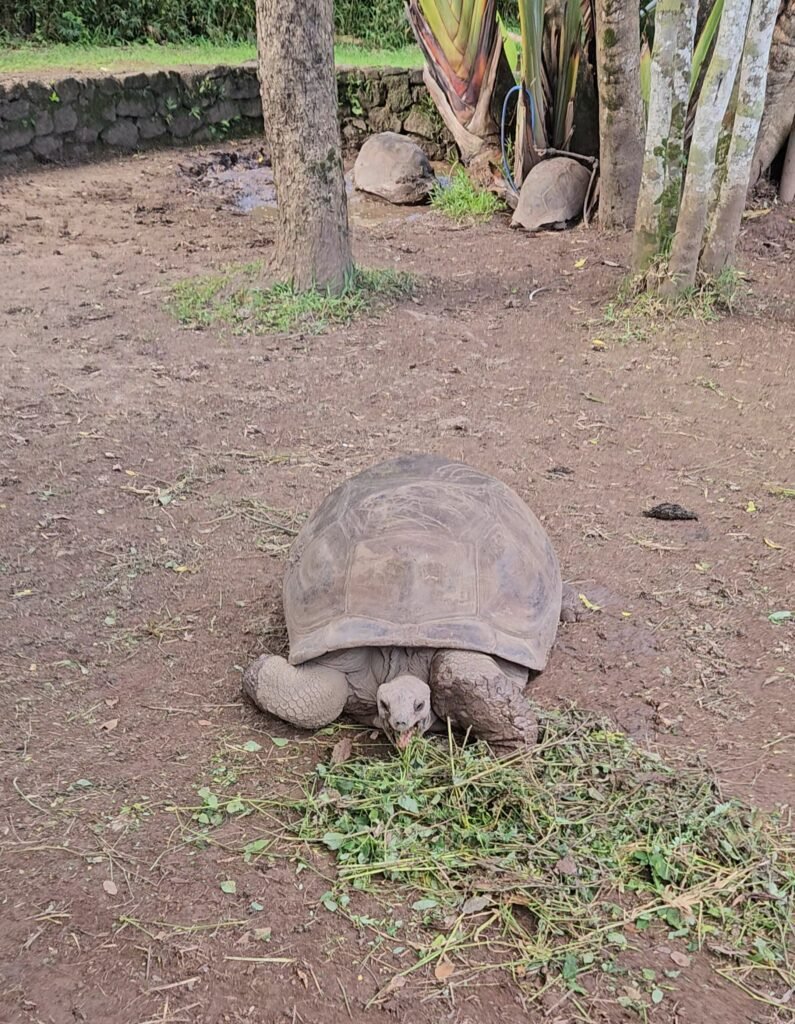
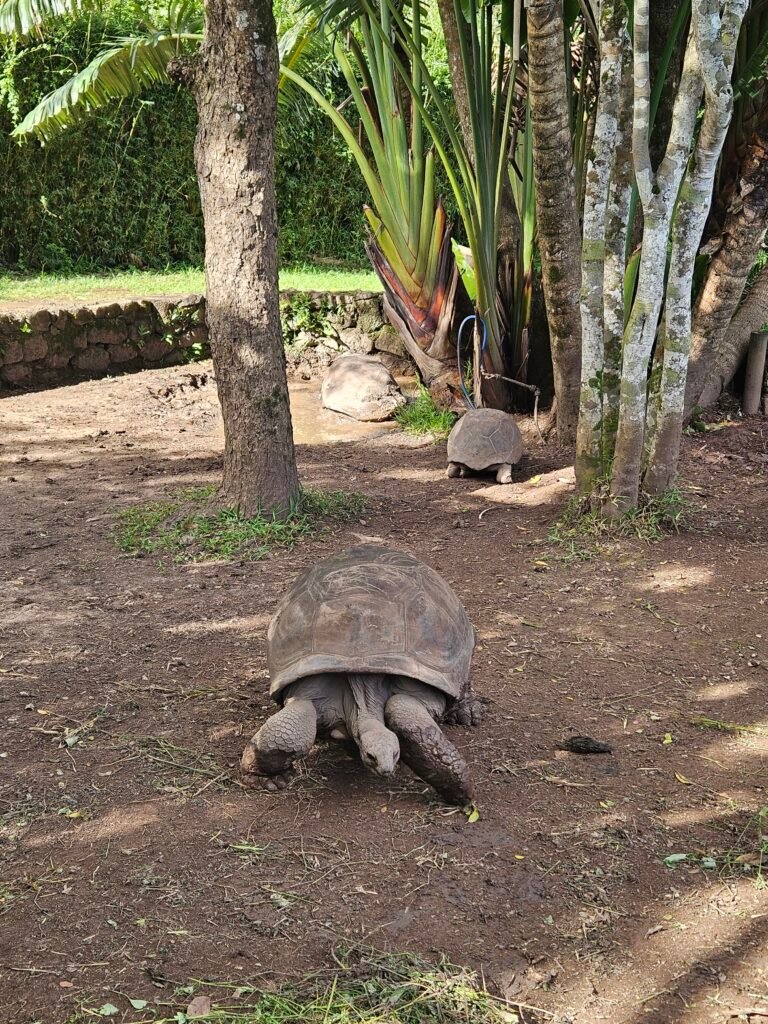
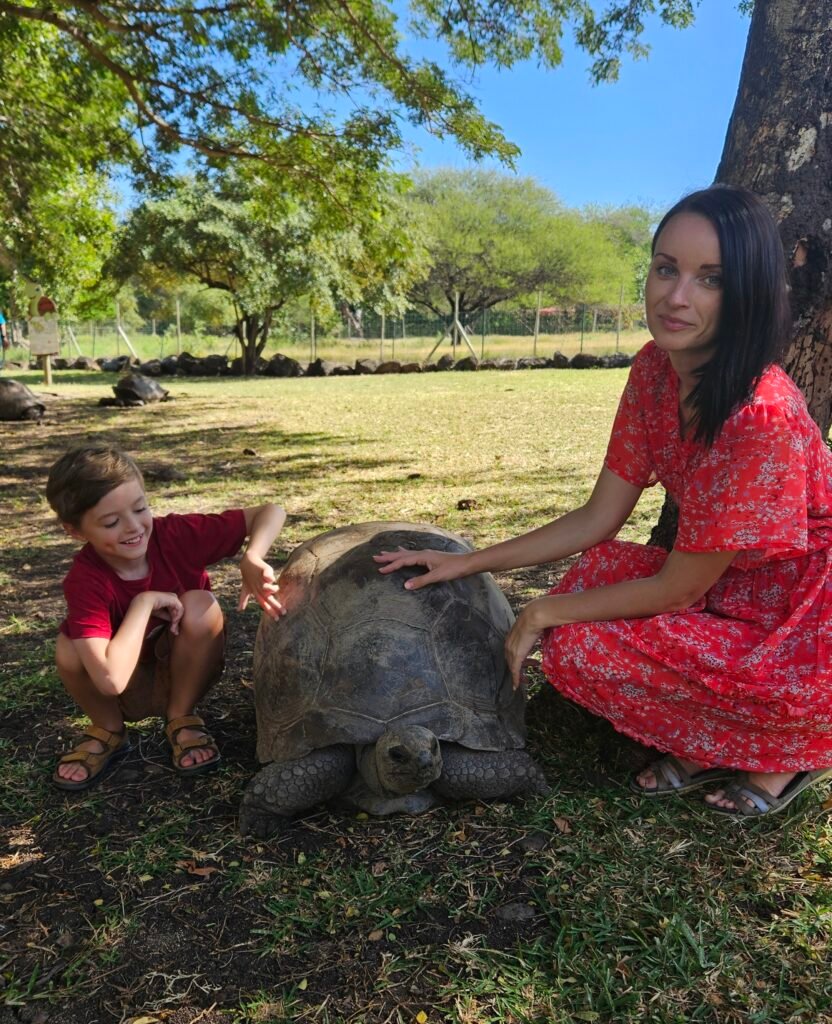
Right next to the coloured earth are several Aldabra giant tortoises, and this ended up being our son’s favourite part of Chamarel.
Watching animals that can live for over 150 years makes quite an impression on a child.
The enclosure isn’t enormous, but it’s well worth visiting while you’re already there.
Chamarel Waterfall
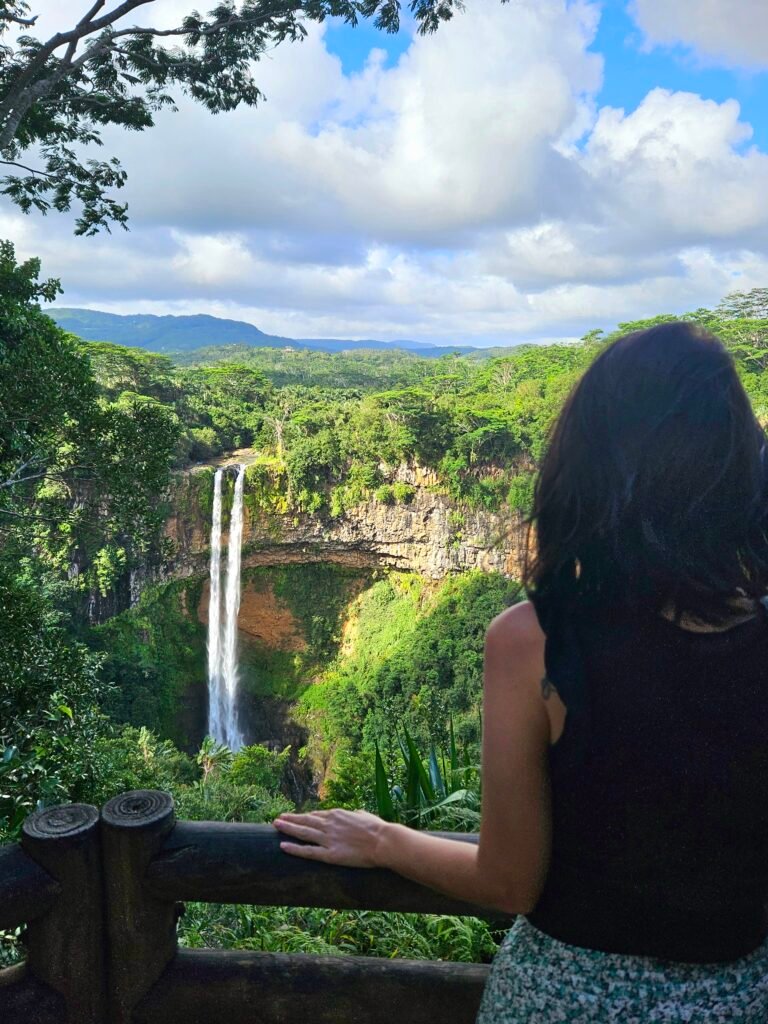
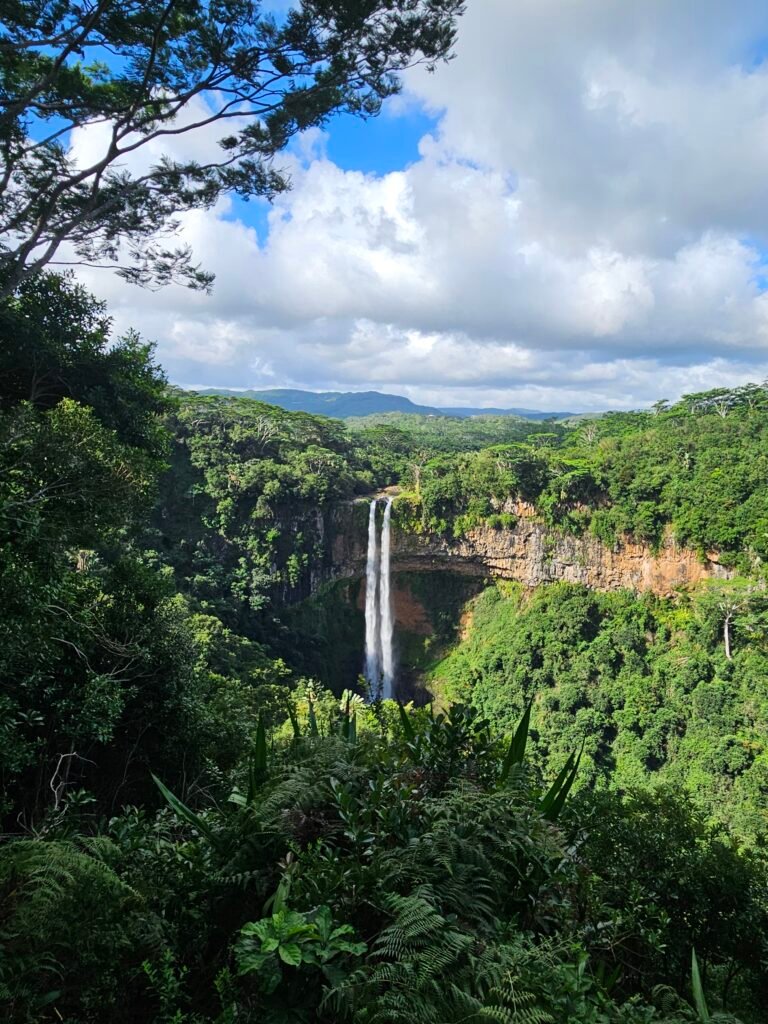
Just a few minutes away is Chamarel Waterfall, the tallest waterfall in Mauritius at around 100 metres.
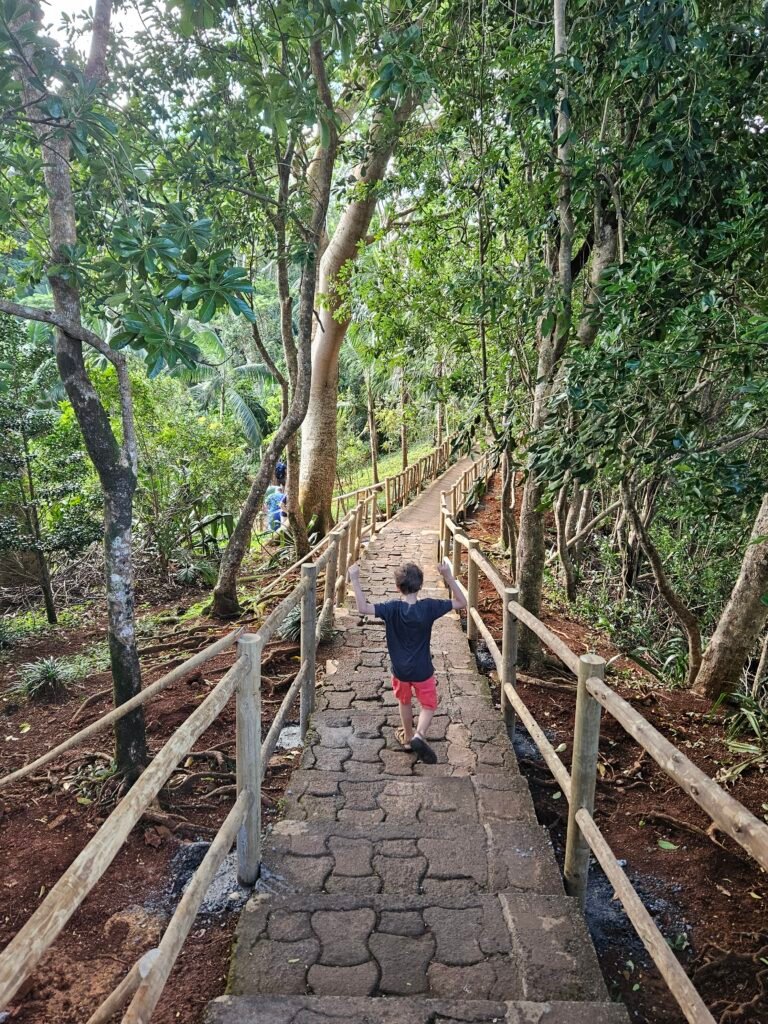
There’s no strenuous hike required. A short walk from the parking area leads to the viewpoint overlooking the gorge.
It’s one of those places that’s worth 20 minutes rather than half a day, and it combines perfectly with the coloured earth.
Current visitor information
The Seven Coloured Earth Geopark is typically open daily from 8:30 am to 5:00 pm, and family tickets usually work out cheaper than buying individual adult and child admissions. Check current prices before visiting, as they change periodically.
WHY WE BOOK TOURS WITH GETYOURGUIDE
GetYourGuide is one of the platforms we use to find and book tours and activities when we’re travelling. We like having lots of options in one place, particularly when we’re travelling as a family.
We use GetYourGuide because it makes comparing tours and booking activities much easier, especially when we’re travelling with a child.
Casela Nature Parks
We weren’t sure what to expect from Casela.
It sits somewhere between a zoo, safari park and adventure park, and it’s much larger than it first appears.
For families, we’d recommend focusing on the wildlife rather than trying to do every activity.
Some highlights included:
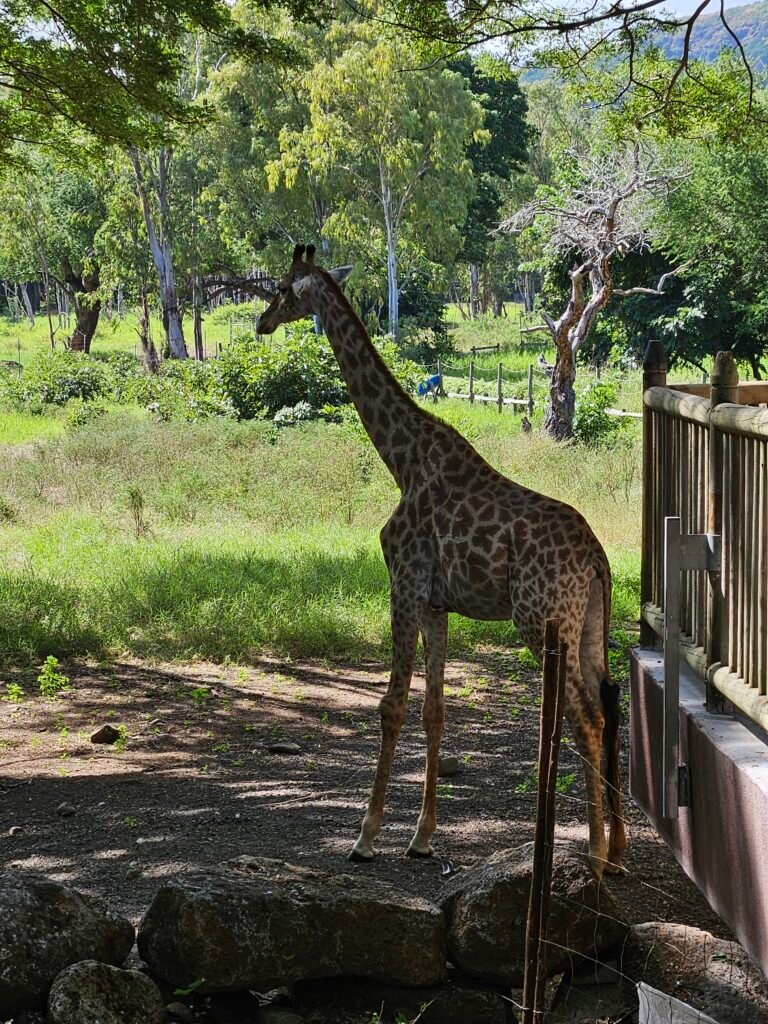
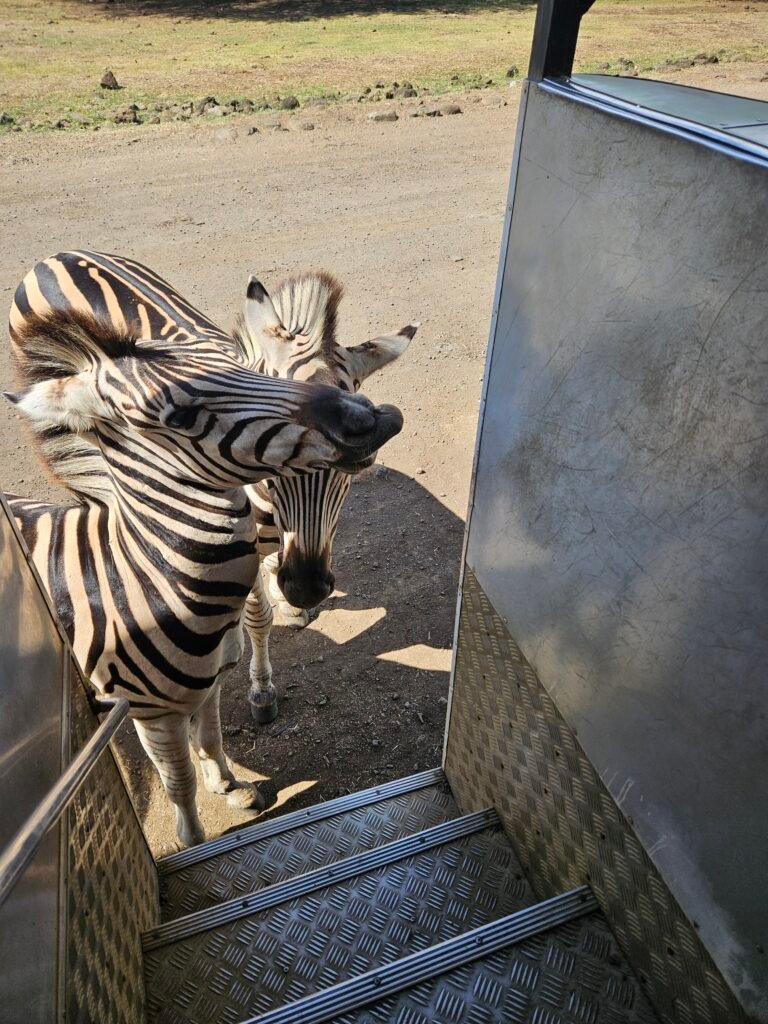
- Feeding giraffes
- Seeing zebras and antelope on the safari
- Walking through the aviaries
- Watching our son debate which animal he’d happily take home (fortunately, giraffes aren’t practical)
You could easily spend five or six hours here.
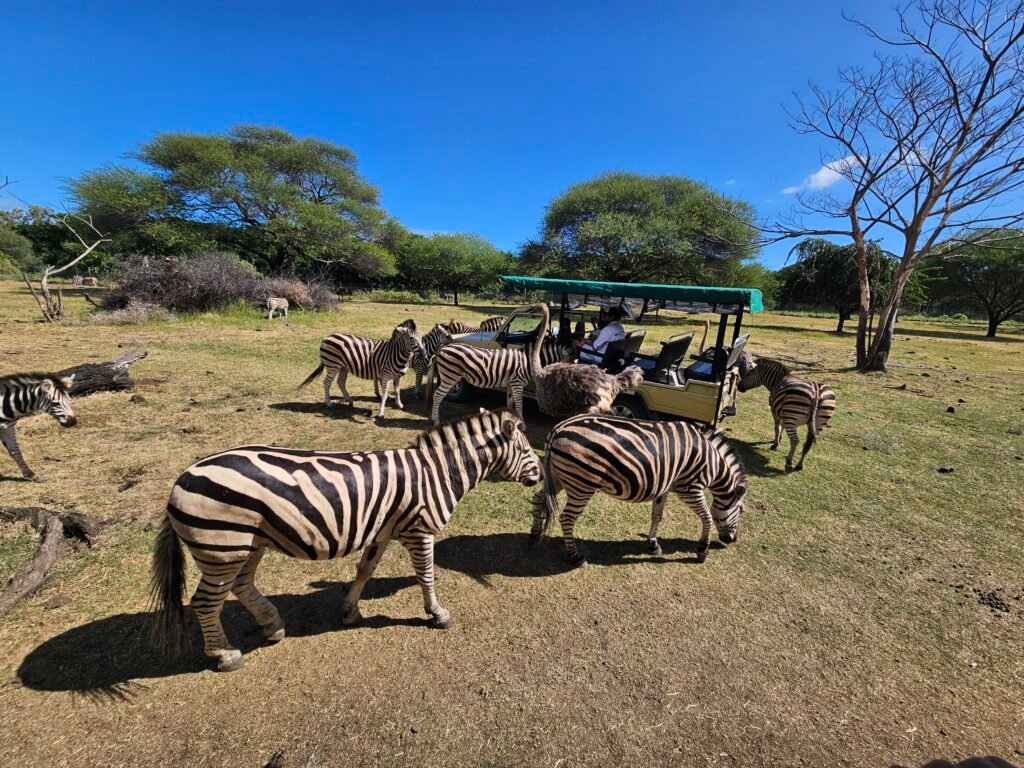
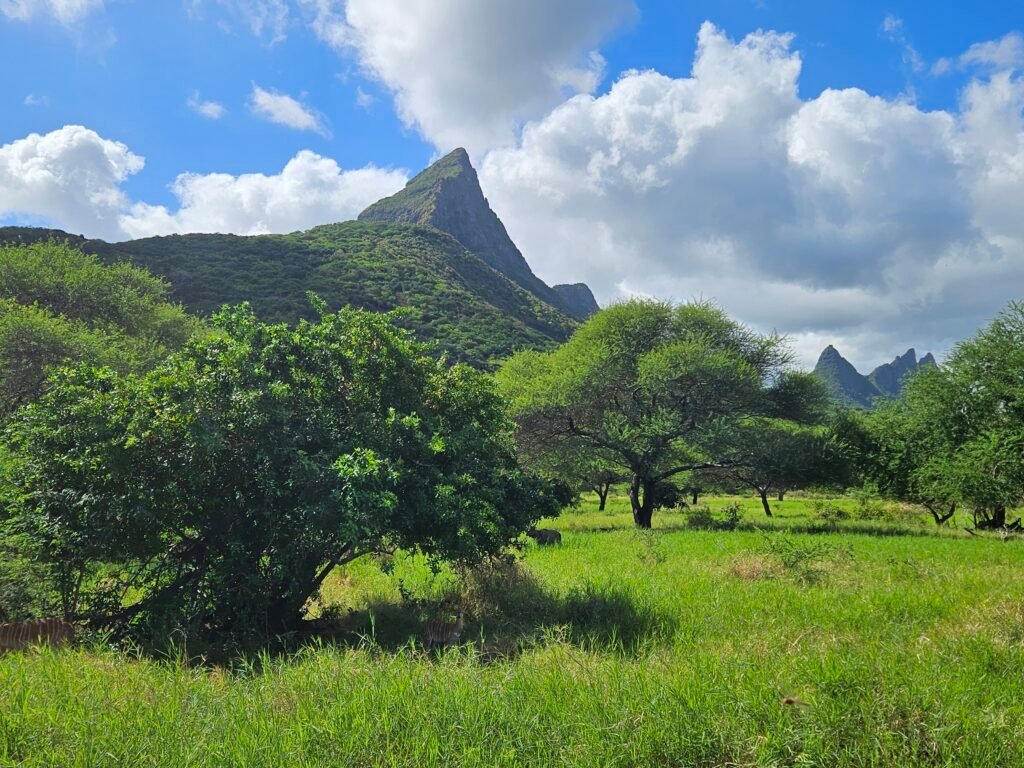
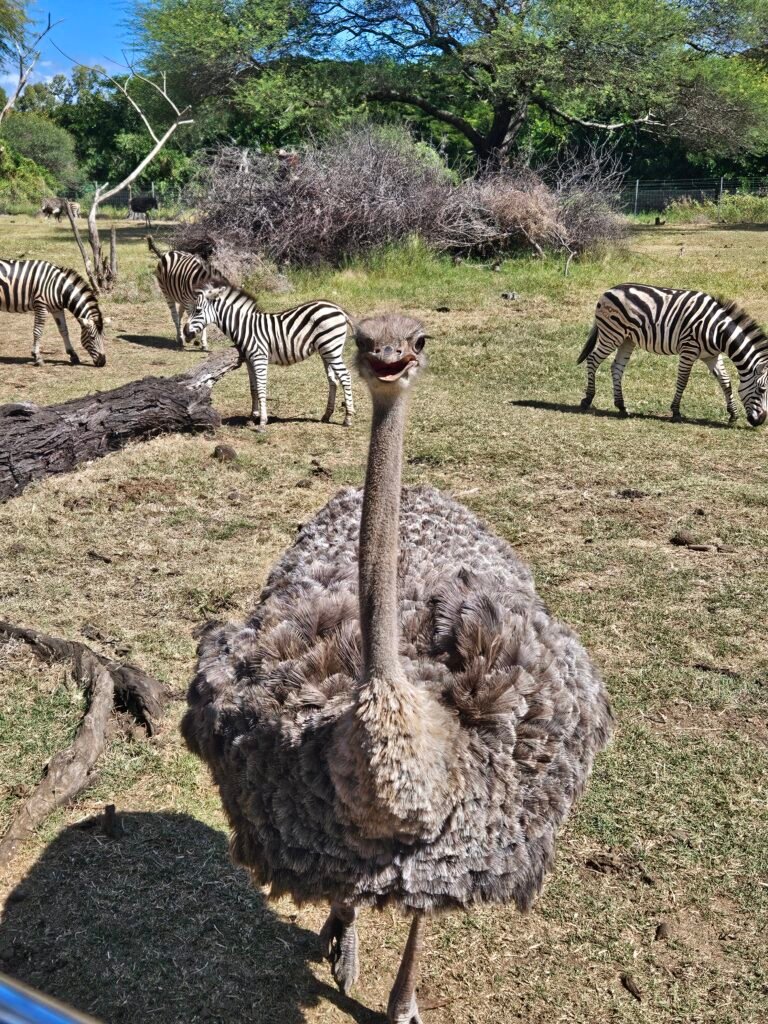
Is Casela worth it?
Yes, especially if your children enjoy animals.
There are also adventure activities in the park that would be fun for older kids and teenagers, and families with younger children will probably get more value from the wildlife experiences.
Book online if possible, as combination tickets are often cheaper than buying individual activities on arrival.
Boat trip to Île aux Bénitiers & Crystal Rock
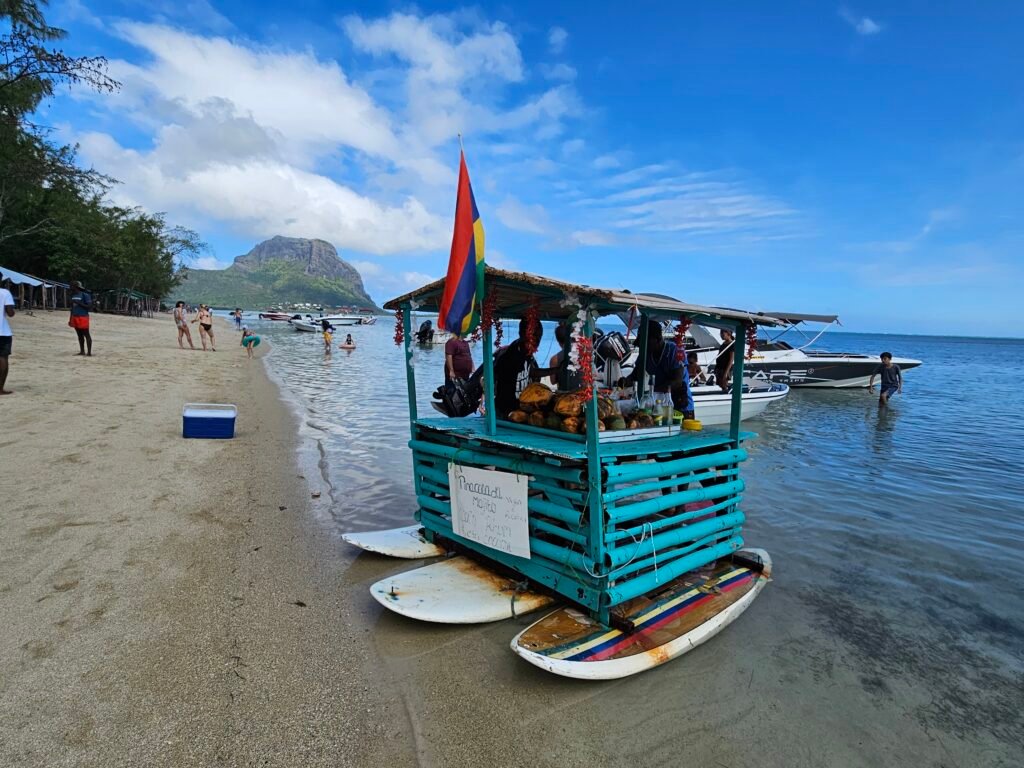
This was our favourite excursion of the entire trip.
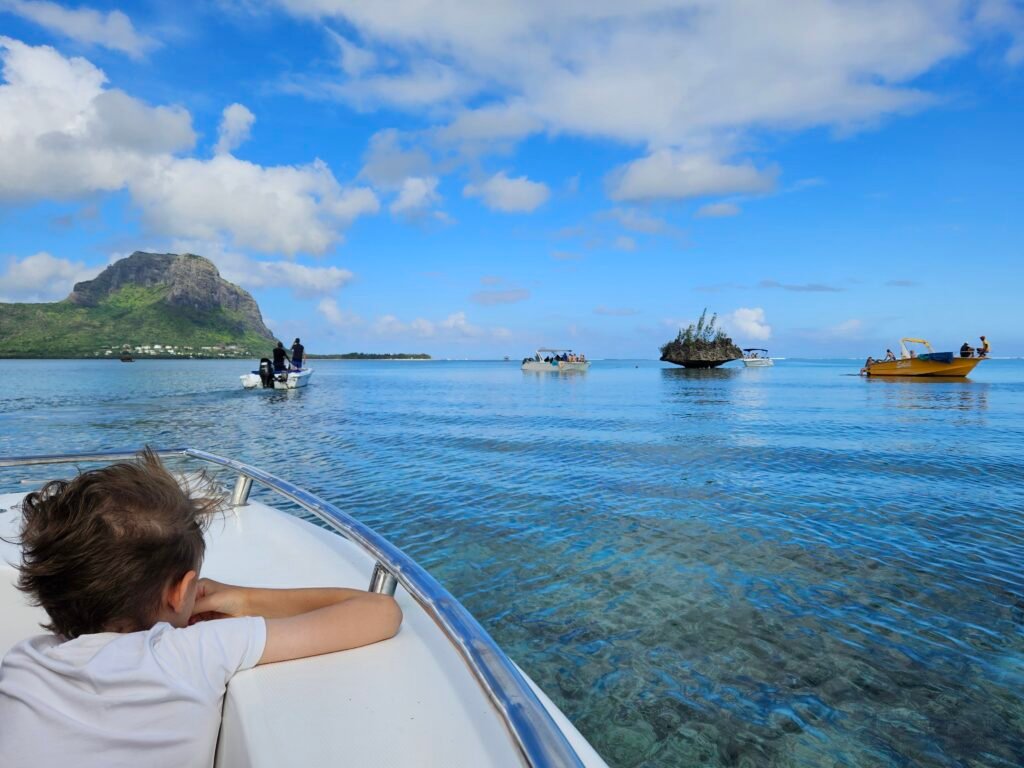
Most tours leave from La Gaulette, which was about a 40-minute drive from where we stayed.
The day usually includes:
- A boat ride across the lagoon
- Crystal Rock
- Snorkelling stops
- Time on Île aux Bénitiers
- BBQ lunch (depending on the tour)
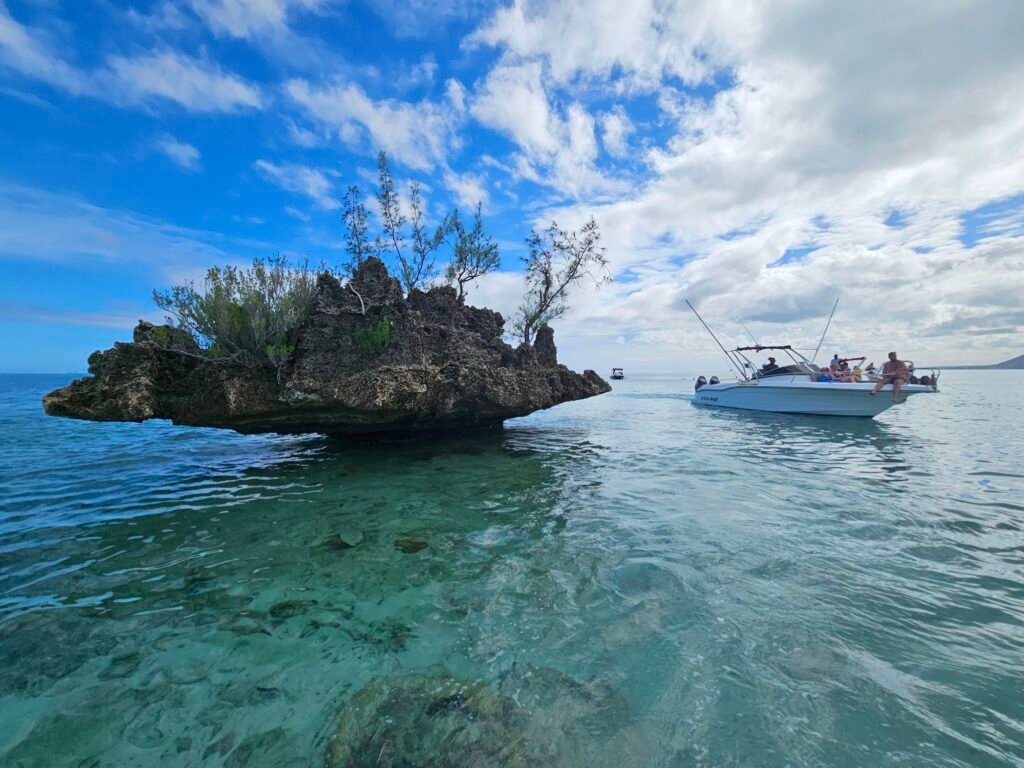
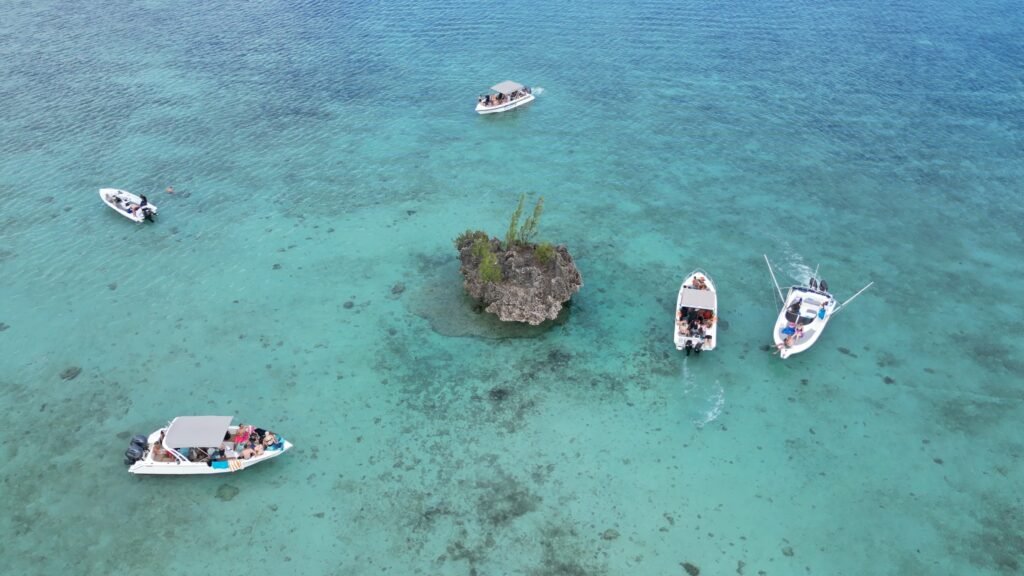
Crystal Rock
Crystal Rock looks almost artificial.
A huge limestone rock rises from brilliantly turquoise water with almost nothing around it. It’s probably one of the most photographed places in Mauritius, but seeing it from the boat still felt special.
The water here is incredibly clear, and even our son spent longer snorkelling than we expected.
Île aux Bénitiers
The island itself is wonderfully simple.
No resorts, no big attractions, just soft sand, shallow water and plenty of space to relax before heading back to the mainland.
If your children enjoy boats and swimming, this is probably the excursion we’d recommend above any other.
Worldschooling in Mauritius
One of the reasons Mauritius worked so well for us was how naturally learning happened.
Not because every day became a lesson, but because the island constantly sparked curiosity.
Here’s what stood out during our stay:
| Place | What naturally came up |
| Grand Bassin | Hindu culture and religion |
| Chamarel | Volcanoes, geology and soil formation |
| Giant tortoises | Evolution and endangered species |
| Le Morne | Slavery, freedom and UNESCO history |
| Coral lagoons | Marine ecosystems and reefs |
If your family enjoys this kind of hands-on learning while you travel, our worldschooling resources guide and our list of the worldschooling apps and websites we actually use are good next stops.
Getting around Mauritius
Hiring a car was one of the best decisions we made.
Public buses exist across the island and they’re very affordable, but they’re also slow. Journeys that take 45 minutes by car can easily become two hours by bus.
There are currently no ride share services like Uber available so other arrangements need to be made. It is possible to find taxi drivers in the area, and then keep their phone number for further services. This is more convenient than trying to arrange a new taxi every time.
We recommend renting a car if:
- You’re staying more than a few days
- You’re travelling with children
- You want to visit beaches and nature parks independently
Typical driving times from Flic en Flac
| Destination | Drive time |
|---|---|
| Le Morne | 40 min |
| Chamarel | 45 min |
| Grand Bassin | 45 min |
| Casela | 15 min |
| Airport | 50 to 60 min |
Driving is on the left, which was easy for us coming from countries where we’d already driven on the left.
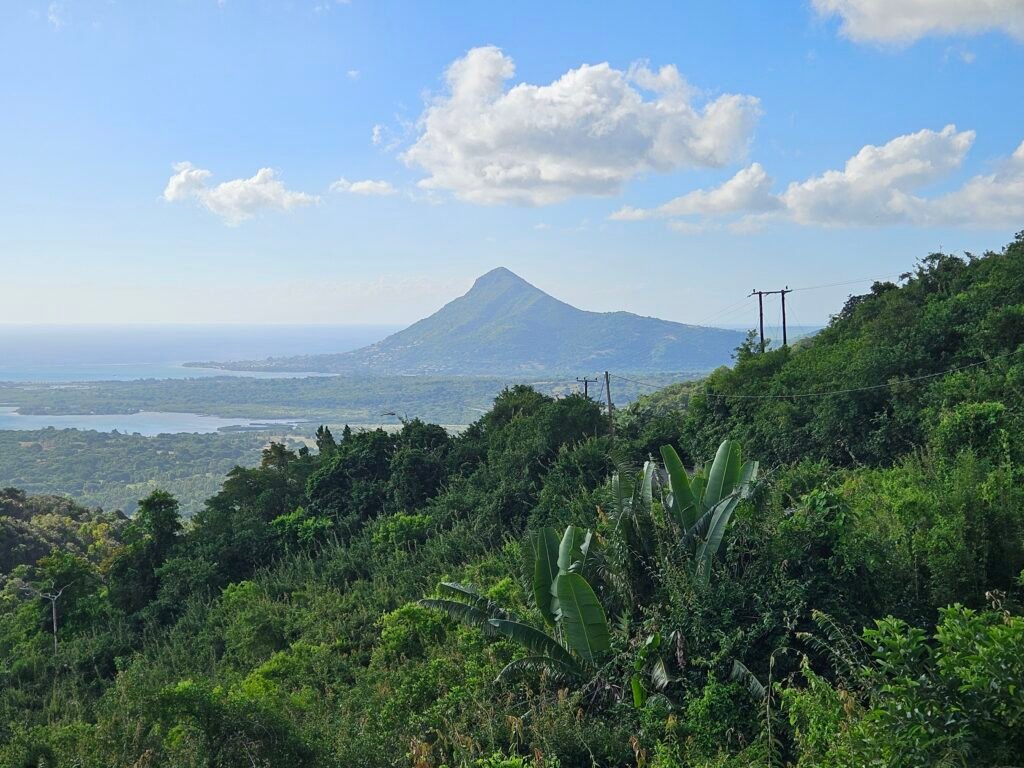
Roads are generally in good condition, although mountain roads around Chamarel are winding.
Food worth trying in Mauritius
Mauritian food reflects the island’s mix of Indian, African, Chinese and French influences, and it’s surprisingly family-friendly.
A few dishes we’d happily order again:
Dholl puri
The island’s unofficial national street food.
A soft flatbread filled with split peas and served with curry and chutneys. Simple, inexpensive and great for lunch.
Gateaux piments
Little fried lentil fritters that are somewhere between falafel and savoury doughnuts. They’re often sold from roadside stalls.
Mine frite
Stir-fried noodles influenced by the island’s Chinese community. Easy for children who aren’t keen on spicy food.
And of course, don’t skip the tropical fruit. Pineapples, mangoes and lychees seemed to taste better than almost anywhere else we’d travelled.
Best time to visit Mauritius with kids
We visited during the dry season, and we’d happily return at the same time.
| Months | Weather |
| May-October | Dry, sunny, 22-27°C |
| November-December | Warmer, beginning of summer |
| January-March | Hot, humid, cyclone season |
| April | Transition month |
For families, June to September is particularly comfortable. You can spend all day outside without feeling exhausted by the heat.
Evenings on the west coast were warm enough for beach walks, but cool enough to sleep without relying heavily on air conditioning.
Visa and entry requirements (current)
Mauritius is relatively easy to visit for most travellers. US, UK, Canadian, Australian, New Zealand, Irish and EU citizens generally do not need to arrange a tourist visa before travelling. Many other nationalities are also visa-exempt, although some do need to apply in advance. (passport.govmu.org)
You should have a valid passport, return or onward ticket, confirmed accommodation and sufficient funds for your stay. The final length of stay is decided by immigration on arrival. (passport.govmu.org)
As visa rules can change, check the Mauritius Passport and Immigration Office before booking your trip.
Is Mauritius safe for families?
We found Mauritius to be one of the safest destinations we’ve travelled to with our son.
Like anywhere, we avoided leaving valuables unattended on beaches, but we were comfortable walking around Flic en Flac in the evenings.
The biggest hazards are usually environmental rather than crime related:
- Strong sun
- Occasional sharp coral
- Powerful ocean currents outside protected lagoons
Stick to marked swimming areas and pay attention to local advice.
How much did our Mauritius trip cost?
We deliberately travelled slowly rather than taking a traditional resort holiday, so our budget looked quite different.
For 2 adults and 1 child staying for 2 months in Flic en Flac, we’d estimate:
| Expense | Approximate cost (USD) |
|---|---|
| Apartment | $1,000 per month |
| Car rental | $900-1,200 |
| Groceries | $900-1100 for three people |
| Eating out | $400-700 |
| Activities & day trips | $500-700 per month |
| Total (excluding flights) | $3,700-4,700 |
This reflects our style of travel, renting an apartment, cooking many meals at home and taking regular weekend excursions. A one-week resort holiday would have a very different budget.
Frequently asked questions about Mauritius with kids
How many days do you need in Mauritius with kids?
We’d suggest 7 to 10 days if it’s your only trip. That’s enough time to settle into one base (we’d recommend Flic en Flac or somewhere similar on the west coast), visit the main beaches, and fit in Chamarel, Grand Bassin, Casela and a boat trip without rushing. See the suggested itinerary earlier in this guide for how we’d split it up.
Do you need a car in Mauritius with kids?
We’d say yes. Public buses are affordable but slow, and there’s no Uber or equivalent ride share service on the island, so taxis need to be arranged directly with a driver. Hiring a car gave us the flexibility to get to beaches and nature parks on our own schedule, which matters a lot more with a child in tow.
What should you pack for Mauritius with kids?
Reef shoes were one of our most-used items, since many beaches and lagoons have patches of coral. Sun protection matters more than you’d expect too: the UV index is high even in winter, and we found rash guards far more practical for a child than constantly reapplying sunscreen. For the rest of what we packed for a two-month stay, see the family travel gear we actually use after 90 countries.
Is tap water safe to drink in Mauritius?
We stuck to bottled or filtered water for drinking, and would recommend the same for kids. We love this LifeStraw water filter bottle which is so handy to use on the go. Mauritius’ tap water doesn’t consistently meet international drinking-water standards, so most guides advise against drinking it straight from the tap, brushing teeth with it, or using it to rinse fruit and vegetables. Showering is fine.
Is there a malaria or mosquito-borne disease risk in Mauritius?
Mauritius is considered malaria-free, so antimalarial medication isn’t needed for a standard family trip. That said, mosquito-borne illnesses like dengue and chikungunya are present, and health authorities issued a travel alert over a chikungunya outbreak in 2026. We’d recommend a daily insect repellent and covering up around dawn and dusk, and checking the latest travel health advice for your country before you go.
Is it easy to buy groceries and cook with kids in Mauritius?
Yes. Supermarkets in Mauritius are well stocked, and we found it easy to cook at home most nights, which made our two-month stay far more affordable than eating out constantly. If you’re staying in a self-catered apartment, this is one of the easiest ways to keep costs down with a family.
Do you need a local SIM or eSIM in Mauritius?
We’d recommend it. Buying a local SIM on arrival gave us reliable, inexpensive coverage across most of the island. If you’re only staying a short time, an eSIM set up before you fly is usually more convenient.
Should you carry cash in Mauritius?
It’s worth having some on hand. Cards are widely accepted in supermarkets and most restaurants, but smaller food stalls and local shops, the kind of places kids often enjoy most, tend to prefer cash.
Final thoughts: Would we recommend Mauritius with kids?
Absolutely, especially for families who enjoy beaches but don’t want to spend every day inside a resort.
Mauritius gave us something that’s surprisingly hard to find: beautiful scenery combined with an easy, comfortable everyday life. We loved having a quiet base in Flic en Flac, spending weekends exploring waterfalls and wildlife, and knowing that even an ordinary Tuesday could end with a sunset on the beach.
If we had to choose one standout experience, it would be the boat trip to Île aux Bénitiers and Crystal Rock, closely followed by the peaceful days we spent at Le Morne Beach.
Mauritius isn’t the cheapest island in the Indian Ocean, but for families looking for a relaxed, safe and genuinely beautiful place to slow down, it’s one we’d happily return to.
If you’re planning more family travel further afield, you might also like our guides to Namibia with kids and Mongolia with kids, two other long-stay family trips that turned out to be some of our favourites.