


How Much Does Full-Time Family Travel Cost? Our Real One Year Budget
Some of the links below are affiliate links. If you book or buy through them we may earn a small commission at no extra cost to you. We only recommend things we’ve used ourselves.
The quick answer: our family of three spent $80,824 USD on one full year of full-time travel in 2024, across 14 countries.
- $6,735 USD per month
- $221 USD per day for the family, or about $74 USD per person per day
- Accommodation was the biggest category at 37% of the total. Without our splurges and side trips, our everyday accommodation cost $18,574 USD for the year, or $1,548 USD per month
- In 2023, a slower year mostly in Southeast Asia, we spent about $50,700 USD: $4,228 USD per month, or about $46 USD per person per day
2024 was a deliberately bigger-spending year for us, and the 2023 numbers are further down. The full category-by-category breakdown is below.
If you’ve ever wondered how much it actually costs to travel full-time with a family, the frustrating answer is: it depends.
There isn’t one number that can tell you what your full-time family travel budget should be, because the answer changes dramatically depending on where you go, how often you move, where you stay and, perhaps most importantly, how you choose to travel.
A family spending most of its time in inexpensive countries, staying for several months in each place, cooking regularly and using public transport is going to have a very different budget from a family moving frequently, staying in comfortable apartments or hotels, eating out most days and booking lots of tours and experiences.
The same is true of the destinations themselves. Everyday life in parts of Vietnam or Thailand can be relatively affordable, while India can be even cheaper for many ordinary expenses. Singapore, on the other hand, can be considerably more expensive. Europe has the same variation. Spending several months travelling through some parts of Eastern or Central Europe can look very different financially from doing the same amount of travel through Scandinavia or Western Europe.
Then there are the experiences. A family that spends its days swimming at the beach, hiking, exploring cities independently and visiting free or inexpensive attractions can keep its activity budget fairly low. Another family might decide that they want to go on safari, take a hot-air balloon ride, book private tours, charter boats or try experiences they may never have the opportunity to do again. That can change the annual budget by a huge amount.
Neither way of travelling is better. They are simply different ways of using your money.
And that’s important when looking at our numbers, because this article isn’t intended to tell you how much your family should budget. Instead, we’re opening up our own books and showing you what full-time travel actually cost our family of three during one complete year, where the money went and why.
If you’re still deciding whether full-time family travel is right for you, our post on what four years of travelling the world with our son taught us is a good place to start.
Our four years of full-time travel
We travelled full time as a family for around four years, and our spending changed quite a lot during that time.
When we first left Ireland in 2020, our income was lower and our travel budget reflected that. We made different choices about accommodation, experiences and how we travelled because we simply had less money available to spend.
Over the years, we were fortunate enough to have our income increased. That gave us more flexibility, and our travel style evolved with it. We became more comfortable spending money on certain experiences, particularly when something was genuinely memorable or was an opportunity we didn’t expect to have again.
We also became much more interested in experiences that would become part of our son’s education and our family’s shared memories. A safari, a visit to an important historical site or an unusual adventure wasn’t simply another line on a spreadsheet for us. These were often the experiences that made a particular country unforgettable.
I should mention that our goal is not to travel on the tightest shoestring budget possible. Day to day, we tend to choose comfortable, well-located apartments and hotels, and we mix more expensive experiences with plenty of ordinary days exploring independently. We do splash out sometimes when it’s something we really want to do, or when it’s a special occasion.
So when you look at our final number, the useful question isn’t whether it is “cheap” or “expensive.” The useful question is what did we actually get for that money, and which parts of our travel style would you keep or change for your own family?


Why we’re using 2024 as our example
Although we travelled full time for around four years, we’re not going to average all four years together.
There are a couple of reasons for that. We started travelling in 2020, which was hardly a normal year for international travel. Our first year included France, Spain, Italy (Sicily), Croatia, Montenegro, Bosnia and Herzegovina, Greece and Jordan, but COVID had an enormous effect on international travel during 2020 and 2021.
Countries were operating under restrictions, borders were opening and closing, tourism numbers were unusually low and accommodation prices in some destinations were significantly different from what travellers would encounter in a more normal period. In other words, the prices we paid during those first couple of years aren’t necessarily very useful to a family trying to work out what long-term travel might cost today.
Instead, we’re using our 2024 travel year as the main example. It was our last complete year of full-time travel, and therefore gives a much more useful picture of how we were actually travelling once international travel had largely returned to normal. All of the figures in this article are in US dollars and reflect 2024 prices. Further down, we also look at 2023, a slower and cheaper year, for comparison.
It was also, importantly, a relatively expensive year for us.
We knew we were approaching the end of our full-time travelling chapter, so we deliberately wanted to make that final year special. We took advantage of opportunities we’d wanted to experience and spent more on certain activities than we had during some earlier years.
Our route that year took us through:
- Sri Lanka, including Trincomalee and Kandy
- Maldives
- India, including Kochi, Gurgaon and Goa
- Oman
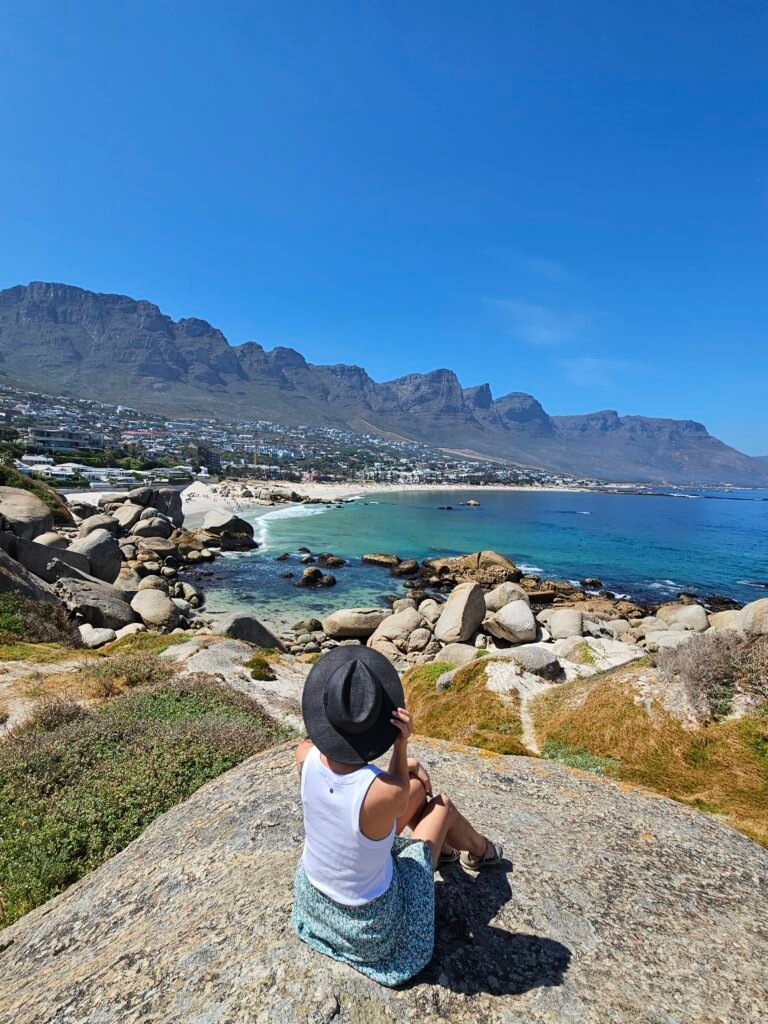
- Cape Town
- Namibia
- Zimbabwe
- Botswana
- Mauritius
- Seychelles
- Latvia
- Estonia
- Lithuania
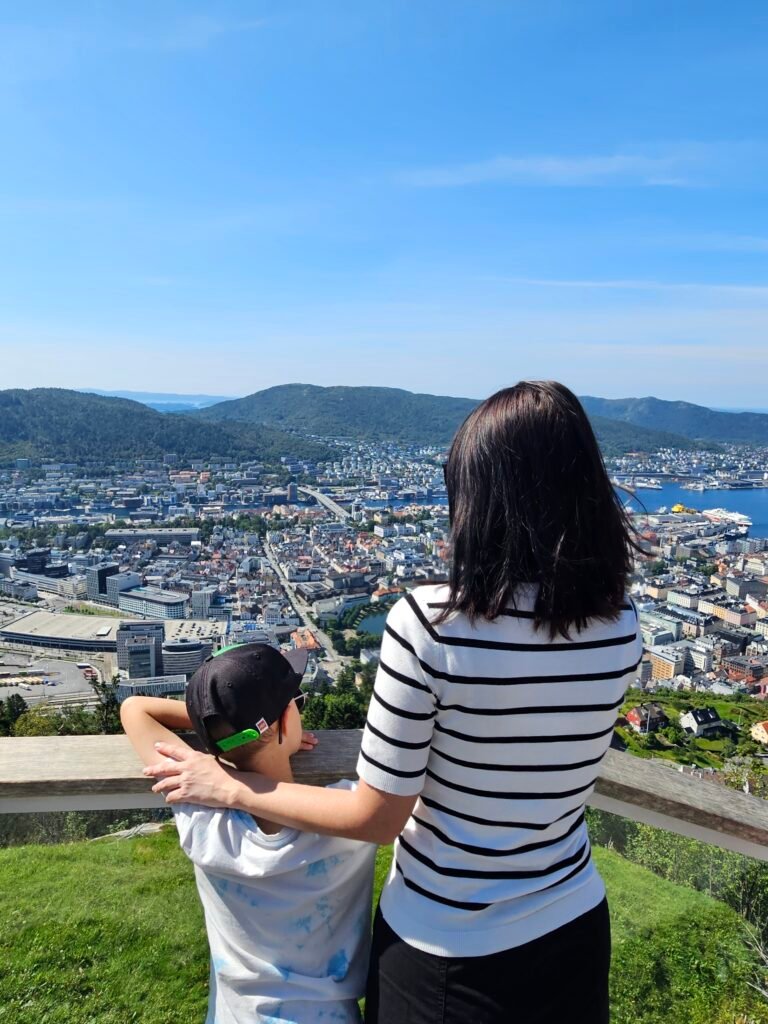
- Norway
That is a fairly varied collection of destinations, which is actually useful for this exercise because it shows just how much the country you’re travelling through can affect the overall cost. It also means that this isn’t a theoretical budget created from average prices on the internet. These are our actual travel costs for one real year of travelling as a family.
Our real full-time family travel budget
So, how much did we actually spend?
The table below is the complete breakdown of our 2024 travel spending. We’ve kept the categories separate because simply giving you one large annual number doesn’t tell you very much. Two families could spend exactly the same total amount while having completely different experiences depending on where their money went.
| Category | Our 2024 spending | Share of total |
|---|---|---|
| Accommodation | $29,872 USD (Airbnbs and hotels, including $11,298 of splurges and side trips) | 37.0% |
| Flights | $13,000 USD | 16.1% |
| Visas & entry costs | $674 USD | 0.8% |
| Food and drinks | $15,000 USD (groceries, restaurants and drinks) | 18.6% |
| Local transportation | $3,700 USD (taxis, buses, trains, sea plane, airport transfers) | 4.6% |
| Experiences & activities | $12,000 USD (tours) | 14.8% |
| Travel insurance | $3,138 USD | 3.9% |
| eSIMs/SIMs | $440 USD | 0.5% |
| Education/worldschooling | $800 USD (books, apps, classes) | 1.0% |
| Miscellaneous | $2,200 USD | 2.7% |
| Total | $80,824 USD | 100% |
Where our money went
Four categories made up about 86% of our year: accommodation, food and drinks, flights and experiences. Everything else was small by comparison, but as you’ll see below, it all still adds up.
What matters more than which number is biggest is understanding why it was big. If accommodation represents a large proportion of your budget, that might be because you’re travelling through expensive countries, staying in particularly central locations or choosing larger, more comfortable properties. If flights are taking up a large portion, it could simply be because you’re covering a huge amount of geographical distance.
And if experiences are one of your biggest expenses, that doesn’t necessarily mean you’ve been careless with money. It may mean you’ve deliberately decided that experiences are what you want your travel budget to provide. That was certainly true for us. Our spending on safaris and other major experiences wasn’t accidental. We knew we wanted to do them and made room for them in our budget.
All together, that came to $80,824 USD. This seems like a huge amount, but then again, we did a huge amount of incredible stuff in a relatively short amount of time. This was a family of three travelling through a mixture of relatively affordable and expensive destinations. We chose comfortable accommodation, ate out regularly, moved between countries and spent a significant amount on experiences.
If you’re wondering how we afford a lifestyle like this, we break down exactly how we fund our travels in our post on what four years of full-time family travel taught us.


Our budget, category by category
Let’s look at what those numbers actually mean.
Accommodation
Our spending: $29,872 USD, or about $2,489 USD per month.
This seems like a high amount, and it was definitely a more expensive year compared to our previous years of full-time travel, partly because we travelled to some expensive places (like Cape Town and Norway) and partly because we took some expensive side trips (like the Maldives and the Seychelles). We break those down in the next section.
If we take away all the splurges and side trips, our base accommodation cost was about $18,574 USD for the year, or $1,548 USD per month.
It should be noted that when we book an Airbnb for a longer stay, we look for a 2 bedroom apartment with a full kitchen in a good location. So, as a result, our accommodation cost tends to be on the higher side. For us, the priority is usually somewhere comfortable, clean and well located, with enough space for the three of us to actually live and work there rather than simply sleep there.
Our accommodation choices therefore weren’t based purely on finding the cheapest available room. We were trying to find the point where comfort, location, space and price worked for our family.
We’ve written more about this in our guide to finding long-term accommodation that actually works for a family.

Splurges and side trips
A chunk of that accommodation money went on stays that were deliberate splurges or short side trips rather than everyday living. It’s worth pulling them out, because they show how much a handful of special stays can move an annual total.
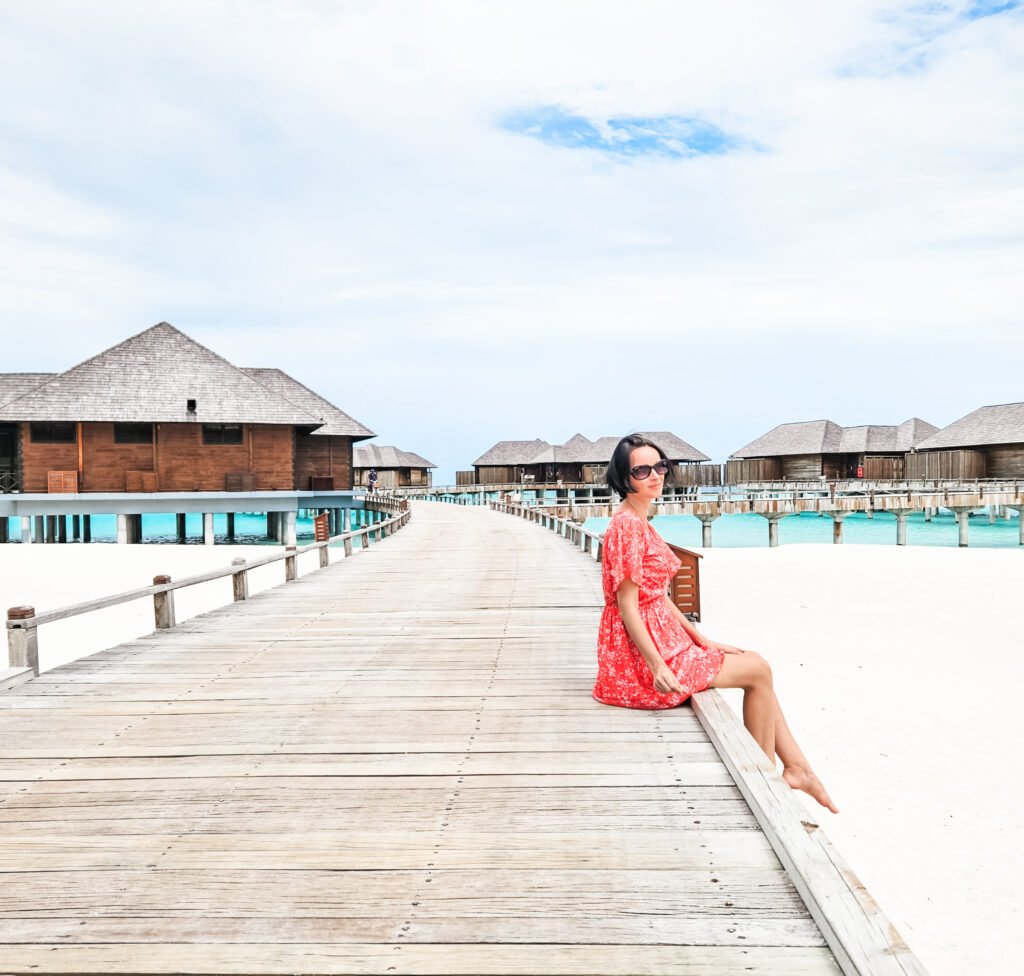
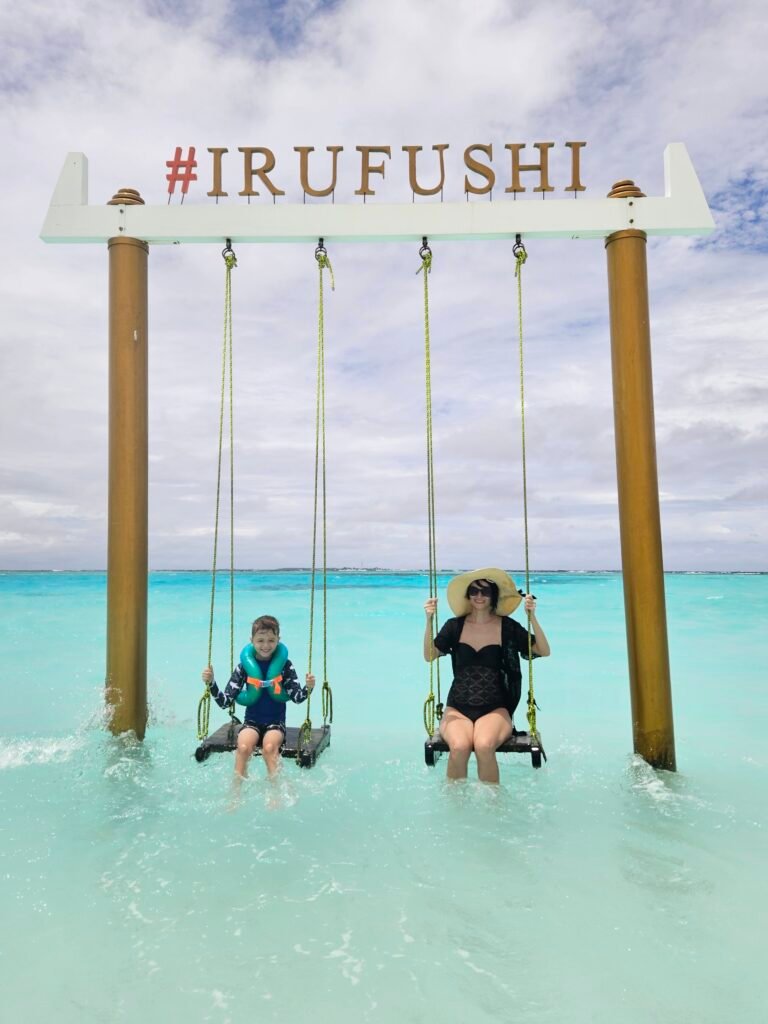
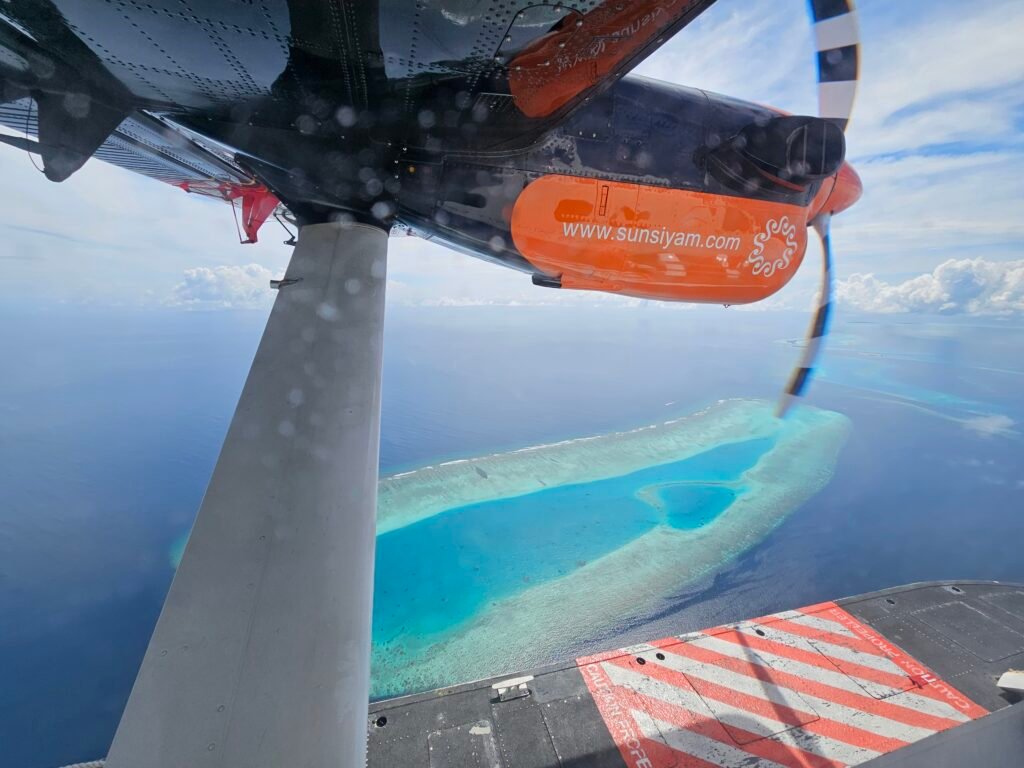
The Maldives. We went to the Maldives for my 40th birthday and really splurged. We stayed five nights in an all-inclusive overwater bungalow at a 5-star resort, at $1,093 USD per night, or $5,463 USD in total. The seaplane transfer added another $1,500 USD (we’ve counted that under local transportation rather than accommodation), which brings the Maldives to $6,963 USD before flights.
The Seychelles. We went to the Seychelles because we were spending two months in Mauritius, and the Seychelles is only a short flight away. Five nights at this resort with breakfast included cost $2,060 USD, or $412 USD per night. And honestly, who knows if we would ever have a chance to go to the Seychelles again!
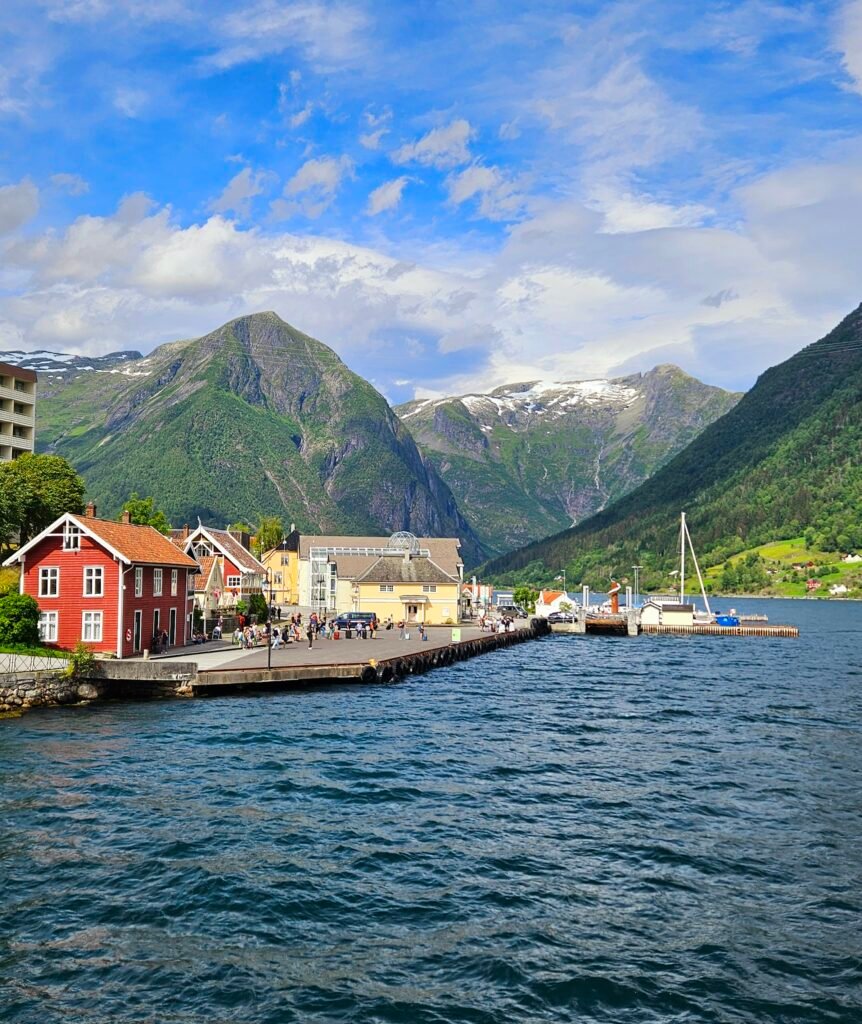
Norway. Norway is one of the most expensive countries we visited that year. Seven nights in a mix of hotels and Airbnbs cost $2,061 USD for accommodation alone, or $294 USD per night.
Everything else. We also took a few smaller side trips during the year, including in India, Estonia and Lithuania. The individual amounts were small, so we’ve grouped them together at roughly $1,700 USD.
| Stay | Nights | Per night | Total |
|---|---|---|---|
| Maldives (5-star, all-inclusive overwater bungalow) | 5 | $1,093 USD | $5,463 USD |
| Seychelles (breakfast included) | 5 | $412 USD | $2,060 USD |
| Norway (hotels and Airbnbs) | 7 | $294 USD | $2,061 USD |
| Smaller side trips (India, Estonia, Lithuania and others) | Various | Various | About $1,700 USD |
| Total splurges and side trips | About $11,300 USD |
Those three stays, just 17 nights in total, cost $9,584 USD. That is about half of what we spent on everyday accommodation for the entire rest of the year ($18,574 USD). If you’re comparing our total with your own plans, this is the biggest single reason it looks the way it does.

Flights
Our spending: $13,000 USD approx.
Flights are one of those expenses that can look completely different from one travelling family to another.
This number, again, is quite high, because we took a few intercontinental flights that year. As well, we did a few side trips, which meant booking a few return flights. In total we took 22 flights that year! So of course, if you are not moving as much, and only travelling within the same continent, the number will be a lot lower.
The timing of flights matters, too. So does how far ahead you book, whether you’re travelling during peak periods and whether there are affordable direct routes available. We always make sure to pay for the seats, to ensure that we sit together, which surprisingly can add up to hundreds (if not thousands) of dollars extra over the space of a year.
Airfares have also risen since 2024, so if you’re budgeting for flights today, treat our number as a starting point rather than a forecast. It is simply what it cost our family to follow this particular route during this particular year.

Visas and entry costs
Our spending: $674 USD
This amount was also higher than some of the previous years, because we went to a few places that actually require visas. Because we extended our stay in Sri Lanka to two months, this incurred additional visa costs. Countries like India, Zimbabwe and Botswana also have visa fees.
Depending on your nationality, some countries may be visa-free, others may require an online application, and some may involve a visa fee or visa-on-arrival charge. Families also need to remember that requirements can vary according to the length and purpose of the stay. This is one category where nationality makes a particularly large difference, so our figure shouldn’t be used as a universal estimate.
Food, eating out and drinks
Our spending: $15,000 USD approx., or about $1,250 USD per month for three people
Food is one of the categories where lifestyle choices can create enormous differences.
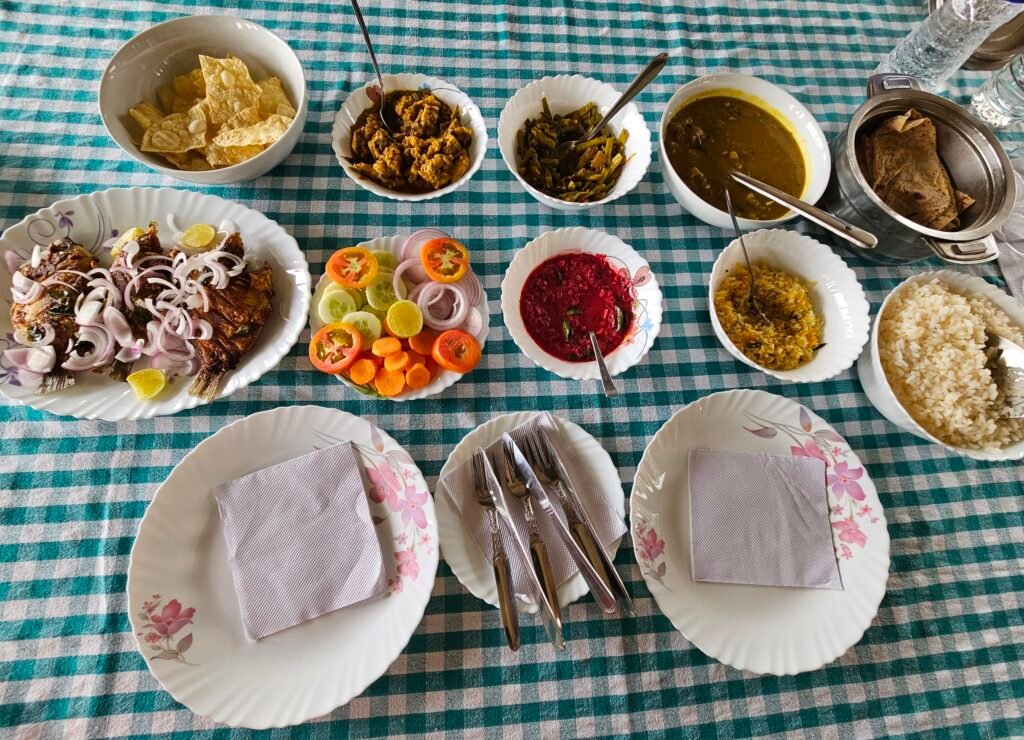
The number above is estimated as it’s hard to say exactly how much we spent. This includes buying groceries to cook at home, as well as going out or ordering a takeaway, and having a couple of drinks at the weekend. Eating local food in a country such as India or Sri Lanka can be very inexpensive compared with eating in Western-style restaurants. Cooking regularly can reduce costs further, while cafés, takeaway meals and more expensive restaurants gradually push the daily budget upwards.
We have done all of these things during our years of travelling. There were plenty of inexpensive local meals, but full-time travel also meant that eating out was often simply part of everyday life. When you’re moving frequently, working, worldschooling and exploring a new place, cooking every single meal isn’t necessarily realistic or something you particularly want to do.
We didn’t approach food with the idea that every meal had to be as cheap as possible. Instead, it was another area where we found a balance between cost, convenience and enjoying where we were. It’s worth remembering that this figure represents our family’s habits, not the cost of feeding a family of three everywhere in the world.

Local transportation
Our spending: $3,700 USD
Getting around is another category that depends heavily on travel style. Our transportation costs included things such as trains, buses, taxis, ride-hailing, the $1,500 USD sea plane transfer in the Maldives, and other local transport during the year.
A family that stays in one city for several months and walks or uses public transport is going to have a very different transportation budget from one that hires private drivers, takes taxis regularly or rents a car to explore a country.
For us, most of the time we prefer to take taxis over public transport, unless the transportation system is really efficient like in Norway. Southern Africa was a particularly good example of why looking only at the price of accommodation or food doesn’t tell you the whole story. In some places, transportation is closely tied to the type of experience you’re having, particularly when you’re travelling through large countries or remote areas. In places like Cape Town, taking Ubers is the safest form of transportation, so that was an actual necessity.
Travel experiences and activities
Our spending: $12,000 USD
This is one of the most important categories in our budget because experiences are a major reason we travel in the first place.
Some of the experiences and tours we did during this year included:
- Elephant safari in Sri Lanka
- Esala Perahera festival in Kandy
- Visiting Taj Mahal, Jaipur and Ellora caves in India
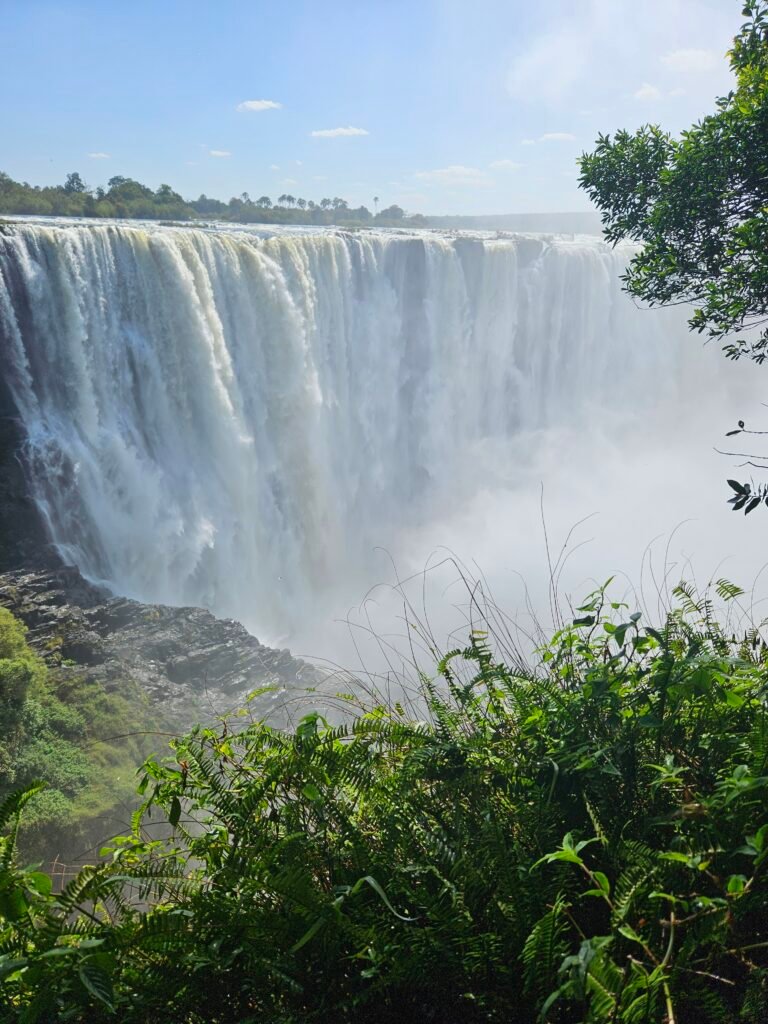
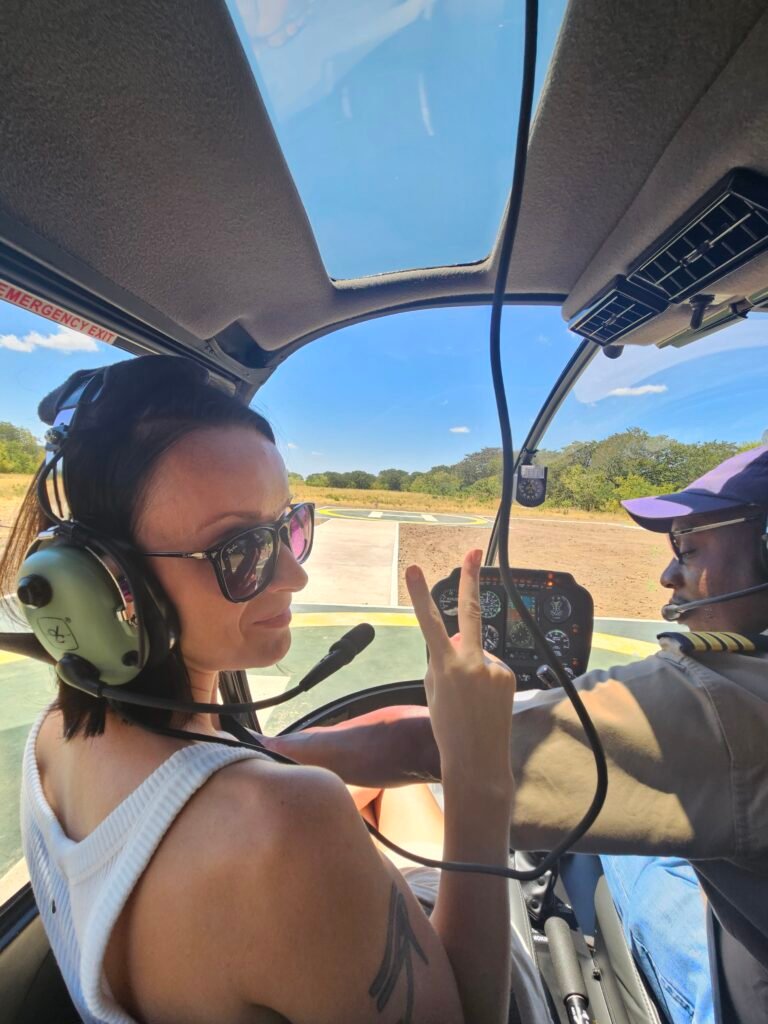
- Helicopter tour over Victoria Falls in Zimbabwe
- Travelling across Namibia to visit Himba and Bushmen tribes and other sites
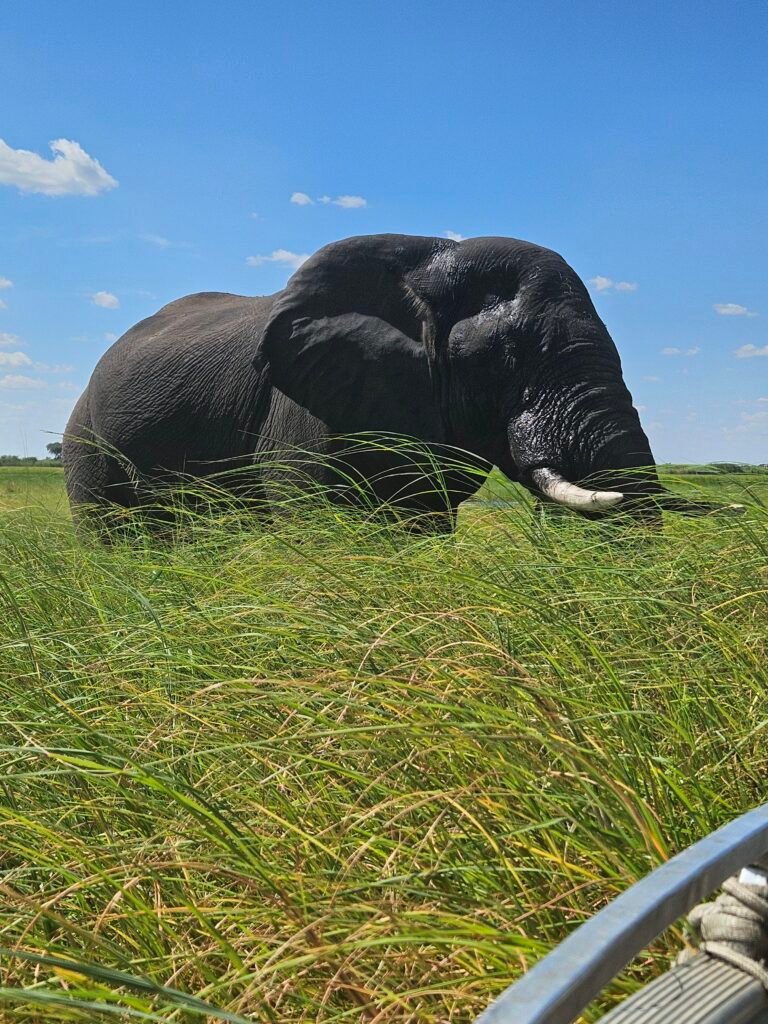
- Safari in Botswana
- Fjord cruises in Norway

Here is the breakdown of tours and activities costs by country:
- Sri Lanka (snorkeling, elephant safari, Esala Perahera booked seats, dolphin watching tour, Sigiriya and a couple of other day tours) total – $1,175 USD
- India (Kerala backwaters overnight boat, private tours of Agra, Taj Mahal and Jaipur, Ellora caves and Ajanta caves tours, Mumbai city tour) – $740 USD
- Oman (Muscat city tour, Nizwa fort, Daymaniyat island tour, Wadi Shab, etc.) – $1,078 USD
- Cape Town (city tour with Boulder Beach, wineries tour, West Coast National Park tour) – $500 USD
- Namibia (Sandwich Harbour tour, Deadvlei, Sossusvlei and Himba tribe tour, Spitzkoppe and Bushmen tribe tour) – $4,970 USD
- Victoria Falls (tour of the falls, helicopter flight, cheetah experience, day tour to Chobe park in Botswana with safari, Zambezi river dinner cruise, Boma dinner) – $2,150 USD
- Norway (Viking village, two fjord cruises) – approx. $1,000 USD
- Everything else (smaller activities in the remaining countries) – approx. $390 USD
For us, spending money on an experience isn’t automatically a bad travel expense simply because it costs more. If we’ve travelled halfway around the world and there’s something we genuinely want to experience, we’re often willing to pay for it. That doesn’t mean everyone should do the same. A family with a lower activity budget could follow almost the same route and spend a fraction of what we did in this category.
This is one of the clearest examples of why asking “How much does it cost to travel the world with kids?” doesn’t really have a single answer. The cost isn’t just determined by the destination. It’s determined by what you want to do once you get there.

Travel insurance
Our spending: $3,138 USD
For our full-time travels, we used SafetyWing’s Essential plan, with coverage for two adults and one child for the year. We chose it because it was designed specifically around people travelling and living internationally rather than taking a short annual holiday, which suited the way we were travelling.
Travel insurance was another necessary part of our annual budget, and when you’re travelling continuously as a family, it’s something we think is worth planning for from the beginning rather than treating as an optional extra. We compare SafetyWing, Genki and World Nomads, with current family prices, in our guide to travel insurance for digital nomad families.
The Essential plan provides travel medical coverage for unexpected illnesses and injuries while abroad, along with benefits such as hospital treatment, emergency medical evacuation, lost checked luggage, travel delays and certain travel interruptions. SafetyWing currently describes the Essential plan as providing coverage for up to 364 days at a time, with an overall medical limit of US$250,000.
For us, having a policy in place for the whole family meant that insurance was simply another fixed part of our travel budget. We didn’t have to arrange a new policy every time we crossed another border or try to work out whether we were covered in the next country on our route.
It’s worth pointing out, though, that travel medical insurance isn’t the same thing as comprehensive international health insurance. The Essential plan is designed primarily around unexpected medical problems and travel-related emergencies rather than routine healthcare. It also has exclusions and limitations, including restrictions around pre-existing conditions, so anyone considering it should read the policy carefully and make sure it fits their own circumstances.
eSIMs, SIM cards and internet
Our spending: $440 USD approx.
Staying connected is simply part of modern travel for us.
We used a combination of eSIMs, local SIM cards and other connectivity options depending on where we were travelling. We never had to pay for the Internet ourselves as it’s always included with our Airbnb or hotel reservation.
This was relatively small compared with categories such as accommodation, flights and experiences, but it is still worth including when you’re calculating the true cost of long-term travel.
If you’re interested in how we approach travel connectivity, we’ve also put together a more detailed guide comparing the eSIM services we’ve actually used.
Worldschooling and education
Our spending: $800 USD
Because our son has been worldschooling since he was young, education is naturally part of our family’s travel life.
The amount above reflects some of the programs we used for his math, for example Prodigy, starting at $60 USD per year. Most of the cost was for books (Kindle books and audiobooks) as he is obsessed with reading. Other costs were some of the classes he took, like art class in Kochi, coding class in Mauritius, and robotics camp in Riga.
The amount a family spends on education while travelling can vary enormously. Some families rely almost entirely on free resources and real-world learning. Others pay for tutors, online programmes, educational subscriptions, classes or more formal schooling arrangements. There isn’t one correct way to approach it. For us, travel itself has always been a huge part of our son’s education, but that doesn’t mean education has no financial cost.
If you’re interested in the practical side of worldschooling, our Worldschooling Resources guide, our list of the best worldschooling apps and websites and our article on keeping up with academics while worldschooling go into much more detail.
Miscellaneous and other travel costs
Our spending: $2,200 USD approx.
Finally, there are all the costs that don’t fit neatly into another category.
Depending on the year, these can include things such as laundry, toys or gifts, museum entrances, play rooms and other fun places for our son, banking charges, travel equipment, medical expenses, new clothes or shoes, haircuts, and unexpected expenses (such as renewing my husband’s passport as he ran out of clean pages).
These expenses are easy to overlook when building a hypothetical travel budget because none of them individually seem particularly important. Over the course of a year, though, they become part of the actual cost of travelling.

A cheaper, more typical year: our 2023 budget
2024 was a deliberately big year, so it isn’t necessarily the fairest example if you want to know what a slower, more everyday version of full-time family travel costs. So I am providing the numbers from 2023 as well for comparison, as it reflects a more typical travel year for us. Though we did a lot of amazing things as well! We spent most of it moving slowly through Greece, Southeast Asia, and Mongolia, with shorter stays in Dubai, South Korea and Japan.
In total, we spent about $50,736 USD in 2023. That works out to about $4,228 USD per month, $139 USD per day for the family, or about $46 USD per person per day. That is roughly $30,000 less than 2024, and most of the difference came from spending less on accommodation, flights and experiences.
These are 2023 prices, so allow for some increase since then, particularly on flights.
| Category | Our 2023 spending | Share of 2023 total | For comparison: 2024 |
|---|---|---|---|
| Accommodation | $15,396 USD | 30.3% | $29,872 USD |
| Flights | $6,962 USD | 13.7% | $13,000 USD |
| Visas & entry costs | About $1,000 USD (estimate) | 2.0% | $674 USD |
| Food and drinks | About $11,500 USD | 22.7% | $15,000 USD |
| Local transportation | About $2,000 USD | 3.9% | $3,700 USD |
| Experiences & activities | About $7,600 USD | 15.0% | $12,000 USD |
| Travel insurance | $3,138 USD | 6.2% | $3,138 USD |
| eSIMs/SIMs | $440 USD | 0.9% | $440 USD |
| Education/worldschooling | About $700 USD (estimate) | 1.4% | $800 USD |
| Miscellaneous | About $2,000 USD | 3.9% | $2,200 USD |
| Total | $50,736 USD | 100% | $80,824 USD |
Where we stayed in 2023
We stayed in 13 places over the year, and eight of them were four weeks or longer. Together, our accommodation came to $15,396 USD, or about $1,283 USD per month, compared with $1,548 USD per month for our everyday accommodation in 2024.
| Destination | Length of stay | Total | Approx. per night |
|---|---|---|---|
| Athens, Greece | 7 weeks | $1,921 USD | $39 USD |
| Dubai | 3 nights | $381 USD | $127 USD |
| Phuket, Thailand | 1 week | $595 USD | $85 USD |
| Chiang Mai, Thailand | 4 weeks | $888 USD | $32 USD |
| Penang, Malaysia | 4 weeks | $1,400 USD | $50 USD |
| Ubud, Bali | 4 weeks | $1,037 USD | $37 USD |
| Da Nang, Vietnam | 4 weeks | $1,380 USD | $49 USD |
| Manila, Philippines | 9 days | $373 USD | $41 USD |
| Cebu, Philippines | 8 weeks | $1,983 USD | $35 USD |
| Boracay, Philippines | 4 weeks | $1,255 USD | $45 USD |
| Seoul, South Korea | 10 days | $993 USD | $99 USD |
| Japan (Tokyo, Magome-juku and Kyoto) | 11 days | $1,380 USD | $126 USD |
| Ulaanbaatar, Mongolia | 8 weeks | $1,810 USD | $32 USD |
| Total | About 341 nights | $15,396 USD | $45 USD |
The per-night figures are calculated from the total and the length of each stay, so treat them as approximate. The pattern is still very clear. The eight longer stays covered about 301 of our 341 nights and averaged about $39 USD per night. The five short stays (Dubai, Phuket, Manila, Seoul and Japan) covered only about 40 nights and averaged about $93 USD per night. Short stays in expensive cities cost far more per night than long stays in cheaper places, and that is one of the biggest reasons slow travel costs less.
If you’d like to know more about two of these stops, we’ve written guides to Da Nang with kids and Mongolia with kids.
Flights in 2023
We took 13 flights in 2023, compared with 22 in 2024, for a total of $6,962 USD, or about $536 USD per flight for the three of us. Most of the year was spent hopping between neighbouring countries in Asia, which kept a lot of those flights cheap.
| Flight | Cost |
|---|---|
| Athens to Dubai | $622 USD |
| Dubai to Phuket | $931 USD |
| Phuket to Chiang Mai | $300 USD |
| Chiang Mai to Penang | $512 USD |
| Penang to Bali | $376 USD |
| Bali to Da Nang | $437 USD |
| Da Nang to Manila | $429 USD |
| Manila to Cebu | $150 USD |
| Cebu to Boracay | $125 USD |
| Boracay to Tokyo | $633 USD |
| Osaka to Seoul | $650 USD |
| Seoul to Ulaanbaatar | $603 USD |
| Ulaanbaatar to Colombo | $1,194 USD |
| Total | $6,962 USD |
Three long legs (Athens to Dubai, Dubai to Phuket and Ulaanbaatar to Colombo) came to $2,747 USD, which is about 40% of the whole flights budget. The regional flights within Southeast Asia cost between $125 and $512 USD each.
Everything else in 2023
- Food and drinks: about $11,500 USD, or about $958 USD per month. That is about $3,500 USD less than in 2024 ($15,000 USD), which makes sense with most of the year spent in cheaper countries. It still made up a bigger share of our budget (22.7% versus 18.6%), because eating out was still part of everyday life for us, and food shrinks far less than accommodation or flights when you slow down and travel somewhere cheaper.
- Experiences and activities: about $7,600 USD, compared with $12,000 USD in 2024, when we deliberately spent more on big experiences.
- Local transportation: about $2,000 USD, compared with $3,700 USD in 2024.
- Travel insurance and eSIMs: $3,138 USD and $440 USD, the same as in 2024.
- Education: about $700 USD, which is an estimate, compared with $800 USD in 2024.
- Visas and entry costs: about $1,000 USD. We don’t have an exact figure for 2023, so this is an estimate based on published fees rather than a receipts total. Bali and Thailand both had some costs, and the Philippines and Mongolia cost us quite a bit more because we had to extend our stays there. Fees and rules vary by passport and change often, so always check the current requirements for your own nationality.
- Miscellaneous: about $2,000 USD.


What made 2023 cheaper
Looking at the two years side by side, a few things explain most of the difference:
- We moved less. Thirteen stops and 13 flights, instead of 22 flights in 2024.
- We stayed longer. Our longer stays averaged about $39 USD per night. Even our most expensive 2023 stays (Dubai, Japan and Seoul) cost between $99 and $127 USD per night, compared with $1,093 USD per night in the Maldives.
- We spent less on big experiences. About $7,600 USD instead of $12,000 USD.
- We travelled through cheaper destinations. Southeast Asia and Mongolia cost far less per night than Norway, Cape Town, Maldives or the Seychelles.
If you’re planning your own year, we’d treat 2024 as our “big year” and 2023 as the more typical one. Neither is a target, but together they show a realistic range for a family of three travelling full time.
What would change this number for your family?
Our 2024 route is a pretty good demonstration of how many things can move a full-time family travel budget up or down. Here are the ones that mattered most for us.
The countries you choose
Sri Lanka and India can make many everyday expenses relatively manageable compared with some other destinations. Food, local services and certain types of accommodation can cost considerably less than in Northern Europe. Southern Africa can become expensive very quickly, especially once you add safaris, specialist guides and private transportation.
Our own year shows it. A week in Norway ($2,061 USD) cost about the same as five nights in the Seychelles ($2,060 USD), and either one cost more than a full month of our everyday accommodation ($1,548 USD on average). Even within the same country, the amount you spend can change substantially depending on whether you’re travelling during peak season, staying in major tourist centres, renting a car, moving frequently or settling somewhere for several months.
If you travel more cheaply than we do
There are plenty of ways a family could spend considerably less than we did without giving up the idea of full-time travel. In our own numbers, skipping the splurge stays alone would have taken about $9,600 USD off the year, and our slower 2023 year cost about $30,000 USD less overall.
One of the biggest changes would be slowing down. If you spend a month or two in each destination rather than moving every few days, you can reduce the number of flights, transfers and other transportation costs while also having more opportunity to find longer-term accommodation. Choosing less expensive countries can make an enormous difference as well. So can staying slightly outside the most expensive tourist areas, cooking some of your meals, using public transportation and choosing free or inexpensive activities.
None of these things require a family to stop enjoying travel. They simply change where the money goes. A family could spend a morning hiking, an afternoon at the beach and an evening wandering through a local market and have a fantastic day without spending very much at all. Our budget shouldn’t therefore be interpreted as a minimum cost of full-time family travel. It’s simply the cost of our particular version of it.
If you travel more like we do
The reverse is also true. Families who prioritise comfortable accommodation, restaurant meals, private transportation, organised tours and major experiences could spend considerably more.
Safaris are a good example. A family can visit Africa without spending huge amounts on expensive safari experiences, but if wildlife experiences are one of the main reasons you’re travelling, you may decide that paying for a quality safari is worth allocating a significant portion of your annual budget. The same applies to activities such as hot-air balloon rides, waterparks, luxury hotels and adventure experiences. These things aren’t necessities. They’re choices. For us, some of those choices were worth making because we knew we were coming to the end of our full-time travel chapter and wanted to make the most of it.
Another family might look at exactly the same experience and decide they’d rather spend that money on three extra months of travel. That’s one of the great things about building your own travel lifestyle: you get to decide what matters to you.


How to build your own family travel budget
Rather than taking our annual total and trying to make it fit your own plans, build your budget from the bottom up.
Start with the expenses you’re reasonably certain you’ll have:
- Accommodation
- Food
- Flights
- Local transportation
- Travel insurance
- Visas and entry costs
- Internet and mobile data
- Education or worldschooling
- Activities and experiences
- Miscellaneous and emergency spending
Then make those numbers specific to the way you actually want to travel.
How many countries are you planning to visit? Are you moving every few days or staying for months? Will you cook regularly? Are you happy using buses and trains, or do you prefer taxis and private drivers? Are you travelling during peak season? We like using Numbeo for estimates of the costs in different places.
Here is the AI prompt we use for estimating the base costs whenever we travel anywhere new:
Help me build a realistic family travel budget for [country/city], for [number] adults and [number] children (ages [ages]), staying [length of stay] in [month/season]. We need [number] bedrooms, and our style is [budget / mid-range / comfortable]. I hold a [nationality] passport and want the budget in [currency].
Estimate low, mid and high totals for the whole stay, plus a monthly figure, for: accommodation, food, flights, local transportation, visas and entry costs, internet and mobile data, activities for kids, experiences and museums.
Put it in a table, list your key assumptions, and tell me which choices would change the total the most.
The bottom line
For our family, during our 2024 year, full-time travel cost around $80,824 USD, or $6,735 USD a month. In our slower 2023 year, it cost about $50,700 USD, or $4,228 USD a month.
But that’s only half the answer. The more useful part is understanding why we spent those amounts. We travelled through a mixture of inexpensive and expensive destinations, chose comfortable accommodation, ate out regularly, moved between countries and deliberately spent more on experiences during what we knew would be our final year of full-time travel. We weren’t trying to travel as cheaply as possible (even in 2023). Our spending reflected the life we wanted to live at that particular point in time.
There is no magic figure that tells you whether your family can travel full-time. There is only the cost of your version of full-time travel. You might spend substantially less than we did by travelling slowly, choosing inexpensive destinations and keeping your activity budget low. You might spend more because you want larger accommodation, more private transportation or a packed calendar of experiences. Both are perfectly possible.
After four years of full-time travel ourselves, we’ve learned that the most useful travel budget isn’t the one that tells you what you should spend. It’s the one that helps you understand what your family actually values, where your money is going and how you can build a lifestyle around those priorities.
That’s what we hope our numbers give you: not a target to hit, but a real-world example you can take apart, adjust and use to work out what full-time travel could look like for your family.

More from The Freedom Atlas
If you’re thinking about travelling long-term with children, you might also find these useful:
- Thinking About Full-Time Family Travel? What 4 Years of Travelling the World With Our Son Taught Us
- Worldschooling Resources
- How Do You Keep Up With Academics While Worldschooling?
- How Do Worldschooling Kids Make Friends?
- Long Term Travel With Kids: How to Avoid Burning Out
- How to Find Long-Term Accommodation That Actually Works for a Family
- Our Family Travel Gear We Actually Use
- How We Pack for Long-Term Family Travel
- Our eSIM Guide: The Travel SIMs We’ve Actually Used
- Family Destination Guides


2 Comments