

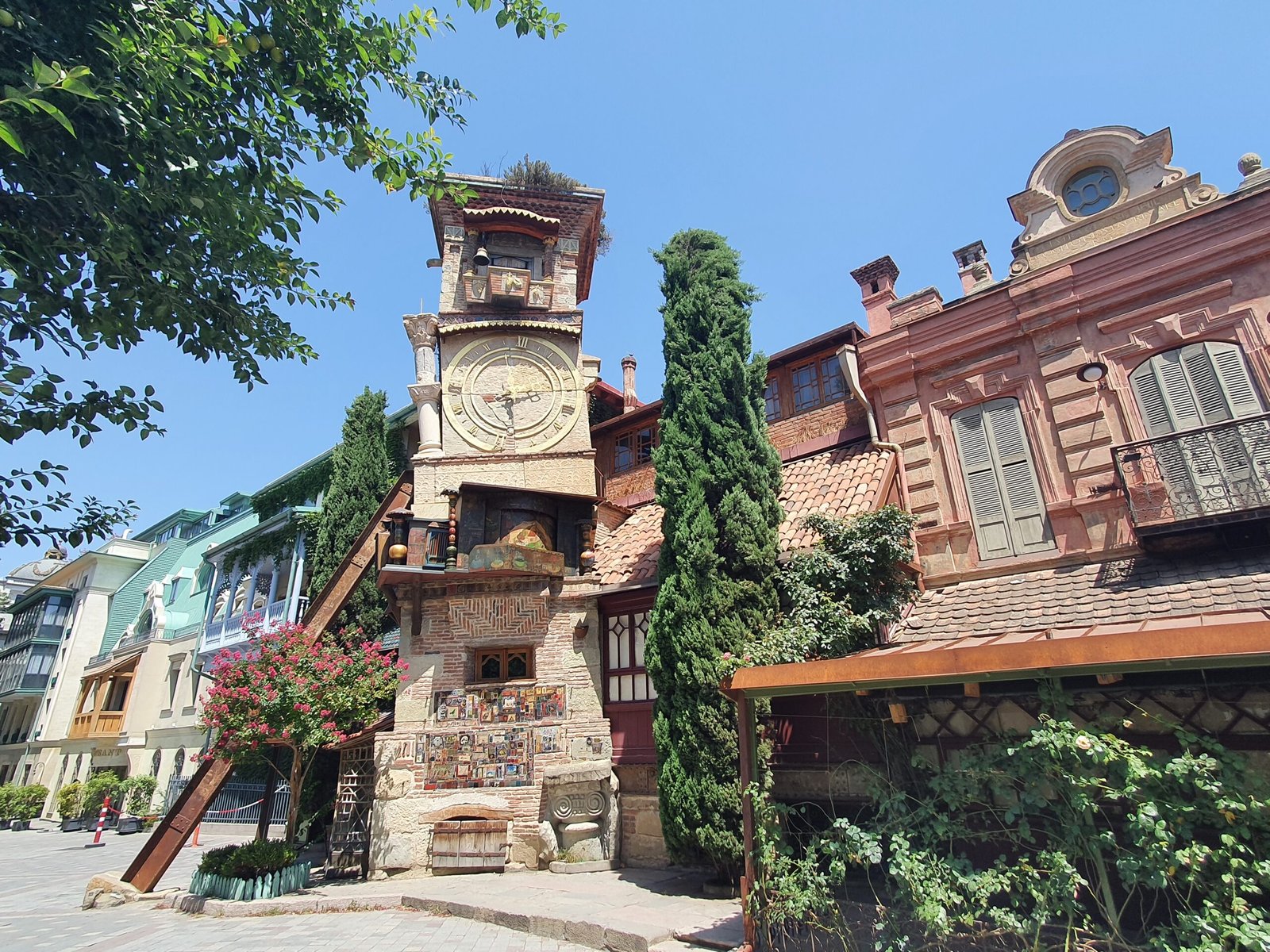
Why We Chose Tbilisi, Georgia as Our Home Base After 4 Years of Full-Time Travel
Some of the links in this post are affiliate links. If you buy through them we may earn a small commission at no extra cost to you. We only recommend the tutors and resources we’ve used with our son.
After four years of travelling full-time, we eventually reached a point where we wanted something we had deliberately avoided for a long time: a home base.
Not a permanent end to travelling. Not necessarily a forever country. Just somewhere we could return to, unpack our bags, have some routines, and let our son build the kind of friendships that are difficult to maintain when you are constantly moving from one country to the next.
We already knew what it was like to arrive somewhere new with a few bags, find an apartment, figure out the transport and spend a few weeks exploring. We also knew that somewhere can be wonderful for a month and considerably less appealing when you have to think about groceries, healthcare, internet, activities, paperwork, weather and everyday life.
Georgia (the country, not the US state) had already been on our radar because we had visited before moving here and genuinely enjoyed the country. When we finally decided to slow down, we chose Tbilisi, the capital, as our base.
We moved to Georgia in August of 2024, and we have now been living in Tbilisi for just over two years.
This is our honest take on living in Tbilisi with kids: what works, what doesn’t and what it actually costs.
Why We Decided to Slow Down
It has worked well for us, but not because Georgia is perfect. It works because, after four years of full-time travel, we had a much clearer idea of what our family actually needed. (We’ve written a separate guide on how to choose a home base as a travelling family.)
And those needs had changed.
Our son was getting older. Having a more stable social life was becoming increasingly important. At the same time, we had no desire to give up international travel completely.
Georgia became a way of doing both.
The First Big Advantage: We Can Actually Stay
Georgia has an unusually generous visa-free policy for citizens of a large group of countries. Citizens of the countries on the government’s visa-free list can enter Georgia without a visa and stay for one full year. The current list includes the United States, Canada, the United Kingdom, Ireland, Australia and New Zealand, all EU member states, and many other countries including Japan, South Korea, Israel, Turkey, Switzerland, Norway, Brazil, Argentina, South Africa, the UAE and numerous countries in the region.
The full list is considerably longer, so nationality matters. Someone holding a different passport may have very different rules.
For us, the practical benefit is enormous. Georgia doesn’t require us to obtain a complicated long-term visa simply to use the country as our base. We can spend a substantial part of the year here, leave Georgia to travel elsewhere and then return, provided we continue to meet the applicable entry requirements.
That flexibility is particularly useful for a family like ours.
We don’t want our home base to become a cage.
We might spend several weeks or a couple of months travelling elsewhere and then return to Tbilisi, where our son’s activities, belongings and normal routines are waiting for us.
There are, of course, important qualifications. Visa-free entry is not the same thing as a residence permit, and being allowed to enter does not guarantee admission at the border. Immigration rules can also change.
Georgia also introduced new work permit rules in 2026, which I explain in the tax section below.
For us, though, the basic ability to use Georgia as a flexible home base has been one of its biggest advantages.


The 1% Tax Regime Was Another Piece of the Puzzle
Tax was not the reason we chose Georgia, but it was certainly one of the things that made the country more attractive once we were considering it seriously.
We were able to qualify for Georgia’s small-business tax regime, under which we pay the 1% rate.
Our own experience of setting everything up was relatively straightforward. We worked with ExpatHub, and they helped us through the process from start to finish, including accompanying us to the House of Justice to set up our Tax ID.
Having someone who knew exactly what needed to be done made the process considerably easier.
Why “Georgia Has a 1% Tax” Is Misleading
This is also an area where I think there is a lot of misleading information online, particularly the idea that “Georgia has a 1% tax rate” and anyone who moves here can simply pay 1% tax.
That isn’t how it works.
Georgia’s small-business regime is a specific tax status available to qualifying entrepreneur natural persons. Certain activities are excluded, and the treatment of income depends on the applicable rules. The standard small-business rate is 1%, while different treatment applies when the relevant turnover threshold is exceeded.
The 1% rate is also not a blanket tax on every kind of income earned by someone who happens to live in Georgia.
The 2026 Work Permit Rules
In 2026, Georgia also introduced a new work permit system, the Special Labour Permit, for foreigners working in the country. At first it looked as though remote workers would be caught by it too, but that was soon changed. As things stand, if you work remotely only for a foreign employer or foreign clients, with no Georgian clients and no Georgian employer, you don’t need a permit. If you plan to work for a Georgian company or take on local clients, you do. The rules shifted more than once this year, so check the current position before you move.
In other words, tax status, tax residency, immigration status and the right to work are not the same thing. Anyone considering Georgia specifically for tax purposes should get current professional advice before making the move.
That said, having a relatively simple business and tax framework available to us has been another factor that makes Georgia work well as a base.


Is Tbilisi Still Cheap? What It Costs a Family in 2026
This is where I think a lot of older articles about Georgia need updating.
Georgia can still be relatively affordable compared with much of Western Europe, but “Georgia is cheap” is no longer an adequate description of Tbilisi.
Prices have risen significantly since we first started spending time in the country, and inflation has continued to affect everyday costs.
That doesn’t mean Tbilisi has suddenly become expensive by Western European standards. It hasn’t. It does mean that anyone arriving with an old blog post promising an almost impossibly cheap lifestyle may be surprised.
Rent is probably the biggest variable.
For a two-bedroom apartment, we would consider roughly $700 at the lower end and $2,000 or more at the higher end to be a realistic range, depending enormously on what you are looking for. That is our practical range rather than an official citywide average.
Neighbourhood, apartment size, renovation quality, furniture, building, views, location, proximity to central areas, lease length and demand can all make a substantial difference.
You can live in a fairly basic apartment in a less expensive neighbourhood for considerably less than someone renting a large, beautifully renovated apartment in a desirable central area. The same applies to food, restaurants and entertainment. Your lifestyle matters enormously.
For us, Georgia still offers a good quality-to-cost ratio compared with many Western European cities. But I wouldn’t compare Tbilisi directly with Southeast Asia and expect the same prices.
A more accurate description is:
Georgia can still be relatively affordable by Western European standards, but what you spend depends enormously on how and where you live.
That is much closer to the reality we have experienced.

What Our Family of Three Actually Spends in Tbilisi
To put real numbers on it, here is our typical monthly spending as a family of three living in Tbilisi. These are our everyday living costs and don’t include our trips away.
| Expense | Monthly cost (USD) |
|---|---|
| Rent | $1,450 |
| Phones (2 lines, unlimited everything) | $35 |
| Internet (higher-tier package) | $23 |
| Electricity | $8 |
| Gas (average across the year) | $25 |
| Water | $2 |
| Groceries | $1,200 |
| Eating out | $400 |
| Educational activities (in person and online) | $1,017 |
| Transport (mostly Bolt rides) | $30 |
| Insurance (mandatory for foreigners since 2026) | $23 |
| Medical and dental (including braces) | $60 |
| House cleaner | $107 |
| Total | $4,380 |
What Our Son’s Activities Cost
Our son’s $1,017 a month in educational activities covers:
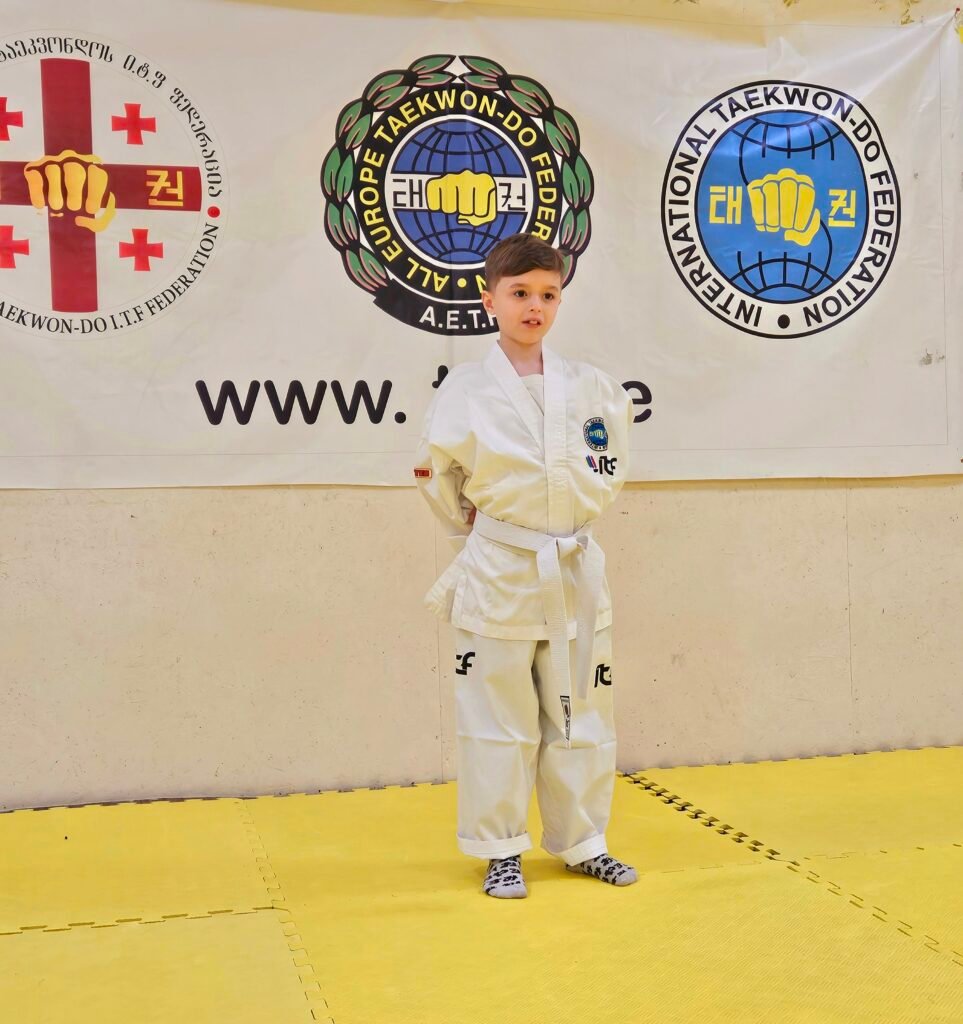
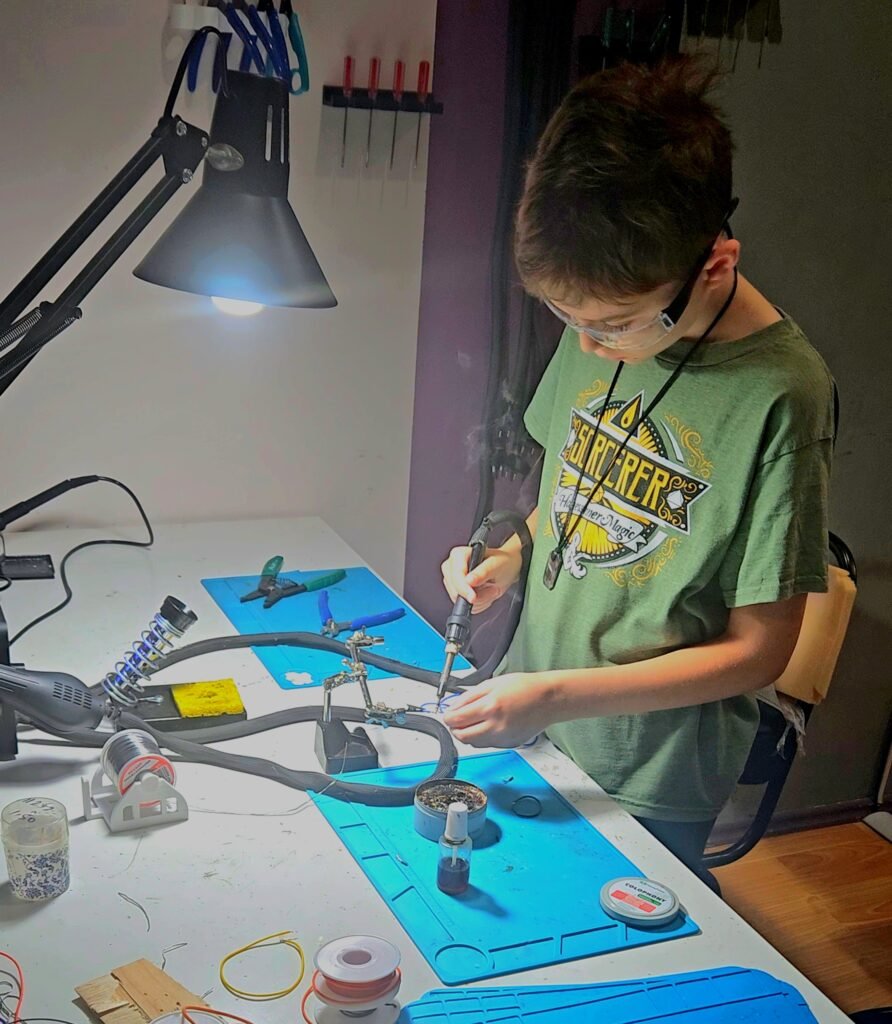
- In person: taekwondo twice a week (a private class the whole family takes together, $38 per class for the three of us), private singing lessons ($30 per class), private robotics twice a week ($19 per class) and a weekly group swimming class ($17 per class).
- Online through Preply: maths twice a week (about $39 a month), Russian once a week (about $77 a month) and chess once a week (about $68 a month). For how we choose his tutors and what to watch out for, see our Preply for kids review.
- Online with a private tutor: a second weekly chess class ($135 a month).
A few notes on the numbers:
- Rent is our biggest cost. At $1,450 a month, our apartment in Vera sits towards the upper end of the range above. I explain why we chose to live there below.
- Utilities are cheap. Electricity, gas, water and internet come to under $60 a month combined. Gas is an average across the year, so expect it to vary by season.
- Transport stays low because most of our trips are short Bolt rides.
- Insurance is mandatory. Since 1 January 2026, foreigners in Georgia must have health insurance.
- Education is our third-biggest expense because we deliberately spend more on classes and extracurricular activities for our son.
Our spending is probably higher than average. A family could comfortably live in Tbilisi for considerably less by choosing a cheaper neighbourhood, a smaller apartment or fewer activities.
Choosing a Neighbourhood in Tbilisi
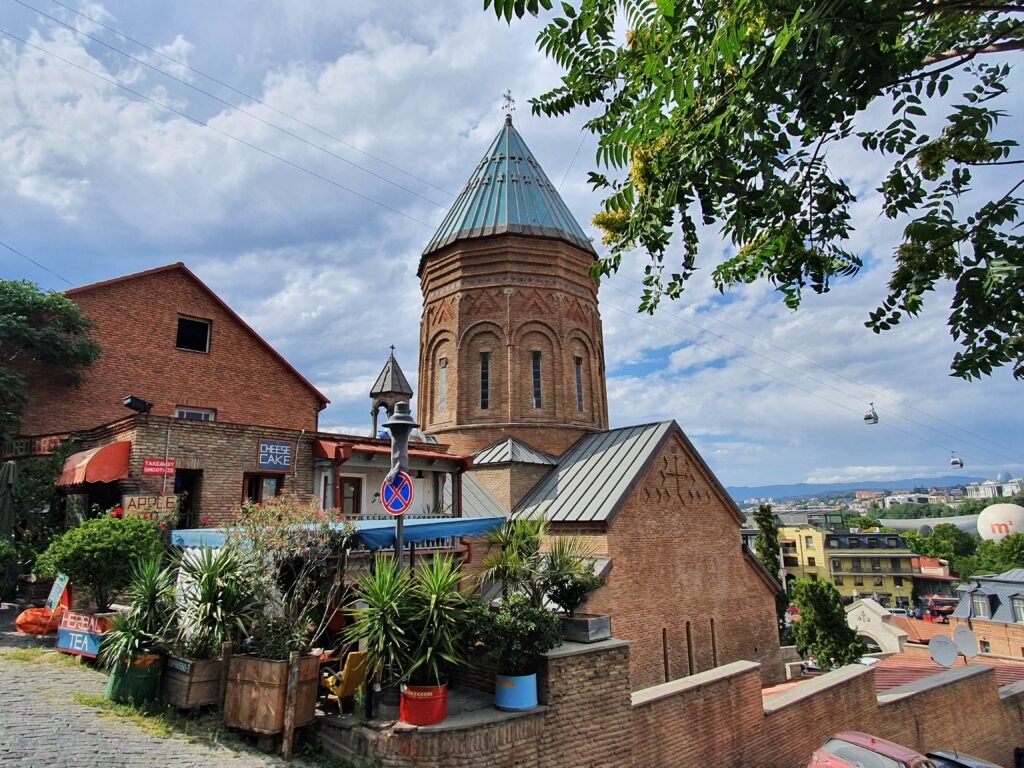
We live in Vera, which is definitely one of the pricier neighbourhoods. It’s close to the old town and popular with expats, so our rent is on the higher side.
We chose it anyway because we like the area, our son’s friend lives very close by and there are loads of cute cafés and restaurants. It’s also walkable to most of the places we need to go.
If you’re deciding where to live, here’s how we’d describe the main options:
- Vera, Vake and Sololaki: some of the most expensive areas to rent, for similar reasons. They’re central, full of character and popular with expats.
- Saburtalo: popular and a bit less expensive. It’s newer and slightly further from the centre, so you don’t get the same old charm as Vera, but it’s very functional, with lots of shops, malls, supermarkets and restaurants. Traffic between Saburtalo and the centre can be rough.
- Didi Dighomi, Isani, Ortachala and other outer areas: much more affordable, with far cheaper accommodation, but they’re much further from the centre.
The Food Is Genuinely One of the Things We Love
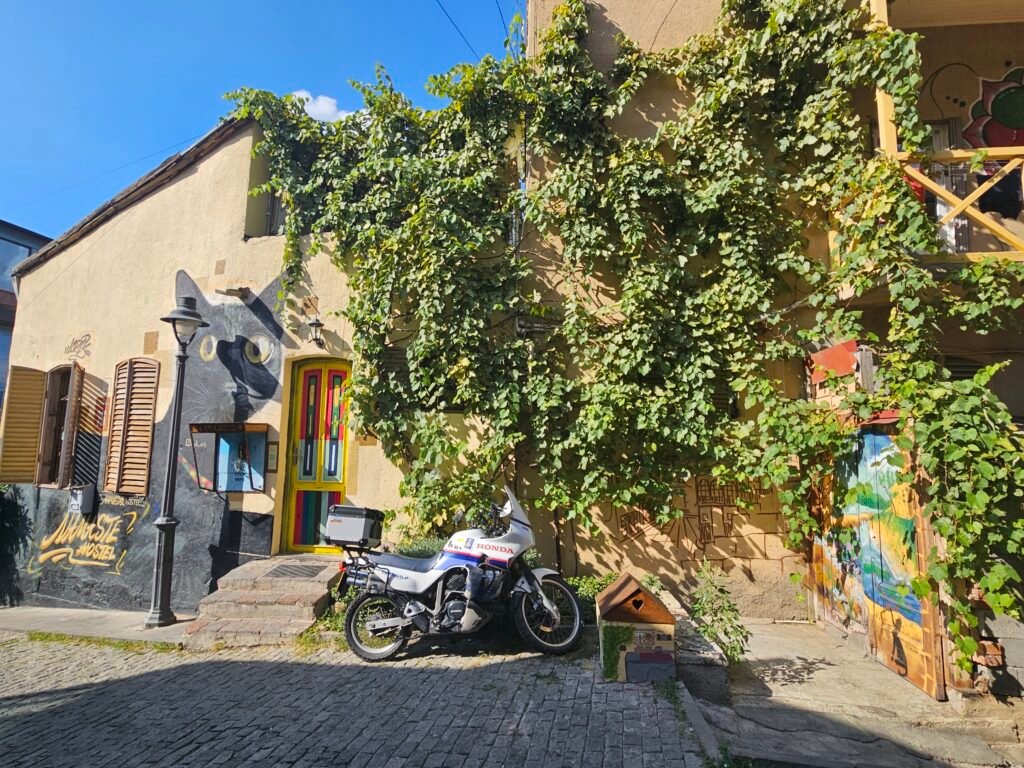
Food deserves its own section because it has been one of the enjoyable parts of living here.
First, there is Georgian food itself.
We genuinely love it.
There is a huge amount of variety, from khachapuri and khinkali to lobio, pkhali, salads, grilled meats, soups, vegetables, breads and all kinds of regional dishes. You can eat very simply or make a meal into a much bigger occasion, and Georgian cuisine has enough variety that we don’t find ourselves constantly eating the same things.
But it isn’t only the restaurants.
We have also been really impressed by the quality of produce available in Georgia.
Fresh fruit and vegetable stands are everywhere in Tbilisi, and buying seasonal produce is easy. You don’t necessarily have to go to a large supermarket to find good fruit and vegetables. Small neighbourhood produce shops and market stalls are part of everyday life.
The supermarkets are also surprisingly good for the kind of food we actually want to eat. It is relatively easy to find gluten-free products, vegetarian and vegan options, fresh produce and a good selection of healthier foods. For us, that makes a noticeable difference because we aren’t looking for a diet based entirely around eating out or processed convenience food.
Food is also one of those areas where Georgia can still feel like good value, particularly if you shop locally and cook at home.


Tbilisi Works as an Actual City, Not Just Somewhere We Enjoy Visiting
This was one of the biggest tests for us.
It is relatively easy to love a city when you are there for ten days.
The question is different when you have to live there.
Can you get groceries without making an expedition out of it? Is it possible to get across the city without owning a car? Are there places to eat, things to do, services you need and activities for your child? And can you arrange everyday tasks without spending half your week dealing with logistics?
For us, Tbilisi passes that test.
A lot of everyday life is remarkably easy.
We use apps such as Wolt for groceries and food, and Bolt for getting around the city. Ride-hailing is widely available, and prices are generally affordable enough that we use it as a normal part of everyday life rather than treating taxis as an occasional luxury.
Public transport is also useful, particularly when you are living centrally.
There are also small practical things that make a difference when you are actually living somewhere.
Foreigners can open bank accounts in Georgia without necessarily having permanent residency or a Georgian Tax ID, subject to the bank’s own requirements and due diligence. You can also obtain a Georgian driving licence as a foreigner under the applicable rules.
None of this sounds particularly exciting. That is precisely the point. When somewhere becomes your home base, boring things matter.
Getting Around: Hills, Pavements, Traffic and Stray Dogs
Day to day, these haven’t bothered us much, but they’re worth knowing about.
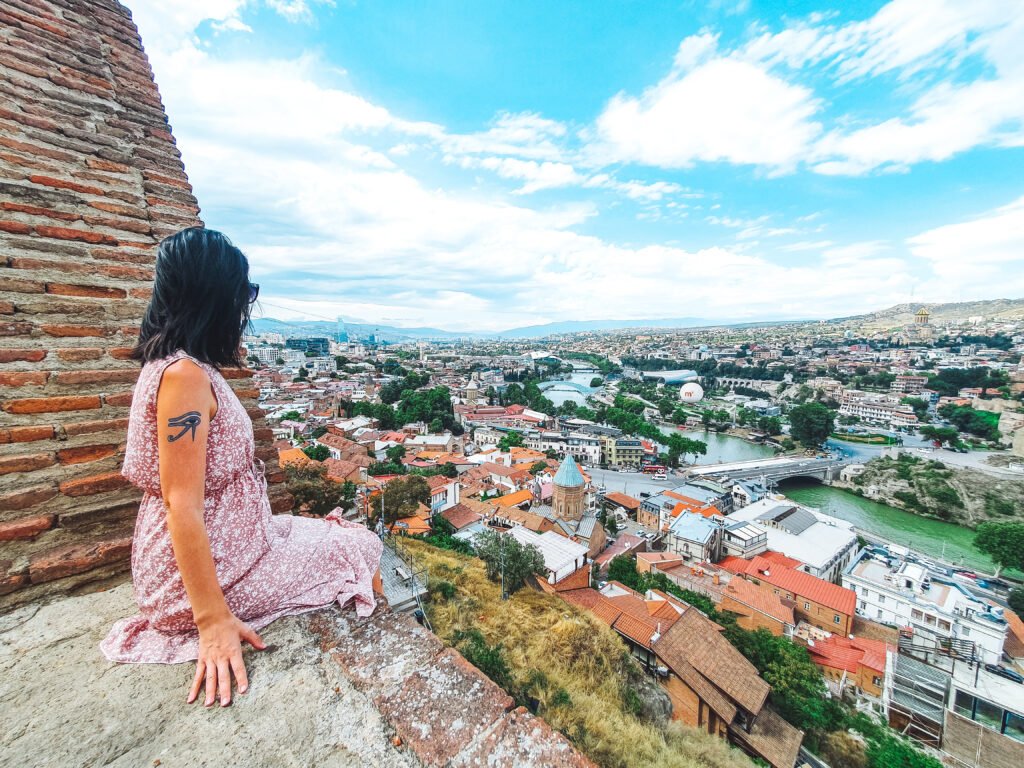
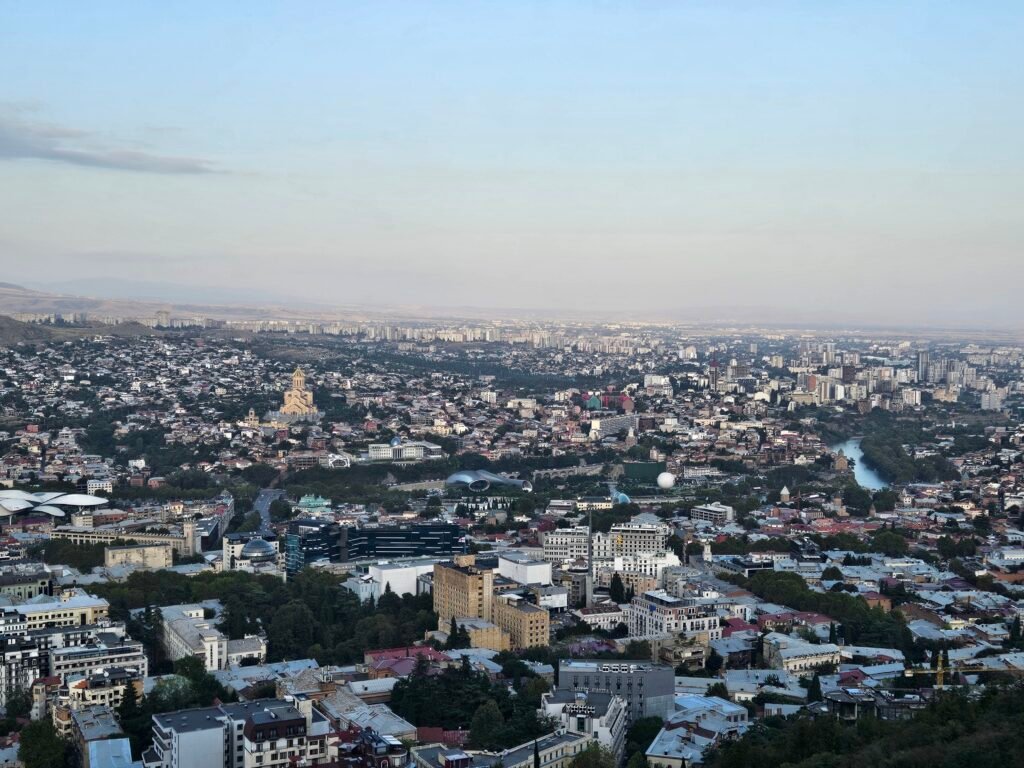
Tbilisi is a hilly city, with plenty of steep streets and stairs, and the pavements aren’t always easy to navigate. For anyone with a stroller or mobility issues, that can make getting around a lot more difficult.
There are a lot of stray dogs in the city. They haven’t been a problem for us, but they won’t suit everyone.
Traffic can be bad at times, but it’s far from the worst we’ve seen in other countries.
This is another reason we like living in Vera. We can walk to most of the places we need to go.
There Is Enough Going On for Our Son
This is probably one of the biggest differences between choosing Georgia for ourselves and choosing it for our family.
A home base needed to work for our son too.
One of the reasons we eventually wanted to slow down our full-time travel was the importance of more permanent friendships as he got older. We were particularly fortunate that a close friend of mine already lives in Tbilisi and has a daughter around the same age as our son.
That gave us something we couldn’t manufacture by simply arriving somewhere new: an existing potential friendship.
Tbilisi also has an international community, which means it is possible to meet other English-speaking families and children of different ages. The community is growing, but I wouldn’t pretend it is enormous.
That is actually one of the downsides for us, which I’ll come back to later.
For now, the important thing is that having a base changes the equation. Instead of meeting children once and then leaving, our son has opportunities to see the same people repeatedly and make friends. For a child who has spent much of his life travelling, that matters.
Georgia Has Worked Surprisingly Well for Worldschooling
Our son is still homeschooled, so I can’t give you a firsthand review of international schools in Tbilisi.
There are international schools here, but that isn’t the route we have taken.
What has worked extremely well for us is the range of other educational opportunities available.
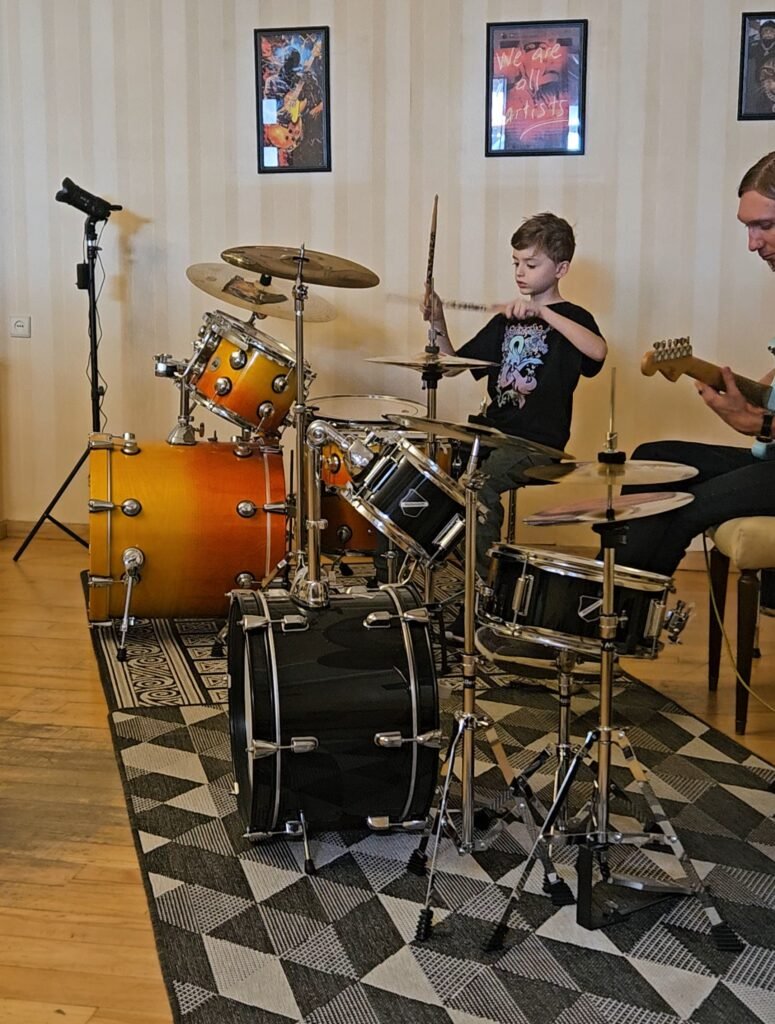
Over the last couple of years, our son has been able to take both group and individual classes with English- or Russian-speaking teachers. He has done swimming, taekwondo, singing and robotics. In the past, he has also done theatre, debate and screenplay writing classes.
He has participated in chess tournaments and a range of other activities.
Worldschooling doesn’t have to mean constantly changing everything. In fact, one of the benefits of having a base is that you can create some continuity while still using travel as part of your child’s education.
Our son can keep working on his academics, continue activities, see friends and have familiar routines in Tbilisi, and then we can leave Georgia and spend several weeks or months learning somewhere completely different.
For us, that is a much more sustainable version of worldschooling as he gets older.
Healthcare Matters More When Somewhere Becomes Home
Healthcare wasn’t the reason we moved to Georgia, but it was something we needed to be comfortable with before treating the country as our base.
Georgia has a substantial private healthcare sector, and Tbilisi has a wide range of private clinics, hospitals, diagnostic facilities and pharmacies.
For us, having access to private healthcare in the city is important simply because we are living here rather than passing through.
Another practical advantage is that we have generally found that English or Russian can be used when dealing with doctors and healthcare services, although this can vary by individual practitioner.
I wouldn’t make sweeping claims that Georgian healthcare is universally better or worse than healthcare elsewhere. Like most countries, there are excellent services, ordinary services and areas where someone may prefer to travel elsewhere for highly specialised treatment.
The important thing for us is that Tbilisi has enough healthcare infrastructure that we are comfortable using it as our base.
Since 1 January 2026, foreigners entering Georgia have also been required to have travel medical insurance with at least GEL 30,000 of cover. We have it, but we’ve never been asked to show it, and we don’t know anyone who has been asked at the border. Some travellers do report airlines checking at check-in, so it’s still worth having it and keeping proof handy.
We Have Always Felt Safe in Tbilisi
We’ve always felt very safe here, even when the political protests were at their height. They are much smaller now, but even at their biggest they were never really an issue for us day to day.
To be completely honest, I’ve never walked around alone here at night, so I can’t tell you how that would feel as a woman on her own. But walking as a family later in the evening has always been fine, and we’ve never felt unsafe in any way.
Working Remotely Is Relatively Straightforward
Our lives and work are largely online, so reliable internet is not optional.
Tbilisi has widespread fixed broadband and mobile connectivity, and there are several established telecom providers offering reasonably priced internet and mobile data.
For a remote-working family, the practical combination of home internet, mobile data and plenty of cafés and workspaces means we don’t have to think about connectivity constantly.
That matters more than having the fastest internet in the world.
We need internet that works.
Georgia also has a fairly developed infrastructure for a country of its size. Electricity, mobile connectivity, delivery services, banking, transport and online services are all sufficiently developed that everyday life doesn’t feel like a constant workaround.
Georgia’s Location Makes Travelling From Our Base Easier
Another reason Georgia works for us is simply where it is.
We can live in Tbilisi and still have a huge part of our travel life within reach.
The country sits in a useful position between Europe, the Caucasus, Central Asia and the Middle East, which means Georgia can function as a starting point for a surprisingly wide range of trips.
Tbilisi International Airport has direct connections to a substantial number of European, Middle Eastern and Central Asian destinations. That doesn’t mean every destination is convenient or inexpensive at all times, but it does mean that we don’t feel geographically trapped by having a home base here.
It also makes a convenient base for exploring the wider region. We’ve written about family trips to Azerbaijan, Uzbekistan, Kyrgyzstan and Turkmenistan.
We can live in Georgia and continue exploring the world.
That was always the goal.
And Georgia Itself Gives Us Plenty to Explore
Georgia is also a surprisingly varied country for its size.
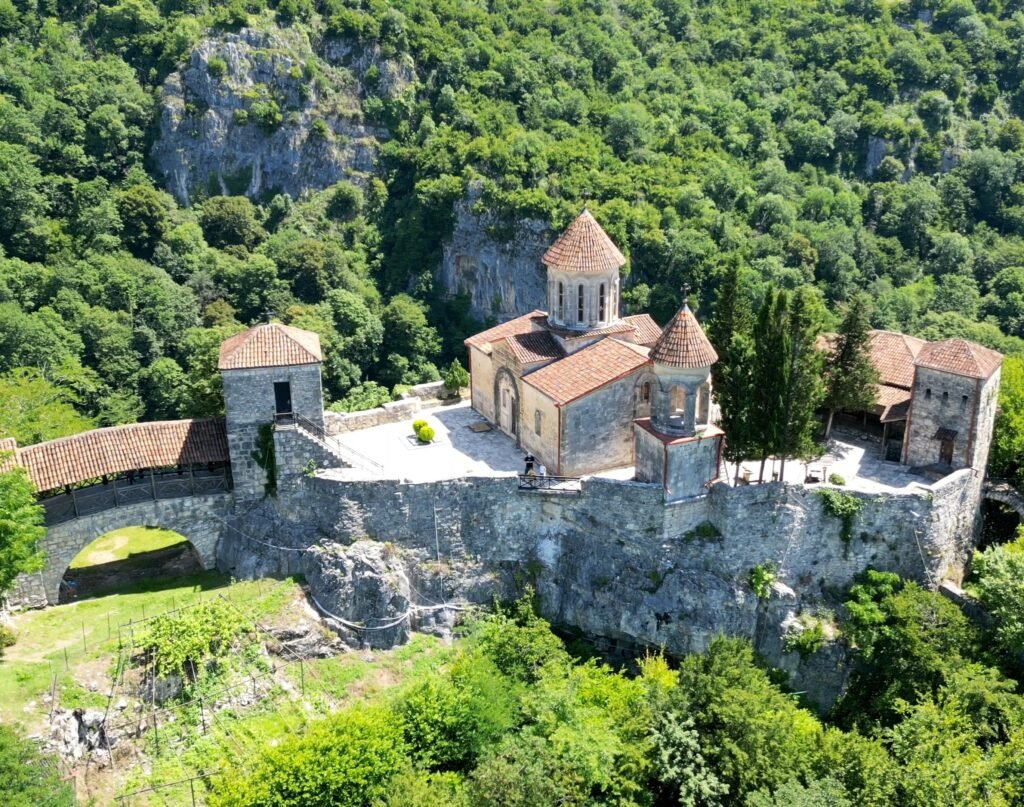
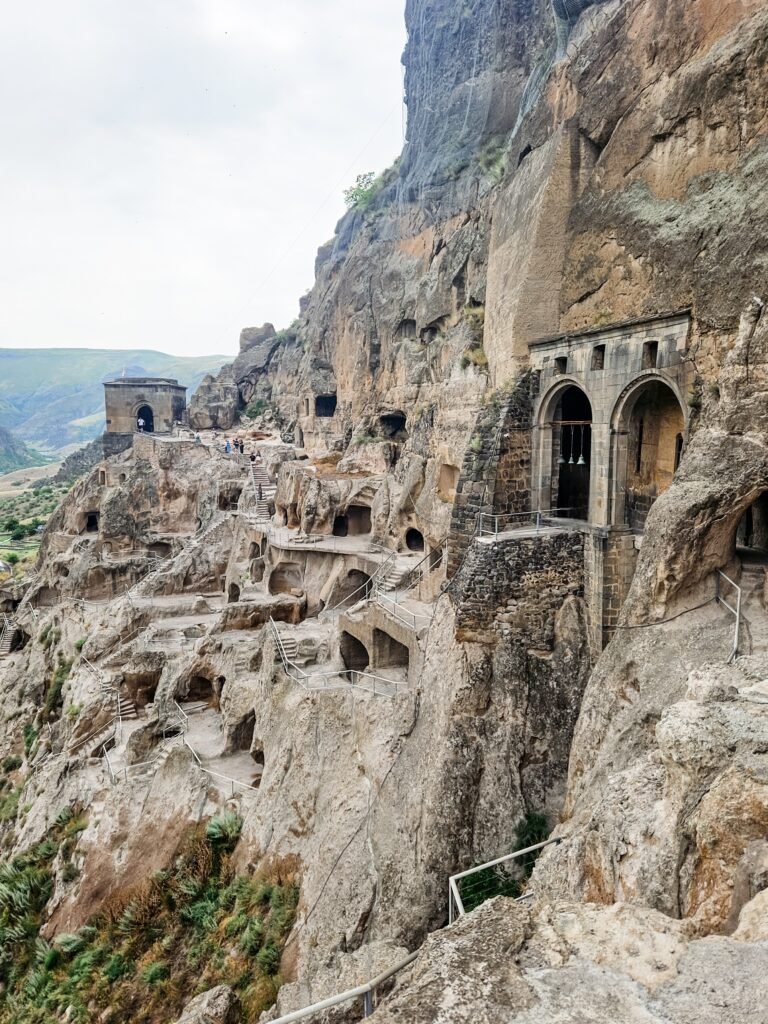
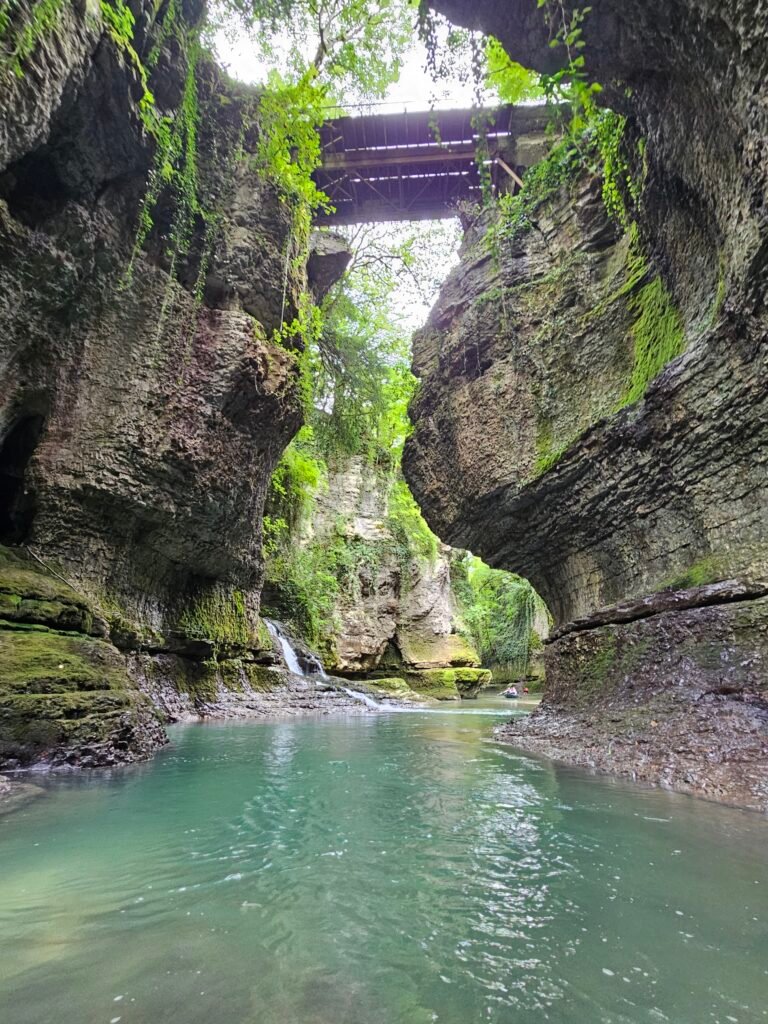
There are mountains, the Black Sea around Batumi, historical sites, museums, countryside, hiking and plenty of places that make interesting short trips from Tbilisi. If you’re visiting rather than moving here, our 10-day Georgia itinerary with kids covers our favourite places around the country.
The country has a lot packed into a relatively small geographical area, which is useful when you are living here rather than visiting for a week.
The weather is another reason we enjoy much of the year here. We generally find the warmer part of the year very pleasant, with good weather continuing well into October.

The Winter Is Not Our Favourite
There are a few things that we don’t like about Georgia.
First of all, the winters are simply too cold and dreary for us.
Tbilisi doesn’t have the brutal winters you might associate with some parts of Eastern Europe, but it can be cold, rainy and grey, and that combination is not particularly appealing to us after years of travelling to warmer places.
It is also when some of the other limitations of Tbilisi become more noticeable.
When the weather is good, there is a lot to do outdoors. You can walk, explore, go on day trips, spend time outside and take advantage of the country’s natural landscape.
When it is cold, wet and grey, the list becomes considerably shorter.
For that reason, we have found that we prefer to leave Georgia during the winter months.
This actually works quite well with our current lifestyle. We now travel for a couple of months at a time rather than travelling continuously, so winter gives us a natural opportunity to go somewhere warmer before returning to Tbilisi.
It means the climate isn’t necessarily a deal-breaker for us, but it is definitely something anyone considering Georgia as a year-round home should think about carefully.
There Isn’t an Endless Supply of Things to Do in Tbilisi
Another downside, particularly when you have a child, is that Tbilisi isn’t a city where there are endless entertainment options.
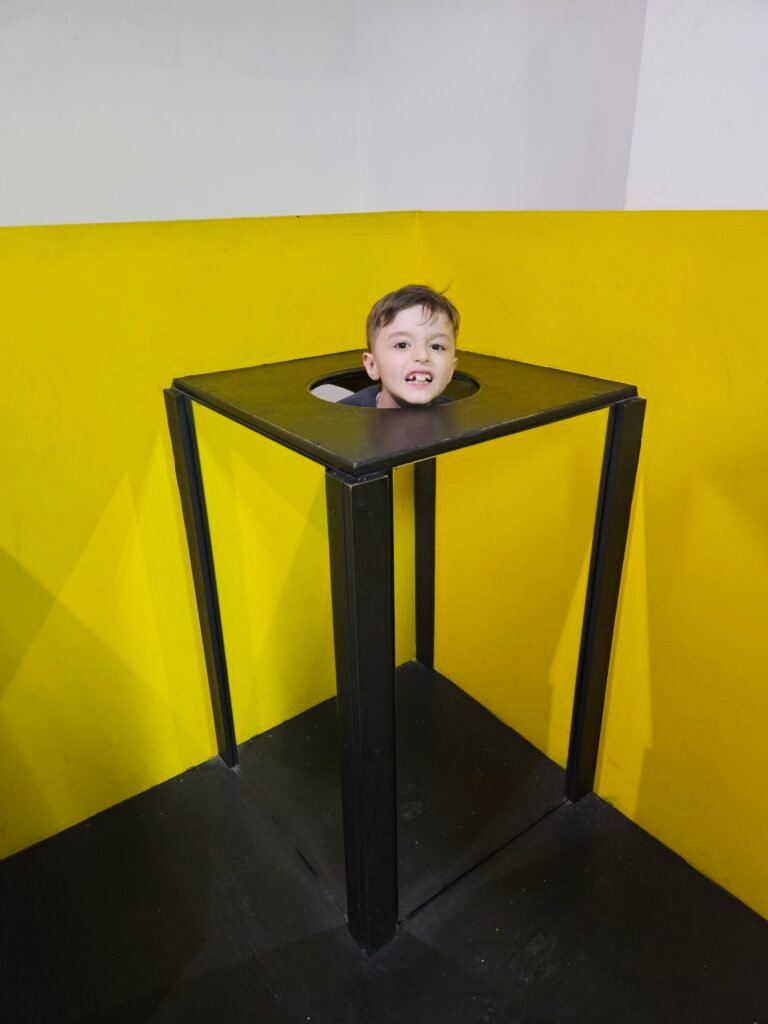
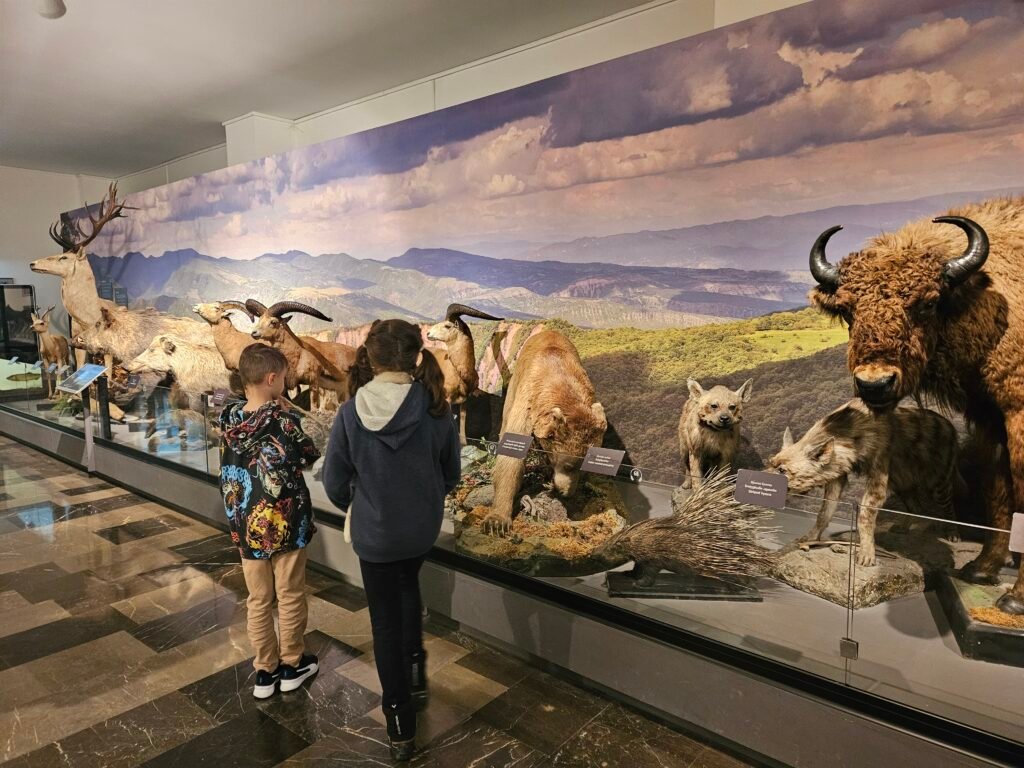
There are activities, classes, sports, restaurants, museums and other things to do, but the city doesn’t have the huge range of indoor family entertainment you might find in a much larger Western European or North American city.
A lot of what makes Georgia enjoyable is outdoors.
That is wonderful when the weather cooperates.
When it doesn’t, we sometimes find ourselves wondering what to do.
This is especially noticeable with a child who has already travelled to so many places. We have become accustomed to having an enormous range of museums, attractions, activities and experiences available in cities around the world.
Tbilisi simply isn’t that kind of city.
For us, this is another reason that travelling during the winter works well. We don’t expect Georgia to provide everything all year round.

The Expat Community Is Growing, but It Is Still Relatively Small
Another thing we have noticed after living here is that the international community isn’t enormous.
It is definitely there, and it is growing, but compared with some of the more established expat and digital-nomad destinations around the world, it is still relatively small.
There is also a significant Russian-speaking expat population, which makes sense geographically and historically, but the English-speaking community is smaller.
Within that English-speaking community, we have also found that the social environment can sometimes feel quite specific. A noticeable portion of the community is made up of people with fairly strong religious or traditional social views, which may or may not be a good fit depending on what you are looking for socially.
That doesn’t mean you can’t find people you connect with. You absolutely can.
It simply means that someone arriving in Tbilisi expecting an enormous, diverse, English-speaking international community on the scale of some major European expat centres may find the reality somewhat smaller.
For our family, having my friend here already made a significant difference.
Without that existing connection, this might have been more noticeable.
Georgians Can Sometimes Seem Less Outwardly Welcoming
This is another area where I think cultural context matters.
Sometimes Georgians can come across as quite serious or even grumpy, particularly in everyday interactions such as shops or dealing with people you don’t know.
That can be a little surprising if you are used to the more outwardly friendly style common in North America or some parts of Western Europe, where smiling at strangers and making small talk is much more normal.
But I don’t necessarily interpret that as people being unfriendly.
It is more that friendliness isn’t always expressed in the same way.
People may not smile at you, make small talk or appear particularly enthusiastic when you first meet them, but that doesn’t necessarily tell you much about how they will treat you once you actually know them.
It is one of those cultural differences that takes a little adjustment.
The Language Barrier Is Real
Although English is widely spoken in parts of Tbilisi, particularly among younger people and within international businesses, you will absolutely encounter situations where the person serving you doesn’t speak English.
Sometimes they don’t speak Russian either.
For us, Russian makes this much easier because I speak it, and our son is also learning Russian. But even with Russian, there are situations where communication isn’t straightforward.
This is particularly noticeable in smaller shops and when dealing with everyday local services.
You can get by in Tbilisi without speaking Georgian, but that doesn’t mean the language barrier doesn’t exist. Learning at least some Georgian would obviously make life easier and, as with living anywhere, tends to be appreciated. For our family, the language situation hasn’t stopped us from living here, but it is something I would want prospective residents to understand before moving.
Georgia Is Not for Everyone
I wouldn’t recommend Georgia to every family simply because it works for ours.
I think Georgia makes particular sense for people who value flexibility and want a base where they can stay for long periods without navigating an elaborate visa process, assuming their nationality qualifies.
It can also work well for people who work remotely, want relatively manageable living costs compared with many Western European cities, enjoy having an international community around them and don’t mind living somewhere that can feel less polished than Western Europe.
It is particularly interesting for people who want to travel regularly around Europe, the Caucasus, Central Asia and the Middle East.
On the other hand, Georgia may not be the right choice if you want highly predictable infrastructure, very polished public services or a lifestyle that feels almost identical to Western Europe.
It may also not suit you if you need warm, sunny weather throughout the entire year, want a huge choice of indoor activities, or need a very large English-speaking international community.
And if bureaucracy, cultural differences or occasional infrastructure frustrations make you miserable, the relatively low cost of living may not compensate for those things.
That is why I think the more useful question isn’t “Is Georgia a good place to live?”
It’s:
Is Georgia a good place for the way we want to live?
For us, the answer has been yes.
Living in Tbilisi With Kids: Frequently Asked Questions
It has worked well for our family. Many nationalities can stay for up to a year without a visa, there are plenty of classes and activities for children, the food is excellent, private healthcare is easy to access and it is a convenient base for travel. The downsides are cold, grey winters, fewer indoor activities, a fairly small English-speaking community and a real language barrier.
Our family of three spends about $4,380 a month, including $1,450 in rent in Vera and $1,017 on our son’s classes and activities. Rent for a two-bedroom apartment ranges from roughly $700 to $2,000 or more, so a family could spend considerably less by choosing a cheaper neighbourhood or fewer activities.
It depends on your budget and priorities. Vera, Vake and Sololaki are central, full of character and popular with expats, but they are the most expensive. Saburtalo is cheaper and very practical, with lots of shops and supermarkets, although traffic into the centre can be rough. Didi Dighomi, Isani and Ortachala are much more affordable but further out. We chose Vera because it is walkable and close to friends.
We have always felt very safe in Tbilisi, even when the political protests were at their height. Walking around as a family later in the evening has always been fine for us.
Not if you work only for a foreign employer or foreign clients, with no Georgian clients and no Georgian employer. If you work for a Georgian company or take on local clients, you need the Special Labour Permit introduced in 2026. The rules changed more than once in 2026, so check the current position before you move.
Since 1 January 2026, foreigners entering Georgia have been required to have travel medical insurance with at least GEL 30,000 of cover. We have never been asked to show ours, but some travellers report airlines checking at check-in, so it is worth having it and carrying proof.


9 Comments