
The Family Travel Gear We Actually Use, After 90 Countries
Some of the links below are affiliate links. If you buy through them we may earn a small commission at no extra cost to you. We only recommend gear we would pack ourselves.
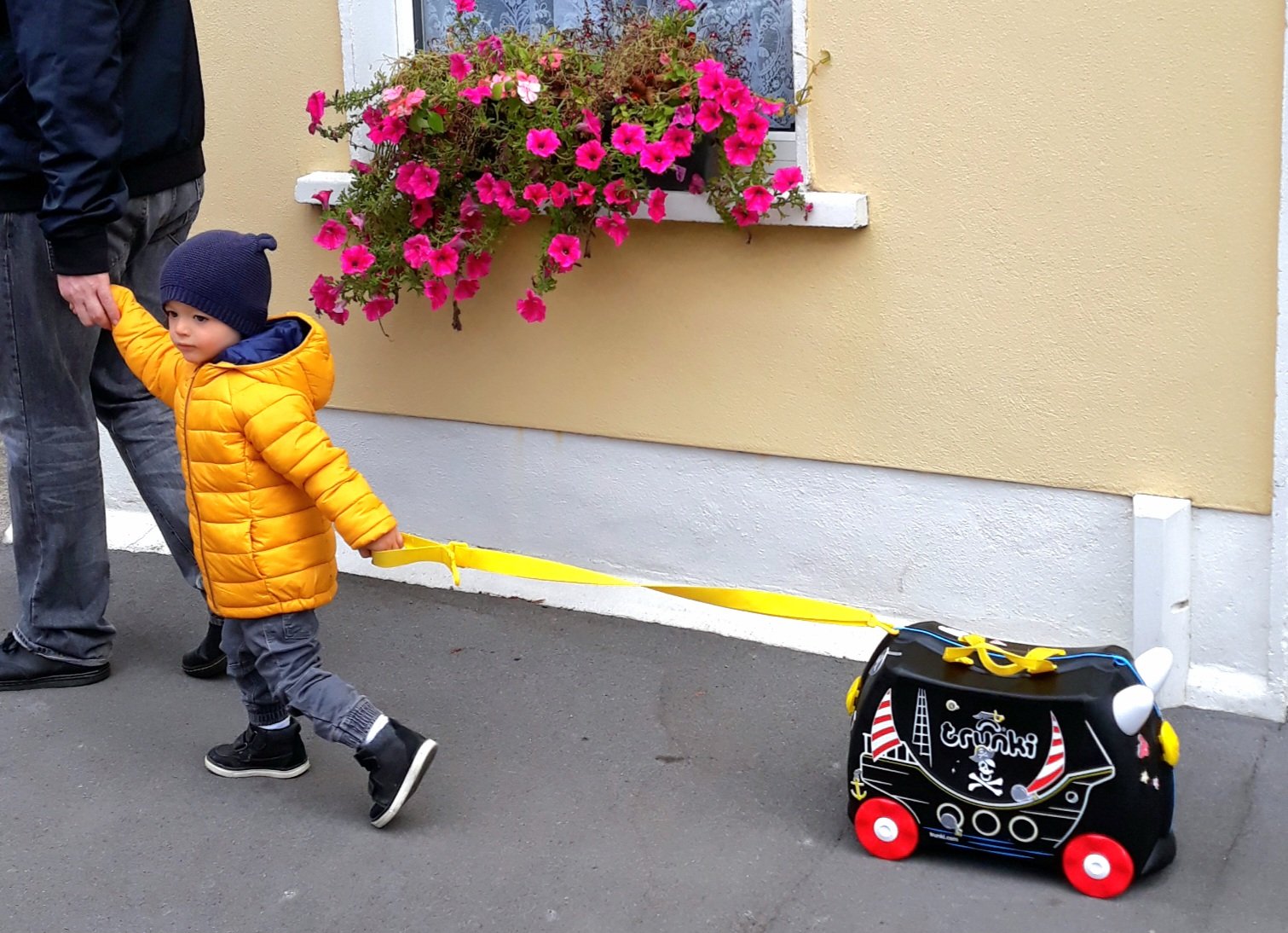
This is the family travel gear that has survived six years and 90 countries with us. Our packing list has been rewritten more times than we can count. When we first started travelling, we had three big suitcases, one small roller bag, two backpacks, and one Trunki (that our son absolutely loved!). But the longer we travelled, the more things we left behind, as they were not really that useful, and were only taking up room in the suitcases. After a few years, we became quite minimalistic, downsizing to only two big suitcases, and two backpacks. The list below are the essential items that we found helpful and necessary.
We found that the best gear is the gear you will actually carry. Everything here is chosen for a balance of light weight, genuine durability, and being easy to replace on the road if it fails. Weights and prices shift, so treat the specifics as a starting point and check current listings before you buy. If you are new here, you can read more about who we are and how we travel.
Baby/toddler gear
A baby carrier
If you are travelling with a baby or young toddler, a good carrier will change your daily life more than any other single item. It frees your hands, settles the child in unfamiliar places, and goes where no stroller can: up temple steps, through market crowds, onto boats, down the cobbled lanes that make up half the interesting parts of the world.
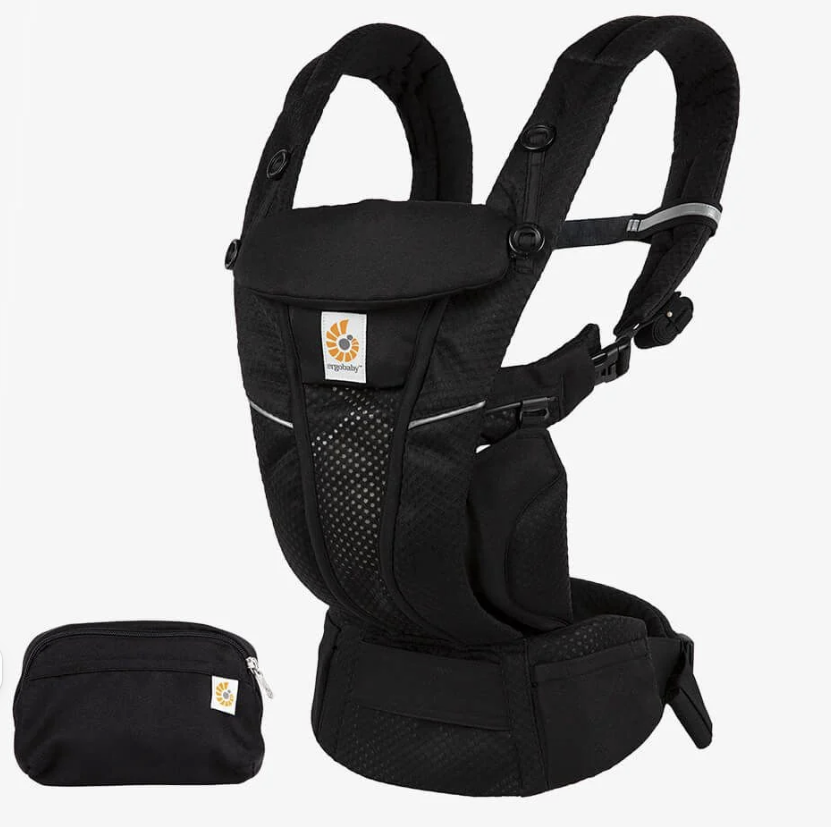
For hot climates, a mesh structured carrier like the Ergobaby Omni Breeze is hard to beat. It covers every carry position from newborn to toddler without a separate insert, and the breathable panel matters enormously in Southeast Asian humidity. For the first few months, or as a packable backup, a simple stretchy wrap folds down to almost nothing and gives the closest, calmest contact for a newborn.
A carrier for an older baby or toddler
Once our son became too big for a soft carrier but was still getting tired during a long day, a lightweight framed hip carrier was an amazing find to extend our day considerably. The LÍLLÉbaby CarryOn and the Ergobaby carrier in its toddler configuration both take toddlers comfortably, spreading the load across a padded hip belt rather than your shoulders. For proper hikes and uneven ground, a framed carrier such as the Osprey Poco adds a small seat, sun shade, and storage, and it is what you will want the day you decide to walk up to a viewpoint with a three-year-old who has run out of legs.
A lightweight stroller
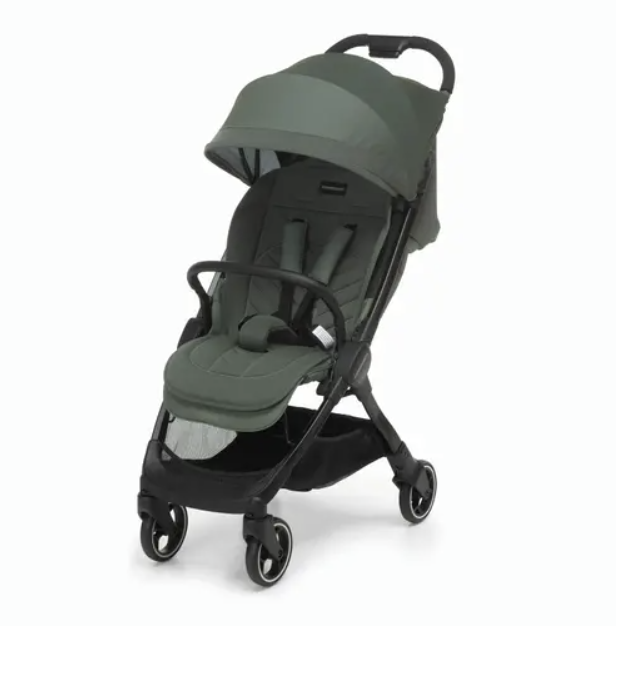
A travel stroller is worth it for long sightseeing days and airport terminals, provided it folds small enough to stop being a burden. The Babyzen YOYO and UPPAbaby Minu were our favourites when our son was little: one-handed folds, cabin-bag dimensions on most airlines, and comfortable enough for him to have a nap in. If absolute compactness is the priority, the gb Pockit+ folds down small enough to fit in a large handbag, at the cost of a smaller seat and firmer ride.
One hard-won lesson: on crowded public transport, a carrier beats a stroller almost every time. Take the stroller for the long flat days, but do not rely on it as your only way of moving a tired child.
What we use for packing
Light, sturdy luggage
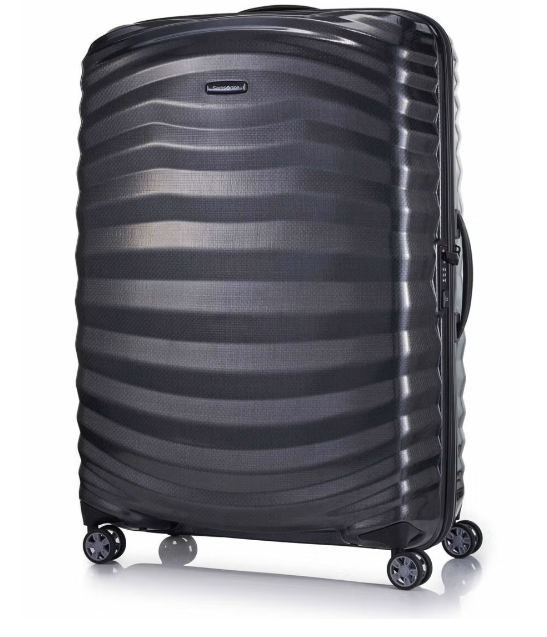
The two things that matter most in a suitcase are weight when empty and wheels that survive rough ground. Every kilo the suitcase itself weighs is a kilo of your allowance gone before you have packed a thing. A soft-sided Travelpro Maxlite is a long-standing pick for genuinely light weight, while hardside cases from Monos or Away trade a little extra weight for better protection and a cleaner pack. Samsonite has been our personal favourite, which has been with us through multiple countries, continents, and has lasted for 5 years so far. Whatever you choose, spend on the wheels and zips, because those are what fail first.
A proper travel backpack
For anything involving stairs, unpaved streets, or frequent moves, a front-loading travel backpack beats a wheeled case. The Osprey Farpoint (and the Fairview, its women’s-fit equivalent) in the 40-litre size is the benchmark: it opens like a suitcase rather than a top-loading hiking pack, fits most cabin allowances, and has a proper hip belt so the weight sits on your hips, not your shoulders.
Packing cubes
Unglamorous and genuinely transformative. Packing cubes turn a chaotic bag into a set of findable compartments, and they make living out of a suitcase for months bearable. Eagle Creek cubes are the durable long-haul choice; Bagail cubes cost a fraction of Eagle Creek, and do almost the same job. A set that includes one compression cube for bulky layers is the most useful configuration.
Lightweight food containers
An easy thing to overlook until you need it. Most short-term rentals and Airbnbs have almost nothing for storing leftovers or packing snacks, and travel days with a child run on snacks. A small set of lightweight, non-toxic containers solves it. Collapsible food-grade silicone sets are ideal for travel because they fold nearly flat when empty and pop back into shape when you need them, so they cost you almost no space in the bag. Look for BPA-free, platinum or LFGB-certified silicone, and a leak-proof lid for the inevitable day one rides loose in a daypack. They double as bowls for a picnic, or for a beach lunch.
LifeStraw Bottle
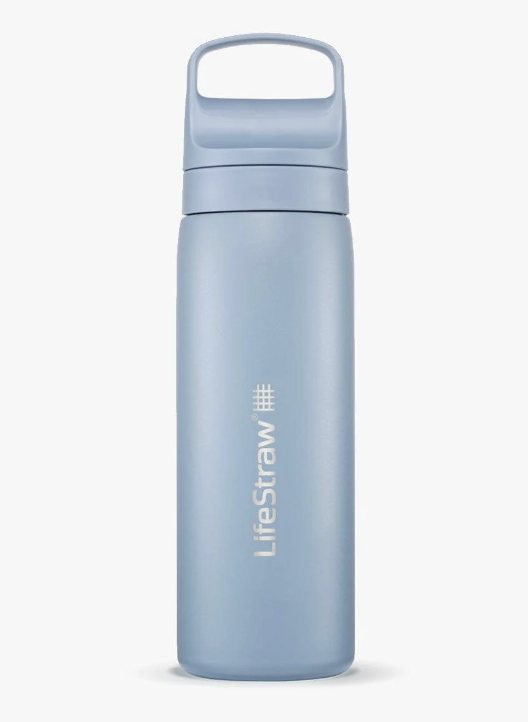
A good water bottle is useful on every trip, but a filtered bottle gives us an extra layer of peace of mind when we’re travelling somewhere we’re unsure about the water. We’ve carried a LifeStraw bottle on trips where access to reliable drinking water wasn’t always guaranteed, and it’s particularly handy for hiking, long travel days, and remote destinations. It’s compact enough to keep in a daypack and means you don’t always have to rely on buying bottled water everywhere you go.
On your feet
Comfortable, versatile footwear
You will walk further than you expect, on worse surfaces than you expect. One pair of cushioned, broken-in walking shoes earns its space over any number of stylish alternatives. HOKA trainers are popular for all-day cushioning, while a Merrell hiking shoe handles trails and wet ground. Add one pair of sturdy walking sandals such as Ecco (our absolute favourites, and have been with us everywhere from Guatemala to Japan!) or Keen for hot destinations and water, and you have most situations covered with two pairs.
Flip flops
For beaches, hostel bathrooms, and the walk to breakfast, a durable pair matters more than you would think, because cheap ones disintegrate mid-trip. Havaianas last for years; OluKai are pricier but supportive enough to walk real distances in.
Water Shoes
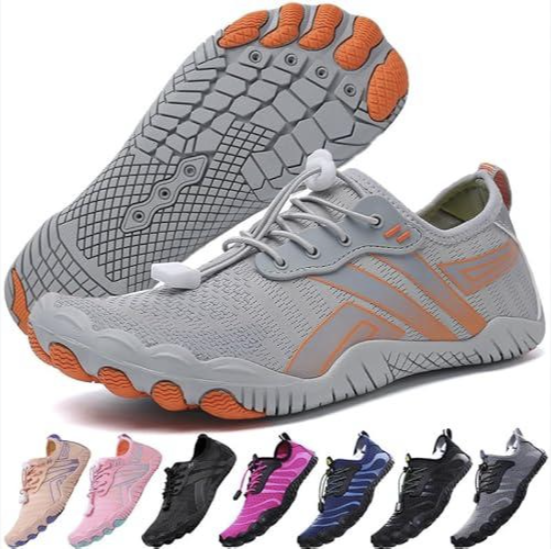
Water shoes are one of those things you don’t always think you’ll need—until you really, really need them. We’ve used ours in Panama for hiking through wet, rocky terrain and in Mauritius for exploring coral beaches, where going barefoot was definitely not a good idea. They’re also great for rocky shorelines, waterfalls, boat trips, slippery river crossings, and pretty much anywhere you’re switching between land and water. We carry them for both our son and ourselves.
Power and connectivity
A universal travel adapter
One good all-in-one adapter saves you a drawer of country-specific plugs. The EPICKA Universal Travel Adapter is the reliable standard: it covers the major plug types and includes several USB ports so it doubles as a multi-device charger from a single socket. Note that an adapter changes the plug shape only, not the voltage, so check that your devices are dual-voltage before plugging in.
A power bank
Long travel days drain phones fast, and a phone is your map, ticket, and camera all at once. Anker power banks are the dependable choice across sizes. A 10,000mAh unit gives roughly two to three phone charges and stays within airline carry-on rules; if you carry a laptop, a larger USB-C model with fast charging is worth the extra bulk. Remember that power banks must go in your cabin bag, never checked luggage, and that most airlines cap capacity at 100Wh (around 27,000mAh).
Travel Cable Organiser
Somehow, three people travelling together can accumulate an absurd number of cables. Phone chargers, tablet cables, camera batteries, power banks, headphones… they all seem to disappear into the bottom of a bag if we don’t keep them organised. A small travel cable organiser keeps everything together and saves us from the classic hotel-room ritual of emptying an entire suitcase looking for one charging cable.
Something to keep them entertained
Having a few small things to keep kids entertained can make a big difference on long flights and during airport waits.
When our son was around 3–5, we found activity books, stickers, colouring books and simple puzzles particularly useful, as they were easy to pack and could keep him busy without taking up much space. As he got older, we switched to small LEGO sets, which were great for longer flights and gave him something more engaging to focus on. He especially loved 3 in 1 sets, which gave him more variety in one set. We also like bringing a couple of things he hasn’t seen before so there is a little element of novelty — just remember to keep everything compact and easy to pack away when it’s time to board or move on.
Headphones for kids
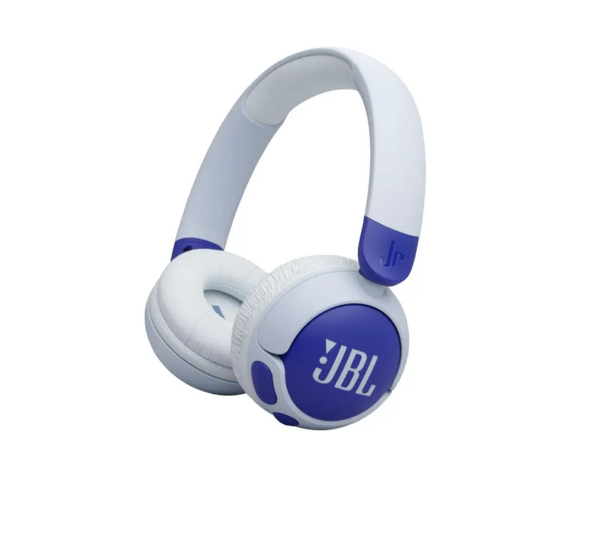
Our son loves audiobooks and music, so a good pair of headphones has become one of those things we never travel without. His JBL Junior headphones have been particularly useful on long drives, flights and those inevitable stretches of travel when everyone needs a bit of quiet time. They’re a lifesaver when you’re spending several hours in a car, especially when your child is perfectly happy listening to an audiobook instead of constantly asking “are we there yet?”
E-Reader
We love books, but travelling with a serious reader creates a very real packing problem. Our son can easily get through several books on a trip, and carrying enough physical books for a long journey simply isn’t practical when you’re already trying to keep your luggage under control. An e-reader means he can have a whole library with him without adding much weight at all. We still buy and carry physical books when we can, but for long-term travel, an e-reader has become a very practical compromise.
Security
TSA-Approved Lock
A small travel lock is one of those inexpensive things that is easy to overlook until you actually need one. We use a TSA-approved lock for suitcases and bags when we’re travelling, particularly when we’re checking luggage or leaving bags somewhere while moving between destinations. It gives us a little extra peace of mind without adding much weight to our luggage.
Bluetooth Luggage Tracker
After travelling through 90 countries, we’ve become considerably more interested in knowing where our luggage is. A Bluetooth luggage tracker tucked inside a suitcase means we can check its location if a bag goes missing or gets separated from us during a journey. It’s especially reassuring when checking bags on flights or travelling with multiple pieces of luggage.
RFID-Blocking Travel Wallet
A travel wallet has become another one of those small things we use constantly. Keeping passports, cards and important travel documents together makes moving through airports and borders much easier, and an RFID-blocking wallet adds an extra layer of protection for contactless cards. When you’re constantly carrying important documents between countries, having one dedicated place for them is much less stressful than digging through different bags and pockets.
Sun, sea, and skin
Swimwear for adults and kids
Quick-drying swimwear you can rinse and re-wear the same day is worth prioritising when you are moving often. For children, a full UPF rash guard set (long-sleeve top and bottoms), like this one from UV SKINZ does more to prevent a ruined holiday than sunscreen alone, especially for long days snorkelling or at the pool. A packable pair of goggles per person takes up almost no room and gets used constantly.
A sun-proof hat
A wide-brimmed UPF hat that packs flat and springs back into shape is one of those small items that quietly protects you every single day. Wallaroo and Sunday Afternoons both make packable, rated hats for adults and children, with chin straps on the kids’ versions that stop them blowing off boats.
A Snorkel Mask That Actually Fits
Our son has never been a fan of the snorkel masks provided on tours. They’re often designed for adults, don’t fit his face properly, and can make what should be an exciting snorkeling trip pretty frustrating. We eventually got him his own properly sized snorkel mask, and it made a huge difference. It’s one of those pieces of gear that is worth carrying when you’re travelling with a child who loves the water — especially if you’re doing a lot of snorkeling.
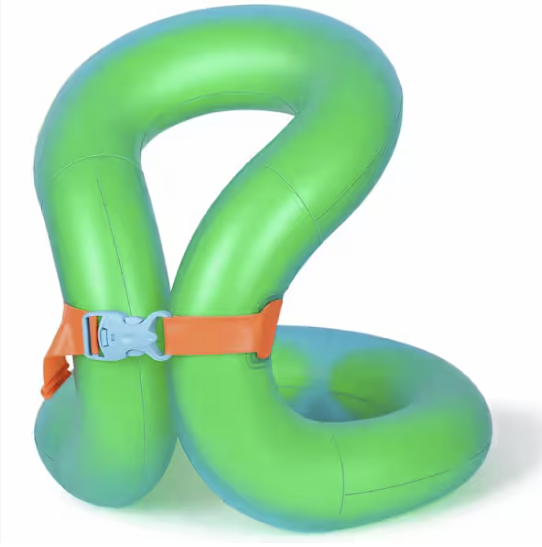
Inflatable Swimming Vest
Before our son learned to swim confidently, an inflatable swimming vest was something we used constantly. It came with us to hotel pools, beaches and snorkeling trips and gave him a bit of extra buoyancy while he was still learning. We particularly liked having one that was easy to inflate and deflate, because it took up very little space in our luggage. Obviously, it was never a substitute for supervision, but it gave him more freedom to enjoy the water while he was developing his swimming skills.
Biodegradable, reef-safe sunscreen
Many places we love, from Hawaii to Thailand, now restrict sunscreens containing oxybenzone and octinoxate, because they bleach coral. Beyond the rules, if you swim in the sea it is simply worth using something that does not poison it. Look for a non-nano zinc oxide formula. Badger is one of the few brands independently certified for reef safety and is widely available; Stream2Sea is a strong biodegradable option tested in both salt and fresh water; and Thinkbaby and Thinksport are reliable mineral choices for children and adults. Mineral sunscreens leave more of a white cast than chemical ones, which is the small price of not harming the reef.
That is the core of what we carry. None of it is exotic, and that is rather the point: the gear that lasts across years and continents tends to be the simple, well-made, sensibly light version of an ordinary thing. Buy once, buy carefully, and then stop thinking about it and go.
If you’re putting together the rest of your travel setup, our full worldschooling resources guide covers everything else: flights, accommodation, insurance, banking, remote work and schooling on the road.
5 Comments