
How to Find Kids’ Classes and Activities When You Move Abroad
Some of the links in this post are affiliate links. If you sign up through them we may earn a small commission at no extra cost to you. We only recommend tutors and platforms we use with our son.
The quickest way to find kids activities abroad is to ask people who already live there. Post in local expat and parent groups on Facebook and Instagram, ask any friends or families you know in the city, then book a trial class before you commit. Start with what your child already loves, and fill any gaps with online tutors.
We’re a family of three, and we’ve lived in Tbilisi, Georgia since August 2024. Before that we travelled full time for four years. Our son is 10 and homeschooled. He doesn’t go to school, so his classes are his routine, his teachers and a big part of his social life. That makes finding the right activities even more important for us than for a family whose child is in school all day.
Most guides to extracurricular activities for expat kids assume your child goes to an international school with its own clubs. This one is for homeschoolers and slow travellers. It’s the method we actually use, with our real costs and the classes that didn’t work out.
Our Son’s Weekly Activities in Tbilisi at a Glance
This is his current week. Monthly costs are in US dollars, based on an average of 4.33 weeks a month.
| Activity | In person or online | Private or group | How often | Monthly cost | Teacher’s language |
|---|---|---|---|---|---|
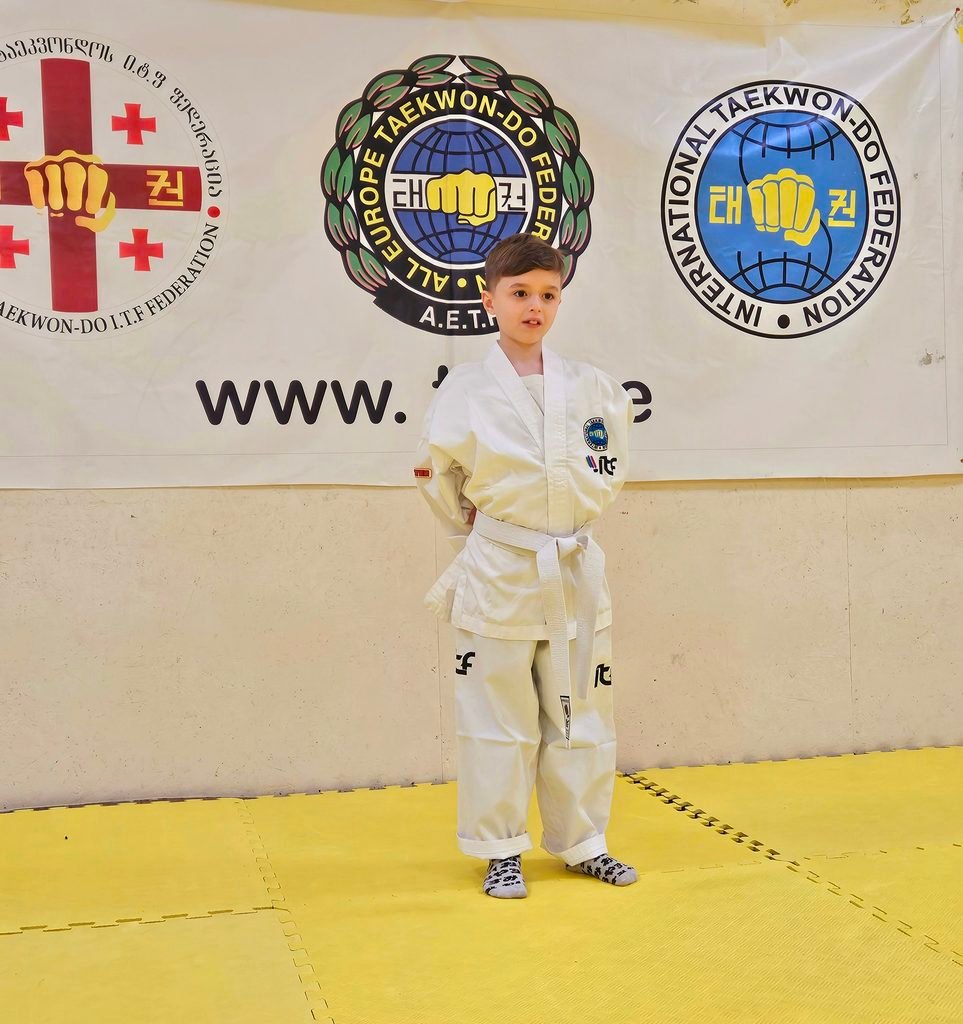
| Taekwondo | In person | Private (the whole family trains together) | Twice a week | About $329 for the three of us | English |
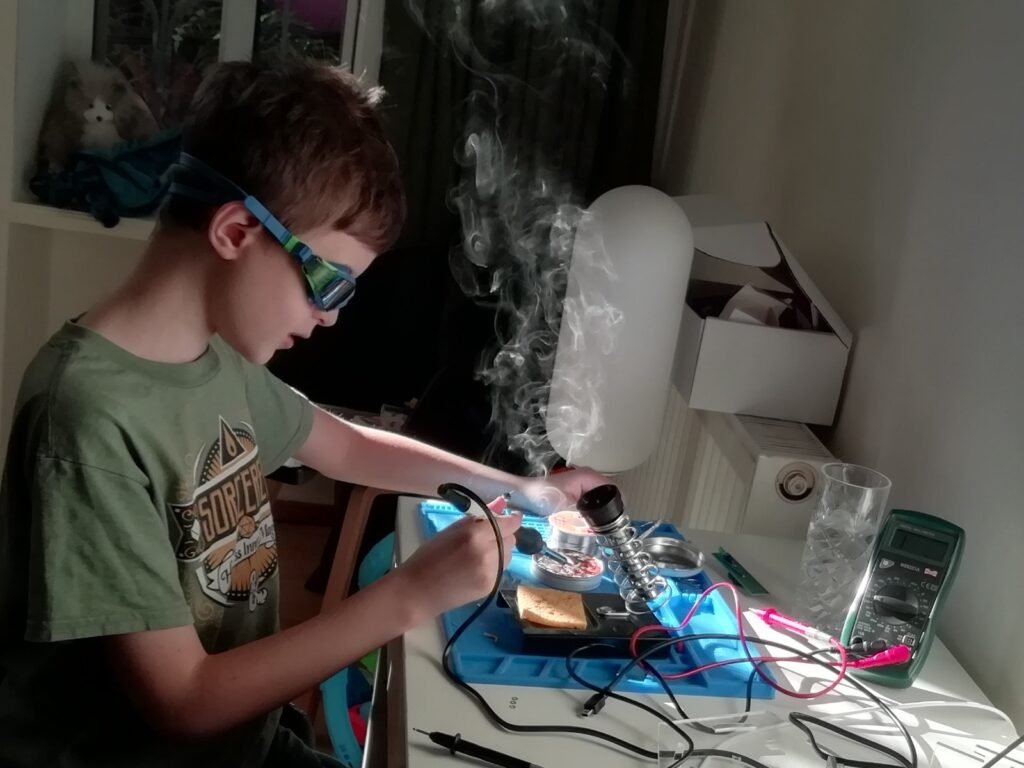
| Robotics | In person | Private | Twice a week | About $165 | English |
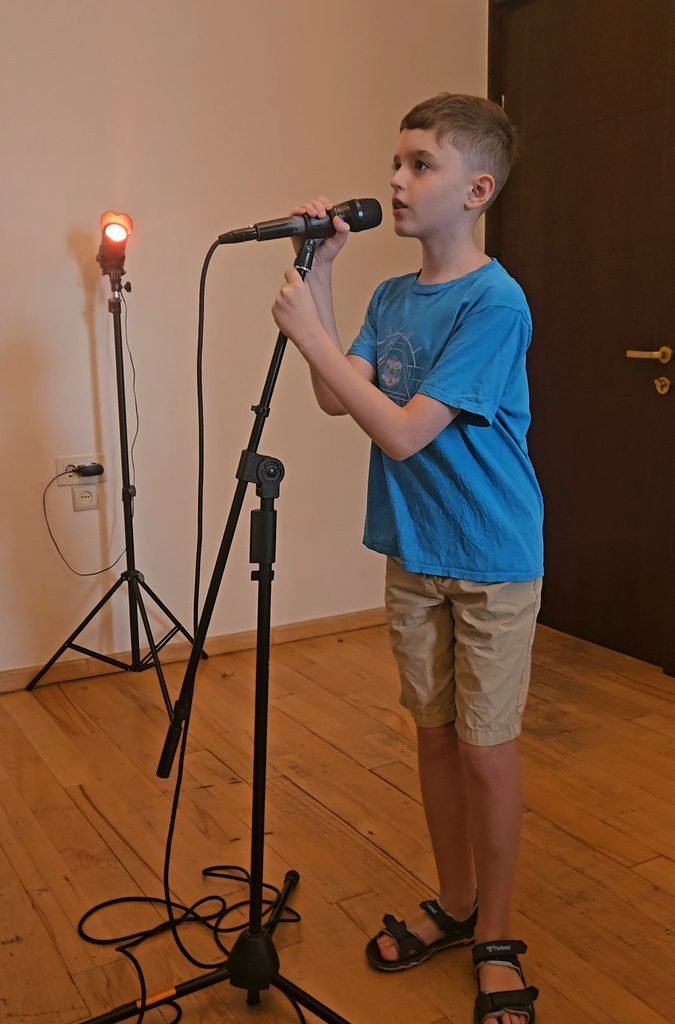
| Singing | In person | Private | Once a week | About $130 | Russian (I translate) |
| Swimming | In person | Group | Once a week | About $74 | English |
| Maths (Preply) | Online | Private | Twice a week, 25 minutes | About $39 | English |
| Russian (Preply) | Online | Private | Once a week | About $77 | Russian and English |
| Chess (Preply) | Online | Private | Once a week | About $68 | English |
| Chess (private tutor) | Online | Private | Once a week | About $135 | English |
| Total | About $1,017 |
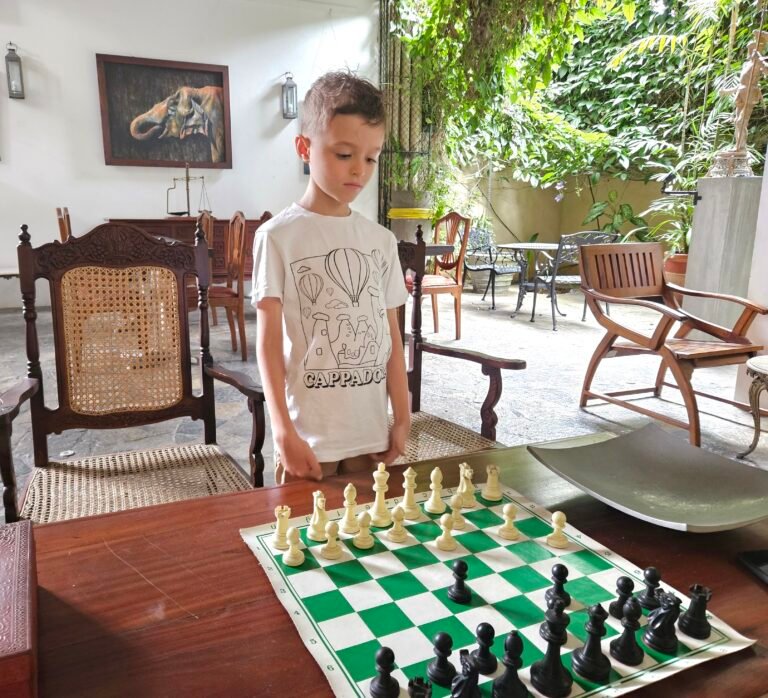
He also plays in over-the-board chess tournaments here in Georgia. The instructions are given in Georgian, which we don’t speak, but every game follows FIDE rules, so the rules are the same as anywhere else.
His favourites are singing, robotics and chess.
How to Find Kids Activities Abroad: Our 7 Steps
We found most of our son’s classes almost straight away after moving to Tbilisi. A few started more recently, because the schools running them are new. This is the order we’d follow in any new country.
1. Start with what your child already loves
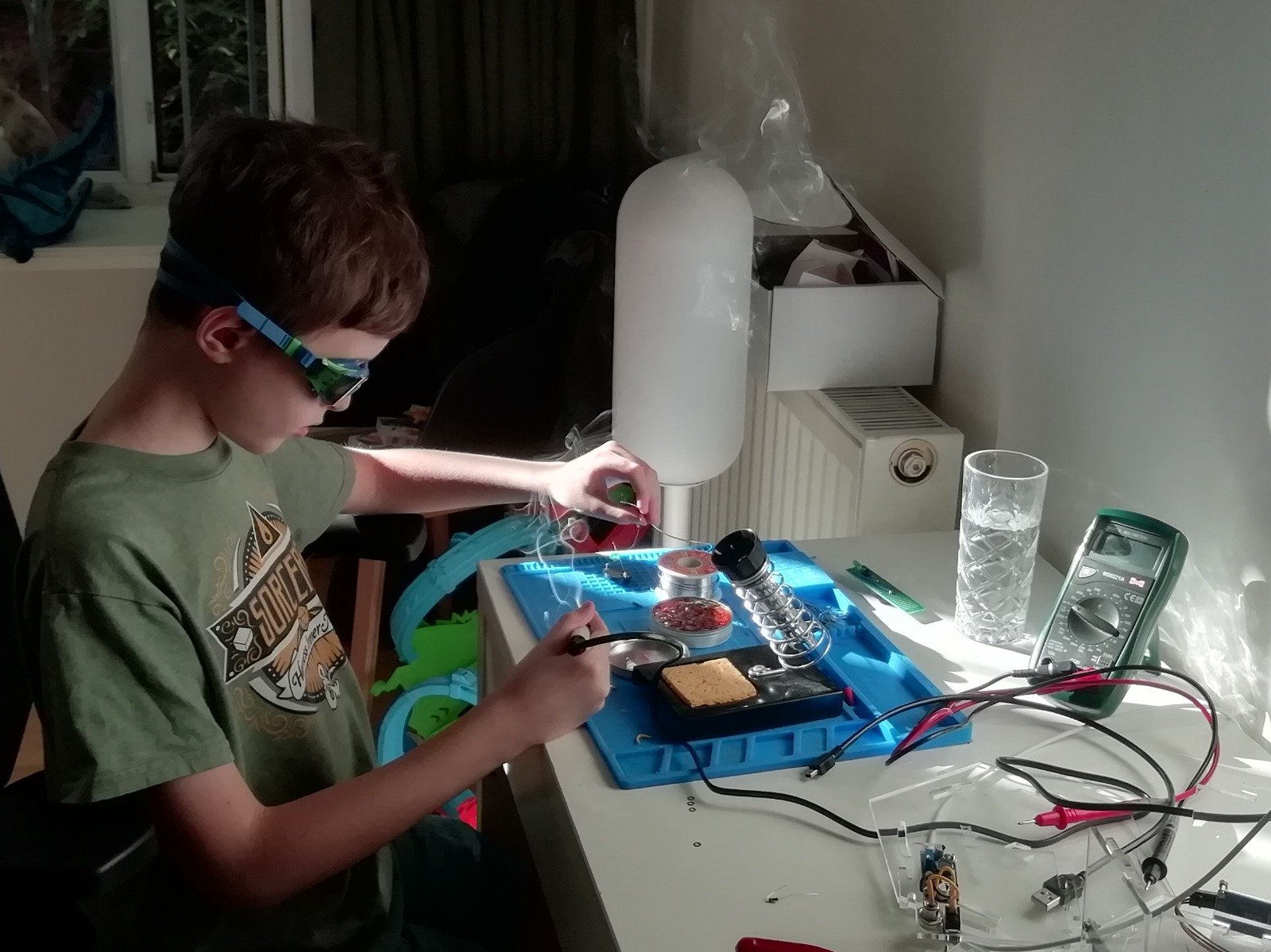
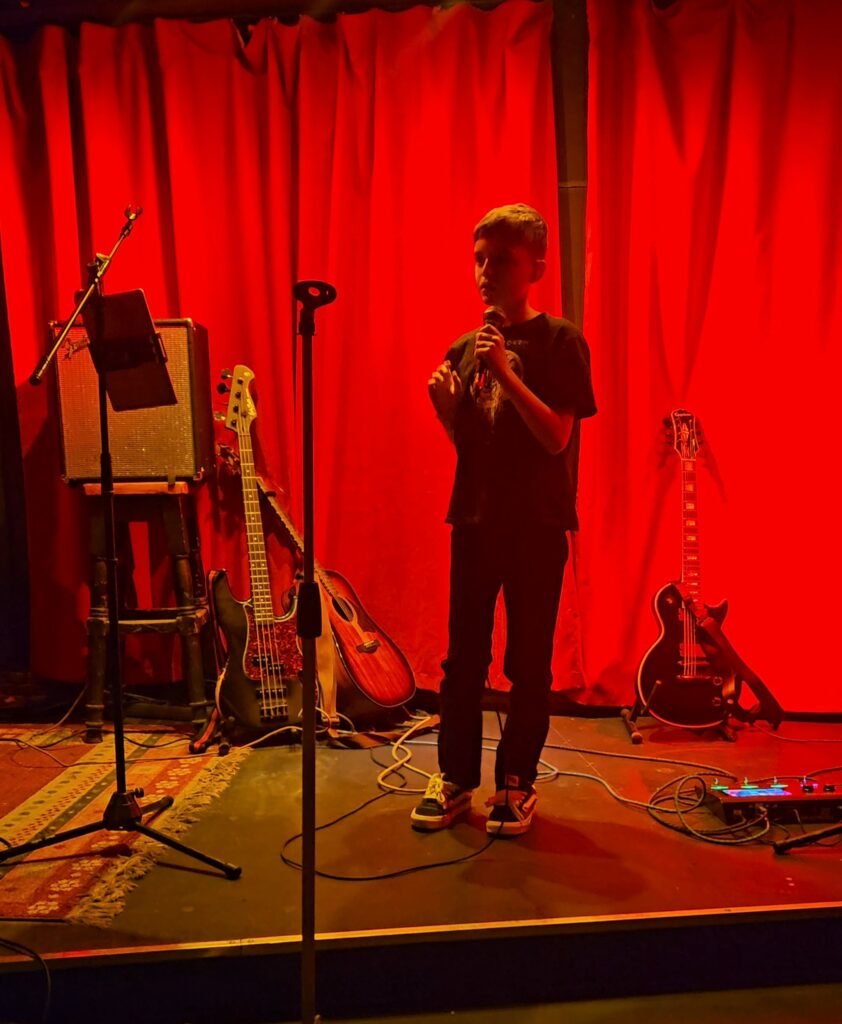
Don’t start with what the city offers. Start with your child. A child who already loves something will settle into a new class much faster than one who is trying something new in a new language. For our son, that meant chess, music and robotics, which are still his favourites today.
Write down two or three things your child would happily do every week. That short list is what you search for first. New interests can come later, once the basics feel settled.
2. Ask in local expat and parent groups
Social media is where we found most of our son’s classes. In Tbilisi we used Facebook and Instagram, including the Tbilisi digital nomad group. Search Facebook for your city’s name plus “expats”, “digital nomads” or “parents”, and join the active ones. Then post a simple question:
“We’ve just moved here with our 10-year-old. He loves chess, robotics and singing. Can anyone recommend a teacher who speaks English?”
Name the age, the interest and the language you need. You’ll get far better answers than from a general “any ideas for kids?” post. Instagram is worth checking too. Many small schools and private teachers post their classes there rather than on a website.
Depending on the country, Telegram or WhatsApp groups may matter more than Facebook. Ask the first families you meet which groups they actually use.
3. Search Google Maps in the local language
Many local clubs and studios have no English listing. Translate the activity into the local language, such as “swimming pool” or “chess club”, and search Google Maps with that word. Then read the reviews, check the opening hours and look at the photos.
A Maps search won’t tell you whether a coach speaks English. It will show you what exists near you. Take that list back to the expat groups and ask whether anyone has tried those places.
4. Ask friends and parents you meet
Word of mouth found us the rest. We already had friends and families living in Tbilisi before we moved, and their recommendations were some of the most useful we got. A parent whose child already takes a class can tell you how the teacher is with kids. They’ll also know whether the class runs on time, and whether their child still enjoys it after six months.
If you don’t know anyone yet, start talking to parents wherever children gather: playgrounds, parks, and the clubs your child joins first. One good class often leads to the next.
5. Book a trial class and watch it
A recommendation tells you a teacher is good. A trial tells you whether they’re good for your child. Watch how the teacher talks to your child, whether they pitch the level right, and whether your child comes out smiling.
Not every trial works out. Our son tried a few drum classes, and they just didn’t work for him, mainly because of the teacher. He also tried an in-person chess teacher once. That didn’t work either, because she didn’t speak English. Both were useful lessons. A great subject with the wrong teacher can put a child off completely.
A note on safety: treat a new coach as you would at home. Ask other parents about them, watch at least one class before you leave your child, and choose teachers who are happy for parents to observe. A good teacher won’t mind. These are simple habits, not legal checks, so use your own judgement.


6. Decide on private or group
Most of our son’s classes are private, and swimming is his one group class. The reasons were practical rather than planned. He started taekwondo as a complete beginner, and his teacher had no beginners’ class at the time, so a private class made more sense. Now all three of us train together. Robotics began as a small group class, but it became private after the school restructured, and the teacher now comes to our home. We explain how we think about the choice in the private vs group section below.
7. Fill the gaps online
Some things are hard to find locally, especially with a teacher who speaks your language. That’s where online lessons come in. Our son takes maths, Russian and chess with tutors on Preply, plus a second weekly chess class with a private tutor.

Online lessons have one big advantage for a travelling family: they come with you. A local tutor ends when you move on. A Preply tutor doesn’t. We explain how we choose tutors, and what went wrong once, in our Preply for kids review. For the bigger picture of how we cover academics, see how we keep up with academics while worldschooling.
📒 Keep classes, tutors and travel learning in one place
Once you add local classes and online tutors together, it’s easy to lose track of what your child is actually learning. We made our Worldschooling Learning & Travel Planner to bring it all together: an academic snapshot, a weekly planner, and pages for the learning that happens in every place you visit.
It’s 20 pages, and comes as an instant download in A4 and US Letter, so you can print it wherever you are.
Dealing With Language Barriers
Language has been our biggest challenge in Tbilisi. There aren’t many expats teaching here, and most of the in-person teachers who aren’t Georgian speak Russian. Finding a teacher who speaks good English takes effort.
Here’s where we’ve ended up:
- Most of his teachers speak English. It isn’t always perfect, but it’s good enough for him to understand and ask questions.
- His singing teacher speaks Russian. I speak Russian, so I translate during his lessons. It works because she’s a wonderful teacher and he really loves the class.
- Chess tournaments run in Georgian. The instructions on the day aren’t in English, but the games follow FIDE rules, so the rules are the same anyway.
Translating doesn’t work every time. The chess teacher who didn’t speak English is a good example. Without my Russian, finding classes here would have been even harder.
Our advice for families moving somewhere new:
- Put the language you need in every post and every enquiry.
- Find out which second languages are common locally. In Tbilisi, it’s Russian.
- Choose activities that need less talking, such as swimming, for a child who doesn’t share the teacher’s language.
- Keep language-heavy subjects online, where you can choose a tutor who speaks your language.

Private vs Group Classes
Both have a place, and they do different jobs.
Private classes are built around your child. The teacher works at your child’s level and pace, and a shared language matters less when there’s only one student. They also tend to be easier to fit around travel. Most of our son’s classes are private.
Group classes bring other children. That’s their real value for a homeschooled child. His swimming class is a group, and so was the theatre class he used to take. That class was run by an American teacher, all the kids spoke English, and he made a few friends there. Sadly, the teacher has since left Georgia, and the class ended.
For a homeschooler, we’d aim for at least one group activity, ideally in a language your child speaks. A class full of children who can talk to each other gives friendships a real chance to start.
Activities for Short Stays vs a Long-Term Base
Finding activities for a stay of one to three months is a different problem. You have less time to search, and every class has to start quickly.
When we were travelling, we mostly looked for short-term classes close to where we were staying. We also used worldschooling hubs. Our son spent four weeks at a hub in Antigua, Guatemala in January 2026, which gave him a daily group, a routine and lots of friends. You can read about it in our Antigua Global Explorers review. That stay is also when we started using Preply, for Spanish lessons while he was surrounded by the language.
For short stays, we’d suggest:
- Keep online lessons running, so the core subjects don’t stop.
- Look for classes near your accommodation, so getting there isn’t a daily expedition.
- Check whether a hub or holiday programme is running while you’re there.
- Ask about short courses or pay-per-class options before signing up for a term.
A long-term base changes everything. In Tbilisi, our son can stay with the same teachers for months and build real skills. That continuity was one of the main reasons we chose a base at all. If you’re weighing that decision, read how to choose a home base as a travelling family. For countries where this has worked well for families, see our list of the best countries for digital nomad families.
🧳 Free download: our Family Relocation Checklist
Still deciding where to move? Our free Family Relocation Checklist helps you set your family’s must-haves, compare up to five destinations side by side and see what a move would cost. It works in Excel or Google Sheets.
Enter your email below and we’ll send it straight to your inbox.
What Kids’ Activities Cost Us in Tbilisi
Our son’s classes cost about $1,017 a month, which makes them our third-biggest expense after rent and groceries. We spend more here on purpose, because these classes give him structure, teachers and friends. Per class, we pay:
- Taekwondo: $38 a class for the three of us
- Singing: $30 a class
- Robotics: $19 a class
- Swimming: $17 a class
- Preply: about $184 a month in total for maths, Russian and chess
- Private chess tutor: about $33 for a one-hour class, or around $135 a month
We pay with a mix of cash, bank transfer and card, depending on the teacher. Ask each teacher how they like to be paid before the first class.
A family with one or two activities could easily spend a fraction of this. You’ll find our full monthly budget in our post on the cost of living in Tbilisi for a family. If you’re visiting rather than moving, our guide to things to do in Tbilisi with kids covers the best one-off outings.
How Activities Help With Friendships
For a homeschooled child, classes are one of the few places to see the same children week after week. That repetition is what turns a nice afternoon into a friendship. Our son also has friends outside his classes, and the theatre group showed us how much a class can add.
We’ve written about this in much more detail in how worldschooling kids make friends.
Mistakes We Made
We weren’t proactive enough while travelling
This is the big one. During our years of full-time travel, we should have been more proactive about finding classes and group activities for our son. It’s hard to do when you only stay a few weeks, but it’s really worth it. If we started again, we’d look for activities in every place we stayed for more than a month.
Looking back, the classes that didn’t work out taught us something too. With both the drums and the in-person chess teacher, the problem was the teacher rather than the subject. So ask about language before the trial, and if a class isn’t working, try another teacher before your child gives up on the activity.
Kids Activities Abroad: FAQ
How do I find activities for my kids after moving abroad?
Ask in local expat and parent groups on Facebook and Instagram, and ask any friends or families already living there. Search Google Maps in the local language, then book a trial class before you commit.
How do homeschooled kids find activities abroad?
The same way as other families, but without school clubs to fall back on. Private teachers, local sports clubs, worldschooling hubs and online tutors fill that gap. We combine in-person classes in Tbilisi with online lessons on Preply.
What if the teachers don’t speak English?
Say which language you need in every enquiry. Check which second languages are common locally, and keep language-heavy subjects online. Our son’s singing teacher speaks Russian, and I translate.
Are private or group classes better for expat kids?
Private classes give one-to-one attention and fit around travel more easily. Group classes give your child other children to get to know. We’d aim for a mix, with at least one group activity.
How much do kids’ activities cost in Tbilisi?
We pay between $17 and $38 a class in person, and about $1,017 a month for all our son’s classes, in person and online. One or two activities would cost far less.
Can kids do activities if you only stay one to three months?
Yes. Look for short-term classes near where you’re staying, check for worldschooling hubs, and keep online lessons going so the core subjects continue.
How do I check that a coach is safe?
Ask other parents about them, watch at least one class first, and choose teachers who are happy for parents to observe.
Final Thoughts
Finding kids’ classes in a new country takes some effort, but it’s one of the best things you can do for a homeschooled child. Ask the people who already live there, try before you commit, and don’t be afraid to change teachers. Use online lessons for whatever you can’t find locally.
For us, these classes turned Tbilisi from somewhere we live into somewhere our son has his own routine. If you’re just getting started, our guide on how to start worldschooling covers the rest.