Best Countries for Digital Nomad Families (Ranked by a Family Who’s Lived in Them)
The best countries for digital nomad families, in our experience, are Thailand, Denmark, Greece, Croatia, Guatemala, Mongolia, Türkiye, Mauritius, Georgia, where we live now, and Mexico. Thailand wins on value and daily life, Copenhagen on being built for children, Greece and Croatia on food, history and safety, Guatemala on community, Mongolia on learning you can’t get from a book, Türkiye on all-round value, Mauritius on island life with a ready-made expat community and Mexico City on sheer things to do. The right one for you depends on your budget, your passports and, more than most lists admit, your working hours.
We’re a family of three. We travelled full time with our son for four years, visited more than 90 countries and stayed a month or longer in more than 20 of them. In 2024 we made Tbilisi, Georgia our home base, and we still travel for a few months at a time. Every country in our ranking is one we’ve actually lived in. Places we’ve only researched are clearly labelled “researched, not lived there”.
Last updated: November 2026
Some of the links below are affiliate links. If you buy through them we may earn a small commission at no extra cost to you. We only recommend things we’ve used ourselves.
Planning a long stay abroad?
🩺 Family health insurance: SafetyWing Nomad Insurance or Genki (compare them in our insurance guide for digital nomad families)
📱 eSIM: Airalo or Nomad (see our best eSIMs for international travel)
🏷️ Airalo discount: New customers get 15% off with code NEWTOAIRALO15 (valid until December 31, 2026)
🏠 Somewhere to live: our guide to finding long-term accommodation that works for a family
📋 Free Family Relocation Checklist: set your must-haves, compare up to five destinations side by side and see what a move would really cost. Enter your email and we’ll send it straight to you.
How we ranked the best countries for digital nomad families
Most “best countries” lists are written by solo nomads or put together from spreadsheets. They rank cheap rent and fast Wi-Fi, then stop. With a child, the list of things that matter gets much longer. These are the nine things we weigh:
- Cost: what a comfortable family life costs, not a backpacker budget.
- Visas: whether the whole family can stay long enough to settle.
- Internet: two parents on video calls at the same time.
- Safety: whether we can walk around with our son, day and night.
- Healthcare: a good private hospital within reach.
- Kids’ social life: activities, classes and other children to play with.
- Community: other families, hubs and meet-ups.
- Time zone: whether our working hours fit around family life.
- Ease of daily life: groceries, transport, taxis and getting things done.
Only countries where we’ve lived for weeks or months, not days, made our main ranking. Countries we’ve only researched have their own section, and we say so every time. Visa details stay short here. Our post on digital nomad visas for families has the full rules, checked on official government sites.
The best places for digital nomad families compared
Internet figures are national median fixed broadband download speeds from the Ookla Speedtest Global Index for March 2026, rounded. Monthly budgets are our own ballpark for a comfortable month for our family of three, not including flights. Time zones are standard time, with summer time in brackets.
| Country | Best for | Visa route (short) | Monthly family budget | Home internet | Time zone | Our status |
|---|---|---|---|---|---|---|
| Thailand | Value and easy daily life | DTV: 5 years, up to 180 days per entry | About $2,000 | About 280 Mbps | UTC+7 | Lived there |
| Denmark (Copenhagen) | A city built for children | No nomad visa; Schengen rules | $4,000 to $5,000 | About 292 Mbps | UTC+1 (+2) | Lived there |
| Greece (Athens) | History, food and islands | Digital nomad visa, €3,500/month | $3,000 to $4,000 | About 94 Mbps | UTC+2 (+3) | Lived there |
| Croatia | Safety and the outdoors | Nomad stay up to 18 months | $3,000 to $4,000 | About 137 Mbps | UTC+1 (+2) | Lived there |
| Guatemala (Antigua) | Community and US hours | 90 days, extendable to 180 | $3,000 to $4,000 | About 93 Mbps | UTC-6 | Lived there |
| Mongolia (Ulaanbaatar) | History and nomadic culture | 30 days visa-free for many passports (90 for US) | $2,000 to $3,000, plus tours | About 83 Mbps | UTC+8 | Lived there |
| Türkiye (Antalya) | History, food and good value | 90 days visa-free for many passports; nomad visa from US$3,000/month | [BALLPARK NEEDED] | About 80 Mbps | UTC+3 | Lived there |
| Mauritius | Island life with an expat community | Premium Visa: free, up to 1 year | [BALLPARK NEEDED] | About 61 Mbps | UTC+4 | Lived there |
| Georgia (Tbilisi) | A simple long-term base | Visa-free for up to a year for many passports | $4,550 (our real figure, including our son’s classes) | About 45 Mbps | UTC+4 | Our home base |
| Mexico (Mexico City) | Things to do, food and US hours | Up to 180 days on arrival (officer decides); no extensions | [BALLPARK NEEDED] | About 117 Mbps | UTC-6 | Lived there |
The best countries to live with kids as a digital nomad, ranked
These are the ten countries we’ve lived in that we’d happily go back to for a long stay, or, in Georgia’s case, keep living in. Each one has a catch, and we’ve included them all. Safety levels are from the US State Department, checked in November 2026. Take them with a pinch of salt. Advisories are written to be cautious, and they rate a whole country even when the risk is in specific areas. How safe you feel depends far more on exactly where you stay.
We homeschool our son, so we haven’t used any of the schools we mention. Treat them as a starting point, and check fees, curriculum and places directly with each school.
1. Thailand
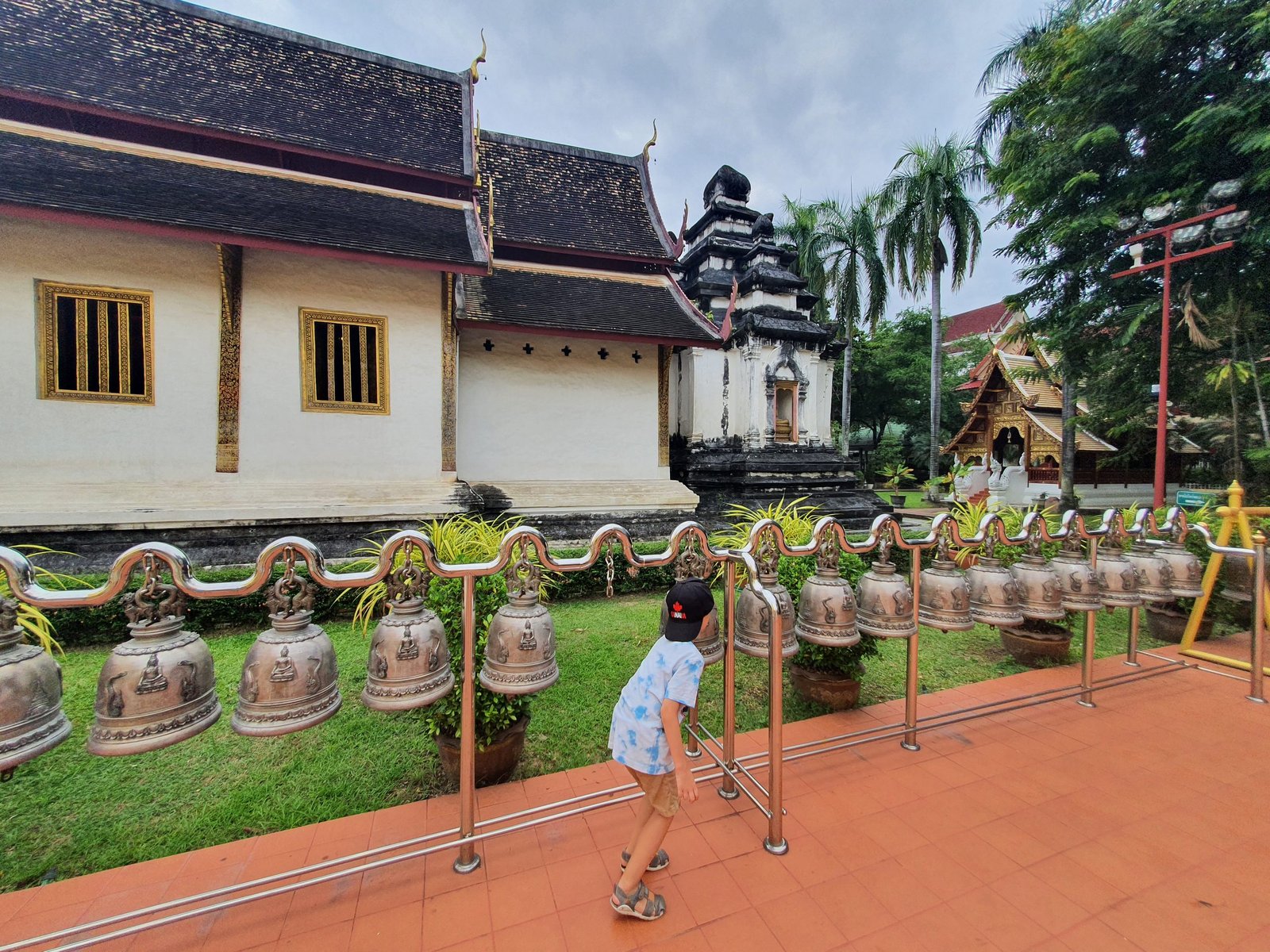
If we could only pick one country for a long stay with kids, it would be Thailand. It’s affordable, safe, the weather is good, there’s loads to do, the food is great and people are friendly. The infrastructure just works. We spent a month in Chiang Mai, timed so our son could see the Yi Peng lantern festival, and a week in Phuket.
It’s also one of the cheapest places on this list. We’d ballpark about $2,000 a month for the three of us. Four weeks in a comfortable Chiang Mai apartment cost us $888 in rent. Our slower travel year, spent mostly in Southeast Asia, came to about $4,228 a month for everything, including flights. That’s thousands less a month than the same lifestyle in Europe.
- Pros: low costs, very fast home internet, great food, easy daily life and plenty for children to do.
- Cons: the time zone. At UTC+7, US meetings fall late in the evening or at night. That’s the main reason we’re not looking at Southeast Asia right now.
- Kids’ social life: easy. There are lots of expat families, so it’s simple to meet other kids.
- Who it suits: families who work European or Asian hours, or who have flexible schedules, and want the most value for their money.
Quick facts
Visa: the Destination Thailand Visa lasts five years, with up to 180 days per entry and ฿500,000 in savings. Your spouse and children under 20 each get their own. Internet: about 280 Mbps median. Safety: Level 1, lowered in July 2026, though the Cambodian border area carries a higher warning. Healthcare: the Australian Embassy in Bangkok says private hospitals in the major cities have high standards, while services can be limited elsewhere. Time zone: UTC+7. Homeschooling: look for current education ministry guidance for foreign residents, as we explain in is worldschooling legal? Schools: Chiang Mai has several international schools, including Prem (IB), Lanna (Cambridge), Chiang Mai International School (American), Panyaden (British, plus the IB Diploma) and Nakornpayap International School (American). Fees for 2026-27 run from about ฿290,000 to ฿814,000 a year, according to The Thaiger.
Read more: things to do in Chiang Mai with kids and Yi Peng and Loy Krathong with kids.
2. Denmark (Copenhagen)
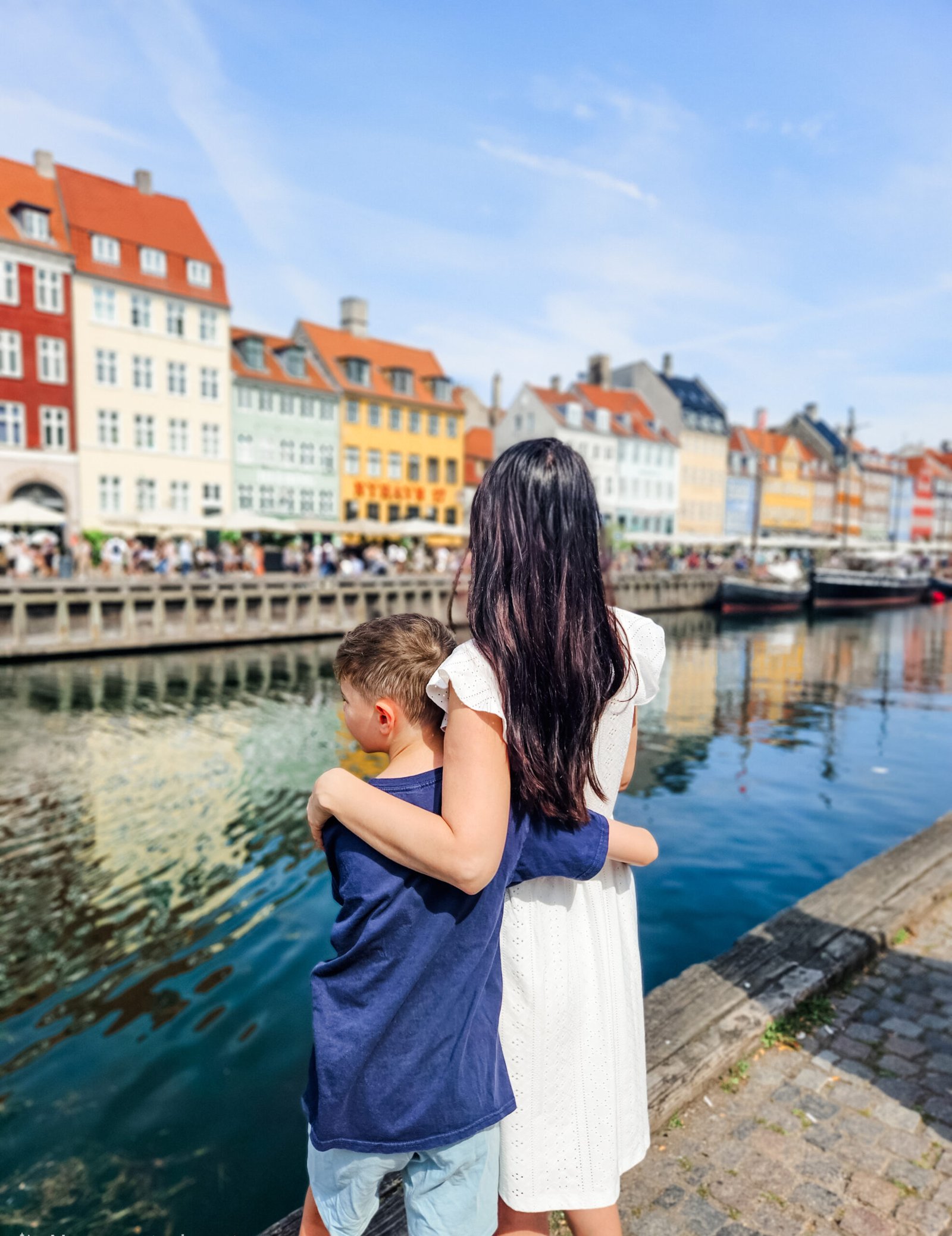
We only had three weeks in Copenhagen, but it earned its place on this list. It’s a fantastic city, and one of the most family-friendly places we’ve ever been. The streets feel safe, the playgrounds are incredible and the museums are brilliant for children. There’s always something to do.
The catch is money. Copenhagen is very expensive: we’d ballpark $4,000 to $5,000 a month for our family, the most on this list. There’s also no digital nomad visa. Most non-EU passports get the usual Schengen 90 days in any 180, which makes it better as a summer base than a year-round home.
- Pros: safe, clean and built around children, with excellent museums, playgrounds and very fast internet.
- Cons: very high costs and no long-stay route for most non-EU families. It also gets cold in winter.
- Kids’ social life: easy. There are plenty of expat families, and local children speak excellent English.
- Who it suits: families with a bigger budget, EU passports or a summer to spend somewhere easy.
Quick facts
Visa: no nomad visa. Internet: about 292 Mbps median, among the fastest in Europe. Safety: Level 2 for terrorism, the same as much of Western Europe. Time zone: UTC+1 (UTC+2 in summer), which works for both European and US hours. Schools: Copenhagen International School teaches the IB from age 3 to 19, and Rygaards International School follows the English National Curriculum with Cambridge IGCSEs.
Read more: 21 best things to do in Copenhagen with kids.
3. Greece (Athens)
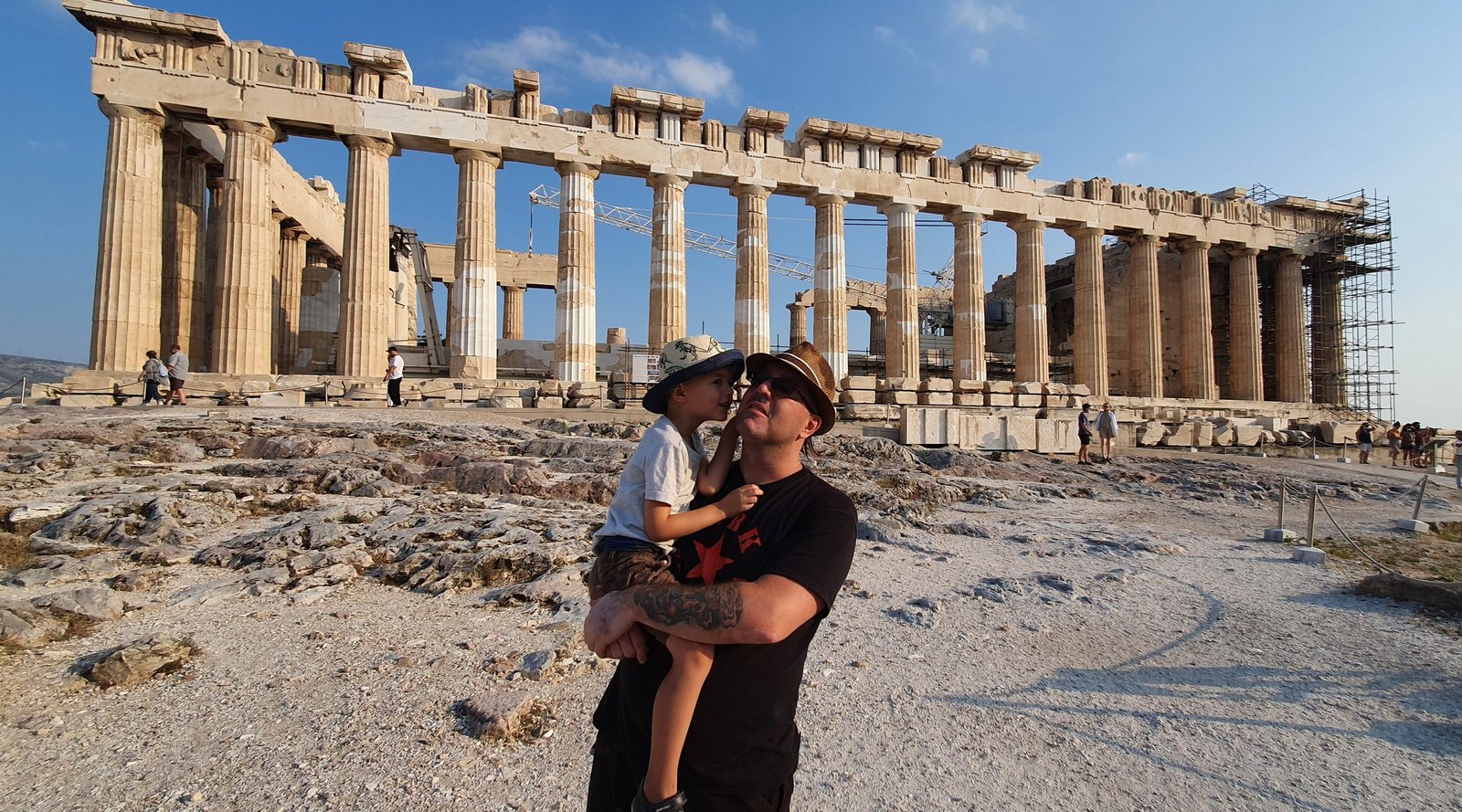
We liked Athens so much that we went back. We spent three months there when our son was five, then returned about a year later for seven weeks when he was six. The food is the best on this list, the history is everywhere you look, and the islands are a short ferry ride away. For a child learning about ancient myths, standing on the Acropolis beats any textbook.
It also wasn’t expensive for Europe. We’d ballpark $3,000 to $4,000 a month for the three of us, and rent for our seven-week stay came to $1,921. The weak spot was the internet. Ours ran at only 1 to 2 Mbps. We managed to work, but it was slow. Ookla backs this up: Greece’s median is about 94 Mbps, and the country sits near the bottom of the EU for fixed broadband, according to this comparison of Greek and European speeds.
- Pros: amazing food, endless history, nice beaches, islands nearby and fair prices for Europe.
- Cons: the slowest home internet of any European country we’ve lived in, so ask your host for a speed test before you book. Athens also isn’t the most kid-friendly city. There aren’t many parks or playgrounds, the ones there are aren’t great, and there are few children’s museums or kid-friendly activities in regular museums, compared with Copenhagen, Norway and other Nordic countries.
- Kids’ social life: harder. We met one worldschooling family, but overall we found few opportunities for English-speaking kids.
- Who it suits: history-loving kids, food-loving parents and families whose work doesn’t need huge uploads.
Quick facts
Visa: a digital nomad visa needs €3,500 a month, and each family member gets their own visa. Safety: Level 1. Time zone: UTC+2 (UTC+3 in summer). Schools: options include ACS Athens (American, with the IB Diploma and AP courses), Campion School and St. Catherine’s British School (both British), and the International School of Athens (IB).
4. Croatia
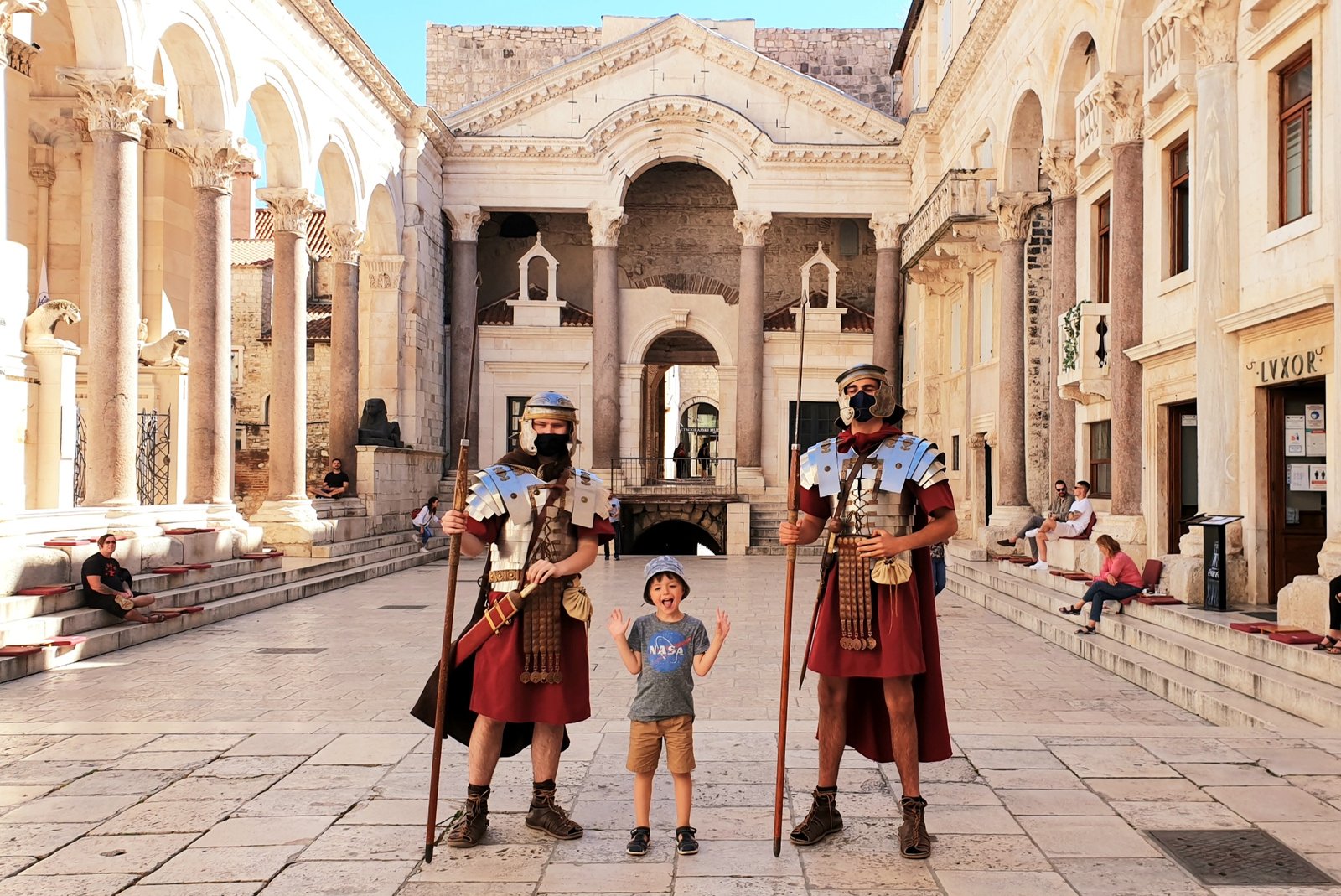
Croatia is absolutely beautiful. We stayed in Split, and it felt safe, the food was good and there was a lot to do. It’s an easy place to be a family, and we’d ballpark $3,000 to $4,000 a month for the three of us.
Croatia also has one of the most generous nomad routes in Europe. Remote workers can stay up to 18 months, and the Croatian Tax Administration exempts nomad income from income tax. The downside is that family members can only apply once your own stay is approved.
- Pros: safe, beautiful and outdoorsy, with a long nomad stay and no income tax on nomad income.
- Cons: European prices, and the family paperwork has to wait for yours. It also gets incredibly busy in summer, and you really feel it in smaller cities like Split and Dubrovnik.
- Kids’ social life: better than Athens, but still not as kid-friendly as some places, and we didn’t find many opportunities for English-speaking kids.
- Who it suits: active families who want sea, sun and a calm European base outside the summer peak.
Quick facts
Visa: €3,622.50 a month, plus about €145 per family member. Internet: about 137 Mbps median. Safety: Level 1. Time zone: UTC+1 (UTC+2 in summer). Schools: Split has two IB World Schools, Harfa International School, which teaches in English, and Split International School. Zagreb has more choice.
5. Guatemala (Antigua)
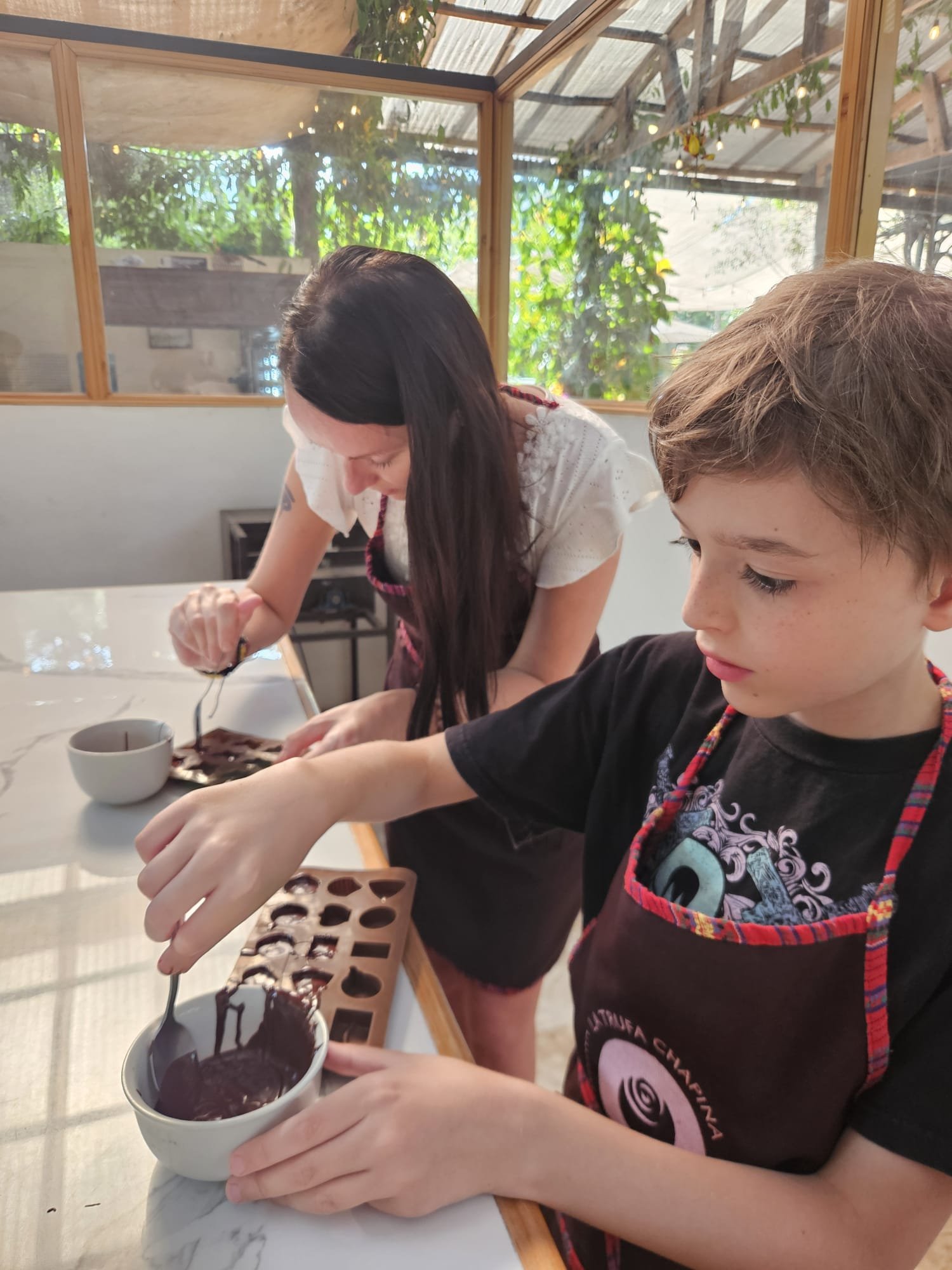
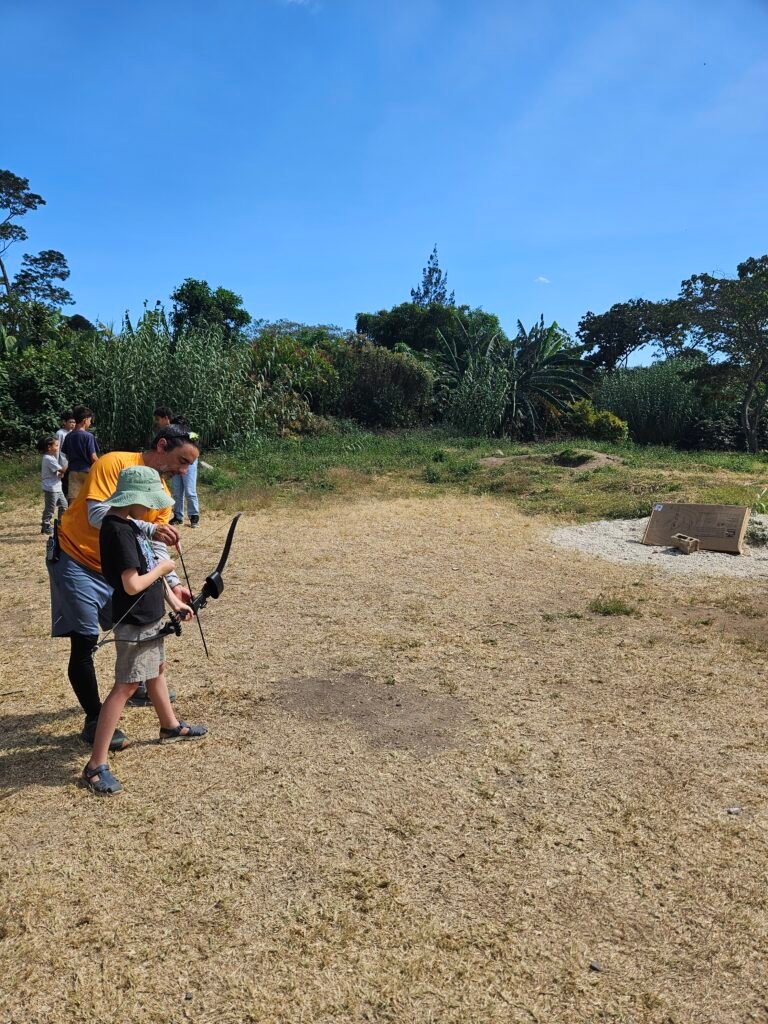
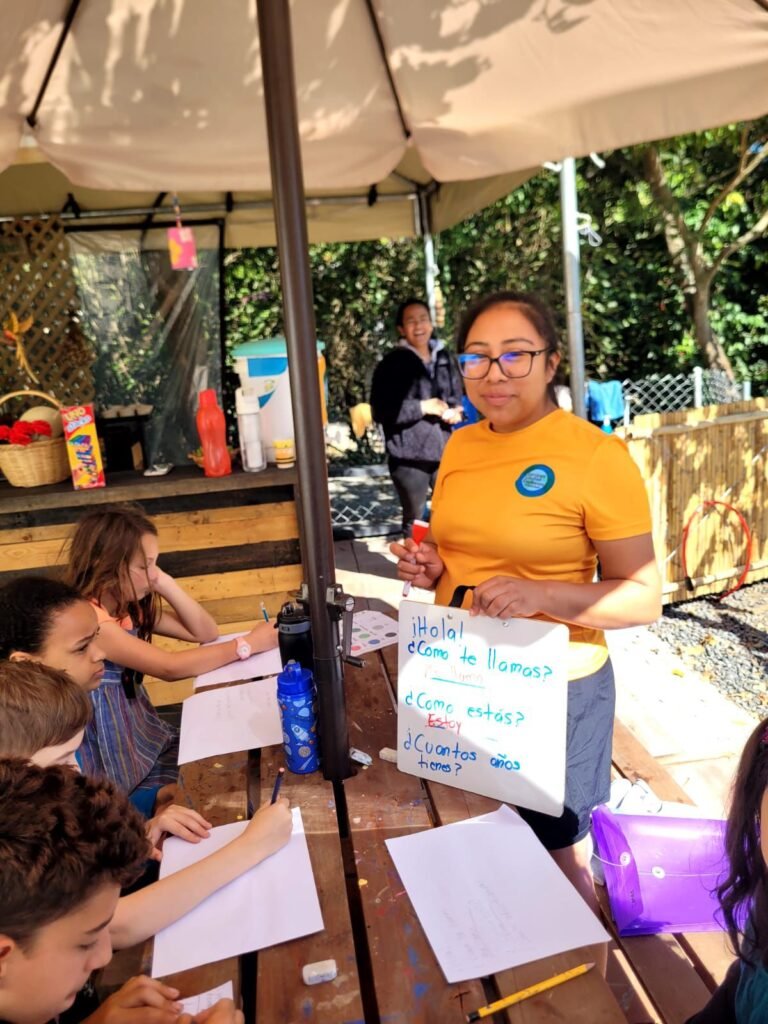
Guatemala is very underrated. The nature is beautiful, and Antigua is such a gem: cobbled streets, volcano views and a real community of travelling families. We lived there for more than two months. In January 2026 our son spent four weeks at a worldschooling hub, and we’d happily go back.
One myth to clear up: it isn’t as cheap as people think. We’d ballpark $3,000 to $4,000 a month for our family. The time zone, though, is a big plus. At UTC-6, US hours fit into a normal working day.
- Pros: a strong family community, worldschooling hubs, beautiful nature and an easy time zone for US work.
- Cons: higher costs than you’d expect.
- Kids’ social life: easy, thanks to the hubs and the community of travelling families in Antigua.
- Who it suits: families on US hours who want their kids to have friends and learn Spanish.
Quick facts
Visa: no nomad visa. You get 90 days, extendable once to 180, through the Instituto Guatemalteco de Migración. Internet: about 93 Mbps median. Safety: Level 3, “reconsider travel”, issued in 2026. Read it in context, though. Parts of Guatemala City aren’t very safe, but Antigua is, and a country-wide rating doesn’t mean the whole country is unsafe or that you shouldn’t go. Healthcare: the US government’s country guide says a full range of care is available in Guatemala City, but care outside the capital is limited. Time zone: UTC-6 all year. Schools: around Antigua, Antigua International School runs a 50/50 English and Spanish programme with AP courses, Antigua Montessori School offers the IB Diploma, and Antigua Green School follows Cambridge standards in secondary. Several are in Ciudad Vieja, just outside Antigua.
Read more: Antigua Guatemala with kids and our Antigua Global Explorers review.
6. Mongolia
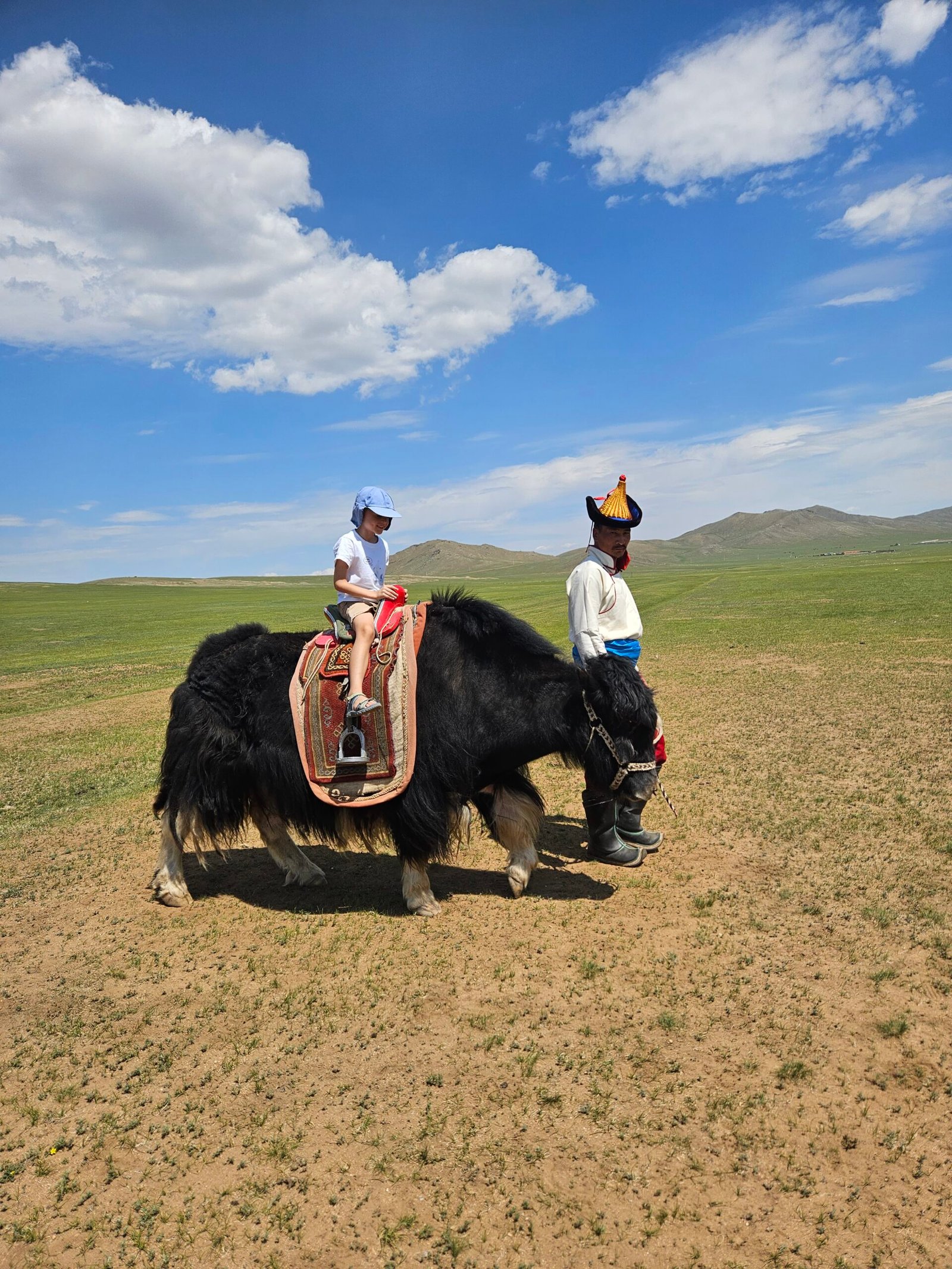
Mongolia is an incredible country, and one of the most underrated places we’ve lived. We spent eight weeks there, based in Ulaanbaatar. For a worldschooling family, the learning opportunities are huge: Chinggis Khan, the Mongol Empire and the nomadic way of life that still carries on today.
It’s also very affordable. We’d ballpark $2,000 to $3,000 a month for our family, though private tours around the country can add a lot on top. Eight weeks of rent in Ulaanbaatar cost us $1,810. The city has good infrastructure, so daily life there is easy. The countryside is different. Roads outside the city aren’t good, so we’d take tours for any trips beyond Ulaanbaatar rather than driving yourself. The other catch is that Mongolia is difficult to get to.
- Pros: endless learning opportunities, low costs and good infrastructure in Ulaanbaatar.
- Cons: hard to get to, rough roads in the countryside and a short visa-free stay. We had to extend ours.
- Kids’ social life: the hardest on this list. Mongolia is probably the least kid-friendly place we’ve lived, and there aren’t many English-speaking expats. One thing we liked: the rental bikes on the main square, which our son could ride any time.
- Who it suits: curious kids who love history and adventure, and families happy to explore with a guide.
Quick facts
Visa: citizens of 34 countries, including the UK, Australia and most of the EU, can visit visa-free for up to 30 days. Canada and Germany have separate 30-day agreements, and US citizens get 90 days. The 34-country exemption currently runs until 31 December 2026, so check before you book. Internet: about 83 Mbps median. Safety: Australia’s Smartraveller advises normal safety precautions. Healthcare: the same page says medical care is poor, especially outside Ulaanbaatar, and evacuation is expensive, so make sure your insurance covers it. Time zone: UTC+8, which is hard for US hours. Schools: in Ulaanbaatar, the British School of Ulaanbaatar follows the English National Curriculum with Cambridge exams, and The English School of Mongolia offers the IB Primary Years Programme, IGCSEs and the IB Diploma.
Read more: Mongolia with kids and our Naadam Festival guide.
7. Türkiye
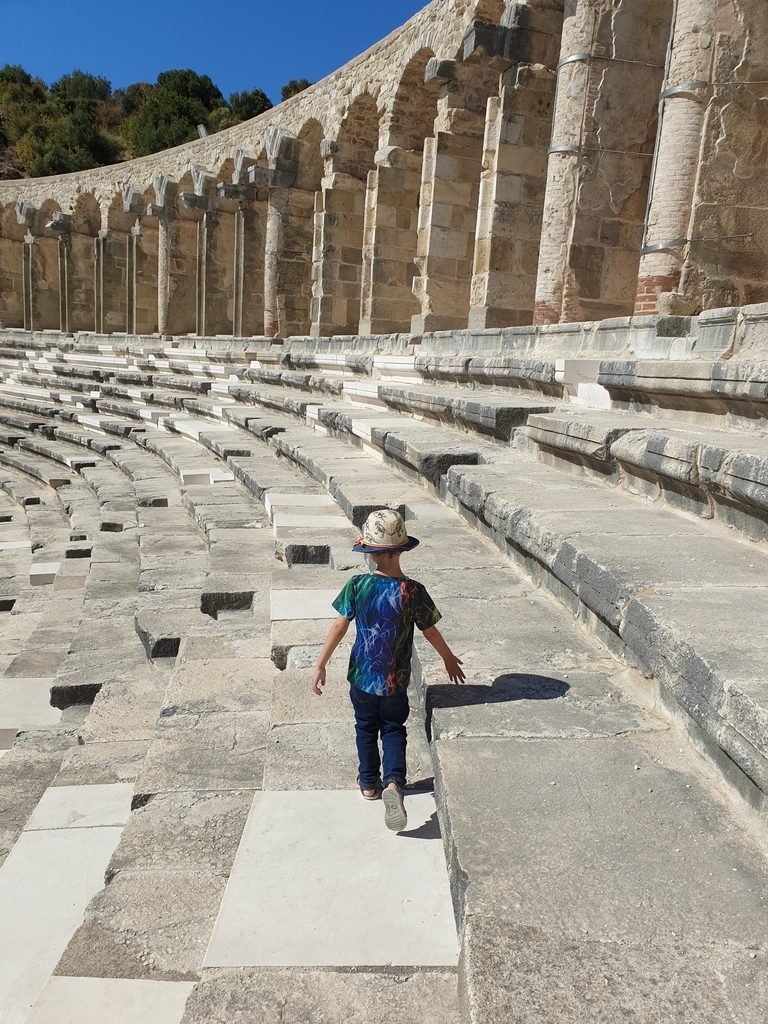
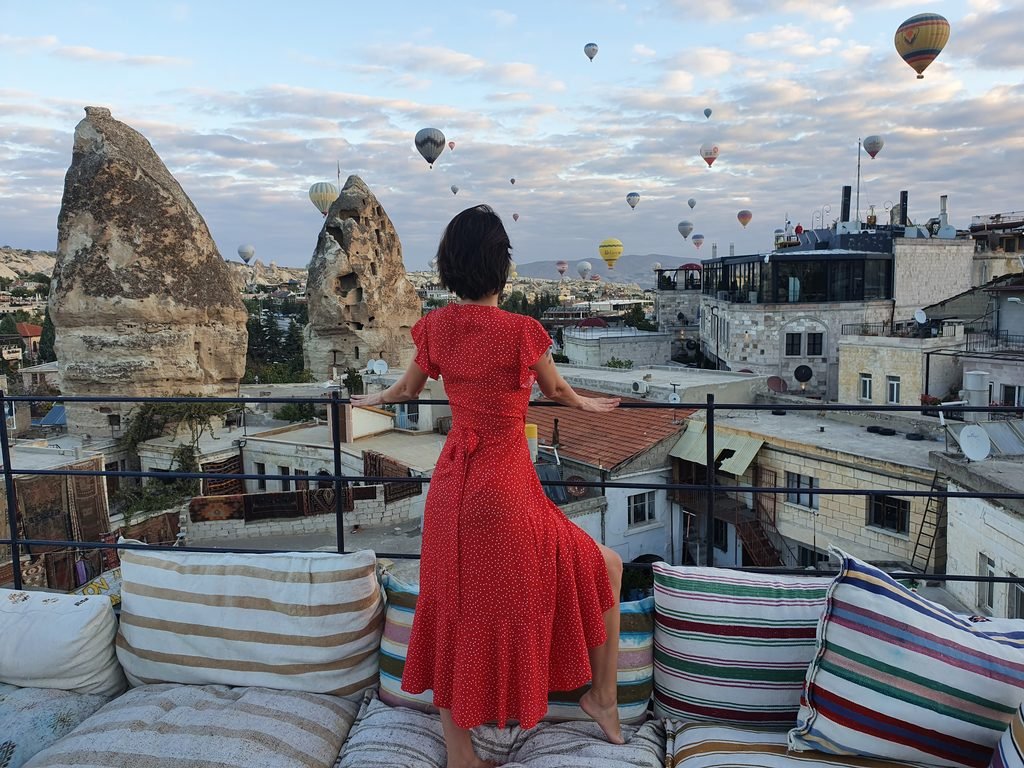
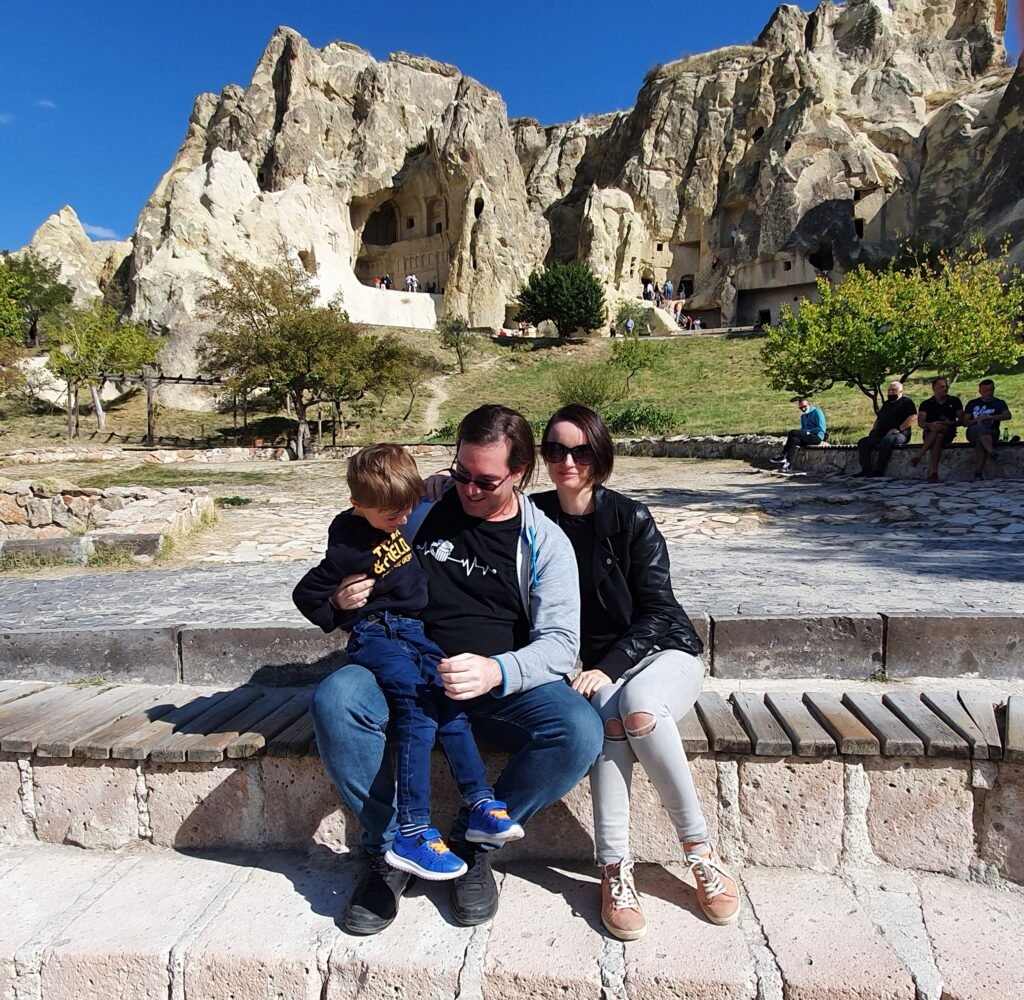
We spent two months in Antalya and really enjoyed Türkiye. There’s so much to see, from incredible nature and ancient history to beautiful cities, and the people are very friendly. The food is amazing, and in the south the weather stays good until about November.
It’s also quite affordable, the internet is good and we felt very safe. The two catches are getting around, which isn’t always straightforward, and language, as English isn’t widely spoken everywhere.
- Pros: so much to see, amazing food, friendly people, good value, good internet and good weather in the south until November.
- Cons: transport can be complicated, and English isn’t widely spoken everywhere.
- Kids’ social life: Türkiye is very kid-friendly, though the language barrier means fewer chances to meet English-speaking families than in places like Copenhagen.
- Who it suits: families who want history, nature and great food at a good price, and who work European hours.
Quick facts
Visa: most Western passports, including US, Canadian, UK and most EU ones, can stay 90 days in any 180 visa-free. Türkiye also has a digital nomad visa for citizens of 36 countries aged 21 to 55, with at least US$3,000 a month in remote income and a university degree, according to Afar. Check the family rules before you apply. Internet: about 80 Mbps median. Safety: Level 2 for terrorism and arbitrary detention. Only the areas within 10 km of the Syrian and Iraqi borders are Level 4, far from Antalya. Healthcare: US government country information says new private hospitals in cities including Antalya have modern facilities and international accreditation, while standards are lower in small towns. Time zone: UTC+3 all year. Schools: in Antalya, ICCA follows a modified English National Curriculum with Cambridge programmes for ages 3 to 14. Istanbul has far more choice.
8. Mauritius
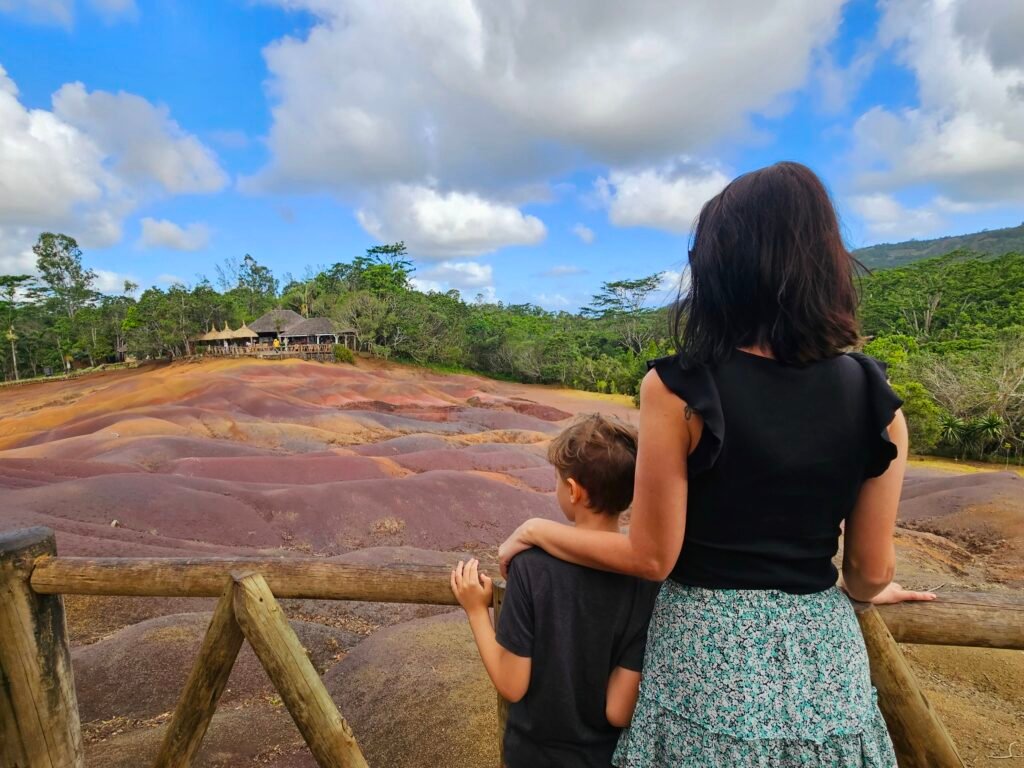
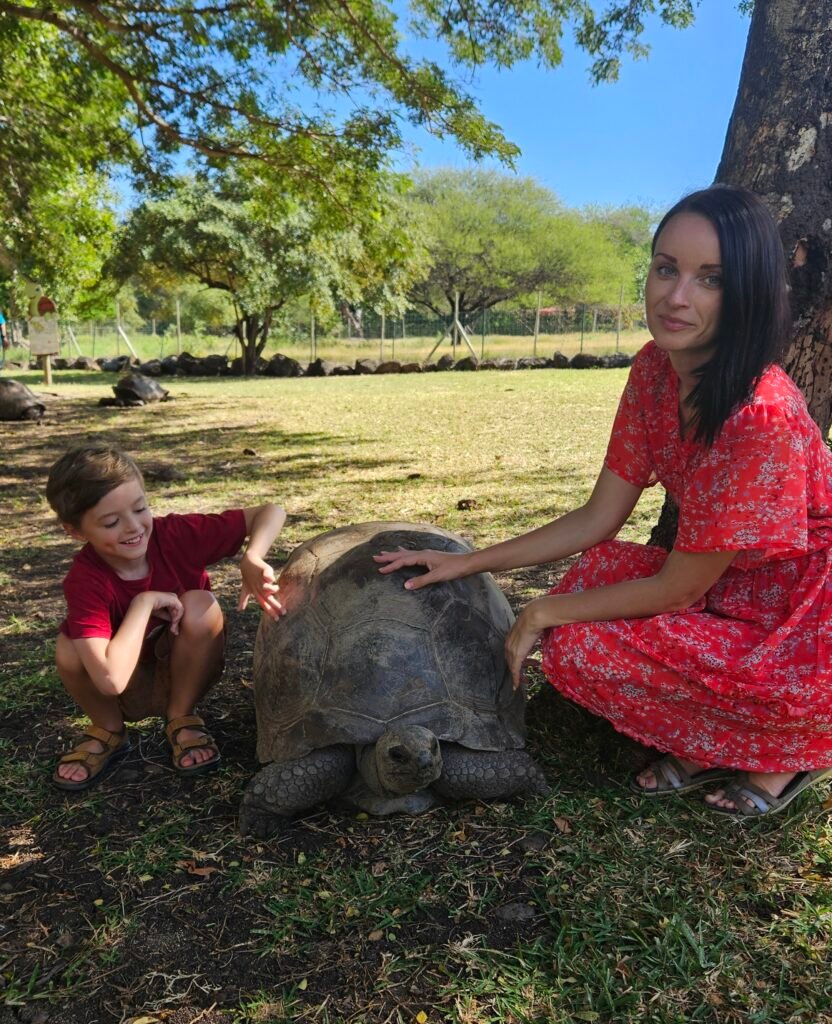
We spent two months in Mauritius and really enjoyed it. The beaches, the wildlife and the slower island pace made it an easy place to be a family. There’s also a good, established community of English- and French-speaking expat families.
Getting around was the hardest part, and there was no ride-hailing app when we were there. That has started to change. Uber launched there in March 2026, working with licensed taxis only, according to IBL Group, its local partner.
- Pros: beautiful beaches, wildlife, an established expat community and a free visa that covers the whole family.
- Cons: transport, although it’s improving.
- Kids’ social life: good, thanks to the community of English- and French-speaking expat families already there.
- Who it suits: families who want island life on European-friendly hours.
Quick facts
Visa: the Premium Visa is free and lasts up to a year, renewable. It needs US$1,500 a month per adult and US$500 per child. Internet: about 61 Mbps median. Safety: we felt very safe, and Mauritius ranks as the safest country in Africa on the Global Peace Index, according to Business Report. The US advisory is Level 2 for petty crime, mainly pickpocketing and theft. Healthcare: World Travel Guide says public facilities are numerous and of a high standard, and private clinics are mostly staffed by Western-trained doctors. Time zone: UTC+4. Schools: IB options include Northfields International School and Le Bocage International School, Alexandra House School follows the British curriculum, and Lycée La Bourdonnais follows the French one.
Read more: Mauritius with kids.
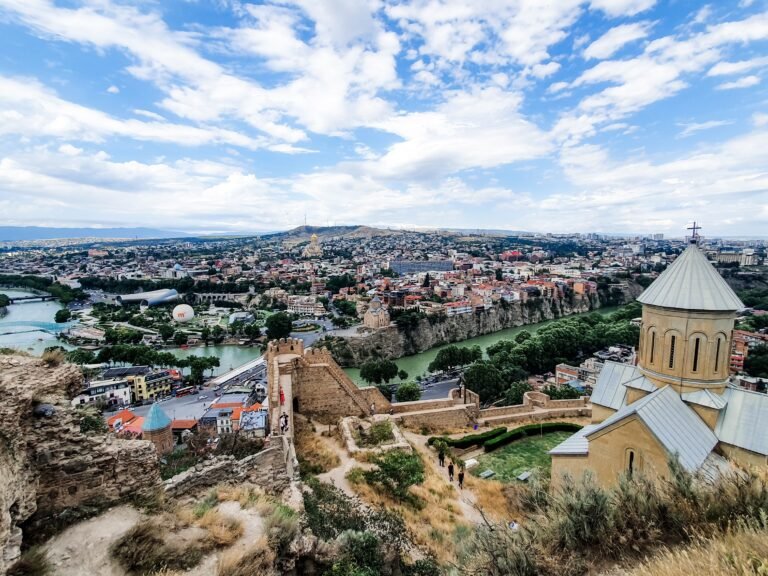
9. Georgia (Tbilisi): where we live now
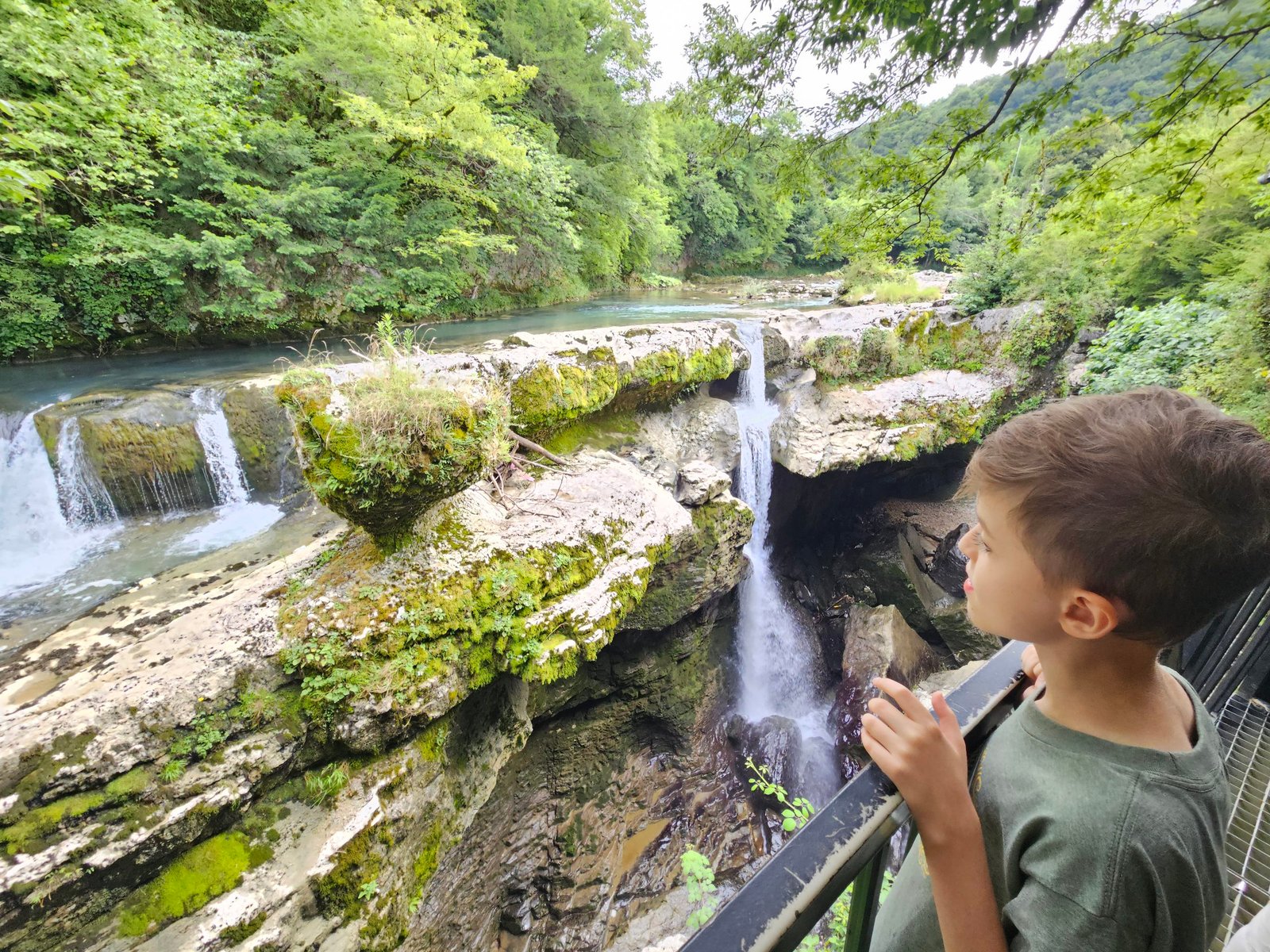
Georgia is home. We moved to Tbilisi in August 2024 so our son could build the kind of friendships that are hard to keep when you move every month. Our family of three spends about $4,550 a month here, including rent, groceries and his classes.
Daily life is easy. Bolt and Wolt make getting around and getting groceries simple, the food is excellent, and there’s a good range of classes for kids, from taekwondo and swimming to robotics and chess. We’ve always felt safe here, too. We just don’t love the winters, so that’s when we travel.
- Pros: visa-free stays of up to a year for many passports, great food, easy daily life and plenty of classes for kids.
- Cons: cold, grey winters, fewer indoor activities when the weather is bad, and a real language barrier in everyday life.
- Kids’ social life: there’s an international community, but the English-speaking part of it is fairly small. Regular classes and staying put have made the difference for our son.
- Who it suits: families who want a simple, flexible base and plan to travel, especially in winter.
Quick facts
Visa: citizens of more than 90 countries can stay visa-free for up to a year, so we never needed a nomad visa. Since January 2026, visitors need health insurance with at least 30,000 GEL of cover. Internet: about 45 Mbps median, so check your building before you sign a lease. Safety: Level 1, apart from the Russian-occupied regions. Time zone: UTC+4. Schools: QSI International School of Tbilisi follows a US-style curriculum with AP courses.
We cover it all in depth in why we chose Tbilisi as our home base and our real cost of living in Tbilisi. For a visit first, try things to do in Tbilisi with kids.
10. Mexico (Mexico City)
Mexico City has an incredible amount to do with kids. There are amazing museums, parks, activities and history everywhere you turn. Then there’s the food. There’s so much of it, and the street tacos are life.
It’s also a great base for exploring the rest of Mexico, with very affordable flights out of CDMX. The catches are safety and cost. Some areas aren’t very safe, so research carefully before you choose where to stay. And Mexico City isn’t as affordable as it used to be.
- Pros: endless museums, parks and activities for kids, history everywhere, incredible food and cheap flights to the rest of Mexico.
- Cons: some areas aren’t safe, so where you stay takes real research, and it’s no longer the bargain it once was.
- Kids’ social life: good. There are lots of US and other expat families, so there are plenty of chances to meet other kids.
- Who it suits: families on US hours who want a big city with endless things to do and a base for exploring Mexico.
Quick facts
Visa: many passports don’t need a visa. The immigration officer decides how many days you get, up to 180, and the permit can’t be extended. For longer stays, you apply for temporary residency at a Mexican consulate before you go. Internet: about 117 Mbps national median. Safety: the US rates Mexico City Level 2 for crime, and safety varies a lot from one neighbourhood to the next. Healthcare: excellent private hospitals, including Médica Sur and ABC Medical Center. Time zone: UTC-6 all year, as Mexico dropped daylight saving in 2022. Schools: the best-known international schools include the American School Foundation, Greengates School and Westhill Institute.
For how we vet a neighbourhood before booking, see how to find long-term accommodation that works for a family.
More places we’ve lived for a month or longer
These ten aren’t the only places that worked. Here’s where else we’ve stayed for a month or more, and what to know about each one.
Europe
Our first stop as a travelling family was Nice, France. Since then we’ve lived in Barcelona and Las Palmas on Gran Canaria in Spain, Sofia in Bulgaria, Brasov in Romania and Riga in Latvia. Apart from Athens, we had no problems anywhere in Europe. Internet, safety and daily life were easy everywhere. In Riga, our son joined a robotics camp.
Europe costs more than Asia, though. Spain also has a family-friendly nomad visa, which starts at about €2,442 a month for the main applicant. Las Palmas is worth a look if you want winter sun at UTC+0, one hour behind mainland Spain.
Asia
Asia is where our money went furthest, and we felt safe in every country we lived in. We spent a month in Da Nang, Vietnam, which was surprisingly easy to settle into. We had eight weeks in Cebu and four in Boracay in the Philippines, and four weeks in Ubud, Bali. After that we spent two months in Sri Lanka, in Nilaveli and Kandy, where we added an elephant safari to a travel day. In India we lived in Kochi, Gurgaon and Goa.
In Central Asia, we spent a month in Kyrgyzstan, based in Bishkek, to learn more about its nomadic traditions and Silk Road history.
Africa
We spent two months in Namibia and a month on Zanzibar, and we felt safe in both.
One thing to know before you go: national internet medians are much lower in some of the places we loved. Ookla puts Namibia at about 17 Mbps, Tanzania at 24 and Sri Lanka at 39. Always ask for a speed test from your exact apartment, and bring an eSIM as a backup.
Places we loved, with a catch for long stays
These three are wonderful places to visit. For a long stay with kids, each one has a problem you should know about first.
Cape Town, South Africa: safety

Cape Town is stunning, but safety shaped every day we were there. We always took Ubers and never walked between neighbourhoods. The US rates South Africa Level 2 for crime, terrorism, civil unrest and kidnapping, and advises against walking alone, especially after dark. For kids’ social life, though, it’s good, and English is widely spoken.
Goa, India: transport
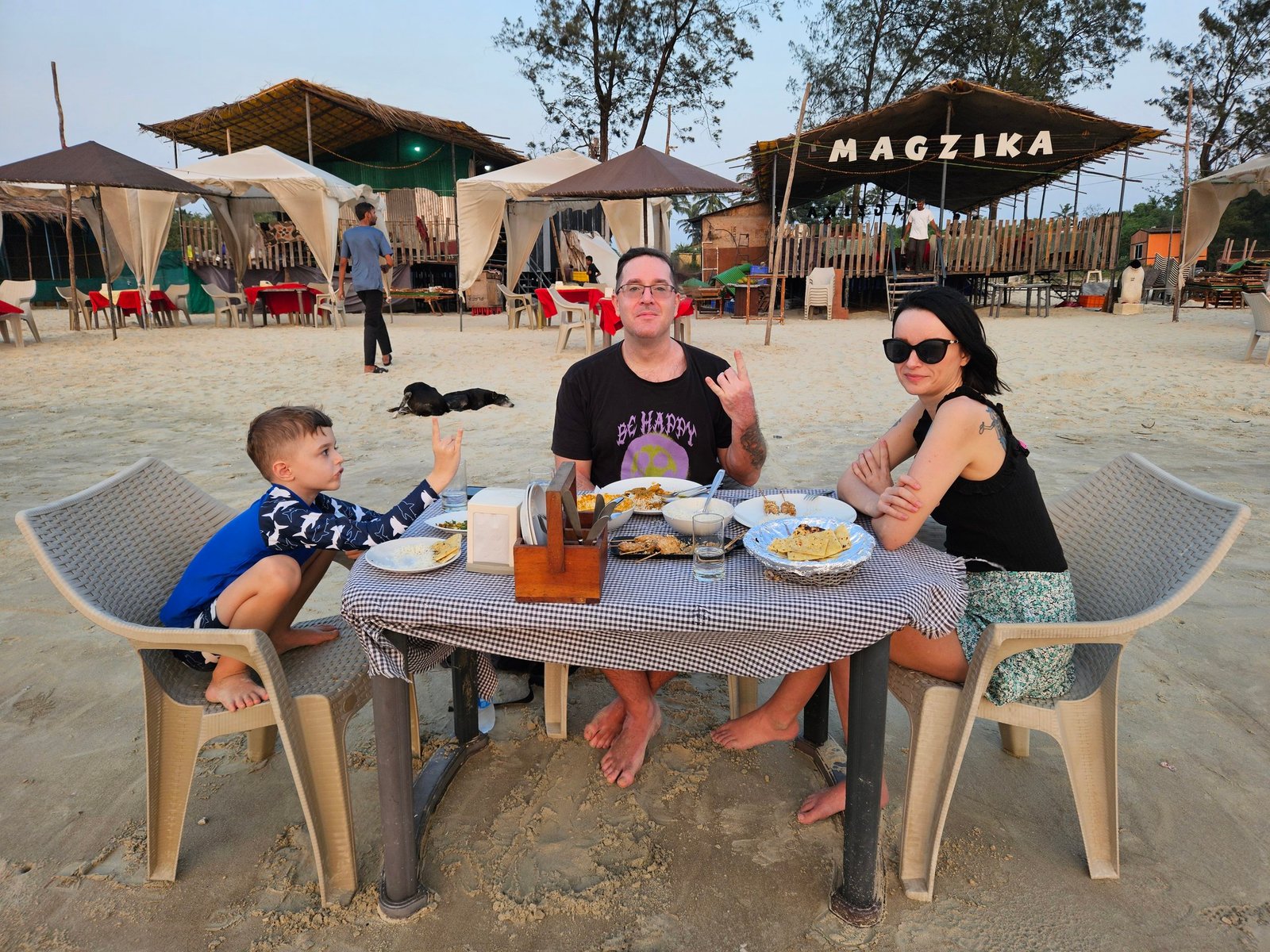
Goa had the worst transport problem of anywhere we’ve lived. Getting a taxi was very difficult. Uber and Ola still aren’t allowed, because the state government has sided with local taxi unions, as Business Standard reported. There are two local apps, GoaMiles and Goa Taxi App, but only about a third of taxis use them. We tried one a few times, and they weren’t reliable. Often the driver confirmed the ride and then never showed up, and we were left sitting there waiting.
Nilaveli, Sri Lanka: remote
We loved Sri Lanka, but Nilaveli beach was hard as a base. It’s quite remote, with very few restaurants or shops nearby, so even getting food took effort.
On our radar: researched, not hands on experience
These are the places that we are thinking of potentially staying long term. Everything here is research, not experience. Because our work runs on US and European hours, we’re looking mostly at the Americas, Europe and Africa. The Dominican Republic is our front-runner, and Florianópolis is another one we’re researching.
Dominican Republic (Cabrera): researched, not lived there
If we move again, the Dominican Republic is our front-runner. It’s the strongest option we’ve found for a family working US hours, but we haven’t lived there, so everything here is research, not experience. We don’t have our own monthly budget for it yet.
We’ve looked most closely at Cabrera, a small, quiet town on the north coast, because of The Hive. It’s a nature-based, changemaker-focused programme where families take part together. The six-week Changemaker Adventure runs from 23 March to 30 April 2027, weekdays 9am to 3pm, and costs US$1,995 per participant. If Cabrera feels too quiet, Cabarete and Sosúa are about an hour’s drive west, with a much bigger expat community, more schools and Puerto Plata airport close by.
- Pros: a worldschooling programme built for families, US-friendly hours all year, beaches and nature on the doorstep, and fast internet for the region.
- Cons: no nomad visa, so a long stay means applying for residency. Cabrera itself is small, with fewer activities and a drive to the bigger towns. Healthcare outside the main cities is limited.
- Kids’ social life: The Hive looks like the easiest way in, since whole families join the programme together. Expat parents on forums describe Cabarete and Sosúa as full of children from around the world, though with fewer parks than you’d find in the US or Europe.
- Who it suits: families on US hours who want beach life and a ready-made worldschooling community, and who are happy in a small town.
Quick facts
Visa: there’s no nomad visa. Tourists can extend their stay to 120 days through the Dirección General de Migración, and staying longer means applying for residency. Internet: about 73 Mbps national median. Safety: the US rates the country Level 2 for crime. As with Guatemala, how safe you feel will depend far more on the town you choose. Healthcare: good private hospitals in the big cities, but quality drops outside them, and emergency services beyond Santo Domingo can be very limited. Time zone: UTC-4 all year, with no daylight saving. Schools: Cabrera has Faro de Cabrera, a non-profit bilingual school. Around Sosúa and Cabarete, the International School of Sosua and Garden Kids International School both teach a US-style curriculum from pre-K to Grade 12, and Sosúa also has a French school. Further east, Las Terrenas International School is bilingual, from preschool to Grade 12.
For prices and dates, see The Hive in our worldschooling hubs directory. The visa options are in our guide to digital nomad visas for families.
Florianópolis, Brazil: researched, not lived there
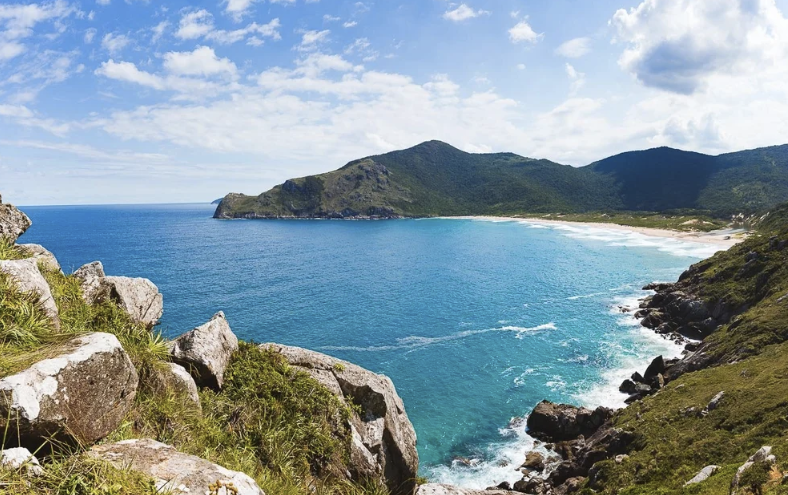
Florianópolis, or Floripa, is a city mostly on Santa Catarina Island in southern Brazil, with dozens of beaches, lagoons and hiking trails. At UTC-3 all year, it works for both US and European hours. That’s rare in the Americas.
It also has a good range of bilingual schools. The catches are the language, since daily life runs in Portuguese, and cost. Floripa is one of Brazil’s pricier places to live, and beaches get very busy from December to February.
- Pros: beach and outdoor life, a time zone that suits US and European work, a family-friendly nomad visa and very fast internet.
- Cons: Portuguese is essential day to day, it’s expensive by Brazilian standards, and summer crowds are heavy.
- Kids’ social life: we haven’t found a worldschooling hub here. Friendships would likely come through bilingual schools, sports and outdoor classes like surfing.
- Who it suits: outdoorsy families who work across US and European hours and are happy to learn some Portuguese.
Quick facts
Visa: Brazil’s digital nomad visa needs US$1,500 a month in foreign income or US$18,000 in savings. It lasts a year and can be renewed once. US, Canadian and Australian citizens need an eVisa even to visit, and tourist stays are capped at 90 days, extendable to 180 a year. Internet: about 228 Mbps national median. Safety: the US rates Brazil Level 2 overall. Healthcare: good private hospitals, and most foreign families use private insurance. Time zone: UTC-3 all year. Schools: Dual International School is an IB World School to high school, with Brazilian, American and IB diplomas. There are also three Maple Bear schools with a Canadian immersion programme and the trilingual EIF (Escola Internacional de Florianópolis).
Time zones: the factor most lists ignore
We both work for a company that runs on US and European hours. In practice, that rules places in or out faster than cost or visas do. A country can be cheap and beautiful, but if your meetings land at midnight, family life suffers.
For us, the Americas and Europe or Africa work best. Here’s how the countries in this post line up:
- Best for US hours: Guatemala and Mexico City (UTC-6), and the Dominican Republic (UTC-4).
- Good for both US and European hours: Florianópolis in Brazil (UTC-3), the Canary Islands (UTC+0), then Denmark, Croatia and mainland Spain (UTC+1).
- Good for European hours, with late US calls: Greece and South Africa (UTC+2), Türkiye (UTC+3), and Georgia and Mauritius (UTC+4).
- Hard for US hours: India (UTC+5:30), Thailand and Vietnam (UTC+7), and Mongolia, the Philippines and Bali (UTC+8).
If your work is asynchronous, or only on European hours, Asia opens up. If you work for US clients, it’s worth doing the maths on your calendar before you book.
How to choose the right country for your family
There isn’t one best country. There’s the best country for your family right now. Start with what can’t change: your passports, your income and your working hours. Then think about your children: their age, their need for friends and how they cope with heat, noise or change.
Our guide to choosing a home base as a travelling family walks through the full decision. For the money side, see our real full-time family travel budget. Before any long stay, check the school rules in is worldschooling legal?
Worldschooling hubs: an alternative to choosing a country
Sometimes the best way to choose a country is to choose a community first. Worldschooling hubs give children a group of friends and a weekly rhythm, and give parents a few quiet hours to work. That’s what made Antigua work so well for us.
Our directory of worldschooling hubs and programmes lists options around the world with current prices. If you’re new to all of this, start with how to start worldschooling.

Best countries for digital nomad families: FAQ
What is the best country for digital nomad families?
For us, it’s Thailand, for its low costs, fast internet and easy daily life. If you work US hours, Guatemala fits better. In Europe, Greece and Croatia are great for history, food and beauty, and Copenhagen is the most kid-friendly if your budget allows.
What is the cheapest country for a digital nomad family?
Of the places we’ve lived, Southeast Asia and Mongolia were the cheapest. We’d ballpark about $2,000 a month for our family in Thailand, and our slower year in the region averaged $4,228 a month including flights. A month of rent in Chiang Mai was $888. India can be cheaper again for many everyday costs.
Can digital nomads bring their families?
Yes, in most countries with a nomad visa. We found 22 schemes that include a spouse and children. Hungary’s White Card is the main exception. Our digital nomad visa guide for families covers them all.
Where do worldschooling families live?
Many base themselves near a worldschooling hub. Popular spots include Antigua in Guatemala, Cabrera in the Dominican Republic, Costa Rica and Goa. Others choose a city base with good classes, like Tbilisi or Copenhagen.
How do digital nomad kids make friends?
Through hubs, classes, sports and staying long enough for friendships to grow. Moving monthly makes it hard. We explain what worked for us in how worldschooling kids make friends.
Which countries suit remote work on US and European hours?
Countries between UTC-6 and UTC+1 work best. Spain, Croatia and Denmark cover both, and Guatemala, Mexico and the Dominican Republic suit US hours.
Is homeschooling legal for nomad families abroad?
It depends on the country and how long you stay. Portugal has a regulated route, while Germany and the Netherlands restrict home education heavily. Read is worldschooling legal? before a long stay.
Final thoughts
After four years on the road and two in Tbilisi, our answer is simple. Thailand is the best value, Copenhagen is the most family-friendly, Greece and Croatia win on history, food and beauty, Guatemala has the best community, Mongolia teaches more than any classroom, Türkiye is the best all-rounder for the price, and Mauritius gives you island life with friends built in. Mexico City has an incredible amount to do with kids. None of them is perfect, and your time zone may decide for you.
Pick two or three that fit your work and budget, then try one for a month before you commit. We visited Georgia before we moved here, and we’ll do the same before choosing our next base.
🧭 Planning your first long stay?
Choosing a country is the big decision, but the weeks before you go are full of small ones. We made our Worldschooling Learning & Travel Planner to bring your travel plans and your child’s learning together in one place.
It’s a 20-page printable you can fill in together as a family, before you leave and once you arrive.