What Is Worldschooling? Our Honest Take After 6 Years
Some of the links below are affiliate links. If you buy through them we may earn a small commission at no extra cost to you. We only recommend things we’ve used ourselves.
What is worldschooling? It’s a way of educating children that uses the world around them as the classroom, instead of relying only on textbooks. That can mean standing in front of the pyramids in Egypt rather than reading about them. It can also mean a morning at a local museum or a nature walk in the park down the road. Most worldschooling families homeschool, and their approach can be anything from fully child-led to quite structured.
We’ve been worldschooling our son since August 2020, when we left Cork, Ireland. He was almost four. We travelled full time for four years, and in 2024 we made Tbilisi, Georgia our home base. He’s 10 now and still worldschooled. This is our honest take: what worldschooling means, how it actually works week to week, and what we’d tell a family thinking about it.
What Is Worldschooling? The Meaning in Plain Words
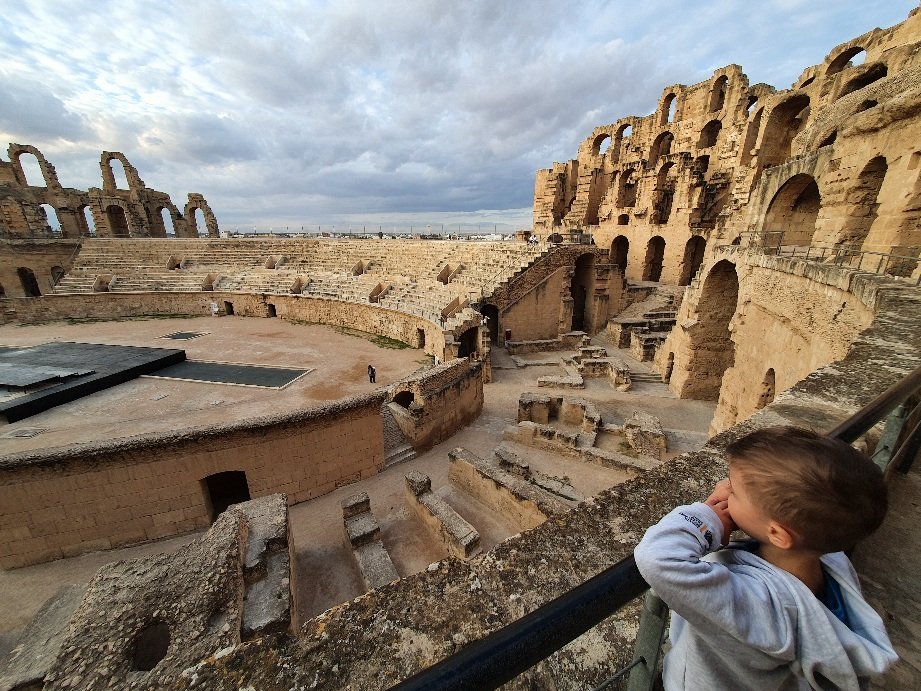
For us, worldschooling means using the world around you to educate your child, rather than just using books like in traditional school. Our son learned about the ancient world by walking through Greek, Egyptian and Roman ruins. A textbook was a supporting act, not the main event.
But worldschooling doesn’t require a plane ticket. A local history museum counts. So does a park, if you’re there to learn about the trees, birds and insects. The idea is that real places, real people and real experiences do most of the teaching.
A lot of the definitions you’ll find online quietly assume constant travel. We don’t think that’s the heart of it. Worldschooling is about how a child learns, not how often the family moves.
Where the term comes from
The word “worldschooling” is usually credited to Eli Gerzon, who coined it around 2008. He described it as the whole world being your school, instead of school being your whole world. Gerzon had left school at 15 to direct his own education, largely through travel.
The roots go back further, to unschooling. The educator John Holt championed that idea from the 1970s and founded the magazine Growing Without Schooling in 1977 to support learning outside school. Today, Wikipedia’s unschooling entry lists worldschooling as one of its common approaches.
Worldschooling vs Homeschooling vs Unschooling
These three terms overlap, and families often use them loosely. Here’s how we’d separate them.
| Homeschooling | Unschooling | Worldschooling | |
|---|---|---|---|
| Structure | Usually planned lessons and a set routine | Little or none; the child leads | Anywhere on the scale, depending on the family |
| Curriculum | Often a full curriculum or several programmes | No set curriculum | Optional; many families mix a few core subjects with experiences |
| Where learning happens | Mostly at home | Everyday life, at home and in the community | Out in the world: travel, local culture, museums, nature |
| Who leads | Parent, tutor or programme | The child’s interests | A mix of the child’s curiosity and the parent’s planning |
| Typical family | Settled at home, wants control over what is taught | Trusts self-directed learning | Travels, lives abroad or makes learning trips a priority |
In practice, worldschooling usually sits on top of one of the other two. You can be a structured homeschooler who happens to travel, or an unschooler who follows your child’s questions across countries. Legally, governments look at that underlying arrangement, not the label. We explain why in is worldschooling legal?

How Does Worldschooling Work? The Different Ways Families Do It
There’s no single model. These are the most common ones, and we’ve lived two of them ourselves.
Constant travel
You move every few weeks or months and have no permanent home. This was us for four years. It gives you the most variety and the least routine. Our post on what four years of full-time family travel taught us covers the lifestyle side.
Slow travel with a home base
You live somewhere for most of the year and travel for weeks or months at a time. This is us now. Learning keeps its continuity at home, and trips add the depth. If you’re weighing this up, read how to choose a home base as a travelling family.
Worldschooling hubs
Hubs are learning communities for travelling children, usually running weekday mornings for a few weeks at a time. Our son spent four weeks at one in Guatemala in January 2026 and loved it. See our directory of worldschooling hubs with prices and our Antigua Global Explorers review.
Online school
Some families enrol their children in an online school and travel around the timetable. It gives a clear structure and a recognised record. We haven’t used one, so we can’t review it. Just know that an online school doesn’t settle the legal question on its own.
Gap years and sabbaticals
A family takes six months or a year out, then returns to school and work. That was our original plan. Plenty of families also worldschool part time, through school holidays and weekend trips.

How We Worldschool: Our Real Week, Then and Now
Most articles about worldschooling never show what a normal week actually looks like. Here’s ours.
Why we started
We had wanted to leave Ireland for some time. We loved the country, but not the rainy weather or the rising cost of living.
By 2020, my husband had worked in a remote, location-independent job for a couple of years. In April 2020 I got a job at the same company. Suddenly we both could work from anywhere. COVID meant we couldn’t go straight away, so we waited. As soon as Ireland and a few other countries opened up, we left.
The plan was to travel for about a year and then find a place to settle. But the more we travelled, the more we wanted to keep going. One year turned into four. Then it was time to slow down.
When we were moving constantly
Academics happened in short, focused sessions, mostly maths. History and culture came from wherever we were. Science fitted in around museums, nature and the odd experiment.
The hard part was classes. We rarely stayed long enough for in-person activities, and when we did find one, there was no continuity. He’d start something, enjoy it, and then we’d move on. We go into the detail of subjects, apps and tests in how we keep up with academics while worldschooling.
📱 Staying online for lessons on the road
Online tutoring, learning apps and work calls all depend on a reliable connection. We use eSIMs to get online wherever we land, and we’ve used both Airalo and Nomad as a family across our travels. New Airalo customers get 15% off with code NEWTOAIRALO15 (valid until December 31, 2026).
Not sure which one to pick? We compare them in our Airalo vs Nomad guide.
Now, with Tbilisi as our base
We don’t travel full time any more, but our son is still homeschooled and worldschooled. He does a small amount of academics, mainly maths and languages with online tutors on Preply. The rest of his week is filled with his interests: singing, theatre, taekwondo, swimming, robotics and plenty more.
Slowing down has been great for him. For the first time there’s real continuity, so he can actually progress in the things he loves. We still travel for a few months at a time. We share the classes and what they cost in why we chose Tbilisi as our home base.
🎓 The online tutors we rely on: Preply
We’ve used Preply tutors a lot over the last few years, and we’re really happy with it. Our son has regular online lessons in maths and languages. His tutors are good at spotting any gaps and building his lessons around what he actually needs.
Because the lessons are online, they come with us wherever we go. That gives him the steady progress that travel alone can’t. There are tutors for almost every subject too, not just maths and languages.

Our style: mostly unschooling, with some academics
We’re closest to unschooling, mixed with a few core subjects. We’ve always done maths. We’ve always learned the history and culture of the places we visit, plus a bit of science. But most of his learning comes from simply experiencing the world.
He has never fallen behind. At 10, he’s doing seventh-grade maths and reads at a seventh- or eighth-grade level. He knows a lot about world geography and history. That’s our experience, not proof that worldschooling works for every child. But it has given us confidence that a lighter academic load can still mean real progress.
📚 How we travel with hundreds of books
Our son is the kind of child who disappears into a book for hours. Carrying that many paper books around the world just isn’t possible, so we always travel with a Kindle. He has hundreds of books in his library, and they all fit in one small device.
What Travel Has Taught Our Son That a Classroom Couldn’t
These are the moments we think about when someone asks whether worldschooling is “real” education.
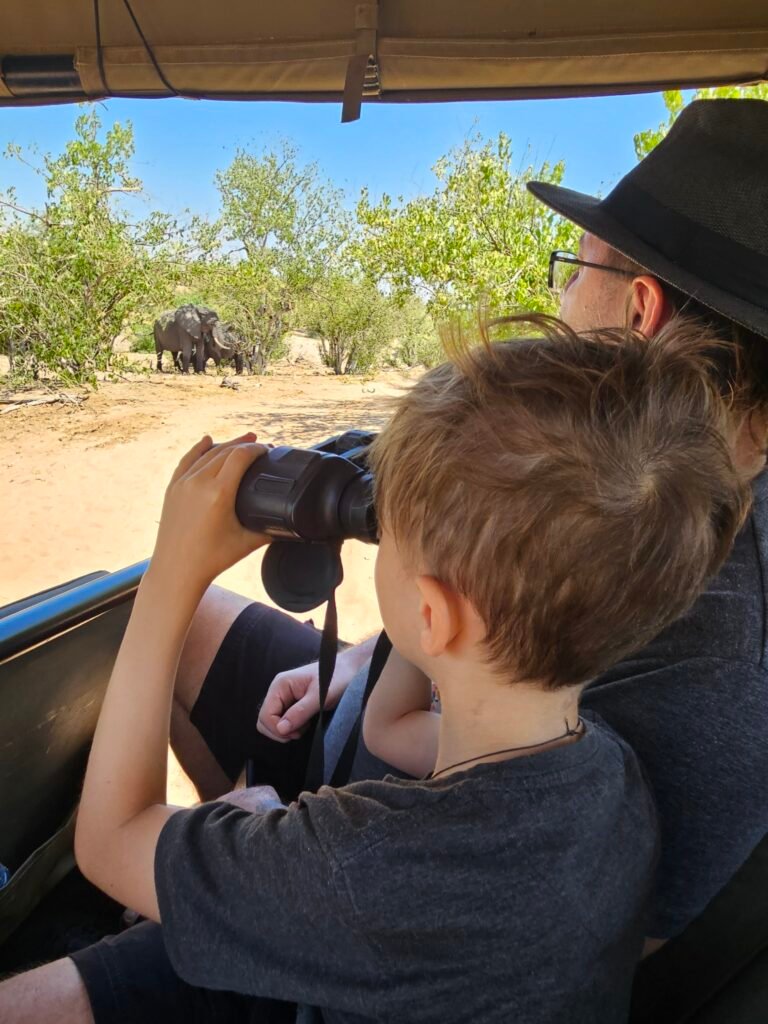
Seeing the animals for real on safari
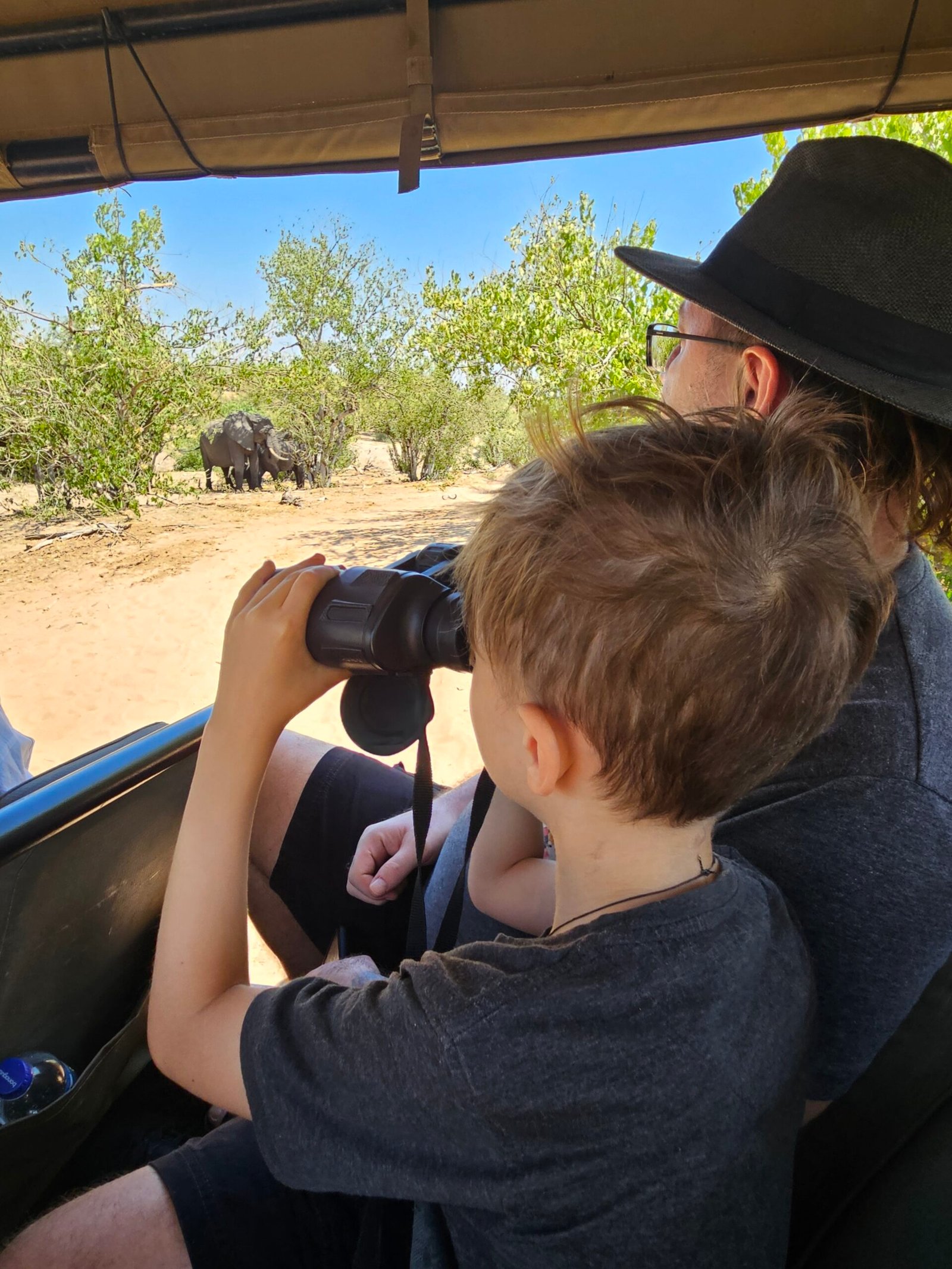
Pictures and documentaries are one thing. Watching animals in their own habitat, behaving the way they actually behave, is something else entirely. We share where we went and what worked with a young child in safari with kids.
The Acropolis and the pyramids at four and five
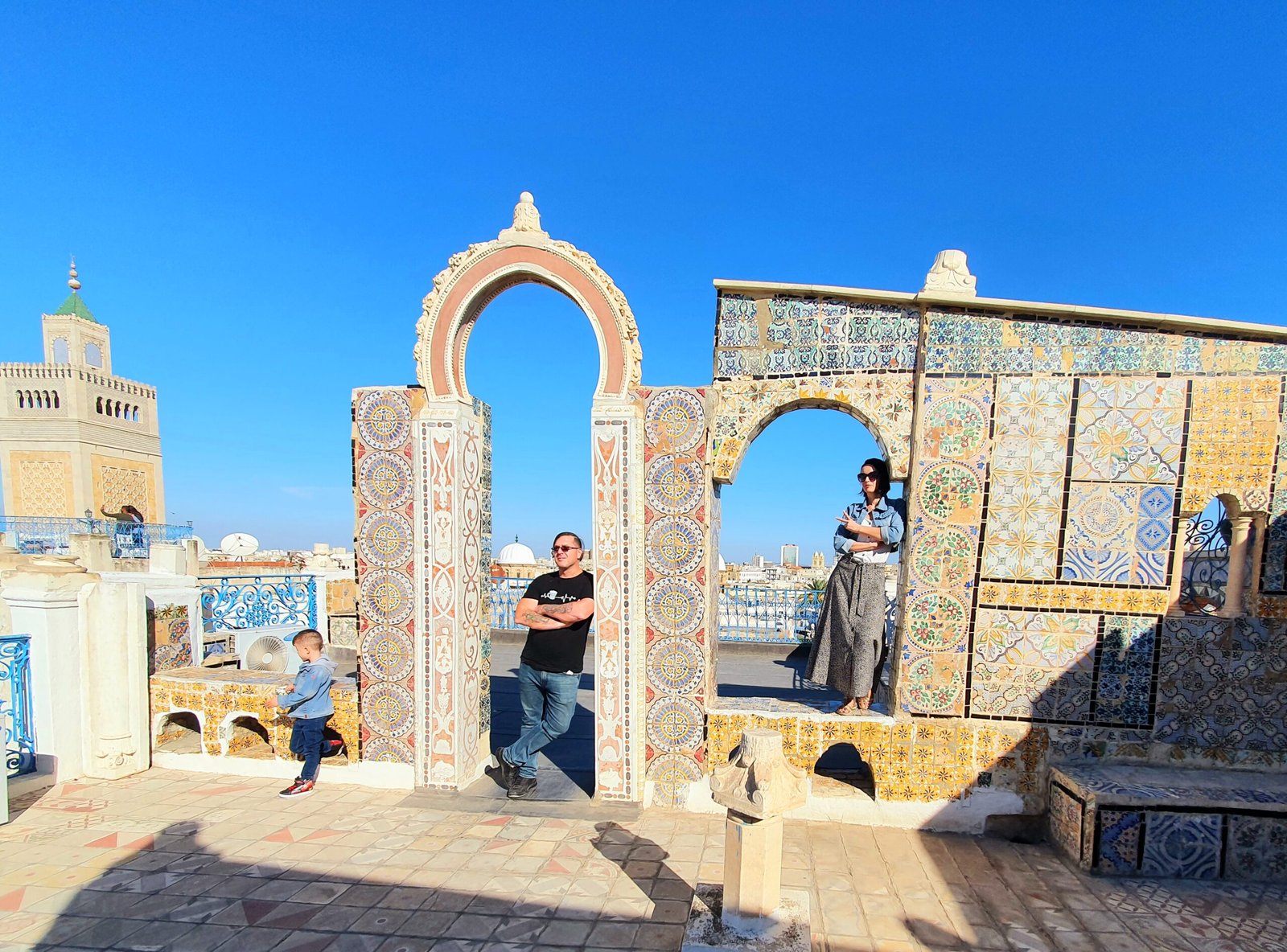
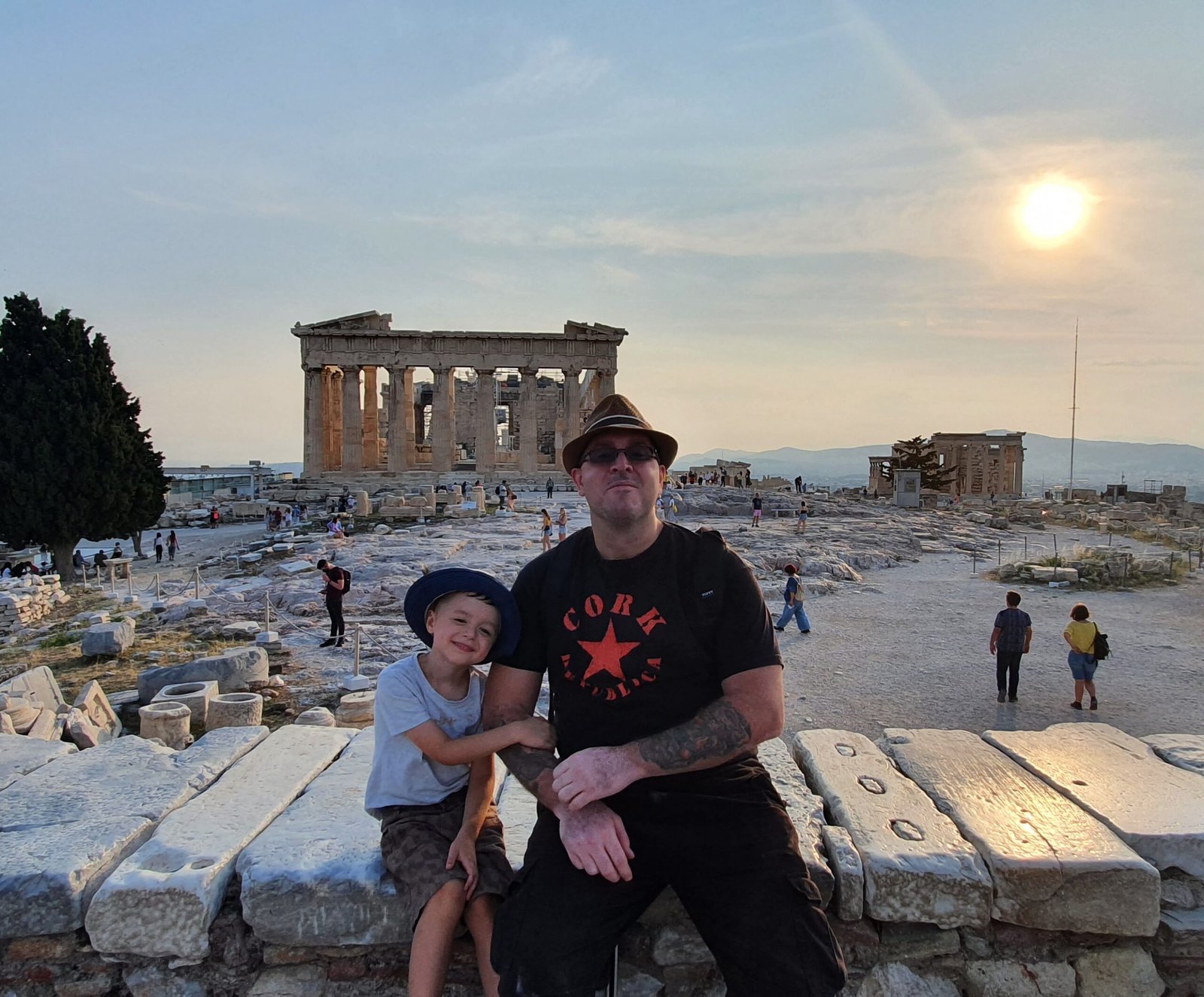
He saw the Acropolis in Athens at four and again at five. At five, he saw the pyramids and temples of Egypt. Ancient history stopped being a chapter in a book. It became a set of places he had actually stood in.

Nomads and the Naadam games in Mongolia at seven
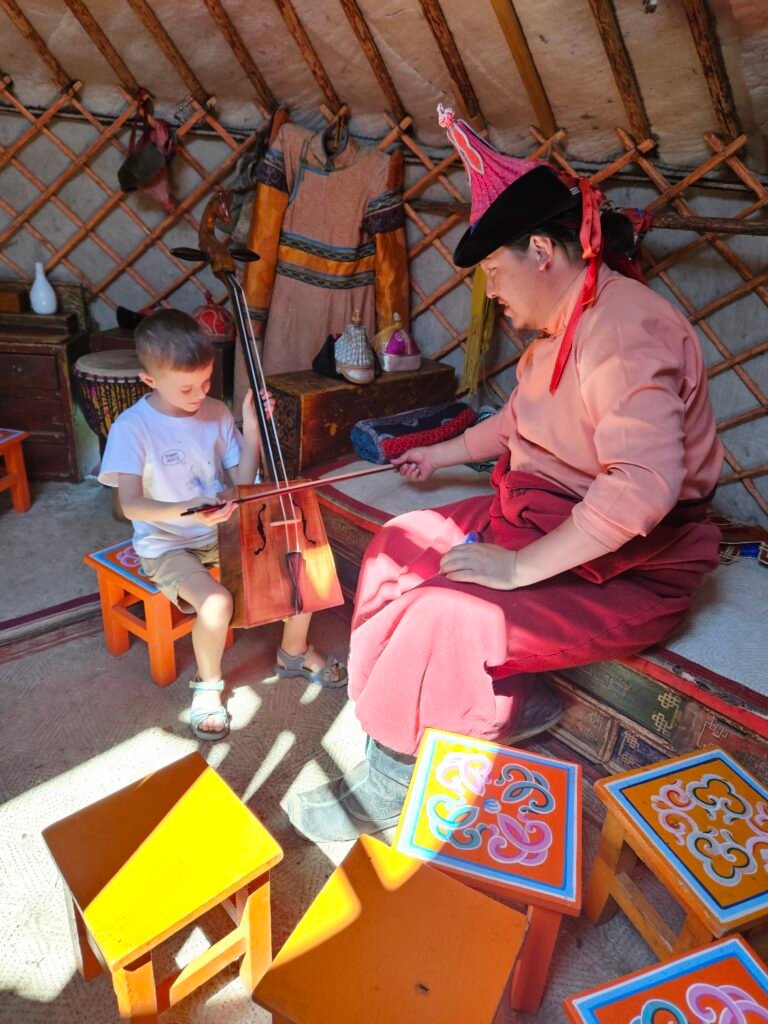
In Mongolia he learned how nomadic families live, and he watched the Naadam games: wrestling, archery and horse racing. A way of life that most children only meet in a textbook was right in front of him. Read more in our Mongolia with kids guide and our post on the Naadam Festival.
The Silk Road in Uzbekistan and the incense road in AlUla
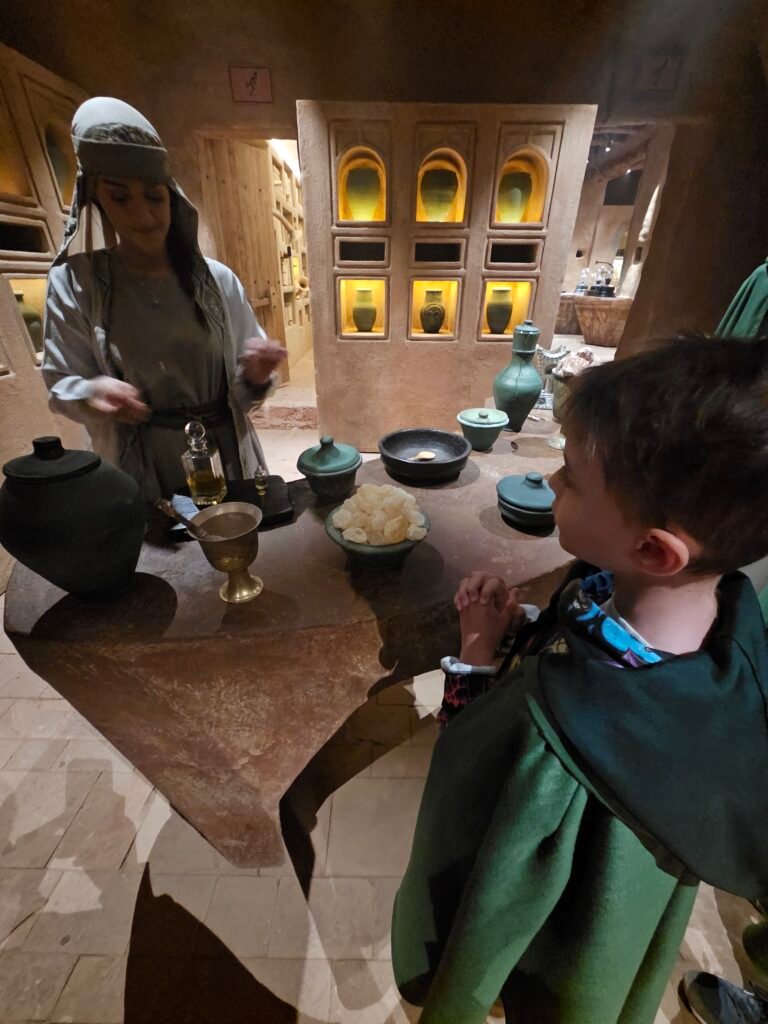
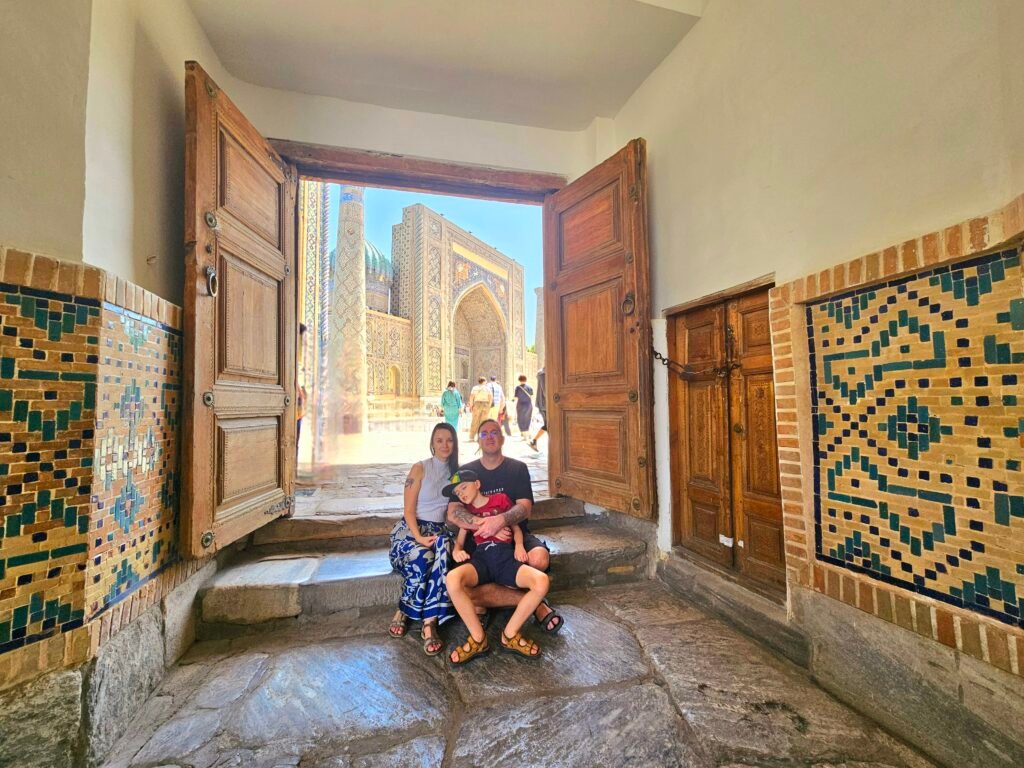
Trade routes are hard to picture on a map. In Uzbekistan, our son learned about the Silk Road in the cities that grew rich along it. In AlUla, Saudi Arabia, he learned about the ancient incense road, which carried frankincense and myrrh across Arabia. Together, they showed him how goods, ideas and people have always moved across continents. Our Uzbekistan with kids itinerary has the full route.
Worldschooling Pros and Cons: Our Honest Take
We love this life, and we’ll start with why. But it isn’t all ruins and safaris, and we’d be doing you a disservice if we pretended otherwise.
What we love
- Time together. We get to spend far more time with our son than school would ever allow.
- Newness and adventures. We have seen so much of the world in the last six years that would be really difficult to do by just going on vacations.
- Learning that sticks. History, geography and culture are tied to places he has actually been.
- Room for his interests. A light academic load leaves plenty of time for singing, theatre, robotics and sport.
- No falling behind. A few core subjects, kept steady, have been enough to keep him ahead in maths and reading.
- Experiencing the world. Our son grew up being open to new cultures, different languages, and understanding that just because something is different, it doesn’t mean bad.
And here’s the other side.
You don’t get a break
When your child goes to school, you get several hours a day to yourself. When you worldschool, you don’t. You’re the parent, the guide and often the entertainment, all day, every day. There have been times when that was genuinely hard. There is an upside, though: we get to spend a huge amount of time with our son.
You’re a parent, not a teacher
Some days, children simply don’t want to do the learning. A teacher has authority; a parent asking for maths practice is easy to resist. Handing some subjects to a tutor is one way around it.
The hardest moment: our son wanted to stop
The hardest moment for us came when our son told us he didn’t want to travel full time any more. He wanted deeper friendships, the kind that need more than a few weeks in one place. So we settled down. We write about that turning point in how worldschooling kids make friends and in our post on making Tbilisi our base.
What we’d do differently
- Slow down more. Longer stays give children continuity in classes and friendships. Our guide to long-term travel with kids explains why slow travel works better.
- Find a community. A hub, a co-living programme or a group of local families makes a huge difference.
- Travel with other families. Moving with other travelling families gives children ready-made friends going the same way.
Is Worldschooling Right for Your Family?
Worldschooling isn’t right for every child or every parent. Use this as a quick gut check.
It’s likely to suit you if:
- ✅ Your child loves trying new things
- ✅ Your child copes well with uncertainty and constant change
- ✅ Your child makes friends wherever they go, without needing to attach deeply straight away
- ✅ You’re happy to spend most of the day together as a family
- ✅ You have income that isn’t tied to one place
It may be harder if:
- ❌ Your child needs the same close friends and routine every week
- ❌ Change and new places make your child anxious
- ❌ You need regular time to yourself during the day
If you tick some boxes in both lists, that’s normal. A home base or a hub can solve a lot of the second list. And children change. A style that suits your four-year-old may not suit your eight-year-old, so keep checking in.


How to Start Worldschooling: 7 First Steps
- Check the law first. Education rules depend on where you live and how long you stay. Start with is worldschooling legal?
- Sort out income and a budget. See exactly what a year cost us in our full-time family travel budget.
- Choose your pace. Decide between constant travel and a home base. Read how to avoid burning out and how to choose a home base.
- Plan the core academics. Pick the few subjects that need steady practice. Our academics guide and our list of worldschooling apps and websites will help.
- Plan for friendships. Look for hubs, classes and other travelling families from day one. Our hubs directory is a good place to start.
- Get the right insurance. Most nomad policies have specific rules for children. We compare Genki and SafetyWing in our travel insurance guide for nomad families.
- Keep a simple record. Note what your child learns in each place. It reassures you, and some education rules ask for it. Our worldschooling resources guide lists the tools we use. We’re also building Worldschool Passport, a place for worldschooling families to keep learning records, which is launching soon.
📒 Keep a record of everything they learn
Keeping track of all the learning that happens on the road is one of the hardest parts of worldschooling. So we made our own planner. The Worldschooling Learning & Travel Planner is a 20-page printable that brings academic progress and real-world learning together in one place.
- An academic snapshot, a gap finder and a 90-day plan
- A weekly planner for academic, travel and child-led learning
- Country, history, culture, language and nature pages for every place you visit
- A log of museums, sites and experiences, plus a look back at your year in the world
It’s an instant download in A4 and US Letter, so you can print it wherever you are.
Worldschooling FAQ
Is worldschooling legal?
For most families, yes, but there’s no single worldwide rule. It depends on where you live and how you educate your child, and a few countries, such as Germany, restrict homeschooling heavily. Our guide to worldschooling and homeschooling laws compares popular countries using official sources.
How do worldschooling kids make friends?
Through hubs, classes, playgrounds and other travelling families. Meeting children is easy. Keeping friends is harder, especially from around age seven. We cover what worked for us in how worldschooling kids make friends.
How do worldschooled children keep up academically?
Most families keep a few core subjects, especially maths, on a steady track and let travel cover much of the rest. We use tutors, apps and occasional check-ins. Everything is in how we keep up with academics.
Can worldschooled children go to university?
Our son is 10, so we haven’t reached this stage ourselves. Homeschooled students do apply to university, but entry requirements vary by country and institution. Check what the universities your child might choose ask for, and keep records and test results along the way.
How much does worldschooling cost?
It depends almost entirely on where you go and how fast you move. Our family of three spent $80,824 USD in 2024, a deliberately bigger year, and about $50,700 USD in a slower year in Southeast Asia. The full breakdown is in our real one-year budget.
How do worldschooling families make money?
Most have remote jobs or run their own businesses. We both work remotely, which is what made leaving possible. Our resources guide includes the remote work tools we rely on.
What age is best to start worldschooling?
There’s no perfect age. We started when our son was almost four, and young children adapt easily. Around seven, his need for lasting friendships grew, so whatever age you start, expect to adjust your style as your child grows.
Final Thoughts
So, what is worldschooling? For us, it’s letting the world do most of the teaching, with just enough structure to keep the essentials moving. It has looked different at every stage. First there were four years on the move. Now we have a home base in Tbilisi and travel for months at a time.
It isn’t the easy option, and it isn’t right for every family. But if your child is curious and adaptable, and you can make the logistics work, it can be an extraordinary way to grow up. If you’re starting to plan, our worldschooling resources guide is the best next step.

6 Comments