Digital Nomad Visas for Families (Including Georgia)
Yes, you can get a digital nomad visa for families in many countries. We checked each scheme on official government sites. We found 22 that let a spouse and children come too, across Europe, Asia, Africa and the Americas. Hungary’s White Card is the clear exception.
We’re a family of three with EU and Canadian passports, and we’ve been based in Tbilisi, Georgia for several years. We work remotely, and our son is homeschooled. Here’s the twist: we never needed a digital nomad visa for Georgia at all. Most nationalities can stay a full year visa-free, and we explain how that works for us below.
Free download: our Family Relocation Checklist
Set your family’s must-haves, compare up to five destinations side by side and see what a move would really cost. It works in Excel or Google Sheets. Enter your email below and we’ll send it straight to your inbox.
Want more? Browse our printable learning packs and planners for travelling families in our Etsy shop.
What is a digital nomad visa (and why families need the small print)?
A digital nomad visa lets you live in a country while working for employers or clients abroad. You prove a minimum income, buy health insurance and sometimes show a clean criminal record.
For families, the headline income figure is only the start. Look for four things in the rules:
- Who counts as a dependant. Some schemes stop at children under 18. Thailand goes to 20, Mauritius counts dependants under 24 and Costa Rica under 25.
- How the income rises. Spain, Croatia, Italy, Namibia and Sri Lanka add a set amount per person. Others, like Malta, use one figure whatever your family size.
- Fees per person. Malta charges €300 per applicant, including each child.
- Whether children can go to school. Some countries need a separate student visa or pass.
Planning a long stay abroad?
🩺 Family health insurance: SafetyWing Nomad Insurance or Genki (compare them in our insurance guide for digital nomad families)
📱 eSIM: Airalo or Nomad (see our best eSIMs for international travel)
🏷️ Airalo discount: New customers get 15% off with code NEWTOAIRALO15 (valid until December 31, 2026)
🏠 Somewhere to live: our guide to finding long-term accommodation that works for a family
Digital nomad visas for families compared
Figures come from each official government page linked below. USD amounts are approximate, at about €1 = US$1.12. Last checked October 2026.
| Country | Family allowed? | Income needed (base + per dependant) | Length | Fee | Official source |
|---|---|---|---|---|---|
| Spain | Yes | €2,442/month (US$2,735), plus €916 for the first family member and €305 for each extra one | Up to 3 years (residence permit) | Varies by consulate | Spanish Consulate (Houston) |
| Portugal | Yes | 4x minimum wage, €3,680/month (US$4,120); family weighting of 50% per extra adult and 30% per child | Residence visa, then residence permit | Varies by consulate | Portuguese visa portal |
| Croatia | Yes, after the main applicant is approved | €3,622.50/month (US$4,060), plus about €145 per family member | Up to 18 months | From €46.45 plus card | Croatian Ministry of the Interior |
| Greece | Yes, family members on their own visas | €3,500/month; the consulate sets the extra for dependants | Visa up to 12 months, then a residence permit | Varies by consulate | Greek Ministry of Migration and Asylum |
| Italy | Yes | €28,000/year (US$31,400), plus €780/month per extra adult and €130/month per child | 1 year, renewable | Varies by consulate | Italian Consulate (Johannesburg) |
| Malta | Yes | €42,000/year gross (US$47,000), one figure for the household | 1 year, renewable | €300 per person | Residency Malta |
| Estonia | Yes, spouse and minor children | €4,500/month (gross, per the official FAQ) | Up to 1 year, not extendable | €120 per person | e-Residency (Estonian government) |
| Hungary | No | Not applicable for families | 1 year | Not applicable | Hungarian Embassy |
| Thailand (DTV) | Yes, spouse and children under 20 | ฿500,000 in funds (about US$15,000) | 5 years, 180 days per entry | Varies by embassy (€350 in Budapest), per person | Royal Thai Embassy |
| Malaysia (DE Rantau) | Yes, spouse, children under 18, parents | US$24,000/year (tech) or US$60,000/year (non-tech) | 3 to 12 months, up to 24 months in total | RM1,080 main, RM540 per dependant | MDEC |
| Indonesia (E33G) | Yes, spouse, children under 18, parents, siblings | US$60,000/year, plus a US$2,000 bank balance | 1 year | IDR 7,000,000 (main applicant) | Directorate General of Immigration |
| Japan | Yes, spouse and children | ¥10 million/year (about US$62,000) | 6 months, no extension | Check embassy | Immigration Services Agency of Japan |
| Sri Lanka | Yes | US$2,000/month remitted, plus US$500 per dependant beyond two | 1 year, renewable | US$500 per person per year | Department of Immigration and Emigration |
| UAE | Yes, holder can sponsor family | US$3,500/month | 1 year, renewable | AED 200 visa fee (more for residence steps) | GDRFA Dubai |
| Mauritius (Premium Visa) | Yes | US$1,500/month per adult, plus US$500 per dependent child | Up to 1 year, renewable | Free | EDB Mauritius |
| Namibia | Yes | US$2,000/month, plus US$1,000 for a spouse and US$500 per child | 6 months, not renewable | NAD 3,300 | NIPDB |
| Cabo Verde | Yes | Average bank balance of €1,500 (single) or €2,700 (family) over 6 months | 6 months, plus 6 more | €20 per person, plus €34 airport fee | Remote Working Cabo Verde (official) |
| Mexico (temporary residency) | Yes | Set by each consulate, with extra solvency per dependant | 1 to 4 years | Varies by consulate | Mexican Consulate (Houston) |
| Costa Rica | Yes, spouse, children under 25 | US$3,000/month alone or US$4,000/month with dependants | 1 year, plus 1 more | US$100 | Costa Rica Tourism Board |
| Panama | Yes (family rate announced by government) | US$36,000/year (US$3,000/month), or US$4,000/month for a family | 9 months, plus 9 more | Check with Migración | Servicio Nacional de Migración |
| Colombia | Yes, spouse or partner, children up to 25 | 3x Colombia’s monthly minimum wage | Up to 2 years | Check Cancillería | Colombian Ministry of Foreign Affairs |
| Brazil | Yes, through a family reunion visa | US$1,500/month or US$18,000 in the bank | 1 year, renewable once | US$290 (New York consulate) | Brazilian Consulate (New York) |
| Barbados (Welcome Stamp) | Yes | US$50,000/year, one figure for the household | 12 months, can reapply | US$2,000 single, US$3,000 family | Barbados Tourism Marketing |
The best digital nomad visa for families, country by country
We’ve grouped the countries by region and kept each one to the family facts. Every figure is from the official page linked, unless we say otherwise.
Europe
Spain
- Family: spouse or partner and children can get visas alongside the teleworker.
- Income: 200% of the minimum wage for you, 75% for the first family member and 25% for each extra one. For 2026 the Houston consulate lists €2,442, €916 and €305 a month. A couple with one child needs about €3,663 (US$4,100).
- Length: a residence permit applied for in Spain can last up to three years.
- Insurance: must cover everything Spain’s public system covers, unless a social security agreement applies.
- Tax: resident after 183 days, but teleworkers can opt for six years at 24% on work income, with other foreign income untaxed (Agencia Tributaria).
- Source: Spanish Ministry of Foreign Affairs.
Portugal
- Family: family members can apply for an accompanying residence visa with you.
- Income: consulates apply four times the minimum wage for remote workers. The 2026 minimum wage is €920, so that’s €3,680 a month (US$4,120).
- Per dependant: Portugal weights each extra adult at 50% and each child under 18 at 30%. Ask your consulate how it applies this to the remote-work figure.
- Tax: resident after 183 days, or sooner with a usual home there. Residents are taxed on worldwide income (Portal das Finanças).
- Source: Portuguese visa portal and its means of subsistence page.
Croatia
- Family: close family can join you, but only once your own stay is approved. Earlier family applications are rejected.
- Income: €3,622.50 a month, plus 10% of the average net salary (about €145) per family member.
- Length: up to 18 months. You can’t reapply until six months after it ends.
- Insurance: health insurance covering Croatia for your whole stay.
- Tax: digital nomad income is exempt from Croatian income tax (Croatian Tax Administration).
- Source: Croatian Ministry of the Interior.
Greece
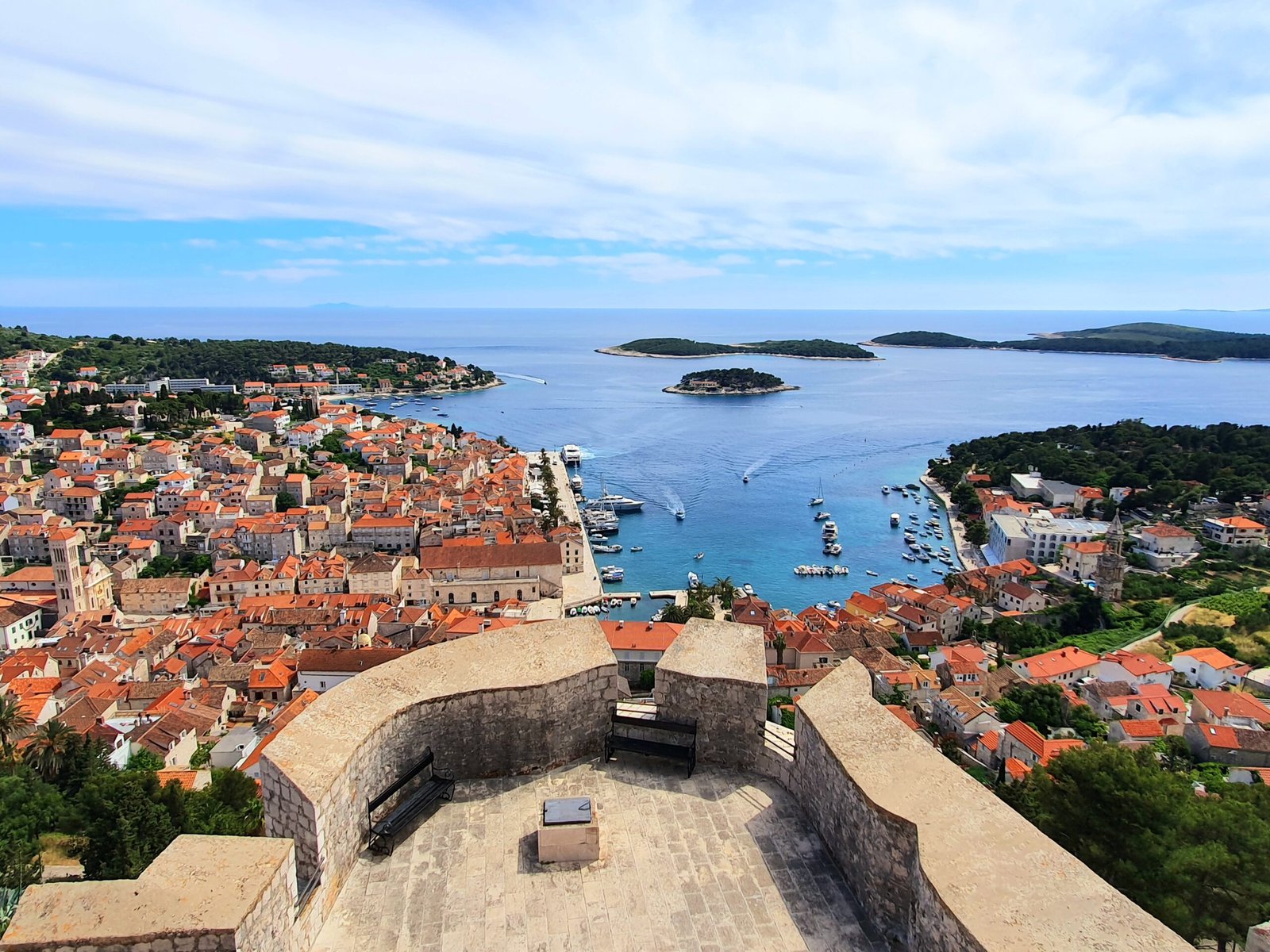
- Family: family members can come with you. Each gets their own visa, valid for as long as yours. They can’t work in Greece.
- Income: at least €3,500 a month from abroad. The figure rises for a spouse and children, so get the exact amount from your consulate.
- Length: a national visa for up to 12 months. To stay longer, apply for a residence permit before it runs out.
- Tax: resident from day one if you stay over 183 days. Residents are taxed on worldwide income (AADE).
- Source: Greek Ministry of Migration and Asylum, citing Article 68 of Law 5038/2023.
Italy
- Family: yes, with a higher income threshold.
- Income: at least €28,000 a year. The Johannesburg consulate adds €780 a month per extra adult and €130 per child.
- Length: one year, renewable while you still qualify.
- Tax: over 183 days in Italy makes you resident, even working remotely. Residents are taxed on worldwide income (Agenzia delle Entrate Circular 20/E).
- Source: Italian Consulate in Johannesburg. Figures vary between consulates.
Malta
- Family: spouse, minor children and dependent adult children. All must be on the first application, apart from newborns.
- Income: €42,000 a year gross, with no increase per child.
- Fees: €300 per person, plus €27.50 per residency card.
- Renewal: you need to show you lived in Malta for at least five months of the previous twelve.
- Tax: no tax on remote work income for 12 months, then a flat 10% (Malta Tax and Customs Administration).
- Source: Residency Malta.
Estonia
- Family: spouse and minor children apply on the same conditions as you.
- Income: €4,500 a month before tax over the previous six months. One official page says net, so confirm with the embassy.
- Length: up to one year, with no extension. A second visa allows six more months.
- Fee: €120 per person.
- Tax: over 183 days in 12 months makes you an Estonian tax resident (official FAQ).
- Source: e-Residency FAQ.
Hungary: no family route
Hungary’s White Card doesn’t allow family reunification. The Hungarian government lists White Card holders among the people who can’t sponsor family members (Hungarian Embassy). Each family member would need their own permit.
Asia and the Middle East
Thailand (Destination Thailand Visa)
- Family: spouse and children under 20, each on their own DTV with proof of relationship.
- Money: at least ฿500,000 in funds (about US$15,000), shown on bank statements.
- Length: valid for five years, with up to 180 days per entry. You can extend once inside Thailand.
- School: if a child’s main purpose is studying in Thailand, the embassy wants a student visa instead.
- Tax: after 180 days, foreign income you bring into Thailand is taxed (Thai Revenue Department).
- Source: Royal Thai Embassy, Budapest. Apply online at thaievisa.go.th.
Malaysia (DE Rantau Nomad Pass)
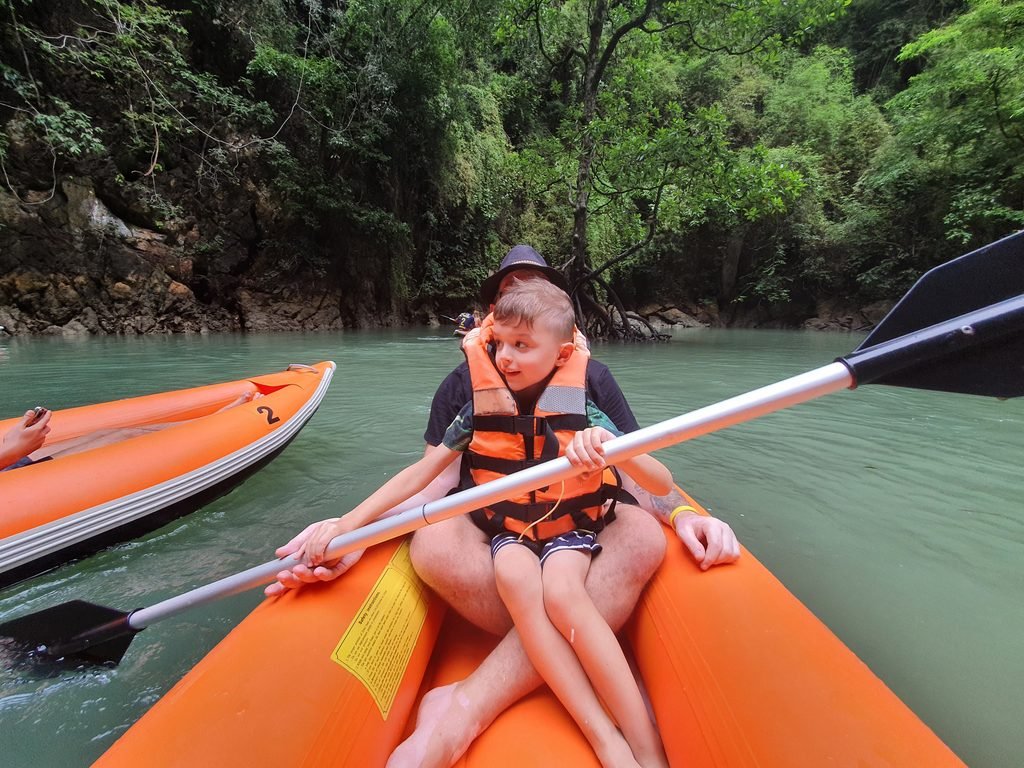
- Family: spouse, children under 18 (no limit for a child with a disability) and parents. A spouse can’t work in Malaysia.
- Income: US$24,000 a year for tech roles, or US$60,000 for non-tech roles.
- Fees: RM1,080 for you and RM540 per dependant, non-refundable.
- School: children at school need a student pass through the school. Home-schooled children don’t.
- Length: 3 to 12 months, renewable to 24 months in total.
- Source: MDEC DE Rantau FAQ (August 2026).
We looked closely at Malaysia and decided against it because of tax. MDEC’s FAQ says foreign remote workers become taxable once they stay more than 60 days. Stay 182 days or more in a year and you’re a Malaysian tax resident. Residents pay progressive rates that reach 30%, and non-residents pay a flat 30% (Inland Revenue Board of Malaysia). For us, that wiped out the appeal.
Indonesia (Bali): E33G remote worker visa
- Family: yes. Indonesia’s eVisa site has a “Family Dependant for Remote Worker” route. It covers a spouse (E31B), children under 18 (E31E), parents (E31H) and siblings (E31J).
- Income: at least US$60,000 a year from a company outside Indonesia, plus a US$2,000 bank balance over the last three months.
- Fee: IDR 7,000,000 for a one-year stay. Dependants apply and pay separately.
- Tax: over 183 days makes you resident, taxed on all your income (Directorate General of Taxes).
- Source: Directorate General of Immigration eVisa site.

Japan
- Family: spouse and children can come on their own status.
- Income: at least ¥10 million a year (about US$62,000).
- Length: six months, with no extension and no residence card.
- Eligibility: you need a passport from a visa-exempt country that also has a tax treaty with Japan. Insurance must cover at least ¥10 million in medical costs.
- Tax: six months doesn’t make you resident, so only Japanese income is taxed (National Tax Agency).
- Source: Immigration Services Agency of Japan.
Sri Lanka
- Family: spouse and dependants can apply.
- Income: US$2,000 a month remitted to Sri Lanka. Add US$500 a month for each dependant beyond the first two.
- Fees: US$500 a year each, for you, your spouse and every dependant.
- School: children can enrol in international or private schools.
- Renewal: yearly.
- Tax: renewal needs proof of Inland Revenue registration, so get advice first.
- Source: Sri Lanka Department of Immigration and Emigration.

United Arab Emirates (virtual work visa)
- Family: the holder can sponsor family for the same period.
- Income: at least US$3,500 a month from an employer outside the UAE.
- Length: one year, renewable. Valid health insurance is required.
- Tax: the UAE doesn’t charge income tax on individuals (u.ae).
- Source: GDRFA Dubai.
Africa and the Indian Ocean
Mauritius (Premium Visa)
- Family: yes. Bring a marriage certificate and birth certificates, plus a consent letter if only one parent travels.
- Income: US$1,500 a month per adult and US$500 per dependent child. The EDB’s French FAQ sets the dependant age at under 24.
- Fee: free.
- Length: six months to one year, renewable.
- Tax: the EDB says income is taxed on a remittance basis. Spending on foreign cards isn’t treated as remitted.
- Source: Economic Development Board Mauritius and its Premium Visa FAQ.
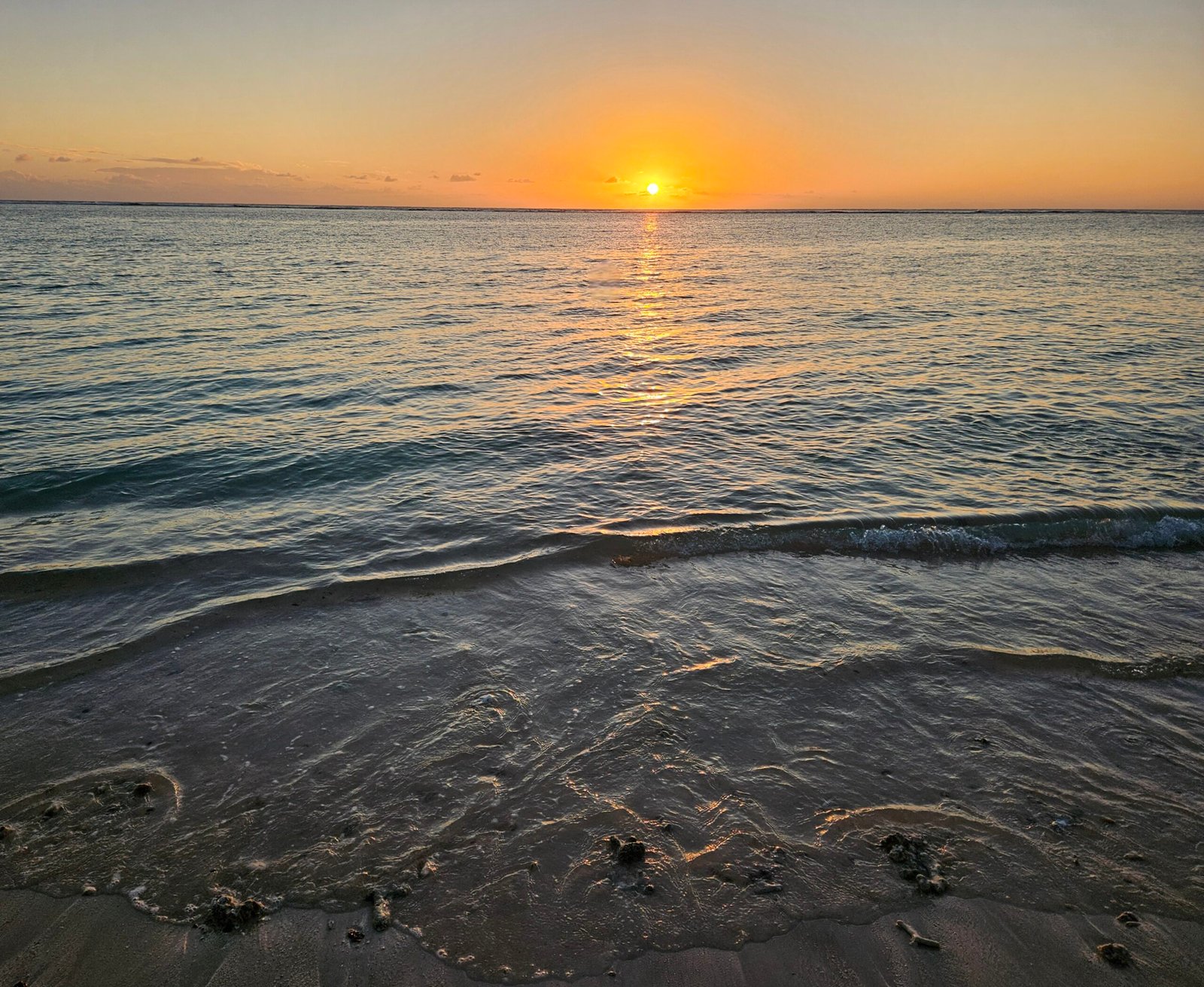
Mauritius is on our list too. We spent two months there with our son and really enjoyed it (read our Mauritius with kids guide).
Namibia
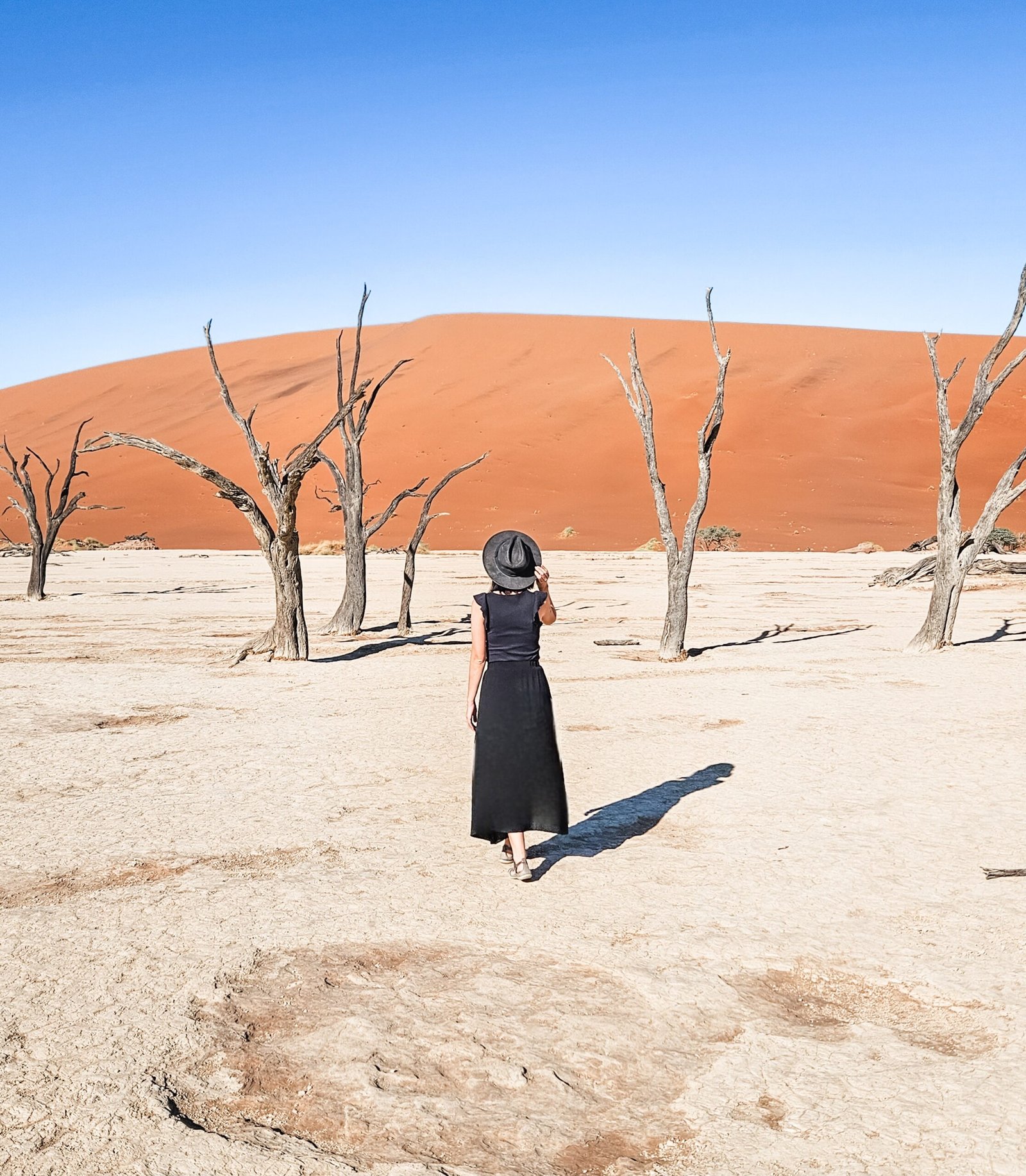
- Family: spouse and children, each with their own application form.
- Income: US$2,000 a month, plus US$1,000 for a spouse and US$500 per child.
- Length: six months, not renewable. You can reapply 12 months after it expires.
- Paperwork: medical certificate, X-ray report and police clearance.
- Tax: you may owe income tax after 180 days, says the official FAQ.
- Source: Namibia Investment Promotion and Development Board.
Cabo Verde (Remote Working Programme)
- Family: yes. The official programme site says you can come alone or bring your family.
- Money: an average bank balance of €1,500 over the last six months for one person, or €2,700 for a family.
- Fees: €20 per person for the visa, plus a one-off €34 airport fee per person.
- Length: six months, renewable for six more.
- Tax: the programme site says remote workers are exempt from income tax.
- Source: Remote Working Cabo Verde.
The Americas and the Caribbean
Mexico (temporary residency)
- Family: spouse and children can apply as dependants with proof of the family link.
- Income: each consulate sets the figure as a multiple of Mexico’s daily minimum wage. Houston adds 100 days of minimum wage per dependant.
- Work: remote work is allowed if your salary is paid from abroad.
- Length: more than 180 days and up to four years.
- Tax: a home in Mexico makes you resident, taxed on worldwide income (Fiscal Code, Art. 9 and Income Tax Law, Art. 1).
- Source: Mexican Consulate in Houston and Omaha.
Costa Rica
- Family: spouse or partner, children under 25, children of any age with a disability, and seniors living with you.
- Income: US$3,000 a month on your own, or US$4,000 with dependants.
- Length: one year, extendable for one more.
- Tax: digital nomads are exempt from Costa Rican income tax.
- Source: Costa Rica Tourism Board. Applications go through Migración Digital.
Panama
- Family: the government announced a family income of US$4,000 a month. Confirm dependant rules, as the current sheet doesn’t list them.
- Income: at least US$36,000 a year from abroad.
- Length: nine months, extendable once for nine more.
- Tax: Panama only taxes income produced in Panama (Fiscal Code, Art. 694).
- Source: Servicio Nacional de Migración.
Colombia
- Family: a dependent spouse or permanent partner, and children up to 25 or of any age with a disability, can get beneficiary visas.
- Income: at least three times Colombia’s monthly minimum wage.
- Length: up to two years.
- Tax: over 183 days in any 365 makes you resident, taxed on worldwide income (DIAN).
- Source: Resolución 5477 de 2022 from Colombia’s Ministry of Foreign Affairs.

Brazil
- Family: your spouse or partner and children can apply for a family reunion visa. Brazil’s Migration Law grants one to the family of any foreigner with residence, which the nomad visa gives you.
- Income: US$1,500 a month, or US$18,000 in a bank account.
- Length: up to one year, renewable once for the same period.
- Fee: US$290 at the New York consulate. Other consulates may differ.
- Tax: after 183 days you’re resident, and income received abroad is taxed (Decree 9.580/2018).
- Source: Brazilian Consulate in New York and Law 13.445/2017, Article 37.
Barbados (Welcome Stamp)
- Family: yes, with a family bundle.
- Income: US$50,000 a year.
- Fees: US$2,000 single or US$3,000 for a family.
- School: approved school-age children don’t need a separate student visa. Private school, public school and home education are all options.
- Tax: holders aren’t liable for Barbados income tax.
- Source: official Welcome Stamp page.
No nomad visa: the Dominican Republic and Guatemala
We couldn’t find a digital nomad visa for either country on an official site. In the Dominican Republic, tourists can extend their stay up to 120 days through the Dirección General de Migración. Beyond that, the official route is residency. Residents only pay tax on foreign investment income, from their third year (DGII). Guatemala allows 90 days, extendable once to 180 days, through the Instituto Guatemalteco de Migración.
Georgia: why we didn’t need a nomad visa
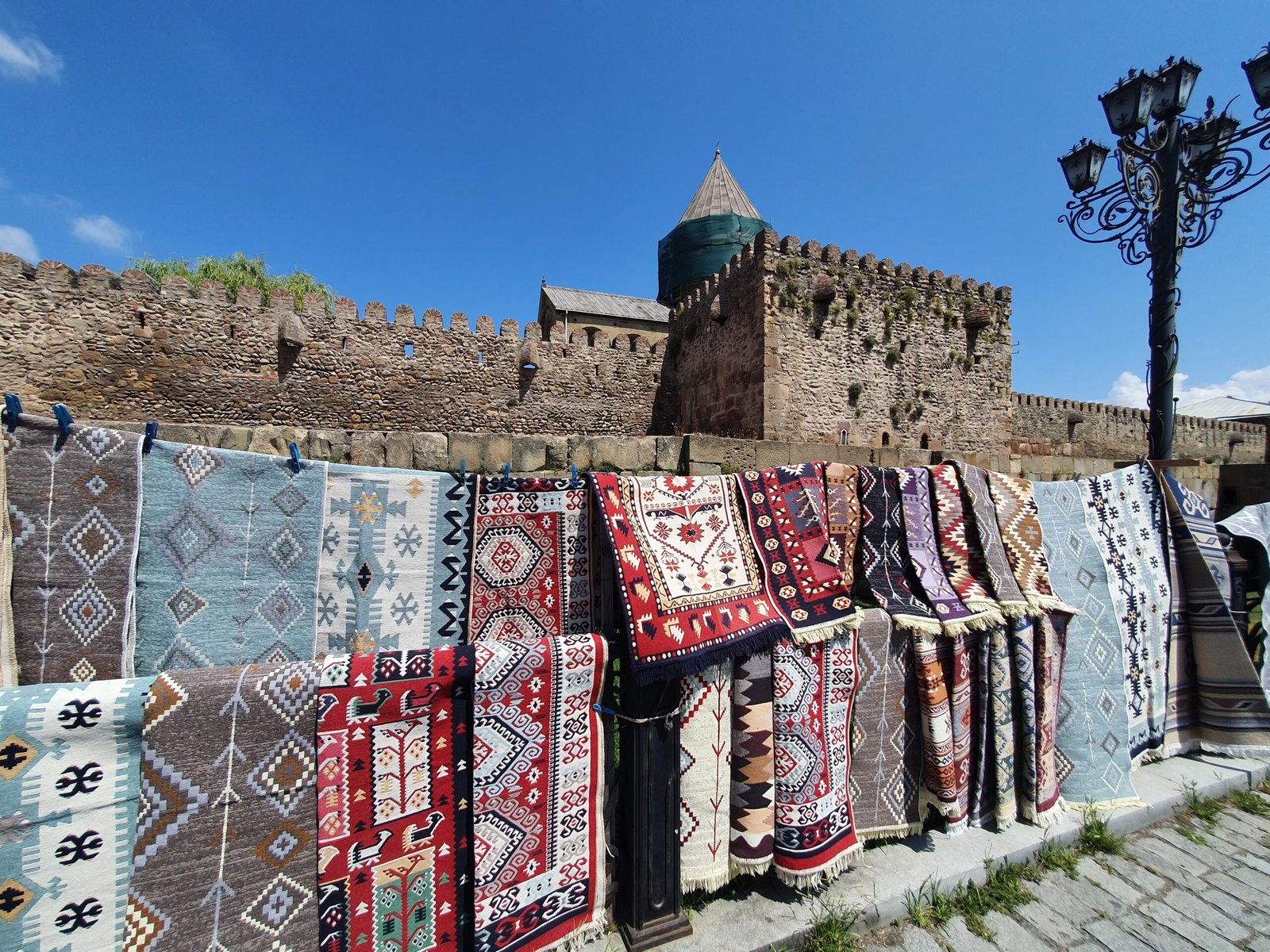
Georgia doesn’t have a separate digital nomad visa. Instead, citizens of more than 90 countries can stay visa-free for up to a year. That includes the US, UK, Canada, Australia and EU countries.
We’ve never had a residence permit. We use the visa-free stay, and because we travel a few times a year anyway, the clock simply starts again when we come back. Before you rely on that, check the government’s current list for your passport, as rules can change.
Two 2026 changes matter. Since 1 January 2026, visitors need health and accident insurance for their whole stay. Cover must be at least 30,000 GEL (notice relaying Georgia’s Ministry of Foreign Affairs). Border police can check it on entry.
The second is work rules. Georgia announced new work permit rules from 1 March 2026 (U.S. Embassy in Georgia). My husband started applying for a work permit. Then the rules changed again, and our accounting firm advised that he didn’t need one for his remote work. If you’re planning to live here, get advice from a Georgian accountant.
Georgia also has a 1% small business tax status, and we opened a bank account without residency. We explain both in why we chose Tbilisi as our home base. For a visit first, try our 10-day Georgia with kids itinerary.

What we found researching Thailand and the Dominican Republic
Thailand DTV for families
We researched the DTV seriously, mainly around Hua Hin. A savings test instead of an income test makes it flexible. Each family member pays their own fee, so budget for that.
The catch for us is school. If you want your child in a Thai school, the embassy points you to a student visa rather than the DTV. That’s fine for homeschoolers like us. In the end, we’re simply not looking at Southeast Asia right now.
The Dominican Republic
If we relocate again, the Dominican Republic is our front-runner. Cabrera appeals because of its worldschooling options, which we cover in our worldschooling hubs directory. There’s no nomad visa, though. Official sources cap tourist stays at 120 days with an extension, so a longer stay means looking at residency.
Things families must check before applying
School enrolment and homeschooling
A visa that lets your child live somewhere doesn’t always let them attend school. Malaysia needs a student pass, Thailand may need a student visa, and Barbados lets Welcome Stamp children enrol directly. Homeschooling is legal in some countries and restricted in others. Start with our guide, is worldschooling legal?
Health insurance for the whole family
Most schemes require insurance for every family member, and some set a minimum. Check the policy meets the exact wording before you buy. We compare family options, including SafetyWing Essential, SafetyWing Complete and Genki, in our insurance guide for nomad families.
Tax residency
A nomad visa and tax residency are separate things. In many countries, about 183 days makes you tax resident and your remote income taxable. Croatia, Costa Rica, Cabo Verde, Barbados and the UAE don’t tax nomad income. We’re not tax advisers, so speak to a qualified adviser.
Birth certificates, apostilles and proof of relationship
Almost every family route asks for a marriage certificate and full birth certificates. Many also want them apostilled or legalised, and translated. Order them early, as this is often the slowest part.
If only one parent is travelling, bring a consent letter from the other. Mauritius lists this for the Premium Visa.
How to choose a country as a family
When we chose Tbilisi, friends for our son mattered most. So did a workable time zone, easy travel and a flat we could afford to keep while away.
Our guide to choosing a home base as a travelling family walks through how we weighed it up. If cost is the deciding factor, see our real full-time family travel budget.
Digital nomad visas for families: FAQ
Can I get a digital nomad visa with my family?
Yes, in most countries. Spain, Portugal, Greece, Croatia, Malta, Estonia, Thailand, Malaysia, Indonesia, Mauritius, Cabo Verde, Costa Rica, Colombia, Brazil and Barbados all have family routes. Hungary’s White Card doesn’t.
Does the income requirement go up for each child?
Often, but not always. Spain, Croatia, Italy, Namibia and Mauritius add an amount per dependant. Sri Lanka only adds after the first two. Malta and Barbados use one figure for the whole household.
Can my children go to school on a digital nomad visa?
It depends on the country. Barbados lets Welcome Stamp children enrol without a separate visa. Malaysia needs a student pass through the school, and Thailand wants a student visa if school is the main purpose.
Do I need a digital nomad visa to live in Georgia?
Not if your passport is on Georgia’s visa-free list. Most Western passports get up to a year. You do need health insurance with at least 30,000 GEL of cover for your whole stay.
Can I bring my kids on the Thailand DTV?
Yes. Your spouse and children under 20 can each get their own DTV, with a marriage or birth certificate as proof of relationship.
Does a digital nomad visa make me a tax resident?
Not automatically, but staying about 183 days often does. Croatia, Costa Rica, Cabo Verde, Barbados and the UAE don’t tax nomad income.
Please read: this isn’t legal or tax advice
We’re a travelling family, not immigration lawyers or tax advisers. Visa rules change often, sometimes with little notice. Always check the official government or embassy page for your nationality before you apply, and get professional advice for your situation. Every figure here was last checked in October 2026.
Final thoughts
A digital nomad visa for families is very possible, and many countries now welcome children and spouses. The best one depends on your income, your children’s ages and whether they’ll go to school.
For us, Georgia’s visa-free year has been simpler than any nomad visa. If you’re weighing it up, start with our Tbilisi story, and check the official sources before you book anything.