The Ultimate Guide to Worldschooling Resources (2026)
Everything you need to travel the world, educate your children, and build a life of freedom.
Last updated: August 2026
Whether you’re dreaming of travelling for a few months or planning to worldschool your children full time, one question always comes up: “Where do I even start?”
When we started our own worldschooling journey, there wasn’t one place that brought everything together. Every answer took hours of digging through blogs, Facebook groups, YouTube videos and half-finished Reddit threads. We’d find a great accommodation site one week and a broken insurance link the next, and slowly piece together a system that actually worked for us.
This guide is that system, written down. It’s every tool, website, app and service our family actually uses: for finding a place to sleep, getting cheap flights, staying insured, earning an income on the road, educating our son, and finding other families to share the journey with.
Bookmark this page. We update it every time we find something better, and we cut things the moment they stop being useful.
Jump to a section:
- Flights
- Accommodation
- eSIMs & staying connected
- Travel insurance
- Visas & border logistics
- Banking & managing money abroad
- Remote work & online income
- Cost of living & choosing where to go
- Educational resources
- AI tools for worldschooling
- Essential travel apps
- Finding your worldschooling community
- Staying healthy and safe on the road
- FAQ
What Is Worldschooling?
Worldschooling is an educational philosophy that uses the world as the classroom.
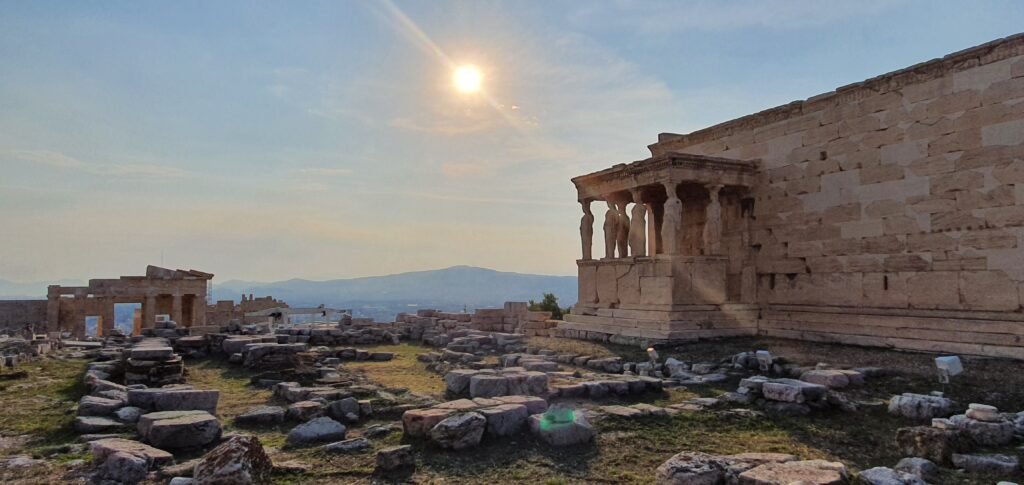
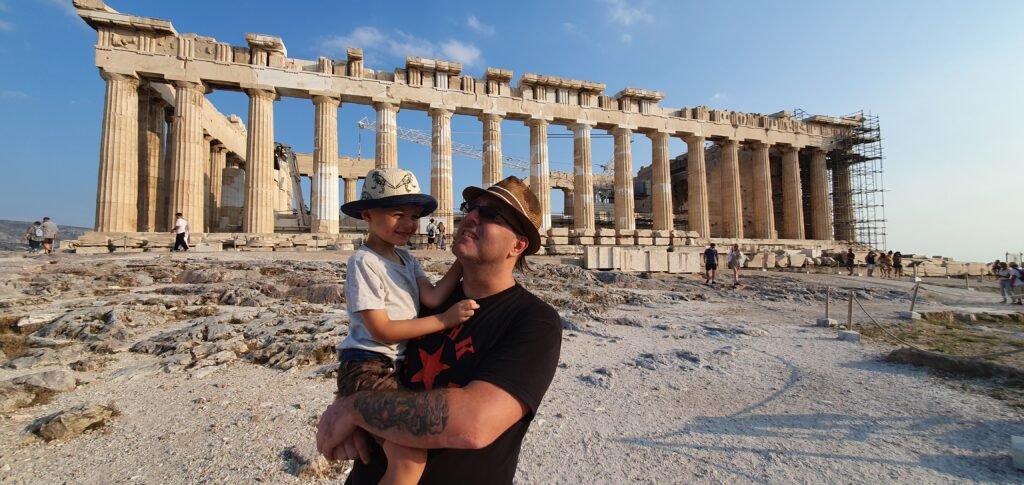
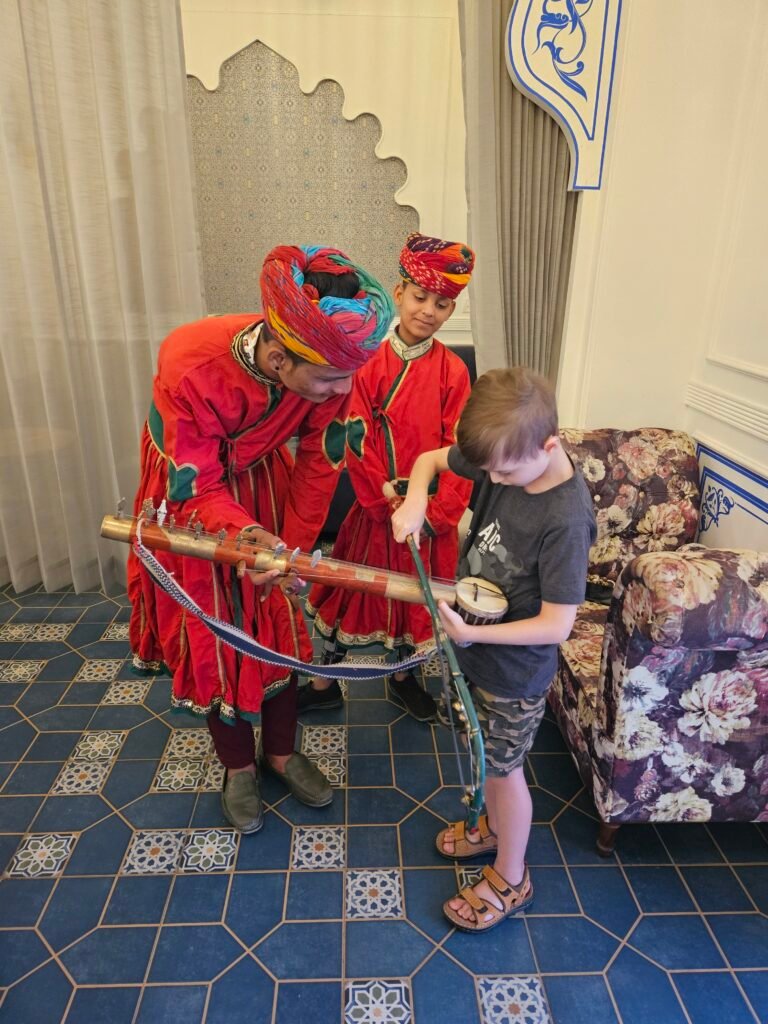
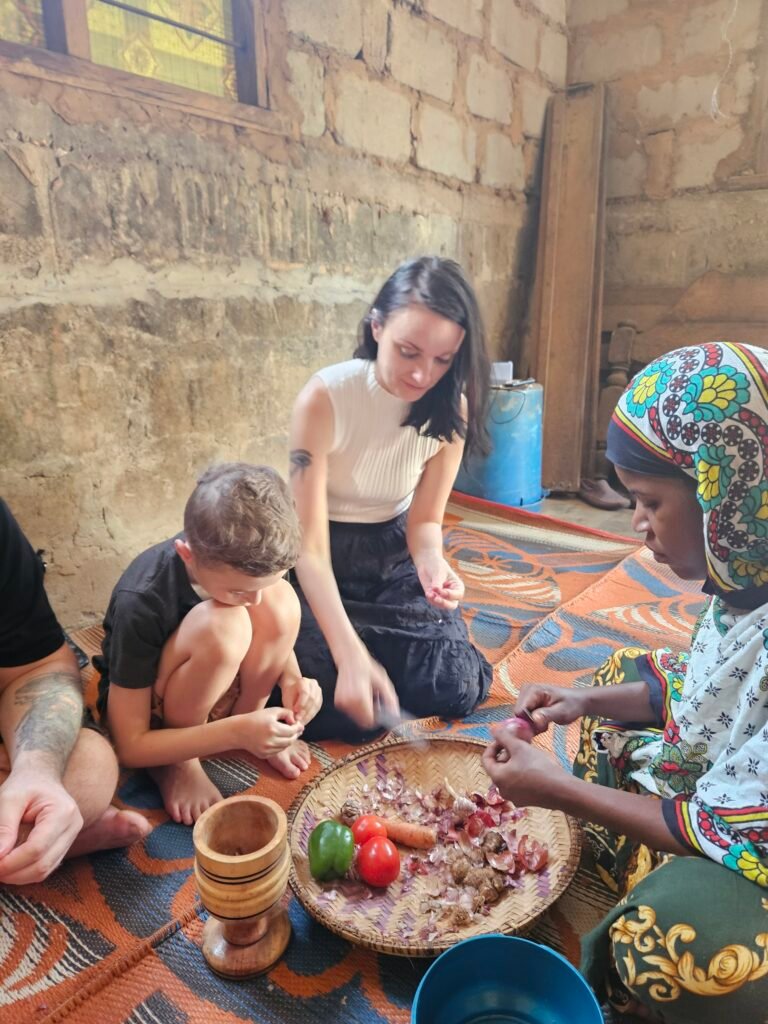
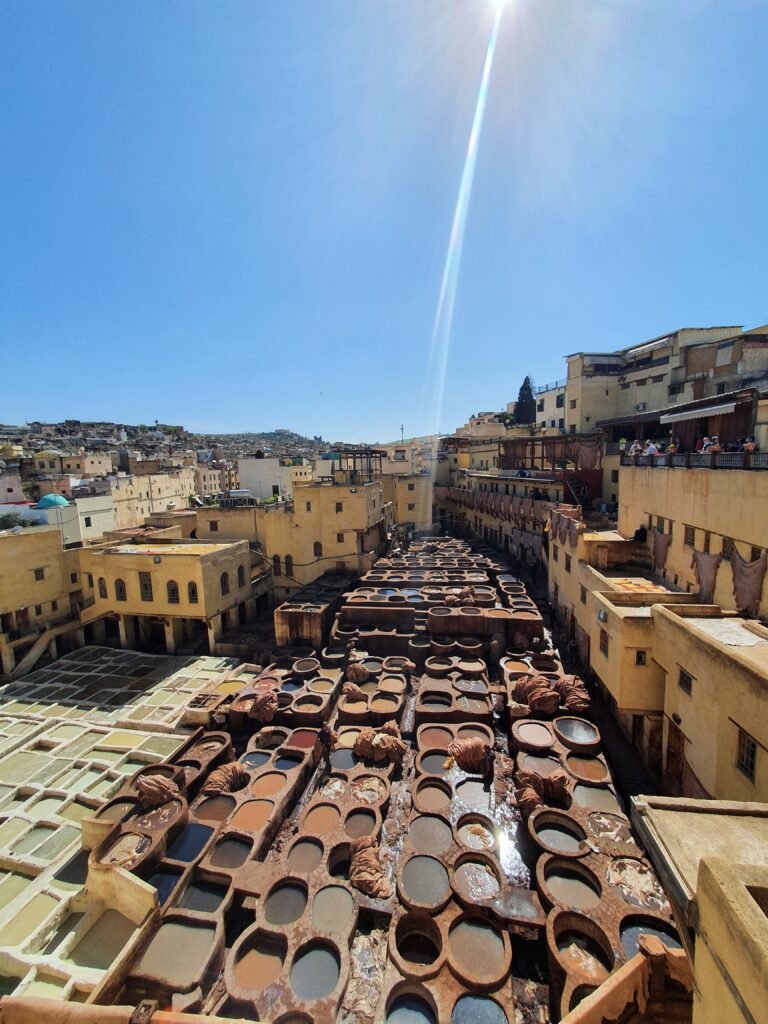
Instead of learning solely from textbooks, children gain knowledge through real experiences: visiting ancient ruins while learning history, exploring volcanoes and rainforests while studying science, practising a language with the people who actually speak it, and learning geography by crossing borders instead of memorising maps.
Some families travel continuously. Others settle in for a few months at a time. Some combine worldschooling with online school or a structured homeschool curriculum, while others go fully self-directed and follow their kids’ curiosity. There’s no single “correct” way to do this, and honestly, we’re still figuring out our own version of it too.
Our Worldschooling Journey
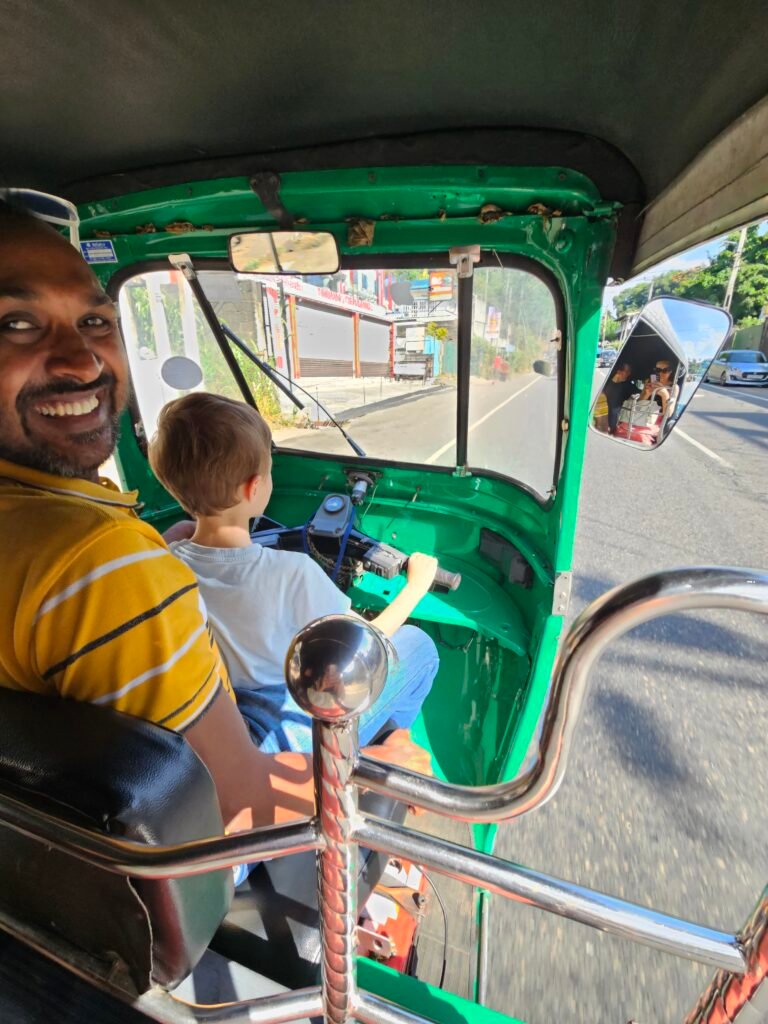
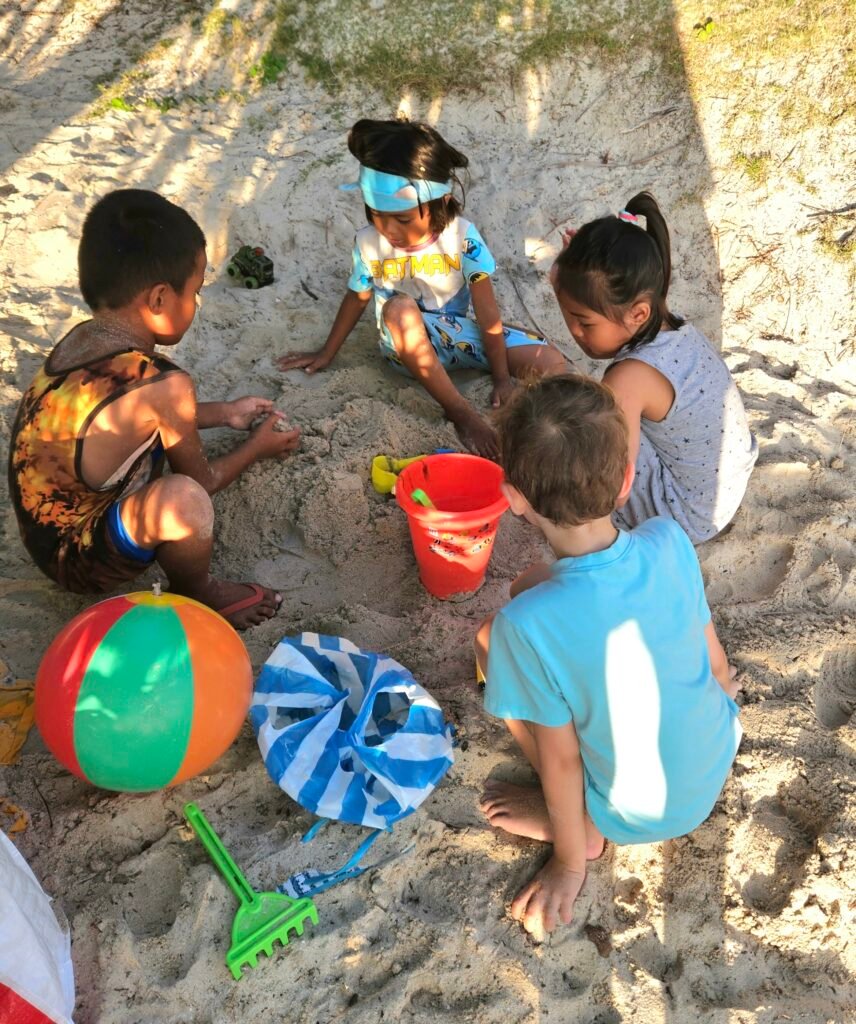
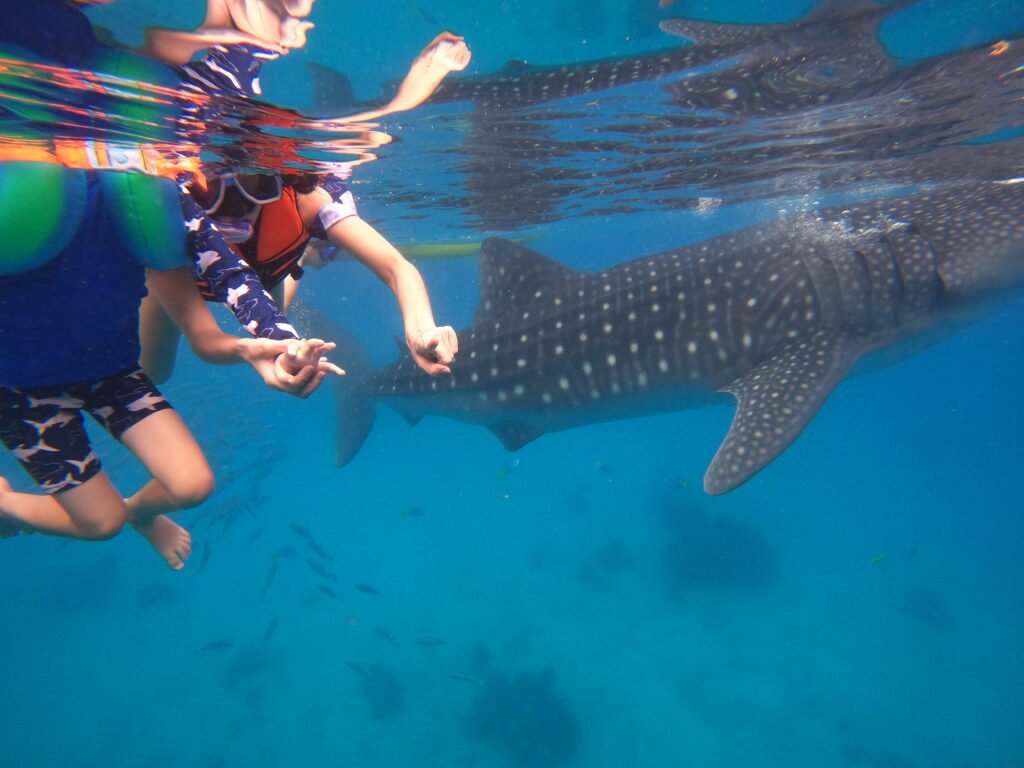
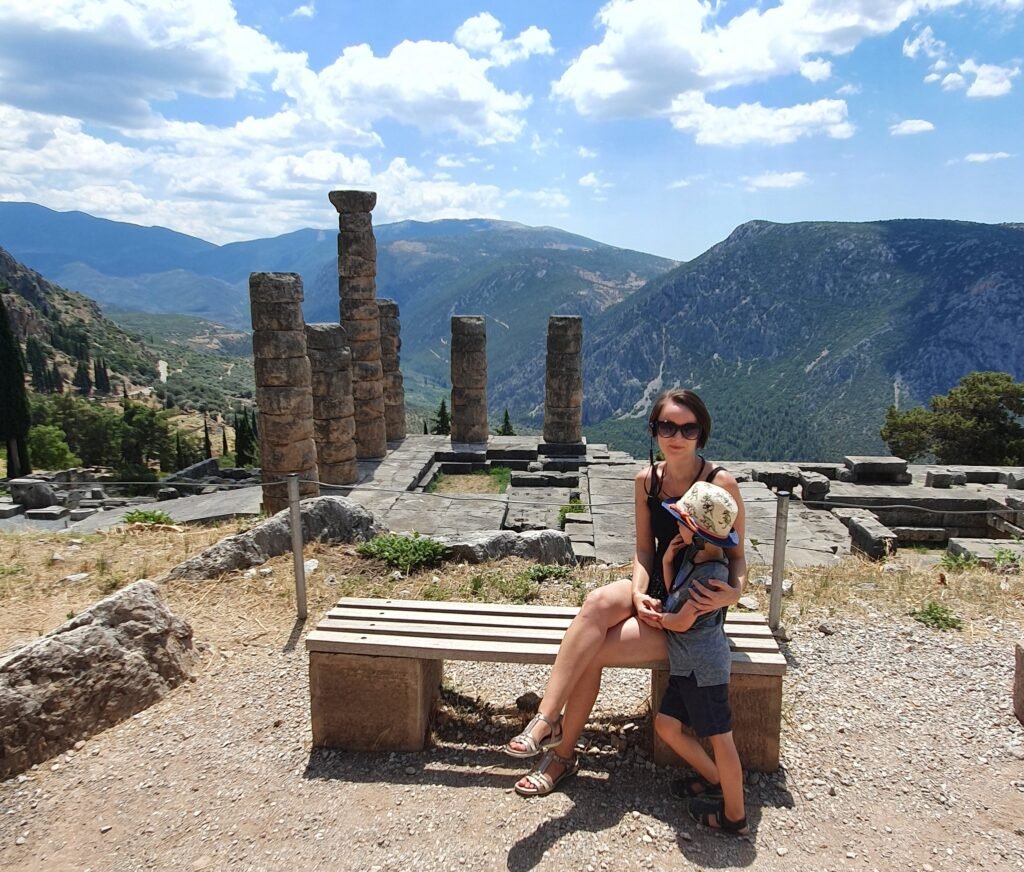
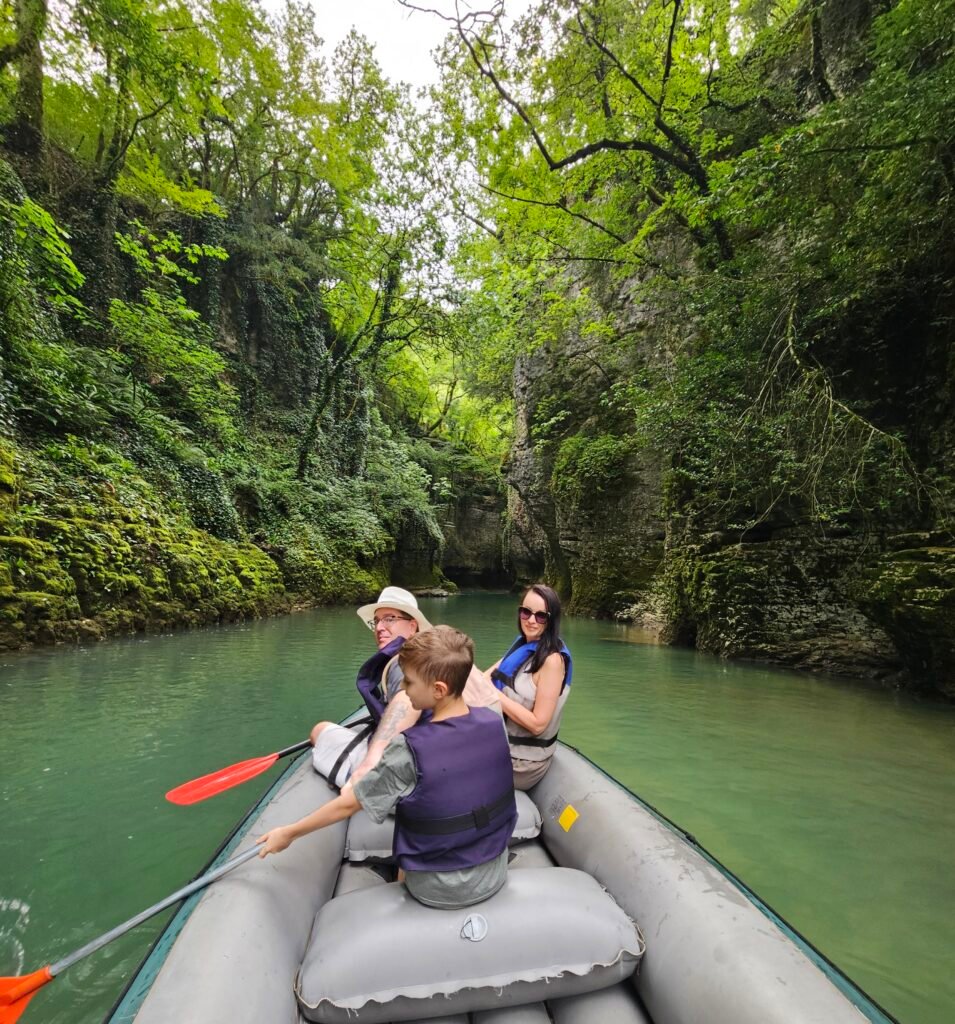
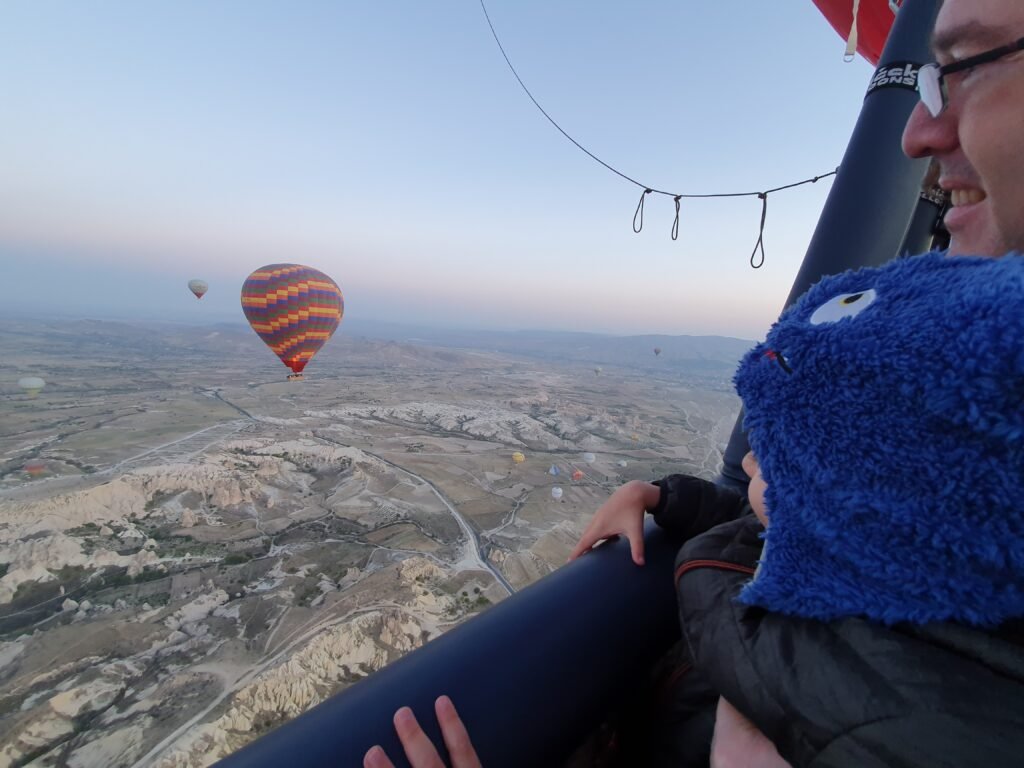
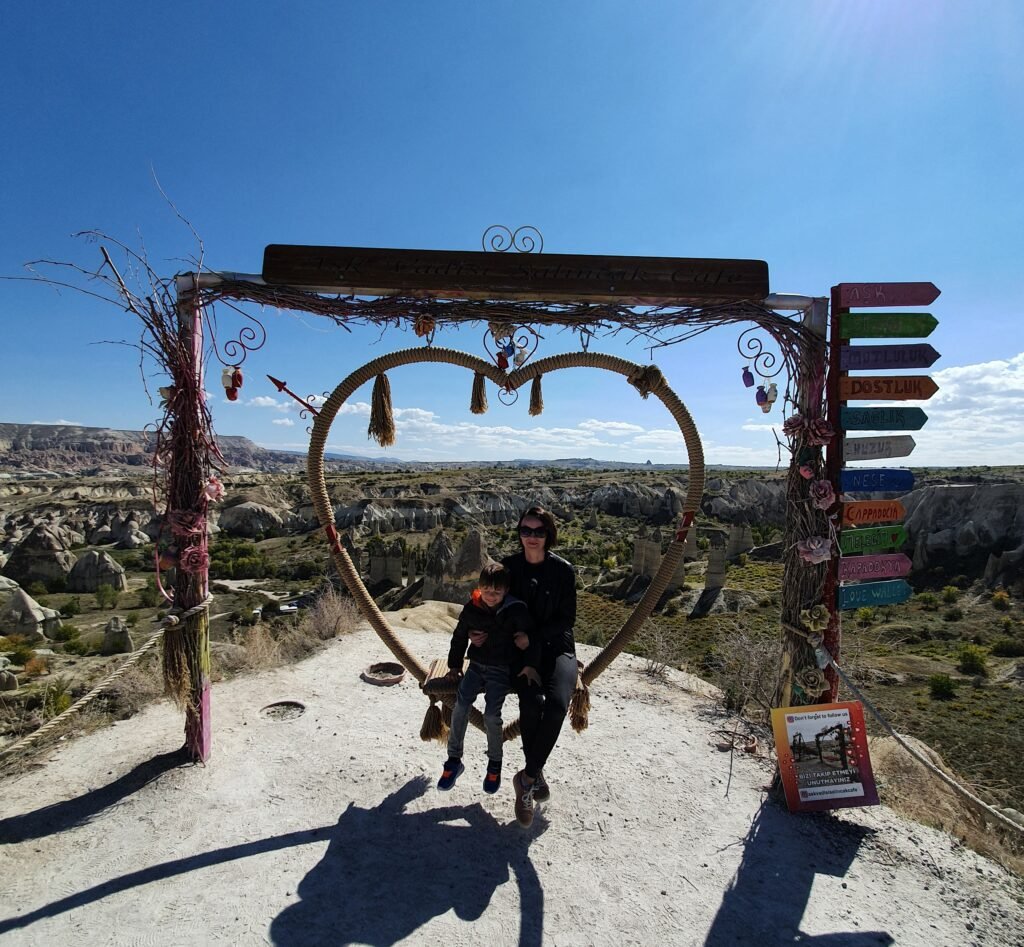
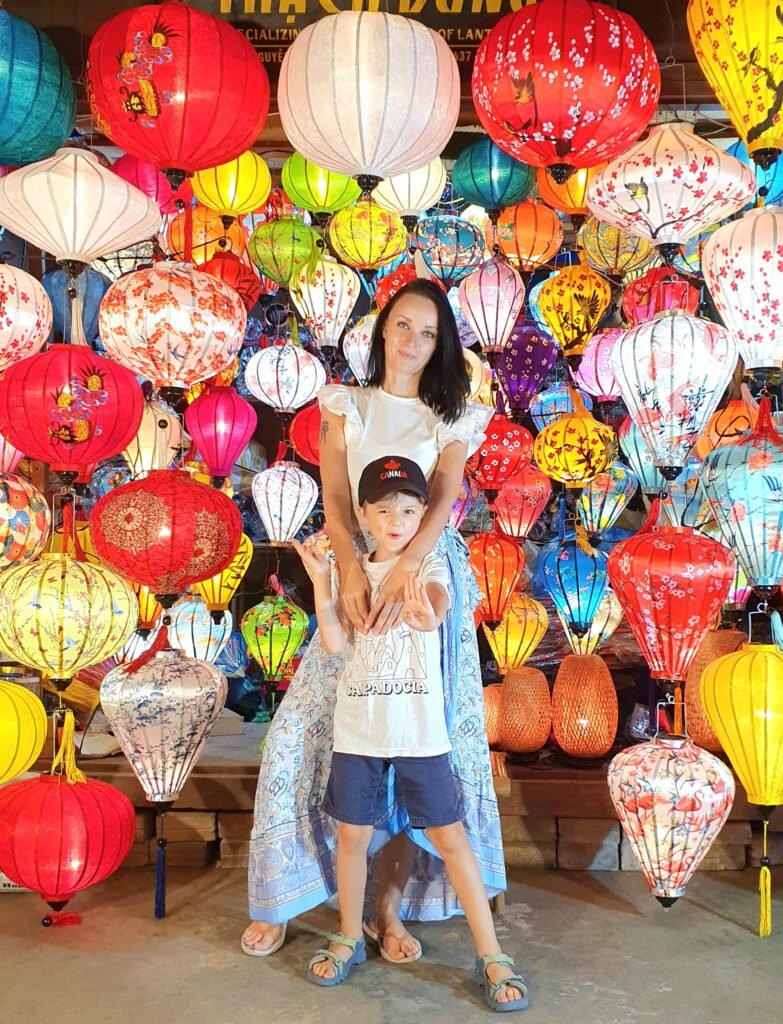
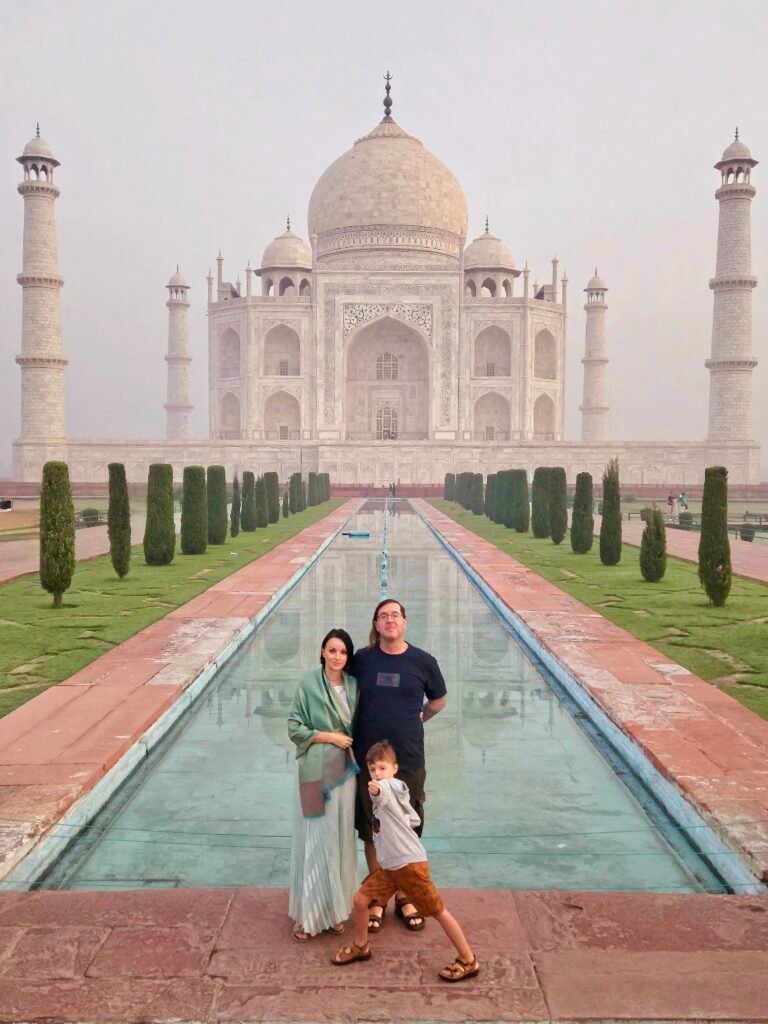
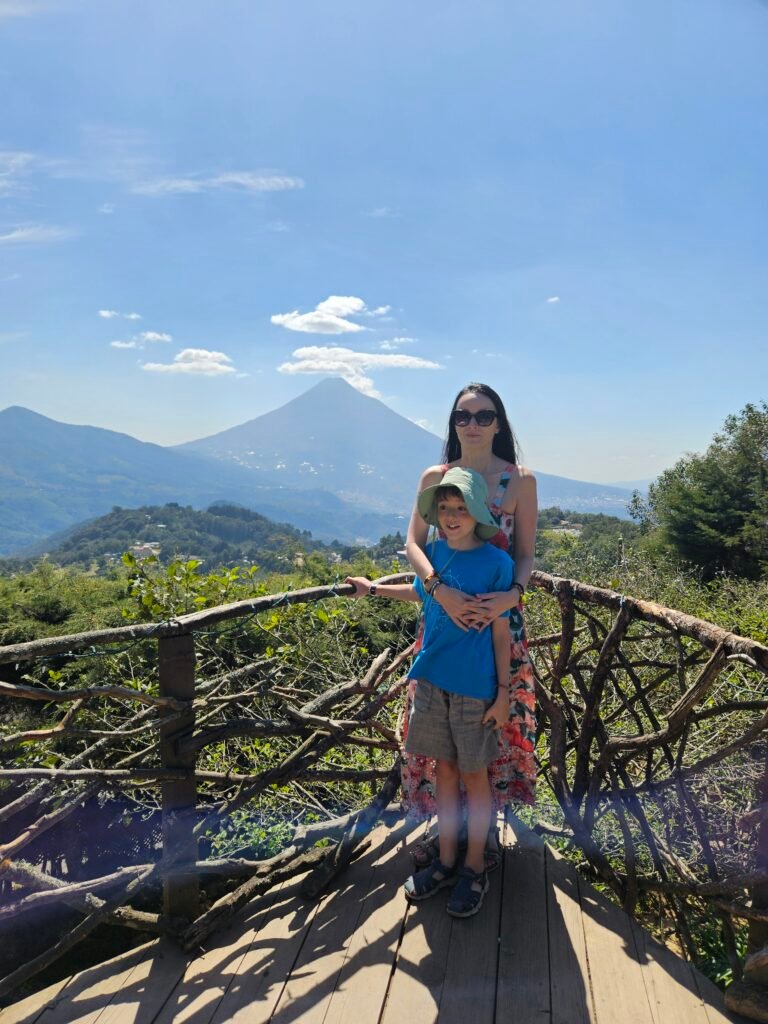
In 2020, we made one of the biggest decisions of our lives. Instead of following the traditional path of school, routine and waiting until retirement to see the world, we packed our bags, left home, and set off to travel full time with our four-year-old son. Since then, we’ve explored more than 75 countries together, from ancient temples and volcanoes to rainforests, deserts and bustling cities.
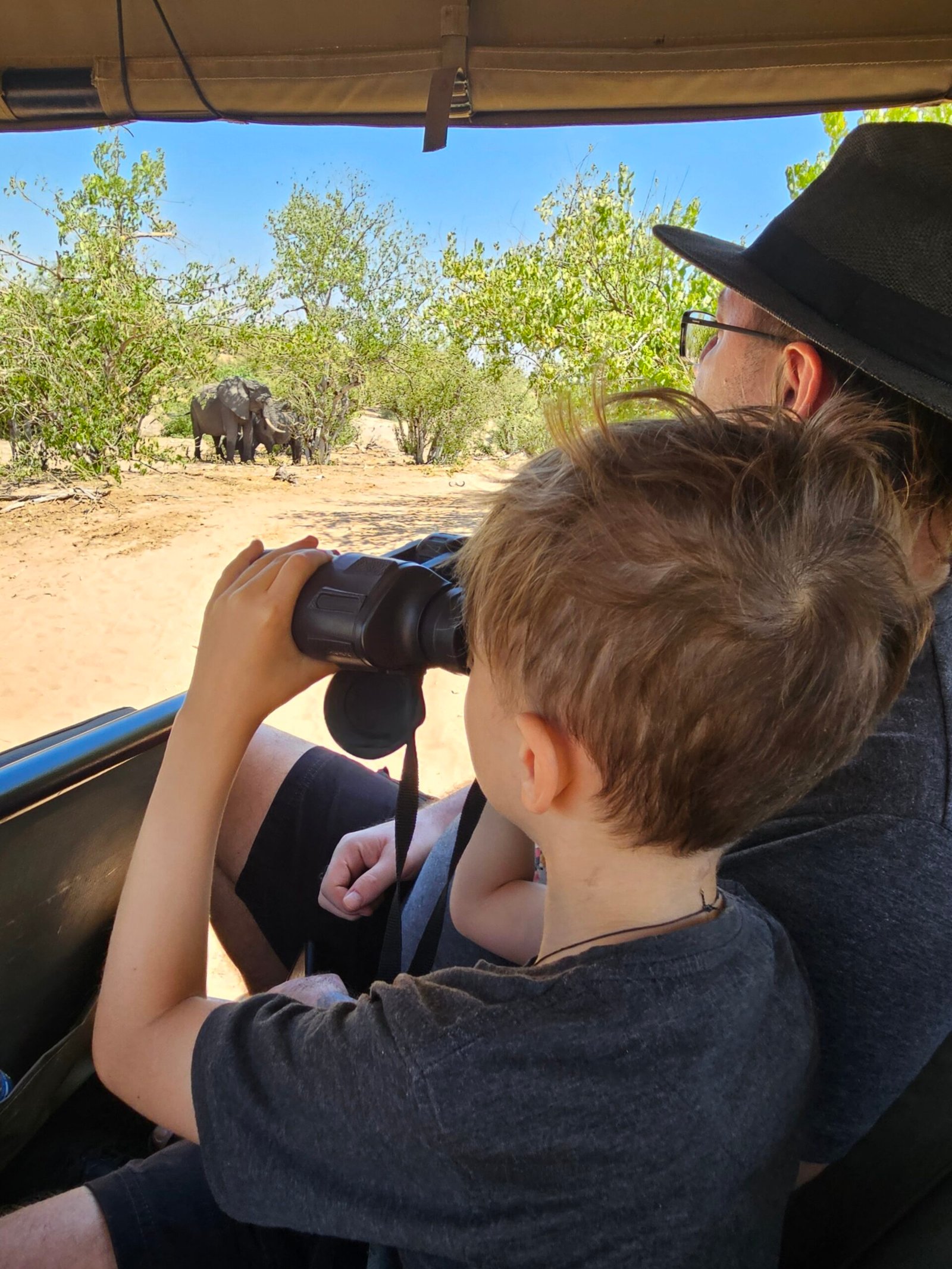
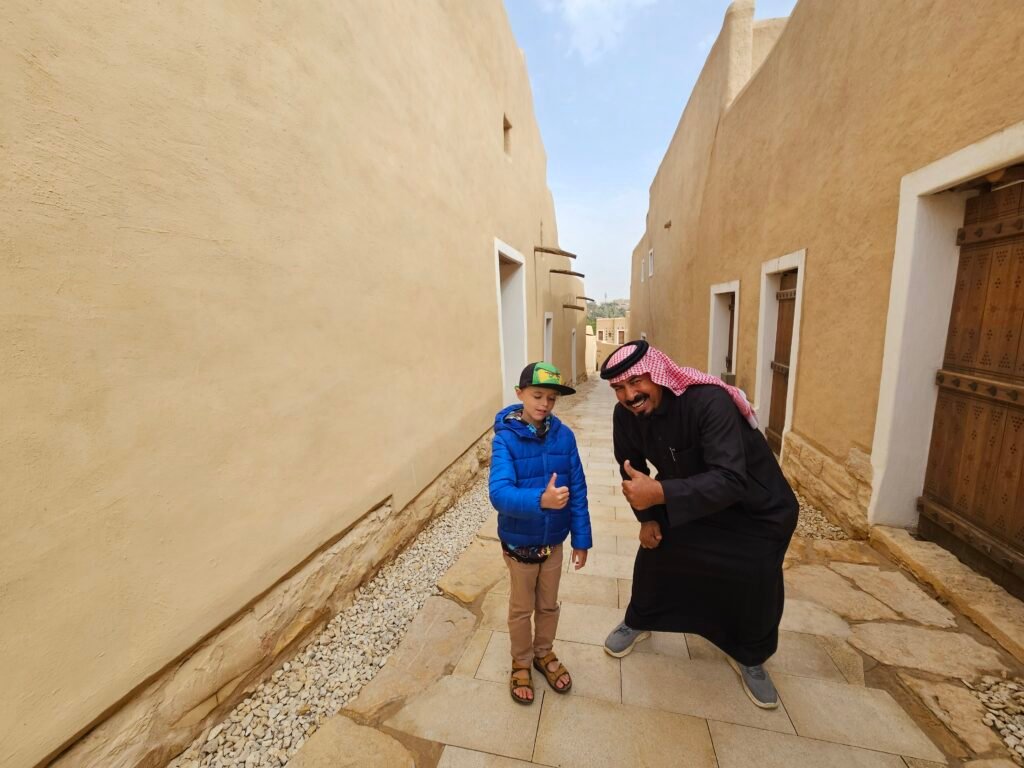
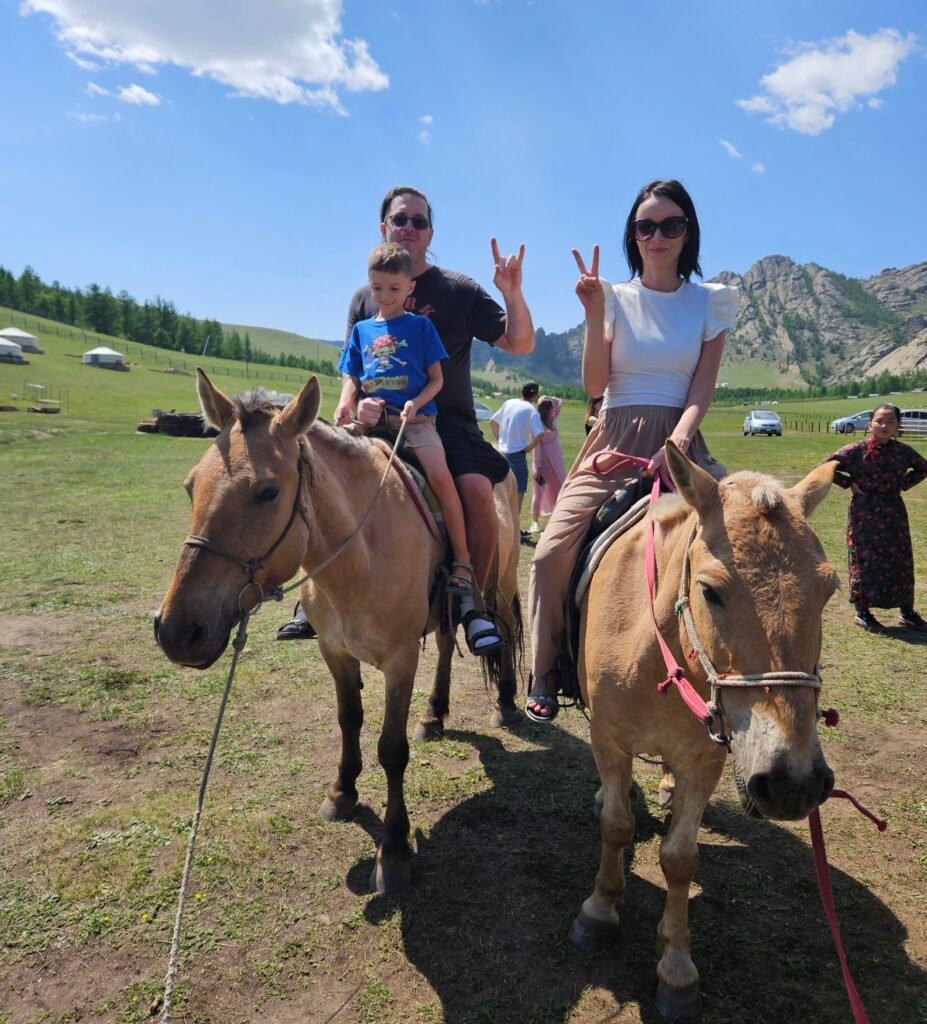
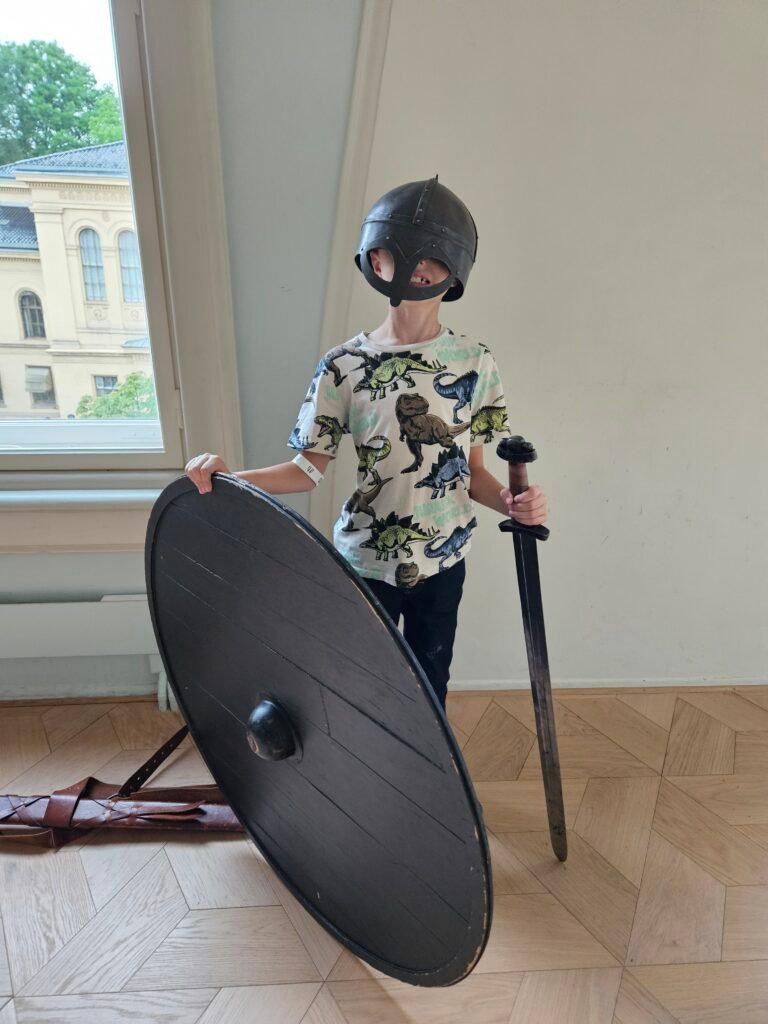
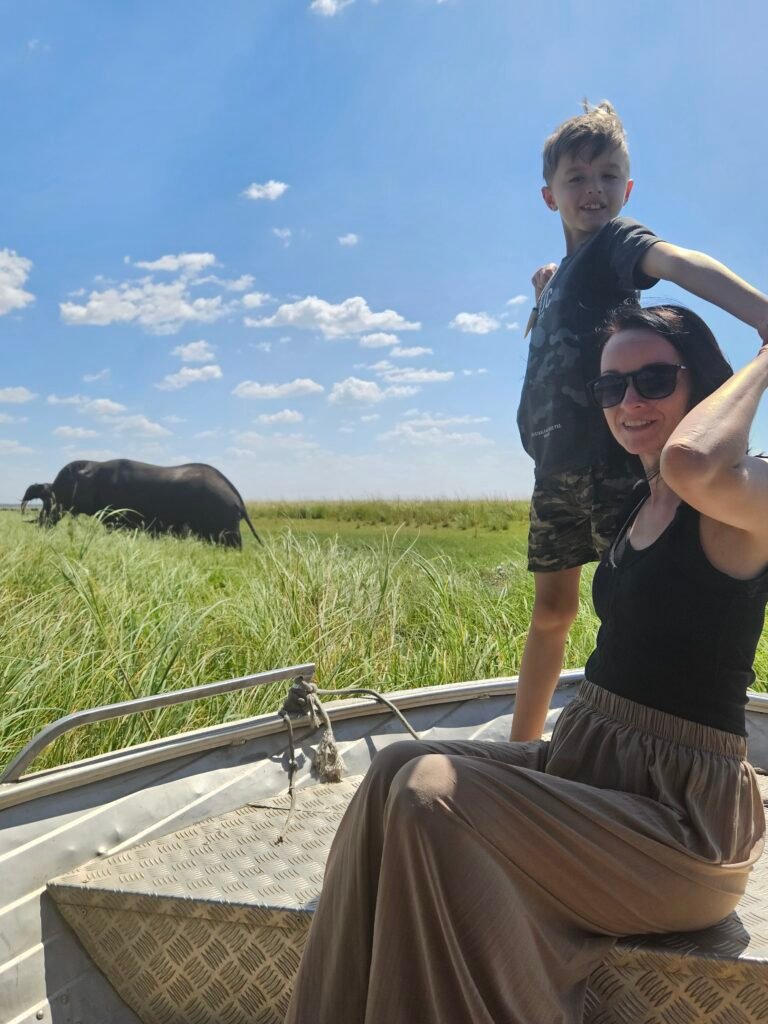
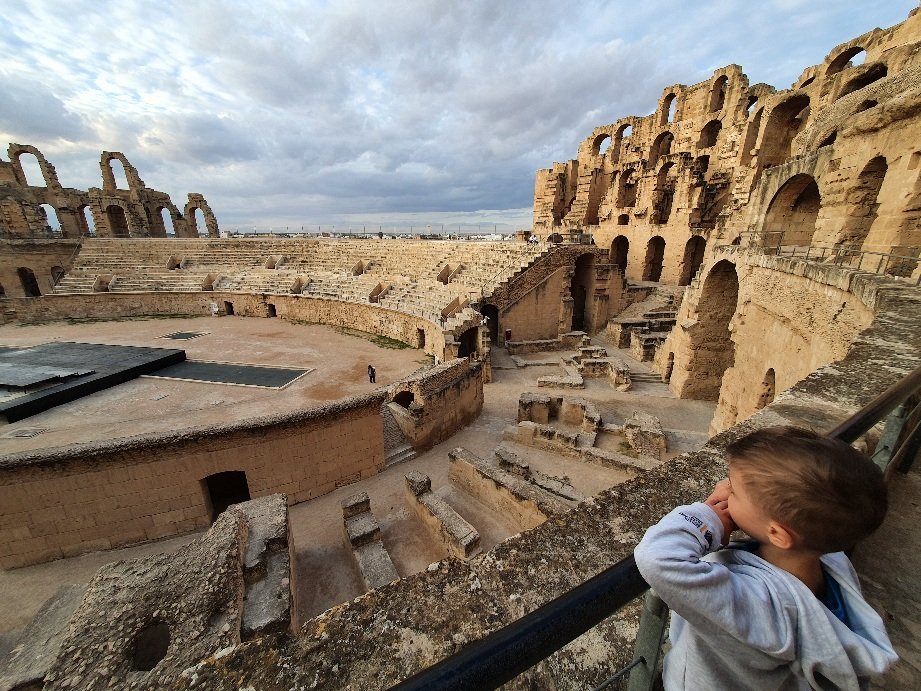
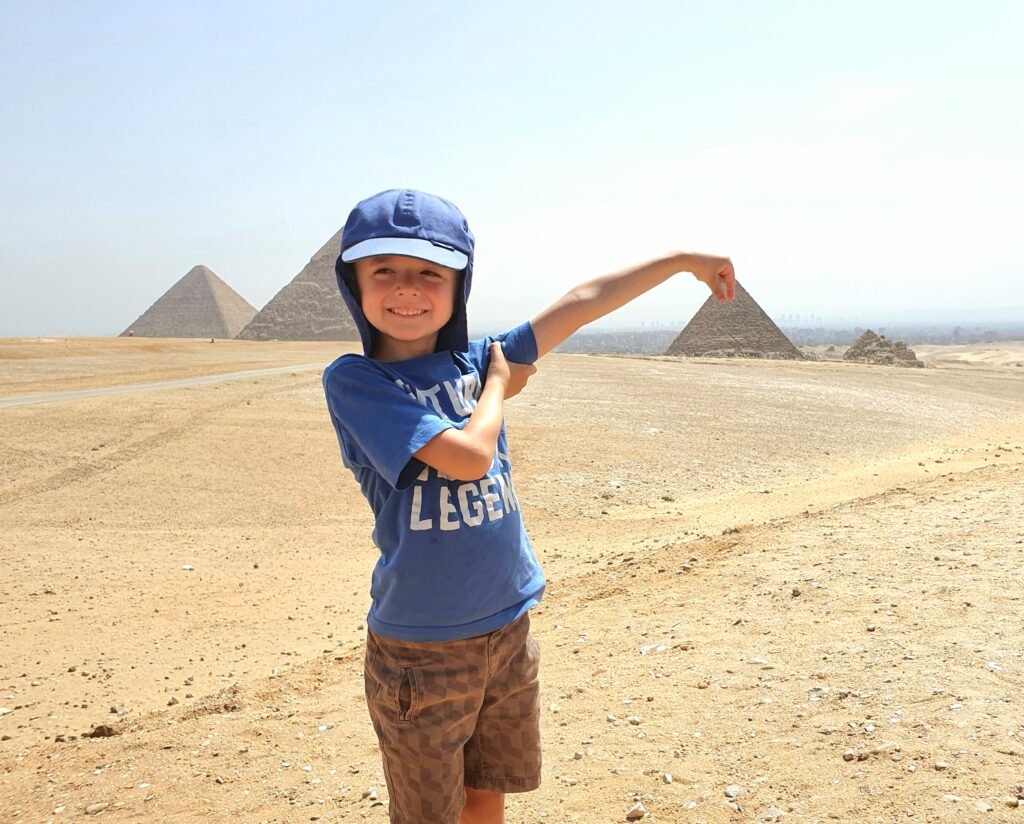
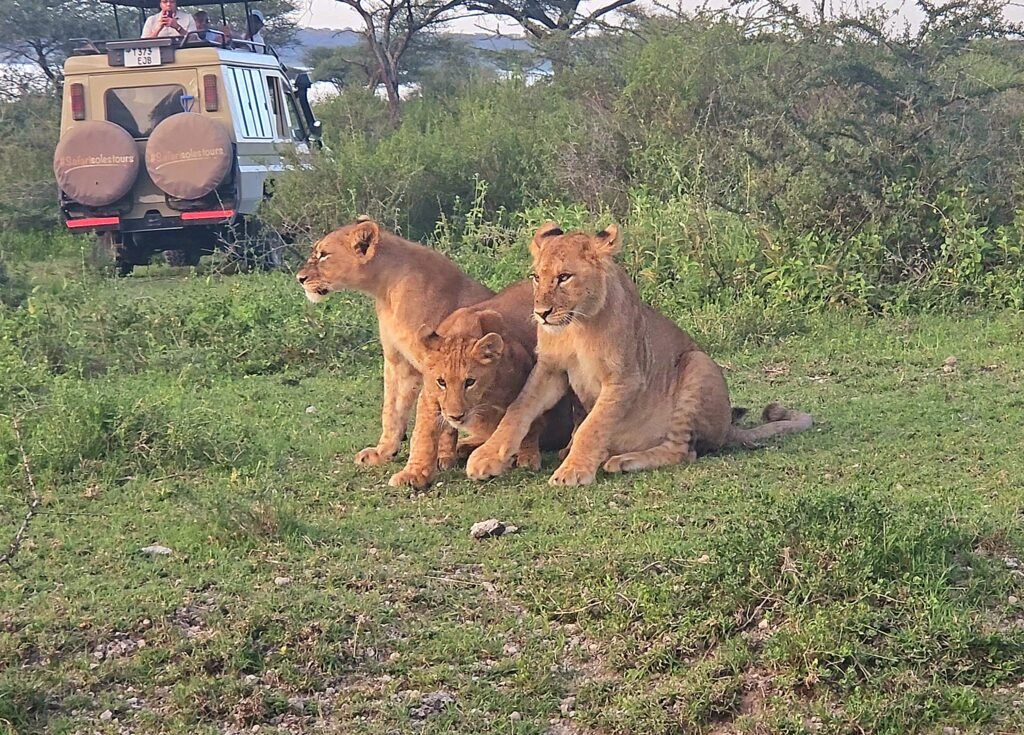
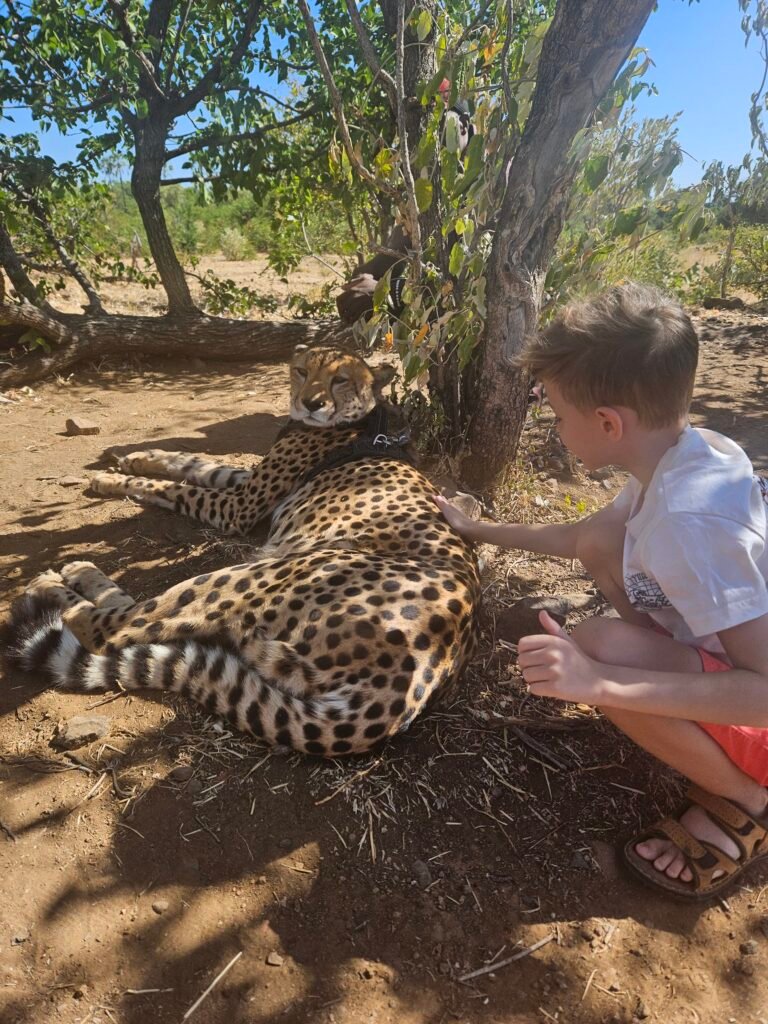
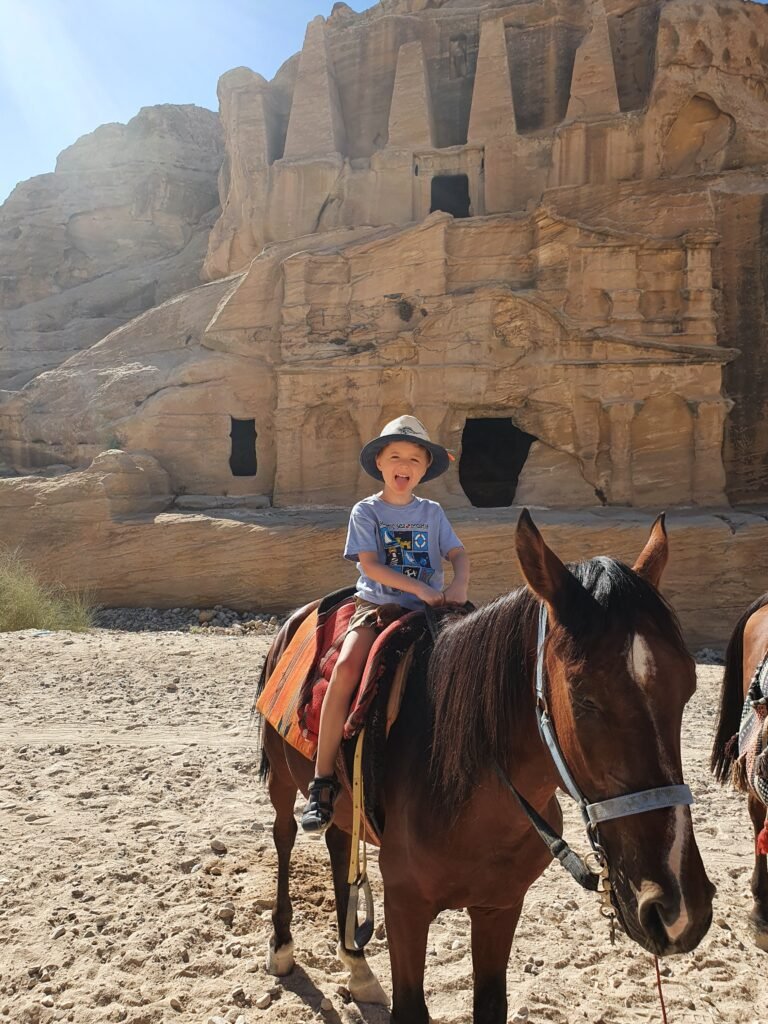
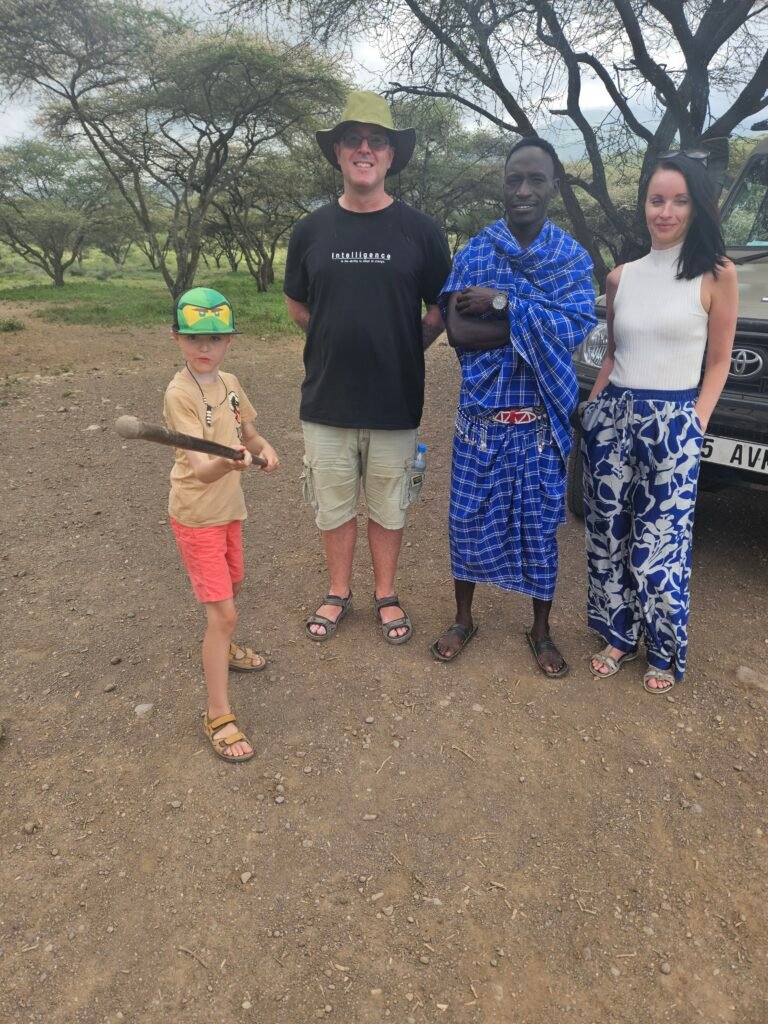
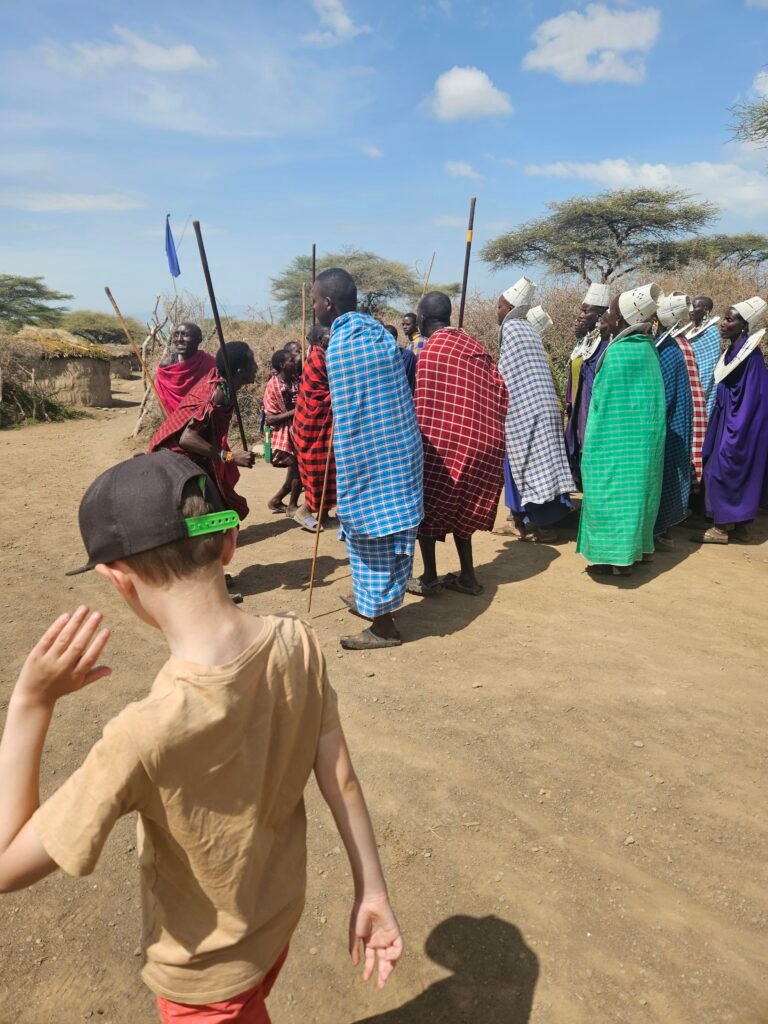
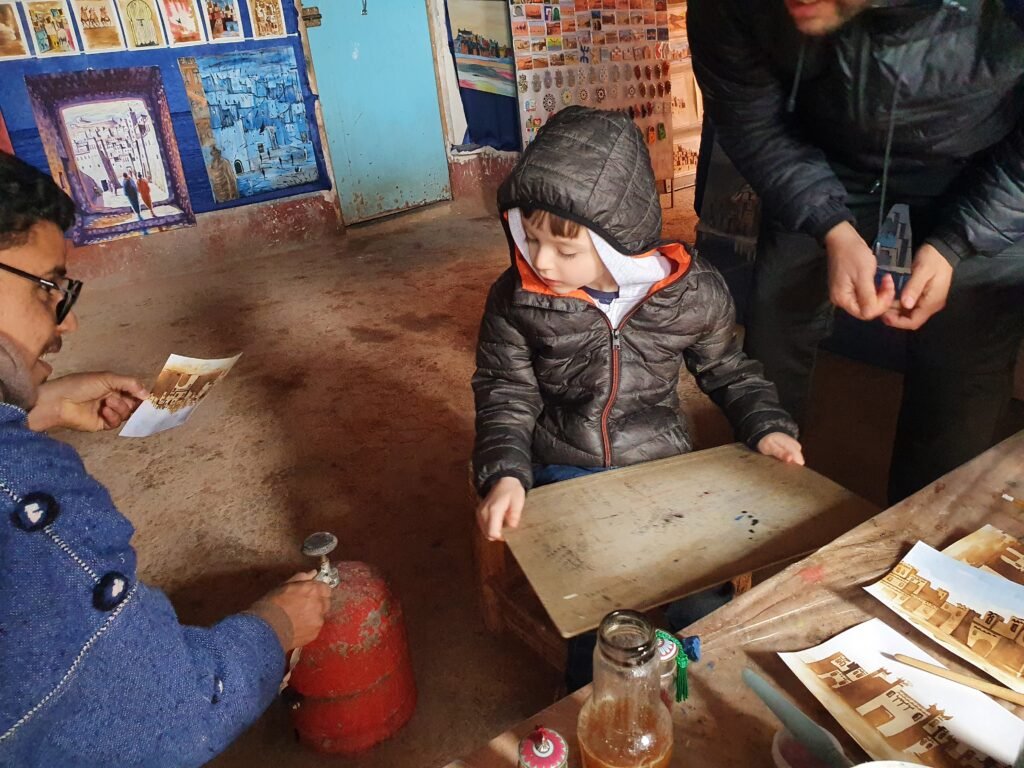
Our son has stood beside Roman ruins, ridden horses across the Mongolian steppe, learned about Viking history in Scandinavia, spotted wildlife on African safaris, explored the Egyptian pyramids, and experienced cultures that most children only ever read about in a textbook. He’s also had meltdowns in airports, missed his old friends, and asked more than once when we were “going home.” Worldschooling isn’t a highlight reel. It’s a real life, with real ups and downs, and this guide exists to make the logistics of that life a little easier.
Why Families Choose Worldschooling
Every family has different reasons, but a few come up again and again.
Learning through experience. Reading about the pyramids is one thing. Standing in front of them is something else entirely. Our son still talks about things he saw two or three years ago, in more detail than he remembers most of what he learned in his one year of traditional school.
More family time. Without long commutes, homework battles and a rigid school calendar, we spend far more time actually being together, not just occupying the same house at the end of a long day.
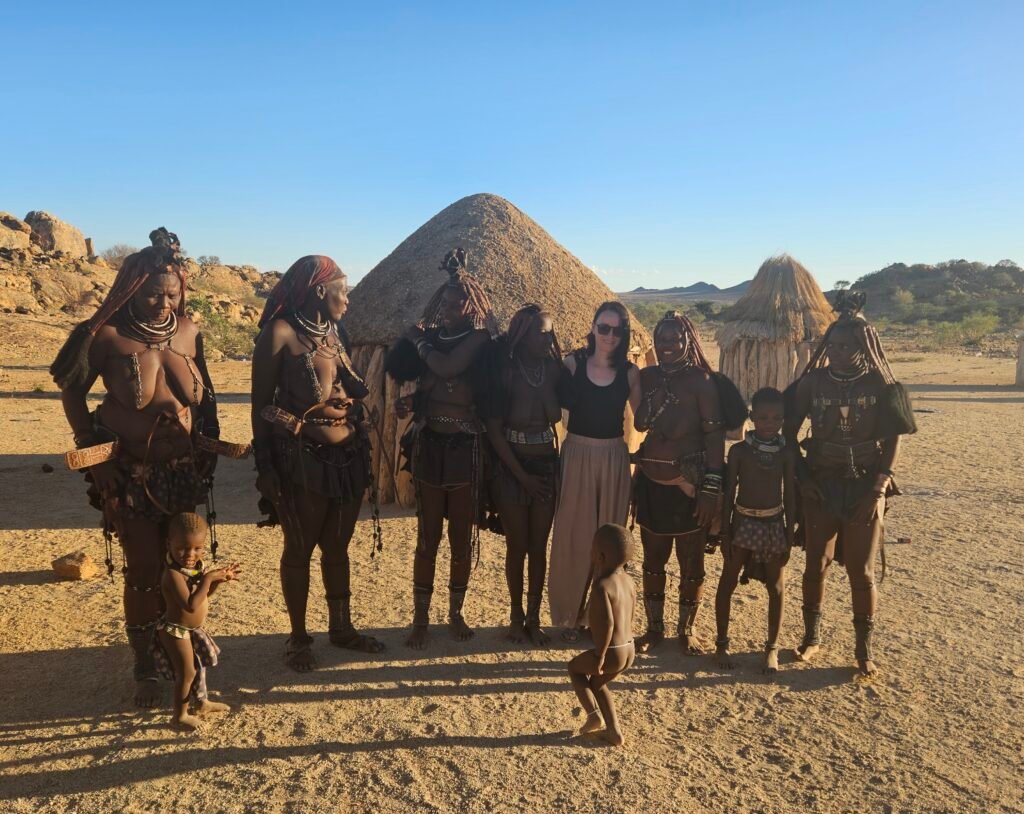
Cultural awareness. Travel teaches empathy, adaptability and curiosity in ways that are hard to replicate from a single hometown. Watching our son learn to greet people, try new foods and adjust to different customs has taught us as much as it’s taught him.
Flexible education. He can move quickly through subjects he enjoys and slow down on the ones that need more attention, instead of being paced to match a classroom of 25 other kids.
Freedom. This is the one nobody expects to matter as much as it does. Worldschooling means designing a life around what your family actually wants, rather than building your year around a school calendar someone else set.
How to Prepare for Worldschooling
Preparation feels a lot less overwhelming once you break it into pieces. Here’s everything we actually think about, and the tools we use for each one.
1. Flights
Finding affordable flights makes a real difference to your travel budget, especially with a family in tow. No single site consistently has the cheapest fares, so we compare a few and stay flexible with dates whenever we can. That flexibility alone has saved us hundreds, sometimes thousands, of dollars over a year of travel.
We book a lot of one-way flights and leave room to stay longer wherever we’re loving it. Flying mid-week, avoiding school holiday peaks where we can, and checking nearby secondary airports all help keep costs down too.
Recommended resources:
- Google Flights for a quick overview of price trends by date
- Aviasales for comparing across multiple airlines and agents
- Kiwi, especially useful for combining separate one-way tickets
- Going (formerly Scott’s Cheap Flights) for deal alerts from your home airport
An AI prompt we actually use:
“Find the cheapest route for a family of three travelling from Copenhagen to Southeast Asia in October, with flexible dates and one checked bag each.”
2. Accommodation
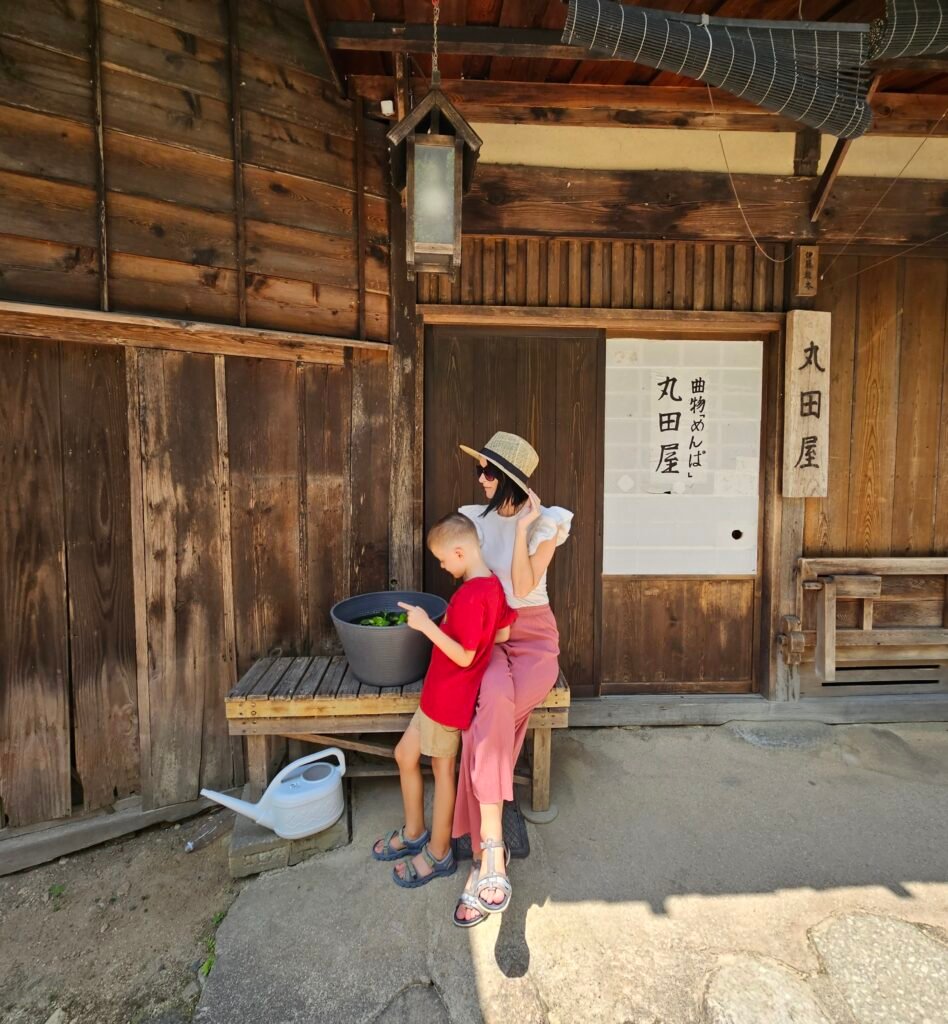
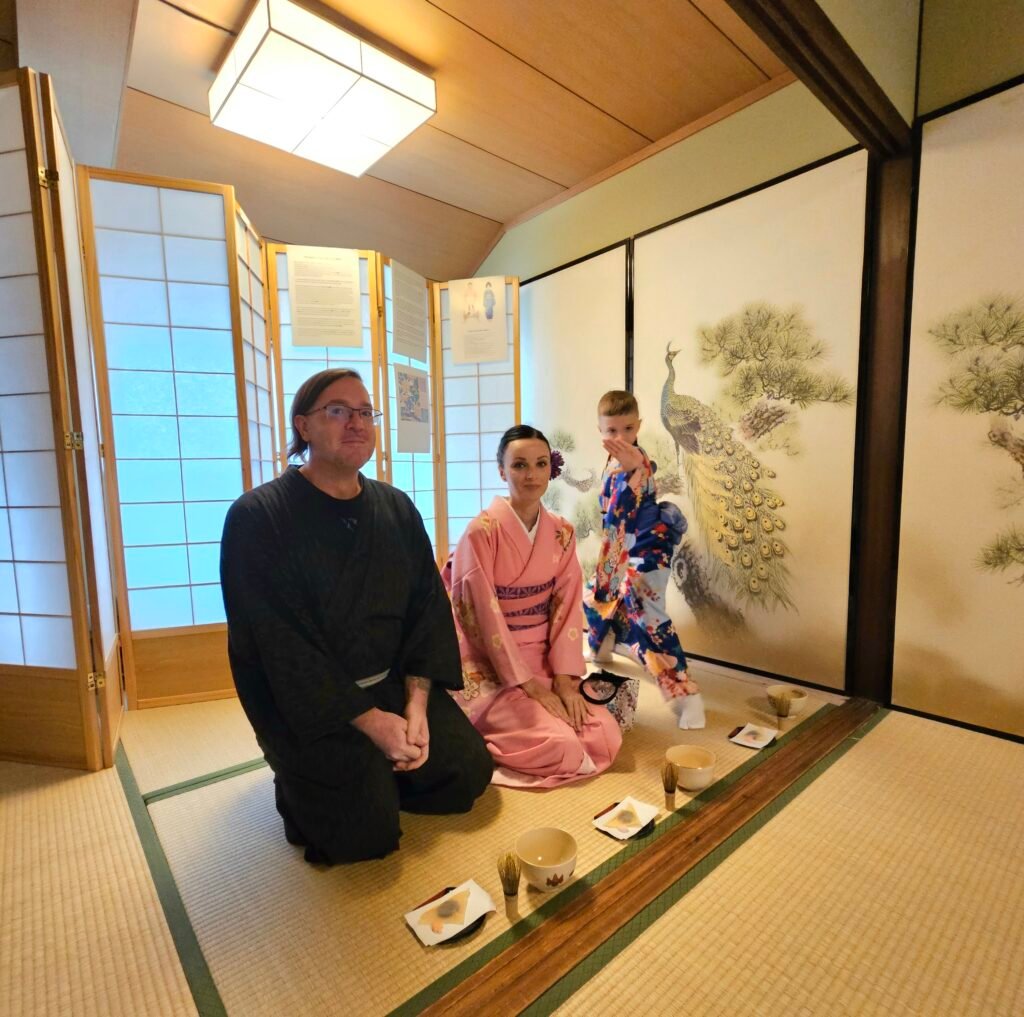
Accommodation is usually the biggest expense for a full-time travelling family, and the right place is the difference between feeling like you’re constantly on holiday and feeling like you actually live somewhere.
When we’re staying somewhere for weeks or months, we prioritise practical features over luxury every time. A kitchen, a washing machine, real Wi-Fi and enough space for everyone to work and learn matter far more to us than a pool we’ll use twice. We’ve also had good luck negotiating discounts for stays of a month or longer, particularly when we book directly with the owner instead of through a platform. See our detailed post on how we look for accommodation when staying somewhere for 1-2 months or longer.
What we look for:
- Reliable, tested internet speed (we ask the host to send a speed test before booking)
- A dedicated workspace, even just a proper table and chair
- A kitchen and washing machine
- A walkable, safe neighbourhood
- A playground or park within walking distance
Recommended resources:
- Airbnb for flexible monthly stays with a kitchen
- VRBO for short and longer stays
- Booking.com, useful for shorter stays and free cancellation
- TrustedHousesitters, where you stay for free in exchange for looking after someone’s home and pets. We know families who’ve stayed in incredible houses this way for the cost of a membership
- Nomad Stays, built specifically around long-stay, remote-work-friendly listings
3. eSIMs & Staying Connected
Reliable internet is one of the most important tools a worldschooling family has. Whether it’s an online class, a work call or simply pulling up a map in an unfamiliar city, staying connected isn’t optional anymore.
eSIMs let you activate mobile data before you’ve even landed, which means no queuing at an airport kiosk with a jet-lagged kid. Our approach: we buy an eSIM for the first few days in a new country, then switch to a local SIM once we’ve settled in, since local SIMs are almost always cheaper for longer stays.
Recommended providers:
- Airalo, our go-to for short stays
- Holafly, good for unlimited data plans
- Nomad eSIM – Nomad eSIM is one of our go-to options for staying connected abroad, with affordable plans covering destinations around the world and the convenience of getting online without buying a local SIM
4. Travel Insurance
Travelling without proper insurance is a risk that isn’t worth taking, especially with kids. A good policy covers emergency medical treatment, hospitalisation, evacuation, and lost luggage, at minimum. If you’re planning to hike, dive or do anything else adventurous, double check that it’s actually included rather than assuming it is. It was great to have it when we all got really bad food poisoning (in Spain, of all places!), and had to take our son to the Emergency room.
Read the fine print on pre-existing conditions and maximum trip length before you buy. We’ve had claims go smoothly and we’ve had ones that took months of back and forth, so we always keep digital copies of every receipt just in case.
Popular providers:
- SafetyWing, the one we currently use. Right now you can have 8 weeks of electronic theft coverage free with the code ATLAS.
- Genki, another very popular option
- World Nomads
- True Traveller
5. Visas & Border Logistics
This is the part that trips up a lot of new worldschooling families, and it’s easy to see why. Visa rules change often, they’re different for every passport, and a “90 days in 180” Schengen rule can quietly wreck a trip if you don’t plan around it.
Before we commit to a region, we check exactly how long we can stay on a tourist visa, whether a digital nomad visa makes sense for a longer stop, and whether we need to leave and re-enter to reset the clock. A visa-comparison tool such as VisaList.io that lets you plug in your passport and see stay limits by country is worth using every single time, even for a country you’ve visited before. Rules do change.
We always double check anything we read online against the destination country’s actual embassy website before booking flights. A blog post (including this one) is a starting point, not a substitute for the official source.
6. Banking & Managing Money Abroad
Managing money across multiple countries gets complicated fast without the right setup. We use travel-friendly debit cards with low foreign exchange fees, alongside online banking that makes international transfers simple and cheap.
We also carry at least two cards from two different providers, in two different bags, in case one gets lost, stolen or randomly frozen by a bank’s fraud detection while we’re in a country it didn’t expect us in.
Recommended services:
- Wise, for holding several currencies and getting the real exchange rate. We have used Wise for many years to manage money while travelling and moving between countries. If you don’t have an account yet, you can open it here.
- Revolut, an online bank we’ve been using for many years, and highly recommend.
- N26, another option for online banking we have used and trust.
- Charles Schwab (US), which reimburses ATM fees worldwide.
7. Remote Work & Online Income
A lot of people assume worldschooling only works if you’re already wealthy. In reality, most of the travelling families we’ve met fund this lifestyle through remote work, freelancing or a small online business, not a trust fund.
If you’re just starting out, focus on building one reliable income stream before you leave rather than trying to launch five things at once. It’s a much calmer way to start.
Job boards:
- FlexJobs, manually vetted, worth the subscription if you’re job hunting seriously
- We Work Remotely
- Remote OK
- LinkedIn, using the “Remote” filter under jobs. It sounds obvious, but most people don’t actually use it
Freelancing platforms:
If you’re juggling clients or a job across time zones, a simple world clock tool makes scheduling calls far less stressful, and helps you protect family time by seeing at a glance when a “quick call” actually means 4am for you.
8. Cost of Living & Choosing Where to Go
Before we commit to a new base, we compare the cost of living against where we’re coming from: rent, groceries, internet, and local transport. Cost of living comparison sites are useful for this, though we treat the numbers as a starting point rather than gospel, since prices in tourist areas of a city are often very different from a few streets over. Numbeo is a really great site for comparing cost of living in any place around the world.
We also check healthcare quality and safety data for anywhere we’re considering staying longer than a few weeks. It takes an extra half hour of research and it’s worth every minute of it.
9. Educational Resources
One of the biggest misconceptions about worldschooling is that the kids aren’t really learning anything. In practice, most families blend experiential learning (the museum, the ruins, the language barrier at the market) with a smaller set of carefully chosen online tools, rather than trying to replicate a full classroom from a laptop.
Rather than replicating a traditional school day, we lean into curiosity-led learning and keep a lighter structure around maths, reading and writing. A few categories worth knowing about:
- Core academics: Khan Academy (and Khan Academy Kids for younger children) for free, self-paced maths and reading
- Language learning: Duolingo for daily practice, and immersive video-based apps for building real listening skills
- Live online classes: Outschool, for everything from marine biology to coding, taught by real teachers in small groups
- Full online schools: a good option for families who want live lessons, a fixed curriculum and the same classmates wherever they’re based
We’ve put together a full breakdown of the specific apps and curricula we use day to day, organised by age and subject, in our guide to the best worldschooling apps and websites.
10. AI Tools for Worldschooling
AI has quietly become one of the most useful tools we have as a travelling family. Instead of spending an evening researching a destination or building a lesson plan from scratch, we can generate a personalised learning activity, a kid-friendly itinerary, or a real-time translation in the time it takes to type a sentence.
We use ChatGPT almost daily to build learning around wherever we happen to be. A few examples:
- Building a history lesson around the Colosseum before we visited Rome
- Creating a nature scavenger hunt for a local park
- Explaining volcanoes in kid-friendly terms before a trip to Iceland
- Designing a loose weekly learning schedule when we’ve been out of routine for too long
- Turning a museum visit into a short quiz on the walk home
We’re slowly collecting our favourite prompts into a proper library so you don’t have to write them from scratch either. It’s not live yet, but let us know in the comments if that’s something you’d want first.
11. Essential Travel Apps
A handful of apps make travel meaningfully easier and cut down on the small daily stress of navigating somewhere new. These are the ones we open on repeat, whether we’re booking transport, finding our way around a new city, or just trying to figure out what’s actually in a dish before we order it.
- Google Maps
- Rome2Rio, for figuring out ground transport options between two points
- Bookaway, for booking buses, ferries and vans in advance instead of haggling at a station
- Google Translate
- XE Currency
- Uber (or the local equivalent, which is worth downloading the moment you land)
- Polarsteps, for mapping and journaling our route, which has become a nice record for our son to look back on
- HappyCow, handy for finding good vegan or vegetarian food fast when you’re hungry, tired and in a country whose menu you can’t read yet
12. Finding Your Worldschooling Community
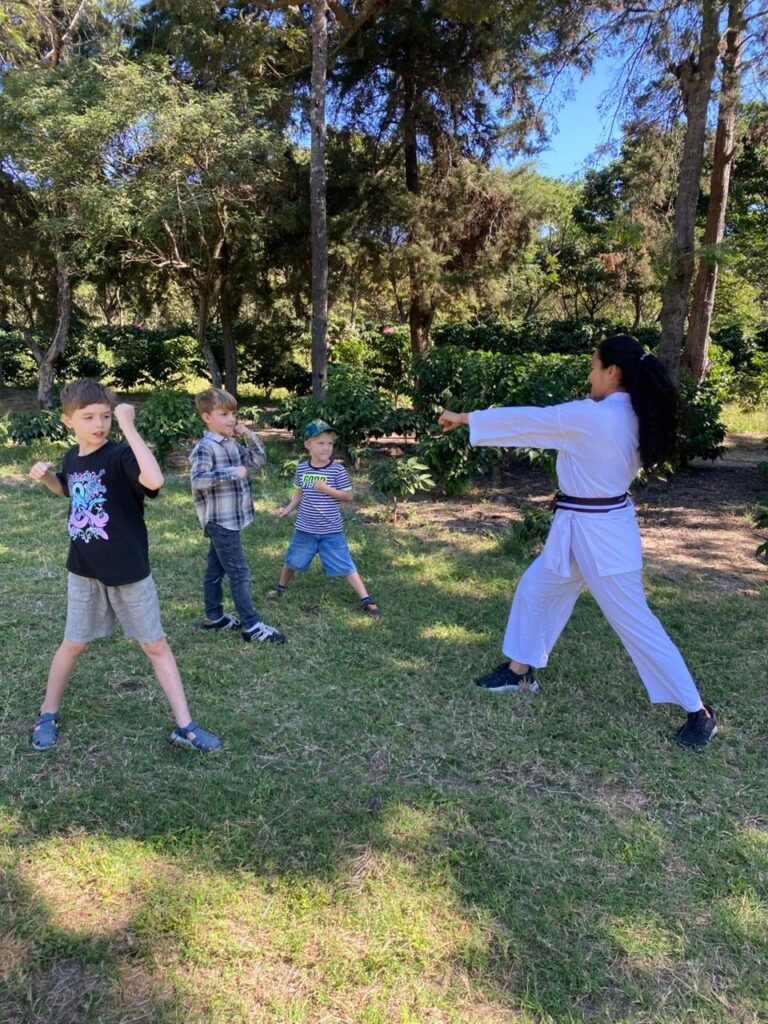
One of the biggest worries for families considering this lifestyle is whether their kids, and honestly the parents too, will actually make friends. It’s a fair worry. It was ours too.
The good news is there’s a genuinely large, active global community of travelling families, and connecting with them is easier than it looks from the outside. A few places to start:
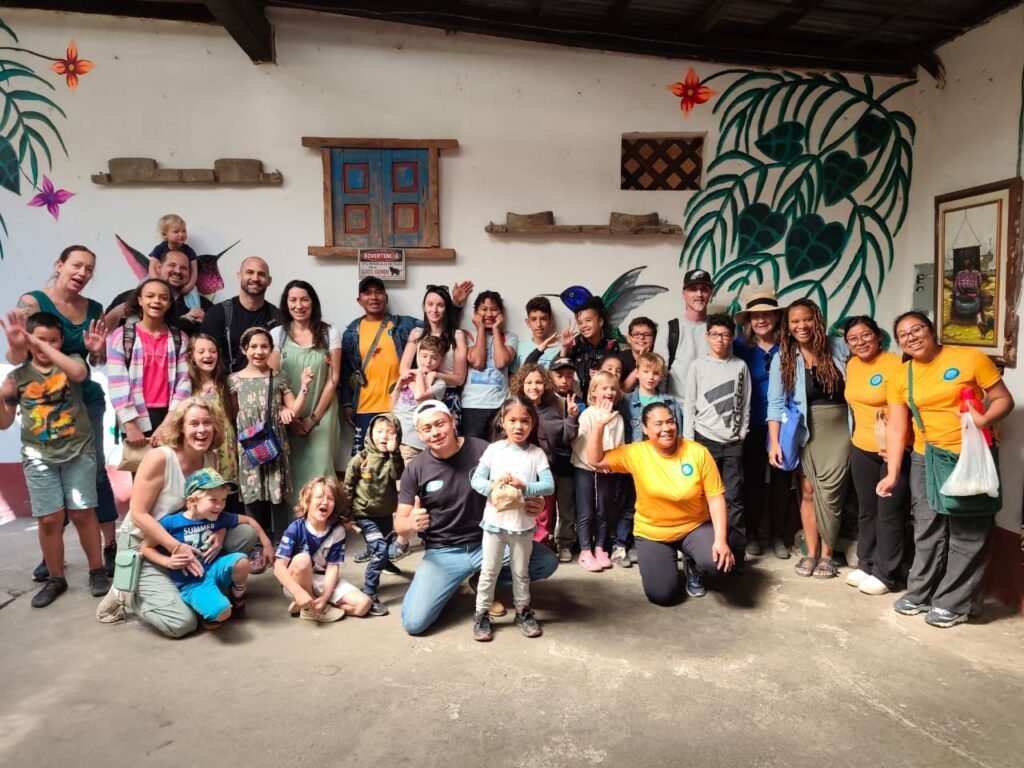
Worldschool Pop-Up Hub. Organises temporary communities in one location for several weeks at a time, with excursions, workshops and structured social time built in. This is the easiest way to dip a toe in if you’re nervous about the social side, since the friend-making is basically done for you.
Worldschooly. A directory of travelling families, hubs and events, useful for scouting whether a destination already has a worldschooling scene before you commit to it.
Facebook groups. Still one of the best places to ask a specific question and get a real answer from someone currently on the ground. Search general worldschooling groups as well as destination-specific ones for wherever you’re heading next. We’ve met many travelling families and made great friends through Facebook groups.
Building a community on the road takes a bit more initiative than it did back home, where friendships just happened through proximity. But most families we know end up with fewer, deeper friendships than they expected, not more shallow ones.
13. Staying Healthy and Safe on the Road
Good insurance covers the worst-case scenario, but a few habits reduce how often you need to use it. We visit a travel clinic before any region with specific vaccine or malaria considerations, and we keep a simple digital record of our son’s vaccination history and any medications, so we’re not searching for paperwork in an unfamiliar pharmacy.
We also make a habit of finding the nearest hospital or clinic within the first day of arriving somewhere new, even if we never end up needing it. It takes five minutes and it means we’re not googling it for the first time in an emergency.
Frequently Asked Questions
Is worldschooling legal?
Generally yes, but the specifics depend on your home country’s homeschooling laws, not the countries you visit. Some countries require you to register as a homeschooler or file a basic education plan, while others have very little oversight. Check your home country’s rules before you leave, since that’s usually what governs you, not local law wherever you happen to be staying.
How much does worldschooling actually cost?
It varies enormously depending on destination and lifestyle. Families we know have made it work on a few thousand dollars a month in lower cost-of-living countries, and others spend considerably more. The honest answer is that it’s less about a magic budget number and more about matching your destinations to what you can actually afford.
Will my child fall behind academically?
Every family worries about this, us included. In our experience, kids often move faster in some areas and slower in others than a traditional classroom would predict, which isn’t the same as falling behind. Keeping a light, consistent routine around core skills like reading and maths goes a long way here.
Do we need a teaching background to do this?
No. Most worldschooling parents aren’t trained teachers. The apps, online schools and communities in this guide exist specifically to fill that gap, so you’re not doing it entirely alone.
What if it doesn’t work out and we want to go back to a traditional school?
Plenty of families do a season or a year of worldschooling and then return to a conventional classroom, and plenty of kids adjust back just fine. It doesn’t have to be a permanent, all-or-nothing decision.
Further Reading
A few more guides from our own travels, if you want to go deeper on a specific piece of this:
- The Best Worldschooling Apps and Websites We Actually Use
- The Family Travel Gear We Actually Use, After 90+ Countries
- 21 Best Things to Do in Copenhagen with Kids
- Best Things to Do in Kraków with Kids
Final Thoughts
Worldschooling isn’t about travelling perfectly. It’s about raising curious, adaptable kids who see the world as their classroom, even on the days it’s messy and tiring and nothing goes to plan.
Whether you’re planning a six-month trip or a fully location-independent life, the right resources make the whole thing far less stressful to actually pull off.
We’ll keep updating this guide as we find better tools from our own travels. If you know of a resource we’ve missed, or you’ve tried one of these and it didn’t work for you, tell us in the comments. We read every one, and we’d genuinely rather know.

12 Comments